Tracing Galicia’s Celtic heritage sites: where my spirit roams
Some links in this guide are affiliate links — if you book through them we may earn a small commission at no extra cost to you. It never changes what we recommend. Full disclosure.
You might think of Spain as all sunshine, flamenco, and golden beaches, but travel northwest, to the wild, green corner that is Galicia, and you’ll find a completely different soul. This land breathes with ancient stories, and exploring Galicia’s Celtic heritage sites offers a powerful sense of connection to a past that shaped not just this region, but whispers through the very fabric of its identity today. My 15 years living across Spain have shown me that Galicia holds a unique, enduring spirit, one that is often misunderstood by those who stick to the more advertised routes, and I’m here to guide you through the raw beauty and deep history you’ll encounter here.
Quick Answer: Galicia’s Ancient Roots
To truly trace Galicia’s Celtic heritage, focus your visit on the region’s numerous castros—fortified Iron Age settlements like Castro de Baroña or Castro de Santa Trega—which offer a tangible connection to the ancient Gallaecians. Entry fees for these significant archaeological sites typically range from €0 to €4, with most open from 9:00 AM to 6:00 PM, though hours can extend significantly in summer months. Expect rugged terrain and often remote locations, making a rental car the best way to explore.
Exploring the Ancient Castros: Galicia’s Iron Age Fortified Settlements
Visiting a castro is the most direct way to step back into Galicia’s pre-Roman past, offering a tangible connection to the Iron Age communities who built these impressive fortified settlements. The Castro de Baroña, located near Porto do Son on the coast, is one of the most striking and accessible examples, with no entry fee and open access from dawn till dusk. However, if you want a more structured experience with a visitor center and a clearer understanding of the layout, Castro de Santa Trega near A Guarda, with its small museum and reconstructed huts, is another excellent option; general admission is €3 per person, and it’s open daily from 10:00 AM to 8:00 PM during peak season (July-August), shortening to 10:00 AM to 6:00 PM in other months.
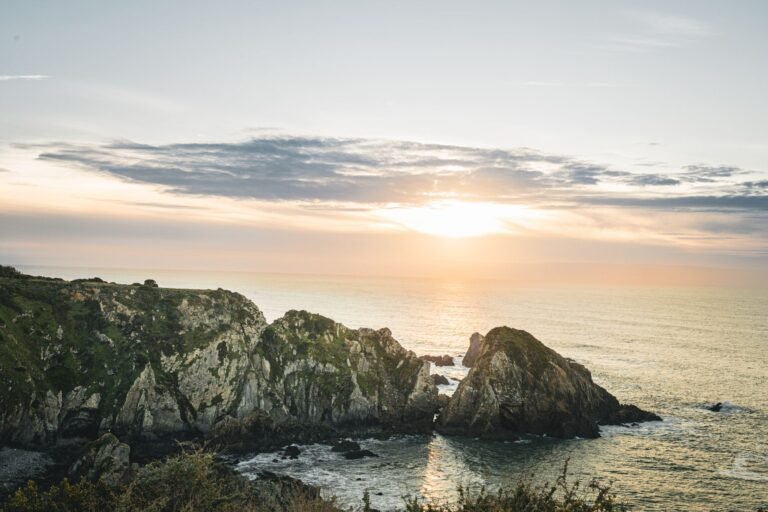
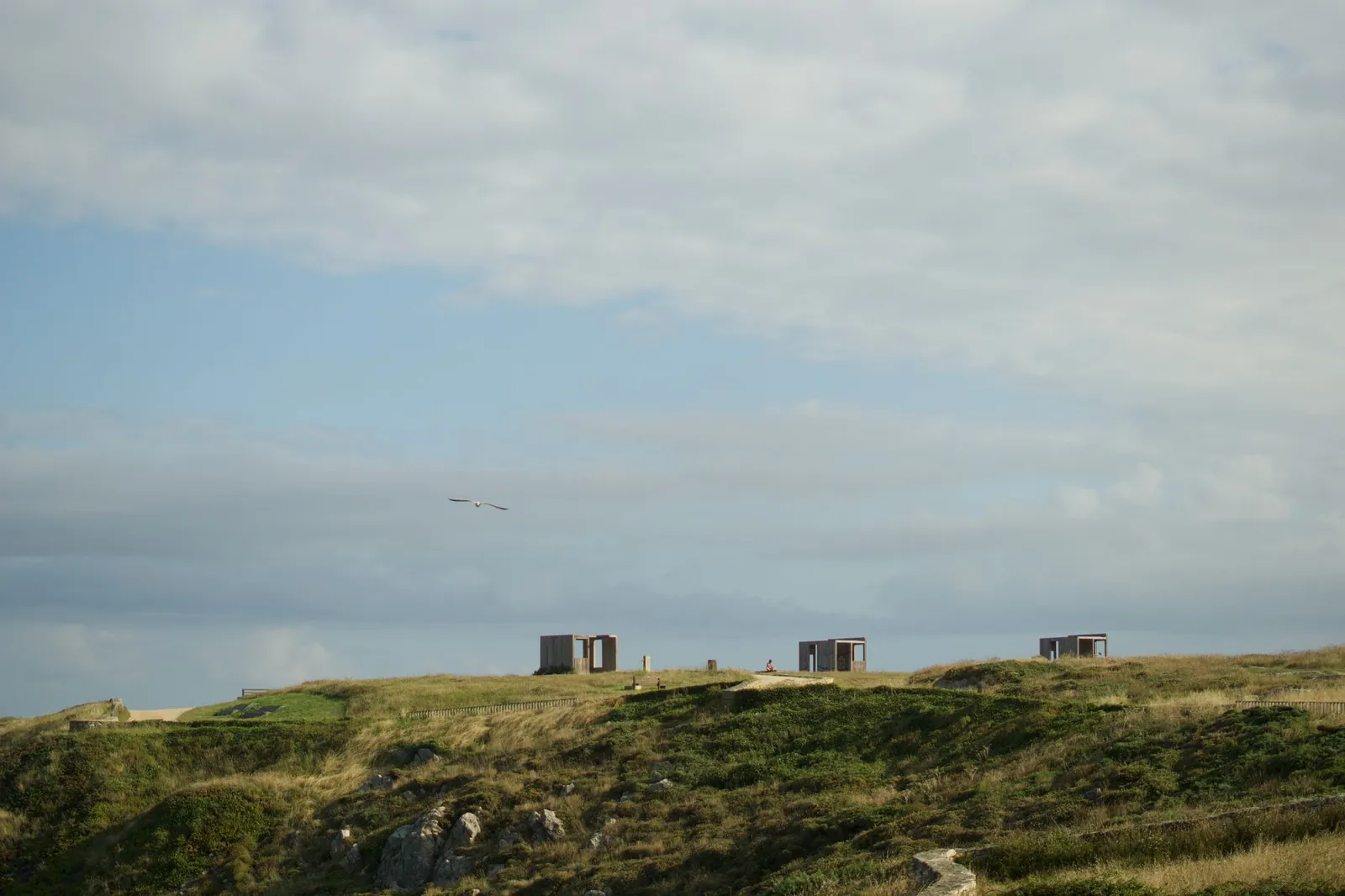
The Gallaecians, as the Celtic inhabitants were known, chose strategic coastal promontories and hilltops for their homes, giving many castros their dramatic locations overlooking the Atlantic. Baroña, for instance, sits on a small peninsula almost entirely surrounded by the sea, the remains of its circular stone huts and defensive walls battered by ocean winds. You walk through the ruins, imagining daily life here some 2,500 years ago, the crashing waves providing a constant soundtrack. It’s an atmospheric place, certainly, but bring sensible footwear, as the path down to the site from the car park is steep and uneven, taking about 15 minutes each way. There are no facilities directly at the castro, so pack water if you plan to spend time exploring. The nearest small cafés are in Porto do Son, about a 15-minute drive away. Allow yourself at least an hour and a half to wander the site, climb the defensive walls, and take in the powerful coastal views.
Santa Trega, on the other hand, offers a more polished experience. Perched atop Monte Santa Trega, it provides incredible panoramic views across the Miño River estuary into Portugal. The site is larger, with multiple reconstructed roundhouses that give you a better sense of the scale and style of the original dwellings. These reconstructions, based on archaeological findings, feature thatched roofs and dry-stone walls, illustrating how these communities once lived, worked, and gathered. There’s a small museum (Museo Arqueológico de Santa Trega, included in the entry fee) that displays artifacts found during excavations, providing context to the ruins, including pottery, tools, and decorative items that reflect a rich artistic tradition. The drive up to Santa Trega is straightforward, with a well-maintained road and ample parking at the top. While it loses a little of the wild, untamed feel of Baroña, it compensates with educational value and truly grand vistas. Consider allowing two to three hours for a thorough visit to Santa Trega, including the museum and a walk around the site.
When you visit these sites, think beyond just the stones. These were living communities, skilled in metalwork, farming, and fishing. The intricate designs found on artifacts, often spirals and geometric patterns, echo motifs seen in other Celtic cultures across Europe. While you won’t find a direct equivalent to the monumental standing stones of Brittany or Ireland, the very existence of these thousands of castros across Galicia speaks volumes about a settled, resilient culture that thrived here for centuries before Roman arrival. Their legacy is not just in the ruins, but in the Galician attachment to the land, the sea, and a certain independent spirit. For a deeper dive into the region’s natural beauty, especially its coastline, exploring some of Galicia’s Beaches Feel Nothing Like the Costa del Sol, which offers a different perspective on its rugged shores. To ensure you make the most of your visit to these ancient settlements:
- **Wear sturdy shoes:** Many castros are on uneven, rocky terrain, especially coastal ones.
- **Bring water and snacks:** Facilities are often limited or non-existent directly at the sites.
- **Check weather forecasts:** The Atlantic climate means sudden changes, so layers are key.
- **Go early or late:** Avoid mid-day crowds, especially at popular sites like Santa Trega.
- **Respect the ruins:** Do not climb on fragile structures or remove any artifacts.
- **Consider guided tours:** Some sites offer local guides who can bring the history to life.
The End of the World: Fisterra and the Costa da Morte’s Mystic Aura
Fisterra, often called Finisterre, marks the symbolic “end of the world” and holds deep pre-Christian significance as a place where the sun was believed to die each evening, drawing pilgrims long before the Camino de Santiago adopted it. The iconic Lighthouse of Fisterra, operational since 1853, stands proudly at the cape, freely accessible to visitors 24 hours a day, though the small café and shop typically operate from 10:00 AM to 8:00 PM in summer. While there’s no entry fee for the cape itself, parking nearby can cost around €2-€3 for a few hours during busy periods.
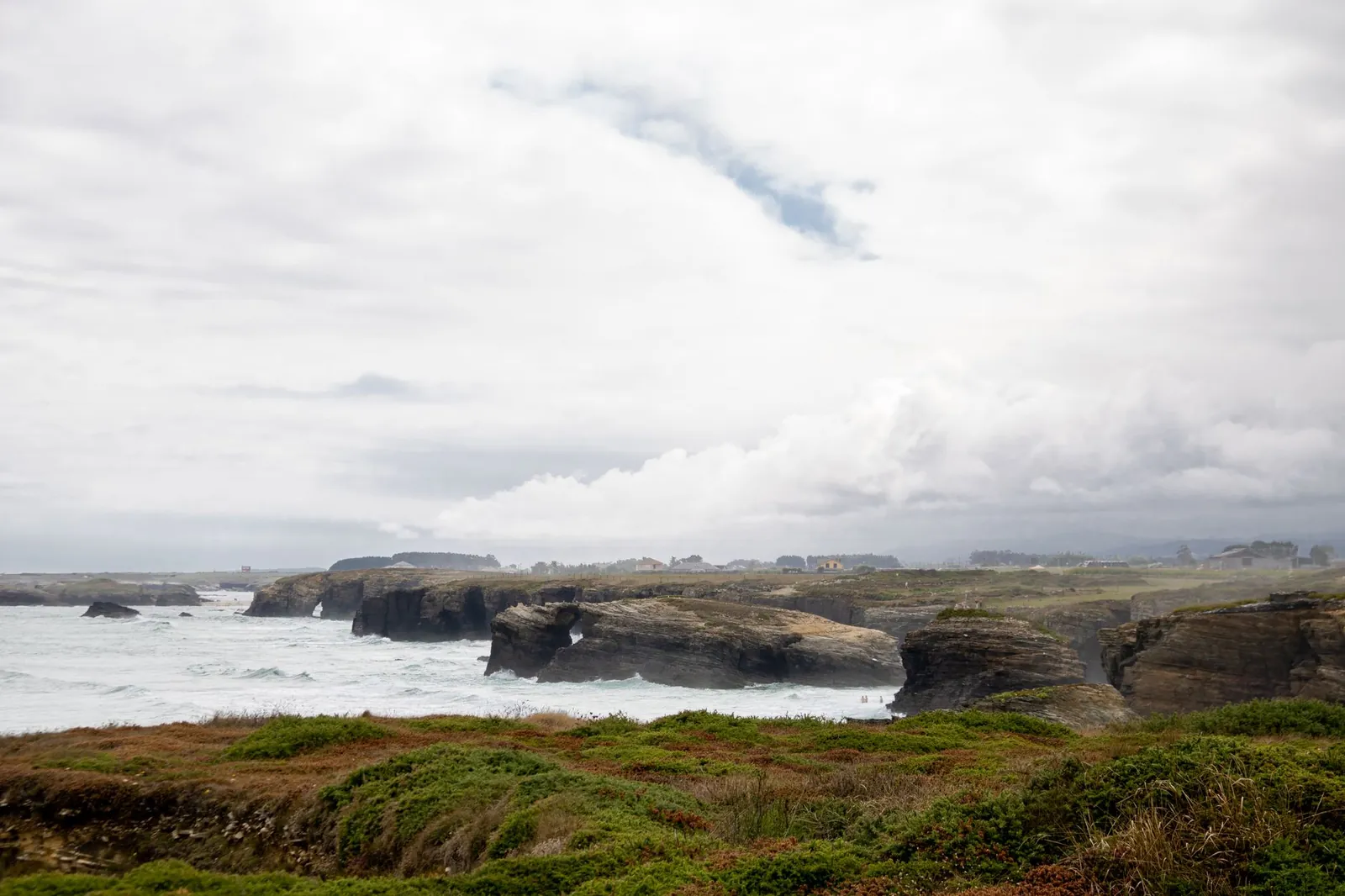
The journey to Fisterra is more than just reaching a geographical point; it’s an experience in itself. The road winds through the Costa da Morte, the “Coast of Death,” named for its historically treacherous waters and numerous shipwrecks that dot its seabed. This coastline is raw, untamed, and exactly where you feel Galicia’s ancient soul most keenly. Before the Romans and later Christianity, this cape was a revered spot, a place of powerful natural energy where rituals were performed at the edge of the known world. The Celtic belief in a spiritual connection to the land and sea is palpable here. Even today, you’ll see traces of this reverence, with modern pilgrims burning items from their Camino journey at the cape—a practice technically discouraged for environmental reasons, but still symbolic for many as a final act of release and renewal.
Beyond Fisterra, the nearby sanctuary of A Barca in Muxía is another essential stop on this mystical coastline. Legend claims the Virgin Mary appeared here in a stone boat to Saint James. The “stones” of A Barca—especially the Pedra de Abalar (rocking stone) and Pedra dos Cadrís (kidney stone)—are believed to have healing properties and were likely objects of veneration in pre-Christian times. These enormous granite formations are fascinating to see and touch, feeling the cool, smooth surface worn by centuries of wind, sea, and human touch. The Pedra de Abalar, a massive slab of stone that can be “rocked” with slight effort, was historically used as an oracle. There’s no charge to visit the sanctuary or the stones, which are accessible at all times. A good time to visit is mid-morning, before the main influx of tour buses, allowing you to experience the site with a little more quiet contemplation.
The weather on the Costa da Morte can change rapidly; one moment it’s clear, the next a thick fog rolls in, or a sudden downpour hits. This adds to the drama and mystique, but it also means you should dress in layers and be prepared for wind and rain, even in summer. The remote nature of this area means public transport is limited; renting a car or joining a guided tour from Santiago de Compostela is the most practical way to explore. You can explore Santiago tours that often include day trips to Fisterra and Muxía, which can be a good option if you prefer not to drive on the narrow, winding coastal roads. Allow a full day if you plan to visit both Fisterra and Muxía from Santiago, covering roughly 80-100 kilometers one way. There are plenty of seafood restaurants in Fisterra town where you can enjoy local catch, making it a perfect spot for lunch.
Lugo’s Roman Walls: A Lasting Echo of Conquest and Coexistence
While fundamentally Roman in origin, the remarkably preserved Roman Walls of Lugo stand as a powerful testament to the layers of history in a historically Celtic region, providing a unique perspective on how cultures converged. You can walk the entire 2.1-kilometer perimeter of the walls for free, 24 hours a day, offering unparalleled views of the city and its ancient layout. The walls themselves, a UNESCO World Heritage site, remain an integral part of Lugo’s urban fabric, not just a static museum piece.
Built between 275 and 325 AD to defend the Roman town of Lucus Augusti, these walls are the only complete Roman city walls in the world. Imagine the stories these stones could tell – not just of Roman soldiers, but of the Gallaecian people who witnessed their construction and eventually lived within their protection. It’s an imposing structure, averaging 10 to 15 meters in height with 71 surviving towers, and walking atop them feels like you’re bridging millennia. Each of the ten gates offers a different entry point into the city below, connecting the ancient defense with modern life. You’ll see locals jogging, families strolling, and pilgrims passing through – a truly living monument, a constant reminder of the city’s deep roots. The ramparts are wide and flat, making for an easy, pleasant walk that typically takes about 30-45 minutes at a relaxed pace.
Beyond the walls, Lugo’s old town retains a friendly, accessible feel. You’ll find excellent small taverns (known as tascas) serving traditional Galician food, often with generous complimentary tapas. The Cathedral of Santa María, inside the walls, is another significant site, showcasing Romanesque, Gothic, Baroque, and Neoclassical styles. Its cloisters and chapels offer a quiet retreat from the bustling streets. Entry to the cathedral is generally free, though a small donation or fee (around €2-€3) might be requested to access specific areas like the museum or high altar. Opening hours vary by season but are usually from 9:00 AM to 8:00 PM in summer. Look for the Porta do Campo or Porta Miñá, two of the original Roman gates, which still anchor significant parts of the city. Lugo is well worth the stop for its unique blend of Roman military architecture and deep Galician character.
A visit to Lugo requires at least half a day to fully appreciate the walls and explore the old town; a full day is better if you want to soak in the atmosphere. The city is well-connected by train and bus from major Galician hubs like Santiago de Compostela or A Coruña. You can check schedules and book tickets directly with Renfe for train journeys. If you’re planning a broader exploration of the region, consider a Galicia coastal road trip itinerary, which can easily incorporate a stop inland at Lugo, offering a contrast to the rugged Atlantic shore.
Galician Music and Festivals: The Living Sound of an Ancient Soul
Galicia’s deep connection to its Celtic roots is perhaps most clearly expressed through its traditional music and festivals, particularly the pervasive sound of the gaita (Galician bagpipes). The Festival Internacional do Mundo Celta de Ortigueira, a massive free event held annually in Ortigueira, usually in the second full week of July (check official dates annually on Turismo de Galicia), draws hundreds of thousands and is a prime example of this living heritage. While the festival itself is free, securing accommodation in the area requires booking at least six months in advance, with local campsites filling up even earlier, sometimes a year ahead.
The gaita isn’t just an instrument here; it’s a voice, a symbol. Unlike some other bagpipes, the Galician gaita has a brighter, often more melancholic tone, played solo or in small groups (foliadas) at every conceivable celebration. You’ll hear it at village fiestas, weddings, and especially at the numerous summer festivals that light up the region. These aren’t just performances; they are spontaneous expressions of identity, where the music compels people to dance traditional steps like the muiñeira (a lively folk dance) or slower, more contemplative tunes that echo the mist and rain of the Galician landscape. The rhythm is infectious, and you’ll often see people of all ages joining in the dances, passing on traditions through movement.
Ortigueira’s Celtic World Festival is the largest and most famous, transforming the small coastal town into a global hub for Celtic music. You’ll find multiple stages featuring bands from Galicia, Ireland, Scotland, Brittany, and beyond, alongside craft markets, food stalls offering local delicacies like empanadas and seafood, and a genuinely communal atmosphere. It’s an immersive experience that runs late into the night, where you can wander through the streets, hear impromptu musical sessions (seráns), and feel the collective spirit. While the main concerts are free, there are many smaller, ticketed events or workshops during the day. If camping isn’t your style, consider looking for hotel or guesthouse options in larger towns like Ferrol (approx. 45 km away) and driving in each day.
Other smaller, but equally authentic, festivals provide diverse ways to experience this musical heritage:
| Festival Name | Approximate Date | Location | Focus / Experience |
|---|---|---|---|
| Festa da Dorna | Mid-July | Ribeira | Maritime culture, traditional fishing boats, lively music and games. |
| Arde Lucus | Mid-June | Lugo | Historical re-enactment of Roman and Celtic Lugo, parades, markets, music. |
| Festival de Pardiñas | First weekend of August | Guitiriz | Traditional Galician folk music, crafts, and culture in a rural setting. |
| Feira Franca | First weekend of September | Pontevedra | Medieval market festival with crafts, food, and traditional music performances. |
These events aren’t just for tourists; they are for the Galicians themselves. They’re a place to connect, to celebrate history, and to simply be Galician. If you want to dive into the heart of this identity, embracing the festivals and the rhythms of the gaita is essential. Consider planning your accommodation in Santiago de Compostela as a base for exploring festivals in the region, keeping in mind that driving to Ortigueira from Santiago takes about 1 hour 45 minutes.
Connecting with Nature: Sacred Groves and Spiritual Landscapes
Beyond stone ruins and powerful music, Galicia’s Celtic heritage is deeply interwoven with its verdant, often mystical, natural landscapes, where ancient beliefs about sacred groves and powerful natural sites still resonate. The Fragas do Eume Natural Park, a magnificent Atlantic forest situated inland from the coast, offers numerous hiking trails with varying difficulty levels and is freely accessible year-round, typically from 9:00 AM to 8:00 PM during daylight hours. While there’s no entry fee, limited car access means you often need to park at the entrance and take a shuttle bus (seasonal, €1.50 return) or walk several kilometers into the heart of the forest.
The Celts held a profound respect for nature, believing spirits inhabited trees, rivers, and mountains. This reverence is palpable in places like Fragas do Eume, one of Europe’s best-preserved Atlantic rainforests. The dense canopy, ancient oak and chestnut trees, and the winding Eume River create an atmosphere that feels truly timeless. Walking here, particularly on a misty morning, you can almost hear the rustle of ancient druids. The trails range from easy riverside strolls to more challenging uphill climbs to viewpoints, so choose one that suits your fitness level. The park is home to a rich biodiversity, including otters in the river and various birds of prey overhead. The centerpiece is the Monastery of Caaveiro, a beautifully restored medieval monastery nestled deep within the forest, adding another layer of history to the natural beauty.
Another area imbued with spiritual significance is Monte Pindo, often called the “Celtic Olympus.” This granite mountain, rising dramatically from the Costa da Morte near Carnota, was a place of worship for ancient Galicians. Its distinctive rocky formations are thought to have inspired many local legends. Hiking to its summit (A Moa, 627 meters) is a challenging but rewarding four-to-five-hour round trip from the village of O Pindo, requiring good stamina and navigational skills (the trails are marked but can be steep and exposed). From the top, the views of the wild coastline and the vast ocean are expansive and truly make you feel at the edge of the world. There’s no entry fee for Monte Pindo, and it is accessible at any time. The best time to hike is in the morning to avoid the heat, especially during summer. This hike is not for the faint of heart, but the feeling of standing atop this ancient, sacred mountain is unparalleled.
To prepare for an exploration of these natural sacred sites, you’ll need a few essentials:
- **Sturdy Hiking Boots:** Essential for uneven, potentially slippery trails.
- **Water and Snacks:** Always carry more than you think you’ll need, especially for Monte Pindo.
- **Layers of Clothing:** The weather can change quickly from sunny to misty.
- **Rain Jacket:** Even on a clear day, the Atlantic influence can bring unexpected showers.
- **Map or GPS App:** Trails can sometimes be unclear, particularly on Monte Pindo.
- **Sun Protection:** Even with mist, UV exposure can be high.
These landscapes aren’t just places of natural beauty; they are repositories of an ancient worldview. You might encounter ancient rock carvings (petroglifos) in certain areas, remnants of an even older past that predate the Celts but share a similar connection to the land. The belief in the “Santa Compaña,” a procession of the dead that wanders through rural areas at night, or the legend of the “meigas” (witches) and their connection to natural elements, are modern echoes of these old pagan roots. To truly appreciate these places, slow down. Listen to the wind through the trees, watch the mist roll in from the sea, and feel the raw power of the land. It’s here that the heart of Galicia’s ancient spirit beats strongest. This natural connection often feels distinct from other parts of Spain; if you want to understand how it shapes the local identity, exploring My Galicia green villages journey captures the soul of Spain.
Common Questions About Galicia’s Ancient Roots
What are the most important Celtic sites in Galicia?
The most important Celtic sites in Galicia are the castros, particularly Castro de Baroña and Castro de Santa Trega, which are fortified Iron Age settlements showcasing the architectural and communal life of the ancient Gallaecians. Other significant locations include the pre-Christian spiritual sites along the Costa da Morte, such as Fisterra and Muxía, where natural landmarks held deep ceremonial significance.
Is the Galician language related to Celtic languages?
No, the Galician language (Gallego) is a Romance language, descended from Vulgar Latin, and is closely related to Portuguese. While Galicia shares a cultural heritage with other Celtic nations, its language is not a direct descendant of ancient Celtic tongues like Irish, Welsh, or Breton. However, it does contain some ancient substrate words from the pre-Roman Gallaecian language, reflecting its deep historical layers.
What role does the gaita play in Galician culture?
The gaita, or Galician bagpipes, plays a central and symbolic role in Galician culture, serving as a powerful emblem of its Celtic identity and traditions. It is integral to traditional music, festivals, and celebrations, often featured in folk dances and contemporary Galician music, connecting the past with the present and fostering a strong sense of regional pride and community spirit.
Can you visit ancient stone circles or megaliths in Galicia?
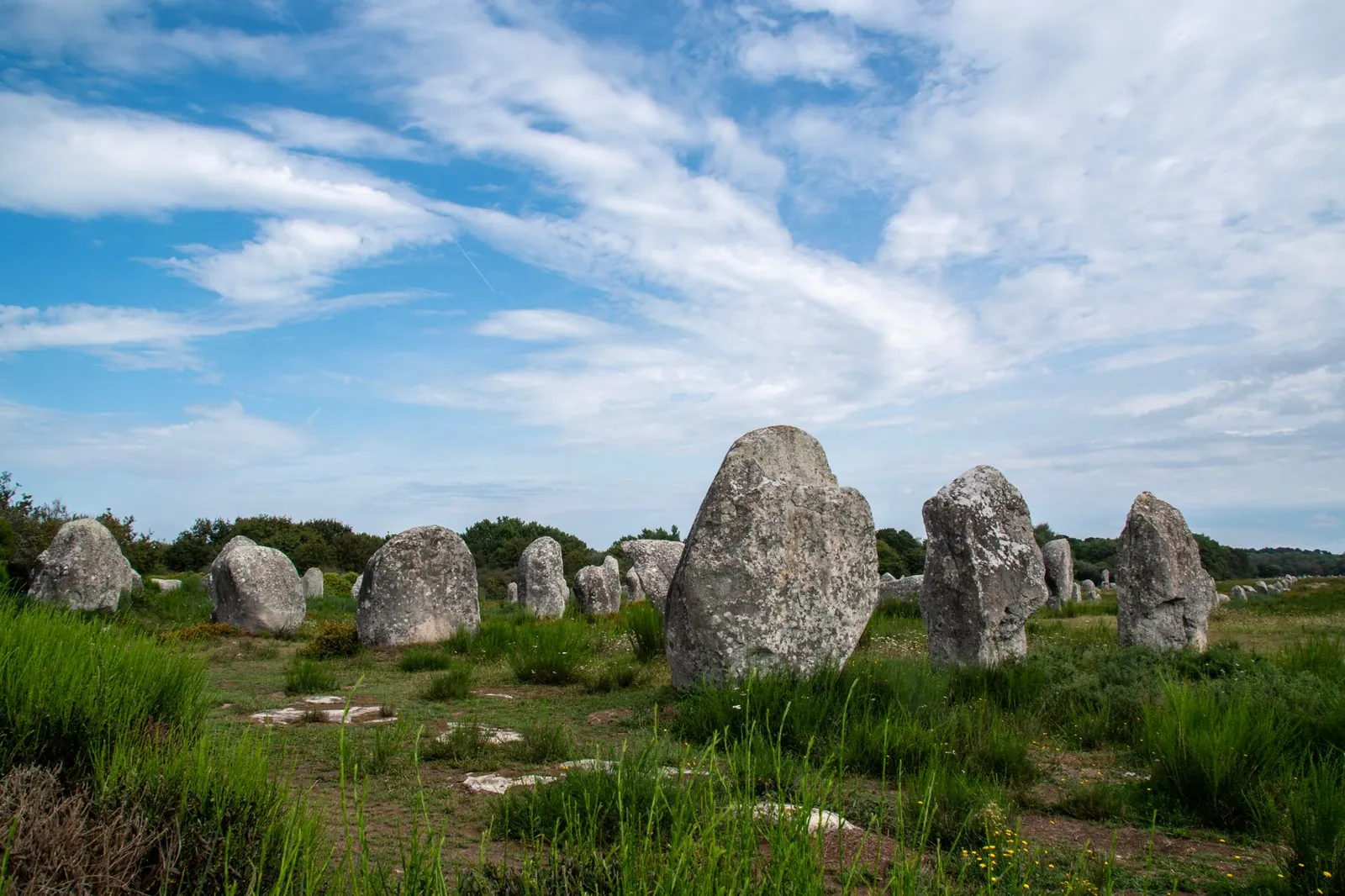
While Galicia is rich in archaeological sites, it is not primarily known for monumental stone circles in the same way as, for example, Brittany or Ireland. You can find numerous petroglifos (rock carvings) and some isolated standing stones or dolmens (burial chambers) from earlier prehistoric periods, but large, arranged stone circles are not a prominent feature of Galicia’s specific Iron Age Celtic-era heritage. The focus here is more on the fortified castros as a reflection of its ancient societies.
Galicia’s Celtic heritage isn’t something you simply observe; it’s something you feel, a subtle undertow beneath the surface of modern life. From the windswept ruins of ancient castros to the mournful yet proud sound of the gaita, this corner of Spain holds an ancient spirit that continues to shape its people and landscape. It’s a journey that reveals a different facet of Spain, one that calls to those who seek a deeper, more rooted connection to history and a love for the wild beauty of the Atlantic coast. This genuine love for the land and its stories is what makes Galicia so profoundly special, and it’s why understanding its Celtic past gives you a richer perspective on my seville granada heart choice: follow your soul to Andalusia, showing just how diverse and soulful Spain truly is.
About the Author
After 15 years living and traveling across Spain, Caro knows this country in a way most travel writers never will. She’s not here to sell you a polished version of Spain, she’s here to show you the real one. Every guide on this site comes from her own experience: the restaurants she eats at, the routes she walks, the festivals she’s actually attended. She writes to cut through the noise and give you what actually matters. Learn more about Caro →