Where Arcos de la Frontera Sunset Views Paint the Sky
Some links in this guide are affiliate links — if you book through them we may earn a small commission at no extra cost to you. It never changes what we recommend. Full disclosure.
Most visitors to Andalusia sweep through its white villages on a hurried day trip, perhaps pausing for a quick photo and a brief walk before rushing to the next postcard stop. They often miss the deeper pulse of these towns, the way they truly come alive as the day fades. That’s a real shame, because to truly feel a place like Arcos de la Frontera, you need to slow down, breathe it in, and let its unique rhythm embrace you. And there’s no better way to do that than by witnessing Arcos de la Frontera sunset views. After living in this country for 15 years, I can tell you that some moments aren’t just sights; they’re experiences that reshape your understanding of Spain, and watching the sun dip below the horizon here is absolutely one of them. This guide will show you how to truly experience Arcos, moving beyond just a fleeting glimpse to discover why its evenings are so special.
Quick Answer: Experiencing Arcos’ Sunset
Arcos de la Frontera offers some of the most dramatic and affecting sunsets in Andalusia, best experienced from the panoramic viewpoints within the historic old town, particularly Mirador de Abades or Balcón de la Peña Nueva, as the sun descends over the vast Guadalete River valley. To fully appreciate the spectacle, arrive at least 45 minutes before actual sunset time, giving yourself ample opportunity to find a good spot and absorb the changing light, especially during the shoulder seasons (spring and autumn) when crowds are thinner and the light is often clearer.
Choosing Your Perfect Perch: The Best Sunset Spots in Arcos
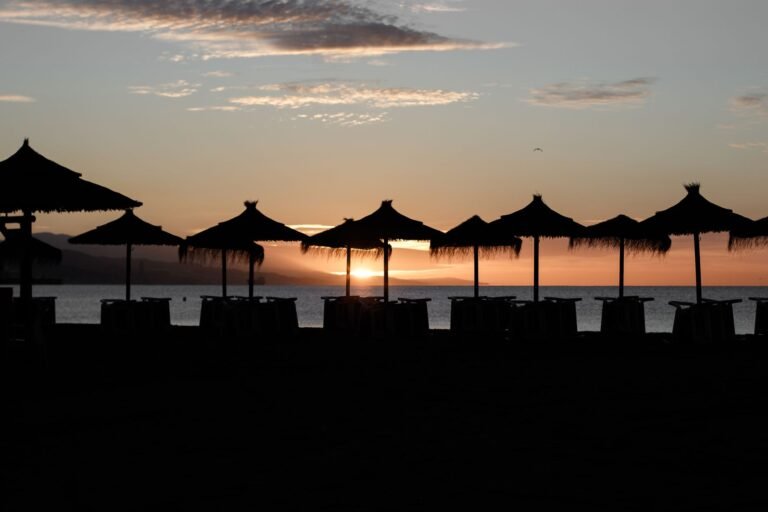
The beauty of Arcos de la Frontera isn’t just its cliff-top position; it’s how that position turns every evening into a theatrical production. You’re not just watching a sunset; you’re observing a landscape transform, with the town’s white buildings glowing against a sky ablaze with color. To ensure you catch the most impressive display, knowing where to stand makes all the difference. For a quieter version of the same magic, the hilltop village of Zahara de la Sierra sits less than an hour away.
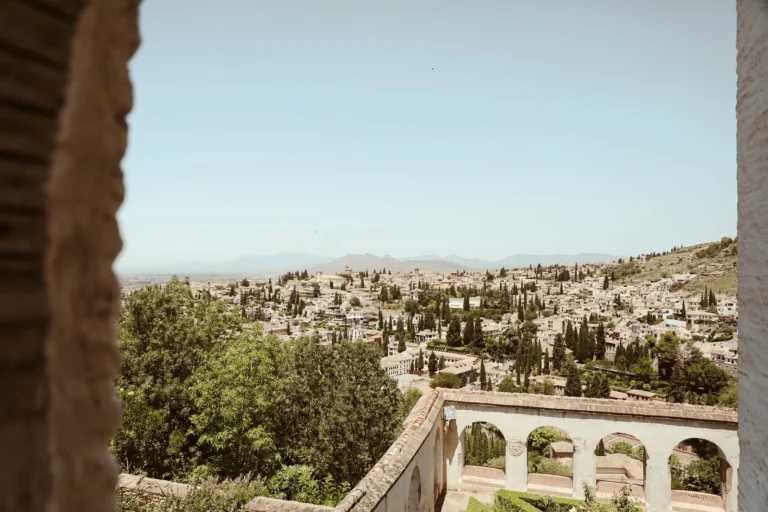
My top recommendation, and arguably the most iconic spot, is the Mirador de Abades. This viewpoint is located right in the heart of the old town, beside the Basílica Menor de Santa María de la Asunción. From here, you gaze out across the vast valley of the Guadalete River, with the fertile plains stretching towards the horizon. As the sun sinks, the colors paint the entire panorama, from the ochre earth to the distant, hazy hills. It’s an open, expansive view. This mirador is always accessible, free of charge, and tends to be popular, especially in summer. If you want a prime spot, arrive at least an hour before sunset, perhaps with a pastry from a local bakery to tide you over.
Just a short walk away, often feeling a bit more intimate, is the Balcón de la Peña Nueva. This smaller viewpoint offers a slightly different angle, sometimes less crowded than Abades, but equally compelling. It’s a great alternative if Mirador de Abades feels too busy. You’ll find it along the calle Cuesta de la Peña. The views are still sweeping, but the immediate surroundings feel a little less grand, making it a wonderful spot for quiet reflection. Both of these spots offer an unobstructed view to the west, which is precisely what you need for those spectacular evening skies.
Another option, though less direct for the sunset itself, is the Plaza del Cabildo. While it doesn’t face the sunset directly, the plaza itself, with the Basílica and the Ayuntamiento (town hall), often catches the incredible ambient light bouncing off the clouds and the surrounding white walls. It’s a fantastic place to be *after* the sun has set, as the sky transitions into deeper hues and the town lights begin to twinkle. The ambiance here, with people lingering and the last rays of light hitting the ancient stones, is something truly special. You could easily spend an hour or two just people-watching and enjoying the atmosphere.
When you’re choosing your spot, remember that Arcos is built on a steep hill. Wear comfortable shoes! Getting between these viewpoints involves navigating cobbled streets, some quite steep, but the rewards are absolutely worth the effort. Consider the time of year too; during the cooler months, the air is often clearer, leading to more vivid sunsets, while summer can sometimes bring a slight haze. The atmosphere shifts with the seasons too – a vibrant buzz in July and August, a peaceful calm in November or March.
Timing Your Visit for the Perfect Glow: Beyond Just “Sunset”
Understanding when to be in Arcos isn’t just about checking a sunset time app; it’s about anticipating the golden hour, the magical pre-sunset period, and the serene blue hour that follows. These transitions are where the true display of Arcos’s evening light occurs, making the entire experience far richer than a mere 10-minute spectacle.
First, the obvious: consult a reliable local weather app for the precise sunset time on your chosen day. But here’s the critical part: you need to be at your chosen viewpoint at least 45 minutes to an hour before that stated time. Why so early? Because the show begins long before the sun touches the horizon. This is the “golden hour,” when the light becomes soft, warm, and utterly captivating. The white buildings of Arcos start to glow, taking on a honeyed hue, and the shadows lengthen, adding depth to the dramatic landscape.
During these crucial minutes, you’ll witness a gradual transformation. The sky might start with soft pastels, then deepen into fiery oranges, purples, and deep reds as the sun dips. By arriving early, you have time to settle in, find your comfortable spot, and simply observe without rushing. This also allows you to watch the changing light play across the meandering Guadalete River below and the distant fields, painting them in ever-shifting shades.
Once the sun has disappeared, don’t rush off! This is when the “blue hour” begins. The sky, especially towards the east, often turns a deep, rich indigo, contrasting beautifully with the last streaks of warm color in the western sky. The town lights begin to come on, creating a truly enchanting scene as the old town takes on a whole new character. Staying for another 20-30 minutes after sunset allows you to capture this equally captivating, often more contemplative, phase of the evening.
As for the best months, Arcos is magnificent year-round. However, for genuinely clear skies and fewer crowds, aim for the shoulder seasons: April-May and September-October. During these months, temperatures are pleasant (typically ranging from 18-25°C), and the light has a crispness that intensifies the colors. Summer (June-August) brings longer days and warmer evenings, but also more visitors and sometimes a slight atmospheric haze from the heat, though the vibrancy is still undeniable. Winter sunsets (November-March) can be equally dramatic, often with moody clouds and a cooler, starker beauty, though you’ll need to wrap up warmly as temperatures can drop to 5-10°C after dark.
Here’s a rough guide for arrival times:
| Month | Approx. Sunset Time | Recommended Arrival Time |
|---|---|---|
| January | 18:15 | 17:15 |
| April | 20:45 | 19:45 |
| July | 21:45 | 20:45 |
| October | 19:00 | 18:00 |
Remember these are approximate; always check local listings. Factor in driving and parking time, especially if you’re coming from outside Arcos. Give yourself plenty of buffer time to park and walk up to your chosen viewpoint – the old town center is mostly pedestrianized, and navigating the narrow streets can be slow.
Beyond the Horizon: What to See Before the Sunset
While the sunset is undoubtedly a highlight, rushing into Arcos just for that would be like reading only the last chapter of a fantastic book. This town, declared a Historical-Artistic Site, deserves your attention throughout the day. Spend your afternoon exploring its winding, cobbled streets, discovering its history and daily life before the golden hour descends.
Your journey should definitely start in the upper town, the historic core. The Basílica Menor de Santa María de la Asunción is an imposing structure, a blend of Gothic, Mudéjar, and Renaissance styles, standing proudly next to the main viewpoint. Its interior is serene and richly decorated, offering a quiet respite from the sun. Entrance typically costs around €2.00-€3.00, and it’s usually open from 10:00-14:00 and 16:00-18:00 (check locally for specific daily mass times and closures). The sheer scale and intricate details are remarkable.
Just a stone’s throw away is the Castillo de Arcos. While it’s largely privately owned and not always open for full public access, its imposing exterior and strategic position atop the cliff are a testament to Arcos’s defensive past. Even if you can’t go inside, standing in its shadow offers a real sense of history. Sometimes there are specific tours available for parts of the exterior or specific rooms; inquire at the local tourist office (Plaza del Cabildo, open typically 10:00-14:00 and 17:00-20:00).
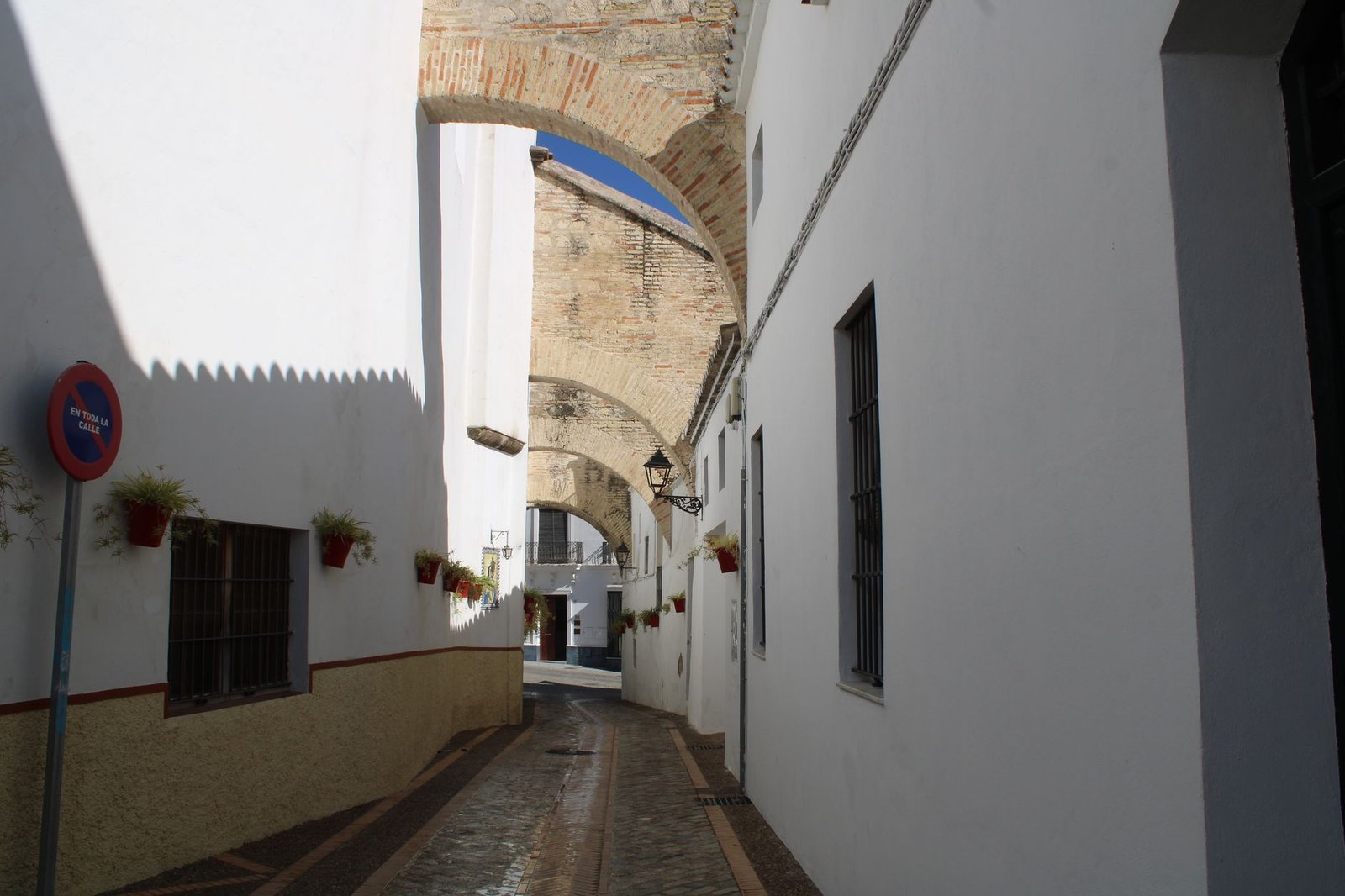
Don’t miss the opportunity to wander down Calle Cuna. This street is famed for its arches and traditional houses, many with beautiful courtyards that you can sometimes glimpse through open doors. It’s a journey back in time, and you’ll find small craft shops and local businesses here, selling everything from pottery to handmade leather goods. This is where you can buy a thoughtful souvenir that actually means something, rather than a generic tourist trinket.
Another architectural marvel is the Iglesia de San Pedro, located slightly lower in the town. Its striking Baroque tower can be seen from various points. Though perhaps less grand than the Basílica, it offers its own unique atmosphere and history, often open for visits in the late mornings or early afternoons. Check for specific hours on site, as they can vary.
For a different perspective, consider a walk along the lower parts of the old town, towards the Puerta de Matrera, one of the original town gates. This area gives you a sense of the sheer cliffs the town is built upon and the defensive walls that once protected it. It’s also a great way to walk off any pre-dinner snacks you might have indulged in.
Exploring Arcos is very much a walking experience. The old town’s streets are narrow, steep, and often winding, which makes driving through them impractical, and frankly, unnecessary. Take your time, get lost a little, and let the town reveal its secrets. You’ll find small squares, hidden patios, and unexpected viewpoints that offer glimpses of the countryside or the town’s own architectural charm. This slow exploration will build anticipation for the grand finale of the day – the sunset – making it feel earned and truly appreciated.
Savoring the Evening: Post-Sunset Delights
Once the last blush of color has faded from the sky and the town lights have begun their evening twinkle, your Arcos experience is far from over. This is the perfect time to immerse yourself in the local culinary scene, which, like the town itself, is deeply rooted in tradition and fresh, regional produce. You won’t find flashy tourist traps here; instead, expect honest, flavorful food served with warmth.
For a truly local meal, you’ll want to seek out some of the traditional eateries. My personal recommendation for a relaxed, authentic experience is a place like Bar Alcaraván (Calle Escribanos, 2), known for its straightforward, delicious home cooking. They typically open for dinner around 19:30 or 20:00. Expect to pay around €12-€18 for a main course, or enjoy a selection of smaller plates (raciones) for €4-€8 each. Another solid choice is Mesón La Reja (Calle Corredera, 34), which often has a slightly more refined, yet still very traditional, menu. Both are reliable options for genuinely local flavors.
What should you look for on the menu? Arcos, being in the Sierra de Cádiz, has a strong connection to its surrounding countryside. You’ll find hearty, comforting dishes. Keep an eye out for:
- Berza Jerezeña: A robust stew with chickpeas, beans, and various cuts of pork. It’s a meal in itself, perfect for a cooler evening.
- Tagarninas Esparragás: Wild thistles (tagarninas) cooked with garlic, olive oil, and sometimes eggs. It’s a simple, rustic dish that highlights the local foraging tradition.
- Sopa de Ajo: A comforting garlic soup, often served with bread and sometimes an egg. It’s incredibly flavorful and warms you from the inside out.
- Carne de Retinto: Beef from the native Retinta breed, often grilled simply to showcase its quality. If you enjoy red meat, this is a local specialty to seek out.
- Payoyo Cheese: This is a famous local cheese from the Sierra de Cádiz, made from the milk of Payoya goats or Merina sheep. You’ll find it served as a starter, perhaps with a drizzle of local olive oil. It’s firm, flavorful, and a genuine taste of the region.
For dessert, look for the local *dulces* (sweets). Arcos has a rich pastry tradition, often influenced by convent recipes. You might find delicate almond cakes or pastries made with honey. Many local bakeries (panaderías) will have a selection, and some restaurants will offer them too.
Dining in Arcos after sunset is a leisurely affair. People don’t rush through their meals. It’s a time for conversation, for savoring flavors, and for enjoying the company. The atmosphere in the narrow streets, with the ambient light spilling from restaurant windows, creates a truly unforgettable experience. Don’t be surprised if you see families out late, enjoying the cooler evening air; it’s a fundamental part of Spanish life. Embrace the pace, and let the warmth of Arcos envelop you as you reflect on the day’s beauty.
Logistics & Staying Awhile: Making the Most of Your Arcos Trip
Arcos de la Frontera, despite its modest size, presents a few logistical considerations, especially if you’re planning to stay for the sunset. Its unique topography means you can’t just drive right up to the historic center. Planning ahead will save you time and frustration, allowing you to focus on enjoying the views.
Parking in Arcos
This is often the trickiest part for first-time visitors. The old town is largely pedestrianized and its streets are far too narrow for modern vehicles. Your best bet is to use one of the municipal parking garages located just below the historic center. The most convenient is the Parking Público de Arcos de la Frontera (Av. de la Corredera, s/n). It’s a multi-story underground car park, well-signposted, and provides easy access via elevators or stairs to the upper town. Expect to pay around €1.50 per hour, with a daily maximum of approximately €15.00. Another option is the Parking Centro Histórico (Calle Marqués de Torresoto, 1), which is also a good, secure choice. These garages fill up quickly during peak season (July/August) or on weekends, so arriving mid-afternoon (around 15:00-16:00) gives you a better chance of securing a spot. If these are full, there are often smaller, less formal surface car parks further down the hill, but these require a longer uphill walk.
Getting Around
Once you’ve parked, be prepared to walk. Arcos is steep! The historic center is best explored on foot. While there are a few local taxis available, relying on them for short hops within the old town isn’t practical or necessary. Embrace the climb – it’s part of the experience, and every corner offers a new perspective. Wear comfortable, sturdy shoes with good grip. For those with mobility issues, some hotels might offer shuttle services, but generally, access is limited. The climb from the municipal parking up to Plaza del Cabildo can take 10-15 minutes, depending on your pace.
Accommodation: Staying the Night
To truly experience Arcos and its evening magic, I strongly recommend staying at least one night. This allows you to witness the sunset without worrying about driving back in the dark and to enjoy the serene atmosphere of the town after most day-trippers have departed. There are several fantastic options, from charming boutique hotels to traditional guesthouses:
- Parador de Arcos de la Frontera: Perched right on the cliff edge in Plaza del Cabildo, this hotel offers some of the most spectacular views, often directly from your room or its terrace. It’s a historic building with modern comforts. A double room typically starts around €90-€120, depending on the season and view. Book well in advance, especially for high season.
- Hotel El Convento: Housed in a former convent, this hotel offers character and a central location. It’s known for its friendly service and traditional decor. Prices for a double room usually range from €70-€100.
- La Casa Grande: A smaller, more intimate boutique option with beautifully decorated rooms and often personalized service. It’s a wonderful choice for a special stay, with prices typically starting at €100-€130.
- Various Casas Rurales: For a more independent experience, look for a “casa rural” (rural house) or self-catering apartment within the old town. These often offer unique charm and the chance to live like a local.
Booking in advance is always a smart move, particularly for the Parador or during any local festivals. You can compare hotel prices on Booking.com to find the best deals and availability. Consider what type of experience you want: direct sunset views from your room, or a more traditional, tucked-away ambiance.
Day Trips From Arcos
Arcos de la Frontera also serves as an excellent base for exploring more of the Ruta de los Pueblos Blancos (Route of the White Villages). From here, you can easily reach other stunning towns like Grazalema, Zahara de la Sierra, or Setenil de las Bodegas, each with its own unique appeal. Driving distances are manageable; for example, Grazalema is about 40 minutes (35 km) away, and Setenil de las Bodegas is roughly 35 minutes (30 km). If you’re looking for more outdoor activities, the nearby Sierra de Grazalema Natural Park offers fantastic opportunities for hiking, with trails ranging from easy strolls to challenging climbs. It’s an area that truly rewards exploration if you have an extra day or two. Remember that if you’re looking for a guided experience for some of these areas, you can always book a guided tour on Viator.
A little preparation goes a long way in ensuring your visit to Arcos is smooth and enjoyable. By understanding the practicalities, you can fully immerse yourself in the magic of this incredible town and its unforgettable sunsets.
FAQ: Where Arcos de la Frontera Sunset Views Paint the Sky — Common Questions
Is Arcos de la Frontera worth visiting only for the sunset?
While the sunset views from Arcos de la Frontera are genuinely spectacular and a major draw, visiting solely for this fleeting moment would be a missed opportunity. The town’s historic center, perched dramatically on its cliff, is a destination in itself. Spend at least an afternoon exploring its ancient streets, churches like the Basílica Menor de Santa María de la Asunción, and traditional shops. The town’s atmosphere, history, and local cuisine combine to create a much richer experience that complements the evening sky perfectly. Staying overnight allows you to fully appreciate both the daytime charm and the serene evening ambiance.
What’s the best way to get to Arcos de la Frontera?
The most convenient way to reach Arcos de la Frontera is by car. It allows you the flexibility to explore at your own pace and easily reach the town from larger cities like Seville (about 1.5 hours drive, 90 km) or Jerez de la Frontera (about 30 minutes drive, 35 km). There are also bus services connecting Arcos with Jerez and other regional towns, though these can be less frequent, especially on weekends. If driving, plan for parking in one of the municipal garages outside the historic center, as driving within the old town itself is not practical. For those without a car, booking a guided tour can also be a good option to combine transport with expert local insights.
Are there entrance fees for the sunset viewpoints?
No, the main sunset viewpoints in Arcos de la Frontera, such as Mirador de Abades and Balcón de la Peña Nueva, are public spaces and completely free to access. You can simply walk up and enjoy the views at your leisure. There might be small entrance fees if you choose to visit specific attractions like the Basílica Menor de Santa María de la Asunción (typically €2.00-€3.00), but watching the sunset from the miradores themselves incurs no cost. Just bring your comfortable shoes, as getting to them involves navigating the town’s steep, cobbled streets.
What are some local dishes to try in Arcos?
Arcos de la Frontera offers a delicious array of traditional Andalusian cuisine, heavily influenced by its Sierra de Cádiz location. You should definitely try the hearty Berza Jerezeña, a rich stew featuring chickpeas and various meats. Another excellent choice is Tagarninas Esparragás, a unique dish made with wild thistles, garlic, and sometimes eggs. Don’t miss out on the local Payoyo cheese, often served as a starter, which is a regional specialty. For meat lovers, Carne de Retinto, beef from the native Retinta cattle, is a flavorful option, typically grilled. Many local eateries also offer a comforting Sopa de Ajo, a traditional garlic soup, especially enjoyable on a cooler evening.
Allowing yourself to truly settle into the rhythm of Arcos de la Frontera for an evening is a gift. It’s more than just a fleeting stop on a road trip; it’s a moment of quiet reflection, a chance to see Andalusia in a different light – literally. The sunset here isn’t just a pretty picture; it’s an experience that reminds you to slow down and truly absorb the beauty around you. I hope this guide helps you find your own perfect spot to witness the magic and create lasting memories, perhaps inspiring you to explore even more of Spain’s incredible corners by checking out our other articles on the Spain Destination blog.
About the Author
After 15 years living and traveling across Spain, Caro knows this country in a way most travel writers never will. She’s not here to sell you a polished version of Spain, she’s here to show you the real one. Every guide on this site comes from her own experience: the restaurants she eats at, the routes she walks, the festivals she’s actually attended. She writes to cut through the noise and give you what actually matters. Learn more about Caro →