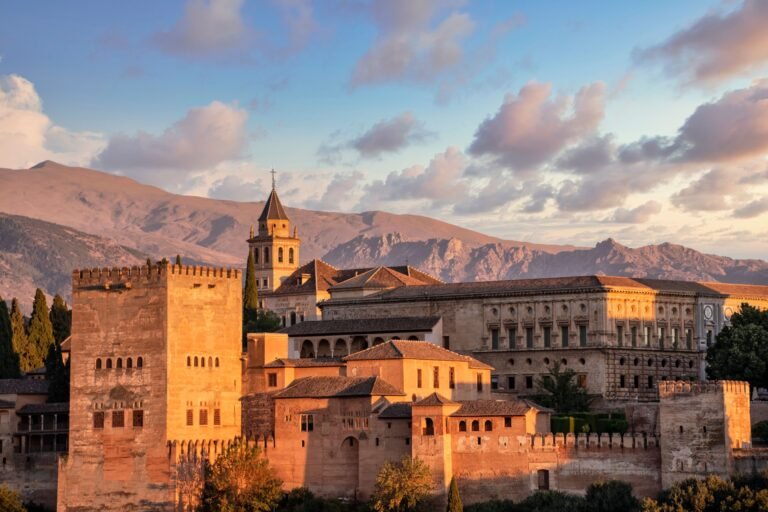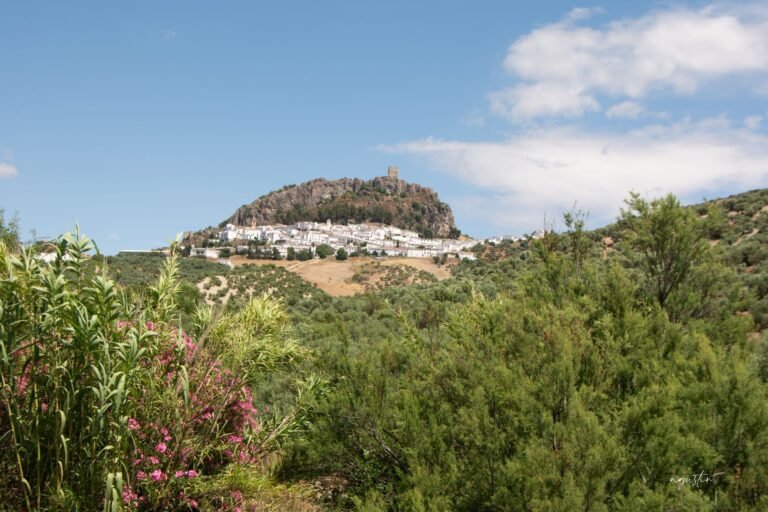
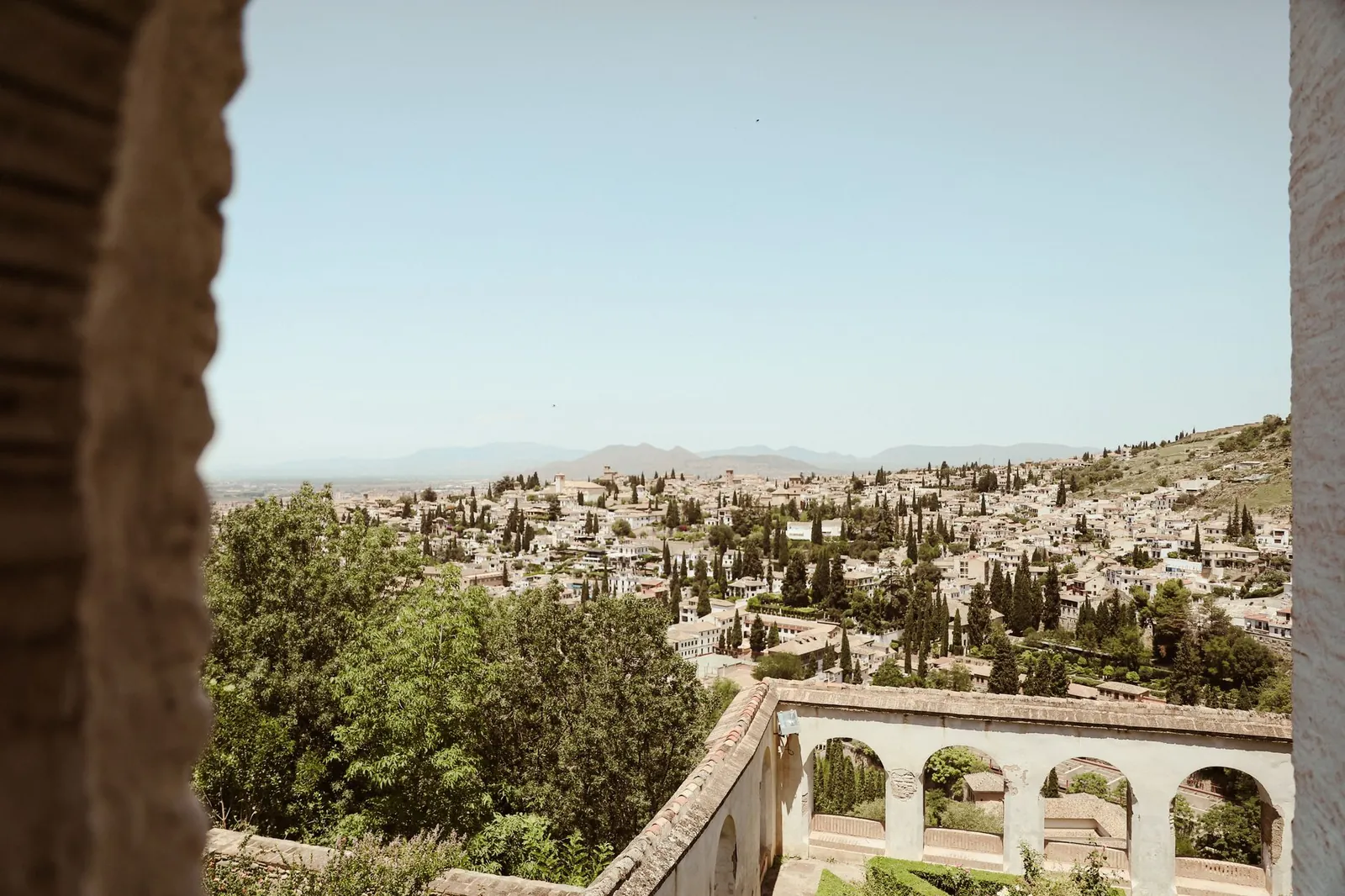
The walking Albaicín Granada views I return to always.
The experience of truly seeing Granada means embracing its layers, and for me, the magic often culminates in the feeling of the city unfolding around me, especially when I’m out exploring the walking Albaicín Granada views that bring me back every single time. It’s easy to assume the Albaicín is just another collection of old streets, perhaps a simple box to tick off a list of things to see in Granada. Yet, that idea misses the point entirely. This isn’t just a district; it’s a living, breathing history book, a labyrinth of white-washed houses, hidden courtyards, and unexpected turns that consistently reveal some of the most profound vistas you’ll ever encounter, demanding you slow down and truly absorb them. This guide will walk you through how to experience these views, not just see them, and why they’ve become such an integral part of my 15 years in Spain.
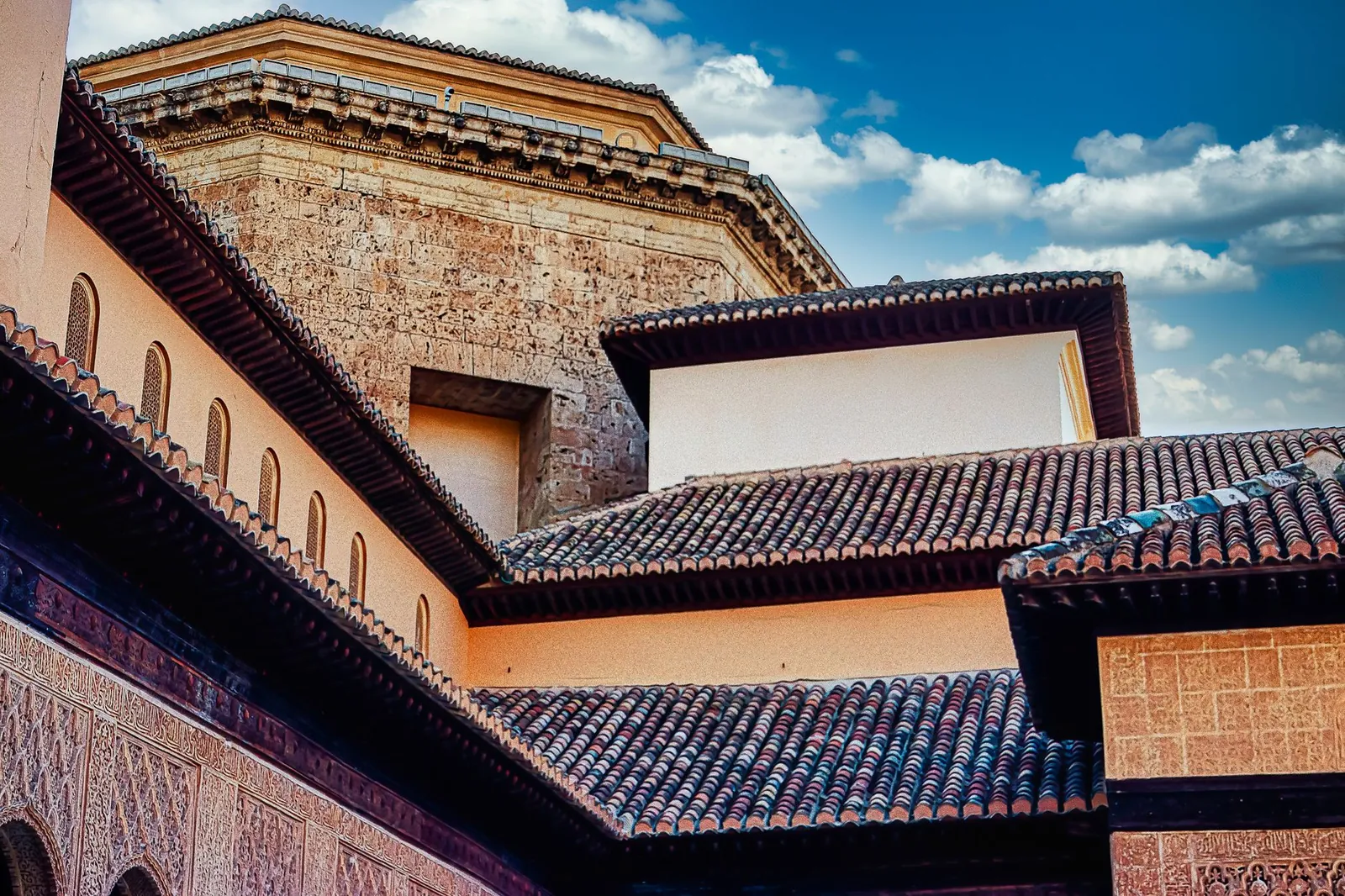
Quick Answer: The Best Albaicín Views
The most iconic Albaicín views of the Alhambra and Sierra Nevada are from the Mirador de San Nicolás, though the lesser-known Mirador de San Cristóbal offers equally stunning, panoramic city perspectives without the same crowds, particularly beautiful during a sunset stroll or early morning exploration when the light is softer. Plan to spend at least two to three hours exploring the district to fully appreciate its numerous viewpoints and historic streets.
Planning Your Albaicín Walk: Timing and Terrain
To truly enjoy your Albaicín walk and soak in its atmosphere, schedule your visit for late afternoon, around 90 minutes before sunset, or early morning, ideally between 9:00 AM and 11:00 AM, avoiding the peak midday sun and the largest crowds. The Albaicín is a neighborhood built on a hillside, meaning you will be walking up and down steep, cobbled streets and winding alleys, so comfortable, sturdy shoes are non-negotiable for safety and comfort. Forget any notion of flat, easy strolls here; you’ll be navigating inclines and declines that can be challenging but are always rewarding.
The best time of day profoundly affects your experience. Sunset from the Mirador de San Nicolás, for example, is famous for a reason. The golden light bathing the Alhambra as it shifts through oranges and purples is a spectacle. However, this means it gets extremely busy, particularly between 6:00 PM and 9:00 PM during summer months (adjusting for daylight saving). If you want a more contemplative experience, aim for the early morning. The air is crisp, the streets are quieter, and the light is perfect for photography, giving the old walls a soft, inviting glow. You’ll find the smaller plazas and hidden corners are yours to discover, making it feel like you’ve stepped back in time. Mid-day is less advisable due to the heat, especially from June to September, when temperatures can easily reach 35°C (95°F) or higher, making steep climbs uncomfortable.
The terrain is a critical consideration. The streets are primarily cobbled, uneven, and often quite narrow. While visually appealing, this presents challenges. High heels, flip-flops, or any shoe offering minimal support will make for a miserable time and increase the risk of a twisted ankle. Opt for walking sandals with good grip, or better yet, proper trainers or hiking shoes. Many paths involve steps, some quite worn, adding to the character but also to the physical demands. A walking stick isn’t necessary for most but could be helpful for those with mobility concerns. Always carry a small bottle of water, especially during warmer months, as shaded spots can be few and far between on some stretches. There are small shops where you can purchase cold drinks, but having one on hand is always a good idea.
Consider the seasons too:
- Spring (March-May): Ideal. Mild temperatures (15-25°C/59-77°F) and the gardens are in bloom. Expect some occasional rain.
- Summer (June-August): Hot. Best to walk early morning or late evening. Sun protection (hat, sunscreen) is essential.
- Autumn (September-November): Excellent. Cooler temperatures (10-20°C/50-68°F) and beautiful light, especially in October.
- Winter (December-February): Cooler (5-15°C/41-59°F), but often sunny and clear. Fewer crowds and sometimes snow-capped Sierra Nevada peaks make the views even more dramatic. If you’re wondering about specific times, you might find Granada in December helpful.
Essential Landmarks and Unmissable Views
The Mirador de San Nicolás offers the quintessential panoramic view of the Alhambra, with the Sierra Nevada mountains as its dramatic backdrop, a sight that draws thousands daily, particularly around sunset. While this viewpoint is a must-see, the Albaicín holds many other equally compelling spots that offer different perspectives and a greater sense of discovery. Your journey here is not just about one view, but about collecting many, each with its own character.
Beyond San Nicolás, where you’ll often find local craft vendors and street performers, I suggest exploring these other significant landmarks and viewpoints:
- Mirador de San Cristóbal: Located at the highest point of the Albaicín, this mirador provides a sweeping 360-degree view, including a full panorama of Granada city, the Sierra Nevada, and a less direct but equally grand view of the Alhambra. It’s often less crowded than San Nicolás and offers a more peaceful experience. Access is free, and it’s particularly beautiful at sunrise.
- Plaza Larga: Not a viewpoint, but the true heart of the Albaicín. This lively plaza hosts a small market every morning (except Sundays), offering fresh produce, flowers, and local goods. It’s a fantastic spot to observe daily life, grab a small traditional pastry from a nearby bakery, and refuel before more climbing. Prices for a coffee and pastry often hover around €3.50-€4.50.
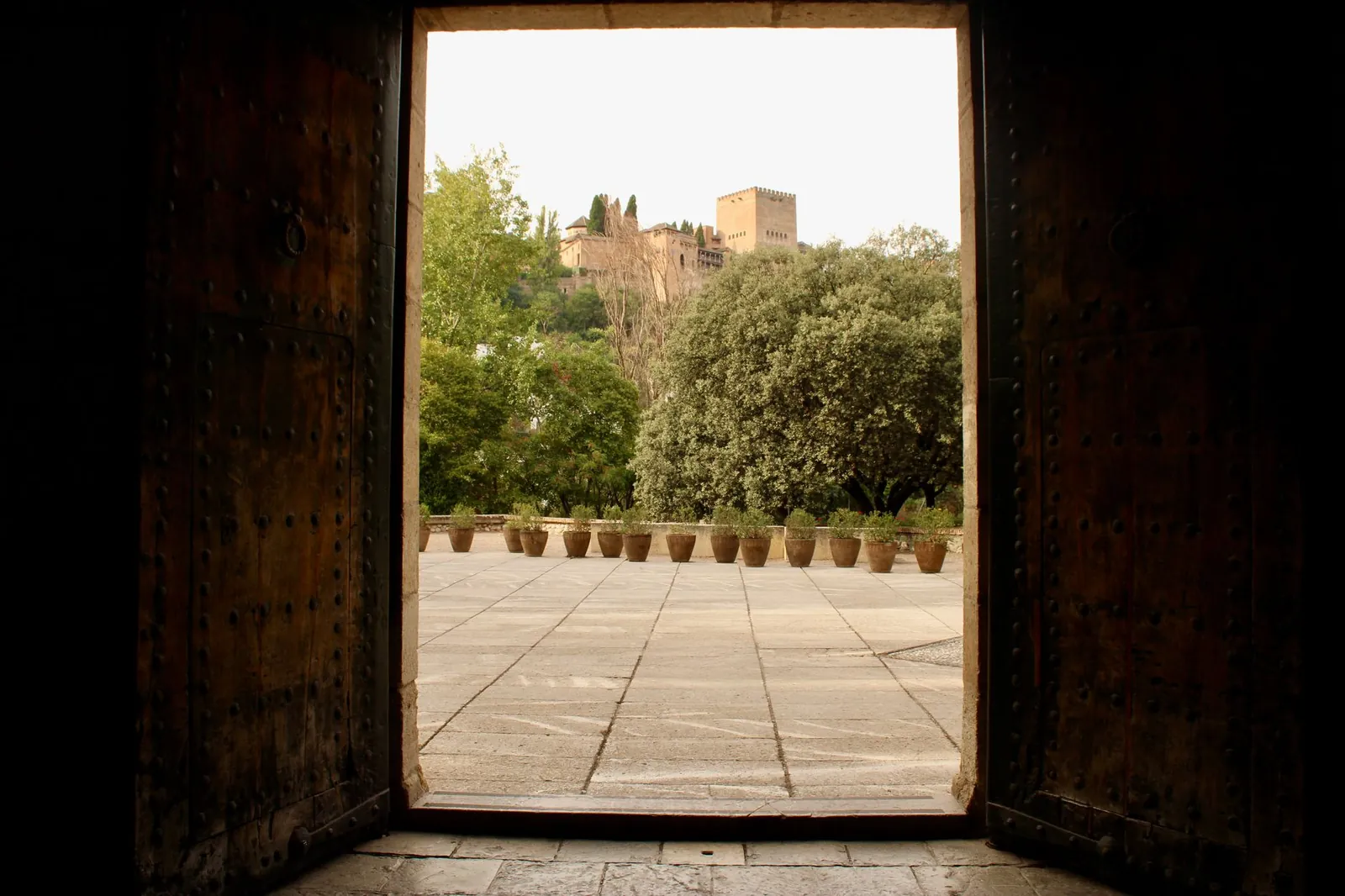
- Carrera del Darro: This ancient riverside street, winding between the Albaicín and the Alhambra hill, is often your entry point into the district. It’s lined with historic buildings, small bridges, and gives you beautiful ground-level views of the Alhambra’s walls. Walking along here, you can see the Alhambra loom above you, and appreciate the scale of the fortification.
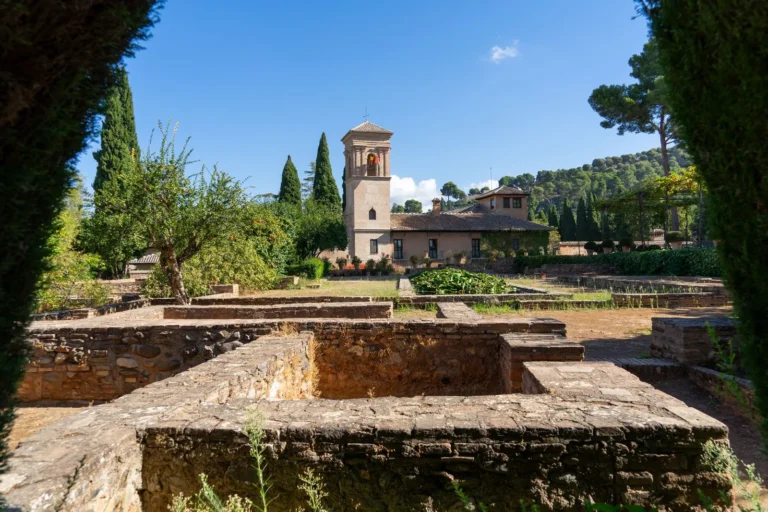
- Palacio de Dar al-Horra: This 15th-century Nasrid palace, once the residence of Sultan Muley Hacén’s wife, Aixa, offers a glimpse into Moorish domestic architecture before the Christian reconquest. The interior courtyard and gardens are remarkably preserved. Entry costs €5, and it’s open Tuesday-Saturday from 10:00 AM to 5:00 PM (closing 6:00 PM in summer), and Sundays 10:00 AM to 2:00 PM. It provides a sense of the quiet, introverted beauty that defines many Albaicín homes, known as *carmenes*.
- Plaza Nueva & Santa Ana Church: While technically just outside the Albaicín, this plaza marks a common starting point for walks into the old quarter. The church of Santa Ana (Iglesia de Santa Ana) is a stunning example of Mudéjar architecture, fusing Islamic and Christian styles. It’s usually open for visitors, and entry is free, although donations are welcome.
- Mirador de la Mezquita Mayor: This viewpoint is adjacent to the Mezquita Mayor de Granada (Grand Mosque of Granada), offering a fantastic alternative perspective of the Alhambra. It’s a bit less direct than San Nicolás but provides a serene atmosphere, often with fewer crowds. The mosque itself welcomes visitors, offering insight into contemporary Islamic culture in Granada.
The beauty of the Albaicín lies in its ability to surprise you. Don’t be afraid to take a side street that catches your eye. Often, these detours lead to small plazas with fountains, artisan shops, or another unexpected glimpse of the Alhambra through a narrow gap between buildings. It’s these discoveries, beyond the main viewpoints, that truly make the experience personal.
Navigating the Labyrinth: Routes and Practicalities
Navigating the Albaicín’s narrow, winding streets can feel like entering a maze, but embracing this feeling is part of the experience; however, having a plan helps avoid getting truly lost and ensures you hit the key spots efficiently. A good self-guided walking route from Plaza Nueva to the Mirador de San Nicolás typically takes about 45 minutes of active walking, not including stops, covering a distance of approximately 1.5 kilometers with significant elevation gain.
Here’s a practical route breakdown, perfect for a self-guided exploration:
- Start at Plaza Nueva: This central square is easily accessible by public transport. Buses such as the C31, C32, or C34 (operated by Granada Bus, official city transport) stop nearby.
- Walk up Carrera del Darro: Head east along this scenic riverfront path. Take your time to appreciate the views of the Alhambra across the river and the historic buildings.
- Turn onto Cuesta del Chapiz: After about 500 meters, you’ll reach the junction of Carrera del Darro and Cuesta del Chapiz. Turn left and begin your ascent into the Albaicín proper. This is where the real climbing begins.
- Explore the Lower Albaicín: Instead of rushing straight up, consider detouring into the side streets off Cuesta del Chapiz. Streets like Calle El Salvador and Calle Agua offer authentic residential views and glimpses into private carmenes.
- Reach Plaza Larga: Continue upwards, meandering through the streets, aiming for Plaza Larga. You can use an offline map on your phone (Google Maps works well if downloaded) to orient yourself. From Plaza Larga, you’re well-positioned to reach other key spots.
- Ascend to Mirador de San Cristóbal: From Plaza Larga, take Calle Panaderos and then follow signs (or your map) towards Mirador de San Cristóbal for those expansive city views. This detour adds about 15 minutes of uphill walking.
- Head to Mirador de San Nicolás: From San Cristóbal, you can descend through the heart of the upper Albaicín, following signs or your map towards Callejon de San Cecilio or directly to the Mirador. This path offers more opportunities to wander through residential streets.
- Descent Options: After enjoying San Nicolás, you have several options:
- Retrace your steps.
- Take the C31 or C32 mini-bus directly from the plaza back down to Plaza Nueva or Gran Vía. A single bus ticket costs €1.40 if purchased on board.
- Continue walking downhill, exploring different streets until you reach Carrera del Darro again, or even wind your way towards the Sacromonte district if you have more time and energy. For those interested in the flamenco experience there, Sacromonte cave flamenco in Granada provides excellent guidance.
Common Mistakes to Avoid:
| Mistake | Why it happens | Caro’s Advice |
|---|---|---|
| Driving into the Albaicín | Trusting GPS blindly, not realizing it’s a Restricted Access Zone (ZBE). | Do NOT drive. The Albaicín is mostly pedestrianized with strict camera-monitored access. Non-resident vehicles incur heavy fines (typically €200+). Park outside (e.g., parking lots like Parking Arabial or Parking Paseo del Violón, costing around €2-3 per hour) and walk or use buses. |
| Wearing unsuitable footwear | Underestimating the steepness and unevenness of the cobbled streets. | Wear comfortable, sturdy walking shoes with good grip. You’ll be thankful on the inclines and declines. |
| Not carrying water | Forgetting how dehydrating walking uphill in the sun can be. | Always carry water, especially in warmer months. Small shops and fountains are available, but having it on hand is better. |
| Focusing only on San Nicolás | Believing it’s the only worthwhile viewpoint. | Explore other miradores and side streets. San Cristóbal offers a different, equally compelling perspective and often fewer crowds. Wander! |
| Visiting during midday summer heat | Unaware of Granada’s intense summer temperatures. | Plan your walk for early morning or late afternoon/evening (around 9 AM – 11 AM or 6 PM – 9 PM) to avoid the intense heat. |
Always keep an eye on your belongings, especially in crowded areas like Mirador de San Nicolás. While generally safe, pickpocketing can occur in any popular tourist spot. A small crossbody bag is usually more secure than a backpack.
Beyond the Postcard: What to Eat (and Avoid Tourist Traps)
The Albaicín offers a rich tapestry of flavors, from traditional Granadian dishes to Moorish-influenced pastries, and exploring its food scene is an essential part of understanding the district’s culture; just know that many establishments cater heavily to tourists, so discerning where to eat is key. You can enjoy a generous ‘tapa’ with a soft drink for around €3.00–€4.50, a classic Granadian experience.
When you’re walking through the Albaicín, look for places that feel less polished and more authentic. Steer clear of restaurants right on Mirador de San Nicolás that have aggressive touts or glossy, multi-language menus with photos; these tend to be overpriced and offer mediocre fare. Instead, wander into the smaller streets and plazas.
What to look for and where to find it:
- Traditional Granadian Food: Seek out places serving regional specialties like Remojón Granadino (an orange and cod salad), Sacromonte Tortilla (a hearty omelet with offal), or Habas con Jamón (broad beans with cured pork). While the Albaicín offers many dining spots, if you’re looking for a specific culinary experience in Granada, sometimes venturing just outside the Albaicín to areas like Calle Elvira or Realejo can offer more variety.
- Arab Tea Houses (Teterías): The Albaicín is famous for its tea houses, concentrated around Calle Calderería Nueva. These offer a calm, aromatic escape with beautiful décor. Enjoy a wide selection of teas (mint, green, black) served with traditional Moroccan pastries like baklava or pasteles de dátil (date pastries). Prices for tea typically range from €2.50 to €4.00 per pot, and pastries are around €1.50 to €3.00 each. It’s a wonderful way to rest your feet and soak in the Moorish influence.
- Churrerías: For breakfast or a mid-afternoon snack, find a local churrería. They serve freshly fried churros, usually thicker than those found elsewhere in Spain, perfect for dipping in hot, thick chocolate. A portion of churros with chocolate can cost around €4.00-€6.00. Look for them in less touristy plazas, or even just outside the Albaicín’s edges for a more local feel.
- Local Markets: Plaza Larga, as mentioned, hosts a small market every morning. It’s fantastic for fresh fruit, nuts, and local cheeses. You can assemble a delicious, budget-friendly picnic to enjoy at one of the quieter viewpoints.
- Small Bakeries (Panaderías): Keep an eye out for small bakeries selling traditional breads and pastries. You might find local specialties like Piononos, a delicate, syrup-soaked sponge cake, which are truly unique to Granada and the Santa Fe region. If you’re interested in trying to make them, Piononos recipe has a recipe.
My advice for eating here is simple: if a place looks busy with locals, it’s usually a good sign. Don’t be afraid to try a menu del día (daily menu) if available, typically served at lunchtime (2 PM to 4 PM), which offers a multi-course meal at a fixed price, usually between €10 and €15. This is a great value option and often features seasonal, home-cooked dishes.
Understanding the Albaicín’s Soul: History and Daily Life
The Albaicín’s identity is deeply rooted in its Moorish past, retaining the layout of a medieval Islamic city and serving as a powerful reminder of Granada’s rich multicultural history, which continues to shape its daily life today. Designated a UNESCO World Heritage site in 1984, the district holds more than just pretty views; it embodies centuries of intertwined cultures.
For roughly 800 years, from the 8th to the 15th century, Granada was a significant center of Islamic culture in Spain, and the Albaicín was its original core. Before the Nasrid dynasty built the Alhambra, this was where the Zirid kings established their capital. The winding, narrow streets, designed to confuse invaders and provide shade, are a direct legacy of this era. The traditional houses, known as *carmenes*, are another defining feature. These walled villas with inner gardens and water features reflect an introverted architecture, where the beauty is hidden within, providing cool, private sanctuaries from the outside world. You can often catch glimpses of these gardens through open gates or over walls, particularly when walking on higher ground.
When the Catholic Monarchs conquered Granada in 1492, the Albaicín was initially where the remaining Muslim population was allowed to live. Over time, however, policies changed, leading to forced conversions and expulsions. Despite this, the Islamic influence persisted. You can see it in the architecture, the names of streets, and even in certain culinary traditions. Many of the churches you see today, like San Salvador or San Juan de los Reyes, were built on the sites of former mosques, often incorporating elements of the original Islamic structures into their designs. This fusion is a characteristic feature of Granadian architecture and culture.
Today, the Albaicín is a lively residential area, home to a diverse community. While it draws many tourists, it’s not a museum piece. You’ll hear children playing in the squares, see neighbors chatting across their balconies, and witness the rhythms of everyday Spanish life alongside the influx of visitors. Artisan workshops, small businesses, and community centers thrive here. It’s a place where history isn’t just displayed; it’s lived.
Experiencing the Albaicín means engaging with this living history. Pay attention to the details: the small fountains (pilares) providing fresh mountain water, the intricate ironwork on windows, the scent of jasmine from a hidden garden, the echoes of flamenco coming from a distant cave in Sacromonte. It’s about letting the district tell its story to you, rather than just rushing from one viewpoint to the next. This is a place where you can spend an entire afternoon simply wandering, observing, and feeling the passage of time.
Common Questions About Albaicín Walks
Is the Albaicín safe to walk at night?
Yes, the Albaicín is generally safe for walking at night, especially in the more frequented areas around Mirador de San Nicolás and the main routes from Plaza Nueva. The streets are often well-lit, and there are usually many people out enjoying the evening, particularly in warmer months. However, like any old city, some of the narrower, quieter side alleys can be dimly lit and feel less secure if you’re alone. It’s always wise to stick to main paths and well-populated areas when walking after dark.
How long does it take to walk the Albaicín?
To experience the Albaicín properly, allowing for exploration, stops at viewpoints, and perhaps a tea break, you should allocate a minimum of two to three hours. A quick walk to the Mirador de San Nicolás and back can be done in about 90 minutes, but this rush would mean missing much of the district’s atmosphere and many interesting side streets. For a more relaxed experience, easily plan for half a day, especially if you include a meal.
Are there public bathrooms available in the Albaicín?
Public bathrooms are not widely available in the Albaicín. Your best bet is to use the facilities at cafés, restaurants, or tea houses where you stop for a drink or a snack. Some larger plazas or tourist information points might have them, but these are rare. It’s a good idea to take advantage of facilities whenever you encounter them, especially before embarking on a long walk.
Can you take a stroller or wheelchair through the Albaicín?
Taking a stroller or wheelchair through most of the Albaicín is extremely challenging and generally not recommended. The district’s streets are steep, cobbled, and very uneven, with many steps and narrow passages not designed for wheels. While you might manage parts of the lower Carrera del Darro, accessing the higher viewpoints or exploring the true labyrinth of streets would be impractical and frustrating for both the person pushing and the person being pushed. Consider a baby carrier instead of a stroller if traveling with infants.
There’s a particular kind of quiet that settles over the Albaicín in the early mornings, or the way the golden hour light transforms the Alhambra across the valley into something almost surreal, that you just can’t get from a picture or a quick drive-by. This district is an invitation to slow down, to engage with history on foot, and to let its ancient pathways guide you to perspectives you won’t find anywhere else in Spain. Whether you spend hours wandering or choose a specific route to follow, allowing yourself to get a little lost in its beauty is truly the best way to uncover its enduring spirit, and perhaps, even find your favorite corner of Granada. For those trying to decide between these two incredible Andalusian cities, our article Granada or Seville trip comparison might offer some helpful insights.
About the Author
After 15 years living and traveling across Spain, Caro knows this country in a way most travel writers never will. She’s not here to sell you a polished version of Spain, she’s here to show you the real one. Every guide on this site comes from her own experience: the restaurants she eats at, the routes she walks, the festivals she’s actually attended. She writes to cut through the noise and give you what actually matters. Learn more about Caro →