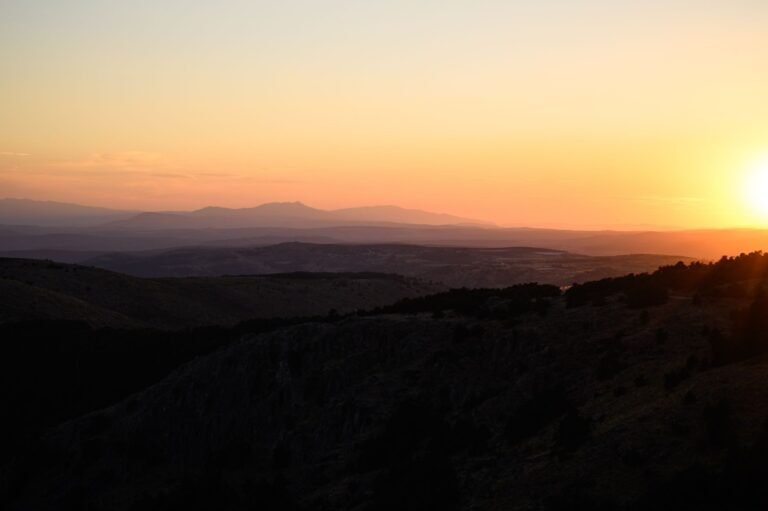
Experience peaceful Zahara de la Sierra moments for yourself.
Some links in this guide are affiliate links — if you book through them we may earn a small commission at no extra cost to you. It never changes what we recommend. Full disclosure.
Many travelers to Spain imagine the grand historical cities or the lively coastal resorts, and while those experiences are certainly valid, they represent only a sliver of what this country truly offers. If you want to connect with a deeper, more authentic rhythm, where life moves at the pace of the olive groves and the light on ancient stone, then you’re ready for some peaceful Zahara de la Sierra moments. This village, perched like an eagle’s nest in the Sierra de Grazalema Natural Park, holds a quiet power, a sense of enduring history and present tranquility that can refresh your spirit in ways a crowded beach never could. This guide cuts through the noise, offering you a direct path to experiencing the genuine, unhurried essence of Zahara.
Quick Answer: Your Zahara de la Sierra Snapshot
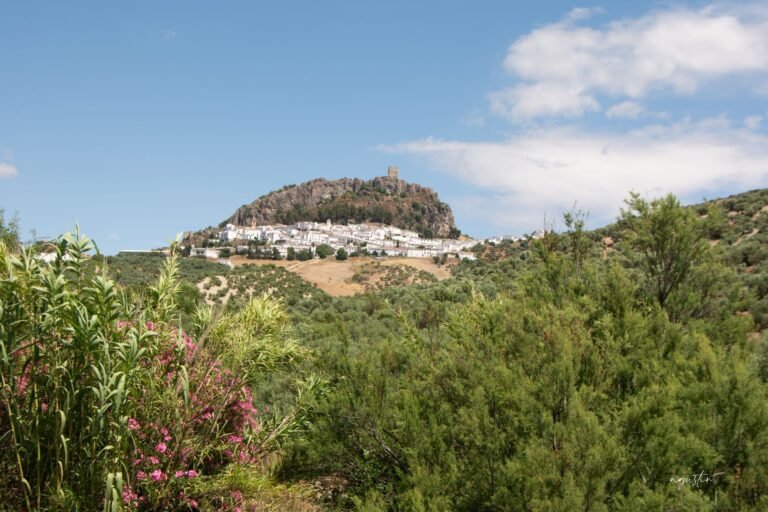
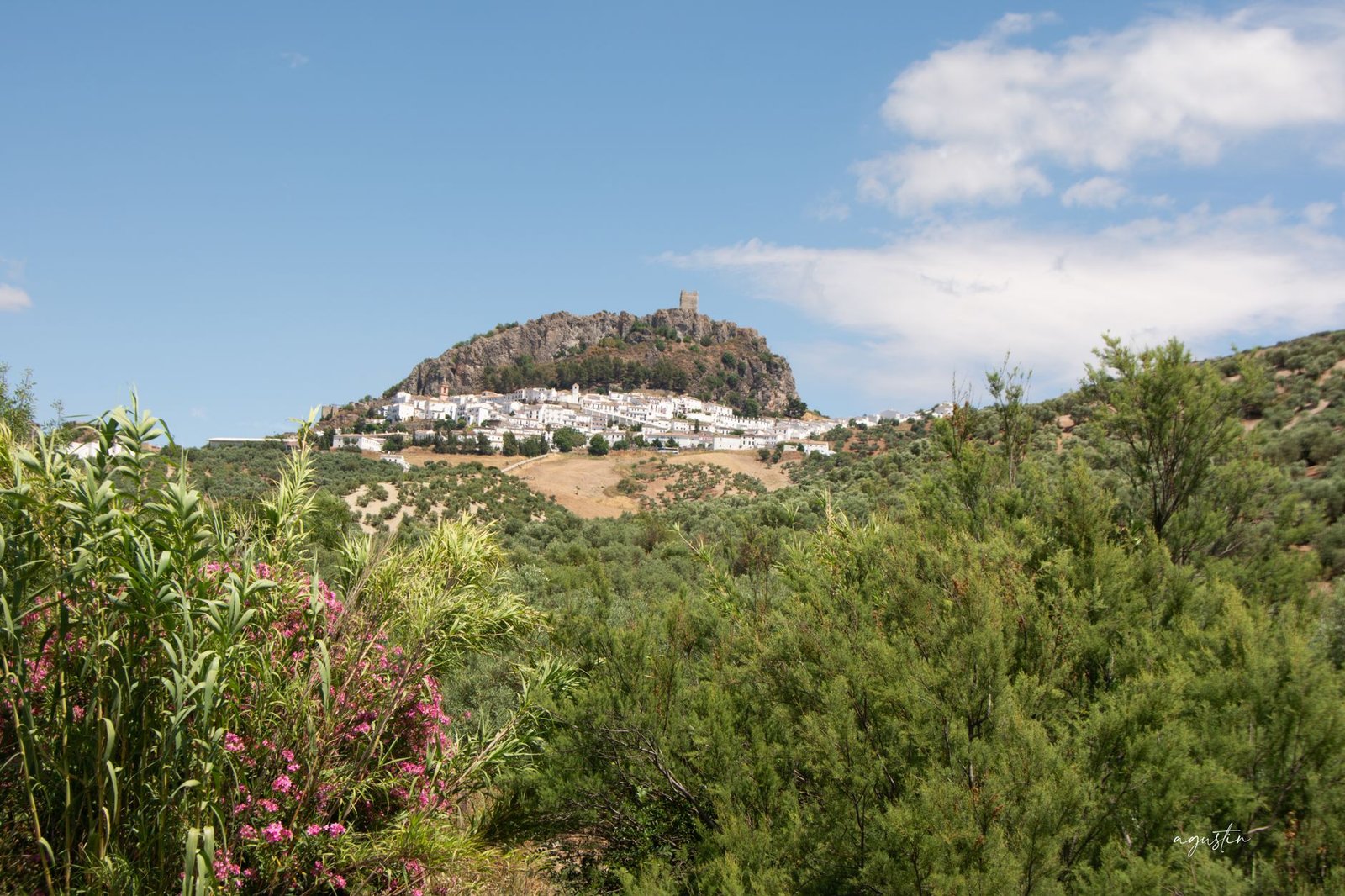
Zahara de la Sierra is a quintessential Andalusian ‘pueblo blanco’ (white village) offering a serene escape, dominated by its Moorish castle and overlooking a stunning turquoise reservoir. It’s the ideal spot for travelers seeking quiet immersion in local culture, gentle hiking, unique natural swimming at La Playita, and panoramic views of the Sierra de Grazalema, all at a relaxed pace away from typical tourist rush.
Ascending to the Castle: Views Worth Every Step
The first thing that grabs your attention as you approach Zahara de la Sierra is its striking Moorish castle, an ancient sentinel perched atop a craggy peak. You simply can’t visit Zahara without making the climb to the top – it’s an essential part of the experience, giving you the context and perspective of this incredible place. The ascent isn’t overly strenuous, but you’ll appreciate sturdy footwear, especially on the final stretch to the tower. Think of it as a moderate walk that rewards you with views that stretch endlessly across the Sierra de Grazalema Natural Park and the deep blue waters of the Zahara-El Gastor reservoir.
The castle complex consists of the Torre del Homenaje (Homage Tower) and the ruins of the original Nasrid fortress. To reach the tower, you’ll typically pay a small entrance fee of around €3.00 per person. The ticket office is usually located at the base of the final climb, where you’ll find some informational panels about the castle’s history. Opening hours vary by season, but generally expect something like this:
| Season | Morning Hours | Afternoon Hours |
|---|---|---|
| Summer (June-Sept) | 10:00 – 14:00 | 17:00 – 20:00 |
| Winter (Oct-May) | 10:00 – 14:00 | 16:00 – 18:00 |
It’s worth noting that the castle is often closed on Mondays for maintenance, so plan your visit accordingly. My strong recommendation is to head up in the late afternoon, about an hour or so before closing. The light softens, casting long shadows over the landscape, and the heat of the day subsides, making the climb much more pleasant. From the tower, you can identify the white villages dotted across the landscape, trace the winding roads, and truly grasp why this location was so strategically important through centuries of history. It’s a panorama that will stick with you long after you’ve descended.
While there are no facilities at the very top, you’ll find a small shop and cafe near the parking area halfway up the hill, perfect for a refreshing drink after your climb. Remember to carry a bottle of water with you for the final push, especially on warmer days. This isn’t just a historical site; it’s a viewpoint that anchors you firmly in the heart of Andalusia’s natural beauty. For those who appreciate rugged landscapes and a good hike, you might enjoy exploring the hiking Alpujarras beginner guide for another mountain adventure.
Unwinding by the Water: La Playita and Beyond
One of Zahara de la Sierra’s most unique offerings, especially during the sun-drenched Andalusian summers, is “La Playita” – the municipal beach. Yes, a beach in the mountains! Situated at the base of the village, on the banks of the Zahara-El Gastor reservoir, La Playita is actually a cleverly designed artificial beach and natural swimming pool fed by a river. It’s not a secret, but many first-time visitors are genuinely surprised to find such a refreshing oasis. It provides a perfect contrast to the village’s historic stone and offers a different kind of relaxation.
You’ll find La Playita a short drive or a longer, pleasant walk (around 20-25 minutes downhill from the village center) at Carretera de Ronda, km 20. It typically operates from mid-June to early September, coinciding with the hottest months. Entry fees are very reasonable, usually around €3.00 for adults and €2.00 for children per day, which grants you access to the swimming area, sun loungers (sometimes included, sometimes extra), and basic facilities. These facilities include changing rooms, showers, and public toilets, making it a comfortable spot for a full day out.
The water is incredibly clean and surprisingly cool, a welcome relief from the summer heat. While swimming is the main draw, you can also rent pedal boats or kayaks from vendors on-site to explore the wider reservoir. The area around La Playita is well-maintained, with grassy areas perfect for picnics. There’s also a small chiringuito (beach bar) where you can buy drinks, ice cream, and simple snacks, though bringing your own picnic is a popular and budget-friendly option.
My top tip for La Playita is to arrive either early in the morning (around 11:00 when it opens) or later in the afternoon (after 16:00), especially if you’re visiting on a weekend in July or August. It can get busy, primarily with local families, creating a lively atmosphere, but less so at these times. It’s a genuine slice of local summer life, not a tourist trap, which is what makes it so special. Be aware that during the peak season, parking can become a challenge, so factor in extra time or consider the walk if you’re staying nearby. It might not be the Mediterranean, but it’s a unique watery haven in the heart of the mountains, offering exactly the kind of unhurried, joyful experience that defines Zahara.
Strolling Zahara’s Streets: A Village Frozen in Time
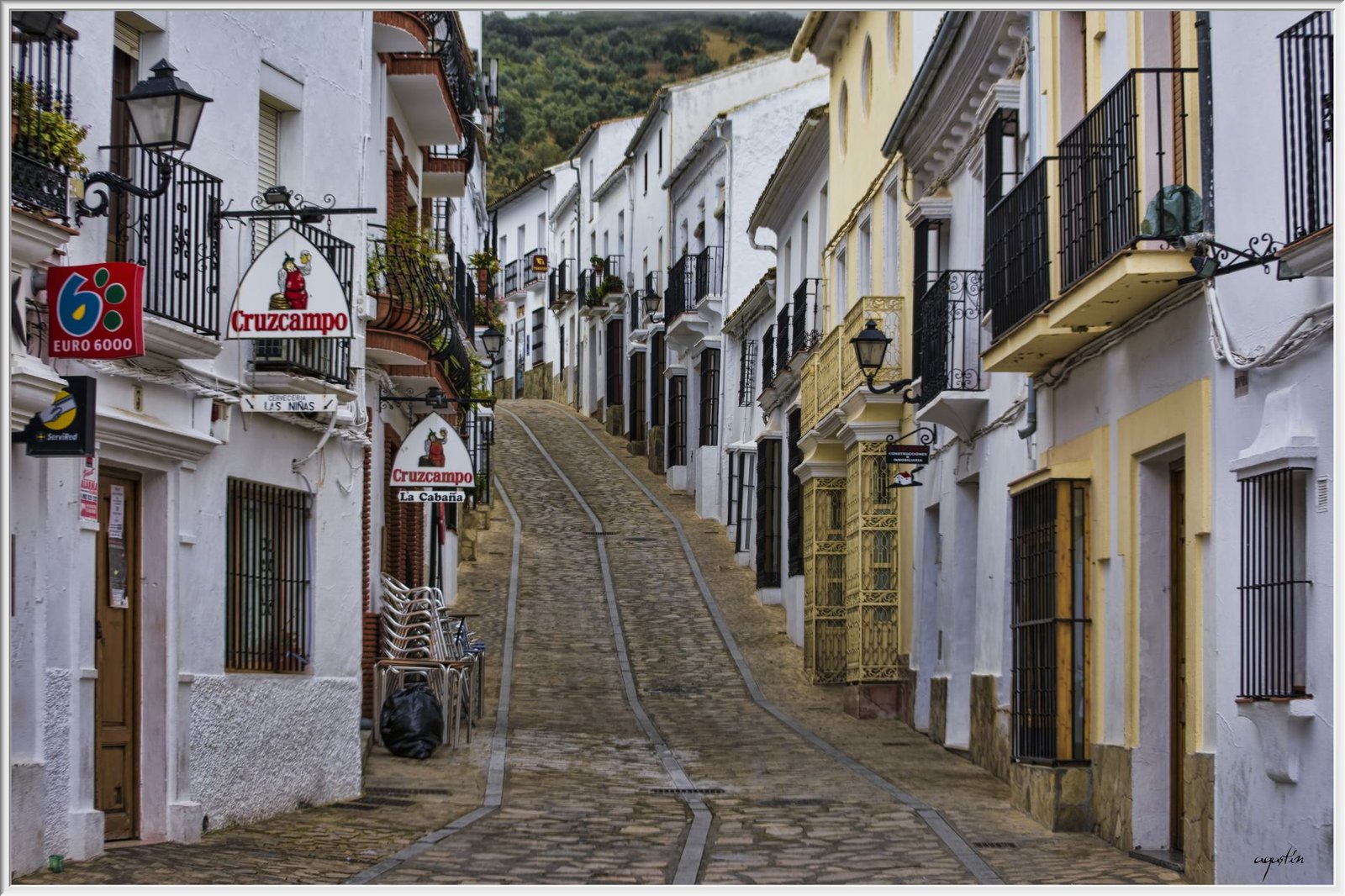
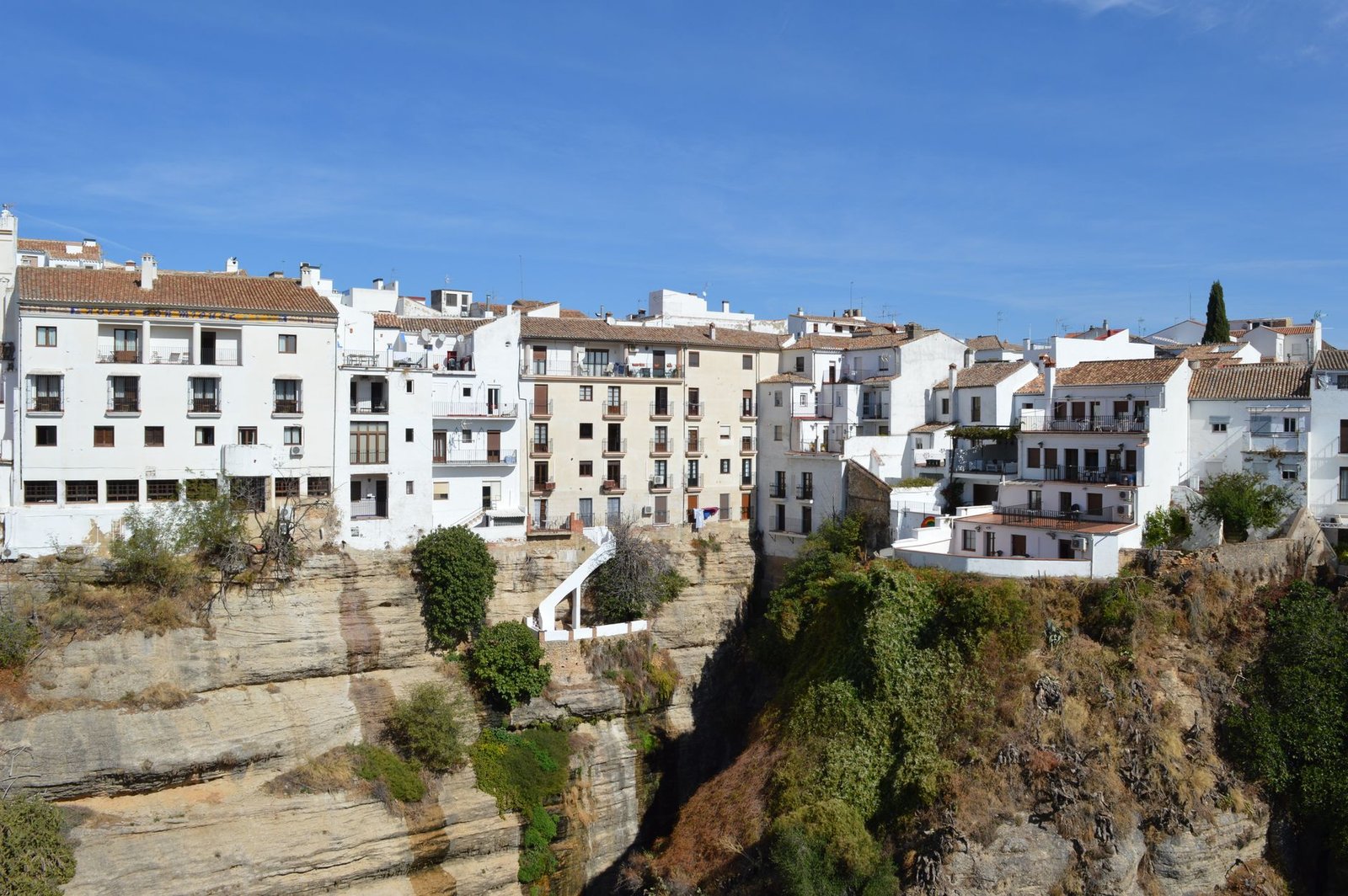
Once you’ve explored the castle and cooled off at La Playita, the real heart of Zahara de la Sierra reveals itself in its narrow, winding streets. This isn’t a place for ticking off attractions; it’s a place for simply being, for allowing yourself to get lost in the slow rhythm of Andalusian village life. The whitewashed houses, adorned with brightly coloured geraniums, cling to the hillside, creating a captivating maze. Every corner turned offers a new perspective, a hidden courtyard, or a glimpse into a daily routine that has unfolded here for centuries.
Start your exploration in the Plaza del Rey, the main square, which is often the social hub. Here you’ll find the beautiful Iglesia Mayor de Santa María de la Mesa, an impressive church that combines Baroque and Neoclassical elements. While the interior might not always be open for casual viewing, its facade is worth admiring. From the Plaza, simply choose a direction and start walking. You’ll quickly discover that the joy is in the unplanned meander. Look up at the intricate ironwork on balconies, listen to the distant sound of church bells, and soak in the quietude.
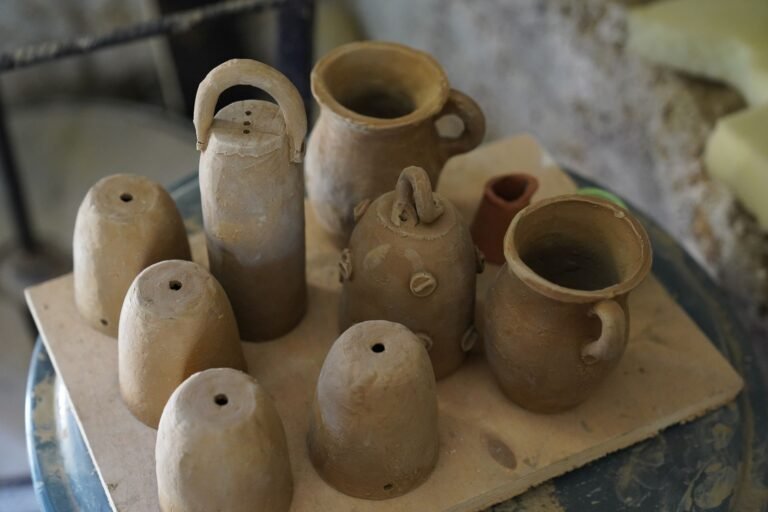
As you wander, you’ll encounter various viewpoints, or ‘miradores’, offering spectacular vistas. The Mirador de la Ermita, for example, gives you a different angle on the reservoir and the surrounding hills. Don’t be surprised if you come across a small local shop selling artisanal goods, from pottery to olive wood carvings. These aren’t the souvenir shops you find in big cities; they are often run by local families, offering genuine pieces. Remember that many smaller shops and even some restaurants observe ‘siesta’ hours, closing from around 14:00 to 17:00 or 17:30, especially during warmer months. This is not an inconvenience; it’s an invitation to adopt the local pace: have a long lunch, then rest, just like everyone else.
When it comes to food, Zahara excels in simple, honest Andalusian fare. This isn’t a place for Michelin stars, but for dishes made with local ingredients and generations of tradition. Look for:
- Sopa de Tomate: A hearty tomato soup, often enriched with local bread.
- Queso Payoyo: A renowned goat cheese from the Sierra de Grazalema. Try it with a drizzle of local olive oil.
- Embutidos: Cured meats, especially chorizo and salchichón, from local pigs.
- Aceite de Oliva: Zahara is surrounded by olive groves. The local olive oil is exceptionally fresh and flavourful.
- Platos de Caza: Game dishes, especially wild boar or venison stews, are common in colder months.
A good place to try these regional specialties is Restaurante Al Lago, known for its creative take on traditional dishes and often boasting fantastic views, or a more casual spot like Bar Jose Mari for straightforward tapas. Expect a meal with a few tapas or raciones to cost around €15-€25 per person. Don’t leave without trying the local bread, often baked in a wood-fired oven – it’s perfect for soaking up every last drop of a rich sauce. You might also find yourself enjoying an authentic ajoblanco Malagueño recipe, a refreshing cold almond and garlic soup, which is very popular in this part of Andalusia during summer.
Beyond the Village Limits: Olive Oil, Routes, and Local Produce
While the village of Zahara itself is captivating, the true depth of the experience comes when you venture just beyond its immediate streets. The surrounding landscape, dominated by ancient olive groves and the rugged Sierra de Grazalema, invites exploration. This is where you can truly connect with the agricultural heart of Andalusia and its natural wonders.
Zahara de la Sierra is part of the ‘Ruta de los Pueblos Blancos’ (Route of the White Villages), but it also sits at the epicenter of a major olive oil producing region. A visit to a local ‘almazara’ (olive mill) is highly recommended, especially during the olive harvest season (typically late autumn to early winter). Oleum Viride is a fantastic local mill that often offers guided tours and tastings. You’ll learn about the olive oil production process, from tree to bottle, and have the opportunity to sample some incredibly fresh, peppery extra virgin olive oil. A tasting tour usually costs between €8-€15 per person, and it’s a sensory experience that grounds you in the land. Check their website or call ahead for tour times, as they can be seasonal or by appointment.
For those who enjoy getting out into nature, the Sierra de Grazalema Natural Park offers numerous hiking opportunities. One of the most famous and striking routes nearby is the Garganta Verde (Green Gorge). This challenging but rewarding hike requires a permit from the park office in El Bosque, mainly to protect the griffon vulture colony that nests in its cliffs. The trail leads you down into a dramatic limestone canyon, with lush vegetation and often a small stream running through it. Skill level: moderate to difficult, with some scrambling involved. Gear required: sturdy hiking boots, plenty of water, and ideally trekking poles. The permit costs around €5 per person, and numbers are limited, so book well in advance, especially for weekends. Allow 4-5 hours for the full return trip.
If you’re looking for something less strenuous, there are plenty of gentler trails that crisscross the olive groves and offer incredible views without the permit requirement. Ask at the local tourist office (located near the main parking area) for maps and recommendations for easier walking routes, such as paths around the reservoir. These are perfect for a leisurely afternoon stroll, perhaps finding a secluded spot for a picnic with local cheese and fresh bread. You can easily spend an entire day discovering the natural beauty just a short drive or walk from Zahara’s core. The key is to embrace the slow pace, breathe in the fresh air, and let the landscape work its quiet magic on you.
The Zahara region isn’t just about views; it’s also a place where you can find honest, practical advice for planning your wider trip. You might consider a trip to nearby Ronda (about 30 minutes drive) or another white village like Grazalema, which are both easily accessible by car. Public transport is very limited here, with only a few buses a day connecting to larger towns like Ronda, making a car almost essential for exploring beyond Zahara’s immediate vicinity.
Where to Stay and When to Go: Practicalities for Your Zahara Visit
Choosing the right time to visit and where to rest your head in Zahara de la Sierra can profoundly shape your experience. This isn’t a destination with sprawling resorts; instead, it offers intimate, authentic stays that reflect the village’s character. You’ll find a range of options, from small, family-run hotels to appealing ‘casas rurales’ (country houses) and guesthouses. Prices for a comfortable double room typically range from €60 to €120 per night, depending on the season and the amenities.
For a stay right in the heart of the village, consider Hostal Marqués de Zahara, which offers comfortable rooms and easy access to the main square and viewpoints. If you prefer a lakeside setting with stunning views, Hotel Rural El Lago is an excellent choice, though it’s a short drive or longer walk from the village center. Both offer a peaceful retreat after a day of exploration. It’s always a good idea to compare hotel prices on Booking.com to find the best deal and availability, especially if you’re traveling during peak times.
Deciding when to go depends on what you want from your visit:
- Spring (April-May): Absolutely glorious. The hills are carpeted in wildflowers, the temperatures are mild (18-25°C), perfect for hiking, and the village isn’t overly crowded. This is arguably the ideal time.
- Summer (June-August): Hot, with daytime temperatures often exceeding 30°C. If you plan to spend a lot of time at La Playita and enjoy long, balmy evenings, this is your time. Otherwise, plan activities for early mornings and late afternoons.
- Autumn (September-October): Another fantastic period. Temperatures are comfortable again (20-28°C in September, cooling to 15-22°C in October), the light is beautiful for photography, and the olive harvest begins in late autumn, offering a glimpse into local life.
- Winter (November-March): Cooler and quieter. Temperatures can drop to 5-15°C, and there might be rain. Some days are crisp and sunny, perfect for cozy evenings by a fireplace and quiet contemplation. Many smaller establishments might have reduced hours or close for a short period.
As mentioned before, a car is genuinely almost essential for getting to Zahara de la Sierra and exploring the surrounding area effectively. While there are infrequent bus connections from Ronda (check current schedules with Los Amarillos or other regional bus companies – expect 2-3 buses daily, costing around €3-€5 for the 30-minute journey), having your own transport gives you the freedom to discover hidden viewpoints, visit olive mills, and explore other white villages at your leisure. Parking in Zahara is generally manageable, with free public parking areas located at the entrance to the village and sometimes closer to the castle road, though spaces can fill up during busy periods.
FAQ: Experience peaceful Zahara de la Sierra moments for yourself. — Common Questions
How long should I spend in Zahara de la Sierra?
To truly experience the peaceful Zahara de la Sierra moments and soak in the village’s atmosphere without rushing, I recommend at least two full days. This allows for one day to explore the castle and village streets, and another for the reservoir (La Playita) or a hike in the surrounding natural park, giving you time to relax and embrace the slower pace.
Is Zahara de la Sierra worth visiting with kids?
Absolutely, yes. Zahara de la Sierra offers a wonderful experience for families. The castle ascent provides an exciting adventure, and La Playita is a perfect, safe place for children to swim and play, especially during summer. The quiet streets are safe for wandering, and the emphasis on outdoor activities means there’s plenty to keep them engaged without the overwhelming crowds of larger destinations.
What are the best restaurants in Zahara de la Sierra?
For traditional Andalusian cuisine with a focus on local ingredients, try Restaurante Al Lago (located right in the village, offering excellent views and a diverse menu) or Arrocería El Lago (down by the reservoir, specializing in rice dishes like paella). For a more casual, authentic experience, Bar Jose Mari in the main square is reliable for tapas and local atmosphere. Expect a main course to range from €12-€20.
Do I need a car to visit Zahara de la Sierra?
While it’s technically possible to reach Zahara de la Sierra by bus from Ronda, having a car is strongly recommended. Public transport options are very limited, making it difficult to explore the surrounding natural park, visit an olive mill, or spontaneously venture to other white villages. A car provides the freedom and flexibility to make the most of your visit to this region.
Zahara de la Sierra isn’t just a place on a map; it’s an invitation to slow down, to truly see and feel Spain beyond the typical tourist trails. It offers a profound sense of peace, a connection to history, and the simple joys of authentic Andalusian life. Go there, walk its ancient paths, dip into its cool waters, and let its quiet beauty reset your internal clock. You won’t regret stepping off the beaten path for this unique experience. For more on discovering the heart of Spain, explore our Spain travel guides for further inspiration.
About the Author
After 15 years living and traveling across Spain, Caro knows this country in a way most travel writers never will. She’s not here to sell you a polished version of Spain, she’s here to show you the real one. Every guide on this site comes from her own experience: the restaurants she eats at, the routes she walks, the festivals she’s actually attended. She writes to cut through the noise and give you what actually matters. Learn more about Caro →