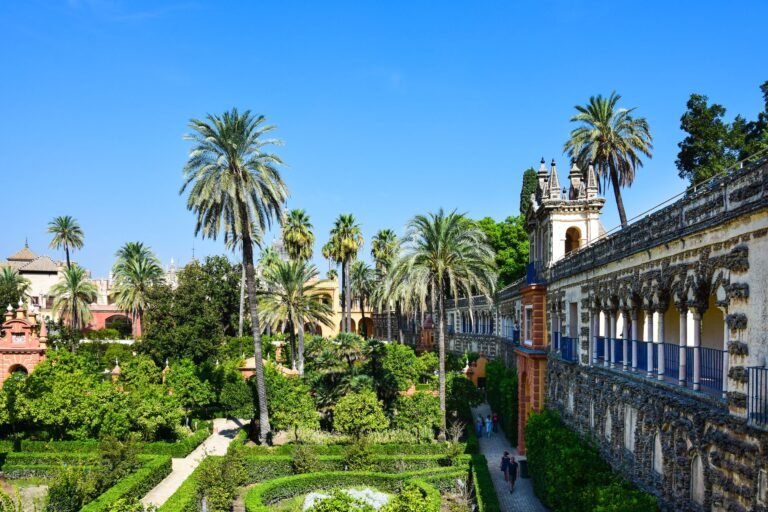
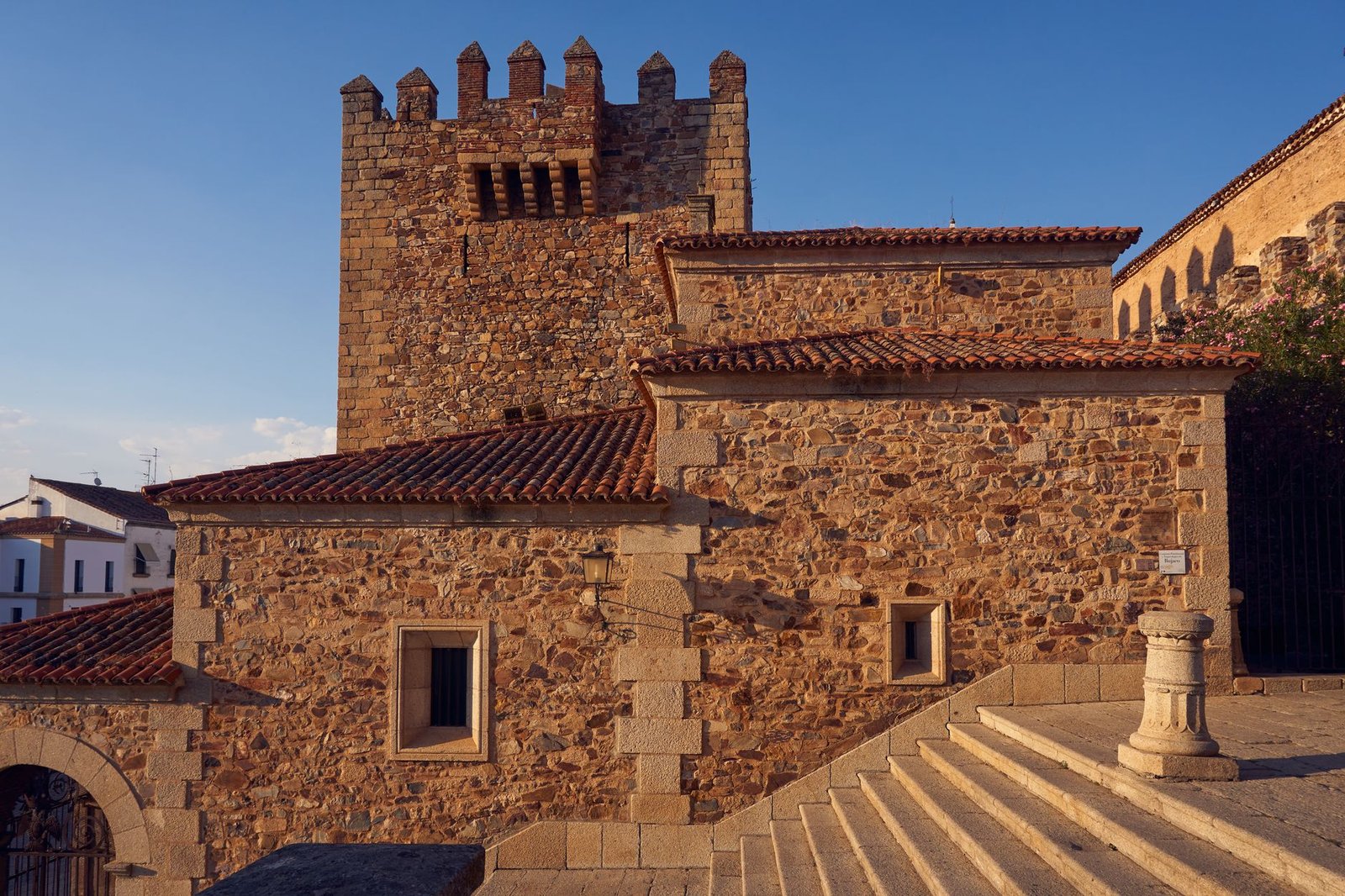
Exploring Caceres old town feels like stepping back in time
Some links in this guide are affiliate links — if you book through them we may earn a small commission at no extra cost to you. It never changes what we recommend. Full disclosure.
The moment you step through the Arco de la Estrella, you’ll understand why exploring Caceres old town isn’t just a visit, it’s a profound journey into Spain’s layered history. This isn’t just another pretty Spanish town; it’s an immersive experience where every stone tells a story. The one thing you need to know immediately is that Cáceres, a UNESCO World Heritage site, is a city preserved in time, offering an unparalleled glimpse into medieval and Renaissance Spain – truly a place to slow down and absorb its silent grandeur.
Quick Answer: Exploring Caceres Old Town’s Enduring Appeal
Exploring Caceres old town offers a unique journey through history, primarily due to its remarkably preserved medieval and Renaissance architecture. You’ll find yourself amidst ancient palaces, fortified houses, and cobblestone streets that have remained largely unchanged for centuries, making it one of Spain’s most authentic historical urban centers to walk through and experience. If slow, time-worn corners of Spain appeal to you, the green villages of rural Galicia offer a similar feeling in a much wetter, greener setting.
Stepping Through the Gates: The Plaza Mayor and Entry Points
Cáceres, in the heart of Extremadura, feels different from other Spanish cities. It’s less about grand, sweeping avenues and more about intimate, winding alleys. Your adventure into the monumental zone typically begins at the Plaza Mayor, a lively square that buzzes with local life. It’s the perfect spot to grab a café con leche (about €1.80) at one of the many terraces and people-watch before you dive into the past. Unlike many other old towns, Cáceres is a true walled city, and its gates are integral to the experience.
The most iconic entry is the Arco de la Estrella, or Star Arch, which dramatically funnels you into the heart of the Caceres monumental quarter. It’s not just an arch; it’s a portal. You’ll notice the worn cobbles underfoot, the silence amplifying as the modern world fades behind you. Another notable access point is the Puerta de Mérida, a more ancient, Moorish archway that hints at the city’s complex past.
While the old town itself is free to wander, the true magic unfolds when you engage with its specific sites. Many of the palaces and churches within are still privately owned or have specific visiting hours and fees. Be prepared for some steep climbs and uneven surfaces; comfortable, sturdy shoes are non-negotiable here. There are very few flat sections, and you’ll be navigating narrow, sloped streets, often paved with large, irregular stones. Mobility scooters or wheelchairs will find access challenging in many areas, though the main Plaza Mayor is fully accessible.
The best time to enter and avoid larger crowds is usually first thing in the morning, around 09:30, or in the late afternoon after 17:00. During the peak summer months (July and August), the heat can be intense, easily reaching 38-40°C in the afternoon, so early mornings and evenings are not just recommended, but essential for comfort. I personally prefer visiting in spring (April-May) or autumn (September-October) when the temperatures are mild, typically ranging from 18-25°C, making walking around a true pleasure.
The Heart of History: Palaces, Plazas, and Panoramas
Once inside the walls, you’re enveloped by a network of plazas and buildings that seem untouched by time. The Plaza de Santa María, overlooked by the Concatedral de Santa María, is often the first significant space you encounter. This impressive church, dating back to the 13th century, costs €5 to enter and includes an audio guide. It’s open from 10:00-14:00 and 16:30-19:30, Monday to Saturday, and shorter hours on Sundays. Don’t skip climbing the bell tower for a truly impressive view over the terracotta rooftops and ancient walls – it’s an additional €2 but absolutely worth it for the perspective.
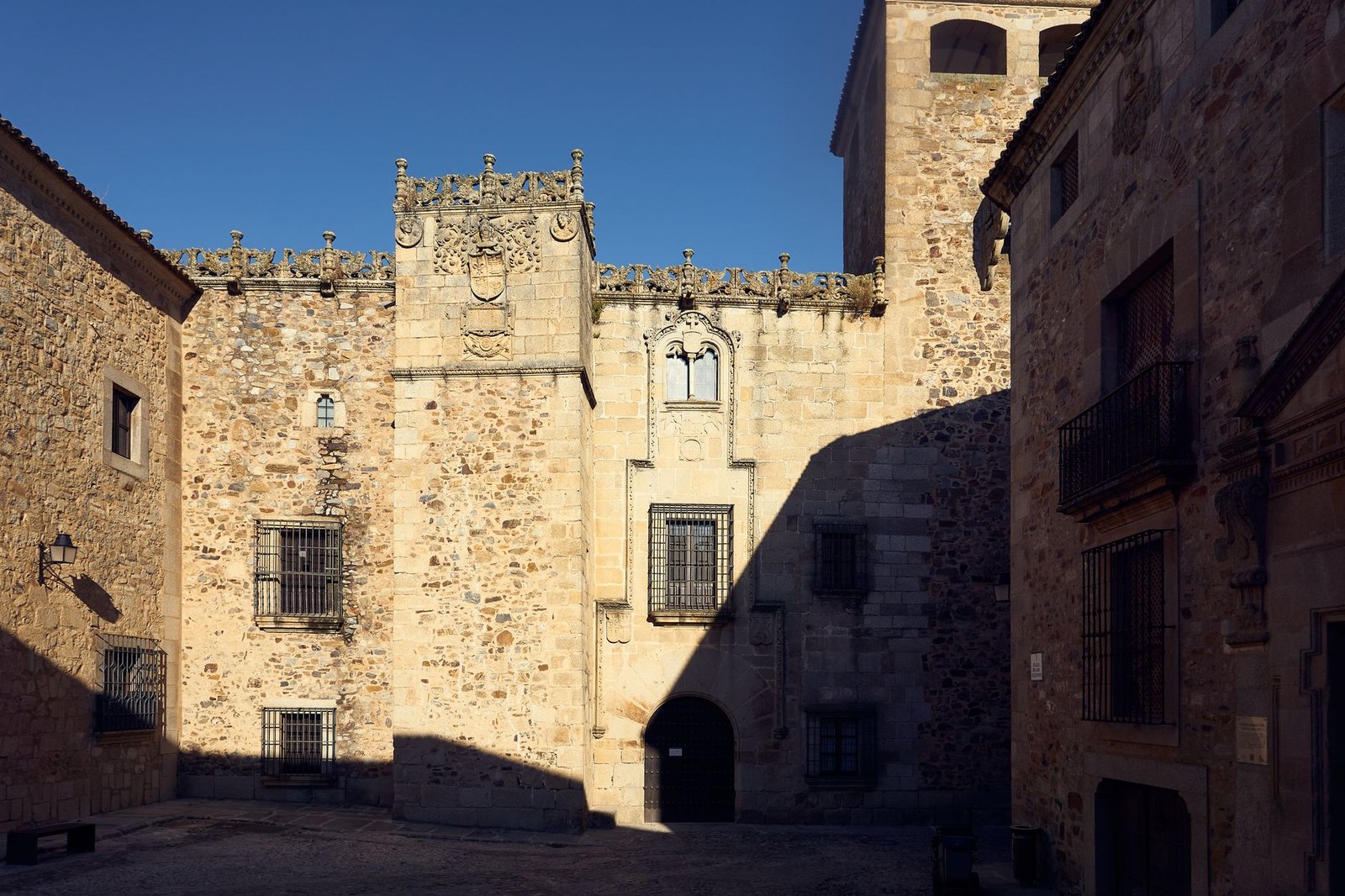
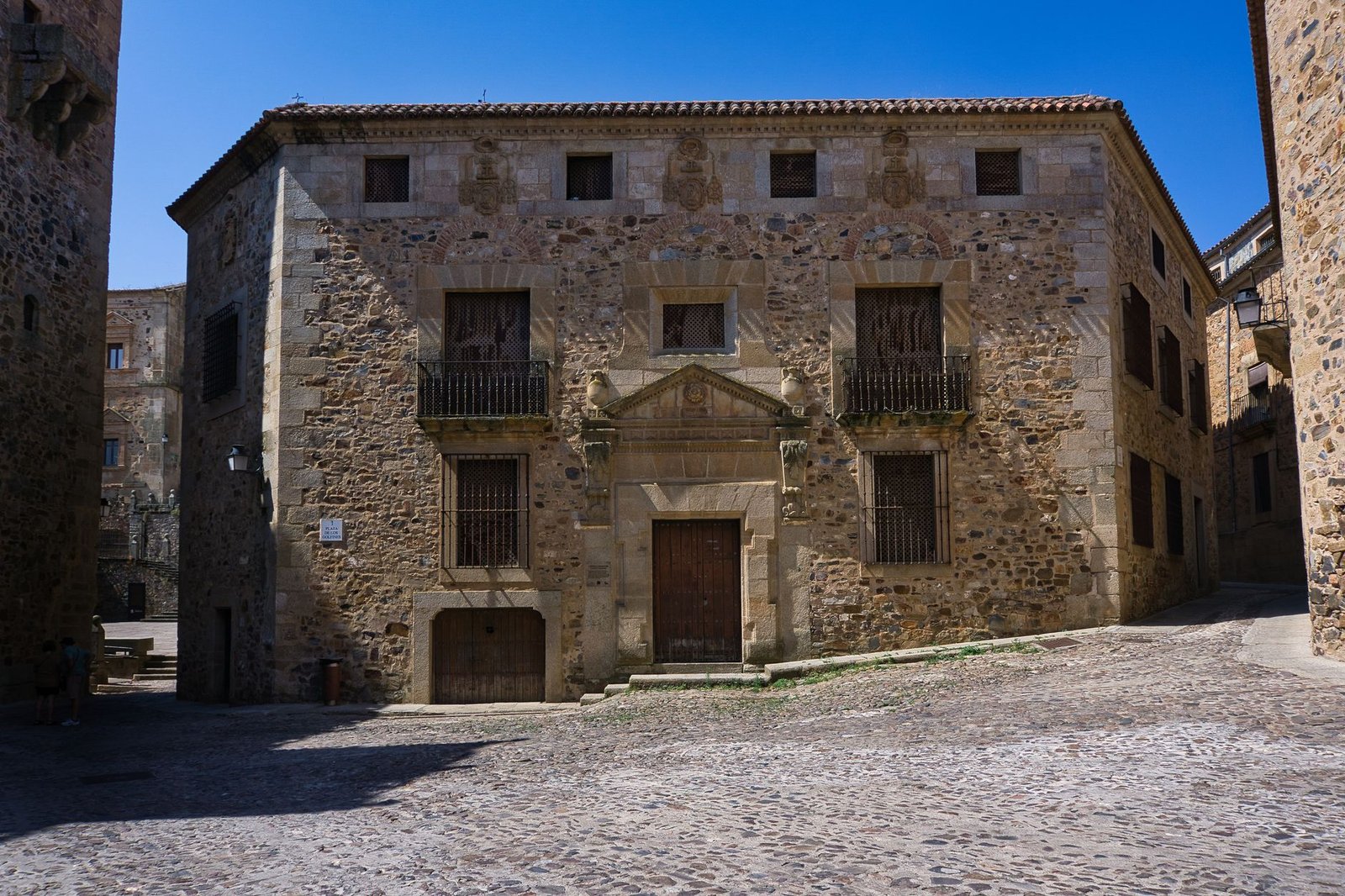
Just behind the cathedral, you’ll find the Palacio de los Golfines de Abajo, one of the most recognizable buildings with its corner tower and distinctive façade. While primarily private, its exterior is a landmark. Nearby is the Palacio de Carvajal, which often hosts temporary exhibitions and usually has free entry during its standard operating hours of 09:00-14:00 and 17:00-19:00 on weekdays. It’s a chance to step inside a genuine historic palace and experience its courtyards. Across from it, the Casa del Sol (House of the Sun) is another imposing private residence that contributes significantly to the street’s medieval atmosphere.
One of my favorite spots is the Plaza de San Jorge. It’s smaller, more intimate, and incredibly atmospheric, especially in the evening. The Church of San Jorge, with its imposing statue of Saint George slaying the dragon, commands the space. This church is generally free to enter during service times, but proper visiting hours with specific information are less consistent than the main cathedral. However, the true joy of this area is simply standing, taking it all in, and letting your imagination wander back to the days of knights and noble families.
For a different perspective on exploring Caceres old town, consider taking a walk up to the Baluarte de los Pozos. This ancient bastion provides excellent views of the city walls and the surrounding countryside. It’s particularly pleasant at sunset. Don’t forget to look for the Casa de las Cigueñas (House of the Storks), named for the dozens of storks that nest on its roof and towers each spring and summer. Watching them come and go is a simple, yet utterly delightful, part of the Cáceres experience.
If you have limited time, focus on the area around Plaza de Santa María, Plaza de San Jorge, and Plaza de San Pablo. These three interconnected plazas offer a concentrated dose of Cáceres’s monumental beauty. Allow at least three to four hours to properly walk through them, absorbing the atmosphere and taking countless photographs. Remember, many of the smaller alleys are less formal and simply invite you to get lost and discover your own corners.
Museums, Moorish Influences, and the Jewish Quarter
Beyond the main squares, Cáceres holds even more layers of history. The Museo de Cáceres, housed in the Palacio de las Veletas (Palace of the Weathervanes), is an absolute must-visit. Entry is just €1.50 for EU citizens and €3 for non-EU, and it’s open from 09:00-14:30 and 16:00-19:30 Tuesday to Saturday, and 10:00-14:30 on Sundays. This museum spans everything from prehistoric artifacts found in the region to Roman and Visigothic finds, but its true highlight is its well-preserved aljibe (Moorish cistern) in the basement. Descending into this ancient water reservoir, supported by horseshoe arches, gives you a tangible connection to the city’s Islamic past. It’s cool, quiet, and deeply atmospheric.
The Judería Vieja, the old Jewish Quarter, is another fascinating area to explore. It’s a maze of narrow, winding streets, whitewashed houses, and flowery patios, distinct from the more austere stone palaces of the Christian quarter. This neighborhood, centered around Calle de la Judería, feels entirely different, a testament to the diverse communities that once coexisted here. While there aren’t many specific ‘sites’ with entry fees, simply wandering through these streets, imagining life centuries ago, is the reward. Look for subtle signs, like remnants of menorahs carved into doorframes, which offer quiet clues to its past inhabitants.
For something truly unique, seek out the Casa Museo Árabe, a small, privately run museum (entry approx. €2-3, check local signage for hours as they can vary) that aims to recreate a traditional Moorish house and garden. It offers a glimpse into Islamic domestic life within the city walls. It’s a tranquil escape from the more imposing structures and a chance to see beautiful tiles, intricate arches, and a peaceful courtyard garden.
Here are some of the key historic buildings and their typical entry information:
| Site Name | Type | Typical Entry Cost | Standard Opening Hours (approx.) |
|---|---|---|---|
| Concatedral de Santa María | Church & Bell Tower | €5 (church), +€2 (tower) | Mon-Sat: 10:00-14:00, 16:30-19:30; Sun: shorter |
| Museo de Cáceres (Palacio de las Veletas) | Museum & Aljibe | €1.50 (EU), €3 (non-EU) | Tue-Sat: 09:00-14:30, 16:00-19:30; Sun: 10:00-14:30 |
| Palacio de Carvajal | Exhibition Space | Free | Mon-Fri: 09:00-14:00, 17:00-19:00 (check for exhibitions) |
| Torre de Bujaco | Tower (viewpoint) | €2.50 | Daily: 10:00-14:00, 17:00-20:00 (summer may extend) |
Times can always change, especially around public holidays or during local events, so always check upon arrival or consult the official Cáceres tourism website. Don’t be surprised if some smaller sites have limited or even ad-hoc hours; it’s part of the authentic, less-touristed feel of the city.
Practicalities and Pleasures: Eating and Getting Around Caceres Old Town
Navigating Cáceres is best done on foot, especially within the monumental zone. The distances are short, but the cobblestones and inclines mean you’ll be getting a good workout. Parking outside the old walls is widely available and recommended. The Parking Obispo Galarza (under Plaza de San Francisco) or Parking Gran Vía are good options, costing around €1.50-€2.00 per hour, or €15-€20 for a full day. From these, it’s a short 5-10 minute walk to the Arco de la Estrella.
When it comes to food, Cáceres is a culinary delight, particularly known for its traditional Extremaduran cuisine. Forget fancy fusion; here it’s all about quality ingredients prepared with love. You absolutely must try jamón ibérico de bellota – this region is famous for it, and you’ll find some of the best here. A generous plate typically costs €18-€25. Another local specialty is Torta del Casar, a creamy, pungent sheep’s milk cheese that you eat by spooning it out of the rind – expect to pay around €10-€15 for a small whole cheese. Local restaurants serve dishes like “migas extremeñas” (fried breadcrumbs with various accompaniments, around €8-€12) and “presa ibérica” (pork shoulder, €18-€25).
For an authentic meal, try Restaurante Atrio, though it is very much a fine-dining experience and requires reservations well in advance, with menus starting from €150-€200 per person. For more accessible, yet still high-quality options, I highly recommend Restaurante El Pato or Taberna Corregidor, both just outside the old town walls but still very central. A three-course meal with water will generally run you €25-€40 per person at places like these. Inside the old town, try Tapería La Cacharrería for some excellent, well-priced tapas (expect to pay €3-€6 per tapa).
Remember that traditional Spanish mealtimes are later than in many other countries. Lunch is usually from 14:00-16:00, and dinner from 21:00 onwards. Many kitchens close between these hours, though some tourist-focused spots near Plaza Mayor might offer continuous service. It’s an important cultural rhythm to adapt to, so plan your snacks accordingly. I always carry a bottle of water, especially in warmer months – you can buy 1.5L for about €1.20 at any supermarket.
Some honest tips for your visit:
- **Wear comfortable shoes:** Those cobblestones are beautiful but unforgiving.
- **Embrace the siesta:** Many smaller shops and offices close between 14:00 and 17:00. Use this time for lunch or a rest.
- **Learn a few Spanish phrases:** While many in the tourism sector speak English, making an effort goes a long way. “Hola,” “Gracias,” “Por favor,” and “La cuenta, por favor” are a great start.
- **Carry small bills and coins:** Some smaller establishments may not accept card payments, especially for minor purchases.
- **Consider a guided tour:** For a deeper understanding of the complex history, especially if you’re only spending a day, book a guided tour on Viator. A typical 2-hour walking tour costs around €15-€25 per person and reveals layers you might otherwise miss.
The Evening Ambiance and Staying Overnight
Cáceres transforms as the sun sets. The golden light bathing the stone palaces creates an incredibly dramatic effect. The old town, which can feel quite empty during the mid-day heat, comes alive with a different energy. Locals emerge for their evening paseo (stroll), and the streetlights cast long shadows, making every corner feel like a film set.
Evening is the perfect time for a leisurely stroll through the illuminated monumental zone. The Concatedral de Santa María, Torre de Bujaco, and Palacio de los Golfines de Abajo are particularly impressive when lit up. You’ll find fewer crowds and a greater sense of peace. Many of the small plazas, like Plaza de San Jorge or Plaza de Santa María, offer benches where you can simply sit and soak in the atmosphere. It’s a truly unforgettable experience, and one of the main reasons I recommend staying overnight if your itinerary allows.
Staying within the old town allows you to fully immerse yourself in its magic. There are several excellent boutique hotels and guesthouses housed in renovated historic buildings. Hotel Atrio Restaurante, a Relais & Châteaux property, is located right within the old town, offering luxury from around €300-€500 per night. For more budget-friendly but still authentic options, consider Hotel Don Carlos (approx. €80-€120 per night for a double room) or Hotel Casa Don Fernando (approx. €70-€110), both also inside the walls and offering comfortable, well-appointed rooms that often blend modern amenities with historic character. Prices, of course, fluctuate based on season and demand, so it’s wise to compare hotel prices on Booking.com well in advance.
One of the downsides of staying inside the old town is that vehicular access can be restricted, meaning you might have to walk a short distance from the perimeter car parks with your luggage. However, this minor inconvenience is a small price to pay for waking up to the quiet dignity of centuries-old streets right outside your door. You won’t find loud nightclubs within the walls, but rather a sophisticated, calm nightlife focused on good food and conversation in the numerous tapas bars and restaurants. Many of these stay open until midnight or later, especially on weekends.
Cáceres at night is not about wild parties; it’s about slow, thoughtful enjoyment, perhaps a digestif after dinner, or simply a final walk through the moonlit plazas. It’s an opportunity to see a different side of a Spain that reveres its past, a side that often feels more profound and reflective than the daytime energy. This is where you connect with the city’s soul, long after the last tour groups have departed.
About the Author
Caro has spent 15 years exploring Spain, from hidden villages in Andalusia to the windswept coasts of Galicia. She writes Spain Destination to share what she’s actually learned living here, one guide at a time. Read more about Caro →
FAQ: Exploring Caceres old town feels like stepping back in time — Common Questions
Is Cáceres worth visiting for a day trip?
Yes, Cáceres is absolutely worth a day trip, especially if you focus your time on the monumental old town. You can comfortably explore the main plazas, visit the Concatedral de Santa María, the Museo de Cáceres, and wander through the Jewish Quarter in about 6-8 hours. However, to truly appreciate its unique atmosphere, particularly in the evening, an overnight stay is highly recommended.
How long should I spend exploring Caceres old town?
To truly experience the depth and quiet beauty of Cáceres, I recommend spending at least one full day and one night. This allows you to explore the major sites at a relaxed pace, enjoy a traditional Extremaduran dinner, and witness the captivating evening ambiance of the illuminated old town without feeling rushed.
What are the biggest challenges when visiting Cáceres old town?
The main challenges you’ll encounter are the uneven cobblestone streets and significant inclines, which require comfortable, sturdy footwear. Additionally, parking is outside the old walls, necessitating a short walk with luggage if you stay within the monumental zone. During summer, the intense heat can also be a challenge, making early morning and evening exploration essential.
Are there any downsides to visiting Cáceres old town?
While generally a wonderful experience, a downside can be the limited evening entertainment if you’re looking for something beyond dining and quiet strolls. It’s a tranquil city, not a party destination. Also, some smaller historical sites may have inconsistent opening hours or limited information in English, requiring a bit of flexibility and patience on your part.
Cáceres offers an immersion into a Spain that often feels forgotten by the passage of time, a rare chance to truly connect with history on a visceral level. The quiet dignity of its ancient stones and the warmth of its people create an experience that stays with you long after you’ve left its hallowed walls. If you’re captivated by the thought of unique Spanish villages, you might also enjoy discovering the distinctive architecture and history of Setenil De Las Bodegas Village.