My paddleboarding Menorca turquoise waters delight.
Some links in this guide are affiliate links — if you book through them we may earn a small commission at no extra cost to you. It never changes what we recommend. Full disclosure.
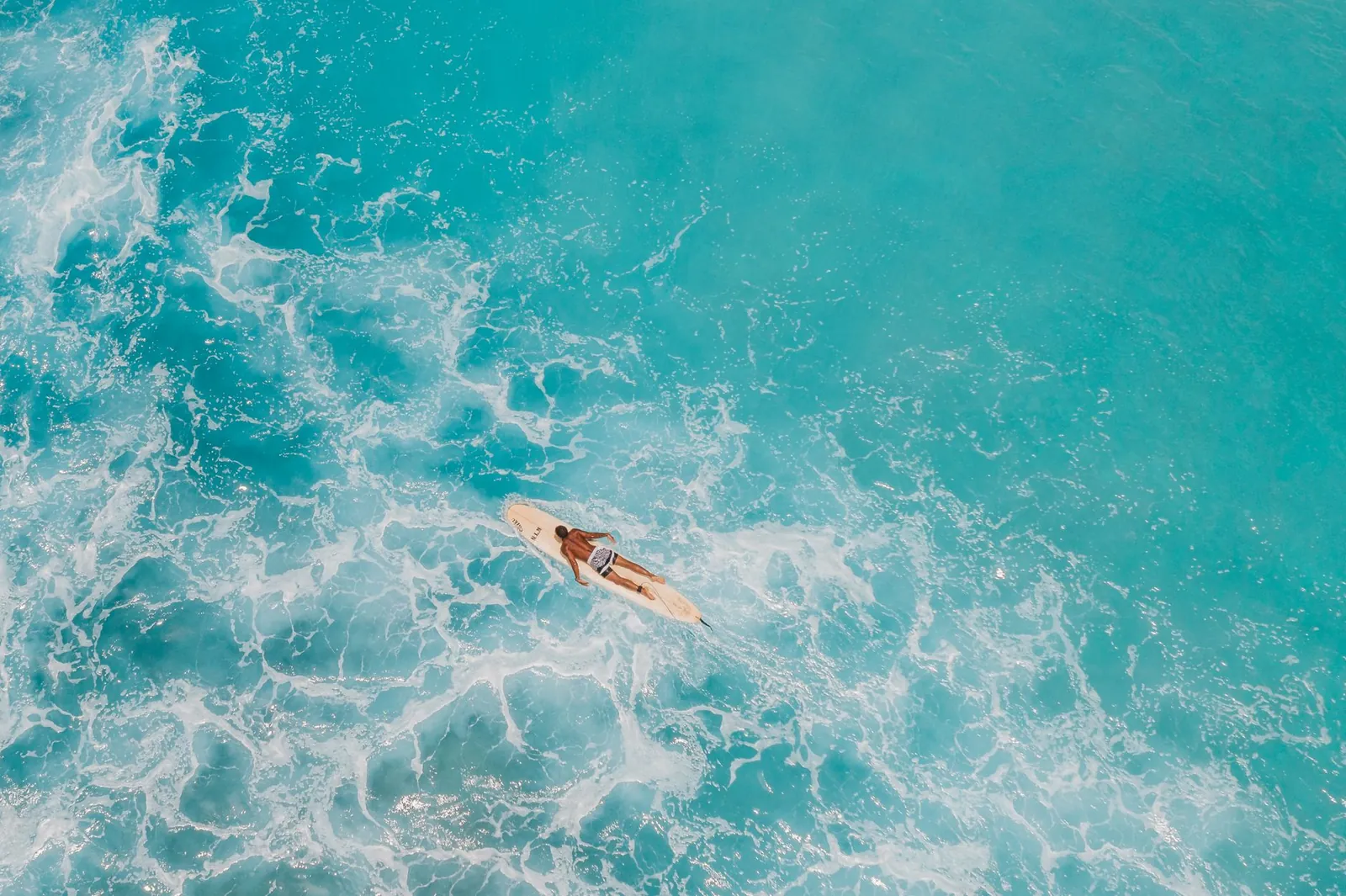
Most visitors arrive in Menorca imagining its beauty, but few fully grasp the sheer joy of truly connecting with its essence until they try something like paddleboarding Menorca turquoise waters. It’s a completely different way to experience the island’s incredible coastline, not just observing it from the shore or a boat, but gliding directly over and through its crystal-clear depths. My goal here is to share the practical insights you need to make this experience your own, from the best spots to the gear you’ll need, ensuring you leave with that same profound sense of awe I’ve found over my years here.
Quick Answer: Paddleboarding in Menorca
Paddleboarding in Menorca is absolutely worth doing, offering unparalleled access to the island’s spectacular coves and clear waters, with rental costs typically around €20-€30 for a half-day and guided tours from €40-€60 per person for a 2-3 hour excursion, making it an accessible and rewarding activity for most skill levels.
Choosing Your Menorca Paddleboarding Spot: Coves and Calm Waters
When you’re deciding where to paddleboard in Menorca, prioritize the island’s many sheltered coves and calm bays, as these provide the safest and most enjoyable conditions for all skill levels, especially for beginners or those seeking a relaxed experience away from strong currents; some of my top recommendations include Cala Galdana, Cala Macarella, and the Es Grau Natural Park, each offering unique appeals. While Menorca doesn’t have major rivers suitable for SUP, its coastline is a dream for ocean paddling.
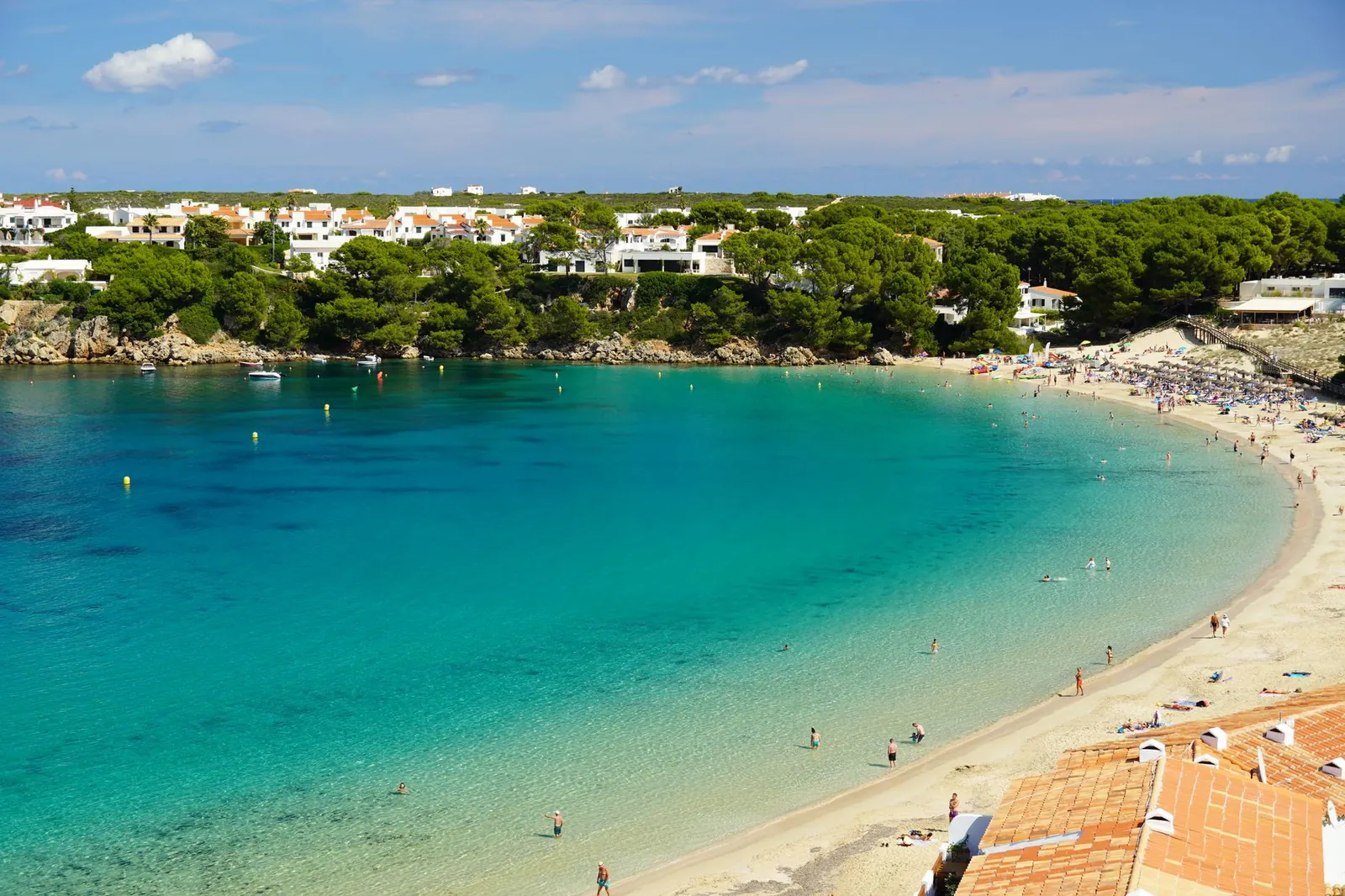
Cala Galdana is a fantastic starting point. It’s a wide, crescent-shaped bay on the south coast, incredibly protected by cliffs on either side. The water here is almost always serene, making it perfect for first-timers to get their balance without worrying about waves. You can rent boards directly on the beach, which is a major convenience. From Cala Galdana, you can paddle eastward towards Cala Mitjana or westward towards Cala Macarella, exploring the coastline as you go. The cliffs are dramatic, and you’ll see caves and formations that are only truly visible from the water.
For a slightly more adventurous, but still manageable, paddle, head to Cala Macarella and its smaller sibling, Macarelleta. These are iconic Menorcan coves, famous for their vibrant blue waters. Access requires a bit more planning; during peak season (June-September), private car access is restricted, and you’ll need to use the public bus from Ciutadella or a taxi. Once there, the water is incredible for paddleboarding. You can spend hours exploring the nooks and crannies, discovering small, almost hidden sandy spots between the rocks. It’s an ideal place for a picnic on your board or a quick dip in the cool water.
If you’re looking for something entirely different, the Es Grau Natural Park offers a unique lagoon-like setting. This area on the northeast coast is a designated nature reserve, providing extremely calm, shallow waters, perfect for a leisurely paddle. It feels less like the open sea and more like a vast, serene lake. You’ll find a small village, Es Grau, where you can rent equipment. From here, you can paddle out to the small island of Illa d’en Colom, which is just a short distance away. The marine life here is abundant, and the birdwatching can be spectacular, making it a peaceful and immersive natural experience. This spot is particularly good for families or those who want a truly relaxed session without any strong currents or deep ocean concerns. It’s also one of my picks for Menorca or Mallorca quiet coves if pure peace is your goal, offering a very different atmosphere from the more popular southern beaches.
Another excellent option is the area around Fornells Bay on the north coast. This bay is large and well-sheltered, often used for sailing and windsurfing lessons due to its dependable, yet usually gentle, breeze. You can launch from the village of Fornells and explore the various inlets and small beaches within the bay. The waters here are incredibly clear, and you might even spot some local fish species darting beneath your board. Fornells is also a lovely place to enjoy a meal after your paddle, with several excellent restaurants lining the waterfront.
Paddleboard Rental and Guided Tours: Your Options and Costs
Paddleboard rentals in Menorca generally cost between €20 and €35 for a half-day (3-4 hours) and €40 to €60 for a full day (6-8 hours), making it an affordable way to explore the coastline independently; guided tours, which often include equipment, an instructor, and exploration of specific coves or caves, typically range from €40 to €75 per person for a 2-3 hour session. The choice between renting and taking a tour really depends on your experience level and what kind of adventure you’re after.
If you’re confident on a board and familiar with basic safety, renting is a fantastic option. You get the freedom to explore at your own pace, linger in your favourite spots, and change your plans on a whim. Many beaches, particularly the more popular ones like Cala Galdana, Cala’n Bosch, and even some points in Es Grau and Fornells, have direct rental shops or kiosks. These often operate from around 10:00 AM to 6:00 PM during the high season (June-September). It’s always a good idea to check availability and opening hours online or by phone, especially outside of peak summer. They usually provide the board, paddle, and a leash. Some might offer a life vest, which I always recommend taking, especially if you’re not a strong swimmer or if you plan to venture further from shore.
For those who are new to paddleboarding, or who want to discover hidden spots and learn about the local environment from an expert, a guided tour is definitely the way to go. These tours often start with a brief lesson on technique and safety, which is invaluable. Instructors know the best routes for the day’s weather conditions, can point out marine life, and might even lead you into sea caves that would be difficult or risky to find on your own. Many tours depart from Ciutadella or Mahón, or directly from popular beaches. You can easily find guided tours in Menorca that combine paddleboarding with snorkeling, giving you a full experience of the underwater world too.
Here’s a general idea of rental and tour costs:
| Activity Type | Duration | Approximate Cost (EUR) | What’s Included |
|---|---|---|---|
| Independent Paddleboard Rental | Half-Day (3-4 hours) | €20 – €35 | Board, paddle, leash. Sometimes a life vest. |
| Independent Paddleboard Rental | Full-Day (6-8 hours) | €40 – €60 | Board, paddle, leash. Sometimes a life vest. |
| Guided Paddleboarding Tour | 2-3 hours | €40 – €75 per person | Board, paddle, leash, life vest, instructor, route guidance, safety briefing. |
| Private Guided Tour | 2-3 hours | €100 – €200 (for 1-2 people) | Personalized instruction, exclusive route, often includes photos. |
Always confirm what’s included before booking, especially if you need specific sizes for life vests or want to ensure a waterproof bag is provided for your essentials. Some tour operators also offer discounts for larger groups, so it’s worth asking if you’re traveling with family or friends.
Essential Gear and Safety for Menorca Paddleboarding
To ensure a safe and enjoyable paddleboarding experience in Menorca, you will primarily need a suitable board and paddle, a leash to keep your board connected, and adequate sun protection; a basic skill level of balance and swimming ability is recommended, while knowing how to read local weather and current conditions is crucial for safety. The Mediterranean is generally calm, but being prepared makes all the difference.
Required Gear:
- Paddleboard and Paddle: Most rental shops offer all-around inflatable boards, which are stable and easy to use for beginners. Choose a paddle that’s roughly 15-20 cm taller than you.
- Leash: This is non-negotiable. The leash attaches your ankle to the board. If you fall, your board won’t float away with the current, leaving you stranded.
- Life Vest (PFD): While not always legally required for adults in calm waters, it’s a smart choice, especially if you’re not a strong swimmer or are venturing further out. Many rental companies will provide one.
- Sun Protection: The Menorcan sun is intense, even on cloudy days. Apply high-SPF, water-resistant sunscreen liberally (reapply every 2 hours). A wide-brimmed hat and sunglasses (with a strap!) are also essential. Consider a rash guard or light long-sleeved top for added protection.
- Water Bottle: Staying hydrated is key, especially during activity in the sun. Bring more water than you think you’ll need.
- Waterproof Bag/Dry Bag: For your phone, keys, wallet, and a snack. Clip it securely to your board.
- Water Shoes or Sandals: Useful for walking over rocky entries or exploring coves with pebbly beaches. You can paddle barefoot, but getting in and out might be more comfortable with protection.
Safety Considerations:
- Check the Weather Forecast: Wind is your biggest enemy on a paddleboard. Even a light breeze can make paddling difficult and tiring. Always check wind speed and direction before you go. Strong winds can quickly push you far from shore. Local forecasts often include specific marine conditions, which are very helpful.
- Know Your Limits: Don’t overestimate your abilities. If you’re a beginner, stick to sheltered bays and calm conditions. Don’t venture too far from shore or paddle in areas with strong currents or heavy boat traffic.
- Inform Someone of Your Plans: Let someone know where you’re going and when you expect to return. This is especially important if you’re paddling alone.
- Stay Clear of Boats: Give boats, jet skis, and other watercraft a wide berth. They might not see you, and their wakes can easily knock you off your board.
- Understand Local Regulations: While paddleboarding is generally unrestricted along the coast, there might be specific rules in natural parks or around certain sensitive areas. Always respect buoys and markers.
- First Aid: For longer paddles, a small, waterproof first-aid kit can be a good idea, including bandages and antiseptic wipes for minor scrapes.
Beyond the Board: Exploring Menorca’s Coastline by SUP
Paddleboarding in Menorca offers more than just a surface-level experience; it’s a unique platform for exploring the island’s secret sea caves, snorkeling in incredibly clear waters, and observing marine life from a silent vantage point, providing an intimate connection with the natural environment that few other activities can match. Many of Menorca’s most captivating features are best appreciated directly from the water, where you can pause and absorb the details.
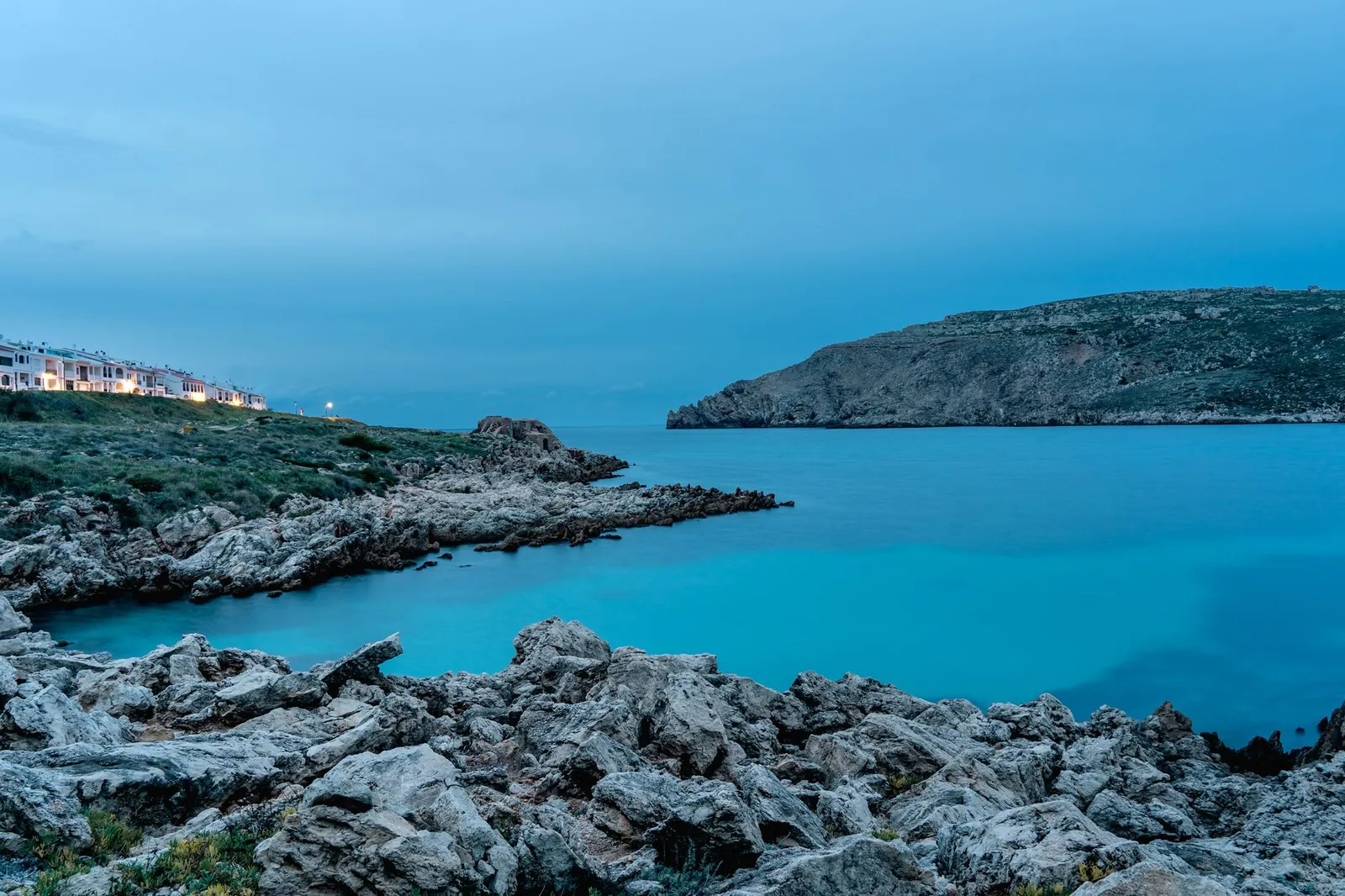
One of the true delights is discovering the island’s many sea caves. The coastline, especially on the south, is riddled with them. Your paddleboard allows you to glide into these cool, echoing chambers, sometimes revealing small, secluded beaches inside or incredibly vibrant blue reflections from the water below. Cala en Porter, Cala Galdana, and areas near Ciutadella are particularly known for accessible caves. Always be mindful of tides and swell when entering caves, and if in doubt, opt for a guided tour that can safely navigate these features.
With such astonishingly clear water, snorkeling directly from your board is another absolute must. Just drop anchor (a small, foldable anchor designed for SUPs can be useful), or simply sit on your board and let your legs dangle in the water. Put on your mask and snorkel, and you’re immediately immersed in an underwater world. You’ll often see schools of fish, sea urchins, and intricate rock formations below. Bring a small, lightweight mesh bag to collect any trash you might find, helping to keep Menorca’s pristine waters clean. For those contemplating a broader Balearic adventure, this kind of tranquil exploration stands in contrast to the livelier scenes you might find elsewhere. For example, considering Ibiza, Mallorca, or Menorca: Which Balearic Island Fits You? often highlights Menorca as the choice for nature-focused peace.
Your paddleboard also acts as a mobile sun deck. Find a secluded spot, lie down on your board, and let the gentle rocking of the water lull you into a state of pure relaxation. It’s an ideal way to escape the busier beaches during peak hours and find your own slice of Menorcan tranquility. You can also explore sections of the famous Camí de Cavalls from the water. This ancient path encircles the entire island, but seeing the dramatic cliffs and untouched stretches of coastline from the sea offers a fresh perspective that land-based hiking simply can’t provide. Consider packing a light, dry snack, like some local crackers and a wedge of Menorca Mahón cheese, to enjoy on your board while floating in a secluded cove.
Remember that while paddleboarding offers incredible access, it’s crucial to respect the natural environment. Avoid disturbing marine life, take all your rubbish with you, and stick to designated areas if signs are present, especially in protected zones like Es Grau Natural Park.
Planning Your Paddleboarding Day: Logistics and Best Times to Go
Planning your paddleboarding day in Menorca effectively means considering the time of year, time of day, and how you’ll get to your chosen launch point; early mornings (before 11:00 AM) and late afternoons (after 4:00 PM) during the shoulder seasons (May, early June, September, October) typically offer the calmest waters, fewer crowds, and more comfortable temperatures. The calmest conditions are generally found on the south coast when the northerly Tramuntana wind blows, and on the north coast when southerly winds prevail.
Best Time of Year:
- May & Early June: The island is fresh, flowers are blooming, and the water is warming up but still incredibly clear. Crowds are minimal, and prices for rentals and accommodation are lower than peak season. The temperatures are pleasant, usually around 20-25°C.
- September & October: Similar to spring, these months offer warm water, fewer people, and often very stable weather. The intense summer heat has mellowed, making for very comfortable paddling. Sea temperatures remain high from the summer, making swimming enjoyable.
- July & August (Peak Season): While the weather is consistently hot (28-32°C+) and sunny, these months see the largest crowds on beaches and in towns. Winds can also pick up, and the midday sun is fierce. If you must paddle during this time, stick strictly to early mornings to beat both the heat and the crowds.
Best Time of Day:
- Morning (Sunrise to 11:00 AM): This is almost universally the best time. The sea is usually at its calmest, with winds typically picking up later in the day. The light is beautiful, and you’ll often have the water to yourself, especially at the more popular coves.
- Late Afternoon (4:00 PM to Sunset): The crowds thin out, and the light becomes softer. While there might be more residual chop from midday activities, it’s often calmer than the high noon hours. It’s a lovely time for a leisurely paddle as the day cools down.
Getting There:
Menorca’s main roads are good, but access to some of the more pristine coves can involve narrow, winding roads, or even walking trails. Having a rental car gives you the most flexibility to reach different launch points. Parking can be an issue at popular coves during peak season; arrive early to secure a spot. For instance, getting to Cala Macarella in July and August usually requires using the public bus from Ciutadella, which runs regularly, dropping you off with a 15-minute walk to the beach. Check the local bus schedules on the official Menorca Tourism website for up-to-date information.
For some coves, particularly those within protected areas, you might find restrictions on private vehicle access during summer. Always check local signage upon arrival. Using a hotel in Menorca that is close to your preferred paddleboarding spots can also cut down on travel time significantly.
Before you commit to a full-day rental, try a shorter half-day session first. This allows you to gauge your energy levels and how quickly you want to explore. Remember, paddleboarding is a workout, especially if you’re paddling against a light breeze or current. Always err on the side of caution when planning your route and duration.
Common Questions About Menorca Paddleboarding
Is paddleboarding hard for beginners?
Paddleboarding is generally quite easy for beginners, especially in Menorca’s calm, protected coves where the water is flat. Most people can learn to stand up and paddle within 15-30 minutes of getting on a board. The key is starting on a stable, wide board and choosing a day with minimal wind. If you’re unsure, a short guided lesson can quickly build your confidence.
What is the best type of paddleboard for Menorca?
For most visitors to Menorca, an all-around inflatable paddleboard is the best choice. These boards are stable, durable, and easy to transport if you rent one to take to different coves. They perform well in the calm, clear waters of Menorca’s bays and coves, offering a good balance of stability and maneuverability for exploring the coastline.
Can I paddleboard to secret coves?
Yes, paddleboarding is an excellent way to reach and explore many of Menorca’s more secluded or “secret” coves that are difficult to access by land or larger boats. Your board allows you to quietly glide into shallow waters and narrow inlets, offering a unique perspective and often leading you to peaceful, untouched spots. Always respect private property and protected areas.
Do I need to book paddleboard rentals in advance?
During the peak summer months of July and August, it is highly recommended to book paddleboard rentals and guided tours in advance, especially if you plan to visit a popular cove or want a specific time slot. Outside of peak season, you might find more availability for walk-up rentals, but booking ahead always guarantees your equipment and prevents disappointment.
There’s a reason Menorca holds such a special place for me, and experiences like paddleboarding its stunning coastline are at the core of it. It’s an island that invites you to slow down, to truly see and feel its natural beauty, and to find your own quiet adventure on the water. Whether you’re gliding silently over crystalline depths or discovering a tiny cave entrance, you’re not just observing Menorca; you’re living it. For a different kind of island exploration, consider exploring the island trails in Mallorca or Menorca, which offer a complementary perspective of the Balearic landscape.
About the Author
After 15 years living and traveling across Spain, Caro knows this country in a way most travel writers never will. She’s not here to sell you a polished version of Spain, she’s here to show you the real one. Every guide on this site comes from her own experience: the restaurants she eats at, the routes she walks, the festivals she’s actually attended. She writes to cut through the noise and give you what actually matters. Learn more about Caro →