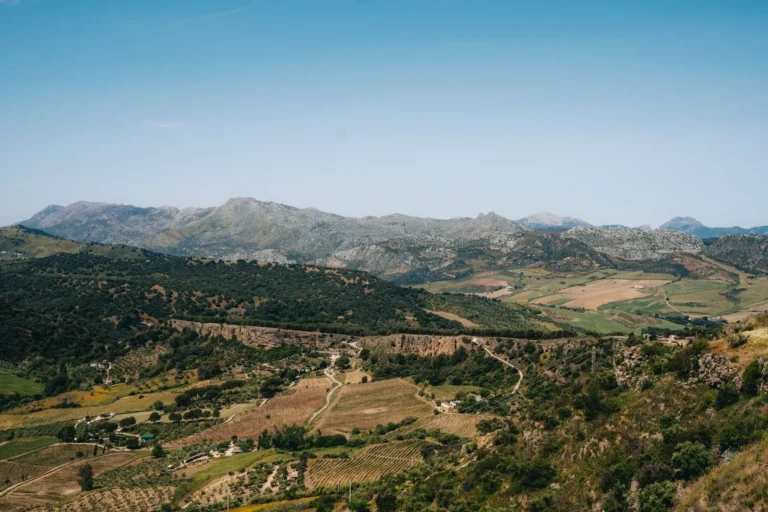
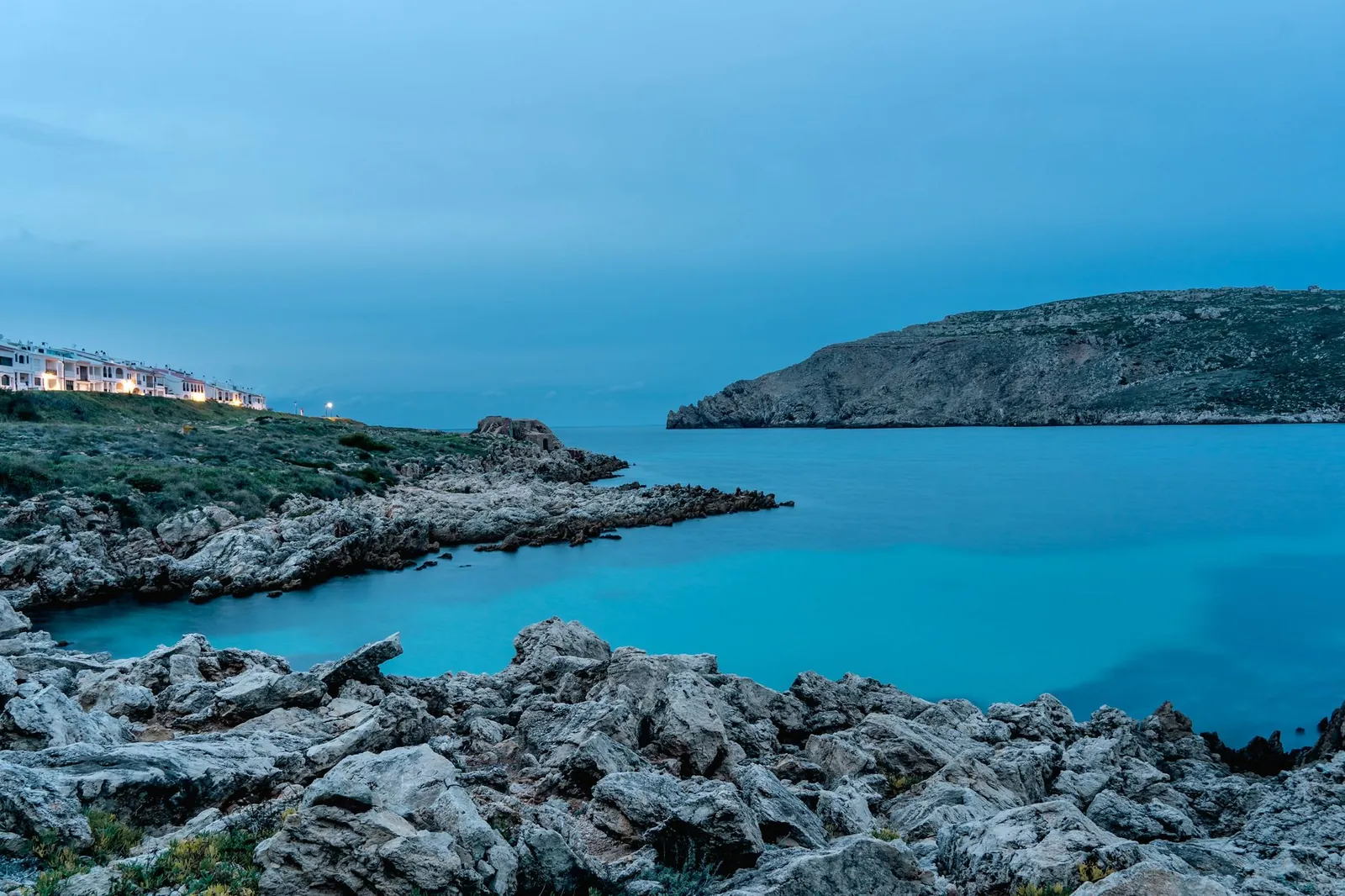
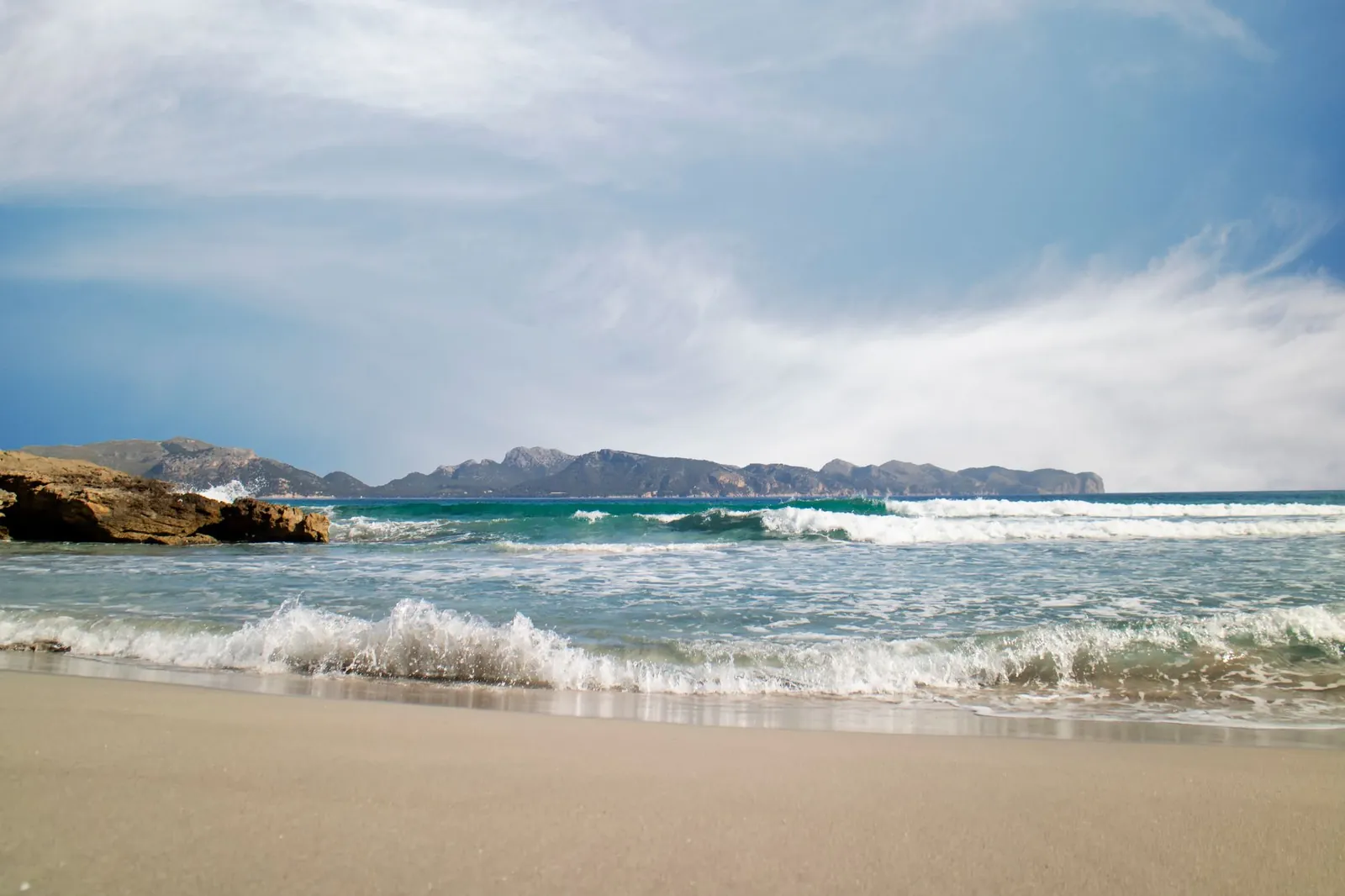
My Menorca or Mallorca quiet coves choice for pure peace.
Some links in this guide are affiliate links — if you book through them we may earn a small commission at no extra cost to you. It never changes what we recommend. Full disclosure.
The misconception that the Balearic Islands are nothing but crowded party hubs often keeps travelers from exploring their deeper, quieter essence. While it’s true that parts of Mallorca burst with energy, and Ibiza draws its specific crowd, the reality is that both islands, and particularly Menorca, hold sanctuaries of serenity for those who know where to look. Deciding on menorca or mallorca quiet coves for a peaceful escape is less about finding the “better” island and more about understanding what kind of tranquility you seek, and what effort you’re willing to invest to find it. I’ve lived in Spain for 15 years, exploring these shores countless times, and I’m here to guide you through the nuanced differences, ensuring your cove experience is exactly what you envision.
Quick Answer: Menorca or Mallorca Quiet Coves
For consistent, widespread tranquility and easier access to genuinely quiet coves, Menorca is generally the superior choice, given its protected biosphere status and smaller scale. Mallorca, while larger and more developed, offers equally stunning but often more challenging-to-reach secluded coves, typically requiring earlier starts or longer hikes to escape the crowds.
Understanding the Islands: What Defines Menorca’s Calm vs. Mallorca’s Scale
To truly appreciate the difference when seeking quiet coves, you need to grasp the fundamental character of each island. Menorca’s commitment to preserving its natural environment means that 43% of its territory, encompassing many coastal areas, has been designated a UNESCO Biosphere Reserve since 1993, which naturally fosters a far quieter, less developed atmosphere compared to Mallorca’s grander scale, which welcomed over 13 million visitors in 2023. This designation limits construction and encourages sustainable tourism, making Menorca the default option if your main goal is guaranteed peace.
Mallorca, on the other hand, is the largest of the Balearics and has a diverse landscape that includes dramatic mountains, fertile plains, and a long, varied coastline. While its infrastructure is more developed to handle larger numbers of tourists, its sheer size also means there are vast swathes of coastline and interior that remain relatively untouched. The quiet coves here are often truly remote, sometimes requiring significant effort to reach, but the reward is often a sense of discovery that Menorca’s more accessible, though still calm, coves might not offer to the same degree.
Think of it this way: Menorca provides peace as standard. You don’t have to work as hard to find it; it’s woven into the island’s fabric. Its coastal paths, like the famous Cami de Cavalls, offer access to dozens of small coves, many of which remain uncrowded even in peak season, simply because they require a short walk. Mallorca requires a more strategic approach. You must actively seek out the quiet, often going against the flow of mainstream tourism. This might mean waking up before dawn, hiking for an hour or more, or exploring areas less featured in standard guidebooks.
The type of quiet also differs. Menorca’s quiet is often a gentle, natural quiet – the sound of waves, cicadas, and distant birdsong. Mallorca’s quiet coves, once found, can feel intensely isolated, a profound silence broken only by the sea. This distinction is important for setting your expectations. If you prefer a relaxed pace, where the path to serenity is well-trodden but never feels crowded, Menorca is your island. If you crave an adventurous quest for solitude, where the journey is part of the experience, Mallorca might surprise you.
Accessing the Coves: Getting There and What to Expect
Reaching Menorca’s most secluded coves often involves a 20-30 minute walk after parking, with limited car access to preserve natural beauty, while Mallorca’s popular hidden coves might require up to an hour’s hike or an early arrival before 9:00 AM to secure parking spots that can fill up fast. This difference in accessibility is a key factor in determining your experience.
In Menorca, many of the most celebrated coves, especially in the south, are reached via well-marked trails from designated parking areas. For instance, to get to Cala Macarelleta or Cala Turqueta, you might park your car at a main lot and then walk for 15-20 minutes. During summer, especially July and August, access to some popular southern coves (like Macarella, Turqueta, Es Talaier) by private car is restricted. Instead, you’ll use a public bus service from Ciutadella, which costs around €3.00-€4.00 per person for a return ticket and runs frequently from 9:00 AM to 7:00 PM. This system helps manage visitor numbers and preserves the natural environment, ensuring that even popular spots retain a degree of peace.
Mallorca’s approach is often less regulated, leading to a scramble for parking at truly sought-after spots. Take Caló des Moro, for example. While incredibly beautiful, its small size and fame mean the car park fills by 8:30 AM in summer. If you arrive later, you face parking far away and hiking an additional 30-45 minutes along a dusty track. The parking itself near these coves often involves informal arrangements on private land, sometimes charging €5.00-€10.00 for the day. For more remote coves like Cala Varques, the walk can be 45-60 minutes each way, over uneven terrain, requiring appropriate footwear and plenty of water.
Here’s a comparison of typical access times and costs to a quiet cove on each island:
| Cove Example | Island | Typical Parking Cost | Walk Duration (one way) | Effort Level |
|---|---|---|---|---|
| Cala Mitjana | Menorca | €0 (public lot) | 15-20 minutes | Easy to Moderate |
| Cala Macarelleta | Menorca | €0 (bus parking) | 20-25 minutes (from bus stop) | Moderate |
| Cala des Moro | Mallorca | €5-€7 (private lot) | 20-30 minutes (from lot) | Moderate to Strenuous |
| Cala Varques | Mallorca | €0 (roadside) | 45-60 minutes | Strenuous |
For those who prefer not to navigate the parking and hiking, both islands offer boat excursions that can take you to otherwise inaccessible coves. These typically cost around €40.00-€80.00 per person for a half-day trip, departing from main ports like Ciutadella in Menorca or Cala d’Or in Mallorca. You can often find guided tours that focus on multiple secluded spots, providing a relaxing way to see many beautiful places without the logistical hassle.
My advice: for Menorca, embrace the bus system in high summer for southern beaches, and rent a car for exploring the north or during shoulder seasons. For Mallorca, a car is almost essential for reaching the truly remote spots, but be prepared for early mornings and potentially long walks. Always carry plenty of water, especially in summer, as many of these coves lack facilities.
My Top Picks for Quiet Coves: Menorca’s Undisturbed Corners
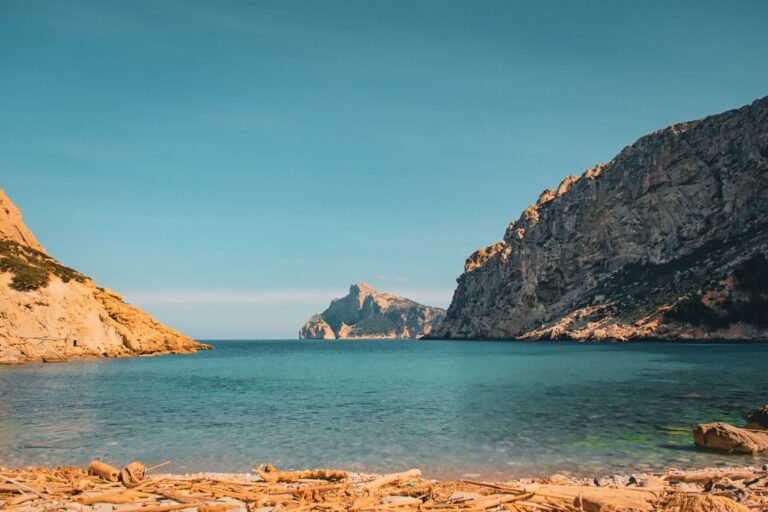
For genuine tranquility, Menorca offers spots like Cala Macarelleta, best visited by foot from Cala Galdana (a 15-minute walk) or by bus from Ciutadella for around €3.00-€4.00, ensuring a calmer experience than many of Mallorca’s alternatives. These coves feel naturally peaceful, rarely overwhelmed, and reward even a short walk.
Menorca’s coast, especially the southern stretch, is famous for its stunning white sand coves backed by pine forests. While some, like Cala Macarella (the larger sister of Macarelleta), can get busy, the sheer number of options and the managed access help maintain a sense of calm. The north coast offers a different kind of beauty: red sands, wilder landscapes, and often even fewer people.
Here are some of my top recommendations for quiet coves in Menorca:
- Cala Macarelleta: Yes, it’s famous, but arriving by bus or walking from Cala Galdana (about 15 minutes, moderate path) helps thin the crowds. Its smaller size and transparent turquoise waters make it an absolute dream. Go before 10:00 AM or after 5:00 PM for the best experience.
- Cala Turqueta: Another southern beauty, slightly larger than Macarelleta. Similar access: public bus from Ciutadella in high season, or a 10-minute walk from the paid parking lot (approximately €5.00-€8.00/day) in shoulder seasons. The water here is an unreal shade of blue, framed by cliffs and pine trees.
- Cala Mitjana: This is my personal favorite for its ease of access combined with its beauty. A 15-minute walk from a free parking lot (which fills quickly in peak season, so aim for arrival before 9:30 AM), it offers soft white sand and calm, clear waters. There’s also a smaller, even quieter cove, Cala Mitjaneta, right next door, just a few more steps.
- Cala Escorxada: This one requires more effort but is incredibly rewarding. It’s a hike of about 45-60 minutes from the village of Santo Tomás or Cala Mitjana, along the Cami de Cavalls (GR 223). Because of the longer walk, it remains very uncrowded, even in summer. Bring everything you need as there are no facilities.
- Platja de Cavalleria: Located on Menorca’s wilder north coast, this expansive reddish-sand beach feels very different from the southern coves. It’s often windy, making it less ideal for calm swimming but perfect for long, quiet walks. There’s a free parking lot, followed by a 10-15 minute walk down to the sand. The raw, natural beauty here is unmatched for a feeling of genuine escape.
After a day of exploring these quiet shores, consider making your way to one of Menorca’s charming towns like Ciutadella. You can easily spend an afternoon wandering its historic streets, perhaps sampling some local flavors. If you are interested in exploring the island’s rich culinary heritage, learning about the true joy of tasting Menorca Mahón cheese is a delightful way to connect with the island’s traditions beyond its coastline.
The beauty of Menorca is that many of its lesser-known coves along the Cami de Cavalls require only moderate effort to reach, and the payoff is often a secluded spot all to yourself, even in mid-season. Just remember to always carry water and sun protection, as shade can be limited.
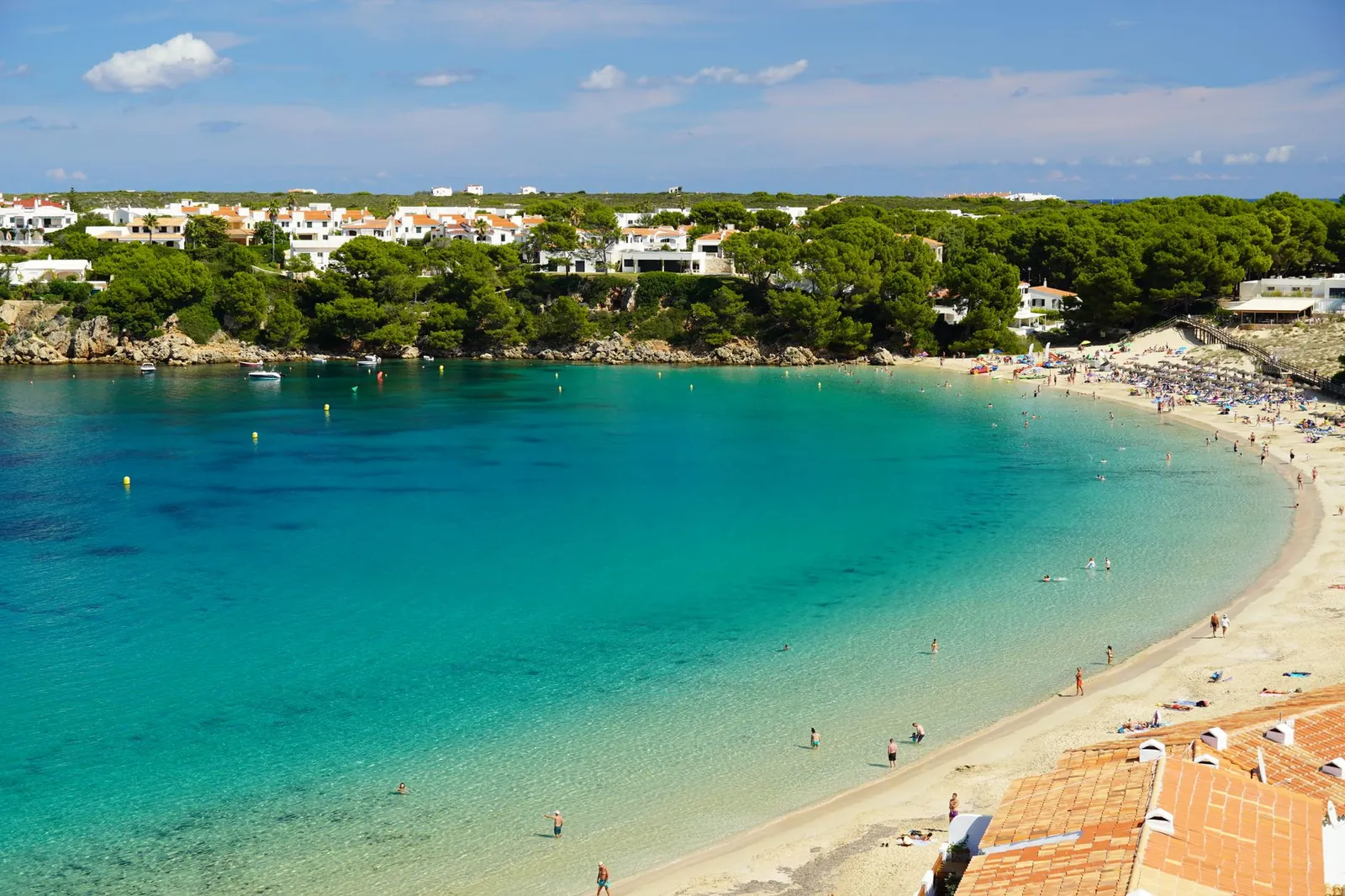
Finding Solitude in Mallorca: Strategies for Its Less-Visited Shores
Mallorca still holds quiet corners if you know how to find them, such as Caló des Moro, which despite its fame, offers relative peace before 9:30 AM or after 6:00 PM, though parking nearby can cost up to €7.00 for the day. The key here is not just knowing *where* to go, but *when* and *how* to get there, making it an island for strategic beachgoers.
Mallorca’s coastline is extensive, and while many coves have been developed, countless others remain wild and difficult to access, which naturally keeps the crowds away. The best strategy for finding peace here involves either venturing far from popular resorts, hiking significantly, or visiting outside of peak hours and seasons. The east and southeast coasts, in particular, are dotted with stunning calas (coves) that can offer solitude.
My top tips for finding quiet coves in Mallorca:
- Caló des Moro: As mentioned, it’s famous, but for a reason. Its impossibly turquoise water and dramatic cliffs are captivating. To enjoy it without hundreds of others, you must arrive very early (before 8:30 AM) or very late (after 6:00 PM). Parking is about a 20-30 minute walk away, often in a private field for €5.00-€7.00 per day.
- Cala Marmols: This is a true adventure. Only accessible by boat or a challenging 1.5-hour hike from Cap Blanc lighthouse or Es Trenc beach, it ensures absolute tranquility. The reward is a pristine white sand cove with crystal-clear water, completely untouched by development. Bring everything you need, including sturdy shoes for the hike.
- Cala Varques: Located on the east coast, Cala Varques is known for its wild beauty, natural bridge, and sea caves. Access involves a 45-60 minute walk through a pine forest from an unmarked parking area near Cales de Mallorca. The path can be rough, but it deters most casual visitors, leaving it relatively peaceful, especially on weekdays.
- Cala Tuent: Tucked away on the dramatic northwest coast, within the Serra de Tramuntana mountains, Cala Tuent offers stunning mountain views alongside its pebble beach. It’s accessible by a winding road (take care driving!) or by ferry from Port de Sóller (approx. €20.00 return). The journey itself is an experience, and the cove feels truly secluded, with just one small restaurant.
- Platja des Coll Baix: This beautiful pebble and sand beach near Alcúdia requires a 45-minute hike through a pine forest, with a steep descent at the end. The effort means it’s rarely crowded. The water is incredibly clear, and the natural amphitheater of the cliffs makes it feel very private.
To deepen your understanding of the island’s diverse offerings, consider checking out my favorite Mallorca secret coves to visit, year after year, which provides even more specific locations and actionable advice for finding solitude. Remember that the best time to visit Mallorca will significantly impact how quiet these coves are, with shoulder seasons offering the sweet spot between good weather and fewer people. For a complete guide to planning your trip around this, read about the best time to visit Mallorca: month by month honest breakdown.
While exploring Mallorca’s coastline, you might find yourself in the Serra de Tramuntana, a mountain range that drops dramatically into the sea. This area is home to villages like Valldemossa, a truly special place that offers a different kind of peace away from the beach. Visiting Valldemossa Mallorca village retreat, my cherished island find can be a perfect complement to your cove explorations, offering cultural immersion and tranquility. Remember, the journey to a quiet cove in Mallorca often involves a little adventure, so come prepared with good walking shoes, plenty of water, and a sense of exploration. You can find more official information about planning your trip to the island on the Illes Balears official tourism website.
Practical Considerations: When to Go and Where to Stay for Maximum Peace
To experience truly quiet coves on either island, aim for the shoulder seasons of May or late September/early October, when average daily temperatures hover around 23°C, and accommodation costs are typically 20-30% lower than peak summer rates. These periods offer pleasant weather for swimming and hiking, without the intense crowds of July and August.
Visiting during the peak summer months (July and August) means higher temperatures (often reaching 30-35°C), maximum crowds, and inflated prices. You’ll compete for parking, endure hotter hikes, and find even the “secret” coves busier. If your schedule only allows for summer travel, embrace the early morning or late afternoon strategies for cove visits, or focus on the most challenging-to-reach spots.
The ideal shoulder season combines good weather with fewer people:
- May-June: Temperatures are comfortable (20-25°C), the sea is warming up, and the islands are green and flowering. Crowds are present but manageable, especially on weekdays.
- September-October: The sea is at its warmest after the summer, temperatures are pleasant (22-28°C), and most of the summer crowds have departed. This is often my preferred time for pure relaxation.
Regarding accommodation, your choice of base significantly impacts your ability to find quiet coves. On Menorca, staying in smaller towns like Es Castell, Fornells, or even the quieter outskirts of Ciutadella or Mahón puts you closer to natural areas without being in a major resort. For Mallorca, consider staying in less touristy areas such as Portocolom, Cala Figuera, or small inland villages rather than the bustling south-west resorts. These areas offer a more authentic experience and are better positioned for exploring the wilder parts of the coast.
Average accommodation prices for a comfortable double room in a mid-range hotel or apartment during the shoulder season might range from €80.00-€150.00 per night, whereas in peak season, this could easily jump to €150.00-€300.00+. Booking your accommodation well in advance, especially if you’re traveling during any school holidays, is always a good idea. You can compare various hotel options in these quieter towns to find one that suits your budget and preferences.
No matter which island you choose, renting a car is almost essential for maximizing your access to quiet coves. A basic economy car typically costs €30.00-€50.00 per day in the shoulder season, rising to €50.00-€80.00+ in summer. Book your car well in advance, especially if you need an automatic transmission, as these are less common and more expensive in Spain. Always opt for full insurance coverage for peace of mind when navigating narrow island roads.
Embrace the local rhythm: have late breakfasts, enjoy long lunches, and head to the coves in the late afternoon for a swim as the sun begins to soften. This often means you’ll have these beautiful spots almost entirely to yourself. The official tourism site for Menorca can offer more details on local transport and seasonal recommendations.
Common Questions About Quiet Balearic Beaches
Which Balearic island is least crowded?
Menorca is widely considered the least crowded of the four main Balearic Islands. Its UNESCO Biosphere Reserve status and less developed tourism infrastructure mean it naturally attracts fewer visitors and maintains a more relaxed, serene atmosphere across the island, especially its beaches and natural parks.
Is Menorca cheaper than Mallorca?
Generally, Menorca can be slightly more expensive than Mallorca for some services and goods due to its smaller scale and reliance on imports, but basic accommodation and dining can be comparable. However, Mallorca offers a broader range of budget-friendly options due to its larger size and more diverse tourism market. Peak season prices on both islands will always be higher.
How do you get to unspoiled coves in Mallorca?
To reach unspoiled coves in Mallorca, you typically need to rent a car and be prepared for a hike. Many of these coves are only accessible via unpaved roads and walking trails, often taking 30 minutes to over an hour from the nearest parking spot. Arriving very early (before 9:00 AM) or late afternoon (after 5:00 PM) is crucial to avoid crowds.
What is the best time of year for quiet beaches?
The best time of year for quiet beaches on both Menorca and Mallorca is during the shoulder seasons: May to early June and late September to October. During these months, the weather is pleasantly warm for swimming, tourist numbers are significantly lower than in high summer, and prices for flights and accommodation are more favorable.
Ultimately, the choice between Menorca and Mallorca for quiet coves depends on your travel style. If you crave consistent, gentle peace with relatively easy access, Menorca is your island, offering a natural tranquility that permeates everything. If you prefer the thrill of discovery and are willing to put in the effort for truly wild, dramatic seclusion, Mallorca will reward your adventurous spirit. Both islands hold incredible beauty and opportunities for peace away from the crowds, but they ask different things of you to reveal their most serene corners. For those still weighing their options across the archipelago, a broader comparison can help clarify your ideal match for a Spanish island escape, delving into Ibiza, Mallorca, or Menorca: Which Balearic Island Fits You?
About the Author
After 15 years living and traveling across Spain, Caro knows this country in a way most travel writers never will. She’s not here to sell you a polished version of Spain, she’s here to show you the real one. Every guide on this site comes from her own experience: the restaurants she eats at, the routes she walks, the festivals she’s actually attended. She writes to cut through the noise and give you what actually matters. Learn more about Caro →