Your Mallorca or Menorca first trip: I know which island I’d pick.
Some links in this guide are affiliate links — if you book through them we may earn a small commission at no extra cost to you. It never changes what we recommend. Full disclosure.
When you’re trying to decide on your first Balearic experience, facing the choice between Mallorca or Menorca first trip can feel like picking between two equally appealing but distinctly different dishes. Many assume these islands are close cousins, offering similar experiences, but that’s not the reality. While both share the same sea, they offer profoundly different paces, landscapes, and travel styles. Having spent 15 years living and exploring Spain, I can tell you that understanding these differences is key to making sure your inaugural visit to this part of the Mediterranean isn’t just good, but truly tailored to what you love. This guide will cut through the noise, offering my clear perspective on which island I think should claim your first visit, based on what you’re truly seeking.
Quick Answer: Mallorca or Menorca for Your First Trip?
For most first-time visitors seeking a blend of dramatic landscapes, diverse activities, and well-developed infrastructure that still offers pockets of tranquility, Mallorca is the stronger choice. Its sheer variety, from mountain ranges to expansive beaches and a vibrant capital city, means there’s something to capture every interest and energy level, ensuring you don’t feel limited on your initial island exploration.
The Lay of the Land: Size, Scenery, and Pace
Menorca, a designated UNESCO Biosphere Reserve since 1993, offers a consistently tranquil and preserved experience across its 700 square kilometers, contrasting sharply with Mallorca’s more varied and often dramatic 3,640 square kilometers that range from towering mountains to lively coastal towns. Your choice here fundamentally dictates the rhythm of your holiday: a relaxed, understated exploration on Menorca versus an expansive, diverse adventure on Mallorca.
Mallorca is simply bigger, and that size translates directly into variety. You have the powerful Serra de Tramuntana mountain range, a UNESCO World Heritage site, cutting across the island’s northwest, offering steep cliffs, olive groves, and winding roads that lead to villages like Deià and Fornalutx. Driving from Palma in the south to Pollença in the north takes about 45 minutes to an hour, covering approximately 60 kilometers of varied scenery. You can spend days exploring different micro-regions without feeling like you’re seeing the same thing twice. The south boasts expansive flat plains and agricultural lands, while the east and north-east feature gentle rolling hills and numerous small coves. It’s an island that actively encourages road trips and exploration, with well-maintained roads connecting its many different facets.
Menorca, by contrast, feels like a gentle sigh. Its landscape is softer, greener, and notably flatter, with a coastline that boasts over 100 small coves and beaches, many accessible only by foot or boat. The island’s highest point, Monte Toro, stands at a modest 358 meters, offering views that encompass the entire island rather than a specific region. Driving from one end of Menorca to the other – say, from Mahón in the east to Ciutadella in the west – takes a mere 45 minutes, covering only about 45 kilometers. The rhythm is slower, the emphasis on nature and quiet contemplation. You won’t find the large-scale tourism infrastructure of Mallorca here; instead, you’ll encounter a dedication to preserving its natural beauty, evident in the famous Cami de Cavalls, an ancient path encircling the entire island, perfect for hiking and cycling, which I often recommend. It’s a place where you slow down, breathe, and truly connect with the natural surroundings. If your ideal trip involves a lot of varied scenery and distinct changes of pace within the same island, Mallorca provides that; if consistent tranquility and natural beauty are your priority, Menorca delivers.
Beaches and Bays: Where to Dip Your Toes
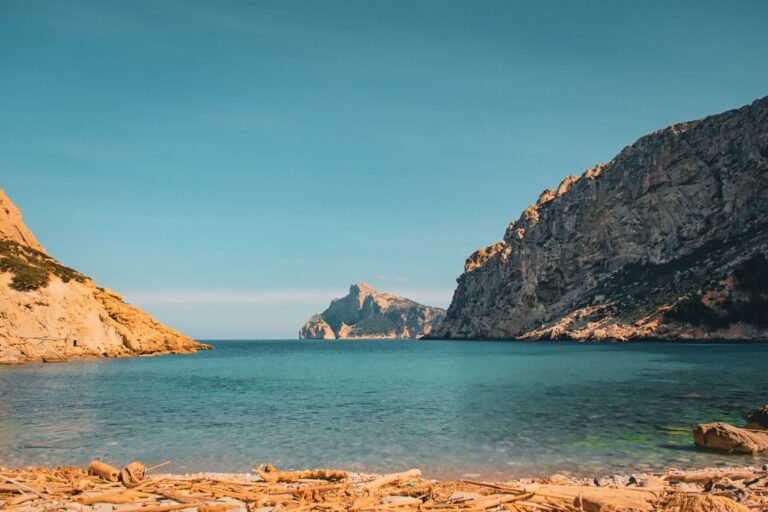
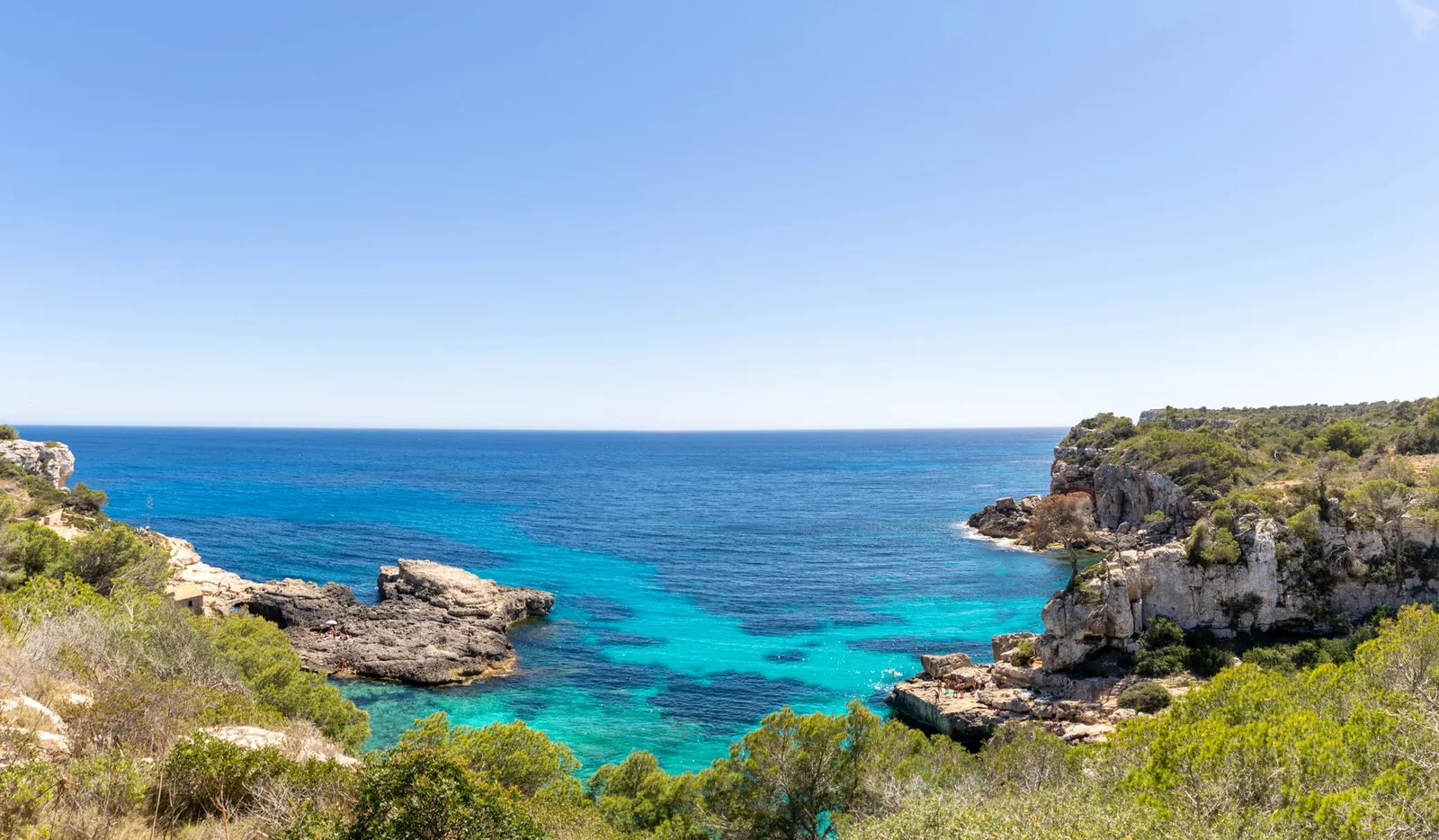
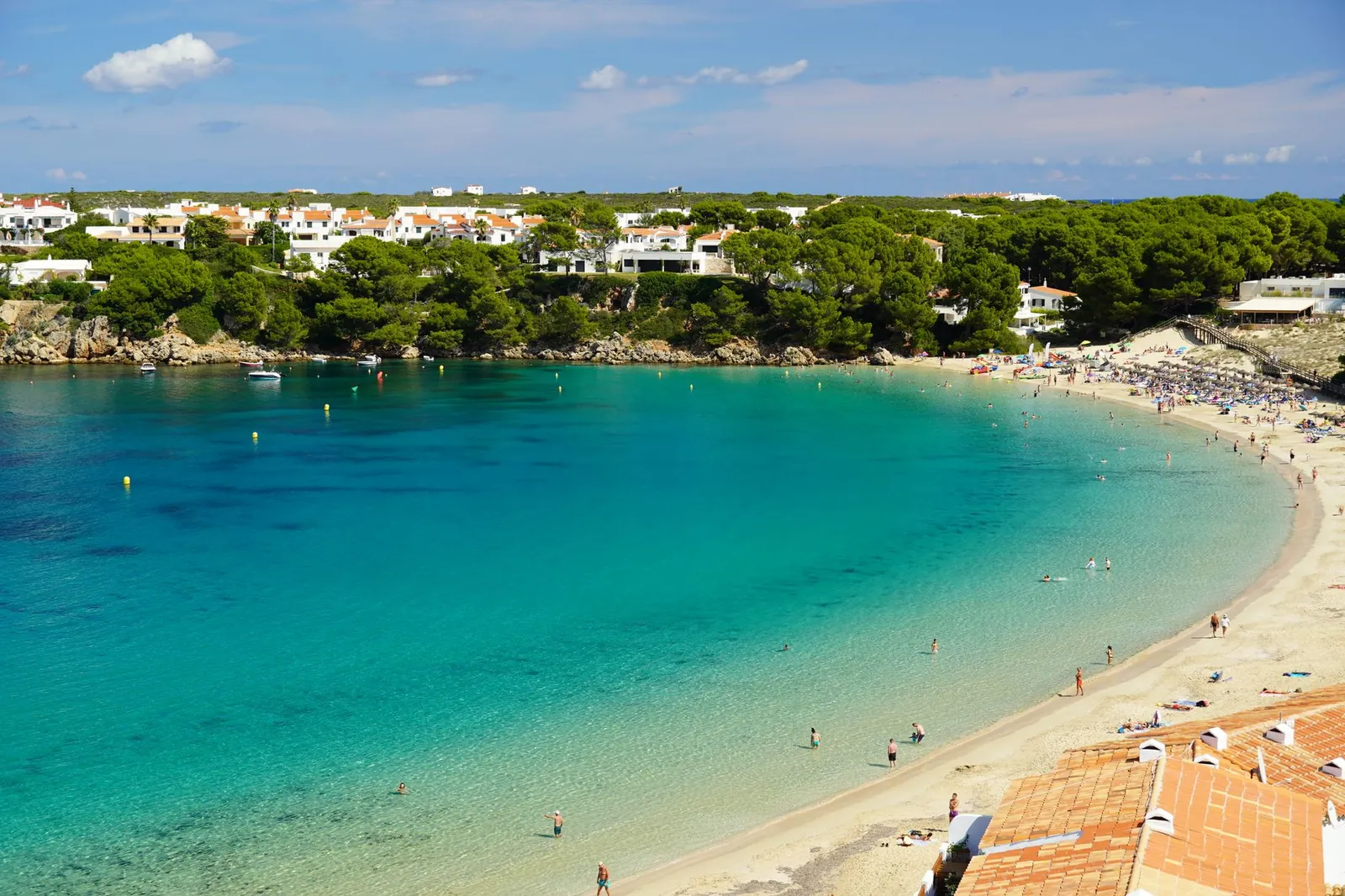
Mallorca offers an unmatched range of coastal experiences for a first-time visitor, from vast, family-friendly sandy expanses with full amenities to dramatic, rocky coves tucked beneath cliffs, whereas Menorca consistently delivers postcard-perfect coves with crystal-clear, shallower waters that are often more secluded. The choice comes down to whether you prefer sheer variety and accessibility or a more uniform, tranquil natural beauty.
On Mallorca, you’ll find everything. The Bay of Alcúdia, for example, stretches for kilometers with fine, golden sand and calm, shallow waters, ideal for families and readily accessible with ample parking (usually free in designated areas) and facilities. Playa de Muro, part of this bay, is another excellent option. If you’re looking for something more wild and expansive, Es Trenc, a protected natural beach near Campos, offers clear turquoise waters and soft white sand, though parking can cost around €5-€7 for the day, and you’ll often have a short walk to the main beach. For those seeking dramatic scenery, the small pebble coves of the Serra de Tramuntana, like Cala Deià, offer an entirely different experience, though access can involve steep drives and limited parking. You can find out more about my favorite Mallorca secret coves to visit for a taste of this diversity.
Menorca’s beaches, while perhaps less varied in geology, are consistently beautiful and often feel more untouched. The island is renowned for its ‘calas’ – small, sheltered coves with incredibly clear, often shallow, turquoise waters, particularly on the south coast. Cala Galdana, for instance, is a larger, developed beach with soft sand and good facilities, but head a short walk from there and you’ll find the more secluded gems like Cala Mitjana and Cala Macarella. Access to these often involves parking a few kilometers away (parking can cost €5-€8 in peak season for popular spots like Macarella) and then a walk through pine forests, or even a boat trip. The journey is part of the reward. The north coast offers a wilder, red-hued beauty, with beaches like Cala Pregonda standing out. Menorca’s smaller size means you can explore several different coves in a single day, moving between them with relative ease. If your priority is to see a wide spectrum of beach types, from lively to rugged, Mallorca has the edge. If your vision is consistently calm, clear waters in natural, serene settings, Menorca will deliver time and again.
Activities and Exploration: What to Do on Each Island
Mallorca offers a significantly broader and more varied range of activities for a first-time visitor, encompassing serious outdoor adventures, cultural city exploration, and a well-developed infrastructure for cycling and water sports, while Menorca excels in gentle, nature-focused pursuits, coastal walks, and experiencing its unique prehistoric and port city heritage. Your ideal activity mix will determine which island feels more rewarding.
On Mallorca, the possibilities feel endless. The Serra de Tramuntana is a paradise for hikers and cyclists, with countless marked trails offering different challenge levels. A popular hike is the route to Castell d’Alaró, offering rewarding views and an estimated 3-hour round trip. Cycling routes crisscross the island, from coastal paths to mountain ascents, with many dedicated bike rental shops charging around €25-€50 per day for a good road bike. Palma, the capital, is a vibrant city with a rich history. You can easily spend a full day exploring the old town, visiting the imposing Palma Cathedral (entry €10 for adults, open 10:00-17:15 on weekdays) or the circular Bellver Castle (entry €4 for adults, open 10:00-18:00 on weekdays), or simply getting lost in the narrow streets. For guided experiences in Palma, consider exploring options that provide local insights. Beyond these, you have golf courses, numerous water parks (like Aqualand El Arenal, tickets around €35), and a wide array of boat tours and water sports from sailing to paddleboarding. The diversity means you can easily fill a week with entirely different experiences, ensuring every day brings something new.
Menorca, while smaller, has its own unique charm for activities, but the focus is more on natural beauty and cultural heritage. The Cami de Cavalls, a 185-kilometer ancient path, encircles the entire island and is perfect for walking, cycling, or horseback riding, with sections varying from easy coastal strolls to more challenging treks. Many people choose to walk specific sections, perhaps 2-3 hours long, accessing some of the more secluded beaches. Menorca is also home to a fascinating prehistoric Talayotic culture, with numerous sites like Torre d’en Galmés and Naveta d’Es Tudons (entry about €3-€4), offering a glimpse into ancient island life. Mahón and Ciutadella, the two main cities, offer beautiful harbors, historic centers, and relaxed atmospheres for strolling. Kayaking and paddleboarding are popular ways to explore the coastline, particularly the many coves. Boat trips often focus on reaching inaccessible beaches. While Menorca doesn’t offer the same range of adrenaline-pumping activities as Mallorca, its consistent emphasis on gentle exploration and appreciating its unique character is a draw for those seeking a more contemplative trip.
- Mallorca Activity Highlights:
- Hiking in the Serra de Tramuntana (e.g., Puig de Massanella)
- City exploration in Palma (Cathedral, Bellver Castle, museums)
- Cycling on diverse terrain, from coast to mountains
- Visiting Valldemossa Mallorca village retreat and other historic towns
- Water parks and family-focused resorts
- Golf and high-end spas
- Menorca Activity Highlights:
- Walking or cycling sections of the Cami de Cavalls
- Exploring Talayotic prehistoric sites
- Kayaking and paddleboarding in serene coves
- Discovering the historic ports of Mahón and Ciutadella
- Boat trips to inaccessible beaches
- Birdwatching and nature photography
The Flavor of the Islands: Food and Daily Life
Both Mallorca and Menorca offer delicious Balearic cuisine rooted in fresh, local ingredients, but Mallorca’s culinary scene is more extensive and diverse, with a wider selection of innovative restaurants and expansive traditional markets, while Menorca leans into a simpler, highly respected food culture centered around its specific agricultural products like Mahón cheese. Your preference for culinary exploration, from casual to gourmet, is a key differentiator.
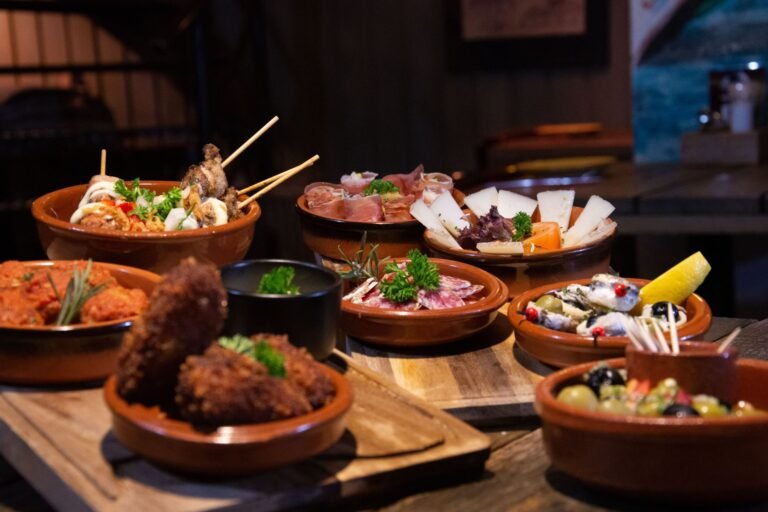
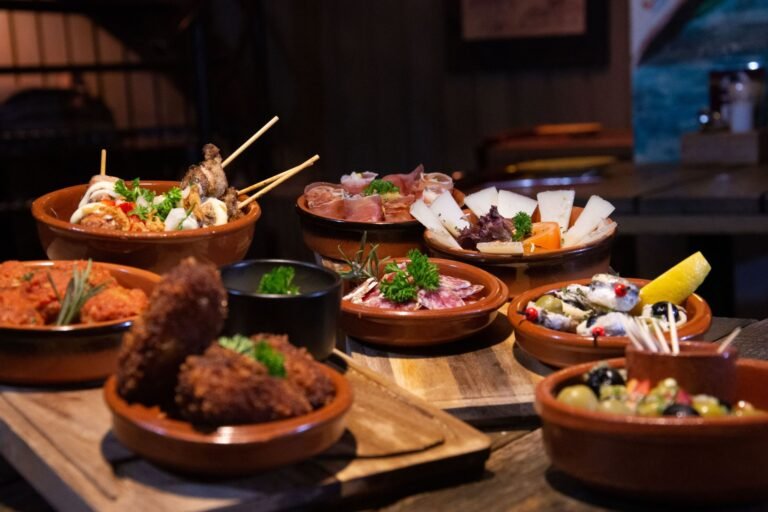
Mallorca’s food scene reflects its larger size and diverse population. In Palma, you’ll find everything from Michelin-starred dining to bustling tapas bars and traditional Mallorcan restaurants serving hearty dishes like fideuà (a paella-like noodle dish) and tumbet (a layered vegetable dish). The Mercat de l’Olivar in Palma is a fantastic central market, open Monday-Saturday from 07:00-14:30 (until 15:00 on Fridays), where you can sample local produce, fresh seafood, and cured meats. You absolutely have to try sobrassada, a cured sausage, and of course, the famous spiral-shaped pastry, ensaimada, which you can even bake yourself with my best ensaimada de mallorca recipe. A typical three-course lunch in a mid-range restaurant in Palma might cost you around €20-€30 per person, while a casual breakfast of coffee and a pastry is usually €3-€5. The sheer volume of eateries means you’re never far from a good meal, and there’s a strong emphasis on fresh, seasonal ingredients.
Menorca’s cuisine, while equally rooted in quality ingredients, feels more intimate and distinct. The island is world-famous for its Menorca Mahón cheese, a truly special product that you’ll find everywhere, from market stalls to fine dining. Another Menorcan specialty is caldereta de llagosta, a rich lobster stew that’s a splurge item, easily costing €70-€100 per person due to the fresh lobster. You’ll find excellent seafood in the port towns of Mahón and Ciutadella, often served simply grilled or baked. Menorca also prides itself on its local produce, and the markets, though smaller than Mallorca’s, are full of character. A daily menu (menú del día) in Menorca usually ranges from €15-€25, offering excellent value. The pace of daily life around food is slower, with long lunches and a greater emphasis on savoring meals. If you enjoy discovering hyper-local specialties and a more focused culinary identity, Menorca offers that; if you prefer a broader spectrum of dining experiences and more choices, Mallorca is the better fit.
| Item/Meal | Mallorca (Avg. Cost in EUR) | Menorca (Avg. Cost in EUR) |
|---|---|---|
| Coffee & Pastry | €3 – €5 | €3 – €5 |
| Mid-range Lunch (Menu del Día) | €20 – €30 | €15 – €25 |
| Dinner (2 courses, no drinks) | €35 – €60 | €30 – €55 |
| Small Local Mahón Cheese Wheel (market) | N/A (Less common) | €8 – €12 |
| Bus Ticket (short local trip) | €1.50 – €3 | €1.70 – €3.50 |
| Car Rental (economy, daily, off-peak) | €30 – €50 | €35 – €60 |
Practicalities: Getting Around, Costs, and the Best Time to Go
Renting a car is overwhelmingly the most recommended way to explore both islands effectively, with prices typically ranging from €30-€60 per day in the shoulder seasons, though Mallorca offers a more comprehensive public transport network around its major hubs. When considering the best time to visit Mallorca or Menorca, the shoulder months of May-June and September-October consistently provide the best balance of pleasant weather, fewer crowds, and more favorable prices.
Getting Around: For truly exploring either island beyond the immediate vicinity of your accommodation, a rental car is almost non-negotiable. While Mallorca has a more extensive bus network, particularly connecting Palma with other major towns like Alcúdia and Manacor, reaching many of the more secluded coves or mountain villages without a car is impractical and time-consuming. Rental car companies are plentiful at both Palma de Mallorca Airport (PMI) and Menorca Airport (MAH). Booking in advance, especially for summer, is highly advised. Expect daily rates for a small economy car to be around €30-€50 in May/June or September/October, but these can easily surge to €70-€100+ per day in July and August. Fuel costs are comparable across the islands, currently around €1.60-€1.75 per liter. Menorca’s public transport is more limited, mainly connecting the airport to Mahón and Ciutadella, and a few key tourist resorts. To truly discover the island’s many quiet corners and beaches, a car is essential.
Costs: Generally, both islands are more expensive than mainland Spain, especially during peak summer. Mallorca, with its wider range of luxury offerings and larger resorts, can cater to higher budgets, but also has plenty of mid-range and budget options, particularly outside of the most popular coastal areas. Menorca often feels a little pricier for accommodation, as its focus on more boutique, rural hotels and villas means fewer large-scale budget resorts. A mid-range hotel in Mallorca might cost €100-€180 per night in the shoulder season, while a comparable stay in Menorca could be €120-€200. Flights are usually comparable for both islands, with direct connections from many European cities. Overall, you can budget for slightly more on Menorca if you’re looking for comfortable accommodation, or if you prefer finding accommodation in Palma, there are many choices available. For daily expenses, see the table above.
Best Time to Go: My absolute favorite times to visit either Mallorca or Menorca are late May to early June, and mid-September to mid-October. During these periods, the weather is beautifully warm but not excessively hot (typically 22-28°C), the sea is pleasant for swimming, and the crowds are significantly smaller than in the peak summer months. Prices for flights and accommodation are also more favorable. July and August bring intense heat (often 30°C+), packed beaches, and much higher prices. While the atmosphere is undoubtedly lively, it’s not the best introduction to the islands if you’re looking for a relaxed or exploratory trip. April and November offer cooler temperatures, perfect for hiking and exploring towns without the heat, but the sea will be too cold for swimming, and some seasonal businesses might be closed. From my perspective, May or September offer the quintessential Balearic experience for a first-timer, allowing you to fully enjoy the natural beauty and local rhythm without feeling overwhelmed.
When planning your trip, you’ll find plenty of options for finding a place to stay. You can find accommodation in Palma or other towns to suit your budget and style. For those who prefer a structured way to see the sights, consider joining guided experiences in Palma or exploring tours across the islands. For a general overview of the Balearic Islands, the official tourism site Illes Balears Tourism is an excellent resource for planning your visit.
Common Questions About Balearic Island Travel
Which Balearic island is best for families?
Mallorca generally offers more family-friendly infrastructure, including a wider selection of resorts with kids’ clubs, dedicated water parks, and numerous easily accessible, shallow-water beaches like those in the Alcúdia Bay area. Menorca is also a good choice for families, especially those with younger children who prefer a quieter pace and consistently calm, safe coves, but it has fewer large-scale entertainment options.
Is it possible to visit both Mallorca and Menorca in one trip?
Yes, it is entirely possible to visit both islands in a single trip, especially if you have at least 7-10 days to allocate. There are regular ferry services connecting the two islands, departing from Palma de Mallorca and Alcúdia (Mallorca) to Mahón and Ciutadella (Menorca). The journey usually takes between 1.5 to 5.5 hours, depending on the route and ferry type, with prices typically ranging from €50-€80 per person for a one-way trip. Flying between the islands is also an option, with short 30-minute flights available.
Which island is better for hiking and outdoor activities?
Mallorca is superior for hiking and a wider range of outdoor activities due to its dramatic and diverse terrain, particularly the Serra de Tramuntana mountains which offer hundreds of kilometers of trails for all skill levels. Menorca offers excellent coastal walking along its Cami de Cavalls, which is fantastic for gentle hikes and exploring coves, but it lacks the challenging mountainous terrain and extensive network of specialized trails found on Mallorca.
What are the biggest downsides of visiting Mallorca or Menorca?
The biggest downsides for both islands, especially during the peak summer months of July and August, are the significant crowds and higher prices for accommodation, flights, and car rentals. Parking at popular beaches can become a challenge, and the heat can be intense, making extensive daytime exploration less comfortable. For Menorca specifically, its more limited public transport and smaller scale can be a downside if you prefer extensive nightlife or a very wide variety of activities without renting a car.
Ultimately, your first Balearic experience should align with what you truly seek in a holiday. Mallorca offers a dynamic, multifaceted introduction to the islands, providing a taste of everything from mountain grandeur to city culture, while Menorca promises a serene escape focused on natural beauty and a gentler pace. Both are wonderful, but I lean towards Mallorca for that initial wow-factor and endless options. For a broader comparison of the Balearic Islands, including Ibiza, explore our guide on Ibiza, Mallorca, or Menorca: Which Balearic Island Fits You? before you make your final decision.
About the Author
After 15 years living and traveling across Spain, Caro knows this country in a way most travel writers never will. She’s not here to sell you a polished version of Spain, she’s here to show you the real one. Every guide on this site comes from her own experience: the restaurants she eats at, the routes she walks, the festivals she’s actually attended. She writes to cut through the noise and give you what actually matters. Learn more about Caro →