My seville granada heart choice: follow your soul to Andalusia
Some links in this guide are affiliate links — if you book through them we may earn a small commission at no extra cost to you. It never changes what we recommend. Full disclosure.
Making your seville granada heart choice can feel like trying to pick between two beloved children, each holding a unique piece of Spain’s soul. Many travelers arrive in Andalusia thinking these two iconic cities are interchangeable, or that one is simply “better” than the other, but the truth is, they offer fundamentally different experiences. As someone who’s spent 15 years weaving through these streets, I can tell you that understanding what truly sets them apart is key to finding the city that resonates with your travel style and dreams for an authentic Spanish adventure. This guide cuts through the noise to help you understand not just the sights, but the spirit of each, so you can make a choice that genuinely lights up your journey.
Quick Answer: Seville vs. Granada
Your choice between Seville and Granada largely depends on your travel pace and cultural focus: Seville offers grand-scale historic splendor, flamenco intensity, and a flatter, more expansive city experience best explored over 3-4 days, while Granada captivates with the intimate, awe-inspiring Alhambra, a lively free-tapa culture, and dramatic hilltop views, ideally savored over 2-3 days, especially if you appreciate a more compact, walkable, and Moorish-influenced atmosphere.
The Heartbeat of Seville: Grandeur, Flamenco, and Living History
Seville, the capital of Andalusia, is a city of grand statements, where centuries of history unfold on a lavish scale; plan at least three full days here to truly absorb its major sights, which often require pre-booked tickets ranging from €10 to €20. You’ll find yourself stepping into monumental palaces and cathedrals that demand attention, surrounded by the scent of orange blossoms and the persistent rhythm of its unique culture. This is a city that doesn’t whisper; it sings.
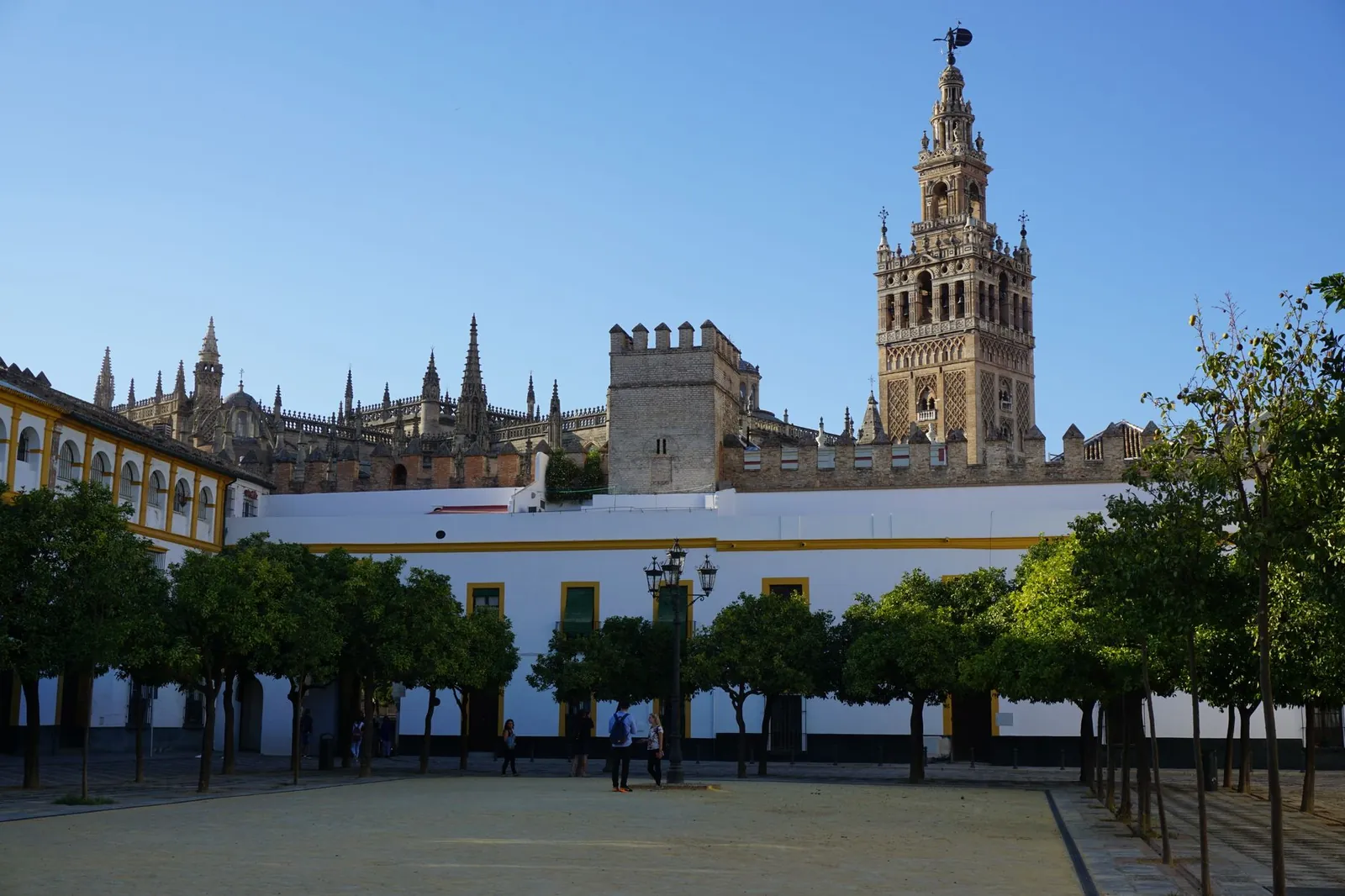
Your journey into Seville’s heart invariably begins with its most iconic landmarks. The Real Alcázar, with its intricate Mudéjar architecture and sprawling gardens, is a must-visit. You absolutely need to book your tickets online at least two months in advance, especially if you want to include the Cuarto Real Alto (the Royal Apartments), as these limited-access slots sell out fastest. Standard entry is €14.50, and it’s open daily from 9:30 AM to 5:00 PM (October-March) or 7:00 PM (April-September). Nearby, the Cathedral of Seville and its Giralda tower stand as a testament to the city’s power and wealth. Climbing the Giralda’s ramps (not stairs!) offers incredible panoramic views – entry is €12, open 10:45 AM-5:00 PM Monday-Saturday, and 2:30 PM-6:00 PM on Sundays. Give yourself at least 2-3 hours for each of these sites; rushing them is a disservice to their beauty.
Beyond the headline acts, Seville encourages you to wander and get lost. The Santa Cruz neighborhood, with its narrow, winding alleys and hidden patios, is a world unto itself. This former Jewish Quarter retains a palpable sense of history, and the best way to experience it is without a map, allowing yourself to stumble upon pleasant squares and quiet corners. You might want to spend an afternoon getting wonderfully disoriented here. For a different perspective, cross the Triana Bridge to the Triana Seville neighborhood. This area, historically home to potters, sailors, and flamenco artists, has a more authentic, local feel. Visit the Mercado de Triana for fresh produce, cheeses, and local pastries, and consider a ceramics workshop to create your own souvenir. A good workshop can cost around €40-€60 for a 2-hour session, and it’s a memorable way to engage with a traditional craft.
Seville is also where flamenco truly comes alive. While you can find performances throughout Andalusia, Seville’s connection to this art form is profound. Skip the large, touristy dinner shows. Instead, seek out smaller, more intimate venues called tablaos or cultural centers. Places like Casa de la Memoria (Calle Cuna, 6) or Los Gallos (Plaza de Santa Cruz, 11) offer authentic shows for around €25-€35, typically lasting 60-90 minutes. Shows usually start between 7:00 PM and 9:30 PM, so book in advance. This isn’t just entertainment; it’s a raw, passionate expression of deep feeling, and watching a skilled performer is an experience that will stay with you long after you’ve left the city.
When it comes to food, Seville’s culinary scene is fantastic. Tapas here are an art form, not just a small dish. You’ll find a huge variety, from simple olives and cured meats to complex, innovative creations. Don’t be afraid to try multiple places in one evening; it’s the Sevillano way. For a true taste, seek out places like Bodeguita Romero (Calle Harinas, 10), known for its piripi sandwich, or Bar El Baratillo (Calle Adriano, 20) for traditional fried fish (pescaíto frito). Expect to pay €3-€6 per tapa. One essential local dish to try is espinacas con garbanzos (spinach with chickpeas), a hearty and flavorful vegetarian staple, or the authentic cold soup for which Seville’s Gazpacho, the Way It’s Actually Made, is justly famous. Seville’s energy is infectious; it’s a city that draws you in with its grandeur and keeps you enchanted with its daily rhythms and heartfelt expressions.
Granada’s Soulful Embrace: Alhambra, Albaicín, and Mountain Air
Granada, located at the foot of the Sierra Nevada mountains, offers a more intimate and profound encounter with Spain’s Moorish past; dedicating at least two full days here allows you to immerse yourself in the Alhambra’s wonders and explore the historic Albaicín, with major attractions costing around €19-€30. This city feels like a storybook, where every corner holds a whisper of ancient tales, and the air is crisp with mountain freshness.
The undisputed crown jewel of Granada, and indeed one of Spain’s most visited sites, is the Alhambra. This sprawling palace and fortress complex, a UNESCO World Heritage site, requires significant planning. You MUST book your tickets online directly from the official Alhambra website at least three months in advance – seriously, it sells out daily, especially for peak seasons and weekend slots. The general entry ticket, which includes the Nasrid Palaces, Alcazaba, and Generalife gardens, costs €19 and typically takes 3-4 hours to explore thoroughly. Your ticket will have a specific entry time for the Nasrid Palaces, and missing it means you won’t get in. Arrive at the complex at least an hour before your Nasrid Palaces slot to allow time to reach the entrance and enjoy some of the other areas. If you find tickets sold out, consider joining a reputable guided tour, which often has reserved allocations, but expect to pay €50-€80 for a 3-hour tour. You can find excellent guided tours if you missed the direct ticket window.
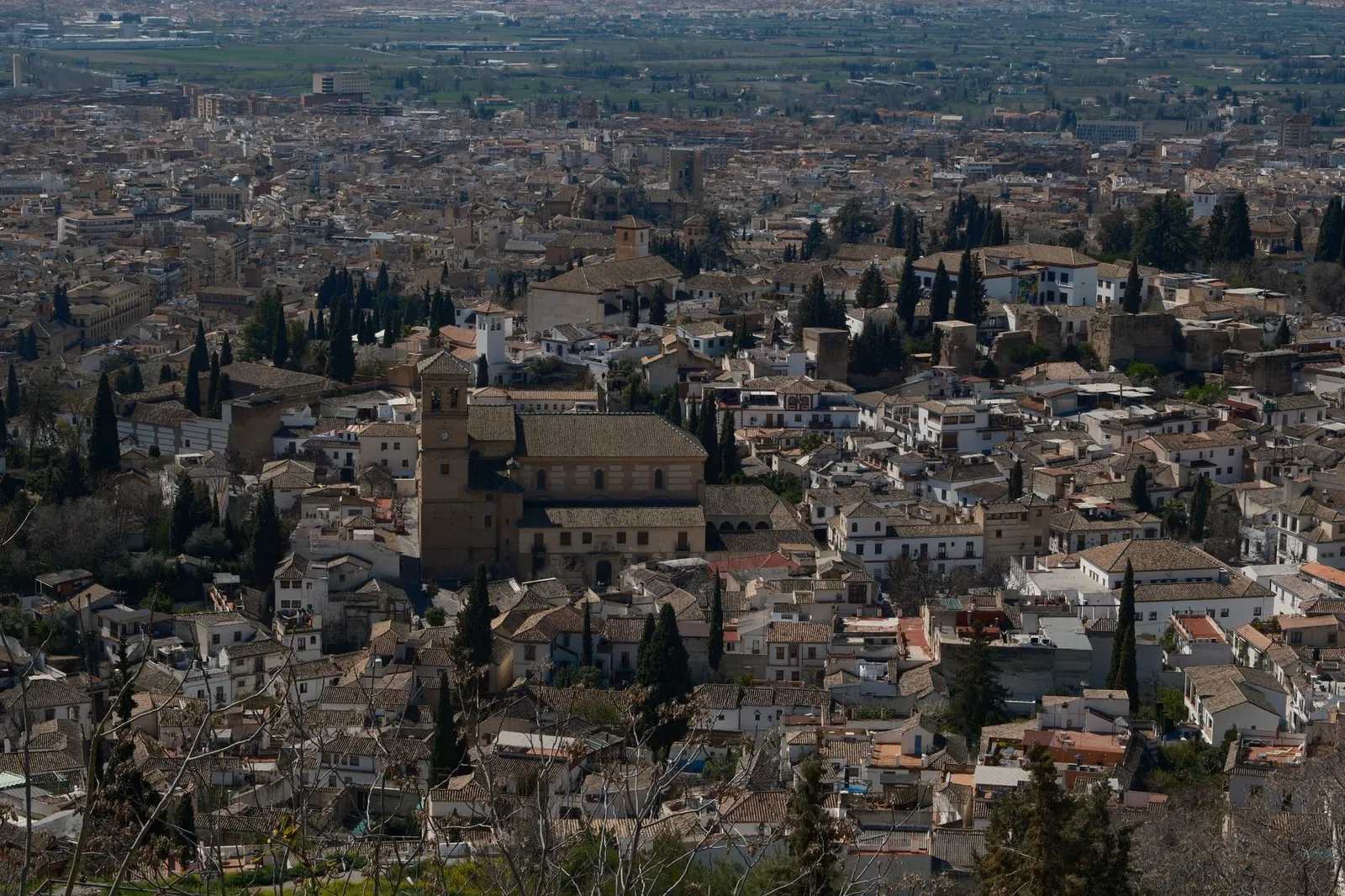
Once you’ve experienced the Alhambra, descend into the Albaicín, Granada’s old Moorish quarter. This labyrinth of narrow, cobbled streets, whitewashed houses, and hidden squares offers incredible views of the Alhambra across the Darro valley. It’s easy to spend an entire afternoon here, getting lost and finding your way. Don’t miss the Mirador de San Nicolás, though it can get crowded; for a slightly less busy but equally stunning view, try the Mirador de San Cristóbal or Mirador de la Vereda de la Estrella. The Sacromonte caves, just beyond the Albaicín, offer a glimpse into Granada’s Romani heritage and are famous for their unique Sacromonte cave flamenco in Granada performances. Shows in Sacromonte are often more rustic and authentic than in larger cities, costing around €25-€30 for a 75-minute performance, often starting at 9:00 PM or 10:00 PM.
Granada’s food culture is distinct, most notably for its tradition of free tapas. Unlike Seville, where tapas are typically paid for, in Granada, when you order a drink (e.g., a soft drink for €2.50-€3.50, a small water, or juice), you’ll almost always receive a complimentary tapa. The quality and size of the tapa vary by bar – some offer a small bowl of olives, while others might give you a substantial plate of paella, patatas bravas, or a small sandwich. It’s a fantastic way to sample local flavors without breaking the bank. Bar hopping is highly encouraged here. Popular spots include Bar Los Diamantes (Calle Navas, 28) for seafood, or Bodegas Castañeda (Calle Almireceros, 1) for a traditional atmosphere. This unique system means you can often have a satisfying evening meal for under €15 just by ordering a few rounds of drinks.
The city’s elevation and proximity to the Sierra Nevada give it a cooler climate than Seville, especially in the evenings, which can be a welcome change in summer. Granada also feels more compact and walkable, though be prepared for hills in the Albaicín and Sacromonte. The lively university student population adds a youthful energy, making for a dynamic mix of ancient history and contemporary life. Granada might be smaller than Seville, but its profound historical depth and natural beauty leave a lasting impression, particularly if you have a special appreciation for Moorish art and culture.
The Practicalities: Getting Between Seville and Granada
Connecting Seville and Granada is straightforward, with reliable public transport options; the fastest and most comfortable method is the high-speed train, which typically costs €30-€55 for a 2.5-hour journey. Choosing between train, bus, or car depends on your budget, desire for flexibility, and group size.
By Train: The Renfe high-speed train service is generally the quickest and most comfortable option. The journey takes approximately 2 hours and 30 minutes, departing from Seville’s Santa Justa station and arriving at Granada station. Direct trains are frequent, with several departures daily, usually between 7:00 AM and 8:00 PM. Prices for a standard ticket range from €30 to €55, depending on how far in advance you book. I highly recommend booking online via Renfe‘s official website as soon as your travel dates are firm, especially for peak seasons, as prices tend to increase closer to the travel date.
By Bus: ALSA operates comfortable and frequent bus services between Seville (Plaza de Armas station) and Granada (Bus Station). The journey takes a bit longer than the train, usually around 3 hours to 3 hours and 30 minutes, depending on the number of stops. Bus tickets are generally more economical than train tickets, costing between €20 and €30. This is a great budget-friendly option, and the buses are well-maintained with air conditioning. There are numerous departures throughout the day, making it a flexible choice. You can purchase tickets online via the ALSA website or at the bus stations.
By Car: Renting a car offers the most flexibility, especially if you plan to explore smaller towns or natural parks between Seville and Granada. The drive itself takes about 2 hours and 45 minutes to 3 hours, covering approximately 250 kilometers via the A-92 highway. The roads are well-maintained. Car rental costs vary widely, but expect to pay €30-€60 per day for a compact car, plus fuel costs and potential parking fees in both cities (which can be expensive, often €20-€30 per day for central garages). Keep in mind that driving and parking within the historic centers of Seville and Granada can be challenging due to narrow streets, pedestrian zones, and limited parking. For most travelers focusing solely on the cities, public transport is more convenient.
Here’s a quick comparison of travel options:
| Mode of Transport | Approx. Duration | Typical Cost (one-way) | Key Advantage |
|---|---|---|---|
| Train (Renfe) | 2 hours 30 minutes | €30 – €55 | Fastest, most comfortable |
| Bus (ALSA) | 3 hours – 3 hours 30 minutes | €20 – €30 | Most economical, frequent departures |
| Car | 2 hours 45 minutes – 3 hours | €30 – €60 per day + fuel/parking | Maximum flexibility for detours |
For most travelers, the train is the superior choice for comfort and speed, while the bus is an excellent value option. Consider a car only if your itinerary includes stops outside the main cities.
What Kind of Traveler Are You? Choosing Your Pace and Place
Your ideal choice between Seville and Granada depends heavily on your personal travel style and what you hope to gain from your Spanish experience. Both cities offer profound cultural immersion, but their atmospheres are distinctly different, impacting everything from your daily pace to your budget.
For the Grandeur Seeker & Flamenco Enthusiast: Seville is for you.
If you thrive on a grand scale, enjoy architectural masterpieces, and want to feel the raw emotion of flamenco, Seville is your city. It’s a larger, more expansive city, with a bustling energy that matches its magnificent sights. Expect to do a fair bit of walking, but generally on flatter terrain than Granada. Seville feels distinctly Andalusian, with its intricate tiling, lively plazas, and a certain elegance. It’s also often slightly more expensive for accommodation and food compared to Granada, though there are budget-friendly options if you know where to look. Seville can be very hot in summer (July-August often sees temperatures well over 35°C), so spring (April-May) and autumn (October-November) are the best times to visit for comfortable exploration. If you are looking for specific hotel options in Seville, I recommend booking in the Triana or Macarena districts for a more local feel, or Santa Cruz for proximity to main sights.
- Ideal for: History buffs, art lovers, those seeking iconic Spanish cultural experiences, nightlife enthusiasts, and travelers who enjoy a larger, more cosmopolitan city feel.
- Pace: Energetic, with lots to see and do. You’ll be covering more ground.
- Downside: Can feel more touristy and crowded, especially around major attractions. Summer heat is intense.
For the Intimate Explorer & Moorish Dreamer: Granada is your calling.
If you’re drawn to ancient history, a more compact and walkable city (albeit with hills!), and the unique allure of Moorish heritage, Granada will capture your soul. The Alhambra alone is worth the trip, but the city’s unique charm extends to its Albaicín labyrinth and free tapas culture. Granada has a more relaxed, bohemian atmosphere, partly due to its large university population and its dramatic mountain backdrop. It’s generally a more budget-friendly city for dining and daily expenses. While summers are warm, the evenings are often cooler thanks to the mountain air. Winters can be chilly, sometimes with snow in the mountains, but generally pleasant in the city.
- Ideal for: Cultural explorers, budget travelers, hikers (Sierra Nevada proximity), those who love unique historical ambiance, and travelers who prefer a slightly slower, more intimate city experience.
- Pace: More relaxed, but with steep climbs in some areas.
- Downside: Can be very hilly, which might be challenging for some. The Alhambra requires meticulous advance planning.
Ultimately, your decision should align with what you prioritize. Do you crave grand narratives and lively urban life, or do you seek ancient whispers and mountain serenity? Both cities offer profound beauty, but they speak in different voices.
Beyond the Main Sights: Immersing in Each City’s Daily Life
To truly experience Seville or Granada isn’t just about ticking off the famous landmarks; it’s about slipping into the rhythm of daily life, observing, and participating. This is where the real affection for Spain grows, far from any checklist or guidebook.
In Seville, beyond the Alcázar, take time to simply sit in a café in the Alameda de Hércules in the late afternoon, watching families gather and children play. This tree-lined boulevard, once dilapidated, has been beautifully revitalized and is now a hub of local life, full of cafes and small shops. Or, spend an hour browsing the stalls in the Mercado de la Encarnación, under the striking Metropol Parasol (locals call it Las Setas, “the mushrooms”). You can even climb to the top for a different perspective of the city, especially around sunset; entry to the walkways costs €5. This is where you see Seville as a living city, not just a museum. Consider a visit to the ceramic shops in Triana; not only are the goods beautiful, but watching a potter at work is a window into a craft that defines much of Andalusian aesthetic. You could even Create your own Triana ceramic workshop Seville souvenir, making it a truly personal experience. Don’t forget to appreciate the simple beauty of Seville orange tree charm as you walk through the city; their scent is an integral part of the Sevillano experience in spring.
Granada offers its own subtle joys. One of my favorite things to do is walk through the Albaicín as the sun begins to set, the light bathing the Alhambra in a golden glow, before settling into a small bar for a caña and a free tapa. It’s a simple pleasure that defines the city. Explore the Alcaicería, the old silk market near the Cathedral, where you can still find spices, teas, and handicrafts that evoke its Moorish past. While it’s more tourist-oriented now, the narrow lanes and aromas are still evocative. For an honest taste of daily life, head to the Mercado de San Agustín, Granada’s central market, early in the morning. Here, local vendors sell fresh produce, fish, and meats, and you can grab a simple, hearty breakfast like a tostada con tomate y jamón. It’s bustling, noisy, and wonderfully authentic. You might even find inspiration for a recipe like Bringing home the Andalusian fried eggplant honey recipe I adore, a local specialty. The slower pace of Granada encourages you to linger, to soak it all in, rather than rush from one point to another.
Both cities, while different, demand your full presence. They aren’t just collections of sights; they are living, breathing entities. Be prepared for siestas, when many shops close in the afternoon (typically 2:00 PM to 5:00 PM), especially outside the main tourist zones. Embrace the late dining culture – dinner rarely starts before 8:30 PM or 9:00 PM. And remember that “mañana” (tomorrow) is more than just a word; it’s a way of life that values relationships and experiences over strict schedules. This slower approach might sometimes feel like a downside when you’re used to everything being open, but it’s also part of the charm – it forces you to slow down and truly enjoy the moment.
Common Questions About Andalusian City Choices
Is Seville or Granada more affordable for travelers?
Granada is generally more affordable for travelers, especially when it comes to dining and daily expenses, largely due to its unique free tapas culture where you receive a complimentary dish with each drink order. While accommodation prices can be similar, Seville’s major attractions and general restaurant scene tend to be slightly pricier than Granada’s.
How many days are ideal for visiting each city?
For Seville, plan for at least 3-4 full days to comfortably explore its grand sights like the Alcázar and Cathedral, wander through Triana, and experience a flamenco show without rushing. For Granada, 2-3 full days are typically sufficient to visit the Alhambra thoroughly, discover the Albaicín, and enjoy the city’s distinctive atmosphere and food culture.
Which city is better for first-time visitors to Andalusia?
Both cities offer incredible experiences for first-time visitors, but Seville often feels like a more quintessential introduction to Andalusia’s grandeur and flamenco heritage, with its iconic imagery and lively atmosphere. Granada offers a deeper dive into Moorish history and a more intimate feel, making it perfect for those who prioritize the Alhambra and a slightly more unique cultural experience.
Is one city significantly more walkable than the other?
Seville is generally flatter and more expansive, making it quite walkable across its main districts, though you’ll cover significant distances. Granada, while geographically smaller and more compact, is much hillier, especially in the Albaicín and Sacromonte neighborhoods. While walkable, be prepared for steep climbs and cobblestone streets in Granada.
Choosing between Seville and Granada isn’t about finding the “better” city, but the one that aligns with the rhythm of your own travel heart. Each holds a distinct magic, from Seville’s grand, sun-drenched plazas and passionate flamenco to Granada’s ancient, whispering Albaicín and the awe-inspiring majesty of the Alhambra. Whichever you choose for this trip, know that the other will be waiting, ready to reveal its own soul whenever you return to Andalusia to explore its rich history and lively culture further. For more on navigating the unique culinary landscape of the region, consider reading about Why Andalusians Put Olive Oil on Everything, Including Breakfast, a true staple of both cities.
About the Author
After 15 years living and traveling across Spain, Caro knows this country in a way most travel writers never will. She’s not here to sell you a polished version of Spain, she’s here to show you the real one. Every guide on this site comes from her own experience: the restaurants she eats at, the routes she walks, the festivals she’s actually attended. She writes to cut through the noise and give you what actually matters. Learn more about Caro →