Andalusia peaceful white villages welcome quiet contemplation
Some links in this guide are affiliate links — if you book through them we may earn a small commission at no extra cost to you. It never changes what we recommend. Full disclosure.
Most travelers imagine Andalusia as a whirlwind of flamenco, grand cathedrals, and bustling city plazas, but there’s a different, softer rhythm waiting if you know where to look. Beyond the familiar tourist routes, the andalusia peaceful white villages offer a chance to slow down, breathe deeply, and reconnect with a pace of life that feels increasingly rare. This isn’t about rushing from one landmark to another; it’s about the quiet satisfaction of a morning coffee overlooking a valley, the scent of jasmine on cobbled streets, and the genuine welcome from locals who still know their neighbors. I’ve spent 15 years living these moments, exploring the nooks and crannies of this region, and I want to show you how to truly experience the calm that these villages provide, moving beyond the postcard images to the tangible reality of Andalusian tranquility.
Quick Answer: Andalusia’s Quiet Contemplation
Andalusia’s white villages offer a profound escape into a slower pace of life, distinct from the region’s larger cities. These whitewashed towns, often perched dramatically on hilltops, provide ideal settings for quiet contemplation, deep cultural immersion, and gentle exploration, far from the usual tourist crowds.
Beyond the Whitewash: What Makes These Villages Special?
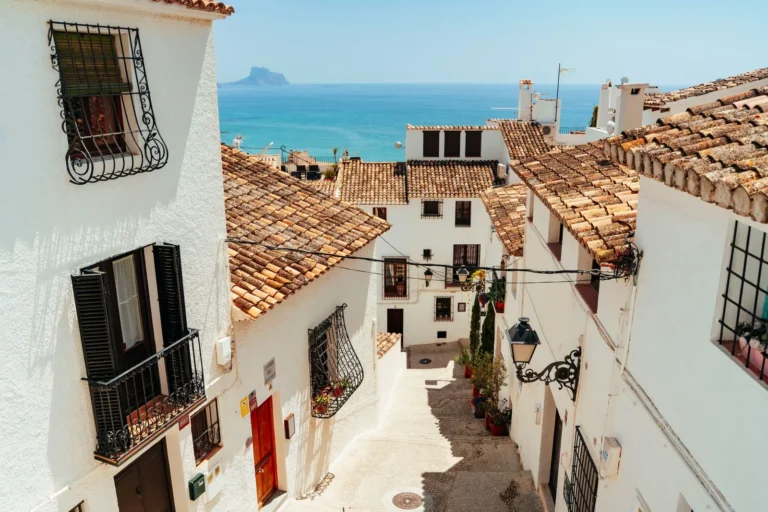
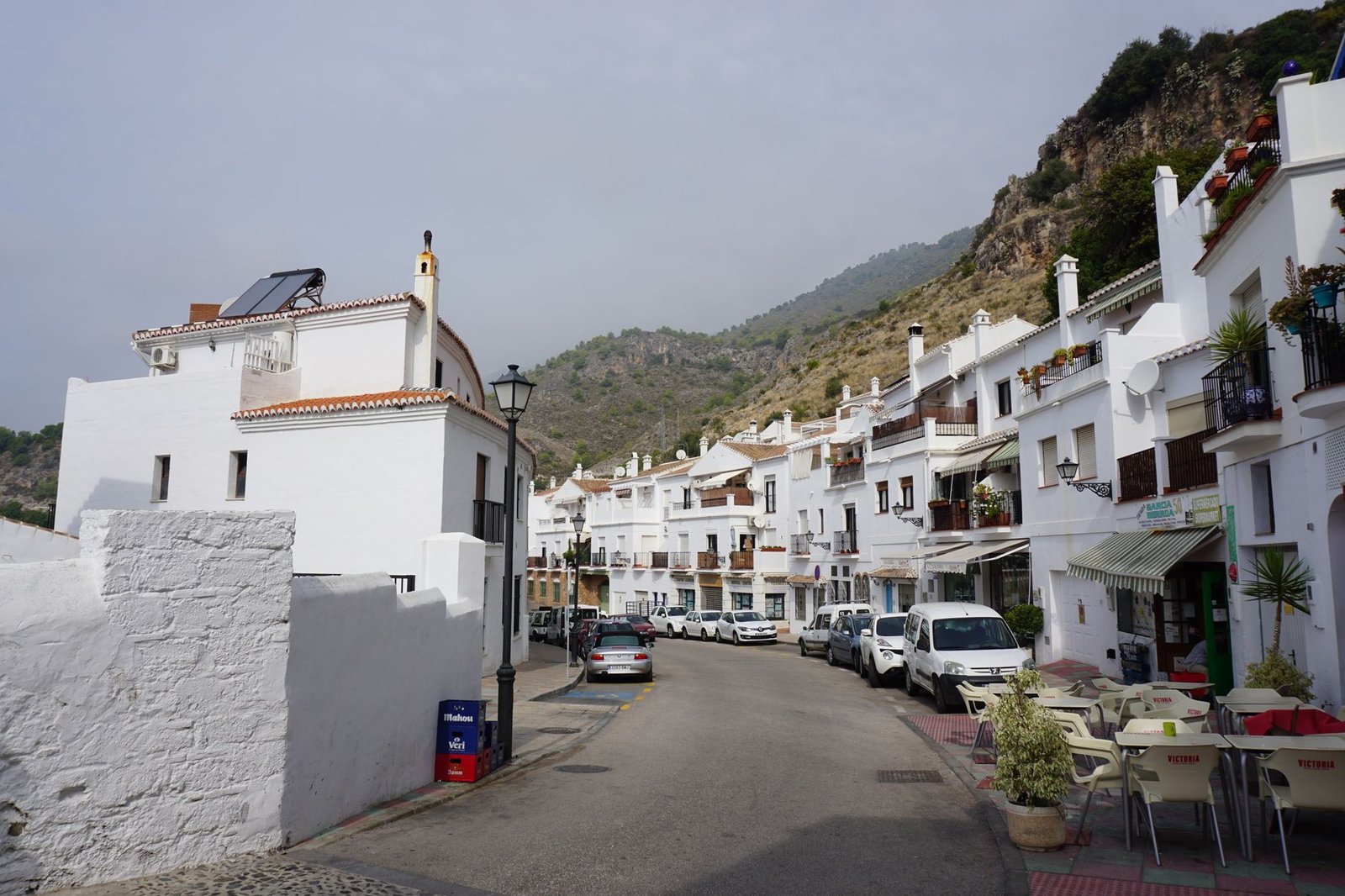
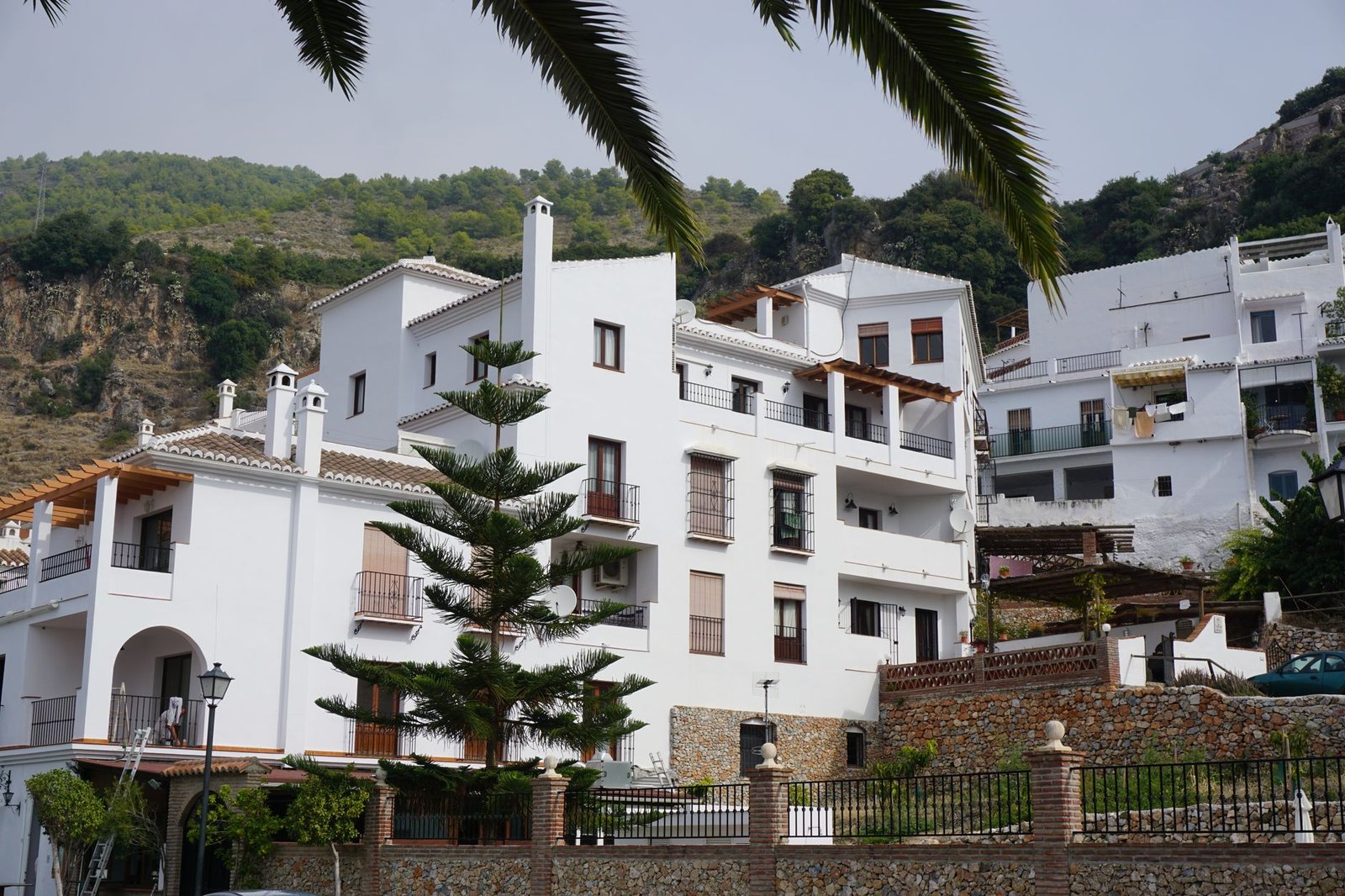
When you hear “white villages,” it’s easy to picture just a collection of pretty, whitewashed houses. The reality, though, is far richer and more profound. These settlements, known as pueblos blancos, are not merely aesthetically pleasing; they are living testaments to centuries of history, resilience, and a distinctive way of life that values community and tradition. Many of them were defensive strongholds during Moorish rule, and their strategic positions on hillsides, their labyrinthine street layouts, and their fortified churches tell stories of a past where survival depended on communal effort.
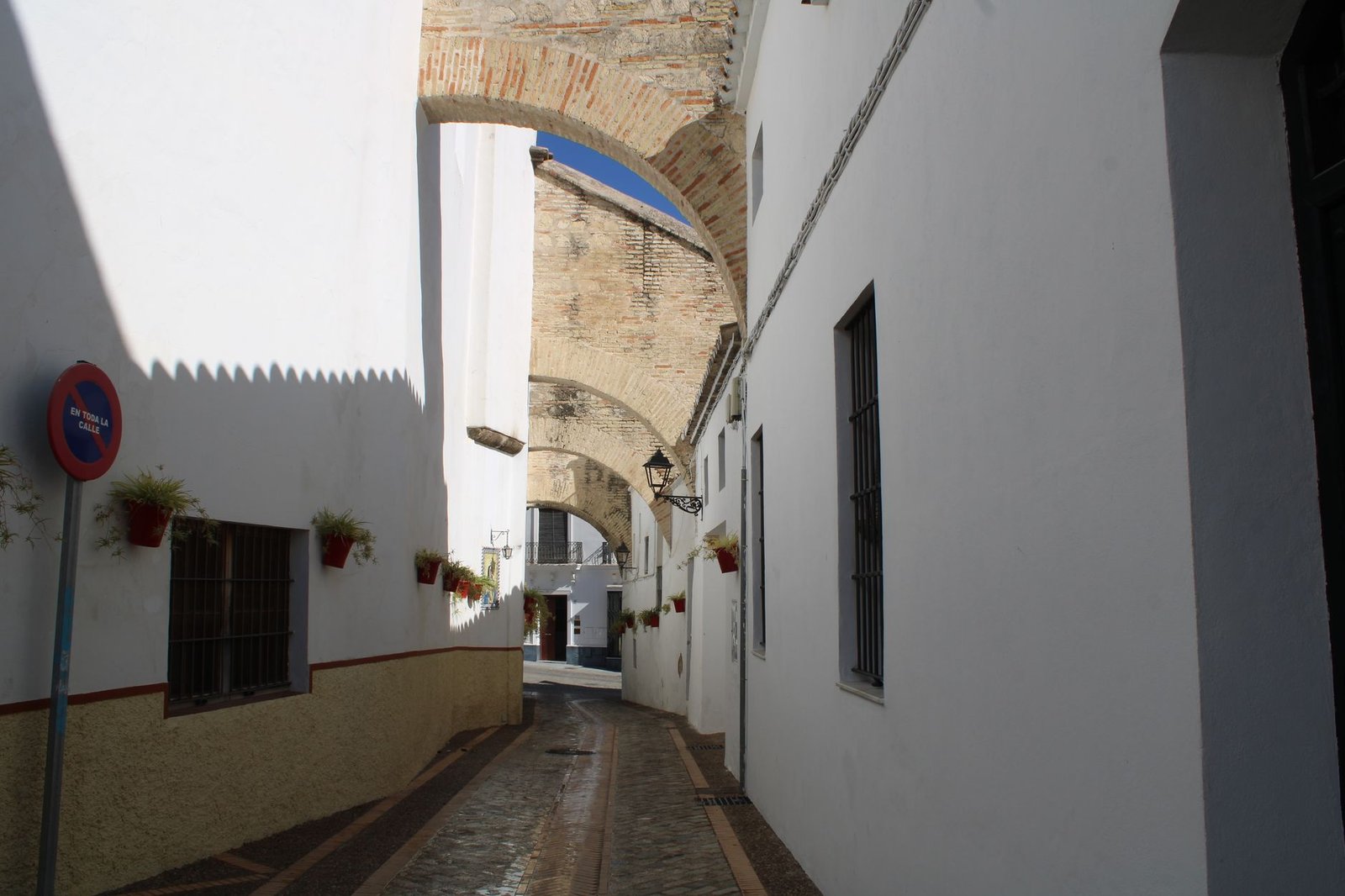
What sets these villages apart for quiet contemplation isn’t just their appearance, but the very fabric of their existence. The narrow, winding streets aren’t just for show; they provided shade and defense. The small plazas are not merely meeting points, but the heart of village life, where generations have gathered. The quiet here is different from the silence of an empty space; it’s the quiet hum of life unfolding unhurriedly. You’ll hear the distant clanging of church bells marking the hour, the gentle murmur of conversations from open doorways, and perhaps the clip-clop of a donkey or the chirping of birds from a fig tree. This isn’t a museum piece; it’s a functioning community, and you’re invited to be a part of its rhythm, however briefly.
Forget the rush. Your days here are defined by long, relaxed meals, strolls through sun-drenched alleys, and simply sitting in a plaza, watching the world go by. It’s a chance to truly disconnect. Many villages, particularly the smaller ones, have limited phone signal in certain areas, which can be an unexpected blessing. This forced digital detox allows you to be truly present, absorbing the atmosphere without constant distractions. It’s an opportunity to rediscover simple pleasures: the taste of fresh local produce, the warmth of the sun on ancient stone, and the peace found in observing everyday life.
- Historical Depth: Walk through layers of Roman, Moorish, and Christian history in the architecture and street plans.
- Authentic Encounters: Engage with local shopkeepers, bakers, and artisans who are often the keepers of generations of tradition.
- Slower Pace: Experience life moving at a human scale, where time is measured by the sun and the church bell, not deadlines.
- Sensory Immersion: Inhale the scent of orange blossoms or wild rosemary, hear the soft murmurs of Spanish, feel the texture of ancient stone.
- Digital Disconnection: Embrace the chance to be fully present, away from constant online demands.
- Accessibility: Despite their remote feel, many villages are reasonably accessible by car from major Andalusian cities.
Choosing Your Retreat: Key Villages for Authentic Calm
While there are dozens of white villages scattered across Andalusia, some offer a particular kind of peace and authenticity that makes them perfect for deep contemplation. You’ll want to select wisely, as each has its own character.
Grazalema: The Heart of the Sierra
For a true immersion into mountain village life, Grazalema is my top recommendation. Situated within the Sierra de Grazalema Natural Park, it feels wonderfully isolated while still offering essential services. The village is known for its heavy rainfall, which contributes to the lush green landscape that surrounds it, a stark contrast to the drier parts of Andalusia. The local specialty is wool products, particularly blankets, due to the sheep farming in the area. You can find these at local shops like Artesanía Textil de Grazalema (Calle Agua, 24; open Monday-Saturday 10:00-14:00, 17:00-20:00). A simple, local lunch at Mesón los Alamillos (Calle Agua, 1; main courses around €12-€18, open daily for lunch and dinner) will provide you with hearty, traditional fare. For accommodation, you’ll find a range of small hotels and guesthouses. Prices for a comfortable double room in a casa rural typically range from €70 to €120 per night. If you’re planning a visit, it’s a good idea to compare hotel prices on Booking.com in advance, especially during spring and autumn. If you prefer to explore with local insights, you can also book a guided tour on Viator to discover the park’s natural beauty.
Zahara de la Sierra: A Postcard Perched High
Zahara de la Sierra is often lauded as one of the most striking white villages, thanks to its dramatic location beneath a Moorish castle and overlooking a turquoise reservoir. It’s a vision of white against the dark rock and blue water. The climb to the castle (entry €2, open 10:00-14:00 and 16:00-18:00, hours vary seasonally so check locally) is steep, but the panoramic views are worth every step. From here, you can see for miles across olive groves and the reservoir, offering a perspective that truly inspires quiet reflection. Down in the village, life is lived at a wonderfully slow pace. Find a spot at a small bar in Plaza del Rey, order a coffee (€1.50) or a soft drink, and simply watch the world go by. The local olive oil is exceptional, produced from the surrounding groves, and you can often buy it directly from small shops or the local cooperative (check for signs in the main square). You’ll find fewer large hotels here, favoring small guesthouses, which usually cost between €60-€100 per night.
Setenil de las Bodegas: Under the Rock
For something truly unique, Setenil de las Bodegas offers an experience unlike any other. This village is famous for its houses built directly into and under the overhanging rock cliffs of the Río Trejo gorge. Walking through Calle Cuevas del Sol or Calle Cuevas de la Sombra, you’ll literally be walking under the rock, with buildings forming the valley walls. This architectural marvel creates a microclimate, keeping some streets cool even in summer. The “bodegas” in its name refers to the historical storage of wine, though today it’s more about local produce. It’s a smaller village, and while it attracts visitors for its unique appearance, the experience of wandering its lanes and finding a quiet spot by the river is very calming. Many small restaurants are built into the rock face, offering a distinctive dining experience (expect main courses around €10-€15). There aren’t many hotels, mostly rental apartments or guesthouses, priced similarly to Zahara.
Getting There & Getting Around: Navigating the Sierras
Reaching Andalusia’s quieter white villages requires a bit of planning, and for true flexibility, a rental car is your best option. Public transport connections exist, but they are often infrequent and can add significant travel time, making it difficult to hop between villages. Most villages are accessible via well-maintained but often winding and narrow roads. Drive carefully, especially on blind corners, as you may encounter local farm vehicles or cyclists.
Renting a car from Malaga Airport (AGP) or Seville Airport (SVQ) is straightforward, with major companies like Europcar, Sixt, and Hertz available. Expect to pay around €30-€50 per day for a compact car, depending on the season and how far in advance you book. Fuel costs are typically around €1.60 per liter for petrol (gasolina).
Here’s a general idea of driving times from key cities to some of the villages:
| Origin City | Destination Village | Approx. Driving Time | Distance (km) |
|---|---|---|---|
| Seville | Grazalema | 1 hour 45 minutes | 100 km |
| Seville | Zahara de la Sierra | 1 hour 30 minutes | 90 km |
| Malaga | Grazalema | 1 hour 45 minutes | 120 km |
| Malaga | Setenil de las Bodegas | 1 hour 15 minutes | 90 km |
| Ronda | Grazalema | 30 minutes | 30 km |
Once you arrive in a village, parking can sometimes be a challenge, especially in smaller ones with narrow streets. Look for designated public car parks (aparcamiento) at the edge of the village; these are often free. Avoid parking in residential zones if signs indicate it, as you could get a fine. Many village centers are small enough to explore entirely on foot, which is, honestly, the best way to experience them. Embrace the hills; wear comfortable shoes. Your car will mainly be for transport between locations, not for navigating inside the villages themselves.
Living the Local Rhythm: What to Do (and Not Do)
To truly embrace the contemplative spirit of these villages, you need to adjust your mindset. This isn’t a checklist tourism experience. It’s about observation, immersion, and allowing yourself to be present.
- Wander Aimlessly: Forget the map for an hour. Just let the winding streets lead you. You’ll stumble upon unexpected viewpoints, tiny chapels, or a quiet courtyard. This is where the real discoveries happen.
- Embrace the Siesta: From roughly 14:00 to 17:00, many shops close, and the streets quieten down, especially in warmer months. This is your cue to do as the locals do: enjoy a long lunch, retreat for a nap, or find a shady spot to read. Don’t try to force activities during this time; you’ll find closed doors and empty streets.
- Savor Local Food Slowly: Mealtimes are important. Lunch (almuerzo) is typically between 14:00 and 15:30, and dinner (cena) rarely starts before 20:30. Seek out local specialties. In these areas, that might mean hearty stews (guisos), cured meats (embutidos), local cheeses, or simple dishes made with fresh, seasonal vegetables. Don’t expect a quick grab-and-go meal; enjoy the process. If you’re keen on exploring Andalusian flavors, you might even consider trying an Andalusian Fried Eggplant Honey Recipe for a taste of the region.
- Connect with Nature: Many of these villages are within natural parks. Take advantage of this. Go for a gentle walk along a designated trail. The Sierra de Grazalema Natural Park has many routes, often requiring permits for longer hikes, but there are plenty of easy paths for a peaceful stroll. For more challenging hikes nearby, consider El Torcal Antequera Hiking Trails, though that’s a bit further east.
- Support Local Artisans: Look for small, independent shops selling local crafts. This could be anything from handmade pottery to leather goods, local honey, or olive oil. These purchases often directly support the local economy and preserve traditional skills.
- Attend a Local Fiesta (Carefully): If your visit coincides with a local festival (fiesta), observe respectfully. These are often deeply religious or traditional events, not tourist shows. They can be wonderful insights into local culture but might disrupt the quiet you’re seeking if you’re unprepared for the noise and crowds. Check local calendars in advance if this is a concern.
What to avoid? Don’t treat these villages like a drive-through attraction. Don’t expect constant entertainment or nightlife. This is not the place for hurried sight-seeing or late-night revelry. It’s a place for quiet observation, reading, gentle walks, and genuine connection with the rhythm of rural Spain. Your agenda should be fluid, guided by curiosity and the village’s natural pulse, not a rigid schedule.
Practicalities for Your Stay: Making the Most of It
A successful trip to these quiet villages means being prepared for the practicalities. Thoughtful planning enhances the experience, allowing you to truly relax.
Best Time to Visit
The shoulder seasons of spring (April-May) and autumn (September-October) are ideal. Temperatures are mild (usually 18°C-25°C), the landscapes are green or golden, and tourist numbers are significantly lower than in peak summer. Summers (June-August) can be intensely hot, often exceeding 35°C, making midday exploration uncomfortable. Many locals retreat indoors during the hottest hours, and the villages feel almost deserted. Winter (November-March) can be cool, especially in the mountains, with occasional rain and even snow at higher altitudes. While still peaceful, some outdoor activities might be weather-dependent, and some small shops or restaurants might operate on reduced hours.
Accommodation
Forget large chain hotels. In these villages, your options will mainly be:
- Casas Rurales: These are rural guesthouses or self-catering cottages, often beautifully restored. They offer a more authentic experience and can range from rustic to quite luxurious. Prices vary widely but expect €80-€150 per night for a nice double.
- Small Family-Run Hotels (Hostales/Pensiones): These offer simple, clean rooms with basic amenities. They are generally good value, starting around €50-€90 per night.
- Airbnb/Booking.com Apartments: Many locals rent out rooms or entire homes, providing kitchen facilities and a taste of village living.
Food and Drink Culture
The food here is honest, regional, and seasonal. You’ll find hearty mountain cuisine, often featuring game meats (like wild boar or venison), local cheeses, and excellent cured pork products (jamón ibérico, chorizo, salchichón). Olive oil, naturally, is central to everything. Look for local bakeries (panaderías) for freshly baked bread and pastries. Tapas culture exists, but often in a more traditional form than in big cities – expect generous portions of simple, flavorful dishes. Always ask what’s seasonal. If you’re interested in the source of some of these ingredients, a deeper dive into the region’s agricultural practices, perhaps through an Andalusia Olive Harvest Experience, could be a fascinating addition to your trip.
What to Pack
Keep it practical:
- Comfortable walking shoes are non-negotiable for cobbled streets and hilly terrain.
- Layers of clothing, even in summer, as evenings can be cooler in the mountains.
- A lightweight jacket or sweater.
- Sunscreen and a hat, year-round.
- A small backpack for day trips.
- A reusable water bottle to stay hydrated.
- Basic Spanish phrases – while some locals may speak English, making an effort goes a long way.
- A good book or a sketchbook – for those moments of quiet contemplation.
Banking and Connectivity
ATMs are available in larger villages like Grazalema, but smaller ones might not have one. It’s always wise to carry some cash (€50-€100) for small purchases at local markets or for places that only accept cash. Mobile phone coverage can be patchy, especially deeper in the valleys or inside older buildings. Most accommodations offer Wi-Fi, but consider this an opportunity to unplug.
FAQ: Andalusia peaceful white villages welcome quiet contemplation — Common Questions
What is the best way to travel between the white villages for someone seeking quiet contemplation?
The most flexible and recommended way to travel between these villages is by rental car. This allows you to set your own pace, stop at scenic viewpoints, and access smaller, less-frequented villages that aren’t served by public transport. While buses connect some larger towns, their schedules are often infrequent and don’t allow for spontaneous exploration or visits to multiple villages in one day without significant planning.
Are Andalusia’s white villages crowded, even the quiet ones?
While popular spots like Ronda can see significant day-tripper crowds, many of the smaller white villages, especially those deeper in the Sierra de Grazalema or Sierra de las Nieves, remain remarkably uncrowded. During shoulder seasons (spring and autumn) and outside of specific fiesta dates, you can often find entire streets to yourself. Even in more frequented villages, the quiet returns in the late afternoon and evenings after day-trippers have left, allowing for peaceful strolls and authentic local experiences.
How many days should I allocate for a peaceful exploration of the white villages?
To truly experience the quiet contemplation these villages offer, I recommend a minimum of 3-4 full days. This allows you to choose a base village and explore it deeply, taking gentle walks, enjoying meals, and soaking in the atmosphere, plus one or two day trips to nearby villages without feeling rushed. A full week would allow for an even more relaxed pace and deeper immersion, including some hiking or exploring different areas within the natural parks.
What kind of local food can I expect in these white villages?
Expect honest, hearty, and seasonal Andalusian mountain cuisine. This includes local cheeses (like Payoyo cheese from Grazalema), acorn-fed cured Iberian pork products (jamón ibérico), and game meats such as wild boar or venison, often served in stews (guisos). Dishes like sopa de espárragos (asparagus soup), salmorejo (a thicker, richer gazpacho), and fresh local olive oil are staples. Dessert might be a simple flan or a pastry from the local bakery.
Allowing yourself to be absorbed by the rhythm of Andalusia’s white villages is a gift you give yourself. It’s a reminder that beauty isn’t always grand and dramatic; sometimes it’s in the quiet corners, the sun-drenched walls, and the slow unfolding of daily life. This isn’t just travel; it’s an invitation to pause, reflect, and rediscover a different kind of joy in Spain. For more insights into exploring the real Spain, check out our other guides and stories on the Spain Destination blog.
About the Author
After 15 years living and traveling across Spain, Caro knows this country in a way most travel writers never will. She’s not here to sell you a polished version of Spain, she’s here to show you the real one. Every guide on this site comes from her own experience: the restaurants she eats at, the routes she walks, the festivals she’s actually attended. She writes to cut through the noise and give you what actually matters. Learn more about Caro →