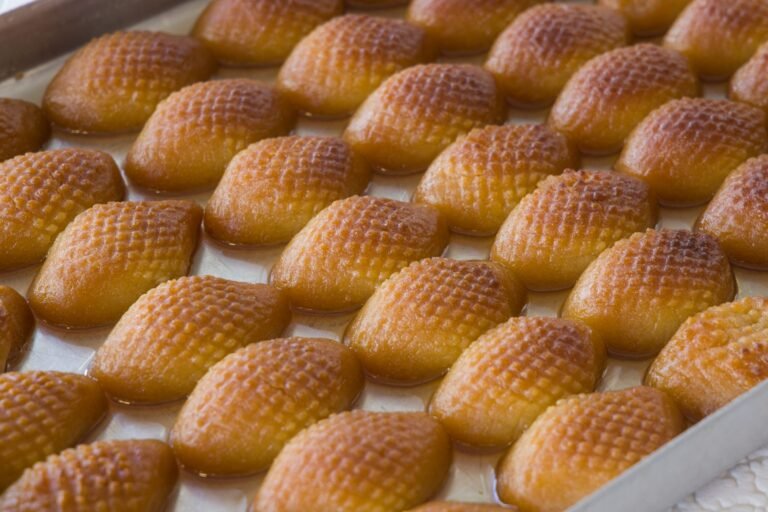
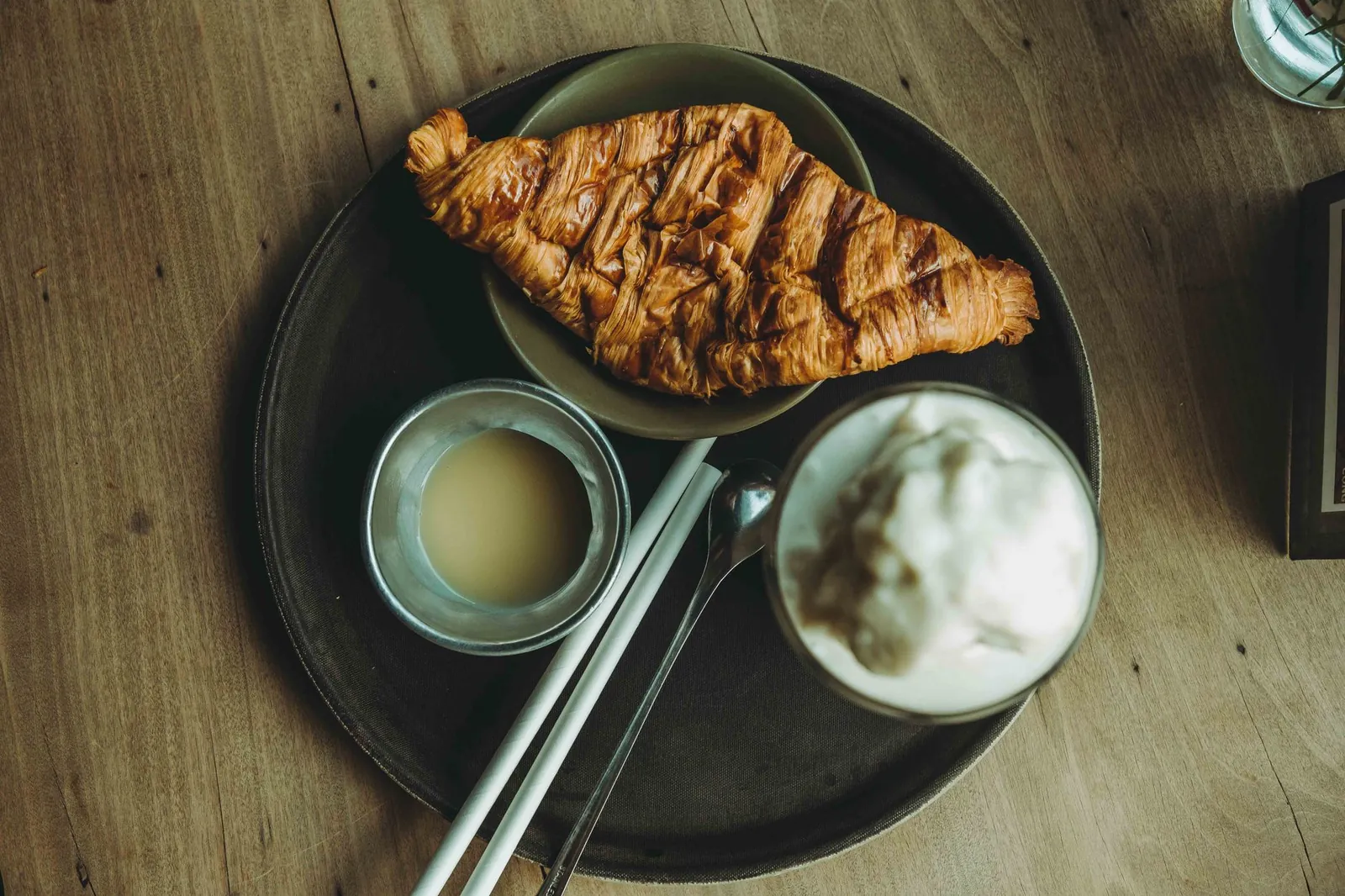
My Mallorca ensaimada breakfast: a sweet morning ritual.
Some links in this guide are affiliate links — if you book through them we may earn a small commission at no extra cost to you. It never changes what we recommend. Full disclosure.
The notion that a simple coiled pastry could define a place’s morning identity might sound dramatic, but experience Mallorca for yourself and you’ll soon understand why the ensaimada mallorca breakfast is far more than just food; it’s a sweet ritual that grounds your day on this incredible island. People might assume it’s just another baked good, but here, it’s a centuries-old tradition, deeply woven into the daily rhythm, offering a taste of genuine Mallorcan life from the very first bite. This guide isn’t just about where to eat ensaimada, but how to truly embrace its place in the island’s heart, turning your breakfast into a moment of pure connection with Mallorca.
Quick Answer: My Mallorca ensaimada breakfast
To experience an authentic ensaimada breakfast in Mallorca, head to a traditional bakery like Ca’n Joan de s’Aigo or Forn Fondo in Palma, where a plain ensaimada typically costs around €2.50-€4.00 for a single serving, best enjoyed with a warm drink, usually between 8:00 AM and 11:00 AM.
What is an Ensaimada and Why it Matters for Your Mallorca Morning
The ensaimada is a coiled, snail-shaped pastry made from strong flour, water, sugar, eggs, and crucially, ‘saïm’ (pork lard), which gives it its characteristic lightness and texture. This iconic sweet, dating back to at least the 17th century, isn’t just a snack; it’s a cornerstone of Mallorcan culture, symbolizing hospitality, tradition, and the simple joy of island life, especially as the centerpiece of breakfast. You’ll see ensaimadas everywhere, from small neighborhood bakeries to airport shops, but understanding its roots enhances every bite.
Its unique spiral shape isn’t just decorative; it’s a testament to the meticulous process of stretching the dough incredibly thin, brushing it with saïm, and then rolling it up before coiling. The dough itself is proofed for a significant time, often overnight, which develops its deep flavor and airy consistency. This slow process is why a good ensaimada feels so special – it’s a product of patience and skill, a culinary art form passed down through generations. When you sit down for an ensaimada, you’re not just eating breakfast; you’re participating in a ritual that has sustained islanders for centuries. It’s a perfect way to begin your day, offering a gentle sweetness that perfectly balances the rich, savory notes the saïm imparts. Forget those quick, mass-produced pastries; the ensaimada demands a moment of quiet appreciation, a slow morning pause.
While often enjoyed plain, dusted with powdered sugar, there are several variations to explore. Some come filled with ‘cabello de ángel’ (angel hair squash jam), cream, chocolate, or even savory sobrasada, though the purist in me always steers towards the unadulterated version for breakfast. The plain ensaimada allows the subtle nuances of the dough and the saïm to shine through, truly showcasing the bakers’ expertise. It’s a testament to how simple, quality ingredients, when handled correctly, can create something truly extraordinary. Understanding this heritage makes the ensaimada more than just food; it’s a connection to the island’s soul.
Where to Find Your Perfect Ensaimada in Palma and Beyond
For an authentic ensaimada experience in Palma, head directly to Ca’n Joan de s’Aigo, a historic establishment with locations across the city, where a medium-sized ensaimada costs about €3.50, and their original café on Calle Sans, open since 1700, opens daily at 8:00 AM. This place is an institution, famous for its ensaimadas and hot chocolate, offering a timeless atmosphere that transports you back centuries. The service is efficient but unhurried, reflecting the pace of a true Mallorcan morning.
Another excellent option in Palma is Forn Fondo on Carrer de la Unió, 15, which has been baking since 1911. Here, a large, plain ensaimada to share will cost you around €18-€25 depending on size, and their doors typically open around 8:30 AM. Their reputation for quality is well-deserved, producing ensaimadas that are consistently light, fluffy, and perfectly balanced in sweetness. You can easily pick up individual portions to enjoy with a coffee or a larger one to take back to your accommodation to share. I’d recommend going early for the widest selection, as the most popular items sell out quickly, especially on weekends.
Beyond the capital, you’ll discover fantastic local bakeries in nearly every town. In Valldemossa, a visit to Valldemossa Mallorca village retreat should include Forn i Pastisseria Ca’n Molinas, where an individual ensaimada might cost €2.80-€3.50. This bakery, located centrally, is known for its traditional approach and the fresh quality of its goods, offering a perfect stop before exploring the village’s historic monastery. The experience of enjoying an ensaimada in a smaller town feels more intimate, often surrounded by locals rather than tourists, which is something I always prioritize. You can often find a small table outside to soak in the morning atmosphere of these quieter places.
Here’s a small table comparing some top spots in Palma for your ensaimada quest:
| Bakery Name | Location (Palma) | Approx. Opening Time | Price (Individual Plain) | Notes |
|---|---|---|---|---|
| Ca’n Joan de s’Aigo (Original) | Carrer de Sans, 10 | 8:00 AM | €3.50 – €4.00 | Historic café, famous for hot chocolate. |
| Forn Fondo | Carrer de la Unió, 15 | 8:30 AM | €2.80 – €3.50 | Centrally located, traditional bakery. | Forn des Teatre | Plaça de Weyler, 12 | 8:00 AM | €3.00 – €3.80 | Near Plaça Major, popular for fresh bread. | Horno Santo Cristo | Carrer de Sant Crist, 2 | 7:00 AM | €2.50 – €3.00 | Early opening, good for grab-and-go. |
When selecting your bakery, look for places that proudly display their ensaimadas in the window, often in various sizes. A good sign is seeing locals stop by for their daily purchase, rather than only tourists. While many cafés offer ensaimadas, purchasing directly from a ‘forn’ (bakery) ensures the freshest product. You’ll find these bakeries in nearly every neighborhood, so don’t be afraid to venture a little off the main tourist paths. The little detour will always be worth it for the superior quality you’ll find.
The Authentic Ensaimada Mallorquina: What to Look For and How to Enjoy It
An authentic Ensaimada Mallorquina is instantly recognizable by its golden-brown crust, a delicate dusting of powdered sugar, and a light, airy interior that pulls apart in tender, almost translucent layers. You’ll want to check for a distinct, slightly sweet aroma with hints of the lard, rather than an overwhelming buttery smell, and the pastry should feel substantial yet yield easily under pressure. The texture is key here – it should be flaky on the outside, soft and chewy inside, never dense or dry. If it’s too uniformly brown and lacks the distinctive swirl, it might be a mass-produced version, which simply won’t offer the same delightful experience.
To really appreciate an ensaimada, enjoy it simply. Pair it with a cup of strong coffee or, for a more traditional Mallorcan experience, a rich, thick hot chocolate. Many cafés serve ensaimada alongside fresh orange juice, a natural accompaniment to the pastry’s sweetness. There’s no need for elaborate toppings or fillings for your first authentic taste. Just tear off a piece, savor the delicate sweetness and the almost melt-in-your-mouth texture. It’s a moment of pure, unadulterated pleasure. While some places offer ensaimada with savory fillings like sobrasada, for breakfast, you should always stick to the sweet versions. The savory ones are typically for snacking later in the day or as part of a different kind of meal.
For those interested in the craft, here’s a simplified breakdown of how a traditional ensaimada is made:
Prep time: 60 minutes + overnight proofing | Cook time: 25-30 minutes | Serves: 8-10
- Ingredients:
- 500g strong bread flour (harina de fuerza)
- 250ml warm water
- 100g granulated sugar
- 15g fresh yeast (or 5g active dry yeast)
- 2 large eggs
- 5g salt
- 100g ‘saïm’ (pork lard), softened, plus extra for greasing
- Powdered sugar for dusting
- Basic Steps:
- Dissolve yeast in warm water with a pinch of sugar, let bloom for 5 minutes.
- Combine flour, remaining sugar, eggs, and salt in a large bowl. Add the yeast mixture and knead until a smooth, elastic dough forms (about 10-15 minutes).
- Let the dough rest for 30 minutes, covered, at room temperature.
- Divide the dough into portions (for individual ensaimadas) or leave whole for a large one.
- Stretch each piece of dough very thinly, into a long rectangle, almost translucent. This step is crucial and takes practice.
- Brush the stretched dough generously with softened saïm.
- Roll the dough tightly lengthwise to form a long rope.
- Coil the rope into a spiral (like a snail shell), leaving space for expansion.
- Place the coiled dough on a greased baking sheet, cover loosely, and proof in a cool place overnight (10-14 hours). This long, slow proof is essential for flavor and texture.
- Preheat oven to 180°C (350°F). Bake for 25-30 minutes until golden brown.
- Cool slightly, then dust generously with powdered sugar before serving.
Understanding this process shows you why the texture is so important. The long fermentation and the thin layers of dough separated by saïm create that signature flakiness and lightness. If you’re truly inspired to bake your own, you can find a more detailed My best ensaimada de mallorca recipe right here on Spain Destination, but for your trip, I highly recommend letting the local experts handle it.
Bringing the Ensaimada Home: Gifting, Transport, and Longevity
If you fall in love with ensaimada (and trust me, you will) and want to share it, a large ensaimada makes an excellent gift. You’ll often see travelers carrying the distinctive octagonal cardboard boxes at Palma de Mallorca Airport (PMI). A large, plain ensaimada, suitable for about 8-10 people, usually costs between €20 and €35, depending on the bakery and its size. For filled ensaimadas, expect to pay a little more, perhaps €28-€45. This size is usually prepared fresh to order, so it’s wise to order at least 24 hours in advance, especially if you need it for a specific flight time.
When transporting, the traditional octagonal box is designed to protect the delicate pastry. Most bakeries in Palma, especially those near the airport or in central locations, are well-versed in preparing ensaimadas for travel. They will often dust the powdered sugar separately to prevent it from absorbing moisture during transit. The ensaimada will stay fresh for about 3-5 days at room temperature, though it’s always best eaten within 24-48 hours of baking for optimal flavor and texture. Do not refrigerate it, as this can dry out the pastry and alter its texture, making it dense. Just keep it in its box in a cool, dry place.
If you’re buying a larger ensaimada with fillings like ‘cabello de ángel’, these tend to keep a little longer due to the preserves. However, cream-filled ensaimadas are much more perishable and generally not recommended for extended travel. Stick to the plain or ‘cabello de ángel’ versions for gifting. When you arrive home, a quick warm-up in a low oven (around 100°C for 5-10 minutes) can revive some of its freshness, but avoid microwaving, which can make it rubbery. Always remember to check with the bakery about specific recommendations for travel and storage for your particular purchase, as methods can vary slightly.
Look for bakeries that specifically cater to travelers, often advertising “Ensaimada para llevar” (ensaimada to take away) or “Ensaimada para viaje” (ensaimada for travel). Some larger operations even have small stands directly at the airport. You’ll notice many people leaving the island with these iconic boxes in hand, a testament to its status as Mallorca’s most beloved edible souvenir. It’s a wonderful way to extend your Mallorcan experience and share a piece of the island with friends and family back home. Don’t forget to consider a short Mallorca guided tour to make the most of your time on the island and get local recommendations.
Beyond Breakfast: Ensaimada’s Place in Mallorcan Daily Life
While an ensaimada mallorca breakfast is certainly its most celebrated role, this versatile pastry is eaten throughout the day and holds a special place in various Mallorcan traditions. It’s not uncommon to see families sharing a larger ensaimada as an afternoon snack (merienda) with coffee or juice, especially after a long day of exploring, perhaps returning from a hike along the dramatic coastal paths or relaxing at one of my favorite Mallorca secret coves to visit. Its lightness makes it suitable for many occasions, not just the morning.
The ensaimada also plays a significant role in celebrations. Large, often elaborately decorated ensaimadas are traditional gifts for christenings, birthdays, and other family gatherings. During festivities like Sant Antoni or Sant Sebastià, you’ll find bakeries working overtime to keep up with demand. There’s a specific variation called ‘Ensaimada de Tallades’ which is prepared during Carnival (Sa Rua), filled with sobrasada and pumpkin, which offers a unique sweet-savory combination. This demonstrates its adaptability and deep integration into the island’s festive calendar. It moves beyond a simple sweet pastry to become a symbol of shared joy and tradition.
Beyond the ensaimada itself, Mallorca offers a host of other delightful pastries and sweets that are worth exploring. Look out for ‘gató de almendra’ (almond cake), often served with almond ice cream, or ‘cocarrois’, savory pastries filled with vegetables. The island is rich in culinary traditions, many of them centered around its excellent local produce, particularly almonds. However, none quite reach the iconic status of the ensaimada. When considering the best time to visit Mallorca, remember that ensaimadas are available year-round, always fresh and ready to welcome you to the island’s culinary heart. Exploring these other local delights further enriches your understanding of Mallorcan food culture, showing the diversity that exists beyond the famous spiral.
- Ensaimada de Cabello de Ángel: Filled with sweet squash strands, a popular choice for those who prefer a little extra sweetness.
- Ensaimada de Crema: Cream-filled, best eaten fresh and not suitable for long travel due to its perishable nature.
- Ensaimada de Chocolate: A modern adaptation, popular with children and chocolate lovers.
- Ensaimada Lisa: The classic, plain version, dusted with powdered sugar, allowing the pure dough flavor to shine. This is my go-to.
- Ensaimada de Sobrasada: A savory version, typically eaten outside of breakfast, featuring the island’s cured sausage.
The beauty of the ensaimada is its versatility and its ability to fit into so many moments of the Mallorcan day, from a quiet morning breakfast to a festive family celebration. It is a unifying element in the island’s gastronomy, a treat that everyone, regardless of age or background, enjoys. You can truly appreciate its cultural weight when you see it at every stage of life, from a simple start to the day to a grand celebration. It truly embodies the spirit of the island.
Common Questions About Mallorcan Ensaimada
How long does an ensaimada stay fresh for?
A plain ensaimada will typically stay fresh for 3 to 5 days at room temperature if stored correctly in its original cardboard box, though for the best texture and flavor, I recommend eating it within 48 hours of purchase. Avoid refrigeration, as this can cause the pastry to dry out and become dense.
Can I take an ensaimada on a plane?
Absolutely, taking an ensaimada on a plane is very common. Many bakeries, especially in Palma, package them in distinctive octagonal cardboard boxes specifically designed for travel. These count as hand luggage and are a popular souvenir for visitors departing from Palma de Mallorca Airport.
What do you drink with ensaimada?
The traditional drink to accompany an ensaimada is a cup of hot coffee (café con leche), a rich, thick hot chocolate, or a glass of fresh orange juice. These drinks perfectly complement the pastry’s delicate sweetness and light texture, enhancing the overall breakfast experience.
Are there different types of ensaimada?
Yes, while the plain ensaimada (lisa) dusted with powdered sugar is the most traditional, you can also find variations filled with ‘cabello de ángel’ (sweet squash jam), crema (cream), or even chocolate. For a unique sweet and savory twist, during Carnival, you might find ensaimada de Tallades, which includes sobrasada and pumpkin.
Embracing the ensaimada mallorca breakfast is more than just trying a local delicacy; it’s stepping into a cherished daily rhythm that defines the island. From the quiet morning ritual in a centuries-old cafe to the shared joy of a family celebration, this pastry is an edible symbol of Mallorca’s enduring charm and hospitality, a truly enriching experience for anyone who wants to connect with the island’s heart. For those planning their journey, you might also find my guide on Ibiza, Mallorca, or Menorca: Which Balearic Island Fits You? helpful in shaping your overall Balearic adventure.
About the Author
After 15 years living and traveling across Spain, Caro knows this country in a way most travel writers never will. She’s not here to sell you a polished version of Spain, she’s here to show you the real one. Every guide on this site comes from her own experience: the restaurants she eats at, the routes she walks, the festivals she’s actually attended. She writes to cut through the noise and give you what actually matters. Learn more about Caro →