
Malaga beach espetos tradition: my favorite taste of summer
Some links in this guide are affiliate links — if you book through them we may earn a small commission at no extra cost to you. It never changes what we recommend. Full disclosure.
When you’re searching for flavors that truly bottle the essence of a Spanish summer, it’s easy to get lost in tourist menus or generic recommendations. Many visitors to coastal areas might find something good, but few uncover that deeply authentic, sun-drenched taste that defines a place. As someone who has called Spain home for 15 years, I’ve learned to spot the difference, and the malaga beach espetos tradition is one of those vibrant, ingrained experiences that will stick with you long after your tan fades. This guide will cut through the noise, showing you exactly what espetos are, where to find the best ones, and how to enjoy this quintessential Málaga custom like a local.
Quick Answer: Malaga Beach Espetos Tradition
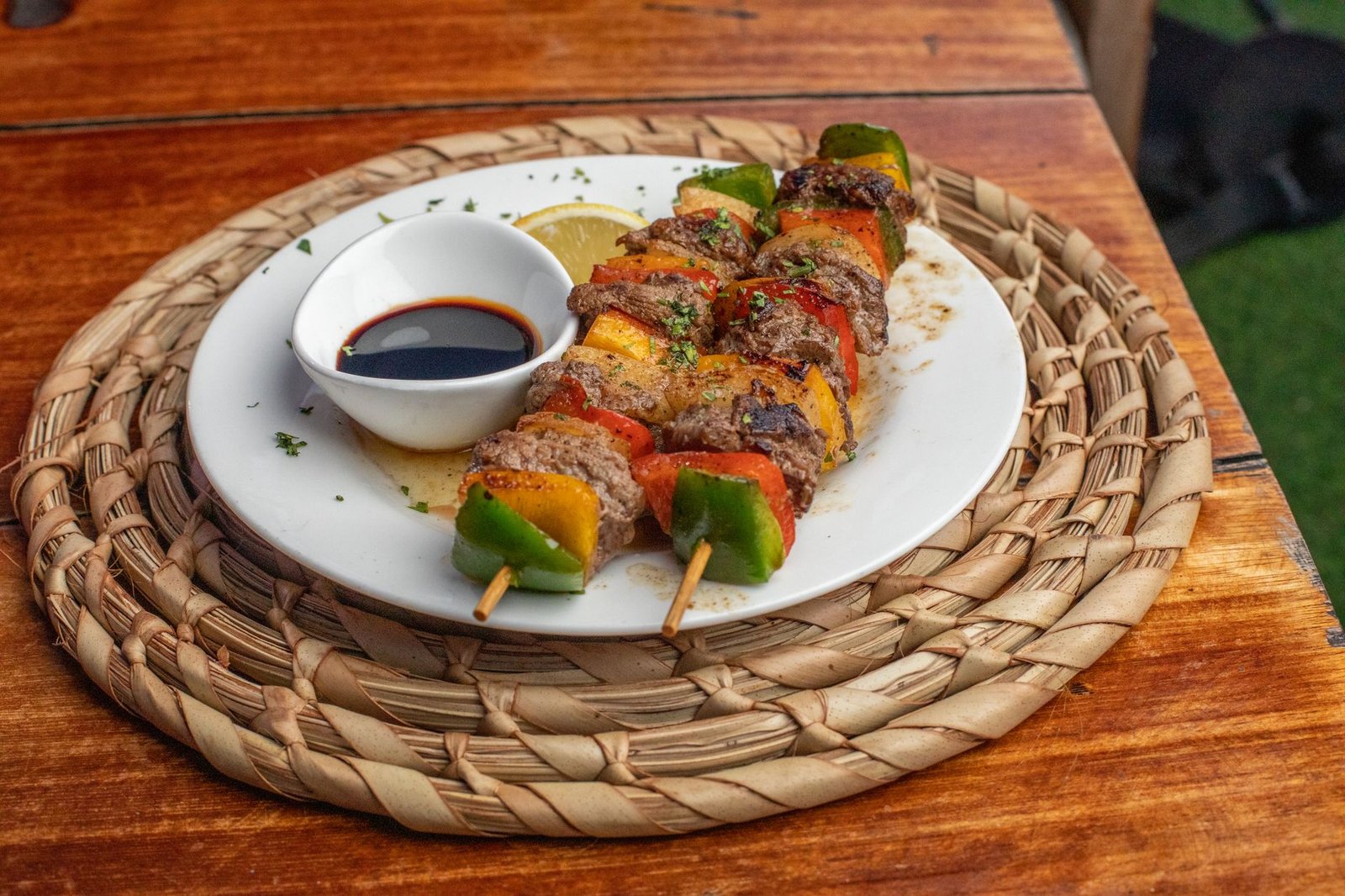
Espetos are Málaga’s iconic skewered sardines, grilled to perfection over olive wood fires set in sand-filled boats directly on the beach, offering a distinctly smoky, salty taste of the Mediterranean that defines summer in the region, best savored casually with your feet in the sand.
What Exactly Are Espetos and Why Malaga?
To truly understand espetos, you need to picture more than just grilled fish. Imagine five to seven glistening fresh sardines, each carefully threaded onto a long, thin bamboo cane, typically pierced through the dorsal fin. This isn’t just any skewer; it’s a centuries-old technique ensuring the fish holds its shape and cooks evenly without falling into the flames. The magic doesn’t stop with the skewering.
The cooking method is crucial: the *espetero*, the master griller, positions these canes upright in the sand, leaning them over a crackling fire of olive wood coals. This fire isn’t in a typical barbecue grill; it’s almost always built within an old fishing boat, repurposed and filled with sand, sitting right on the beach. The olive wood isn’t merely fuel; it imparts a specific, aromatic smokiness that’s absolutely fundamental to the taste. The espetero constantly watches and rotates the skewers, judging the heat by instinct, coaxing the sardines to a perfect state of tenderness inside, with a slightly crisp, salty skin outside. A sprinkle of coarse sea salt is often added just before or during grilling, enhancing the natural flavors.
While grilled fish is common across coastal Spain, the specific *espeto* method – with the cane skewers, the olive wood fire, and especially the boat on the sand – is uniquely *malagueño*. This tradition hails from the old fishing villages of Málaga, like Pedregalejo and El Palo, where fishermen would cook their daily catch directly on the beach, using what was readily available. It’s a direct, tangible link to Málaga’s maritime heritage, a culinary practice passed down through generations. When you eat an espeto, you’re not just having a meal; you’re participating in a piece of local history and culture.
It’s important to clarify that while the tradition is centered on sardines, some *chiringuitos* (beach restaurants) might offer “espetos” of other fish like sea bream (*dorada*), sea bass (*lubina*), or even octopus (*pulpo*) and prawns (*gambas*). These can be delicious in their own right, but they are not the classic *espeto de sardinas*. If you’re seeking the authentic, traditional Málaga experience, always ask for “espetos de sardinas.” These are typically the most economical, flavorful, and true to the original custom.
Finding the Best Espetos: Where to Go (and What to Avoid)
The search for the perfect espeto begins and ends on the beaches of Málaga’s old fishing districts: Pedregalejo and El Palo. These eastern suburbs, easily accessible from the city center, are where the tradition truly thrives. Here, the *paseo marítimo* (beach promenade) is dotted with dozens of *chiringuitos*, many of which proudly display their espeto boats right out front, billowing fragrant olive wood smoke onto the sand. An afternoon of espetos here is also a big part of why the city holds its own in my honest look at how Málaga compares with Alicante for a week.
Spotting an Authentic Chiringuito
- The Boat and Fire: This is non-negotiable. Look for an actual sand-filled boat with glowing embers and visible olive wood. If the grilling is done on a conventional metal grill, it’s a compromise on tradition.
- The Aroma: A tell-tale sign is the rich, woody smell of olive smoke carried on the sea breeze. It’s distinct and inviting.
- Local Crowd: Observe who is eating there. A chiringuito packed with Spanish families, especially older generations, is a strong indicator of quality and authenticity. They know where the good food is.
- Simple Setup: Often, the best spots are unassuming. Plastic tables, simple chairs, and a direct focus on the food over fancy decor are good signs.
- The Espetero: Watch the espetero at work. A skilled espetero handles the skewers with confidence and precision, constantly tending to the fire.
Along the Pedregalejo promenade, especially as you head further east past the Baños del Carmen, you’ll find a continuous line of these traditional establishments. Many of the family-run chiringuitos here consistently deliver excellent espetos. While specific names like El Cabra or Restaurante Marisquería El Godoy are often cited, the truth is that many smaller, less famous spots are just as good, if not better. It’s about the adherence to the method and the freshness of the catch, rather than a single iconic name.
What to Avoid
Be cautious of places too far from the beach that advertise “espetos” but lack the traditional boat setup. Also, establishments with overly elaborate menus, very high prices for sardines, or a primary focus on international cuisine might not offer the true, unadulterated espeto experience. Sardine espetos are meant to be a simple, affordable pleasure, deeply rooted in local culture.
Pricing and Timing
A skewer of 5-7 fresh sardines will typically cost you between €4.50 and €6.50. This price point often signifies a commitment to fresh, local produce and traditional preparation. If you see prices significantly higher for sardines, it’s usually a sign of an inflated tourist price. The best times to enjoy espetos are during the Spanish lunch rush (roughly 13:30 to 15:30) or for an early dinner (20:30 to 22:30) in the warmer months. Going slightly outside these peak hours can mean fewer crowds and a more relaxed service.
| Item | Average Price (EUR) | Notes |
|---|---|---|
| Espeto de Sardinas (5-7 fish) | €4.50 – €6.50 | Per skewer, classic choice |
| Ración de Boquerones Fritos | €8.00 – €12.00 | Plate of fried anchovies, Málaga specialty |
| Ensalada Mixta | €6.00 – €9.00 | Mixed salad, good accompaniment |
| Agua mineral (0.5L) | €1.50 – €2.50 | Bottled water |
| Refresco (soft drink) | €2.00 – €3.00 | Soda, juice |
The Espeto Experience: How to Order and Enjoy It
Part of the charm of espetos is the laid-back, informal ritual of eating them. When you arrive at a chiringuito, find a table – often plastic, sometimes right on the sand – and take a seat. A waiter will come to you, or you might need to catch their eye, especially if it’s busy. To order, a simple “Una de espetos, por favor” (One skewer of espetos, please) is usually sufficient. If you want to be extra clear, you can specify “de sardinas.”
Regarding portion sizes: one skewer of 5-7 sardines is a perfect starter for one person, or a light snack. If you’re building a full meal around them, or if you have a hearty appetite, two skewers per person might be more appropriate. They are relatively small and light, so they won’t weigh you down.

The essential accompaniment for espetos is a generous squeeze of fresh lemon. A small wedge will almost always be served alongside your skewer. Some purists will argue that nothing else is needed, as the natural flavor of the fish and the olive wood smoke is paramount. Resist the urge to drench them in sauces; the beauty of espetos is in their simplicity. Classic side dishes that pair wonderfully include a crisp *ensalada mixta* (a simple mixed salad with lettuce, tomato, onion, and sometimes tuna or boiled egg) or a plate of *papas a lo pobre* (sliced potatoes fried with peppers and onions). These fresh, unfussy sides complement the smoky fish perfectly without overpowering it.
Eating espetos is a hands-on affair. Don’t be shy about getting your fingers messy – it’s part of the fun! Pick up a sardine, peel off the skin if you prefer (though many locals eat it), and gently pull the succulent flesh from the bone. You can either use a small side plate for the bones or simply create a neat pile on the edge of your main plate. The experience is meant to be relaxed and communal, so embrace the casualness.
The atmosphere itself is a key ingredient. You’re typically dining just meters from the Mediterranean Sea, with the gentle sound of waves, the calls of beachgoers, and the cheerful chatter of families all around. This isn’t a quiet, formal meal; it’s a lively, sun-drenched celebration of coastal life. Take your time, enjoy the sea air, and let the simplicity of the moment wash over you.
A Day at the Beach: Beyond the Espeto
Eating espetos is rarely an isolated event; it’s usually the delicious centerpiece of a full day spent by the sea. You can arrive mid-morning, find a spot on the sand, or rent a *hamaca* (sunbed) and *sombrilla* (umbrella) for the day. Expect to pay around €5-€7 each for these rentals, though some chiringuitos offer combo deals. The beaches of Pedregalejo and El Palo are ideal for a relaxed swim. The waters here are generally calm and shallow, making them suitable for families. After your swim and some sun, that’s when the thought of espetos truly begins to call.
Activities and Other Culinary Delights
- Stroll the Paseo Marítimo: Enjoy a leisurely walk along the promenade, observing the fishing boats pulled up onto the sand, the old bathing houses (like Baños del Carmen, a historic spot worth a glance), and the local life unfolding. Bike rentals are also widely available if you prefer to cycle the coastal path.
- Swimming and Relaxation: The Mediterranean waters are inviting from late spring through early autumn. Spend time simply relaxing on the sand, reading a book, or watching the world go by.
- Other Seafood Staples: While espetos are king, don’t limit yourself. Try a *fritura malagueña*, a platter of various perfectly fried fish like *boquerones* (anchovies), *calamar* (squid), and *rosada*. Another local specialty are *conchas finas*, unique Málaga clams often served raw with lemon.
- Paella or Arroz Caldoso: Many chiringuitos also serve excellent paella or soupy rice dishes (*arroz caldoso*), often requiring an order for a minimum of two people and sometimes needing to be ordered in advance.
Logistics and Getting There
From Málaga city center, reaching Pedregalejo or El Palo is straightforward. You can take bus Line 3 or Line 11 from a central stop like Alameda Principal. A single bus ticket costs €1.40. The journey takes approximately 15-25 minutes, depending on traffic and your exact destination. Taxis are also readily available, with a fare typically ranging from €10-€15 from the city center to these areas.
Most beach areas will have public showers where you can rinse off sand and saltwater. Chiringuitos provide toilets for their customers. Changing facilities are less common, so it’s often easiest to arrive in your swimwear or change discreetly. After a satisfying lunch, you can either continue your beach relaxation or explore more of the local neighborhood, perhaps finding a spot for an afternoon coffee. For more details on authentic Spanish cultural experiences, take a look at our insights into Sacromonte cave flamenco in Granada.
Honest Tips for Your Espeto Adventure
To make the most of your espeto experience, here are some practical tips and considerations:
- Timing is Everything: While espetos are available year-round, they are synonymous with summer. The peak season is July and August, when chiringuitos can get extremely crowded, especially on weekends. If you’re visiting then, aim to arrive early for lunch (by 13:00) or dinner (by 20:00) to secure a table without a long wait. May, June, September, and early October offer pleasant weather with fewer crowds, making for a more relaxed dining experience.
- Manage Expectations: This is rustic, beachside dining. Don’t expect crisp linen tablecloths or silver service. It’s about fresh food, a lively atmosphere, and direct service. The focus is on the quality of the seafood and the traditional cooking method.
- Salt Levels: Espetos are traditionally quite salty, as the coarse sea salt helps char the skin and enhance flavor. If you’re sensitive to salt, you can try asking for “menos sal” (less salt), but know that it might deviate slightly from the authentic taste.
- Payment Methods: Most chiringuitos accept card payments, but it’s always a good idea to carry some cash, especially if you visit smaller, more informal places where card machines might occasionally be temperamental or unavailable.
- Sun Protection: You’ll be by the beach, so remember to bring sunscreen, a hat, and sunglasses, especially if you plan to spend hours there before or after your meal.
- Accessibility: Since many chiringuitos have their tables directly on the sand, access for strollers or wheelchairs can sometimes be a bit challenging, depending on the specific establishment’s setup. However, the promenades themselves are paved and accessible.
- Consider a Tour: If you’re eager to delve deeper into Málaga’s culinary scene beyond just espetos, you can always book a guided tour on Viator. A local guide can offer insights and lead you to other hidden gastronomic delights.
- Accommodation Choices: When planning your trip, remember that staying near the Pedregalejo or El Palo areas can give you immediate access to these beaches and chiringuitos. Alternatively, a hotel in the city center provides easy bus access. To find the best options for your stay, you can compare hotel prices on Booking.com.
FAQ: Malaga beach espetos tradition — Common Questions
Are espetos always sardines?
Traditionally, yes, a true espeto is made with sardines. The word “espeto” refers to the act of skewering fish, but in Málaga, it has become synonymous with sardines cooked this way. While you might find other fish like dorada or lubina cooked “al espeto,” the classic, affordable, and historically significant dish is undoubtedly the sardine espeto.
How many espetos should I order?
For a light snack or an appetizer before other dishes, one skewer (with 5-7 sardines) per person is usually enough. If you’re having espetos as your main meal, especially if you’re particularly hungry or love sardines, two skewers per person would be a good portion. They are relatively small and light, so you won’t feel overly full.
What’s the best time of day to eat espetos?
Espetos are primarily a lunch dish, enjoyed between 13:00 and 16:00. However, during the warm summer evenings, many locals also enjoy them for a relaxed dinner between 20:00 and 22:00. The atmosphere is different at each time; lunch is usually brighter and more casual, while dinner can be more ambient with the sunset and a cooler breeze.
Can I find espetos anywhere else in Spain?
While you might find grilled sardines or other skewered fish in coastal areas across Spain, the specific “espeto” method involving a sand-filled boat and olive wood fire is deeply rooted in Málaga and its immediate coastline. You’ll struggle to find this authentic tradition executed with the same skill and prevalence outside of Málaga province. It’s truly a malagueño specialty that makes Málaga unique.
This iconic malagueño specialty is more than just a meal; it’s a sensory immersion into the city’s soul. The salty air, the warmth of the sun, the smoky aroma, and the fresh taste of the sea all combine into an experience you won’t forget. It’s a tradition that celebrates simplicity, freshness, and the enduring connection between the people of Málaga and their Mediterranean Sea. For other authentic insights into Spanish life, delve into our broader Spain Destination blog.
About the Author
After 15 years living and traveling across Spain, Caro knows this country in a way most travel writers never will. She’s not here to sell you a polished version of Spain, she’s here to show you the real one. Every guide on this site comes from her own experience: the restaurants she eats at, the routes she walks, the festivals she’s actually attended. She writes to cut through the noise and give you what actually matters. Learn more about Caro →