The Formentera secret beaches I adore, for quiet days.
Some links in this guide are affiliate links — if you book through them we may earn a small commission at no extra cost to you. It never changes what we recommend. Full disclosure.
Many visitors arrive in Formentera imagining sun-drenched beaches packed with people, a common vision for the Balearic Islands. But I know for a fact that the island holds true tranquility, and this guide to **formentera secret beaches** will show you exactly where to find those quiet corners. You just need to know how to look, when to go, and which paths to follow. Here, I’ll share my absolute favourite spots for genuine peace, giving you all the practical details you need to experience them yourself.
Quick Answer: The Formentera secret beaches I adore, for quiet days.
To find truly quiet beaches in Formentera, focus on visiting outside peak midday hours (before 10:00 or after 17:00), heading to the less developed eastern or northern ends of longer beaches, or seeking out smaller, less accessible coves that require a short walk. You’ll be rewarded with pristine waters and far fewer people, especially if you come prepared.
Platja de ses Illetes: Beyond the Crowds
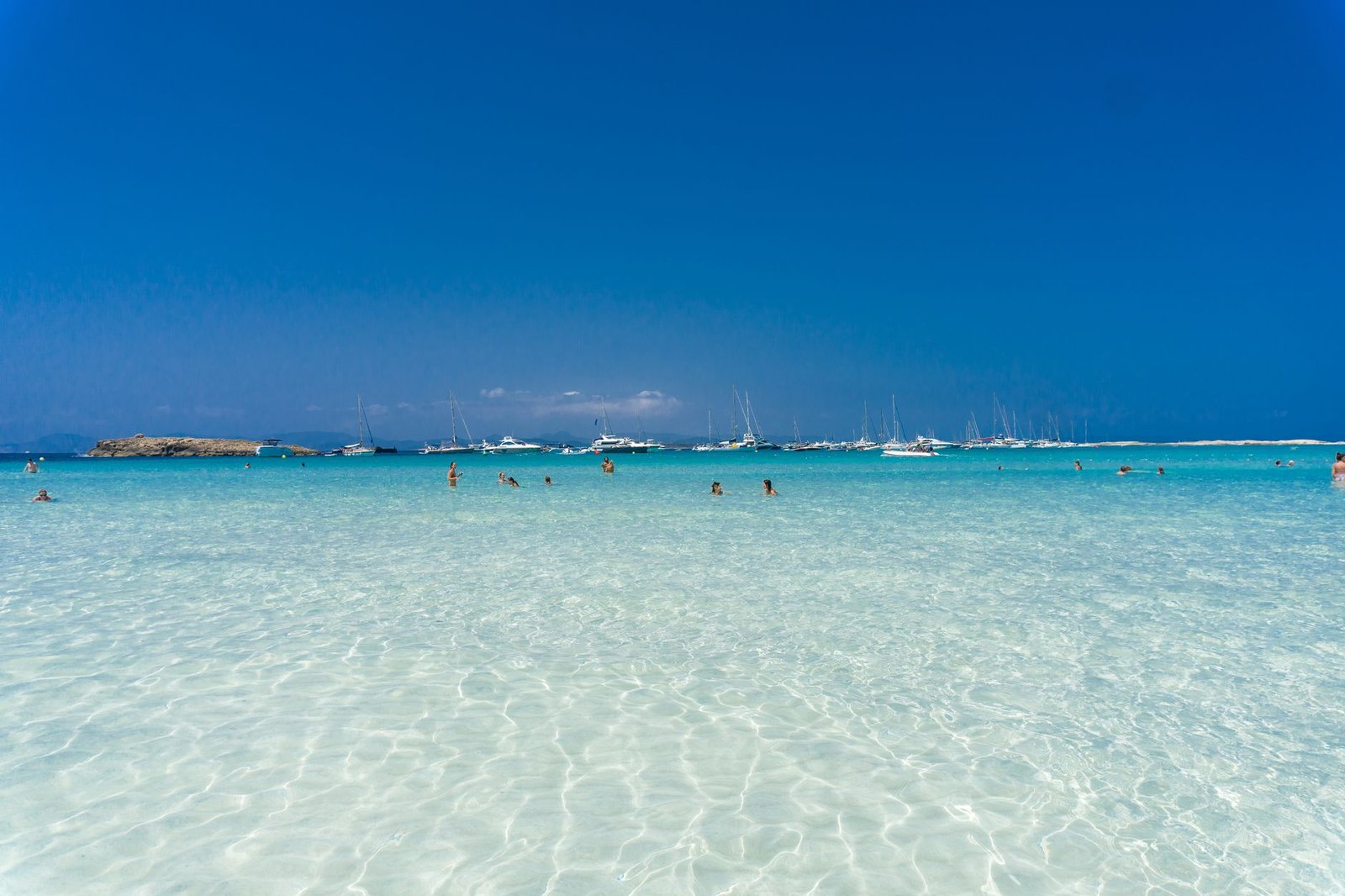
Okay, let’s address the elephant in the room: Platja de ses Illetes is famous, and rightly so, for its stunning white sand and turquoise water. It’s frequently cited as one of the best beaches in Europe. But here’s the thing: most people stop at the first few stretches of sand accessible from the car parks. This is where you make your move for a quiet day. Instead of settling there, walk further north, towards the tip of the peninsula. The further you go, the fewer people you’ll encounter, and the more expansive the beach feels.
To get there, you’ll first need to enter the Ses Salines Natural Park. During high season (typically May to October), there’s an access fee to help manage visitor numbers and protect the environment. This fee is usually around €6 per car, €4 per scooter, and bicycles are free. Once you’re in, drive or cycle as far as the designated parking allows, then get ready to walk. The true peace begins after about a 15-minute walk north from the last major parking area. You’ll find yourself on thinner stretches of sand, with water on both sides, making it feel like you’re walking on an ocean path.
What to expect when you get there? Imagine impossibly soft, pale sand and water so clear you can see every ripple on the bottom. The sand at the northernmost points is softer, almost like powder. There are no facilities here, not even a simple chiringuito, so you need to bring everything with you – water, snacks, a hat, and sunscreen. This isn’t a place for spontaneous trips; it requires planning. The silence, broken only by the gentle lapping of waves and the occasional seagull, is pure bliss. It’s worth the effort to reach this quieter section, especially during the shoulder seasons (May, early June, late September, October) when the entire area feels less pressured.
- Location: Far northern tip of the Formentera peninsula, within Ses Salines Natural Park.
- Access: Park admission fee during high season. Drive, scooter, or cycle to the last parking, then walk at least 15-20 minutes north.
- Facilities: None in the quietest areas; main beach sections have some simple chiringuitos, but you’ll be far from them.
- Best time for quiet: Early morning (before 10:00) or late afternoon (after 17:00) during peak season. Any time during May, June, September, October.
- What to bring: Plenty of water, food, sun protection (hat, high SPF cream), a good book, and a rubbish bag to take everything back out.
Caló des Mort: The Iconic Tiny Cove
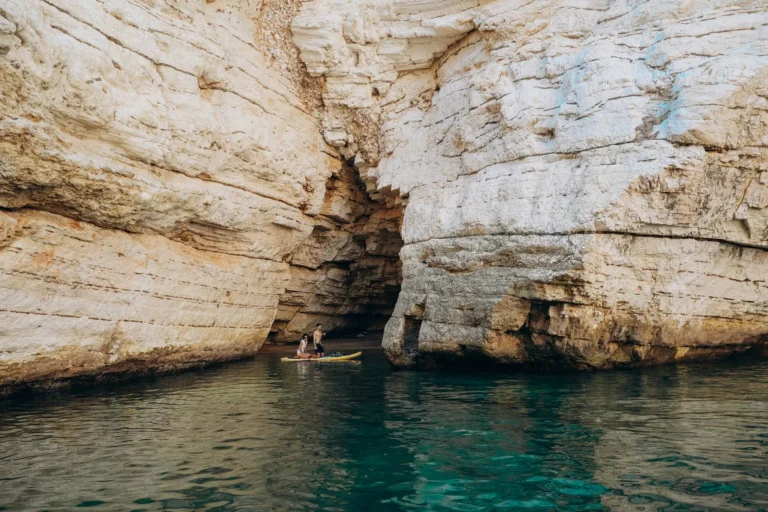
Caló des Mort isn’t exactly a secret if you know Formentera, but its small size means it never feels truly crowded in the same way bigger beaches do. It’s a postage stamp of sand tucked between low, rocky cliffs, and it absolutely captures the essence of a tranquil Mediterranean cove. This is a place where the water is so startlingly clear and blue, you’ll wonder if you’ve stepped into a postcard. It’s tiny, rustic, and one of my absolute favourite spots on the island for a quiet dip.
Reaching Caló des Mort involves a bit of effort, which is precisely why it maintains its peaceful atmosphere. You’ll find it off the main road that runs along Platja de Migjorn, specifically near the small cluster of buildings known as Es Copinar. There’s usually a small, unofficial parking area by the side of the road, but it fills up fast. Your best bet is to find a spot further down and walk. From the road, you’ll follow a rough path that eventually leads you to a set of steep, wooden stairs descending to the cove. It’s not a strenuous walk, but it requires sensible footwear, not flip-flops.
Once you descend, you’re greeted by a breathtaking sight: crystal-clear turquoise water lapping against a very narrow strip of white sand, flanked by traditional boathouses carved into the rock. These boathouses, or varaderos, give the place a raw, authentic feel. The cove is small, maybe 20 meters wide at most, so a handful of people can make it feel full. Go early in the morning (before 09:30) or later in the afternoon (after 17:30) for the best chance of relative solitude. You won’t find any facilities here, so come prepared with your own water and snacks. It’s the kind of place where you bring a small towel, swim, and simply soak in the calm. Its small size is both its challenge and its charm, ensuring that only those truly seeking its beauty will make the trip.
- Location: East of Es Copinar, along Platja de Migjorn. Signage is minimal; look for a small path off the main road.
- Access: Informal parking by the roadside, then a 5-minute walk down a path and wooden stairs. Not wheelchair accessible.
- Facilities: None at the cove itself. Some basic beach bars (chiringuitos) are a 10-15 minute walk along the coast path.
- Best time for quiet: Before 09:30 or after 17:30, especially outside July and August.
- Downsides: Very small, can feel crowded quickly. Limited shade. Parking can be difficult.
The Rocky Coves Around Es Caló de Sant Agustí
If your idea of a quiet beach includes less sand and more fascinating underwater life, then the rocky coves east of Es Caló de Sant Agustí are a fantastic discovery. This area, less talked about than Formentera’s famous sandy expanses, offers a completely different kind of coastal experience. It’s perfect for those who love to explore, snorkel, and find their own private sunbathing rock with stunning views.
Es Caló de Sant Agustí itself is a small fishing village with a charming little port, known for its seafood restaurants. But if you head east from the village, you’ll find a series of low-lying, rocky platforms and tiny inlets that are surprisingly unpopulated. There’s ample parking near the village, and from there, you can wander along the coastal paths. You’ll need a good pair of water shoes for comfortable walking and getting in and out of the sea, as there are very few sandy entry points.
What makes these coves special is the vibrant marine life. The clear, calm waters here are excellent for snorkeling, with various fish darting around the rocks. You’ll find flat rock surfaces perfect for laying out a towel and enjoying the sun, often with no one else in sight. There might be a few small, coarse sandy patches, but it’s primarily a rocky shoreline. While you won’t have fine sand between your toes, you’ll have unparalleled peace and direct access to some of the cleanest water on the island. Bring a packed lunch and plenty of water, as facilities are back in the village, a good 15-20 minute walk away depending on how far you’ve explored. It’s a wonderful place to feel truly connected to the wilder side of Formentera.
| Feature | Description |
|---|---|
| Location Type | Rocky platforms and small inlets |
| Access Difficulty | Easy parking in Es Caló, then easy coastal path walking. |
| Water Entry | Mostly rocky, requires water shoes. |
| Facilities Nearby | Restaurants and shops in Es Caló village (15-20 min walk). |
| Best Activity | Snorkeling, sunbathing on rocks, quiet contemplation. |
Platja de Migjorn: The Expansive Eastern Stretches
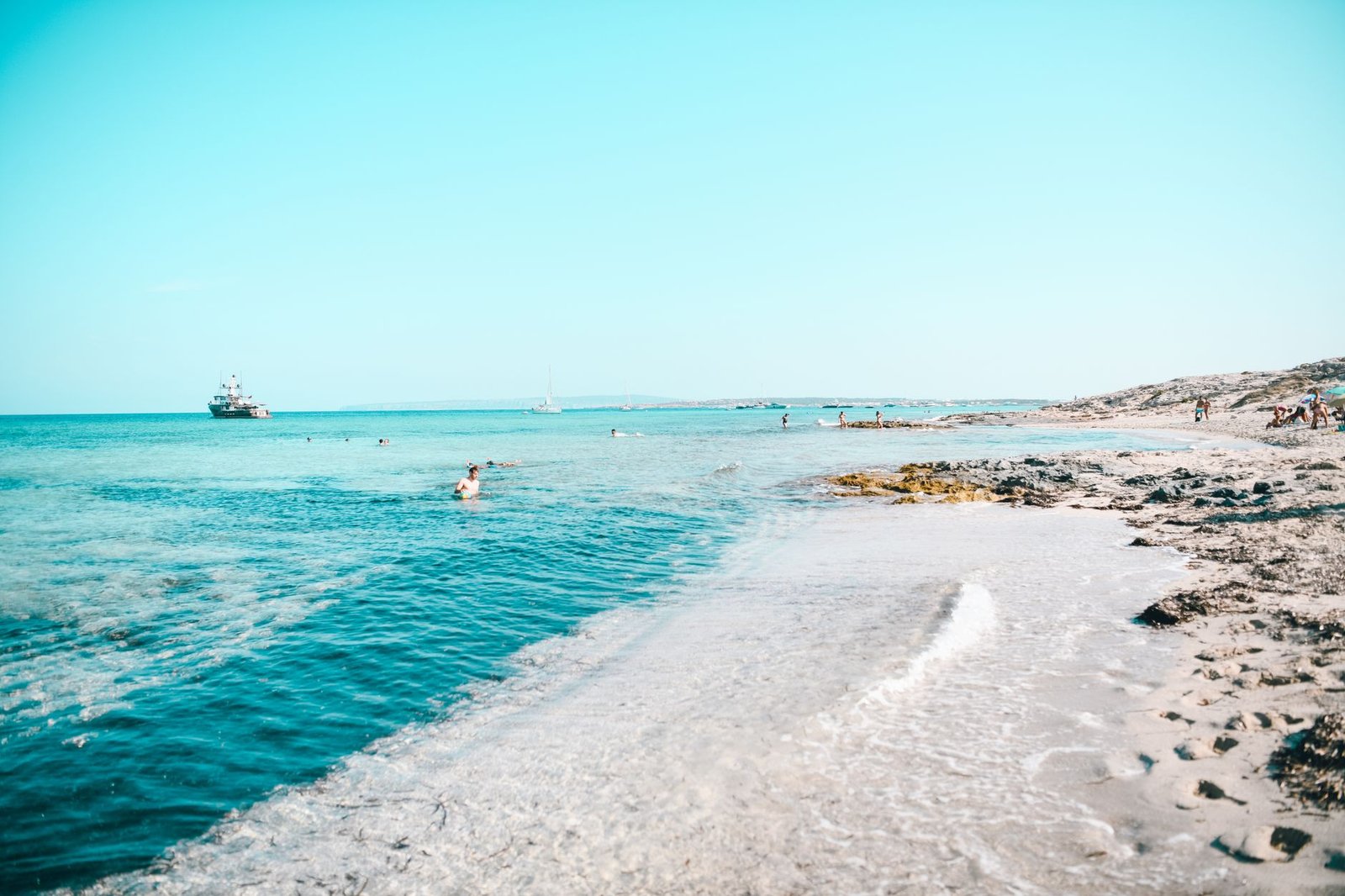
Platja de Migjorn is Formentera’s longest beach, stretching for several kilometres along the southern coast. Because of its sheer length, it’s almost guaranteed to have quiet spots, even when other parts of the island feel busy. The trick is to know which sections to aim for. While some areas near specific restaurants or hotels can attract crowds, the vast majority of Migjorn remains gloriously undeveloped and peaceful. I find the easternmost sections, particularly past Es Arenals towards La Mola, offer the most solitude.
Access to Migjorn is straightforward with multiple entry points from the main road (PM-820) that runs east-west across the island. Look for signs pointing to specific beach areas or simply turn down one of the smaller, unpaved roads that lead towards the coast. You’ll often find small, informal parking spots hidden amongst the pine trees. Once you’re on the sand, a short walk in either direction will take you away from anyone who might have parked near a beach bar. This is where you can truly spread out, feeling like you have a piece of Formentera all to yourself.
This part of Migjorn offers a beautiful combination of fine, golden sand and clear, shallow waters, perfect for swimming and wading. There are fewer sunbeds and umbrellas for rent, meaning the natural beauty of the dunes and sparse vegetation takes centre stage. You might stumble upon an authentic chiringuito, like Lucky Bar (famous for being simple and very Formenteran), but even these tend to be spaced out, maintaining a feeling of openness. This is the place for long walks along the shore, reading a book undisturbed, or simply watching the waves roll in. The further east you venture, away from the more popular sections, the more wild and raw the coastline becomes. It’s a truly authentic beach experience that allows you to unwind completely.
If you’re looking for other serene coastal experiences, you might also enjoy exploring some of the Mallorca secret coves to visit, as each Balearic island offers its own unique form of coastal escape. Both islands are worth exploring for their calm waters and lesser-known beaches.
When you’re packing for a day on Migjorn’s quieter stretches, remember that convenience stores are not around every corner. A cooler bag filled with cold water, some fresh fruit, and maybe some local bread and cheese will elevate your day. You’re on a long beach, so moving around once you’ve settled is less appealing. Pack everything you need, settle in, and let the peace of the Mediterranean wash over you.
Cala Saona: The Early Bird’s Reward
Cala Saona is without a doubt one of Formentera’s most visually striking beaches. Its soft, reddish-tinged sand, framed by low cliffs and backed by pine trees, meets unbelievably bright turquoise waters. It’s also very popular, especially in the afternoon for its glorious sunsets. So, how does it make my list of quiet beaches? Because the secret here isn’t *where* to go, but *when* to go. Cala Saona transforms completely in the early morning, offering a peaceful start to your day that few visitors experience.
The beach is easily accessible by road, with a large dedicated parking area (which, admittedly, can be full by midday). If you arrive before 09:30, you’ll find plenty of space, both for your vehicle and on the sand. Imagine stepping onto that soft sand as the morning sun is just warming up the air, the water perfectly still and inviting. The few people you might encounter are usually locals taking an early swim or just a handful of dedicated early risers. The contrast to its afternoon energy is remarkable. This is the time to truly appreciate its beauty without the buzz of crowds.
The water here is incredibly calm and shallow for a good distance, making it perfect for a leisurely swim or just floating. The surrounding cliffs offer natural beauty, and there are some simple trails you can explore if you want a different perspective. While there are a few beach bars and restaurants that open later in the day, in the early morning, they are still closed, reinforcing that sense of untouched tranquility. It’s a wonderful spot to enjoy the pristine conditions, feel the calm, and appreciate Formentera’s natural allure before the day officially begins for everyone else. If you plan to stay past midday, prepare for the crowds to arrive, but for a few hours of true peace, an early start here is absolutely worth it.
- Location: Western coast of Formentera, easily accessible by road.
- Access: Ample parking, but fills quickly after 10:00. Cycle or scooter are good alternatives for access.
- Facilities: Several restaurants and beach bars open from late morning onwards. Public toilets usually available during operating hours.
- Best time for quiet: Before 09:30. Absolutely before 10:00.
- Activities: Swimming, sunbathing, short walks along the cliffs. Excellent for families with young children due to shallow waters.
While planning your stay to discover these serene spots, remember to compare hotel prices on Booking.com to secure a comfortable base, especially if you plan to get those early starts. Formentera has limited accommodation, so booking ahead is always wise. If you’re keen on exploring with a guide who knows even more hidden corners, you might want to book a guided tour on Viator, which can sometimes reveal insights you wouldn’t find on your own.
FAQ: The Formentera secret beaches I adore, for quiet days. — Common Questions
Is Formentera always crowded during summer?
No, Formentera isn’t always crowded, but it absolutely can be in the most popular areas and during peak hours (midday in July and August). The trick to finding quiet spaces is to visit during the shoulder seasons (May, early June, late September, October), or to head to less accessible beaches and coves, or simply go to the main beaches very early in the morning or late in the afternoon.
What’s the best way to get around Formentera to find quiet beaches?
Scooters are the most common and practical way to explore Formentera, allowing you to easily navigate the roads and park in smaller, informal areas near coves. Bicycles are also fantastic for quieter exploration, especially given the island’s relatively flat terrain and dedicated bike paths. Cars are an option, but parking can be more challenging near the smaller, quieter spots.
Do I need to book accommodation in advance for Formentera?
Yes, absolutely. Formentera has limited accommodation options compared to larger islands, and demand is high, especially from June to September. Booking your accommodation several months in advance is strongly recommended to secure your preferred dates and price range. Spontaneity doesn’t work well here for lodging.
Are there any facilities at the quieter beaches?
Generally, no. The charm of Formentera’s quieter beaches often lies in their untouched nature, meaning minimal to no facilities like toilets, showers, or even chiringuitos. It’s crucial to bring everything you need for the day – water, snacks, sun protection, and a bag for your rubbish. Always leave these beautiful spots as pristine as you found them.
The beauty of Formentera’s quieter shores isn’t just in the sand and the water; it’s in the feeling of finding a piece of the island that feels truly your own, even for just a few hours. These spots demand a little more effort, a little more planning, but they give back tenfold in peace and authentic beauty. Embrace the journey, bring what you need, and let the slow rhythm of the island wash over you. If you ever feel the urge for a different kind of calm, perhaps a journey inland, Spain offers so many variations of tranquility, including the charm of quiet medieval towns Castile holds.About the Author
After 15 years living and traveling across Spain, Caro knows this country in a way most travel writers never will. She’s not here to sell you a polished version of Spain, she’s here to show you the real one. Every guide on this site comes from her own experience: the restaurants she eats at, the routes she walks, the festivals she’s actually attended. She writes to cut through the noise and give you what actually matters. Learn more about Caro →