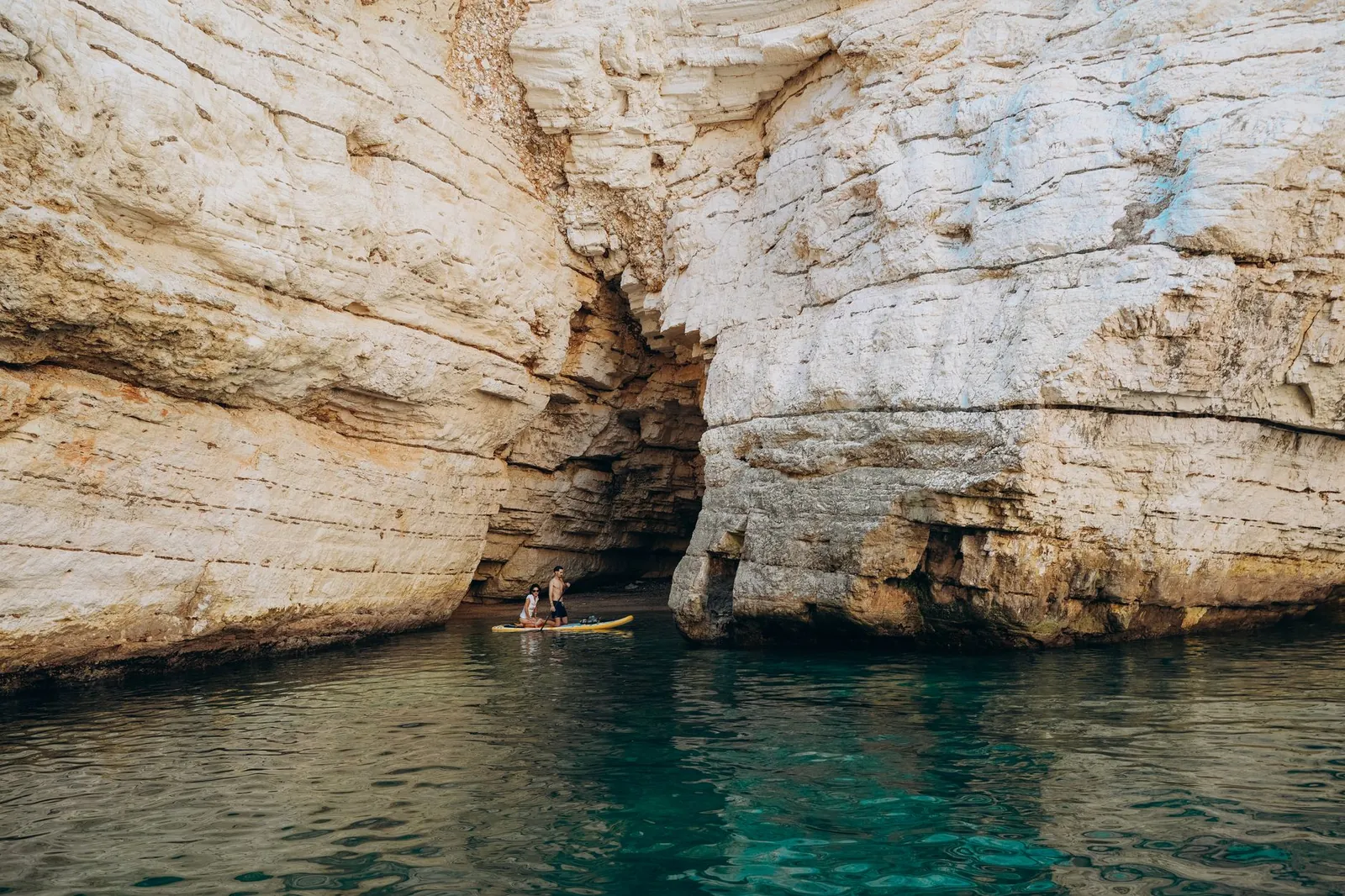
Kayaking Majorca secret sea caves feels like pure wonder.
Some links in this guide are affiliate links — if you book through them we may earn a small commission at no extra cost to you. It never changes what we recommend. Full disclosure.
Most people picture Majorca as a sun-drenched island of beaches and resorts, a place for lazy days under the Mediterranean sky. And yes, it absolutely is that, but to truly experience its wild heart, you need to go deeper—literally. Kayaking Majorca secret sea caves feels like pure wonder, taking you into a world of hidden grottoes, crystal-clear water, and rock formations sculpted by millennia of sea and wind. This isn’t just a paddle; it’s an exploration of the island’s most intimate, untouched corners, revealing a side of Majorca few visitors ever see. This guide will walk you through everything you need to know to unlock this truly special adventure, from choosing the right tour to navigating the waters and respecting this fragile environment.
Quick Answer: Kayaking Majorca Caves
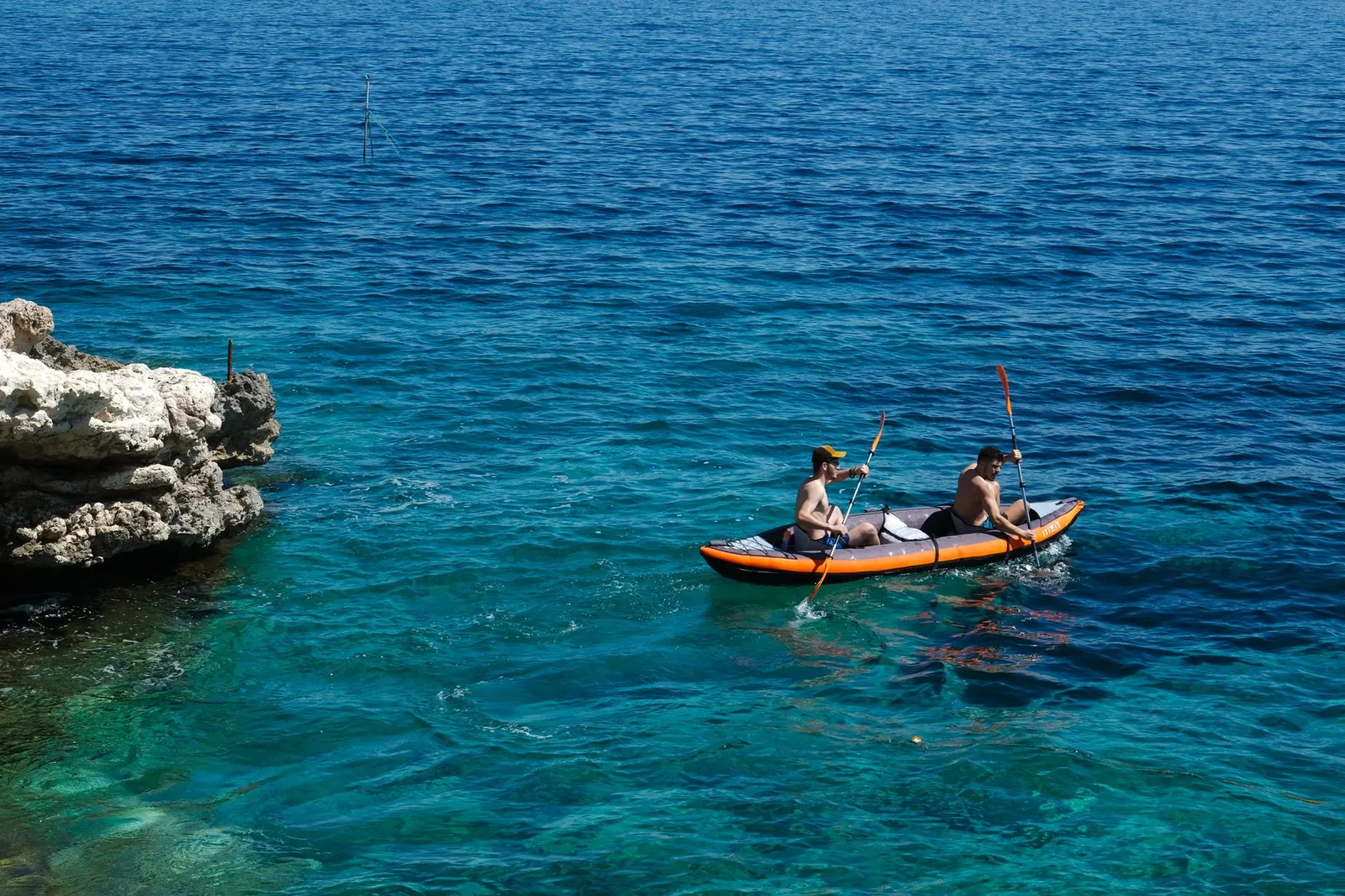
You can absolutely kayak Majorca’s secret sea caves, with guided tours typically costing between €50 and €90 per person for a 3-4 hour experience, including equipment and often a stop for swimming or snorkeling. These excursions offer a unique perspective on the island’s rugged coastline and hidden grottoes, making them a highly recommended activity for those seeking adventure beyond the main beaches.
Choosing Your Majorca Sea Kayaking Adventure
When planning to explore Majorca’s sea caves by kayak, your main decision will be between a guided tour or renting equipment for a self-guided journey, with most guided tours starting around €50-€70 for a half-day experience. While the allure of total freedom is strong, I almost always recommend a guided tour for first-timers, especially when venturing into unfamiliar waters with hidden passages and tides. A good guide not only ensures your safety but also shares local knowledge about the caves, geology, and marine life that you’d miss on your own. They know the safe entry points, the best times to visit for calm waters, and the truly secret spots that aren’t on any map. Plus, reputable tour operators provide all the necessary gear, including kayaks, paddles, life vests, and often dry bags.
For those with solid kayaking experience, self-guided exploration is an option, but it requires careful planning and a keen understanding of the local conditions. You’ll need to rent a kayak, which can cost anywhere from €25 to €40 for a half-day rental, depending on the type of kayak and the rental period. Companies like various Majorca tour providers offer rentals from popular spots like Cala Santanyí or Portocolom, often providing basic maps and safety briefings. However, remember that many of the true “secret” caves require navigating around rocky outcrops and understanding tidal movements, which is best done with an expert. The most important thing is to be honest with yourself about your skill level and prioritize safety above all else. This isn’t a river paddle; the open sea can be unpredictable, even on a calm day.
Here’s a breakdown of what to consider:
- Guided Tour (Recommended):
- Cost: €50 – €90 per person for 3-4 hours.
- Includes: Kayak, paddle, life vest, dry bag, guide, safety briefing, often insurance.
- Pros: Safety, local knowledge, access to truly hidden spots, no logistics for you.
- Cons: Fixed schedule, less personal freedom, might be with a group.
- Operators: Look for those based out of specific coves like Cala Varques, Cala Sa Nau, or Portocolom, as they specialize in local cave systems.
- Self-Guided Rental:
- Cost: €25 – €40 for a half-day kayak rental.
- Includes: Kayak, paddle, life vest. Dry bag might be extra.
- Pros: Full freedom, go at your own pace, choose your route.
- Cons: Higher risk, requires navigation skills, no local insights, responsible for your own safety and equipment. Not recommended for beginners or first-time cave explorers.
- Preparation: Always check weather and sea conditions meticulously. Inform someone of your route and estimated return time.
Unveiling Majorca’s Hidden Grottoes and Sea Caves
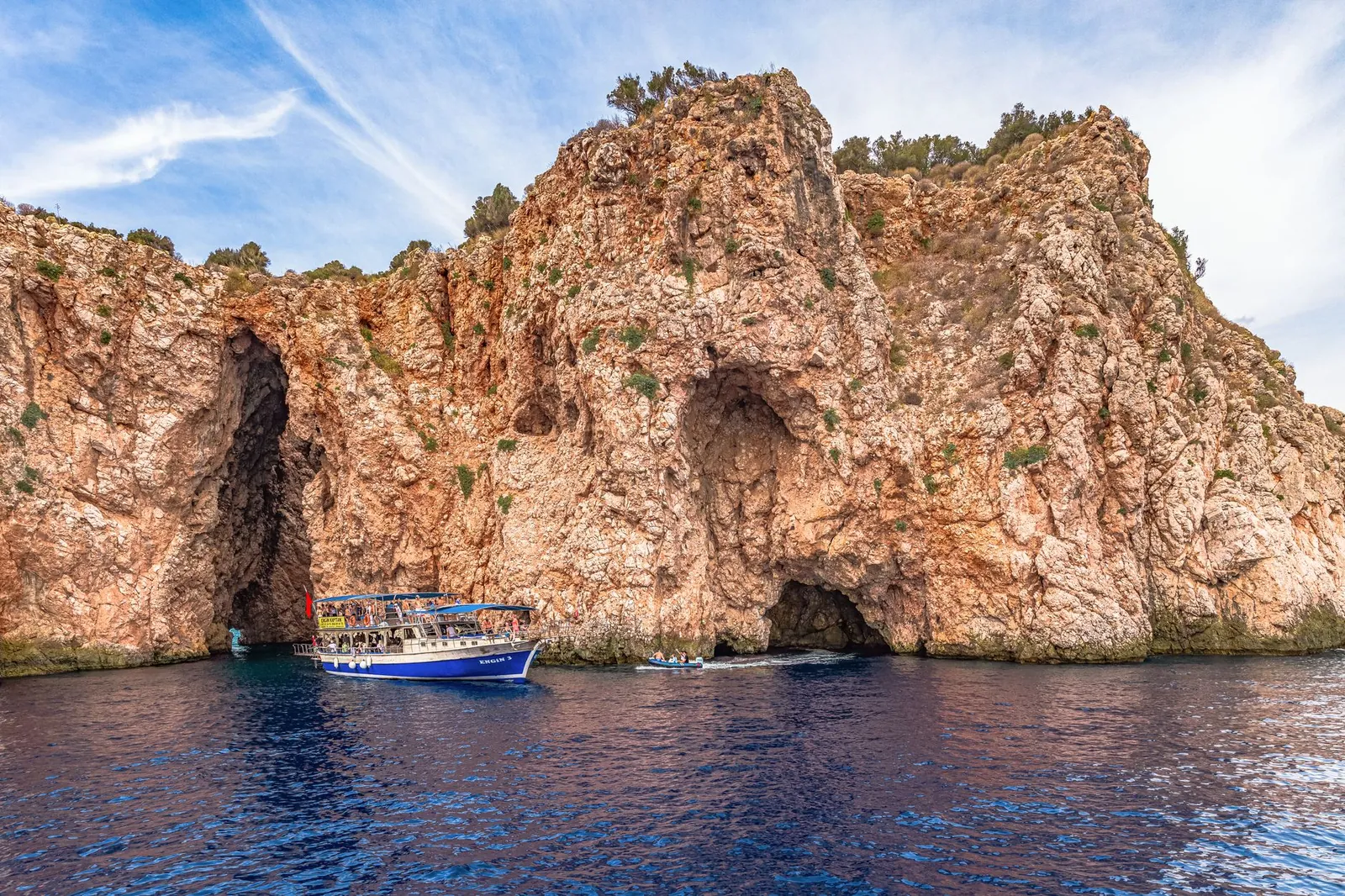
Majorca’s coastline is riddled with an incredible network of grottoes and sea caves, with some of the most accessible and stunning being found near Cala Varques, Cala Falcó, and the area around Porto Cristo, offering a diverse range of kayaking experiences. While you won’t find specific street addresses for these natural wonders, understanding their general location helps in planning your trip. Many of these caves are only reachable by sea, which is precisely what makes them so special and preserves their natural beauty.
One of the most famous and frequently visited by kayak is the Cova des Coloms (Cave of Doves) near Cala Varques, on the eastern side of the island. This isn’t just a sea cave; it’s an aquatic cave system that allows for swimming and even exploring inland passages. Access is typically via guided tours departing from Cala Romantica or Cala Varques, with tours running roughly from 9:00 to 13:00 and 15:00 to 19:00 daily during peak season (May-September). The cost for a guided tour to Cova des Coloms, often including a visit to other smaller coves and snorkeling, generally falls within the €60-€85 range per person. The internal sections can be cold and dark, so a wetsuit (often provided by tours) and headlamp are essential if you plan to venture deep inside.
Another fantastic area is near Cala Falcó and Cala Portals Vells, closer to Palma. Here, you’ll find smaller, incredibly clear-water grottoes like Cova de sa Granada, which are perfect for shorter paddles and combining with snorkeling. These caves are more about the mesmerizing play of light on the water and the sheer clarity of the Mediterranean. Guided tours here might be slightly shorter, around 2-3 hours, and cost €50-€75. The waters in this area are generally calmer, making it a good choice for those with less experience. The boat graveyard at Portals Vells adds an interesting, slightly eerie element to the landscape, too.
For a truly wild and untamed experience, the remote coves and caves around the Serra de Tramuntana mountains on the northwest coast are unparalleled. However, these areas are often exposed to stronger winds and currents, making them suitable only for experienced kayakers and guided expeditions. Think dramatic cliffs, deep indigo waters, and truly isolated grottoes that feel like another world entirely. Access points are fewer, often requiring a drive to a small port like Port de Sóller or Cala Tuent. Tours here might be longer, 4-6 hours, and price higher, around €90-€120, due to the logistical challenges and expertise required. These are not for the faint of heart, but for those seeking a proper adventure, they deliver spectacularly. Remember that the entire Serra de Tramuntana is a UNESCO World Heritage site, so respecting the environment is paramount.
Regardless of where you go, the feeling of paddling into a cavern, with the sun filtering through an underwater opening to create a kaleidoscope of blues and greens, is an experience you won’t forget. Listen to the gentle lapping of waves against the rock, watch for fish darting in the clear water, and let yourself be absorbed by the quiet grandeur of these natural cathedrals. Always be mindful of the environment; never leave trash, disturb wildlife, or carve into the rock formations.
What to Expect and What to Bring for Your Kayaking Excursion
A typical Majorca sea kayaking tour lasts between 3 to 4 hours, involving paddling, exploring a few caves, and usually a stop for swimming or snorkeling, so preparation is key to a comfortable and enjoyable experience. The skill level required for most guided tours is generally beginner to intermediate; you don’t need to be an Olympic athlete, but a basic level of fitness and comfort in the water is essential. You’ll be doing a fair amount of paddling, often against gentle currents, and you’ll need to be able to get in and out of the kayak easily. Tours usually start with a brief safety and paddling technique lesson on the beach.
Here’s what you should pack for your sea cave kayaking adventure:
- Swimwear: You’ll be getting wet! Wear your swimsuit under your clothes.
- Sun Protection: The Mediterranean sun is intense. Bring high SPF waterproof sunscreen (at least SPF 30), a hat that won’t blow away, and sunglasses with a strap.
- Water Shoes: Essential for protecting your feet on rocky beaches and inside caves. Neoprene shoes or sturdy sandals with a backstrap are ideal. Flip-flops are a definite skip.
- Quick-Dry Clothing: A light, long-sleeved rash guard can offer sun protection and prevent chafing.
- Plenty of Water: Staying hydrated is crucial. Bring at least 1.5-2 litres per person for a half-day tour.
- Snacks: Energy bars, fruit, or nuts are great for keeping your energy up.
- Waterproof Camera/Phone Case: You’ll want to capture the beauty, but keep your electronics safe. Many tours offer photos for purchase, too.
- Towel: A quick-dry microfibre towel is best for after your paddle.
- Small Backpack: For carrying your essentials to the departure point.
- Change of Clothes: For after the tour.
Many tour operators provide dry bags, but it’s always wise to double-check. Pay close attention during the safety briefing; guides will cover everything from how to handle your paddle to what to do if you capsize. While capsizing is rare on calm days, knowing the procedure will give you confidence. The temperature inside some of the larger, darker caves can be a few degrees cooler than the outside air, but the water itself remains relatively warm, especially from June to September. Don’t be surprised if your guide points out local marine life or geological features; these small details are part of what makes the experience so enriching. The sense of peace as you glide through the water, hearing only the drip of water from stalactites and the gentle slosh of the sea, is something truly special.
Safety First: Navigating Majorca’s Coastal Waters
Ensuring your safety while kayaking Majorca’s sea caves requires awareness of sea conditions, proper equipment, and a respect for the environment, particularly when exploring areas like the Cova de Cala Varques or the intricate passages near Porto Cristo. Even on seemingly calm days, the sea can change quickly. This is why official weather forecasts and local advice are non-negotiable before heading out. Always check the wind direction and strength; an offshore wind can make returning to shore incredibly challenging, even for experienced paddlers. Waves, currents, and swell can also dictate which caves are safely accessible on any given day.
Reputable tour operators adhere to strict safety protocols, including providing well-maintained equipment (kayaks, paddles, and correctly sized life vests are mandatory), and ensuring guides are certified in first aid and sea rescue. Their knowledge of the local coastline is invaluable; they know which passages are safe, which are tide-dependent, and which to avoid entirely. For instance, some smaller caves might only be accessible at low tide, or become dangerous with even a moderate swell. Never try to force your way into a narrow opening if the waves are pushing against it.
Here’s a practical safety checklist:
- Wear a Life Vest: Always, even if you’re a strong swimmer. It’s non-negotiable.
- Stay Hydrated: Dehydration can lead to fatigue and impaired judgment.
- Know Your Limits: Don’t push yourself beyond your physical capabilities. If you’re feeling tired, communicate it to your guide or paddle partner.
- Respect Marine Life: Do not touch or disturb any animals or delicate cave formations.
- Follow Your Guide: If on a tour, stick with your group and listen to all instructions. They are the experts on these waters.
- Inform Someone: If self-guiding, tell a trusted person your planned route, expected return time, and have a fully charged phone in a waterproof case for emergencies.
- Never Kayak Alone: Always go with at least one other person, especially when exploring caves.
- Check Your Equipment: Before launching, ensure your kayak is not damaged, paddles are secure, and your life vest fits properly.
The beauty of these caves is their natural, untouched state. Let’s keep them that way. This means not leaving any trash behind, not disturbing nesting birds or marine creatures, and not taking souvenirs like rocks or shells. Responsible tourism ensures these natural wonders remain for future generations to explore. The Balearic Islands government, through initiatives supported by the official Illes Balears tourism board, emphasizes sustainable practices to protect its unique ecosystems. Your role in this is crucial.
Beyond the Paddle: Combining Your Cave Adventure with Majorca’s Best
Kayaking Majorca’s secret sea caves is a highlight, but the island offers so much more to experience, making it easy to combine your aquatic adventure with other authentic Spanish activities. After a morning of paddling and exploring, you’ll undoubtedly have worked up an appetite. Seek out a local ‘chiringuito’ (beach bar) for a fresh seafood lunch. Many of the coastal towns near popular kayaking spots, like Portocolom or Cala Figuera, offer excellent, unpretentious eateries where you can enjoy local specialties like ‘paella ciega’ (seafood paella without shells) or ‘frito mallorquín’ (fried pork and vegetable dish) while overlooking the sea. This is where you connect with the real rhythm of Majorca.
Majorca isn’t just about its coast; the interior of the island is equally captivating. Consider dedicating an afternoon to exploring one of the island’s appealing inland villages like Valldemossa or Deià. These mountain towns, set in the Serra de Tramuntana, offer a completely different atmosphere, with cobblestone streets, traditional stone houses, and spectacular views. You could visit the Royal Carthusian Monastery in Valldemossa, where Chopin and George Sand once lived, or simply wander the streets, enjoying a ‘coca de patata’ (a light potato pastry) with a coffee. The contrast between the rugged coast and the serene mountain villages is part of Majorca’s allure.
For those interested in the island’s agricultural side, a visit to an olive grove or an almond farm is a delightful way to spend an afternoon. Majorca produces exceptional olive oil, and many farms offer tours and tastings. This also gives you a chance to see the island’s ‘payeses’ (farmers) at work, a fundamental part of local culture. If you’re staying for several days, consider extending your exploration to the capital, Palma. While a city, it retains much of its historical charm with the stunning Gothic Cathedral, La Seu, and the winding alleys of the old town. You could even spend an evening delving into the culinary scene, perhaps even getting inspiration for sharing tapas in Spain. For a deeper dive into the capital, consider our guide to Palma’s historic old town.
To give you an idea of how to structure a day combining kayaking with other activities, here’s a sample itinerary:
| Time | Activity | Estimated Cost (per person) |
|---|---|---|
| 8:30 AM | Travel to Kayak Departure Point (e.g., Cala Varques) | €10-€20 (fuel/taxi) |
| 9:00 AM – 1:00 PM | Guided Sea Cave Kayak Tour | €60-€85 |
| 1:00 PM – 2:30 PM | Lunch at a local chiringuito (e.g., in Portocolom) | €20-€35 |
| 2:30 PM – 3:30 PM | Drive to Valldemossa or Deià | €5-€10 (fuel) |
| 3:30 PM – 6:00 PM | Explore mountain village, visit monastery, enjoy a snack | €10-€15 (entry/snack) |
| 7:00 PM onwards | Dinner in your chosen town or back at your accommodation | €25-€40 |
Remember that Majorca is a well-connected island, and you can easily rent a car to explore at your own pace. Many choose to stay in smaller, local guesthouses (‘fincas’) outside the main tourist hubs for a more authentic experience. You can easily compare hotel prices across Majorca to find one that fits your style. This blend of adventure, culture, and gastronomy is what makes Majorca truly special and one of my favorite places in Spain.
Common Questions About Majorca Kayaking
How challenging is sea kayaking in Majorca?
Sea kayaking in Majorca is generally considered accessible for beginners on guided tours during calm conditions, with most tours requiring only a basic level of fitness and comfort in the water. Guides provide initial instruction, making it suitable for those with little to no prior kayaking experience. However, more exposed areas, like parts of the Tramuntana coast, or self-guided trips in choppy conditions, demand intermediate to advanced skills and a good understanding of sea safety.
What is the best time of year to kayak Majorca’s caves?
The best time to kayak Majorca’s caves is typically from May to October, when the weather is warm, and the sea is generally calm and inviting. The shoulder months of May, June, September, and early October offer pleasant temperatures and fewer crowds than the peak summer months of July and August. Outside of these months, sea conditions can be more unpredictable, and many tour operators may reduce their schedules or close for the season.
Do I need to be able to swim to go kayaking?
Yes, you absolutely need to be able to swim to go sea kayaking in Majorca, even though you will be wearing a life vest. While tours are designed to be safe, there is always a small possibility of capsizing, and being comfortable in the water is a fundamental safety requirement. Many tours also include stops for swimming and snorkeling inside the caves, so being able to swim will allow you to fully enjoy all aspects of the experience.
What type of kayak is used for cave exploration?
Most Majorca sea cave tours use sit-on-top kayaks, which are stable, easy to maneuver, and simple to re-enter if you fall out. They are ideal for beginners and offer a comfortable experience. Some specialized tours or rentals for more experienced paddlers might offer sit-in sea kayaks, which are faster and more efficient for covering longer distances but require more skill to handle and re-enter in open water.
Kayaking Majorca’s secret sea caves offers an intimate connection with the island’s wild beauty, a true highlight that often surpasses expectations and leaves you with memories of discovery. It’s an adventure that reveals the silent, ancient heart of Majorca, far from the tourist bustle, and I can’t recommend it enough for anyone looking for a deeper experience of Spain.
About the Author
After 15 years living and traveling across Spain, Caro knows this country in a way most travel writers never will. She’s not here to sell you a polished version of Spain, she’s here to show you the real one. Every guide on this site comes from her own experience: the restaurants she eats at, the routes she walks, the festivals she’s actually attended. She writes to cut through the noise and give you what actually matters. Learn more about Caro →