Why sharing tapas in Spain is my favorite tradition
Some links in this guide are affiliate links — if you book through them we may earn a small commission at no extra cost to you. It never changes what we recommend. Full disclosure.
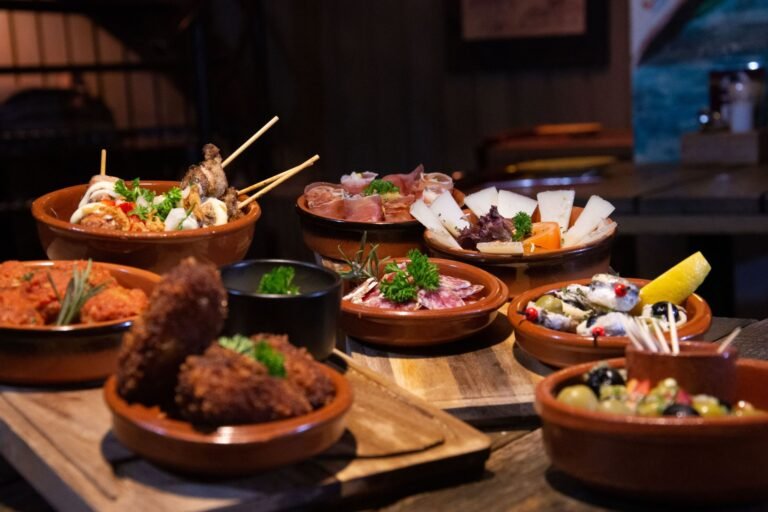
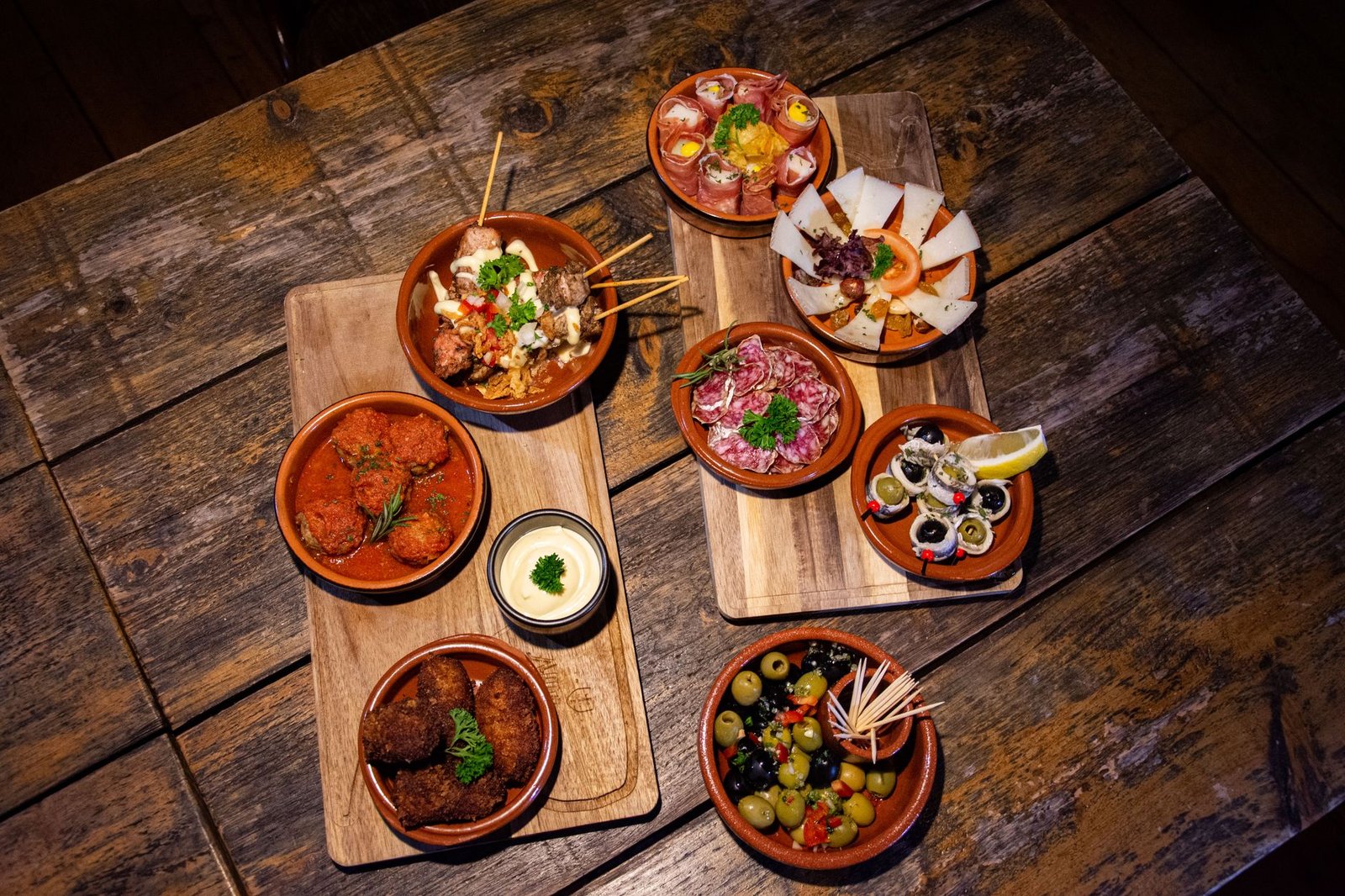
When people picture Spanish food, they often think of paella or perhaps a big plate of jamón ibérico. But the real heartbeat of Spanish dining, the tradition that truly encapsulates how people connect and celebrate here, is the humble tapa. Understanding why sharing tapas in Spain is my favorite tradition means seeing past the small plates and appreciating a profound cultural ritual. It’s not just about what you eat; it’s about the pace of life, the conversations that flow freely, and the spontaneous joy of moving from one little bar to the next, experiencing a constantly evolving culinary and social landscape. It’s a fundamental part of the Spanish way of living, a daily communion that visitors often miss if they stick to traditional sit-down meals. This guide isn’t just about what to order; it’s about how to truly embrace the vibrant, shared experience of tapas, just like those of us who live here do every single day.
Quick Answer: The Essence of Sharing Tapas
Sharing tapas in Spain is much more than a dining preference; it’s a deeply ingrained cultural tradition that fosters community, encourages social interaction, and allows you to experience a diverse array of Spanish flavors in one sitting. It’s about savoring small bites with friends and family, moving between lively bars, and embracing a relaxed, communal approach to food that prioritizes connection over individual dishes.
The Heart of Spain: More Than Just Food
Living in Spain for 15 years has shown me that tapas are not merely appetizers or small dishes. They are the backbone of social life. The act of going out for tapas, or doing a tapeo, is an activity in itself, a social ritual that defines evenings and weekend afternoons across the country. It’s a dynamic, standing-room-only experience where conversation is king and plates are passed around freely. You won’t find hushed tones or formal service; instead, expect a lively buzz, the clatter of plates, and the joyous shouts of friends catching up.
The beauty of the tapeo lies in its flexibility. You don’t commit to one restaurant for the entire evening. Instead, you visit two, three, or even four different bars, sampling a specialty at each. This tradition breaks down barriers, both culinary and social. Everyone gets to try a bit of everything, sparking discussion and shared enjoyment. It’s an antidote to solitary dining, designed to bring people together. I often find that the best conversations happen standing at a bar, leaning against the counter, amidst the cheerful chaos of a busy tapas spot.
This isn’t just about eating; it’s about participating in the rhythm of Spanish daily life. From the moment you step into a tapas bar, you’re not just a customer; you’re part of the fabric of the place. The quick service, the close quarters, the rapid-fire ordering – it all contributes to an atmosphere of shared experience. It’s about experiencing the country’s passion for food in its most unpretentious and authentic form. Whether it’s a quick stop before dinner or an entire evening dedicated to the art of the tapeo, these small plates offer a huge window into Spanish culture.
Decoding the Tapas Menu and Order
Navigating a Spanish tapas bar can feel a little daunting at first, but once you understand the system, it’s incredibly rewarding. First, understand the terminology: a “tapa” is a small portion, a “media ración” is a half portion (larger than a tapa, good for two people to share), and a “ración” is a full portion, meant for several people. Most establishments will offer tapas and raciones, and many will include media raciones. My advice? Always start with tapas or media raciones to try more variety.
Ordering is generally casual. In many places, especially smaller, traditional bars, you simply get the attention of the server at the bar. Don’t be afraid to speak up. Point if you need to, or learn a few basic phrases like “Una de [dish name], por favor” (One [dish name], please). Don’t expect extensive explanations of each dish; often, the best way to discover something new is to see what others are ordering or to simply ask “Qué me recomiendas?” (What do you recommend?).
Prices for tapas are usually very reasonable, making it easy to sample widely. Expect to pay between €2.50 and €4.50 for a standard tapa. Media raciones typically range from €5 to €9, and full raciones can be anywhere from €9 to €18, depending on the ingredients and the establishment. Keep an eye out for daily specials written on a chalkboard – these are often the freshest and most seasonal options. And remember, the goal isn’t to get full at one place; it’s to enjoy a few bites and then move on to the next adventure. This also prevents you from ordering too much at once, which is a common mistake for first-timers.
Here’s a quick guide to what you might encounter when deciding on your order:
- Pincho/Pintxo: Often found in northern Spain (especially the Basque Country), these are small, often elaborate, snacks served on a slice of bread and typically held together with a skewer. You often pick them directly from the bar.
- Tapa: The classic small plate. Could be anything from a few olives to a small serving of patatas bravas.
- Media Ración: A medium-sized plate, perfect for two people to share if you want a bit more of a specific dish.
- Ración: A full-sized plate, intended to be shared among a group, like a main course but still communal.
- Montadito: A small sandwich, usually a baguette slice with various toppings, hot or cold.
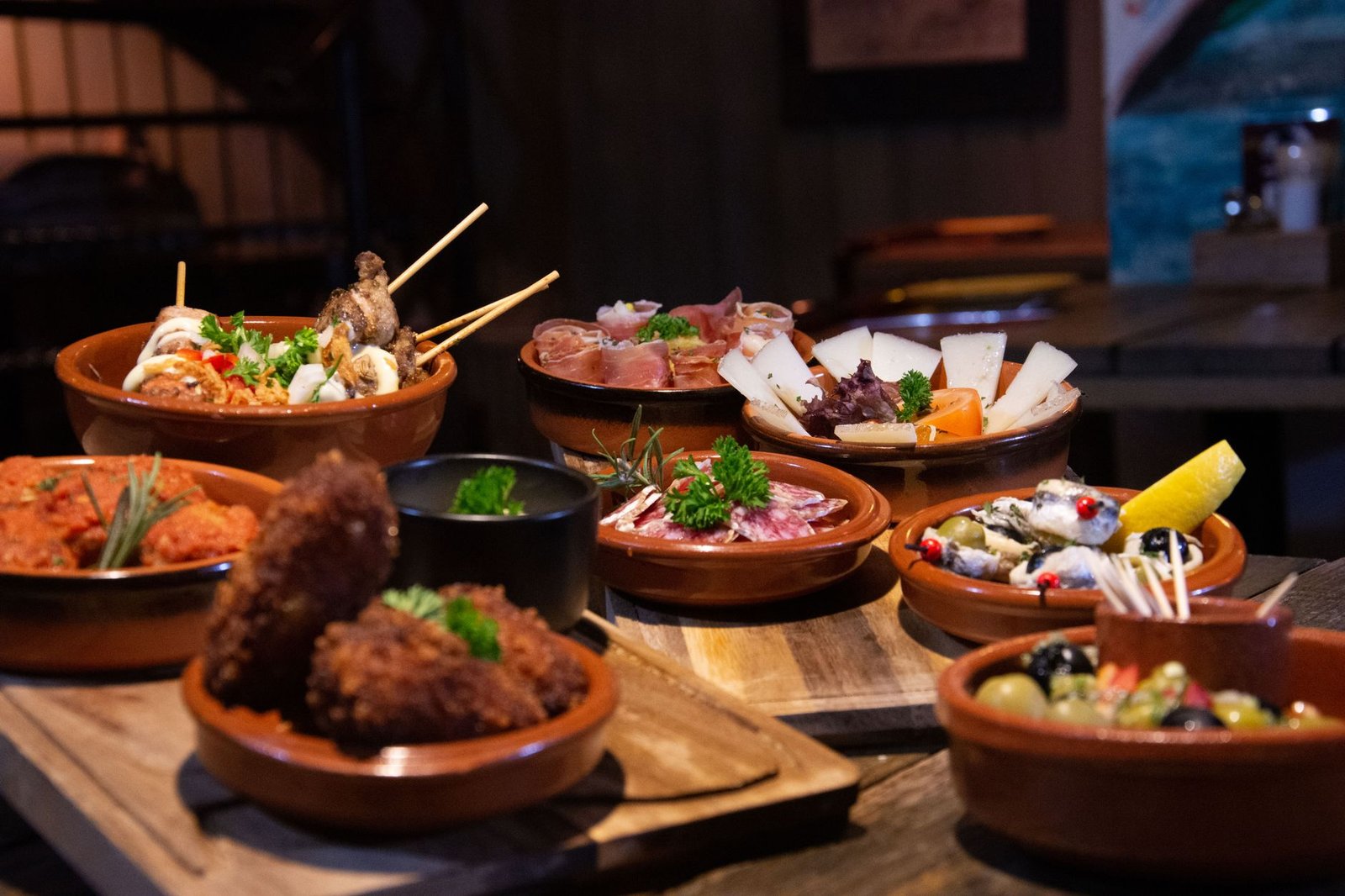
Tapas You Simply Must Try (and Where to Find Them)
There are countless tapas to discover, but some are absolute staples you should seek out. In Andalucia, especially places like Seville, you’ll find incredible tapas in Triana, Seville, including fresh seafood. Try espinacas con garbanzos (spinach with chickpeas), a hearty and flavorful dish. For something fried and satisfying, tortillita de camarones (shrimp fritters) from Cádiz are crispy, savory delights. If you’re in Málaga, make sure to try ensaladilla rusa (Russian salad), a creamy potato salad that is far more delicious than its name suggests, or maybe the refreshing ajoblanco, Malaga’s cold soup. And everywhere you go, keep an eye out for perfectly executed patatas bravas, where a crispy exterior gives way to a soft interior, all drenched in a spicy tomato sauce, which you can even learn to make with this Patatas Bravas recipe.
Another universal favorite is croquetas. Forget bland, frozen versions you might find elsewhere; Spanish croquetas are creamy, rich, and come in countless flavors: jamón, mushroom, bacalao (cod), even spinach. Each region, each bar, has its own recipe, a point of immense pride for chefs and families alike. If you want to try making them yourself, a croquetas recipe a Spanish abuela shared with me is pure joy. Then there’s tortilla española (Spanish omelet), simple yet profound, made with just potatoes, eggs, and sometimes onion. The perfect tortilla is thick, juicy, and almost custardy in the middle.
Every region truly has its own specialties. In Granada, the tradition of offering a free tapa with every drink is still strong, making it an excellent city for an economical (and delicious) tapeo. Here, the tapas are often more substantial, sometimes even a small plate of paella or stew. In Madrid, you’ll find more traditional fare like oreja a la plancha (grilled pig’s ear) or excellent cured meats. Don’t be afraid to step out of your comfort zone; the most rewarding culinary discoveries often come from trying something you wouldn’t typically order.
To help you start your journey, here are some must-try tapas you’ll find in most regions:
- Patatas Bravas: Fried potato cubes with spicy tomato sauce and often aioli. A classic.
- Gambas al Ajillo: Sizzling garlic shrimp, usually served in an earthenware dish. Absolutely irresistible.
- Tortilla Española: A thick, savory potato and egg omelet, served in wedges.
- Croquetas: Creamy, fried béchamel fritters with various fillings.
- Pan con Tomate: Toasted bread rubbed with fresh tomato, garlic, and olive oil. Simple perfection.
- Boquerones en Vinagre: Fresh anchovies marinated in vinegar, garlic, and parsley. Light and refreshing.
- Pimientos de Padrón: Small green peppers, fried and sprinkled with sea salt. Be warned: one in ten is spicy!
Mastering the Art of Tapeo: Etiquette and Atmosphere
Embracing the tapas culture means accepting a few unwritten rules and a specific atmosphere that might be different from what you’re used to. First and foremost, forget about finding a quiet corner. The best tapas bars are loud, often standing-room only, and filled with animated conversation. This is part of their charm; it’s where life happens. Don’t be surprised if you have to squeeze in or stand shoulder-to-shoulder with strangers – it’s all part of the communal experience.
Service can seem abrupt or hurried if you’re not accustomed to it. Servers are efficient, often dealing with a crowd, so have your order ready. Waving politely or making eye contact is usually enough to get attention. Also, don’t expect your food to come out in a specific order; dishes arrive as they’re ready, which is part of the fun of sharing. It’s all about a constant flow of small plates appearing and disappearing.
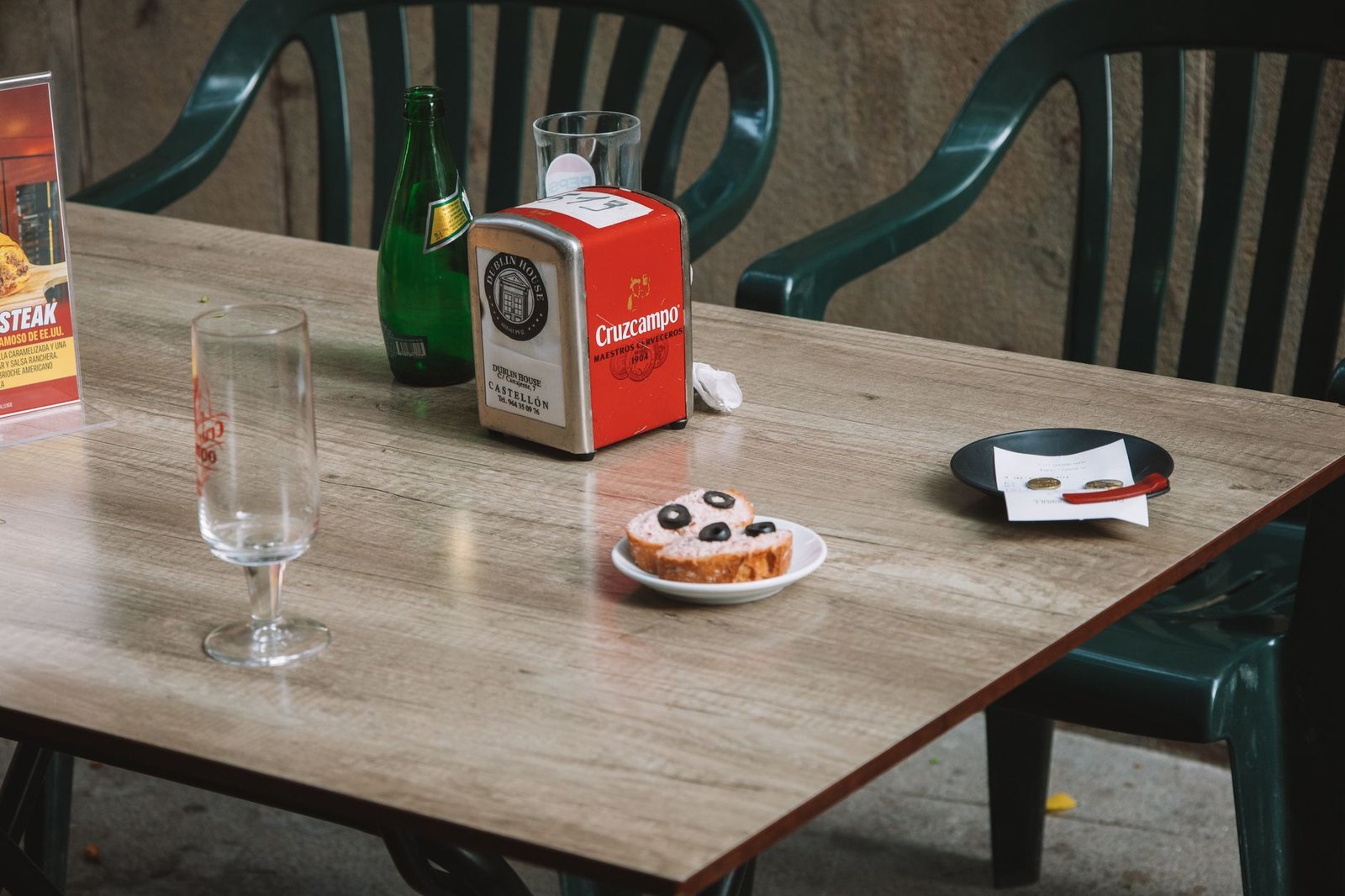
Paying is usually done at the end, often directly at the bar. Simply ask for “La cuenta, por favor” (The bill, please). Tipping isn’t as prevalent or expected as in some other countries. A small amount, perhaps rounding up to the nearest euro or leaving a euro or two for good service, is generally appreciated but not mandatory. Don’t leave a percentage as you might elsewhere. Remember, the focus is on the communal enjoyment, not individual service.
The biggest “downside” for some might be the lack of personal space or the noise level, especially during peak hours (13:30-15:00 for lunch and 21:00-23:00 for dinner). If you’re looking for a quiet, intimate meal, a traditional restaurant might be a better choice. However, if you’re seeking to immerse yourself in authentic Spanish daily life, the energetic, sometimes chaotic, atmosphere of a tapas bar is precisely what you’re after. After living here for 15 years, I’ve learned to love the bustle; it signifies a place that’s alive and thriving.
Here are some key tips for your tapas adventure:
- Stand at the Bar: This is often where the action is, and where you’ll get the quickest service.
- Order in Rounds: Don’t order everything at once. Order two or three tapas, enjoy them, and then order more if you’re still hungry.
- Share Everything: Tapas are designed for sharing. Pass plates around your group.
- Embrace the Noise: A loud bar means it’s a good bar. Dive into the lively atmosphere.
- Don’t Be Afraid to Move On: It’s perfectly normal to have one or two tapas at a bar and then move to another. This is the essence of a tapeo.
- Look for Locals: The best tapas bars are usually packed with locals. Follow the crowd!
- Keep an Eye on Your Belongings: In crowded spaces, it’s always wise to be aware of your wallet and phone.
Planning Your Tapas Journey: Cities and Costs
The tapas culture varies significantly from region to region, and understanding these nuances can help you plan your ideal tapas experience. As mentioned, Granada is famous for its tradition of providing a free tapa with every drink. This makes it an incredibly budget-friendly city for an evening of eating and socializing. You might pay €2.50-€3.50 for a drink and get a substantial small plate in return. Seville, on the other hand, is a city where tapas are paid for but are exceptional in quality and variety. The Triana neighborhood is particularly renowned for its traditional bars. Madrid offers a blend, with some areas featuring free tapas with drinks, while others are pay-per-tapa, focusing on quality and innovation.
For a truly immersive tapas experience, try to dedicate at least one evening to a full tapeo, moving between 3-4 different establishments. This allows you to compare different specialties, soak in varying atmospheres, and truly understand the ritual. You could even book a guided tour on Viator to help you navigate the best spots, especially if you’re new to the culture. These tours often take you to places you might not find on your own and provide valuable insights into the history and traditions behind the dishes.
When it comes to budgeting, a tapas evening can be surprisingly affordable, especially compared to a full restaurant meal. Here’s a rough breakdown for a typical evening for one person (adjust for group sharing):
| Item | Average Cost per Person | Notes |
|---|---|---|
| 3-4 Tapas | €9 – €18 | Assuming €3-€4.50 per tapa. |
| 2-3 Drinks | €5 – €9 | Water, soft drinks, juices. |
| Total for a casual evening | €14 – €27 | Very reasonable for a full evening out. |
| Free Tapas in Granada (with drinks) | €5 – €9 | You’re only paying for your drinks, food is complimentary. |
Consider staying in a central area that allows easy access to multiple tapas bars. After a full evening of exploration, a comfortable place to rest is key. You can always compare hotel prices on Booking.com to find accommodation that fits your budget and location preferences. The closer you are to the action, the more you can simply step out and begin your evening’s culinary journey without fuss.
FAQ: Why sharing tapas in Spain is my favorite tradition — Common Questions
Is it rude to share food in Spain?
Absolutely not! Sharing food, especially tapas, is not only accepted but expected and encouraged. It’s a fundamental part of the tapas culture, fostering a communal dining experience where everyone tries a bit of everything. Bringing a group to share several dishes is the ideal way to enjoy tapas.
How many tapas should I order for two people?
For two people, I generally recommend starting with 3-4 tapas or 2-3 media raciones. This allows you to taste a variety without over-ordering. You can always order more as you go, which is part of the fun of moving from one bar to the next and discovering new dishes.
Are tapas free in all of Spain?
No, the tradition of receiving a free tapa with your drink is primarily found in specific cities and regions, most notably Granada. While some bars in other cities might offer a small complimentary snack, it’s not a widespread practice. Always assume you’ll pay for your tapas unless you’re specifically in a region known for free tapas.
How do you pay for tapas at a busy bar?
At most busy tapas bars, you pay at the end of your visit, usually directly at the bar counter. Simply catch the attention of your server and ask for “La cuenta, por favor” (The bill, please). They will tally up your order, often on a small piece of paper or directly from memory, and you can pay cash or card there.
Embracing the tapas tradition is about far more than just enjoying delicious food; it’s about connecting with people, immersing yourself in the joyful rhythm of Spanish life, and creating memories that linger long after the last plate is cleared. It truly exemplifies how food can be a profound vehicle for culture and community here. If you’re looking to explore more specific dishes and perfect your ordering skills, make sure to check out my guide on sharing my perfect Spanish tapas order for joyful nights.
About the Author
After 15 years living and traveling across Spain, Caro knows this country in a way most travel writers never will. She’s not here to sell you a polished version of Spain, she’s here to show you the real one. Every guide on this site comes from her own experience: the restaurants she eats at, the routes she walks, the festivals she’s actually attended. She writes to cut through the noise and give you what actually matters. Learn more about Caro →