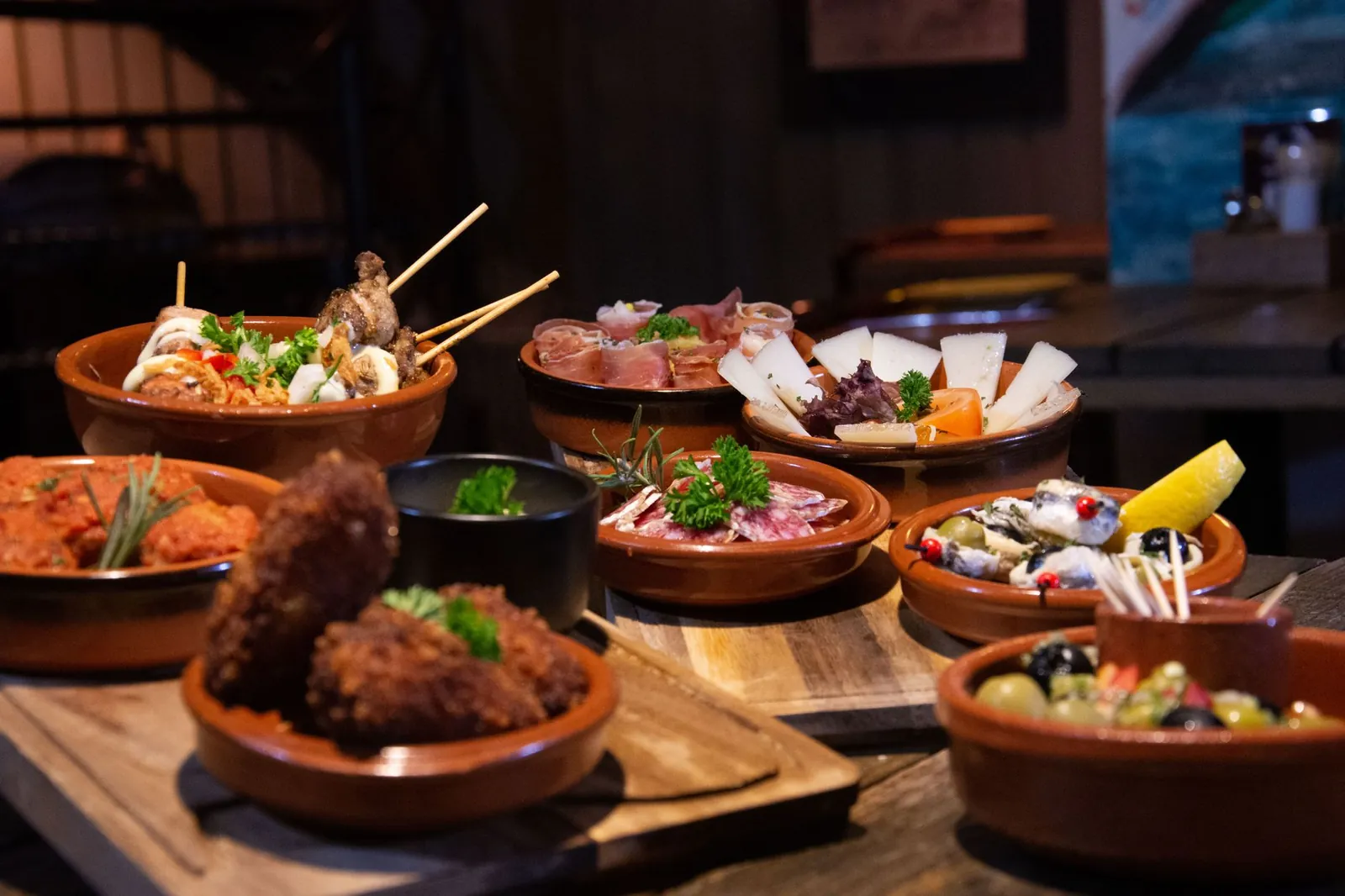
A croquetas recipe spanish abuela shared with me, pure joy.
Most visitors to Spain arrive with certain dishes already imprinted on their minds: the vibrant saffron hues of paella, the earthy richness of Jamón Ibérico, or the ubiquitous tortilla de patatas. But there’s a secret, a true heart of Spanish home cooking, that often remains just below the surface, waiting to be discovered by those who venture deeper than the tourist menus. This deeper truth is found in the humble yet glorious croqueta, and today I am sharing a special croquetas recipe spanish abuela shared with me, a recipe that embodies pure joy and the soul of Spanish kitchens.
Quick Answer: A Croqueta is a Culinary Embrace
Croquetas are small, oval-shaped fritters with a creamy béchamel filling, typically mixed with finely chopped ingredients like cured ham, chicken, or mushrooms, then breaded and deep-fried until golden and crispy. They are a beloved staple in Spanish tapas bars and an essential part of family meals across the country, offering a delightful contrast of textures and a comforting, rich flavor that speaks volumes about Spanish culinary tradition.
Why These Croquetas Are More Than Just Food
When you sit down at a Spanish table, whether in a bustling city bar or a quiet village home, and a plate of freshly fried croquetas appears, you know you’re in for a treat. They aren’t just an appetizer; they are a symbol of generosity, patience, and love. For years, I’ve watched Spanish grandmothers, tías, and neighbors prepare these tiny bites, each one a testament to their skill and the depth of their affection. These aren’t the mass-produced, uniformly bland croquetas you might find in some commercial settings. This is about handmade perfection, where the care taken in stirring the béchamel, finely chopping the jamón, and carefully breading each piece truly shines through.
In Spain, croquetas are a way to make the most of what you have. Often, they were born from leftovers – the succulent pieces of chicken from a Sunday roast, or the savory bits of ham too small to slice. But over time, they’ve evolved into a dish made for its own sake, cherished by everyone from toddlers to centenarians. The texture is key: a shatteringly crisp exterior that gives way to a smooth, molten interior, brimming with savory flavor. It’s a contrast that is utterly irresistible. People gather around the table, reaching for them as soon as they emerge from the kitchen, still warm enough to burn your fingers just a little, but too good to wait. This particular recipe, honed over generations, strikes that perfect balance, making it a true representation of home-cooked Spanish comfort.
Making croquetas is an act of culinary dedication. It’s not a quick meal. It requires time, attention, and a certain reverence for the process. But the reward – that first bite of a perfectly made croqueta – makes every minute spent utterly worthwhile. You’ll find different regional variations too; in Galicia, they often include seafood like bacalao (cod), while in other areas, mushrooms or even cheeses are common. But for many, the Jamón Ibérico croqueta is the undisputed king, a delicate interplay of the ham’s salty richness against the creamy backdrop of the béchamel. This recipe focuses on that classic, time-honored version, a foundation upon which you can later experiment with your own twists.
Gathering Your Ingredients: What You’ll Need and Why
The beauty of this croquetas recipe lies in its simplicity of ingredients, but the secret, as with all truly great Spanish food, is in the quality. You won’t need anything exotic, just good, honest produce. Remember, a Spanish abuela wouldn’t compromise on quality, and neither should you.
Ingredients (béchamel filling, breading, and frying; approx. 50-60 croquetas)
- 100 g Jamón Ibérico or good quality Serrano ham: Finely diced. This is non-negotiable for flavor. Invest in good ham; it makes all the difference.
- 100 g unsalted butter: For the roux, which forms the base of your creamy béchamel.
- 100 g plain wheat flour (all-purpose): The other half of your roux, thickens the sauce beautifully.
- 1 liter whole milk: Full-fat milk is essential for that rich, creamy texture. Warm it gently before adding to prevent lumps.
- 1 small onion (approx. 80-100 g): Very finely chopped. It adds a subtle sweetness and depth. Some recipes skip this, but an abuela often includes it.
- Pinch of freshly grated nutmeg: A classic addition to béchamel, enhancing its savory notes without overpowering.
- Salt and freshly ground black pepper: To taste. Season generously, remembering the ham is already salty.
- 2 tablespoons extra virgin olive oil: For sautéing the ham and onion. Use a good quality one.
- 3 large eggs: Whisked well. They act as the binder for the breadcrumbs.
- 200 g fine breadcrumbs: Not panko, but traditional Spanish breadcrumbs which are finer. You can make your own from stale white bread if you can’t find them.
- 1 liter mild olive oil or sunflower oil for deep frying: Spanish kitchens often use a mild olive oil for frying due to its higher smoke point and subtle flavor, but sunflower oil works well too and is often more cost-effective. You need enough to submerge the croquetas.
The estimated cost for these ingredients, assuming you already have basic salt, pepper, and some oil, would be around €15-€25, heavily depending on the quality of your Jamón Ibérico. Good quality Jamón can be pricey, but it’s worth the splurge for authentic flavor. A small block of decent Ibérico will run you about €8-€12 for 100g, while a good Serrano might be €4-€6. Milk, butter, flour, and eggs are relatively inexpensive, perhaps €5-€7 total. Frying oil can be €3-€5 for a liter. Consider this an investment in a truly Spanish culinary experience.
Mastering the Bechamel: The Heart of Your Croquetas
This is where the magic happens, and also where many people get nervous. Don’t be. Patience and a good wooden spoon are your best friends. The goal is a thick, smooth, lump-free béchamel that holds its shape when chilled.
Equipment You’ll Need
- Large, heavy-bottomed saucepan or Dutch oven
- Wooden spoon or sturdy whisk
- Sharp knife and cutting board
- Large, flat dish or baking tray for chilling the béchamel
- Cling film (plastic wrap)
- Deep frying pan or pot (preferably cast iron)
- Slotted spoon or spider strainer
- Large shallow bowls for breading
- Paper towels or a wire rack for draining
- Thermometer for frying oil (optional but recommended)
Step-by-Step for the Perfect Filling
- Prepare the Ham and Onion (10 minutes): Dice your Jamón Ibérico very, very finely. The smaller the pieces, the better they will integrate into the béchamel and distribute flavor. Finely chop the onion into tiny pieces, almost a mince.
- Sauté the Aromatics (5 minutes): Heat 2 tablespoons of extra virgin olive oil in your large, heavy-bottomed saucepan over medium heat. Add the finely diced onion and cook gently until it’s translucent and soft, about 3-5 minutes. Do not let it brown. Add the finely diced ham and cook for another 2-3 minutes, just enough to release its incredible aroma and flavor. Remove the ham and onion mixture from the pan and set aside. Leave any rendered fat in the pan.
- Make the Roux (5-7 minutes): Reduce the heat to medium-low. Add the 100g of unsalted butter to the pan with any remaining ham/onion fat. Let it melt completely. Once melted, add the 100g of flour all at once. Stir continuously with your wooden spoon or whisk. You are making a roux. Cook this mixture for about 2-3 minutes, stirring constantly, until it forms a pale, sandy paste and smells slightly nutty. This cooks out the raw flour taste, which is crucial.
- Add the Milk Gradually (15-20 minutes): Now comes the patience. Gradually pour in the warm liter of whole milk, a small amount at a time, whisking vigorously after each addition to incorporate it fully and prevent lumps. It will look like a thick paste at first, then loosen up. Continue this process slowly. It’s essential to let each addition of milk be fully absorbed and thickened before adding more. Once all the milk is incorporated, you should have a smooth, thick béchamel sauce.
- Cook the Béchamel to Perfection (10-15 minutes): Continue cooking the béchamel over medium-low heat, stirring constantly, for at least 10-15 minutes. This prolonged cooking time is what makes the croquetas creamy and flavorful, and ensures the flour is thoroughly cooked. The béchamel should be very thick – so thick that when you draw your spoon through it, it leaves a clear trail on the bottom of the pan, and it should easily fall off the spoon in a thick blob, not run.
- Season and Combine (2 minutes): Remove the pan from the heat. Stir in the reserved sautéed ham and onion mixture. Add a generous pinch of freshly grated nutmeg, salt, and freshly ground black pepper to taste. Be careful with the salt, as the ham is salty. Mix everything thoroughly.
- Chill the Filling (minimum 4 hours, ideally overnight): This is perhaps the most crucial step for easy shaping. Pour the hot béchamel mixture into a large, flat dish or baking tray. Spread it out evenly to about 2-3 cm thick. Cover the surface directly with cling film, pressing it down so it touches the béchamel. This prevents a skin from forming. Place it in the refrigerator for at least 4 hours, but ideally overnight. The colder and firmer it is, the easier it will be to shape.
One common mistake here is rushing the béchamel. If it’s too thin, your croquetas will fall apart in the fryer. If it’s lumpy, you haven’t whisked enough. If it tastes like raw flour, you haven’t cooked the roux long enough. Take your time, trust the process, and you’ll be rewarded with a béchamel that is the perfect foundation for your croquetas.
Shaping and Frying: Getting That Golden Perfection
Once your béchamel is perfectly chilled and firm, the next steps are shaping, breading, and frying. This part can feel a bit assembly-line-like, but with a good system, you’ll be producing beautiful croquetas in no time.
Shaping Your Croquetas (30-45 minutes)
Remove the chilled béchamel from the refrigerator. It should be firm enough to handle. Some people use two spoons, but I find working with lightly oiled hands is much more efficient and gives better control. Take a small amount of the béchamel (about a tablespoon, around 20-25g) and roll it between your palms to form an oval or cylinder shape, roughly 4-5 cm long and 2-3 cm wide. Aim for consistency in size so they cook evenly. Place the shaped croquetas on a clean tray or plate as you go.
This is where the “abuela touch” comes in handy. It takes a little practice to get the shape just right, not too big, not too small, and uniform. Don’t worry if your first few aren’t perfect; they’ll still taste amazing.
Breading for Crispiness (20-30 minutes)
Set up your breading station. You’ll need three shallow dishes:
- Dish 1: Flour (about 50g, optional but some abuelas do this for extra crispiness)
- Dish 2: Whisked eggs (3 large eggs, whisked well with a pinch of salt)
- Dish 3: Fine breadcrumbs (200g)
Working in batches, carefully roll each shaped croqueta first in the optional flour (dusting off any excess), then dip it completely in the whisked egg, ensuring it’s fully coated. Let any excess egg drip off. Finally, roll it generously in the breadcrumbs, pressing gently to make sure the crumbs adhere well and form a complete, even coating. This triple-layering is key for a truly crispy crust that won’t absorb too much oil. Place the breaded croquetas back on a clean tray. Once all croquetas are breaded, it’s a good idea to chill them for another 30 minutes to an hour. This helps the coating set and reduces the chance of them breaking apart during frying.
Frying to Golden Perfection (15-20 minutes)
Heat your chosen frying oil in a deep frying pan or pot over medium-high heat. You need enough oil so the croquetas can be fully submerged. The ideal temperature for frying croquetas is 175°C-180°C. If you have a thermometer, use it. If not, you can test by dropping a small piece of breadcrumb into the oil; it should sizzle immediately and turn golden brown within 30-45 seconds.
Carefully lower 3-4 croquetas into the hot oil using a slotted spoon. Do not overcrowd the pan, as this will lower the oil temperature and result in greasy croquetas. Fry them for about 2-3 minutes, turning occasionally, until they are a beautiful, even golden brown on all sides. They cook quickly because the filling is already cooked and only needs to heat through and become molten.
Using a slotted spoon, remove the cooked croquetas from the oil and place them on a wire rack lined with paper towels to drain any excess oil. This is important to keep them crisp. Repeat with the remaining croquetas.
The biggest pitfall here is frying at the wrong temperature. If the oil isn’t hot enough, the croquetas will absorb too much oil and be soggy. If it’s too hot, the outside will burn before the inside is properly heated through. Getting the oil temperature right means a crispy, golden exterior and a wonderfully creamy, hot interior every time.
Serving Your Homemade Croquetas: Enjoying the Effort
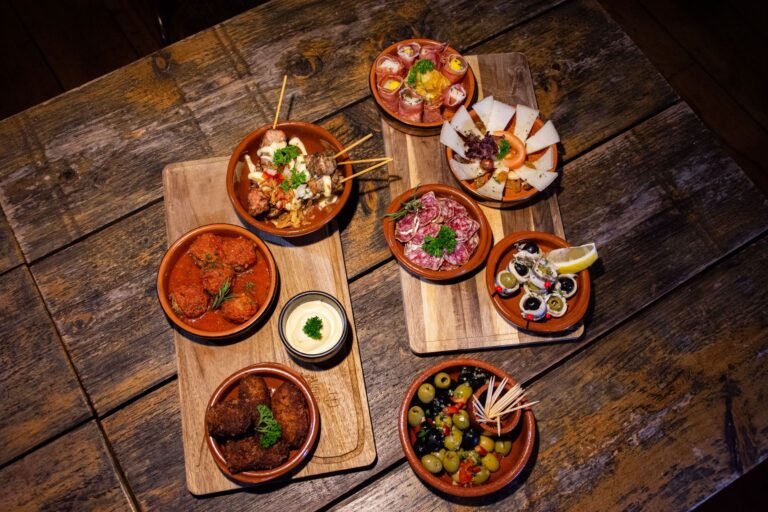
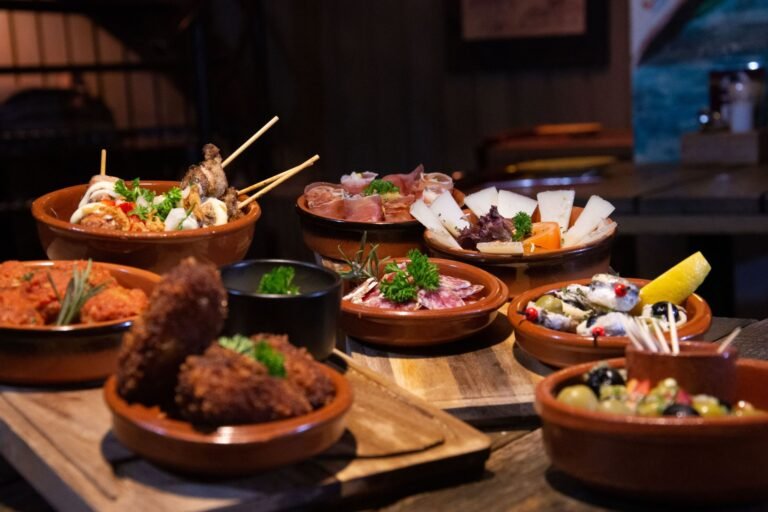
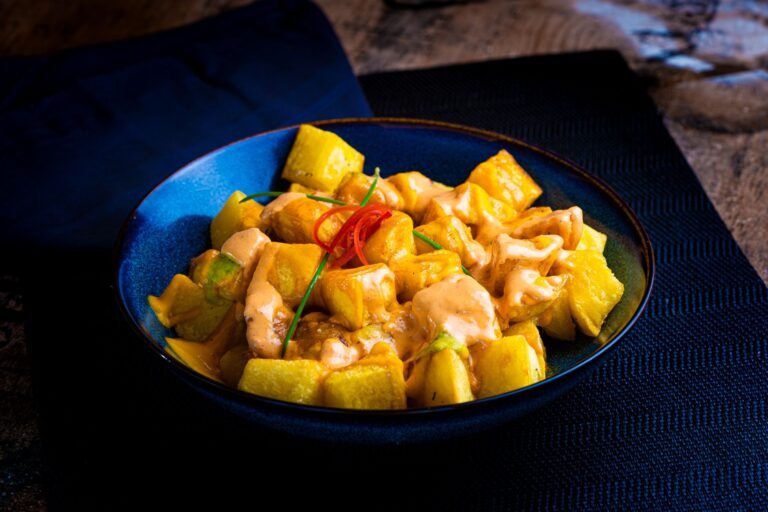
Serve your croquetas immediately while they are still hot and the béchamel is wonderfully soft and molten inside. They are fantastic on their own as a tapa, perhaps with a simple squeeze of lemon, though most purists would argue they need nothing else. They also make an excellent addition to a larger spread of Spanish dishes. Consider serving them alongside a vibrant authentic Patatas Bravas recipe or a refreshing bowl of authentic Ajoblanco Malagueño recipe for a complete Spanish tapas experience.
Storage: Leftover croquetas can be stored in an airtight container in the refrigerator for 2-3 days.
Reheating: To reheat, place them in a preheated oven at 180°C for about 10-15 minutes until heated through and crispy again. Avoid the microwave, which will make them soft.
Freezing: You can also freeze un-fried, breaded croquetas. Arrange them on a baking sheet so they don’t touch, freeze until solid, then transfer to a freezer-safe bag or container. They will keep for up to 2-3 months. Fry them directly from frozen, adding a couple of extra minutes to the frying time.
Don’t be afraid to experiment with fillings once you’ve mastered this classic. Shredded leftover roast chicken (pollo), sautéed mushrooms (setas), or even blue cheese (queso azul) are all popular variations you’ll find across Spain. The essential technique for the béchamel remains the same; only the flavor mix-ins change. But for your first attempt, stick to this traditional croquetas recipe spanish abuela shared with me, and truly taste the heart of Spain in every bite. It’s a labor of love, but one that rewards you with an experience far beyond just eating a meal.
| Common Croqueta Challenge | The Problem | Caro’s Solution / Abuela’s Wisdom |
|---|---|---|
| Runny Béchamel | Not enough flour, or not cooked long enough to thicken properly. | Cook the béchamel longer, stirring constantly, until it leaves a clear track on the bottom of the pan. Ensure milk is added slowly. |
| Lumpy Béchamel | Milk added too quickly, or not whisked vigorously enough. | Whisk continuously as you add warm milk in small increments. If lumps appear, push through a fine-mesh sieve or use an immersion blender before chilling. |
| Croquetas Fall Apart Frying | Béchamel not chilled enough, or breading not complete/thick enough. Oil too cold. | Chill béchamel overnight if possible. Ensure each croqueta is fully coated in egg and breadcrumbs. Check oil temperature (175-180°C). |
| Greasy Croquetas | Oil temperature too low, causing them to absorb oil instead of frying. | Maintain oil temperature at 175-180°C. Don’t overcrowd the pan. Drain immediately on paper towels or a wire rack. |
| Burnt Outside, Cold Inside | Oil temperature too high, or croquetas are too large. | Reduce oil temperature slightly. Ensure croquetas are a consistent, manageable size (4-5 cm long). |
FAQ: A croquetas recipe spanish abuela shared with me, pure joy. — Common Questions
What kind of ham should I use for authentic Spanish croquetas?
For the most authentic and best flavor, use finely diced Jamón Ibérico. If that’s difficult to source or outside your budget, a good quality Serrano ham is an excellent alternative. Avoid pre-packaged, low-quality ham, as it won’t give you the rich, savory depth these croquetas deserve.
Can I make the béchamel filling ahead of time?
Absolutely, and in fact, it’s highly recommended! The béchamel needs to be thoroughly chilled and firm to be properly shaped. You can make the béchamel a day or two in advance, cover it tightly with cling film, and store it in the refrigerator. This even allows the flavors to meld beautifully.
What’s the best oil for frying croquetas?
In Spain, many cooks use a mild olive oil for deep frying due to its higher smoke point and subtle flavor. If that’s not readily available or too costly for deep frying, a good quality sunflower oil or another neutral vegetable oil with a high smoke point is a perfectly acceptable alternative. The key is to use fresh oil and enough of it to submerge the croquetas.
How do I make sure my croquetas are perfectly crispy on the outside?
Several factors contribute to a crispy exterior: ensuring the béchamel is firm, carefully breading each croqueta completely with egg and fine breadcrumbs (some even double-bread for extra crunch), and most importantly, frying them in oil heated to the correct temperature of 175°C-180°C. Also, don’t overcrowd the fryer, and drain them on a wire rack after frying.
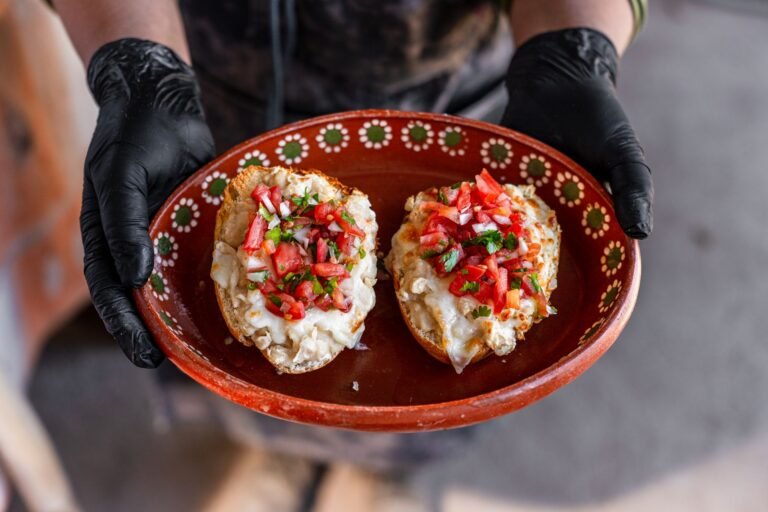
Making croquetas from scratch is an experience that connects you directly to the heart of Spanish gastronomy. It’s about the process, the care, and the delicious reward. Once you’ve mastered this recipe, you’ll not only have a beloved dish to share, but a deeper appreciation for the rich traditions that make Spanish food so special. If you’re looking for another classic Spanish breakfast or snack that feels just as authentic and satisfying, don’t miss trying out this Molletes Antequera Breakfast Recipe.
About the Author
After 15 years living and traveling across Spain, Caro knows this country in a way most travel writers never will. She’s not here to sell you a polished version of Spain, she’s here to show you the real one. Every guide on this site comes from her own experience: the restaurants she eats at, the routes she walks, the festivals she’s actually attended. She writes to cut through the noise and give you what actually matters. Learn more about Caro →