This Molletes Antequera Breakfast Recipe Is Pure Spain
Some links in this guide are affiliate links — if you book through them we may earn a small commission at no extra cost to you. It never changes what we recommend. Full disclosure.
Spain is a land of vibrant traditions, grand fiestas, and meals that stretch into the late hours, but sometimes, the true heart of its culture beats strongest in the quiet, unassuming moments. While many imagine elaborate tapas spreads or rich paellas, the most profound experiences often come from something far simpler. This molletes Antequera breakfast recipe isn’t about complexity; it’s about authenticity, a taste of Andalusian life that feels like a warm embrace. I’ve spent 15 years living here, absorbing these daily rituals, and I can tell you that understanding a country often starts with its breakfast, especially when it’s as rooted in local pride as this one.
Quick Answer: This Molletes Antequera Breakfast Recipe Is Pure Spain
A mollete is a distinctive, soft, flat, and round Spanish bread roll, famously originating from Antequera, Málaga, designed specifically for toasting and soaking up rich olive oil and fresh tomato for breakfast. Its unique texture and mild flavor make it the ideal canvas for traditional Andalusian breakfast spreads, offering a foundational taste of southern Spain’s culinary heritage that you can easily recreate at home.
What Exactly Are Molletes, And Why Antequera?
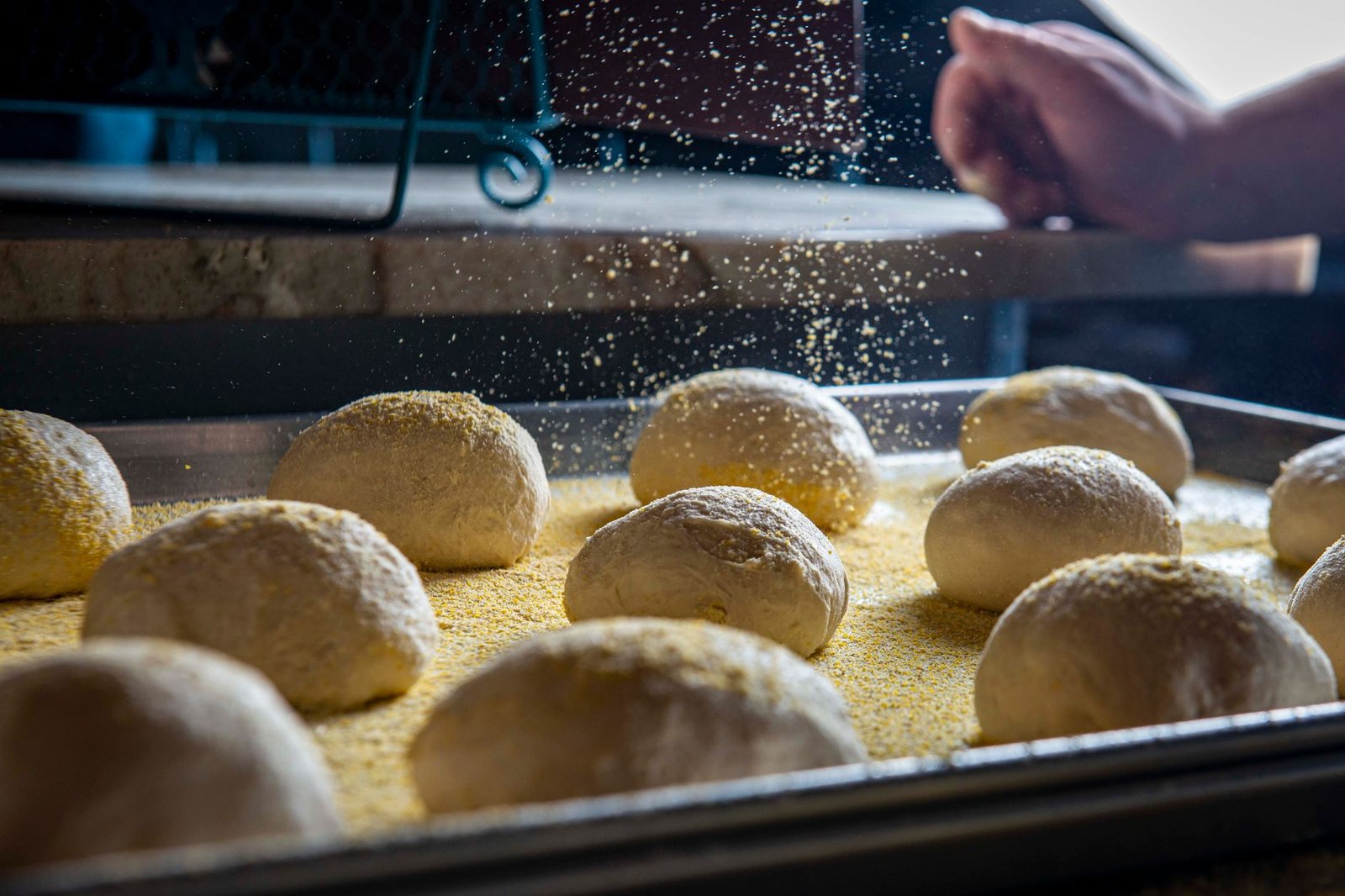
Imagine a bread that’s perfectly yielding, with a soft crumb and a thin, flour-dusted crust – that’s a mollete. It’s not a crispy baguette, nor is it a dense sourdough. Instead, it offers a gentle chew, making it ideal for absorbing the liquids it’s paired with. The shape is distinctive: usually a flattened, irregular circle, often showing the marks of being lovingly handled and shaped by hand before baking. You’ll find it dusted liberally with flour, giving it a rustic, inviting appearance.
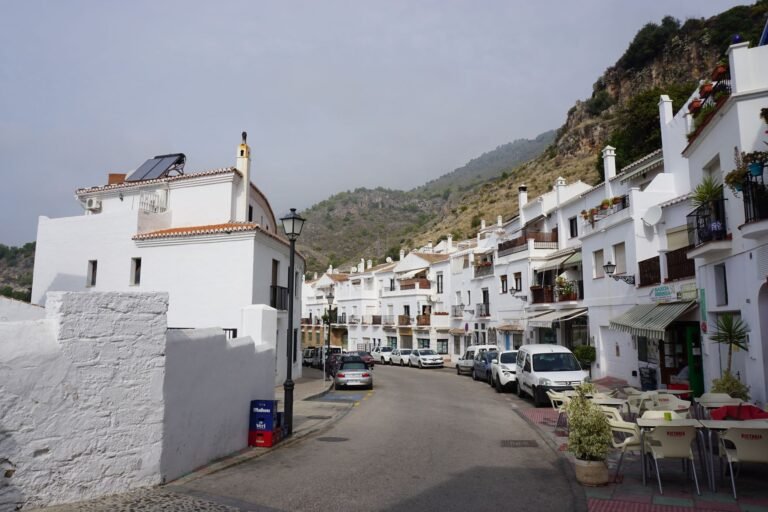
While you can find variations across Andalusia, the true home, the undisputed capital of molletes, is Antequera. This historic town, nestled in the heart of Málaga province, has been baking these rolls for centuries. The tradition runs deep here, woven into the fabric of daily life. Locals don’t just eat molletes; they grow up with them, a taste of home, a comfort food that defines the start of their day. It’s not just a commercial product; it’s a cultural identifier. Antequera makes a rewarding stop beyond the bakery too; the El Torcal hiking trails just outside town wind through a surreal limestone landscape.
The flour in Antequera, often locally milled, contributes to the mollete’s unique character. The region’s climate, too, plays a subtle role in the fermentation process. Every *panadería* (bakery) in Antequera has its own slight variation, a secret touch passed down through generations. When you walk into a bakery in Antequera in the early morning, the scent of freshly baked molletes is almost intoxicating. They’re sold warm, often still steaming slightly, ready to be taken home and prepared for the most important meal of the day.
This isn’t just about a roll of bread; it’s about a vehicle for the incredible produce of Andalusia. The mollete is designed to elevate simple, high-quality ingredients like local olive oil and ripe tomatoes. It’s a testament to the Spanish philosophy of food: sometimes, the simplest things, when made with care and the best ingredients, are the most profound.
The Essential Accompaniments: Beyond Just Toast
A mollete, on its own, is good, but it truly transforms when paired with the right toppings. This is where the magic of the Spanish breakfast happens, moving far beyond what many might consider typical toast.
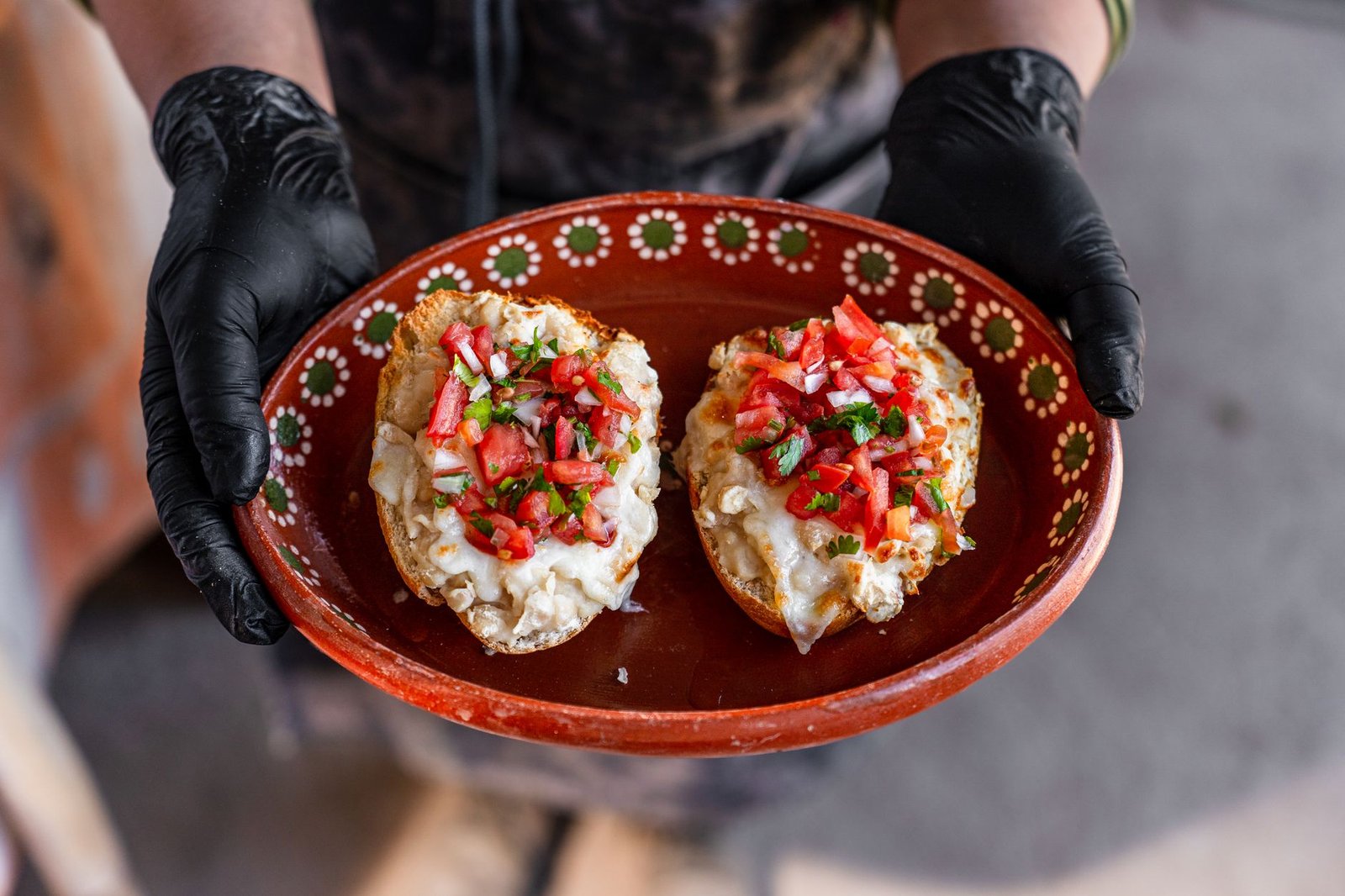
The undisputed king of mollete toppings is aceite de oliva virgen extra (extra virgin olive oil) and tomate triturado (grated tomato). This combination is foundational across Andalusia. The olive oil should be high-quality, preferably from the region, with a peppery kick and a rich, fruity aroma. You don’t just drizzle it; you allow it to soak generously into the toasted mollete. The grated tomato isn’t a slice, or even a dice, but rather a pulpy spread, often made by simply grating a ripe tomato directly over the bread or into a small bowl. This ensures maximum flavor and moisture, creating a vibrant, fresh layer.
Here’s how you prepare the tomato properly:
- Choose a ripe, firm tomato. Roma or similar varieties work well.
- Cut the tomato in half horizontally.
- Using a grater (the larger holes are fine), grate the tomato halves directly over a bowl or plate, cut-side down. You’ll be left with just the skin in your hand, discarding it.
- Season the grated tomato lightly with a pinch of salt.
Once you have your tomato and olive oil ready, the next common addition is cured meat. Jamón serrano is a popular choice, its savory, slightly salty flavor a perfect contrast to the freshness of the tomato and the richness of the oil. For a real treat, or if you want to splurge a little, opt for thin slices of jamón ibérico. The melt-in-your-mouth fat and intense nutty flavor take the breakfast to another level.
Other traditional, equally delicious, options include:
- Zurrapa de Lomo: This is a traditional pork loin spread, often made with lard and spices, common in Andalusia. It’s rich, intensely savory, and wonderfully unctuous. You spread it thinly on the mollete, and it melts slightly from the toast’s warmth.
- Paté: While often a more modern addition, a good quality liver paté or even a simple tuna paté can be found on molletes.
- Honey (Miel): For those with a sweet tooth, a drizzle of local honey, especially rosemary or orange blossom honey, can be delightful on a plain mollete, sometimes with a little butter or cream cheese.
- Mantequilla y Mermelada: Butter and jam are also options, though less traditionally Spanish for molletes compared to the savory choices. Still, if that’s your preference, it works well on the soft bread.
The key, no matter the topping, is the quality of the ingredients. A mollete elevates what you put on it, so choose the best olive oil, the freshest tomatoes, and the finest cured meats you can find. This commitment to quality, even for a simple breakfast, is a hallmark of Spanish food culture.
Your Authentic Molletes Antequera Breakfast Recipe
Making molletes at home requires a little time, but the process is straightforward, and the result is incredibly rewarding. You’ll need a stand mixer if you want to make it easier, but it can absolutely be done by hand.
Ingredients:
- For the Molletes:
- 500 g strong white bread flour (or plain flour with 10% whole wheat)
- 350 ml lukewarm water
- 10 g fresh yeast (or 3.5 g active dry yeast, rehydrated)
- 10 g fine sea salt
- Extra flour for dusting
- For Serving (Traditional):
- 2-3 ripe tomatoes (medium size)
- 100 ml extra virgin olive oil (high quality)
- 100 g thinly sliced jamón serrano or jamón ibérico
- Pinch of sea salt
Equipment:
- Large mixing bowl
- Clean kitchen towel
- Baking tray(s)
- Baking paper
- Oven
- Toaster or grill pan
- Grater (for tomatoes)
Steps:
- Prepare the Dough (Mixing):
- In your large mixing bowl, combine the flour and salt. Give it a quick stir.
- In a separate small bowl, crumble the fresh yeast into the lukewarm water (around 30-35°C). Stir gently until dissolved. If using active dry yeast, let it sit for 5 minutes until foamy.
- Pour the yeast mixture into the flour and salt. Mix with a wooden spoon or your hand until a shaggy, wet dough forms. It will be quite sticky, and that’s correct.
- If using a stand mixer with a dough hook, knead on low speed for 8-10 minutes until the dough is smooth and elastic. If kneading by hand, turn the dough out onto a lightly floured surface and knead for 10-15 minutes, pushing and folding until it’s smooth and less sticky. Don’t add too much extra flour, resist the urge to dry it out.
- First Rise (Bulk Fermentation):
- Place the dough back into the lightly oiled mixing bowl, turning it once to coat.
- Cover the bowl with a clean kitchen towel or cling film.
- Let it rise in a warm, draft-free place for 1.5 to 2 hours, or until it has doubled in size. This can vary based on room temperature.
- Shape the Molletes:
- Gently turn the risen dough out onto a well-floured surface. Do not punch it down vigorously; try to maintain some of the air.
- Divide the dough into 8-10 equal pieces (around 80-100 g each).
- Take each piece and gently form it into a loose, flattened round. They don’t need to be perfect circles; the rustic, slightly irregular shape is part of their appeal. Don’t knead them tightly.
- Dust each shaped mollete generously with flour on both sides.
- Second Rise (Proofing):
- Line your baking tray(s) with baking paper.
- Arrange the shaped, floured molletes on the baking tray, leaving a little space between them but allowing them to touch slightly if needed (they don’t expand outwards as much as upwards).
- Cover the tray loosely with a clean kitchen towel.
- Let them rise again for another 30-45 minutes, or until visibly puffy and light.
- Bake the Molletes:
- Preheat your oven to 200°C (180°C fan/Gas Mark 6) with a baking sheet inside to get hot.
- Carefully transfer the baking paper with the molletes onto the preheated baking sheet in the oven. The hot sheet helps create a good crust.
- Bake for 12-15 minutes. Molletes are typically baked to be pale, not deeply browned. They should be soft to the touch with a very slight golden hue on the bottom.
- Remove from the oven and let them cool on a wire rack. They are best enjoyed fresh, ideally on the day they are baked.
- Prepare for Serving:
- Once cooled, slice a mollete horizontally through the middle, almost like a burger bun.
- Toast the cut sides lightly. You want them warm and slightly crisp, but not hard and dry. A toaster works well, or a grill pan.
- While the molletes are toasting, grate your ripe tomatoes as described above.
- Once toasted, drizzle the cut sides generously with extra virgin olive oil. Let it soak in.
- Spread the grated tomato over one half of the mollete.
- Layer with thin slices of jamón serrano or ibérico.
- Add a tiny pinch of salt to the tomato if it needs it.
- Serve immediately.
Making your own molletes is a rewarding experience, connecting you directly to the culinary traditions of Antequera. Don’t be discouraged if your first batch isn’t perfect; bread making is a skill that improves with practice.
Making the Molletes Experience Your Own: Where to Find Them & How to Enjoy
While making molletes from scratch is a fantastic project, sometimes you just want to experience them fresh from the bakery or in a local cafe. Even if you’re not in Antequera, these rolls are becoming more widely available, though the authenticity might vary.
Across Spain, you can often find molletes in larger supermarkets, especially in Andalusia. Look in the bakery section for fresh rolls marked “mollete” or “pan de Antequera.” The quality can differ significantly, so if you have access to a local *panadería* (bakery), that’s always your best bet. A good panadería will often have a fresh batch baked daily, though they might not explicitly label them as “Antequera style” if they’re not in the region.
To truly experience molletes in their natural habitat, however, you need to visit Antequera itself. The town is filled with small, unassuming cafes and bars where breakfast is a serious affair. You don’t need a fancy restaurant; often, the most authentic molletes are served in modest establishments that have been open for decades. Ask for a “mollete con tomate y jamón” and a “café con leche,” and you’ll have a quintessential Andalusian start to your day. Prices are usually very reasonable:
| Item | Average Price (Cafe in Antequera) | Cost to Make at Home (per serving) |
|---|---|---|
| Mollete plain | €1.00 – €1.50 | €0.30 – €0.50 (ingredients for 1) |
| Mollete con tomate y aceite | €2.00 – €2.50 | €0.60 – €1.00 |
| Mollete con tomate, aceite y jamón | €3.50 – €4.50 | €1.50 – €2.50 |
| Café con leche | €1.30 – €1.80 | €0.50 – €0.80 |
When you’re in Antequera, make sure to walk into a local bakery like any of the traditional bakeries you’ll find around the town square in the morning. They’ll have piles of freshly baked molletes, still warm from the oven. You can buy them by the unit, typically for around €0.40-€0.60 each, and take them back to your accommodation to prepare your own breakfast. This is often my preferred method when staying in an apartment, allowing me to choose my own olive oil and jamón. Consider comparing hotel prices on Booking.com if you plan to stay a few nights and truly immerse yourself in the town’s rhythm.
Beyond Breakfast: Exploring Antequera
While the mollete breakfast is a highlight, Antequera offers much more than just its famous bread. It’s a town steeped in history and surrounded by stunning natural beauty, making it well worth a full day or even an overnight stay. I’d argue it’s one of Andalusia’s most underrated destinations, offering a genuine Spanish experience away from the busier coastal areas.
One of the most compelling reasons to visit is the Antequera Dolmens Site, a UNESCO World Heritage site. These ancient megalithic burial mounds, dating back over 5,000 years, are incredibly well-preserved and give you a sense of the earliest human presence in the region. The main dolmens are Cueva de Menga, Cueva de Viera, and Tholos de El Romeral. Entry is usually free, and they are typically open from 9:00 to 18:00 (closed Mondays), though checking specific seasonal hours online before your visit is always a good idea.
Perched high above the town is the Alcazaba of Antequera, a beautifully restored Moorish fortress offering panoramic views of the surrounding plains and the iconic Peña de los Enamorados (Lover’s Rock). Walking through its ramparts and courtyards is a journey back in time. Entry costs around €6-€7, and it’s generally open from 10:00 to 18:00 (with extended hours in summer and shorter in winter). Combine your visit with the Collegiate Church of Santa María la Mayor, just below the Alcazaba, for a full historical immersion.
For nature lovers, a trip to El Torcal de Antequera Natural Park is a must. This otherworldly landscape of karst rock formations, sculpted by millennia of wind and rain, feels like walking on another planet. There are several well-marked hiking trails ranging from easy (green route, 1.5 km, 45 mins) to moderate (yellow route, 3 km, 2 hours). It’s free to enter the park, but I recommend arriving early, especially on weekends, as parking can fill up. A small visitor center provides maps and information, and there’s a café. Book a guided tour on Viator for transportation and deeper insights into the geology if you prefer a structured visit.
Getting to Antequera is relatively straightforward. It’s well-connected by train, with the Antequera-Santa Ana high-speed rail station just outside town offering connections from Málaga (about 30 minutes), Seville (about 1 hour), and Madrid (about 2.5 hours). From the train station, local buses or a short taxi ride will take you into the town center. If driving, it’s about a 45-minute drive north from Málaga city. Parking in Antequera’s old town can be tricky, so look for underground public car parks like Parking Plaza de Castilla or Parking Centro.
Antequera offers a different kind of Spanish experience compared to the bustling cities or coastal resorts, one that prioritizes authentic culture, history, and the simple pleasures of life, like a freshly prepared mollete. It reminds me of the deep history you find when exploring Caceres Old Town, another place where every stone tells a story.
FAQ: This Molletes Antequera Breakfast Recipe Is Pure Spain — Common Questions
Are molletes available outside Antequera?
Yes, while Antequera is their origin and where they are most authentic, molletes have spread across Andalusia and can often be found in other Spanish regions, particularly in the south. Many supermarkets and local bakeries (panaderías) will sell them, especially in Málaga province. However, the exact flavor and texture might vary compared to those baked in Antequera, which hold a Denomination of Origin.
What’s the difference between molletes and regular toast?
The key differences are in the bread’s texture and intended use. Regular toast bread is often denser and designed to become uniformly crisp when toasted. Molletes, on the other hand, are baked to be very soft and pale, with a high moisture content. When toasted, the interior remains tender and spongy, specifically designed to absorb large amounts of olive oil and grated tomato without becoming brittle or hard, providing a much richer mouthfeel than standard toast.
Can I make molletes without a stand mixer?
Absolutely. While a stand mixer makes the kneading process quicker and less physically demanding, molletes can certainly be made by hand. The dough is quite wet and sticky, so be prepared for a good workout. Knead on a well-floured surface for 10-15 minutes until the dough becomes smooth and elastic. Resist adding too much extra flour, as that can make the final mollete too dense.
How do you store molletes?
Molletes are best eaten fresh on the day they are baked. However, you can store them in an airtight container or plastic bag at room temperature for 1-2 days. For longer storage, you can freeze them. Wrap individual molletes tightly in plastic wrap, then place them in a freezer-safe bag. They will keep for up to 2-3 months. To reheat, thaw them at room temperature, then slice and toast as usual.
There’s a quiet satisfaction in starting your day with a simple mollete, knowing you’re participating in a tradition centuries old, a genuine slice of Spanish life. Whether you bake them yourself or seek them out in the charming streets of Antequera, this breakfast isn’t just food; it’s an experience, a humble invitation to slow down and savor the real Spain. For more insights into everyday Spanish life and how to find these authentic moments, keep exploring our blog.
About the Author
After 15 years living and traveling across Spain, Caro knows this country in a way most travel writers never will. She’s not here to sell you a polished version of Spain, she’s here to show you the real one. Every guide on this site comes from her own experience: the restaurants she eats at, the routes she walks, the festivals she’s actually attended. She writes to cut through the noise and give you what actually matters. Learn more about Caro →