Cycling Girona’s Greenways: Route Guide for Beginners
Some links in this guide are affiliate links — if you book through them we may earn a small commission at no extra cost to you. It never changes what we recommend. Full disclosure.
Cycling Girona’s greenways means riding over 120 kilometers of former railway lines turned into flat, traffic-free paths connecting inland Catalonia to the Mediterranean coast. The main routes, Carrilet I and II, the Ruta del Ferro i del Carbo, and the Ruta del Termal, all have gentle gradients suitable for most fitness levels. Here is how to plan your route.
This article contains affiliate links. If you book through one, Spain Destination may earn a small commission at no extra cost to you. See the full affiliate disclosure →
Quick Answer: Girona’s Greenways
The Girona Greenways are a network of over 120 kilometers of former railway lines, repurposed into accessible, traffic-free paths perfect for cycling and walking, connecting inland towns to the Mediterranean coast, with the main routes being the Carrilet I and II, the Ruta del Ferro i del Carbó, and the Ruta del Termal, all offering gentle gradients suitable for most fitness levels.
Understanding the Girona Greenways: What They Are and Why They Matter
The Girona Greenways network, officially called Vies Verdes de Girona, spans over 120 kilometers, transforming disused railway tracks into flat, safe, and scenic routes for cyclists and walkers, primarily using compacted gravel or asphalt surfaces. These paths began their life as industrial arteries, connecting mines and towns to ports, but were lovingly converted starting in the 1990s, preserving a piece of local history while creating invaluable recreational spaces for everyone. This is a brilliant example of sustainable tourism and a fantastic way to experience Catalonia away from the usual crowds.
There are four main routes that form the backbone of this network, each with its own character:
- Vía Verde del Carrilet I (Olot to Girona): This 57-kilometer stretch guides you from the volcanic Garrotxa region, through lush countryside and charming villages, right into the heart of Girona city. It’s a descent for much of the way, making it quite manageable.
- Vía Verde del Carrilet II (Girona to Sant Feliu de Guíxols): At 39.7 kilometers, this route is arguably the most popular, taking you from Girona to the Costa Brava. You pass through cork forests, past agricultural fields, and eventually reach the sea, enjoying a largely flat or gentle downhill slope.
- Vía Verde del Ferro i del Carbó (Ripoll to Sant Joan de les Abadesses): This 15-kilometer route climbs gently through the Ter River valley, rich in industrial heritage, linking medieval towns and offering stunning mountain views. It’s a bit more uphill, but still very accessible.
- Vía Verde del Termal (Girona to Caldes de Malavella): A shorter 12-kilometer path connecting Girona to the thermal spa town of Caldes de Malavella, perfect for a half-day trip or a leisurely afternoon ride, leading to natural hot springs.
What I find truly special about these routes is their accessibility. They are designed for everyone – families with young children, casual riders, and more experienced cyclists alike. The gradients are almost always gentle, a legacy of their railway past, meaning no punishing climbs. You’re not dodging cars, which means you can really relax and soak in the surroundings. It’s a fantastic way to slow down and truly connect with the Catalan landscape, passing through sleepy villages where life still moves at a gentle pace, tasting local produce, and simply breathing in the fresh air. This is Spain at its most authentic and welcoming.
Essential Logistics for Your Girona Cycling Adventure
Renting a quality hybrid or mountain bike in Girona costs around €25-€35 per day, with multi-day discounts often bringing the price down to €20-€28 per day. Many shops offer delivery and collection services, even dropping bikes off at the start of a route like Olot and picking them up at the coast in Sant Feliu de Guíxols, usually for an additional €10-€20 per bike. Securing your bike and planning your journey is straightforward, but a little preparation goes a long way to ensure a smooth, enjoyable ride.
Getting to Girona:
- By Train: Girona is exceptionally well-connected by high-speed AVE trains from Barcelona (journey time 38 minutes, tickets around €10-€20 one-way, check Renfe for exact timings) and even Madrid. The train station is centrally located, making it easy to pick up rental bikes or reach your accommodation. If you’re coming from Barcelona, you’ll find the convenience of a train journey a stark contrast to navigating city traffic, leaving you fresh for your cycling adventure. For more ideas on how to connect your trip, consider checking out Barcelona in 2 Days: What Actually Matters (2026 Itinerary) for city planning.
- By Bus: Slower but often cheaper, buses connect Girona to many towns in Catalonia. The bus station is adjacent to the train station.
- By Car: While possible, I’d generally advise against renting a car if your primary goal is cycling the Greenways. Parking in Girona can be a hassle and expensive (€15-€25 per day in city center parking garages), and you won’t need a car once you’re on the bike paths.
Bike Rental: Most rental shops in Girona offer a good range of bikes: hybrids are perfect for the Greenways’ gravel paths, but mountain bikes are also readily available. Helmets are almost always included, and often a repair kit, lock, and basic map. I always recommend booking your bikes online in advance, especially during peak season (spring and autumn) to ensure availability and get the best price. Some reliable rental companies include Girona Cycle Centre and Bike Breaks. They often have knowledge of the routes and can offer advice. When you pick up your bike, ensure it’s comfortable, the gears shift smoothly, and the brakes are responsive. Always do a quick check before heading out.
Accommodation: Girona itself has a fantastic range of places to stay, from budget-friendly hostels to boutique hotels. Many are accustomed to cyclists and offer secure bike storage. Staying in Girona makes sense as a base, as it’s the nexus of several Greenways. However, you could also consider staying in some of the smaller towns along the route like Olot, Sant Feliu de Guíxols, or Llagostera for a more rural experience. Prices for a mid-range hotel in Girona start from around €70-€100 per night, but can climb to €150+ in high season. You can easily compare hotel prices in Girona to find something that fits your needs.
When choosing accommodation, specifically ask about bike storage facilities. Many smaller guesthouses (cases rurals) in the countryside are also incredibly welcoming to cyclists, offering hearty breakfasts and a peaceful night’s sleep. Consider a stay at a hotel that’s slightly outside the old town, perhaps near the river, for easier access to the Greenways without having to navigate narrow medieval streets with your bike.
Top Cycling Girona Greenways Routes for Every Rider
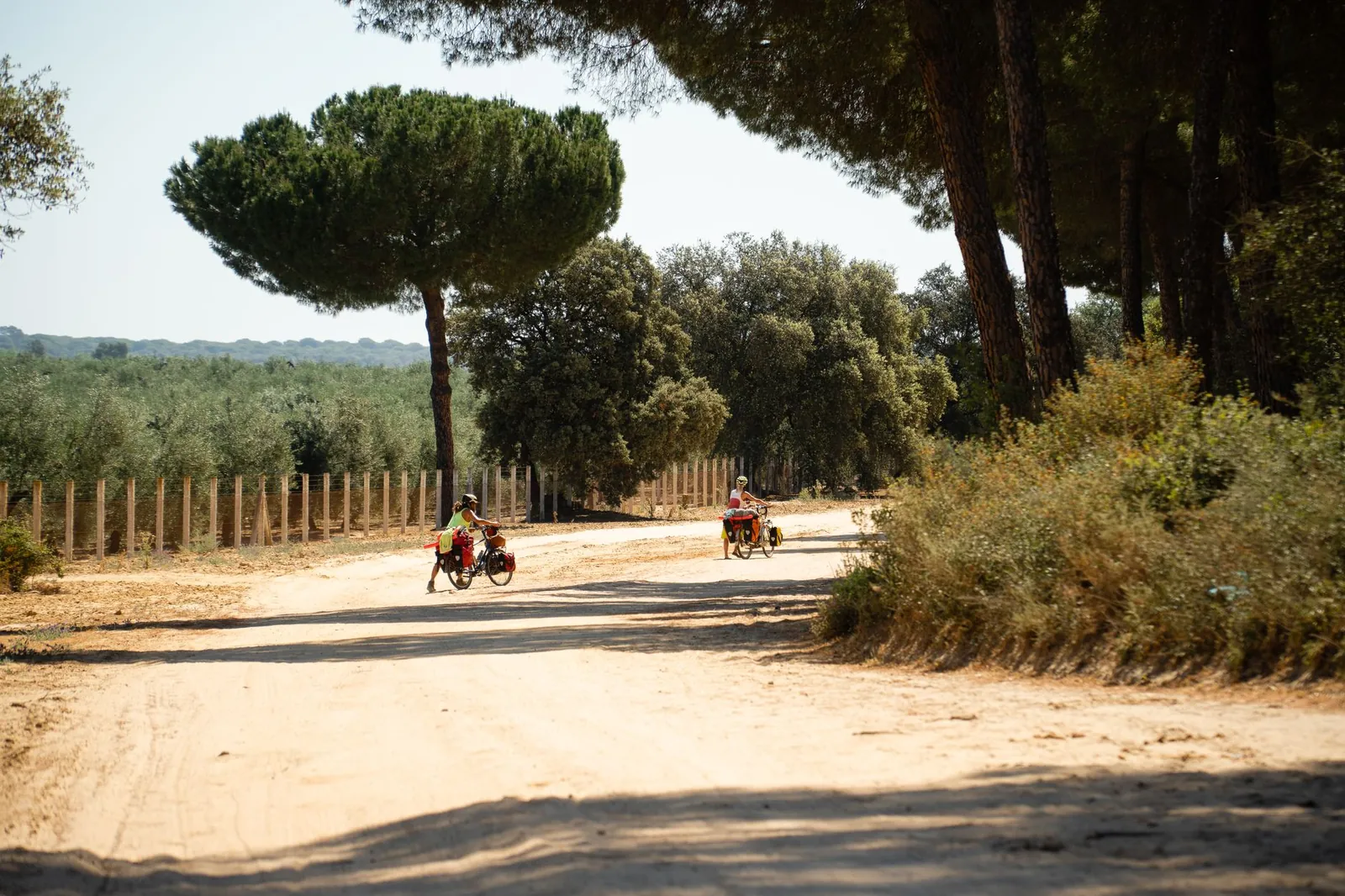
The Vía Verde del Carrilet II, stretching 39.7 kilometers from Girona to Sant Feliu de Guíxols, is one of the most accessible and popular routes, offering a mostly flat or gentle downhill gradient, making it ideal for families and casual riders, with an estimated cycling time of 3-4 hours. Each of the Greenways offers a unique perspective on the region, and choosing one depends on what kind of experience you’re looking for. Here’s a breakdown of my favorites and what to expect.
1. Vía Verde del Carrilet II (Girona to Sant Feliu de Guíxols)
- Distance: 39.7 km
- Estimated Time: 3-4 hours cycling (half day trip)
- Surface: Mostly compacted gravel, well-maintained
- Difficulty: Easy. Almost entirely flat or gently downhill.
- Highlights:
- Girona’s Historic Center: Start your day with a wander through the Jewish Quarter or a walk on the city walls before you even get on the bike.
- River Ter crossings: Multiple bridges offer scenic views.
- Pastoral Landscapes: Cycle through fields, cork oak forests, and small agricultural plots.
- Sant Feliu de Guíxols: End your ride at the Mediterranean Sea, where you can enjoy the beach and fresh seafood. The town has a lovely promenade and a former monastery to explore.
- Tips: This route is perfect for a leisurely day out. Pack a picnic or plan to have lunch in one of the towns along the way. Llagostera is a good halfway point with several eateries. Remember that while the path is mostly flat, a slight incline exists in some sections, so don’t expect it to be entirely effortless. You’ll often find yourself passing through tunnels, which are well-lit and add a touch of adventure.
2. Vía Verde del Carrilet I (Olot to Girona)
- Distance: 57 km
- Estimated Time: 4-6 hours cycling (full day trip)
- Surface: Mostly compacted gravel, well-maintained
- Difficulty: Easy to Moderate. Predominantly downhill, but longer.
- Highlights:
- La Garrotxa Volcanic Zone Natural Park: The starting point in Olot is within this unique natural park, offering a different landscape right from the beginning.
- Rural Catalan Villages: Pass through towns like Sant Esteve d’en Bas, Amer, and Anglès, each with its own character and history.
- Rivers and Forests: The route follows the course of the Ter and Brugent rivers, providing plenty of shade and beautiful views.
- Medieval Bridges: Cross charming old bridges as you make your way towards Girona.
- Tips: This is a longer route, so plan for a full day. Starting in Olot means mostly downhill riding, which is a blessing, but it’s still a significant distance. Ensure you have enough water and snacks. Consider spending a night in Olot beforehand to explore the volcanic park. Bike rental companies often offer a shuttle service to Olot, picking up bikes in Girona, making this route very convenient logistically.
3. Vía Verde del Ferro i del Carbó (Ripoll to Sant Joan de les Abadesses)
- Distance: 15 km
- Estimated Time: 1.5-2 hours cycling
- Surface: Compacted gravel
- Difficulty: Easy to Moderate. Gentle uphill gradient from Ripoll to Sant Joan.
- Highlights:
- Industrial Heritage: Experience the history of the old iron and coal railway, with information panels along the way.
- Monastery of Santa Maria de Ripoll: The starting point is home to a magnificent Romanesque monastery, a UNESCO World Heritage site, worth a visit.
- Sant Joan de les Abadesses: A charming medieval town with a lovely old bridge and a historical monastery.
- Pyrenean Foothills: Enjoy glimpses of the Pyrenees mountains in the distance and the fresh mountain air.
- Tips: This is a shorter route, great for a half-day outing. The slight uphill gradient from Ripoll means you’ll be working a bit more, but it’s still very manageable. It’s also an excellent option if you want to combine cycling with exploring historical sites and hiking in the pre-Pyrenean region. You can easily cycle there and back, or arrange a pickup if needed.
Here’s a quick overview of some key routes:
| Route Name | Distance (km) | Est. Cycle Time | Surface | Difficulty | Key Highlights |
|---|---|---|---|---|---|
| Carrilet I (Olot to Girona) | 57 | 4-6 hours | Compacted Gravel | Easy-Moderate | Volcanic landscapes, rural villages, river views |
| Carrilet II (Girona to Sant Feliu de Guíxols) | 39.7 | 3-4 hours | Compacted Gravel | Easy | Cork forests, Costa Brava coast, agricultural fields |
| Ferro i Carbó (Ripoll to Sant Joan de les Abadesses) | 15 | 1.5-2 hours | Compacted Gravel | Easy-Moderate | Industrial heritage, Romanesque monasteries, mountain views |
| Termal (Girona to Caldes de Malavella) | 12 | 1-1.5 hours | Compacted Gravel | Easy | Thermal spa town, pine forests |
Eating and Resting Along the Greenways: Fueling Your Ride
Along the Greenways, you’ll find fantastic stops for a mid-ride bite in towns like Cassà de la Selva or Llagostera, where a “menu del día” usually costs €12-€18 and offers a hearty, multi-course meal perfect for refueling. Spain has a wonderful food culture that extends far beyond the big cities, and the villages along the Greenways are no exception. You’re in Catalonia, so expect fresh, seasonal ingredients and traditional dishes that are both delicious and perfect for cyclists needing energy.
Where to Stop: The beauty of these routes is that they often lead directly through or very close to small towns. Keep an eye out for signs to local restaurants (restaurants), bars (bars), or bakeries (forns de pa). Don’t be shy about popping into a small, unassuming bar; these are often where you’ll find the most authentic and value-for-money food. Many establishments cater to cyclists, offering outdoor seating and water refills.
What to Eat:
- Pa amb Tomàquet: Simple yet essential. Toasted bread rubbed with fresh tomato, a drizzle of olive oil, and a pinch of salt. It’s the perfect light snack.
- Embotits: Cured meats from the region, like fuet (a thin, dry-cured sausage) or botifarra (a type of sausage), often served with bread.
- Formatge: Local cheeses, often made from cow or goat milk, can be found in small shops.
- Truita de Patates: A classic Spanish potato omelet, thick and filling, great for lunch.
- Coca: A type of Catalan flatbread, often topped with vegetables, or sometimes sweet versions with sugar and pine nuts.
- Seasonal Fruit: Look for local fruit stands, especially during summer, for fresh peaches, cherries, or melons.
- Esqueixada de Bacallà: A refreshing salad made with shredded salted cod, tomatoes, onions, and black olives. Light and full of flavor.
- Crema Catalana: For a sweet treat, this creamy custard with a caramelized sugar topping is a regional specialty.
Hydration and Snacks: Always carry plenty of water. While there are towns along the way where you can refill bottles, distances between them can be deceptive, especially on a warm day. Many villages have public fountains, often marked, where you can safely replenish your supply. For snacks, I always carry some nuts, dried fruit, or a local energy bar (like a barrita energética from a supermarket) to keep my energy levels up between stops. You might also find small shops selling local honey or jams, which make for great souvenirs or quick energy boosts.
Don’t rush your meals. Take your time, enjoy the food, and observe local life. Stopping for a relaxed lunch is part of the experience, giving your legs a rest and allowing you to soak in the atmosphere of the village. It’s a key part of “how to live it” in Spain. If you’re exploring the wider region, perhaps after visiting My heart found Gracia Barcelona village life, you’ll find the pace of dining in these smaller towns wonderfully refreshing.
Navigating Challenges and Embracing Cycling Girona Greenways Routes
The best time to experience the Girona Greenways is during spring (April-May) or autumn (September-October), when daily temperatures average 18°C-24°C, offering pleasant cycling weather and avoiding the intense summer heat. While generally safe and easy, a few practical considerations will make your journey even more enjoyable. This isn’t just about cycling; it’s about fully immersing yourself in the journey.
Seasonality and Weather: Summer (June-August) can be very hot, with temperatures often exceeding 30°C, making midday cycling challenging. If you must cycle in summer, go early in the morning or late in the afternoon, and stay hydrated. Winter (November-March) is generally mild in Girona, but you can encounter colder days, rain, and occasionally frost, especially in the Garrotxa region. Always check the forecast before you set out. Spring brings wildflowers and fresh green landscapes, while autumn offers beautiful colors, especially in the forests.
What to Pack:
- Helmet: Non-negotiable for safety.
- Water Bottles: Two large ones are better than one small one.
- Sunscreen and Sunglasses: Essential, even on cloudy days.
- Light Rain Jacket: Weather can change quickly.
- Small Backpack: For snacks, a camera, and personal items.
- Basic Repair Kit: A spare inner tube, tire levers, and a pump (often provided by rental shops).
- First-Aid Kit: Small one for minor scrapes or blisters.
- Comfortable Cycling Clothes: Layers are best. Padded shorts will make a big difference on longer rides.
- Phone and Portable Charger: For navigation, photos, and emergencies.
- Cash: Some smaller establishments might prefer cash, especially in rural areas.
Safety and Etiquette: The Greenways are shared paths, so be mindful of walkers, children, and other cyclists. Keep to your right, announce your presence when passing (a simple “permiso” or “adelante” works), and control your speed. While the paths are traffic-free, you will occasionally cross roads, so always stop and check for vehicles. Helmets are not strictly mandatory for adults over 16 on urban roads or cycle paths in Spain, but I strongly advise wearing one at all times. It’s a simple choice that significantly enhances safety.
Dealing with Issues: If you have a mechanical issue, first try the basic repair kit. If that doesn’t work, most rental companies offer roadside assistance; make sure you have their number. For medical emergencies, call 112 (the pan-European emergency number). You’ll find signposts along the routes with distances to the next towns, which can help you gauge where to seek help if needed. You can also explore options to book guided tours for cycling in Girona, which can provide peace of mind with logistical support and expert guidance.
Embracing the experience also means engaging with the local culture. A simple “Hola” or “Bon dia” (Good day in Catalan) to fellow path users or shopkeepers goes a long way. Take time to stop in the villages, observe the architecture, and perhaps try a local pastry. It’s these small interactions that truly deepen your connection to the place. You’re not just cycling; you’re traveling through a living landscape, and showing respect for it will enrich your journey immeasurably. If you enjoy this type of natural beauty, you might also enjoy exploring My heart prefers Costa Brava in my costa brava personal choice, which offers a different coastal perspective.
Common Questions About Girona Cycling
Are the Girona Greenways suitable for families with young children?
Yes, absolutely. The Girona Greenways are renowned for being incredibly family-friendly due to their flat, traffic-free nature and well-maintained surfaces. The gradients are very gentle, as they follow old railway lines, making them suitable for children on their own bikes or in bike trailers. The Carrilet II from Girona to Sant Feliu de Guíxols is especially popular for families.
Do I need to book bikes and accommodation far in advance?
During peak seasons, which are typically spring (April-May) and autumn (September-October), I strongly recommend booking both your bike rentals and accommodation several weeks in advance, especially if you have specific preferences. Outside these times, you might find more flexibility, but it’s always safer to book ahead to avoid disappointment.
Are there luggage transfer services available between towns?
Yes, many local bike rental companies and tour operators in Girona offer luggage transfer services. This allows you to cycle light, with your bags transported from your starting point accommodation to your next overnight stop, which is incredibly convenient for multi-day trips. Expect to pay around €10-€20 per bag per transfer.
What type of bike is best for the Greenways?
A hybrid bike is ideal for the Girona Greenways. Its combination of comfortable geometry, sturdy tires, and front suspension (often included) makes it perfectly suited for the compacted gravel surfaces. While mountain bikes are also suitable, road bikes are generally not recommended due to the unpaved sections.
Cycling the Girona Greenways is truly an experience that captures the essence of Catalonia – its gentle beauty, rich history, and welcoming spirit. It’s a chance to unplug, connect with nature, and savor the rhythm of rural life, all at your own pace. Whether you choose a short afternoon ride or a multi-day adventure, these routes offer a profound and rewarding way to see Spain, far removed from the rush of conventional tourism. It’s a journey I return to often, and I hope you too will find your own joy on these beloved paths. For a different kind of Spanish adventure, consider what a Ronda Day Trip from Malaga or Seville might offer, but for tranquil cycling, Girona’s Greenways are my pick.
About this guide: This guide is part of Spain Destination’s library of Spain travel and lifestyle content, written with AI assistance and checked against official sources where possible. See how this site is researched and fact-checked →