Seville in 3 Days: The Honest Itinerary (What to Skip, What to Book)
Some links in this guide are affiliate links — if you book through them we may earn a small commission at no extra cost to you. It never changes what we recommend. Full disclosure.
Three days in Seville is enough to see the city’s best – if you plan it right. A seville 3 days itinerary works because Seville is compact: you can walk between the Cathedral, the Alcazar, and the old town in under 20 minutes. The trap most visitors fall into is over-scheduling day one and spending the afternoon queuing. This guide tells you exactly what to book, what to skip, and what to do when a queue looks brutal.
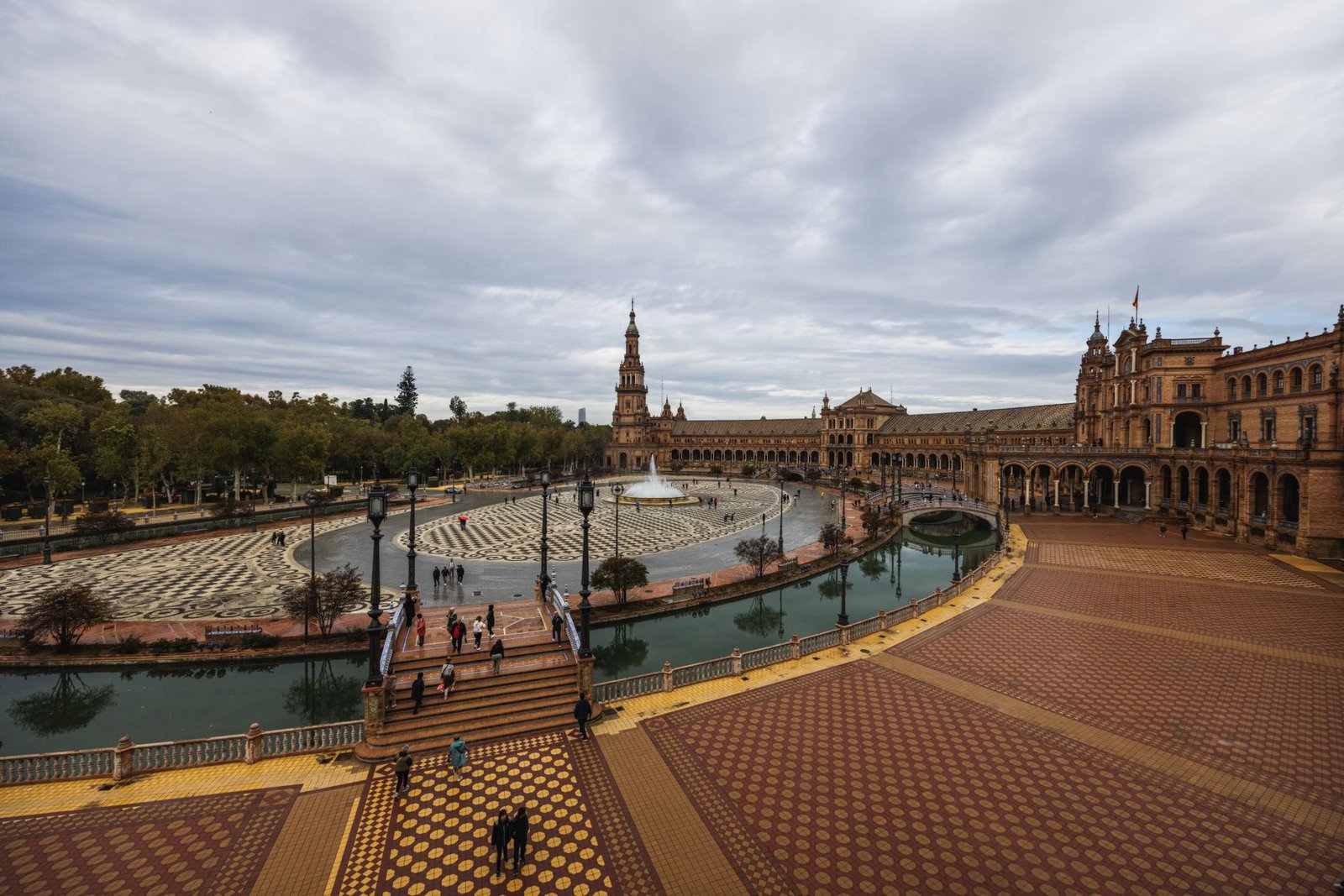
Quick Answer
Three days in Seville is the sweet spot. Day 1: Cathedral and Alcazar (book both in advance). Day 2: Triana, Metropol Parasol, and flamenco. Day 3: day trip to Cordoba or a slow morning in the Albayzin area. See the cost breakdown below for what each part actually costs.
Day 1: Cathedral, Giralda and Alcazar – Book These in Advance
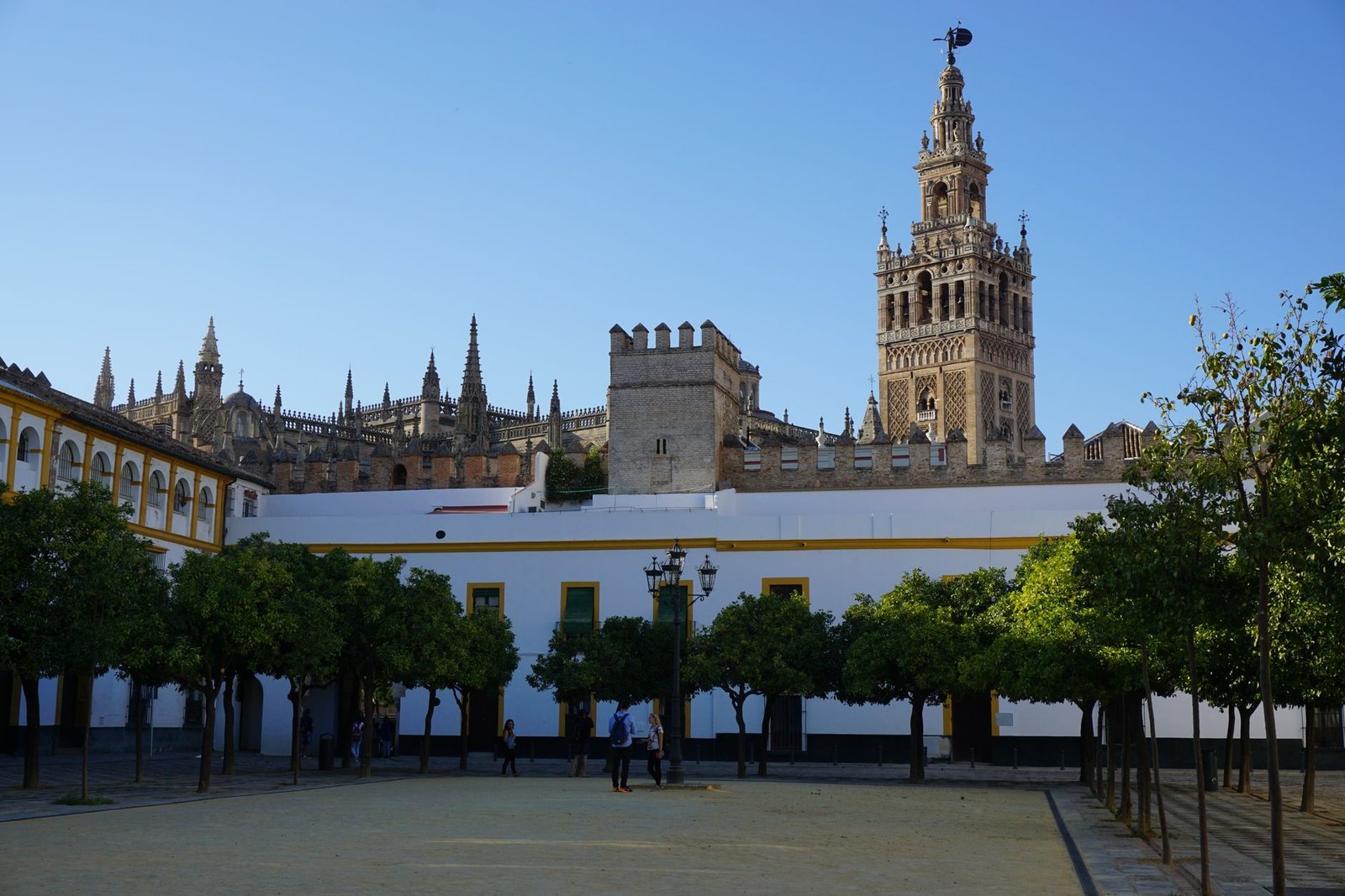
Start at the Cathedral of Seville when it opens at 10:30am. Tickets cost €14 at the office or €13 booked online, which includes the Giralda tower climb (no separate tower ticket exists). Buy online at least 48 hours ahead – on-the-day tickets run out by 9am in high season. The cathedral takes about 90 minutes if you climb the Giralda; the views over the old town are worth the 35 ramps.
Walk five minutes to the Real Alcazar straight after. Tickets are €15.50 for general admission. This is Seville’s most-visited site and queues without a ticket can hit two hours in July and August. Book the first morning slot. You need at least two hours inside – the gardens alone take 45 minutes.
- Cathedral: check catedraldesevilla.es for current hours, which vary by day and season
- Alcazar: open daily, 9:30-17:00 in winter (Oct-Mar) and 9:30-19:00 in summer (Apr-Sep), confirmed on the Patronato’s own site
- Combined ticket does not exist; buy separately at each official site
Afternoon: walk through the Barrio Santa Cruz – the old Jewish quarter behind the Alcazar. Skip the tourist restaurants on Calle Mateos Gago (overpriced). Instead, go to El Rinconcillo on Calle Gerona 40 (est. 1670, the oldest bar in Seville) for a plate of espinacas con garbanzos, a classic Seville tapa. Dinner in Santa Cruz is fine if you stay off the main drag.
Day 2: Triana, Metropol Parasol and Flamenco
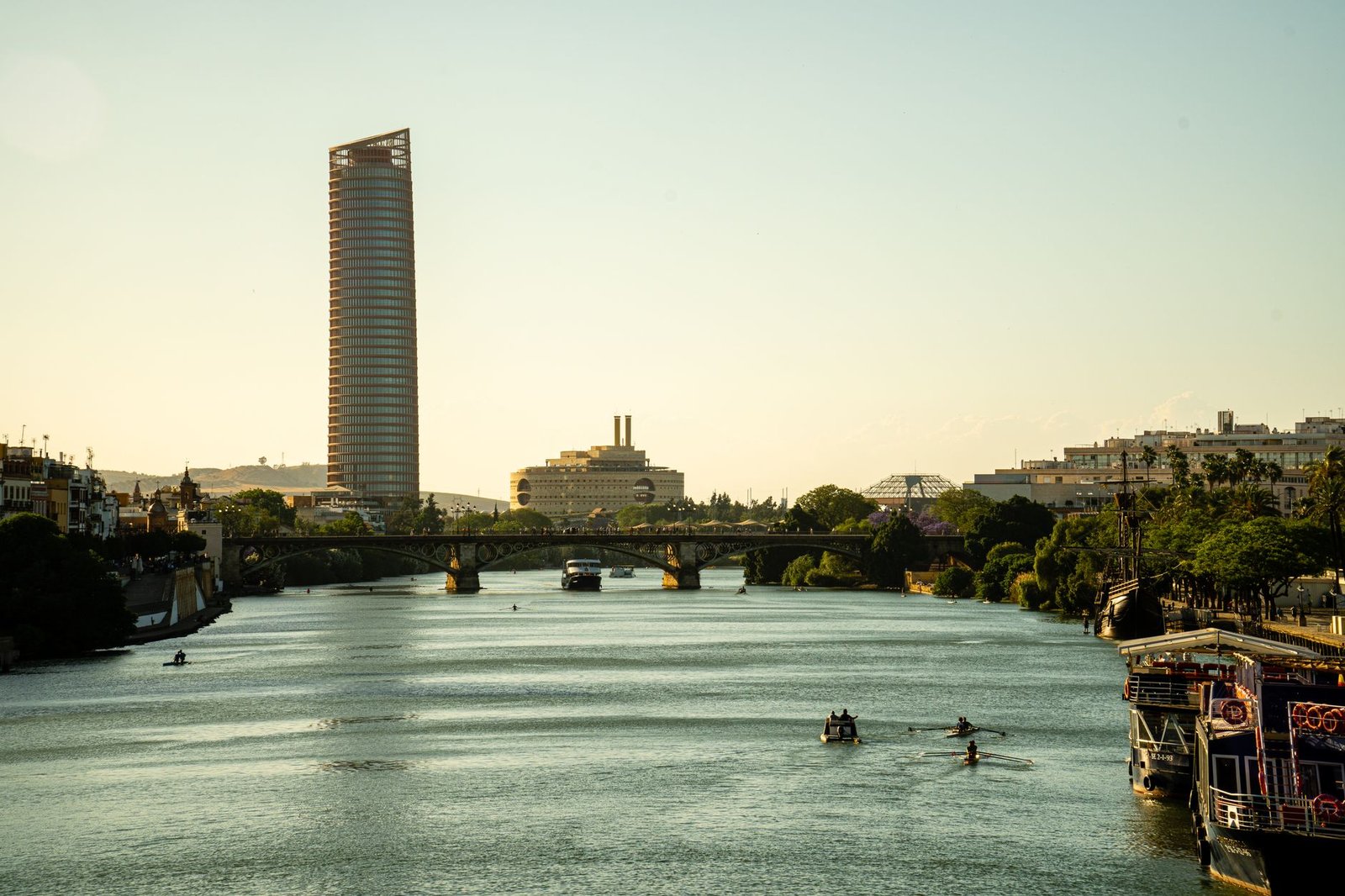
Cross the Triana bridge in the morning. Triana is the neighbourhood locals actually use – ceramic shops, a covered market (Mercado de Triana) that closes early afternoon, and fewer tourists than Santa Cruz. Have breakfast at any bar on Calle San Jacinto: a cafe con leche and a tostada con tomate is one of the cheapest breakfasts in the city.
Walk back across the river and north to Metropol Parasol (Las Setas). Entry to the rooftop walkway (confirmed on the operator’s own site) costs €15 and includes the 360-degree viewpoint plus a projection show, not a drink. Go in the late afternoon around 17:00-18:00 for the best light over the city. Avoid the overpriced restaurant at the top; there are better options nearby.
| Activity | Cost | Duration | Book ahead? |
|---|---|---|---|
| Seville Cathedral + Giralda | €13-14 | 90 min | Yes (online) |
| Real Alcazar | €15.50 | 2 hrs | Yes (official site) |
| Metropol Parasol rooftop | €15 | 45 min | No |
| Flamenco show (tablao) | €45 (Tablao El Arenal) | 1 hr | Yes (2 days ahead) |
| Cordoba day trip (train) | Varies by booking window | Full day | Yes (Renfe) |
Evening: book a flamenco show for night two. The best mid-budget option is Tablao El Arenal (€45 with a drink, confirmed on the venue’s own site; dinner packages cost more). Avoid the free “introductory” shows – they’re 20 minutes of tourist flamenco. A real tablao performance runs 60-75 minutes. You can also check our guide on Seville in July for seasonal event listings. If you want a guided flamenco experience, Viator has curated flamenco packages for Seville that include transport and a drink.
Day 3: Cordoba Day Trip or Slow Morning
If energy allows, take the AVE train to Cordoba – about 45 minutes, with frequent departures through the day. Fares vary by how far ahead you book, cheaper the earlier you commit. The Mezquita-Catedral costs €15 (confirmed on the monument’s own site) and is unlike anything else in Spain: a forest of 856 columns topped by a Renaissance cathedral built right in the middle of a mosque. Go before 10:00 to avoid school groups. You can see the Mezquita, the Jewish quarter, and the Roman bridge in a full day and be back in Seville by 20:00. See our comparison guide if you’re also deciding between southern Spain cities.
If you’d rather not rush, spend morning three at the Museo de Bellas Artes (€1.50, free for EU citizens) and lunch in the Alameda de Hercules neighbourhood – less polished, more local, better prices.
Where to Stay in Seville
Stay in Santa Cruz or El Centro if you want to walk everywhere. Triana is quieter and 10% cheaper but adds a 15-minute walk to the main sites. Avoid hotels near the train station (Santa Justa) – it’s a taxi or bus away from everything. Budget options run simple 3-stars; mid-range adds more character and location. Rates shift hard by season here, more than in most Spanish cities, because of Semana Santa and Feria de Abril. Compare current Seville hotel prices on Booking.com for your actual travel dates.
- Budget: Oasis Backpackers Palace (hostel)
- Mid-range: Hotel Murillo (Santa Cruz)
- Splurge: Hotel Alfonso XIII (historic)
Getting to Seville
From Madrid: AVE high-speed train, about 2h30, book on Renfe as far ahead as you can for the best fare. From Barcelona: fly (about 1h15 with several airlines) or take the train (about 5h30). From Malaga: regional train, about 2h. The airport (SVQ) is 10km from the city centre; the airport bus EA takes about 35 minutes to the city centre.
Food and festivals are half the reason to visit: don’t leave without trying Seville’s own gazpacho recipe, and if your trip lines up with spring, check our Feria de Abril tips first.
FAQ: Seville 3 Days – Common Questions
Is 3 days enough for Seville?
Yes, comfortably. You can cover the Cathedral, Alcazar, Triana, flamenco, and a Cordoba day trip in three days without rushing. Four days lets you add the Italica Roman ruins or a longer day in Cordoba.
What’s the best time of year for a seville 3 days itinerary?
March-May and September-October. April has Semana Santa and Feria (crowded and expensive – book 3 months ahead). July and August hit 40°C regularly; sightseeing by 9am or after 6pm is manageable, but midday is brutal.
How much does 3 days in Seville cost?
A budget traveller keeps costs low with a hostel, self-catering, and free sites. Mid-range adds a 3-star hotel, restaurant dinners, and the paid attractions above. Comfortable adds a 4-star hotel, a flamenco show, and guided tours.
Do I need to book the Alcazar and Cathedral in advance?
Yes, always. Peak season tickets sell out days ahead online. Even in low season, booking the night before guarantees your slot and lets you skip the ticket queue entirely.
Can I do a day trip from Seville?
Cordoba is the best day trip (45 min by AVE). Ronda is doable but long (2h each way by train or bus). Cadiz works well as a beach day (about 1h45 by train).
A solid seville 3 days itinerary comes down to two things: book the big sites in advance, and eat where locals eat. Do both and you’ll leave with a genuinely good experience. For more on southern Spain, read our 7-day Andalusia road trip guide.