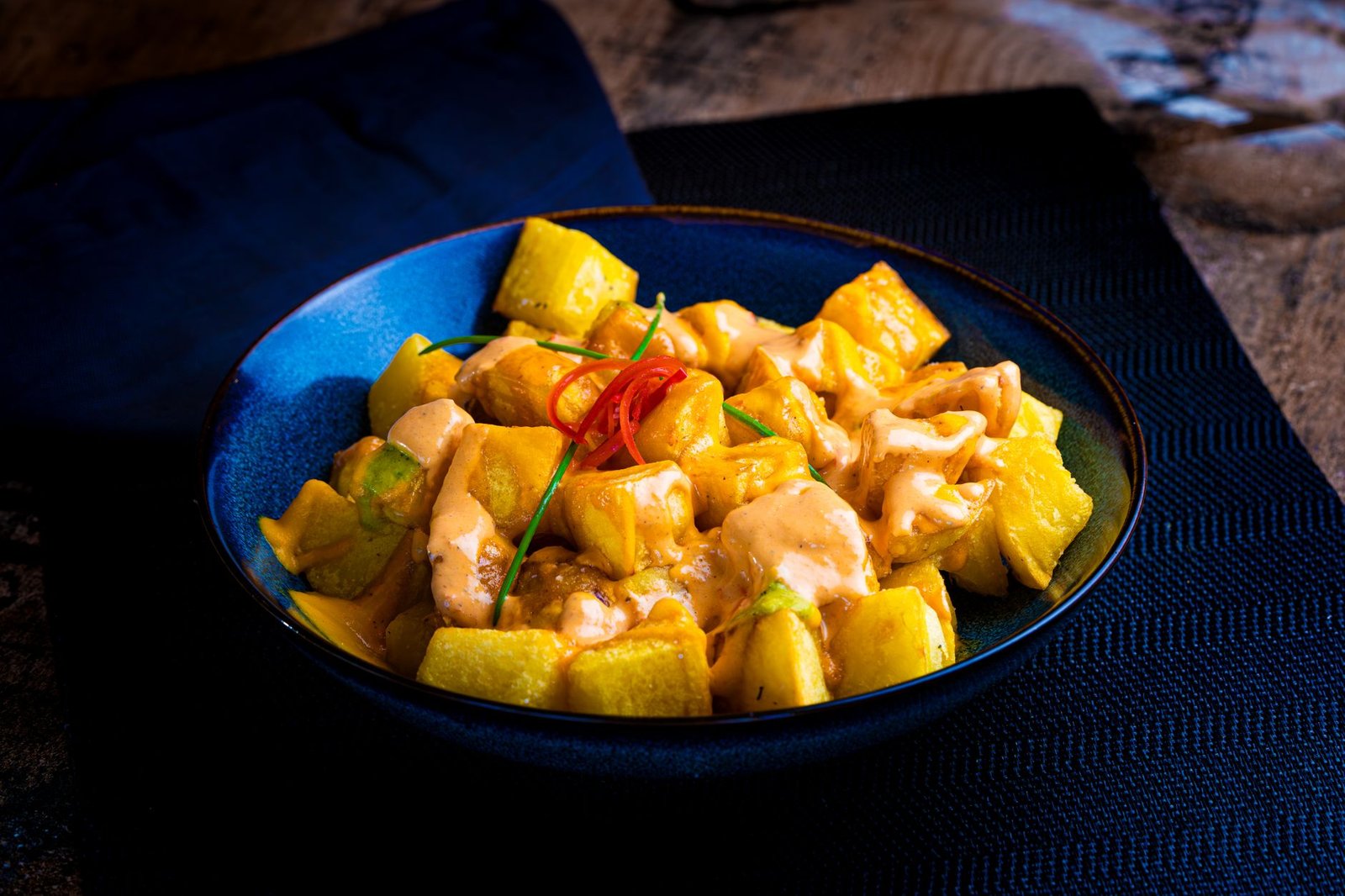
Patatas Bravas, the Recipe Worth Repeating at Home
Walk into almost any bar across Spain, from a tiny, sun-drenched taberna in Andalucía to a bustling tapas joint in Barcelona, and you’ll find patatas bravas on the menu. It’s a staple, a non-negotiable part of the Spanish tapas experience. But here’s the honest truth: not all bravas are created equal. You’ve probably had those disappointing versions, soggy potatoes drowning in a bland, watery sauce that tastes suspiciously like glorified ketchup. That’s not what we’re aiming for. You want to know how to make patatas bravas authentic, the kind that makes your tastebuds sing, with crispy potatoes and a rich, smoky, slightly spicy sauce that demands another bite. Forget those watered-down imitations; we’re going straight to the source, right here in my Spanish kitchen, to master this essential dish.
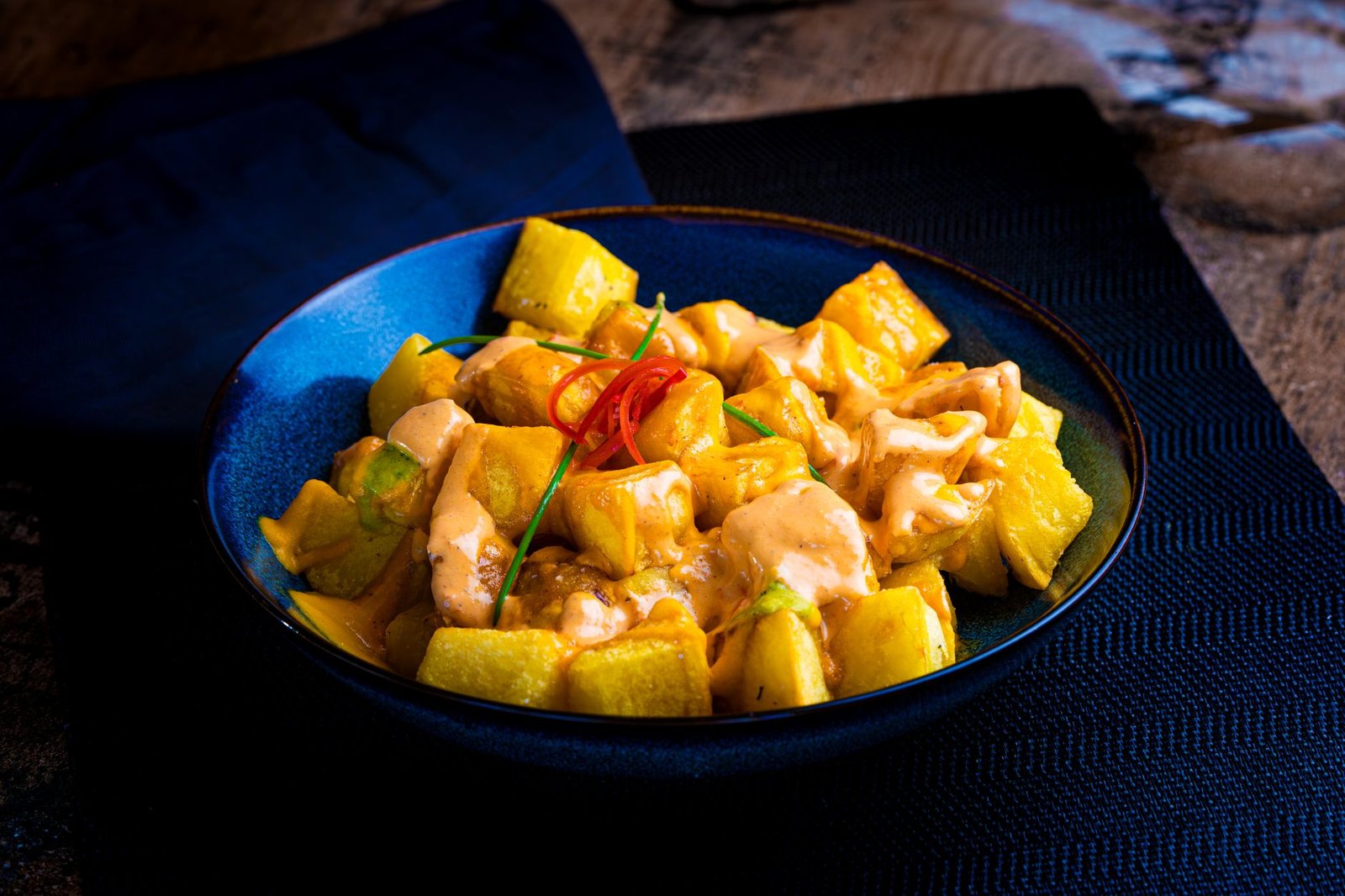
the recipe at home with crispy potatoes and a rich red sauce
Quick Answer
To make authentic patatas bravas, you need perfectly double-fried potato cubes and a homemade bravas sauce crafted from sautéed aromatics, paprika (both sweet and spicy), broth, and often a touch of tomato. The key is in the texture of the potatoes and the depth of flavor in the sauce, often served with or without alioli. For something sweet from the same tradition of simple ingredients done well, try the yemas of Ronda.
The True Soul of Patatas Bravas: Beyond the Fryer
First, let’s get one thing straight: patatas bravas is more than just fried potatoes with sauce. It’s about a balance of textures and flavors. The potatoes need to be crispy on the outside, fluffy on the inside. The sauce has to be a robust, smoky counterpoint, not just a condiment. It’s a dish that seems simple on the surface but reveals its complexities when done right.
Many places outside of Spain, and even some tourist traps within, miss the mark entirely. They use frozen potato wedges, or worse, chips, and drizzle them with a generic, supermarket-bought sauce. You deserve better than that. The beauty of making bravas yourself is that you control every element, ensuring that each bite is exactly what it should be: a little piece of Spanish comfort.
The name “bravas” itself means “brave” or “fierce,” referring to the spicy kick in the sauce. While the level of spice can vary regionally and personally, it should always be present, providing a warmth that complements the richness of the potatoes and oil. Don’t be afraid to adjust it to your liking, but don’t omit it entirely, that would be like calling a flamenco dancer “tame.”
Choosing Your Potatoes and Perfecting the Fry
The potato is the foundation, so choose wisely. Here in Spain, common varieties like Agria, Monalisa, or Kennebec are excellent for frying because they have a good starch content that crisps up beautifully while staying tender inside. Avoid waxy potatoes; they’ll turn gluey. You want a floury potato, but not one that falls apart too easily.
Cut your potatoes into irregular cubes, roughly 2-3 cm (about 1 inch) in size. Don’t worry about perfect uniformity; a little variation adds character. The traditional method for truly crispy bravas involves a double-fry, and it’s a step I urge you not to skip. It makes all the difference.
The Double-Frying Method:
- First Fry (Cooking): Heat a generous amount of olive oil (a good quality, neutral olive oil, not extra virgin for frying, as its smoke point is lower) in a deep pan or pot to about 130-140°C (265-285°F). Add the potato cubes in batches, don’t overcrowd the pan, or the temperature will drop too much. Fry them for 6-8 minutes, until they are tender when pierced with a fork but haven’t taken on much color.
- Rest: Remove the potatoes with a slotted spoon and let them drain on paper towels. This resting period allows the internal steam to escape, which helps achieve ultimate crispness in the second fry.
- Second Fry (Crisping): Increase the oil temperature to 180-190°C (355-375°F). Return the potatoes to the hot oil in batches and fry for another 3-5 minutes, or until they are beautifully golden brown and super crispy.
Once crisp, remove them immediately and drain on fresh paper towels. Season lightly with salt while they’re hot. They should be irresistible even before the sauce touches them.
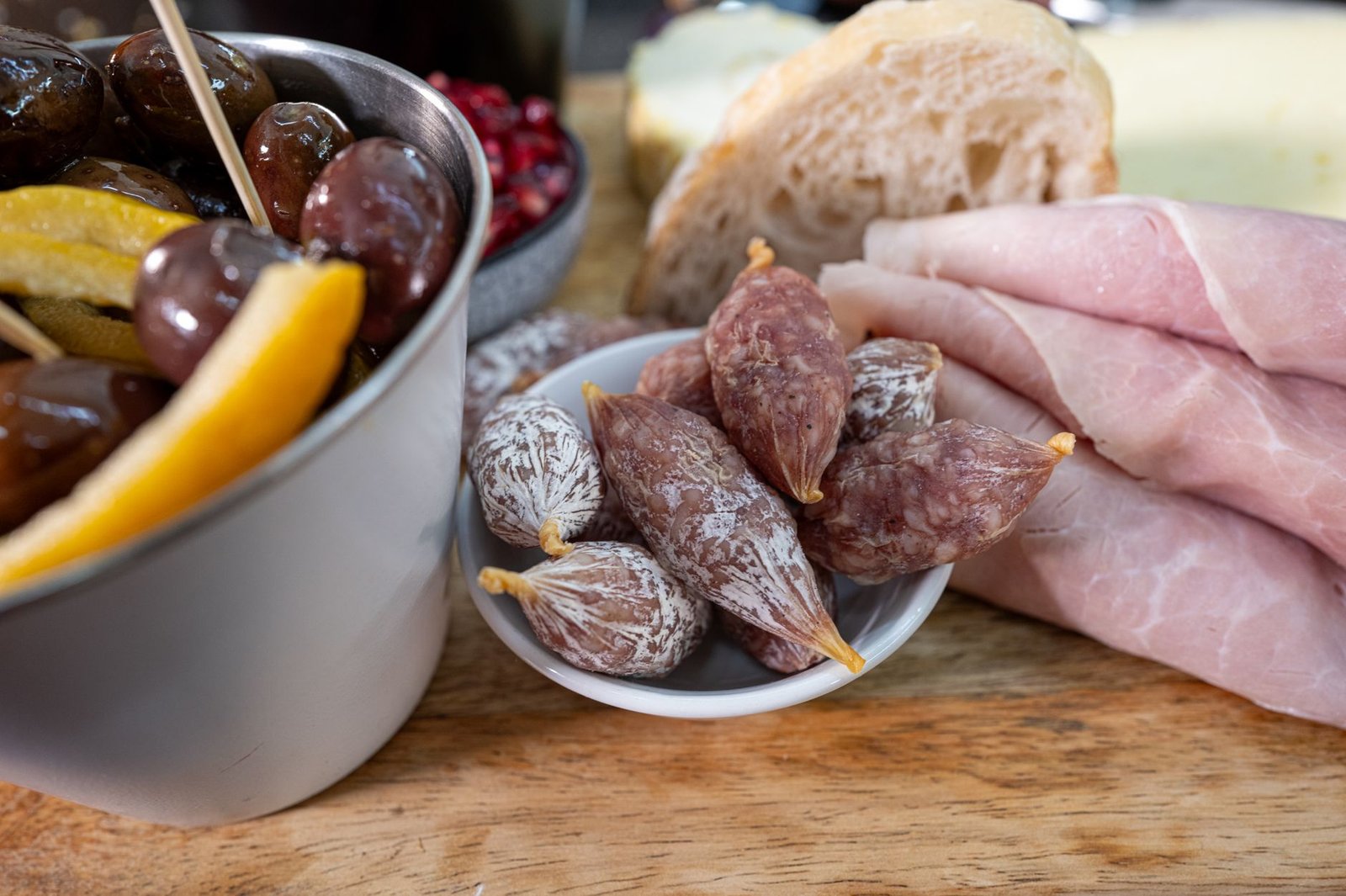
Preparing the authentic bravas sauce ingredients for a homemade Spanish tapas dish
Mastering the Sauce: Patatas Bravas
This is where the magic truly happens, the heart of the bravas. The sauce should be rich, smoky, with a depth of flavor that lingers. Forget those sad, neon-orange concoctions. This is the real deal.
Ingredients (Metric Quantities):
- 50 ml (approx. 3.5 tablespoons) olive oil
- 1 medium onion, finely chopped
- 3 cloves garlic, minced
- 1 tablespoon plain flour (wheat flour)
- 2 teaspoons pimentón dulce (sweet paprika)
- 1 teaspoon pimentón picante (hot paprika), adjust to your spice preference!
- 100 ml (approx. 7 tablespoons) crushed tomatoes (or passata)
- 400 ml (approx. 1.7 cups) chicken or vegetable broth
- 1 tablespoon sherry vinegar (or red wine vinegar)
- Salt to taste
Cooking Steps:
- Sauté Aromatics: Heat the olive oil in a saucepan over medium heat. Add the finely chopped onion and cook gently for 8-10 minutes until it’s very soft and translucent, almost caramelized, but not browned. Add the minced garlic and cook for another 2 minutes until fragrant. Be careful not to burn the garlic.
- Bloom Paprika & Create Roux: Remove the pan from the heat for a moment. Stir in both the sweet and hot paprika. The residual heat will “bloom” the spices, intensifying their flavor. Cook for about 30 seconds, stirring constantly, making sure the paprika doesn’t burn, which would make it bitter. Return the pan to the heat and sprinkle in the flour. Stir well for 1-2 minutes to cook out the raw flour taste, creating a light roux.
- Add Liquids: Gradually whisk in the crushed tomatoes until fully incorporated. Then, slowly pour in the chicken or vegetable broth, whisking continuously to prevent lumps.
- Simmer and Thicken: Bring the sauce to a gentle simmer. Reduce the heat to low and let it cook for at least 15-20 minutes, stirring occasionally, until it has thickened to your desired consistency. It should be rich and coating, not watery.
- Finish and Blend: Stir in the sherry vinegar and salt to taste. The vinegar adds a crucial tang that brightens the sauce. For a smooth sauce, carefully transfer it to a blender and process until silky smooth. If you prefer a slightly chunkier texture, you can mash it with a fork or an immersion blender for a few seconds, but I personally prefer it smooth for a restaurant-quality finish.
Estimated Cost Breakdown for Bravas Sauce Ingredients (Approximate, varies by region):
| Ingredient | Approximate Cost (EUR) | Notes |
|---|---|---|
| Olive oil (50ml) | €0.50 – €1.00 | From a larger bottle |
| Onion (1 medium) | €0.20 – €0.40 | Bought individually or in a bag |
| Garlic (3 cloves) | €0.10 – €0.20 | From a bulb |
| Plain Flour (1 tbsp) | €0.05 | From a bag |
| Pimentón Dulce (2 tsp) | €0.30 – €0.60 | From a tin/bag |
| Pimentón Picante (1 tsp) | €0.15 – €0.30 | From a tin/bag |
| Crushed Tomatoes (100ml) | €0.20 – €0.40 | From a can/jar |
| Broth (400ml) | €0.50 – €1.00 | From a carton or bouillon cube |
| Sherry Vinegar (1 tbsp) | €0.10 – €0.20 | From a bottle |
| Salt | <€0.05 | From a larger pack |
| Total Estimated Cost | €2.10 – €4.25 | For the sauce alone, very affordable! |
This breakdown shows just how economical it is to prepare a truly authentic bravas sauce at home, especially compared to buying pre-made versions or even a ración (portion) in a bar, which typically costs €3.50 to €6.00.
The Alioli Debate: To Drizzle or Not to Drizzle?
Ah, alioli (or “ajoli” in some parts of Spain). This garlic mayonnaise is a beloved condiment, but its inclusion with bravas sparks passionate debate. Traditionally, authentic Patatas Bravas in Madrid, for example, is served with *only* the bravas sauce. However, in Catalonia and Valencia, it’s very common to see bravas served with a generous dollop of alioli alongside the bravas sauce, sometimes called “patatas mixtas” (mixed potatoes).
My take? While not strictly traditional everywhere, a good homemade alioli can add a wonderful creamy, garlicky counterpoint to the spicy bravas sauce. I say, if you like it, make it! But ensure your alioli is also homemade. Please, for the love of Spanish cuisine, no bottled mayonnaise here.
Simple Egg-Based Alioli Recipe:
- 1 large egg (at room temperature)
- 2-3 cloves garlic, crushed or minced (adjust to taste)
- 1 tablespoon fresh lemon juice or white wine vinegar
- Pinch of salt
- 150-200 ml (approx. 2/3 – 3/4 cup) olive oil (light olive oil or a mix with sunflower oil works well for a lighter flavor)
In a tall, narrow container (perfect for an immersion blender), combine the egg, garlic, lemon juice/vinegar, and salt. Place the immersion blender at the bottom and turn it on high. Slowly, very slowly, drizzle in the oil while keeping the blender at the bottom. As it starts to emulsify, gradually lift the blender until all the oil is incorporated and you have a thick, creamy alioli. Takes about 2-3 minutes. If you want to take a Ronda Day Trip, you’ll find plenty of local spots serving alioli with their tapas!
Serving Your Masterpiece and Where to Find Inspiration
Once your potatoes are perfectly crispy and your bravas sauce is rich and ready, it’s time to assemble. You can either toss the potatoes with the sauce just before serving, or more commonly, pile the potatoes onto a plate or into a shallow bowl and generously spoon the sauce over them. If you’re going for the alioli option, add a dollop or a swirl on top. Garnish with a sprinkle of fresh parsley if you like, though it’s not traditional. Serve immediately!
Bravas are meant to be shared as part of a tapas spread. Pair them with a cold soft drink or a glass of iced tea. They’re excellent alongside other simple tapas like pan con tomate, croquetas, or boquerones. This is social food, meant to be enjoyed with friends and conversation.
If you’re out and about in Spain, looking for inspiration or just a good ración of bravas, here are some tips:
- Avoid the tourist traps: Places with glossy menus in six languages often compromise on authenticity. Look for crowded local bars, especially those a block or two away from major plazas.
- Check for the crowd: If a bar is packed with locals, especially during aperitivo or dinner time (8-10 PM), it’s usually a good sign.
- Ask for recommendations: Don’t be shy! Ask a local shopkeeper or your hotel receptionist where *they* go for good bravas.
Some reliable spots in Madrid that generally serve good bravas include Bar Docamar (in Quintana, a bit out of the center but famous for its bravas) or La Campana (near Plaza Mayor, but usually busy with locals too). In Barcelona, look for places in areas like Gràcia or Poble Sec rather than the main Rambla. A good ración will set you back around €3.50 to €6.00, depending on the city and establishment.
Don’t be disheartened if your first few attempts at making bravas at home aren’t perfect. Like any culinary skill, it takes practice. You’ll learn to judge the potato texture, the sauce consistency, and your preferred level of spice. Soon, you’ll be making bravas that rivals the best you’ve tasted here in Spain.
Craving more Andalusian classics? Seville’s gazpacho is the perfect cold-weather counterpart to a plate of bravas.
FAQ: Patatas Bravas, Common Questions
What’s the best potato for Patatas Bravas?
For the best Patatas Bravas, choose a floury or all-purpose potato variety such as Agria, Monalisa, Kennebec, or Russet. These varieties have a good starch content that allows them to get crispy on the outside while remaining fluffy on the inside after frying.
Is Patatas Bravas supposed to be very spicy?
The “bravas” in the name means “brave” or “fierce,” indicating a spicy kick, but the level of spice varies greatly by region and individual preference. Authentic bravas sauce usually has a noticeable warmth from pimentón picante (hot paprika), but it’s rarely overwhelmingly hot. You can adjust the amount of hot paprika in your homemade sauce to suit your taste.
What’s the difference between Patatas Bravas and Patatas Aioli?
Patatas Bravas traditionally refers to potatoes served with a spicy, smoky red sauce made from paprika and sometimes tomato. Patatas Aioli, on the other hand, are potatoes served with a garlic mayonnaise (alioli). Many places, especially in Catalonia and Valencia, serve “Patatas Mixtas” which combines both the bravas sauce and alioli.
Can I make the bravas sauce in advance?
Absolutely! The bravas sauce actually improves in flavor if made a day or two in advance. Store it in an airtight container in the refrigerator for up to 3-4 days. Reheat gently on the stovetop, adding a splash of broth or water if it’s too thick.
What do you drink with Patatas Bravas?
Patatas Bravas pairs wonderfully with a variety of Spanish drinks. A cold soft drink or sparkling water is a classic choice, and they’re versatile enough to enjoy alongside coffee or whatever else you’re having with your tapas.
Mastering this iconic dish isn’t just about cooking; it’s about understanding a piece of Spanish culture. Now that you know the recipe, you can recreate that little bit of Spain in your own home. Whether you’re enjoying them at home or serving them up for friends, these bravas are a testament to the simple, honest flavors of Spanish cuisine. For more ideas on how to experience Spain through its food and culture, check out our Spain Destination Blog.