Galicia’s Beaches Feel Nothing Like the Costa del Sol
Some links in this guide are affiliate links — if you book through them we may earn a small commission at no extra cost to you. It never changes what we recommend. Full disclosure.
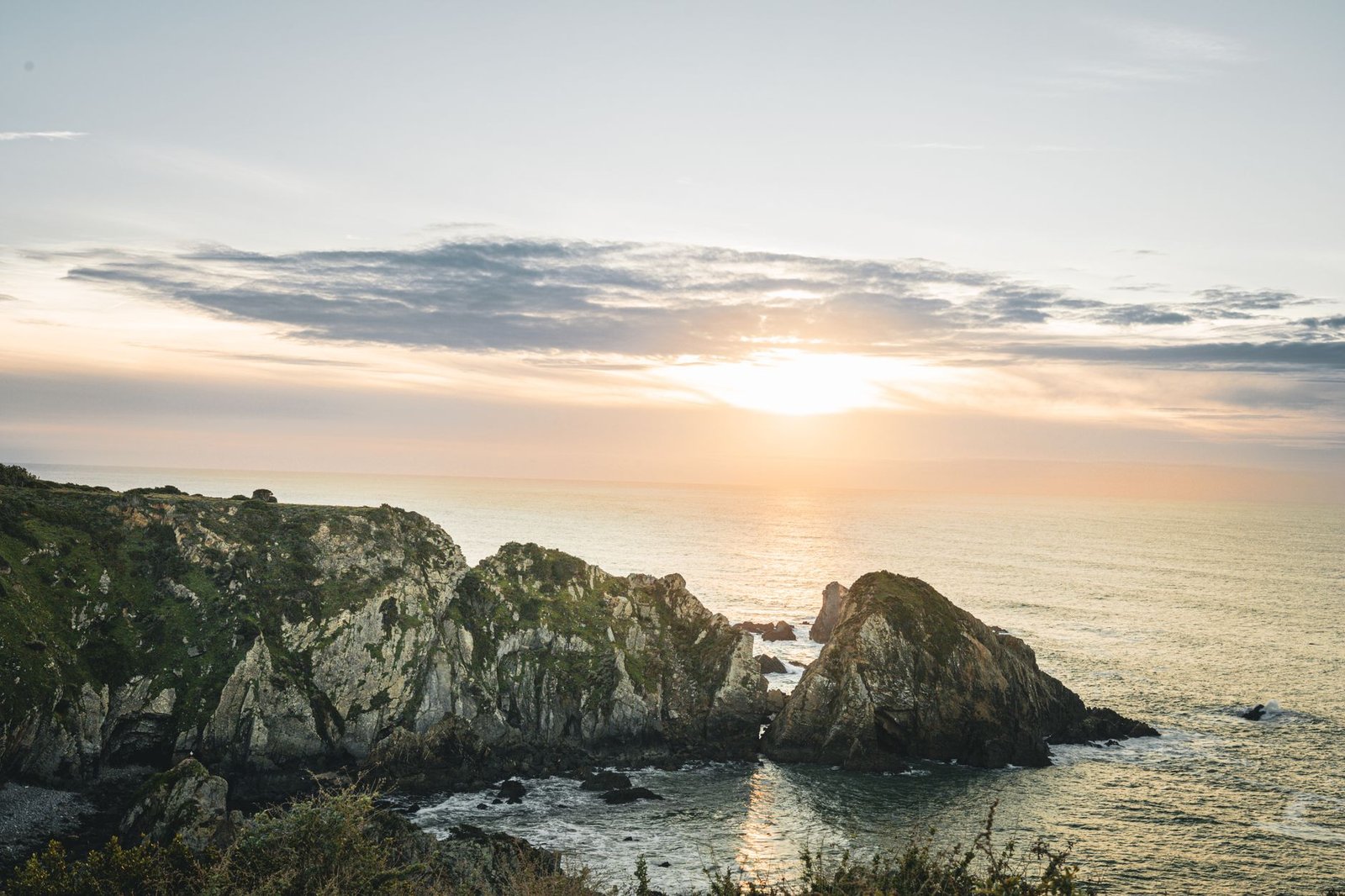
If you’re looking for an unforgettable coastal escape that feels a world away from the crowded playas of the south, then exploring the best beaches in Galicia is exactly what you need to do. Forget everything you think you know about Spanish coasts; Galicia offers something entirely different – a wild, untamed Atlantic beauty that demands respect and rewards with unparalleled natural drama. The one thing you need to know immediately is that Galicia’s beaches are less about scorching sun and hot sand, and more about rugged cliffs, cooler waters, and an incredible sense of freedom.
This article contains affiliate links. If you book through one, Spain Destination may earn a small commission at no extra cost to you. See the full affiliate disclosure →
Quick Answer: Galicia’s Coastal Charms
Galicia’s beaches are characterized by their dramatic natural beauty, often backed by cliffs or dunes, with cooler, often emerald-green Atlantic waters. Many require advance planning for access, particularly during peak season, and offer a more active experience than typical sunbathing, due to their wilder nature and potential for wind.
Praia das Catedrais: A Geological Wonder Worth Planning For
Praia das Catedrais, or ‘Beach of the Cathedrals’ (officially Praia de Augas Santas), near Ribadeo in the province of Lugo, is easily one of the most iconic and visually striking beaches in Spain. What makes it special are the immense rock formations, sea caves, and arches carved by the ocean over millennia, resembling natural cathedrals. You absolutely must visit at low tide to walk beneath these majestic structures, otherwise, they are entirely submerged.
Planning is crucial here. The beach is a protected natural monument, and during peak season (Semana Santa, July to September, and some weekends), access is limited. You’ll need to reserve a free permit online through the Xunta de Galicia website, often weeks in advance. If you arrive without a permit during these times, you’ll be turned away. Check the tide tables religiously; arriving at high tide means you’ll only see the top of the arches from a viewpoint above the cliffs, which is still impressive but nowhere near the full experience. Aim to arrive about an hour before dead low tide to have ample time to explore as the water recedes, and plan to leave before it starts to come in too far.
There are basic facilities available, including a large car park (costs around €2-€3 per hour, or €5-€7 for a full day during peak season) and toilets. Nearby, you’ll find a few local spots for a simple meal, but don’t expect extensive services right on the beach. Wear sturdy shoes with good grip, as the rocks can be slippery and uneven. The water here, like much of Galicia, is on the colder side, rarely exceeding 18-20°C even in August, so be prepared for a refreshing dip rather than a warm swim. Despite the crowds, the sheer scale of the natural architecture makes this a truly unforgettable destination. It’s a definite ‘worth it’, but only with proper planning.
- Location: Ribadeo, Lugo (East Galicia)
- Best Time to Visit: Low tide is essential. Check official tide tables.
- Access: Free permit required during peak season (book online weeks in advance).
- Parking: Available, paid (€2-€7).
- Facilities: Toilets, small cafe/restaurant nearby, viewpoints.
- Tip: Bring waterproof footwear for exploring the rock pools and walking on wet sand.
The Cíes Islands: Rodas Beach and Beyond
Often lauded as one of the world’s best beaches by various publications, Praia das Rodas on the Cíes Islands National Park truly lives up to the hype, earning its place among these beaches. This isn’t just a beach; it’s an entire natural park experience. The Cíes Islands (Monteagudo, do Faro, and San Martiño) are a protected archipelago off the coast of Pontevedra, accessible by ferry from Vigo, Cangas, or Baiona.
The first thing to understand is that access is strictly controlled to protect the delicate ecosystem. Only 2,200 visitors are allowed per day during peak season (June 15th to September 15th, and Easter Week). You must book your ferry tickets AND your authorization from the Xunta de Galicia well in advance. Without the authorization code, ferry companies cannot issue your ticket. This typically costs around €22-€25 for a round-trip ferry ticket per adult, plus a small fee for the Xunta authorization (sometimes included in the ferry price). Ferries run multiple times a day from approximately 9:00 to 19:00, with varying schedules depending on the port and time of year.
Praia das Rodas connects the islands of Monteagudo and do Faro with a crescent of fine white sand, backed by a pine forest and overlooking an emerald lagoon. The water is incredibly clear, but also very cold, usually around 15-17°C, so be ready for a shock! Beyond sunbathing, the islands offer several well-marked hiking trails leading to lighthouses with incredible panoramic views. There are designated camping areas (reservations also essential, around €10-€15 per night per person) and a couple of basic restaurants, but prices are higher than on the mainland due to transport costs. It’s best to pack your own snacks and drinks.
You’re not allowed to bring vehicles, litter, or light fires. Take everything you bring with you back to the mainland. While it requires effort to get there, the pristine nature and absolute tranquility (once the day-trippers thin out in the late afternoon) make it an essential ‘do this’ for anyone seeking natural beauty. Don’t expect luxury; expect nature at its finest.
Here’s a sample cost breakdown for a day trip to the Cíes Islands for one adult:
| Item | Estimated Cost (EUR) | Notes |
|---|---|---|
| Ferry Ticket (Round Trip) | €22 – €25 | From Vigo, Cangas, or Baiona. |
| Xunta Authorization Fee | €0 – €1.50 | Sometimes included in ferry ticket. |
| Packed Lunch/Snacks | €5 – €10 | Highly recommended due to limited and pricey options on island. |
| Water (1.5L) | €1 – €2 | Essential for hiking. |
| Sunscreen/Hat | €0 (bring your own) | Important for sun protection. |
| Total Estimated Cost | €28 – €38.50 | Excludes any purchases on the island. |
A Lanzada Beach: Surfing, History, and Expansive Sands
Stretching for nearly 2.5 kilometers between the municipalities of O Grove and Sanxenxo in Pontevedra province, Praia da Lanzada is one of Galicia’s most famous and accessible beaches. Unlike the specific-access nature of Catedrais or Cíes, A Lanzada welcomes everyone with its vast expanse of fine, golden sand and consistent Atlantic swell, making it a hotspot for surfers and bodyboarders of all levels.
You’ll find several surf schools offering lessons and equipment rental right on the beach. A two-hour beginner lesson typically costs around €30-€40, including board and wetsuit rental. The waves are generally manageable for beginners but can offer a good challenge for intermediates on wavier days. Lifeguards are on duty during the summer months (July and August) from approximately 11:00 to 20:00, adding to its family-friendly appeal.
Beyond the waves, A Lanzada has a spiritual history. At one end, you’ll find the remains of a Roman necropolis and the humble Ermida de Nuestra Señora de la Lanzada (Chapel of Our Lady of A Lanzada), a small chapel with roots dating back to the 9th century. Legend has it that bathing in the ‘nine waves’ at midnight on the last Saturday of August can cure infertility, drawing pilgrims from far and wide. This blend of natural beauty, activity, and cultural heritage makes it a well-rounded beach experience.
Parking is ample and generally free along the access roads and in designated areas, though it can fill up quickly on hot summer days. You’ll find chiringuitos (beach bars, offering food and non-alcoholic drinks) and restaurants scattered along the road behind the dunes. The facilities are good, with showers and public toilets available. The open nature of the beach means it can get windy, so bring a windbreak if you plan a long day of sunbathing. The water, again, is Atlantic cold, but often invigorating after a session in the waves. This is a solid ‘do this’ for those who want a mix of activity and relaxation without needing extensive advance bookings.
- Location: O Grove / Sanxenxo, Pontevedra (West Galicia)
- Best For: Surfing, families, long walks, historical interest.
- Surf Lessons: Approx. €30-€40 for 2 hours.
- Parking: Free, but can be competitive in peak season.
- Facilities: Lifeguards (summer), showers, toilets, chiringuitos.
- Tip: Great for picnics; pack a windbreaker if it’s breezy.
Costa da Morte’s Wild Shores: Carnota and More
The Costa da Morte, or ‘Coast of Death,’ stretches north from Finisterre up towards A Coruña. This region earned its ominous name from the numerous shipwrecks along its rugged, exposed coastline. Here, you won’t find manicured resorts or calm, sheltered coves. Instead, you’ll discover immense, untamed beaches that offer solitude, dramatic scenery, and the raw power of the Atlantic. This is where you connect with nature, and where these beaches can be found for those seeking a truly wild experience.
Praia de Carnota is arguably the most impressive, a colossal crescent of sand over 7 kilometers long, one of the longest in Galicia. It’s often nearly empty, even in summer, offering a true sense of scale and freedom. Backed by extensive dune systems and marshes, it’s a protected natural area and a haven for birdlife. There are no facilities here beyond a few scattered parking areas. You need to bring everything with you – water, food, and essentials. The water is cold and often has strong currents, so it’s more for invigorating dips than leisurely swims, and always exercise caution.
Other notable beaches along the Costa da Morte include Praia do Rostro (near Fisterra), known for its powerful waves and remote feel, and Praia de Mar de Fora (also Fisterra), often considered one of the wildest. Access to these beaches usually involves navigating narrow, winding roads and sometimes a short walk from a small parking area. There are no entry fees, no opening hours; just you and the ocean.
The beauty of the Costa da Morte is its authenticity. You’ll encounter small fishing villages, traditional Galician hórreos (granaries), and a profound sense of history. This is a ‘do this’ for adventurers, photographers, and anyone who appreciates raw, unspoiled nature. If you’re looking for sun loungers and beach service, this is a ‘skip it.’ This region is best explored with a car, allowing you the flexibility to stop at various viewpoints and small coves. Many of these settlements feel close in spirit to the green inland villages of Galicia, where granite and forest replace sand and surf.
- Location: Various points along the western coast of A Coruña.
- Best For: Solitude, dramatic landscapes, photography, nature walks.
- Facilities: Very limited to non-existent; self-sufficient visit required.
- Access: Mostly by car, some walking paths to reach the sand.
- Tip: Dress in layers, bring sturdy walking shoes, and be prepared for strong winds.
Planning Your Ultimate Galician Beach Adventure
To truly enjoy these beaches, a bit of foresight goes a long way. This isn’t a destination where you can just show up and expect everything to be laid out for you. The rewards, however, are immense.
When to Visit: The peak season is July and August. While the weather is warmest (average daytime temperatures 22-26°C), these months also bring the most crowds and require advance bookings for popular spots like Catedrais and Cíes. June and September offer pleasant temperatures (18-22°C) with fewer visitors, making them ideal for exploring. Outside of these months, the weather can be unpredictable, with cooler temperatures and higher chances of rain, but you’ll have the beaches almost to yourself. If your dates land outside that window, don’t write the trip off – our guide to visiting Galicia in the rainy season makes the case for going anyway.
What to Pack:
- Layers of clothing: Galician weather can change quickly. Even in summer, evenings are cool.
- Sturdy walking shoes: Essential for exploring rocky coves and hiking trails.
- Waterproof jacket or windbreaker: The Atlantic wind can be relentless.
- Swimsuit and a quick-drying towel: For those brave enough to face the cold water.
- Sunscreen, hat, and sunglasses: Even on cloudy days, UV can be strong.
- Reusable water bottle and snacks: Facilities can be sparse on wilder beaches.
- Small backpack: To carry your essentials comfortably.
- Camera: You’ll want to capture the incredible scenery.
Getting Around: A car is highly recommended for exploring Galicia’s coastline. Public transport can be infrequent and doesn’t reach many of the more secluded spots. Renting a car from Santiago de Compostela or A Coruña airports will give you the freedom to discover hidden coves and follow scenic routes at your own pace. If you prefer not to drive, consider book a guided tour on Viator for specific beach destinations like Praia das Catedrais or the Cíes Islands, which can simplify logistics.
Accommodation: You’ll find a range of options, from rural casas (country houses) to boutique hotels in coastal towns. For convenience when exploring multiple beaches, staying in larger towns like Vigo, Pontevedra, A Coruña, or Santiago de Compostela and doing day trips is a good option. Alternatively, smaller coastal towns like O Grove, Baiona, or Muros offer a more localized experience. Always check current hotel prices for Galicia well in advance, especially for summer travel.
Galicia’s coastline isn’t just about swimming and sunbathing; it’s about experiencing the raw, untamed beauty of Spain’s northwest. It’s an adventure that engages all your senses, offering landscapes that etch themselves into your memory long after you’ve left the salty air behind. For a complete change of pace after your Galician adventure, why not explore the vibrant markets and historical charm of 36 Hours In Barcelona Spain, or delve into the rich traditions of Jerez Horse Fair Visitor Guide for a glimpse into another side of Spanish life?
FAQ: Discover these beaches | Spain Destination – Common Questions
Are the waters in Galicia cold for swimming?
Yes, the Atlantic waters along the Galician coast are generally cold, even in the height of summer. Temperatures typically range from 15°C to 20°C in July and August. While invigorating for a quick dip or suited for watersports like surfing, they are not comparable to the warm Mediterranean seas, so be prepared for cooler conditions.
Do I need to book in advance to visit popular beaches like Praia das Catedrais or Cíes Islands?
Absolutely. During peak season (Semana Santa, July, August, and early September), advance booking is mandatory for Praia das Catedrais (free permit from Xunta de Galicia) and the Cíes Islands (ferry tickets and Xunta authorization). Failing to book in advance will result in denied entry due to strict capacity limits for environmental protection.
What activities can I do at Galician beaches besides sunbathing?
Galician beaches are excellent for a range of activities beyond traditional sunbathing. You can go surfing or bodyboarding (especially at A Lanzada), explore sea caves and rock formations at low tide, hike scenic coastal trails (Cíes Islands, Costa da Morte), birdwatch in dune systems, or simply enjoy long, refreshing walks along the expansive sands. Many areas are perfect for photography.
Is Galicia a good destination for families with children looking for beach time?
Yes, many Galician beaches are very suitable for families, especially those with lifeguard services in summer, like A Lanzada or parts of the Rías Baixas. The cooler waters mean less risk of overheating, and the vast sands offer plenty of space for play. Just be mindful of strong currents on wilder beaches and always supervise children closely.
Exploring the unique coastline of Galicia offers an unparalleled experience of wild beauty and natural wonder, a refreshing alternative to Spain’s more conventional beach destinations. Remember to plan ahead for the protected areas and embrace the region’s cooler, more untamed spirit. If you’re curious about other coastal experiences, or even something entirely different, our blog has plenty more to explore, like an insightful dive into various aspects of Spanish life and travel that you won’t want to miss.