Malaga Feria First Timer Tips: Your Ultimate Guide
Some links in this guide are affiliate links — if you book through them we may earn a small commission at no extra cost to you. It never changes what we recommend. Full disclosure.
Navigating the Malaga Feria for the first time can feel like diving headfirst into a whirlwind of excitement, but these malaga feria first timer tips will ensure you experience the absolute best of it. The single most important thing you need to understand right away is that the Feria is effectively two distinct events: the ‘Feria de Día’ in the city centre during the day, and the ‘Feria de Noche’ at the Real de la Feria fairgrounds after sunset. Trying to do both intensely on the same day will lead to exhaustion before you’ve even properly begun. Pace yourself, embrace the differences, and let each part unfold as it should.

This article contains affiliate links. If you book through one, Spain Destination may earn a small commission at no extra cost to you. See the full affiliate disclosure →
Quick Answer: Understanding the Malaga Feria for First-Timers
The Malaga Feria is an annual week-long festival, typically held in mid-August, commemorating the reconquest of Malaga by the Catholic Monarchs. It’s renowned for its dual celebrations: the daytime ‘Feria del Centro’ with street parties, traditional dancing, and music, and the nighttime ‘Real de la Feria’ featuring fairground rides, food stalls, and casetas. For first-timers, preparing for the heat, understanding transport logistics, and knowing the distinct atmospheres of each location are key to a fantastic experience.
When to Go and What to Expect: Dates, Crowds, and Vibe
The Feria de Malaga usually kicks off on a Saturday night with fireworks over La Malagueta beach and runs for nine days, concluding the following Saturday. Mark your calendars for roughly the third week of August, though specific dates shift annually; always check the official Malaga tourism site for the exact schedule. Historically, it falls between August 13th and August 20th, or the week following. If you dislike extreme crowds, avoid the opening weekend and the final Saturday. Mid-week (Tuesday to Thursday) offers a slightly more manageable experience, though ‘manageable’ is relative for a festival of this scale.
Expect heat. August in Malaga means temperatures frequently hover around 30-35°C during the day, sometimes higher. Hydration is non-negotiable. The atmosphere in the city centre (Feria de Día) is one of spontaneous street parties. Locals and visitors alike spill out of bars, singing and dancing, often dressed in traditional flamenco attire. The air is thick with the sounds of sevillanas, laughter, and clinking glasses. By contrast, the Feria de Noche at the Real de la Feria is a sprawling fairground: think bright lights, booming music from countless casetas, the screams of thrill-seekers on rides, and the aroma of fried food. It’s a full-on carnival experience.
Is it worth it? Absolutely, if you arrive with the right mindset. This isn’t a serene holiday; it’s a deep dive into Andalusian culture and festivity. If you’re looking for peaceful strolls or quiet dinners, reconsider your dates. If you want to dance in the streets, embrace the noise, and feel the pulse of Malaga, then it’s an unmissable event.
Mastering the Feria de Día: Daytime in the City Centre
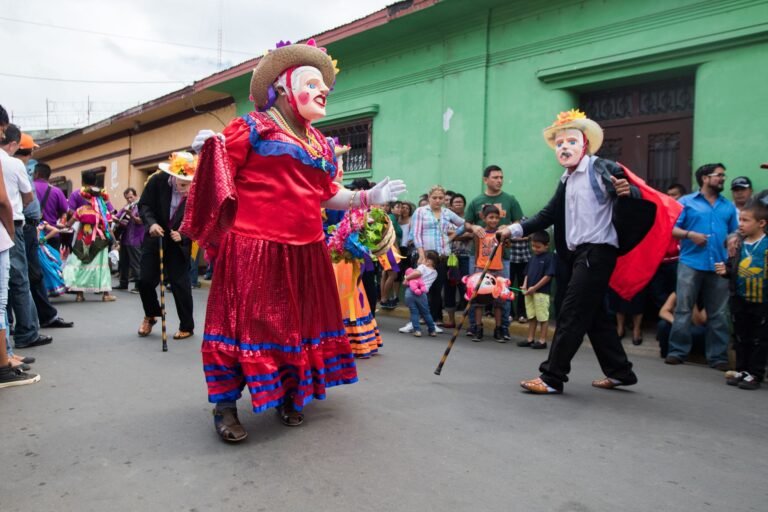
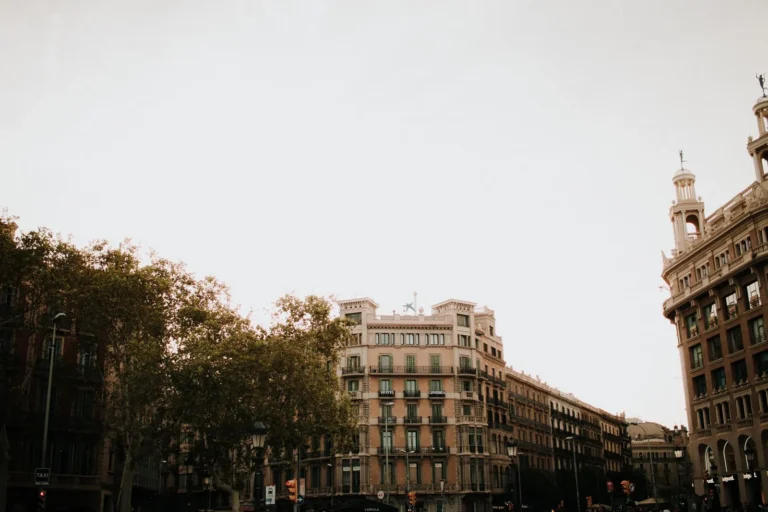
The Feria de Día transforms Malaga’s historic centre into an open-air party. From around midday until 6-7 PM, streets like Calle Larios, Plaza de la Constitución, and the surrounding narrow lanes are packed. You’ll find temporary ‘casetas’ (marquees) set up by local businesses and associations, but also permanent bars that extend their service into the street. The key to enjoying the Feria de Día is to embrace the flow, keep moving, and seek out specific experiences.
- Food and Drink: Many bars offer small plates (tapas) for around €3-€5. A popular choice is ‘pescaíto frito’ – assorted fried fish. For something more substantial, look for restaurants offering a ‘menú del día’ for €10-€15, usually including a starter, main, and drink. Many locals opt for non-alcoholic drinks like ‘mosto’ (grape juice), water, or soft drinks to stay comfortable in the heat. Stay hydrated with plenty of water.
- Music and Dancing: Expect spontaneous flamenco performances in the street. You don’t need to join in, but watching is part of the fun. Plaza de la Constitución often hosts official performances of ‘verdiales’ – a unique, ancient form of flamenco from Malaga. These can be captivating to watch.
- Dress Code: Comfort is king. While many locals don traditional flamenco dresses (for women) or short suits (for men), you don’t need to. Lightweight, breathable clothing is best. Think cotton or linen. Flat, comfortable shoes are non-negotiable – you’ll be on your feet for hours on cobblestone streets.
- Horse Carriages and Riders: In the early afternoon, you’ll see elegant horse-drawn carriages and riders in traditional attire parading through the city centre. They follow designated routes, adding to the classic ambiance.
- Money: While some larger bars accept card payments, many smaller, temporary stalls and street vendors are cash-only. Always carry a mix of smaller Euro denominations (€5, €10, €20). ATMs are available but can have long queues.
Downsides? The heat can be intense, and the crowds are thick. Finding a clean public restroom can be a challenge; plan your breaks in established cafes or restaurants. Pickpocketing can occur in very crowded areas, so keep your valuables secure and out of sight.

Navigating the Feria de Noche: Fairgrounds After Dark
As the sun sets, the focus shifts to the Real de la Feria, located just outside the city centre in the Cortijo de Torres area. This is where the main fairground rides, larger casetas, and official stages are. The atmosphere is boisterous and electric, feeling much more like a traditional carnival. Getting there is a crucial element for malaga feria first timer tips.
Transportation: The easiest way to reach the Real is by public transport. Driving and parking are nearly impossible. The special Feria bus lines run frequently from various points in Malaga city. A single bus ticket costs €1.40. A 10-trip travel card (‘bonobus’) can be purchased for around €8.50 at kiosks and tobacco shops, offering better value if you plan multiple trips. Buses usually run from around 7 PM until late, often until 6 AM or 7 AM on weekends. Key departure points include Alameda Principal and Paseo del Parque. Look for signs indicating “Real de la Feria” or “Feria”. Taxis are an option, but surge pricing is common during Feria, and waiting times can be long; expect a taxi ride from the city centre to cost €15-€25, depending on demand and exact drop-off. It’s definitely worth it to use the buses.
Feria de Noche Activity Costs
| Activity/Item | Approximate Cost (EUR) | Notes |
|---|---|---|
| Bus Ticket (Single) | €1.40 | Special Feria routes operate |
| Fairground Ride | €3.50 – €6.00 | Prices vary by ride intensity |
| Soft Drink / Water | €2.50 – €4.00 | Inside casetas or food stalls |
| Tapas Portion | €4.00 – €7.00 | In casetas, prices often higher than city centre |
| Full Meal (basic) | €10.00 – €20.00 | Burgers, fried chicken, churros etc. |
| Churros (6-8 pieces) | €4.00 – €6.00 | Essential late-night snack |
The Casetas: The Real is home to hundreds of ‘casetas’ – large tents, each with its own specific atmosphere. Unlike some other Andalusian ferias, most casetas in Malaga are public, meaning you can walk right in without an invitation. They vary in size and style, from family-friendly zones with traditional music to modern ones playing popular hits. Wander around, listen to the music, and step into any that catch your eye. You can order drinks and food inside; look for the bar area. Many have stages for live music and dancing.
Fairground Rides: From gentle carousels for kids to adrenaline-pumping rollercoasters, there’s a ride for every level of thrill-seeker. Each ride has its own ticket booth, typically costing between €3.50 and €6.00 per person. If you plan to spend hours on rides, budget accordingly. The biggest, most intense rides are at the far end of the fairgrounds.
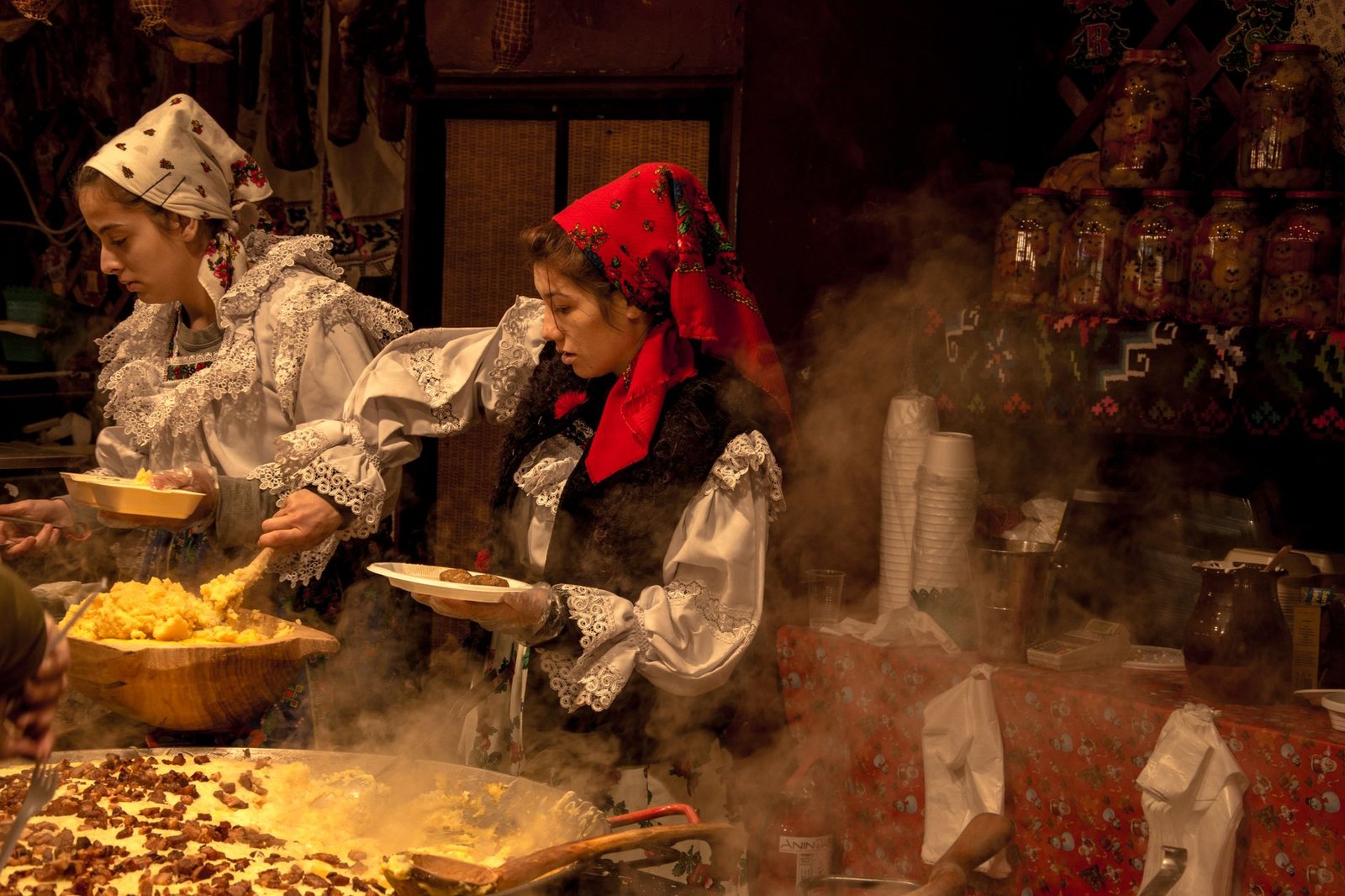
Food Stalls: Beyond the casetas, you’ll find numerous food stalls selling everything from churros con chocolate (a must-try late at night) to burgers, kebabs, and various fried treats. It’s a great place for a quick, casual bite. The churros stands generally open very late and are perfect for a snack before heading back home.
Downsides: The Real de la Feria is huge, and walking long distances is unavoidable. Wear those comfortable shoes again! It gets incredibly loud, and the crowds are dense, especially on weekends. It can feel overwhelming if you’re sensitive to noise or tight spaces. Keep an eye on your belongings.
Accommodation and Budgeting: Your Wallet’s Survival Guide
Accommodation during the Feria is where your budget takes its biggest hit. Prices for hotels and apartments skyrocket, often doubling or tripling. This is why securing your stay far in advance is one of the most crucial of all malaga feria first timer tips. Start looking 6-8 months ahead for the best rates and availability. If you are reading this too late for that, you can check current hotel prices for Malaga, but be prepared for higher prices.
- Where to Stay:
- City Centre: Ideal for the Feria de Día, with direct access to all the daytime action. Expect significant noise until early evening. Well-connected by bus to the Real de la Feria.
- El Soho / Perchel Sur: Just south and west of the centre, offering a slightly quieter escape but still within walking distance or a short bus ride.
- La Malagueta / Pedregalejo: East of the centre, these areas offer proximity to the beach, a different atmosphere, and are still accessible via public transport to both Feria zones. They are generally quieter at night.
- Airbnb/Apartments: Can be a good option for groups, but verify cancellation policies and exact location carefully.
- Typical Accommodation Costs (per night):
- Hostel Dorm Bed: €40-€70
- Budget Hotel/Guesthouse: €120-€200
- Mid-Range Hotel: €200-€400+
- Apartment (1-2 bedroom): €250-€500+
- Daily Spending Budget:
- Low Budget (€50-€80/day): Focus on cheap eats (supermarket picnics, street food), limited drinks, and public transport.
- Mid-Range (€80-€150/day): Enjoy tapas, a few drinks, one or two fairground rides, and some taxi usage.
- High Budget (€150+/day): Multiple meals out, frequent taxi use, more drinks, and full engagement with all activities.
Remember that these daily budgets are *on top* of accommodation costs. The Feria is not a budget festival. Save money by choosing self-catering accommodation, bringing your own water, and making the most of the free entertainment (street music, people-watching).
Beyond the Feria: Exploring Malaga and Andalusia
While the Feria demands your attention, remember that Malaga itself is a city worth exploring, and Andalusia offers many other incredible experiences. Don’t let the festival consume your entire trip. Consider dedicating a day or two to Malaga’s cultural attractions before or after the main Feria period. The Alcazaba and Gibralfaro Castle offer historical insights and great views, and the Picasso Museum is a must-visit for art enthusiasts. Entry to the Alcazaba is around €3.50, or a combined ticket with the Gibralfaro Castle is €5.50. Check opening hours, usually 9:00 AM – 6:00 PM, but verify closer to your visit.
If the crowds and noise become too much, a day trip can be a fantastic reprieve. You could visit the charming coastal towns along the Costa del Sol, or head inland for a change of scenery. A trip to the Montes de Malaga Natural Park, just a short bus ride from the city, offers hiking trails and cooler temperatures. For those looking to venture further, exploring the architectural wonders of a nearby city like Granada, with its awe-inspiring Alhambra, makes for an unforgettable contrast. You can find excellent advice on a Granada Cordoba Itinerary to make the most of your time. Alternatively, if you’re interested in the region’s history, a visit to determine if the Alcazar Seville is worth visiting could be on your list. Remember to factor in travel time and costs for any excursions.
Booking a guided tour can also help you see a different side of Malaga away from the Feria bustle. You can book a guided tour on Viator to explore specific interests, like a food tour or a historical walk, providing a structured break from the festival’s spontaneity. These tours typically range from €30-€80, depending on duration and inclusions. Just be sure to pick a tour that avoids the busiest areas of the Feria de Día.
FAQ: Malaga Feria First Timer Tips – Common Questions
What should I wear to the Malaga Feria?
For the Feria de Día, prioritize light, breathable fabrics like cotton or linen due to the intense August heat. Comfortable, flat shoes are essential for walking on cobblestones. Many locals dress in traditional flamenco attire, but it’s not required; smart casual is perfectly acceptable. For the Feria de Noche, comfort remains key, but you might want a light jacket for cooler evening air, especially if you stay very late, though it rarely gets truly cold in August.
Is the Malaga Feria suitable for families with children?
Yes, the Malaga Feria can be enjoyable for families. The Feria de Noche at the Real de la Feria has a dedicated children’s area with numerous rides and attractions suitable for younger kids, usually open from early evening. The Feria de Día, however, can be extremely crowded and loud, which might be overwhelming for very young children. Consider visiting the city centre during the late morning before peak crowds, or focus more on the fairgrounds in the evening.
How do I get to the Real de la Feria from the city centre?
The most efficient way to get to the Real de la Feria from the city centre is by taking one of the special Feria buses. These routes operate frequently from major points like Alameda Principal and Paseo del Parque, costing €1.40 per single journey. Taxis are also available but expect long queues and higher fares due to demand. Driving yourself is not recommended due to limited parking and traffic congestion.
What are the ‘casetas’ and how do they work?
Casetas are large, temporary marquees or tents that serve as social hubs during the Feria. In Malaga, most casetas at the Real de la Feria are public, meaning anyone can enter. They offer food, drinks, live music (often flamenco or pop), and a space to socialize and dance. You order from a bar inside, and some may have waiter service. They vary greatly in atmosphere, from traditional family-friendly spaces to those playing modern music for younger crowds.
The Malaga Feria is an experience unlike any other, a deep dive into Andalusian culture and festivity that will leave you with lasting memories. By preparing for the heat, understanding the dual nature of the celebration, and planning your transport and budget, you’re set for an incredible time. Remember to hydrate, wear comfortable shoes, and most importantly, embrace the infectious energy of Malaga during its biggest party. For more insights into planning your Andalusian adventures, be sure to check out our Spain Destination blog for diverse travel tips and guides.