Authentic Espetos de Sardinas Recipe
Some links in this guide are affiliate links — if you book through them we may earn a small commission at no extra cost to you. It never changes what we recommend. Full disclosure.
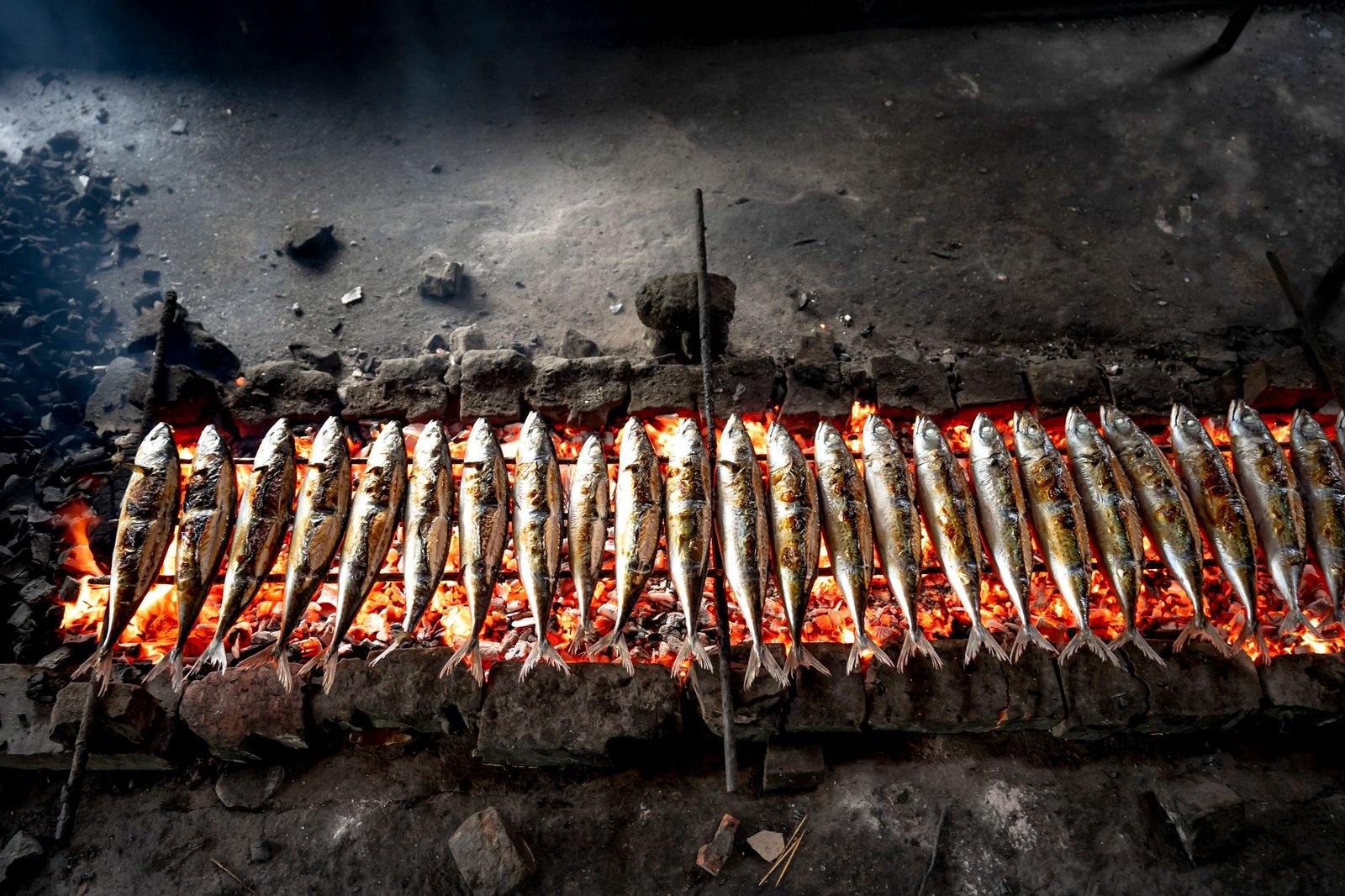
Espetos de sardinas are fresh sardines skewered on a cane stick and grilled over an open olive-wood fire, usually in a sand-filled boat right on a Malaga beach. The method is simple: ultra-fresh fish, just coarse sea salt, and smoke from the wood fire. Here is how to recreate the real version at home.
This article contains affiliate links. If you book through one, Spain Destination may earn a small commission at no extra cost to you. See the full affiliate disclosure →
Quick Answer: Espetos De Sardinas
Authentic espetos de sardinas are fresh sardines skewered on a cane stick and grilled over an olive wood fire, typically in a sand-filled boat on the beach in Málaga. The key is ultra-fresh fish, minimal seasoning (just coarse sea salt), and the unique smoky flavor imparted by the specific cooking method. You’ll primarily find them at beachfront chiringuitos.
What Exactly Are Espetos de Sardinas? And Why They Matter in Málaga
Espetos de sardinas are more than just a dish; they’re a cultural icon in Málaga, a symbol of its coastal heritage and relaxed way of life. The word “espeto” refers to the act of skewering, and “espetar” means to skewer. What makes this particular preparation stand out is the method: five or six fresh sardines, threaded onto a skewer (traditionally a caña, a type of cane found locally), seasoned liberally with coarse sea salt, and then strategically positioned over an open fire, usually burning olive wood or holm oak in a repurposed fishing boat filled with sand. This setup allows the fish to cook evenly, slowly, and acquire that distinctive smoky flavor without directly touching the flame.
The role of the “espetero” is crucial. This skilled individual understands the heat, the wind, and the exact moment to rotate the skewers for perfectly cooked fish – crispy skin, juicy flesh, never dry. You’ll often see them working tirelessly by the boat-grills (called a “moraga” or “espetera”) on the sand, a testament to the dish’s deep roots in the fishing traditions of Málaga. This isn’t a technique you’ll find widely practiced in other parts of Spain with the same dedication or prevalence. Yes, you might see grilled fish elsewhere, but the specific espeto tradition, with its cane skewers and beachfront boat-grills, is unmistakably Málaga’s own.
The importance of espetos also lies in their accessibility. They are a democratic dish, enjoyed by everyone from families to tourists, often costing just a few euros. They represent the simplicity and quality of Mediterranean cuisine, where fresh, local ingredients are allowed to speak for themselves with minimal intervention. If you’re visiting Málaga, trying espetos isn’t just a recommendation; it’s a non-negotiable part of experiencing the city’s soul. Trying to replicate the exact experience outside of Málaga can be challenging, largely due to the specific setup and the sheer freshness of the fish available right off the boats here.
A downside? If you’re not getting your espetos from a reputable chiringuito, or if it’s a particularly busy day, the sardines might be rushed. This can lead to undercooked or, more commonly, overcooked fish. The goal is flaky, moist flesh, not dry or tough. Pay attention to the crowds and the freshness of the fire.
Finding the Best Espetos: Chiringuitos and How to Spot a Good One
To truly experience espetos, you need to head to the coastal areas of Málaga, particularly the old fishing neighborhoods. Pedregalejo and El Palo are your prime destinations. These areas are lined with chiringuitos, beachfront restaurants that specialize in seafood cooked on the sand. You’ll know you’re in the right place when you see the iconic fishing boats filled with burning wood on the beach directly in front of the restaurant.
Here’s how to spot a good chiringuito for espetos:
- The Boat & Fire: The most obvious sign is the presence of the sand-filled boat-grill with an active fire and an espetero at work. No boat, no authentic espetos.
- The Smell: A good chiringuito will have the unmistakable aroma of woodsmoke and grilling fish wafting through the air.
- The Crowd: Locals know where to go. A busy chiringuito, especially at peak lunch (2 PM-4 PM) or dinner (9 PM-11 PM) times, is usually a good indicator of quality and freshness.
- The Sardines Themselves: They should look silvery, firm, and plump before they hit the fire. After cooking, the skin should be slightly charred and crispy, while the flesh inside is tender and white.
- Simplicity: The best places keep it simple. Espetos are usually served with just a lemon wedge. If they’re offering elaborate sauces or garnishes, it might be a sign they’re trying to mask less-than-perfect fish.
While most chiringuitos in Pedregalejo and El Palo serve good espetos, some consistently deliver. Try El Balneario – Baños del Carmen for a slightly more atmospheric setting (though a little pricier due to its location) or any of the smaller, family-run places along the promenade in El Palo like Restaurante El Cabra or Gabi. Prices are generally consistent, offering excellent value.
| Chiringuito Name | Location | Typical Espeto Price | Opening Hours (Approx.) |
|---|---|---|---|
| El Cabra | Paseo Marítimo El Palo | €3.50 – €4.50 | 13:00 – 23:00 (Daily) |
| Gabi | Paseo Marítimo El Palo | €3.50 – €4.50 | 12:30 – 23:30 (Daily) |
| El Balneario | Baños del Carmen | €4.50 – €5.50 | 13:00 – 00:00 (Daily, check seasonality) |
| Miguelito El Cariñoso | Paseo Marítimo Pedregalejo | €4.00 – €5.00 | 13:00 – 23:00 (Daily) |
Remember that these prices are for a single skewer of sardines (5-6 fish). You’ll likely order two or three per person as a starter or light meal, or more if you’re making a full lunch out of them. A full meal with other fish and drinks might cost you €20-€30 per person, which is still very reasonable for fresh seafood by the sea.
Beyond Sardines: Other Espetos and What to Order
While sardines are the quintessential espeto, the technique isn’t exclusive to them. Many chiringuitos also offer other types of fish and seafood prepared “al espeto.” These are generally larger fish, cut into portions before skewering, and will naturally cost more due to the type and size of the seafood. It’s worth trying them if you’re in a group and want to sample a variety.
Other popular options you might find “al espeto” include:
- Dorada (Sea Bream): A white fish with a delicate flavor, often grilled whole or in large fillets. Expect to pay €15-€25 for a whole fish, depending on size.
- Lubina (Sea Bass): Another excellent white fish, similar in texture and cooking to dorada. Prices are comparable.
- Pargo (Red Snapper): A firmer, flakier white fish, delicious when cooked over wood fire.
- Gambas (Prawns): Sometimes skewered and grilled, offering a smoky, sweet flavor. A skewer might be €8-€12.
- Jureles (Horse Mackerel): Smaller, oilier fish, similar to sardines but with a slightly different taste profile. Usually priced similarly to sardines.
Don’t limit yourself to just espetos either. Chiringuitos offer a full range of other classic Málaga seafood dishes that complement the smoky flavors of the espetos. Think “fritura malagueña” (a platter of mixed fried fish), “ensalada malagueña” (a refreshing potato salad with orange, cod, and olives), “conchas finas” (a local clam served raw with lemon), or “pulpo a la gallega” (Galician style octopus). These dishes, along with your espetos, create a truly authentic coastal dining experience. Remember, the focus here is on fresh seafood, simply prepared.
Your Guide to Making Espetos De Sardinas at Home
Recreating the exact beachfront experience of Málaga in your backyard is challenging, mostly because of the specific fire setup. However, you can come very close to the taste and technique of Espetos De Sardinas with a few adjustments. The key is fresh fish, proper skewering, and an intense heat source, preferably with a smoky element.
Ingredients:
- 1 kg fresh sardines (about 20-25 sardines, look for bright eyes, firm flesh, and a fresh sea smell)
- 5-6 sturdy cane skewers (or metal skewers if cane is unavailable, but cane imparts a subtle flavor)
- 100g coarse sea salt (Maldon or similar flaky salt is ideal)
- 1-2 lemons, cut into wedges, for serving
- Olive wood chunks or chips (for smoke, optional but recommended for flavor)
Equipment:
- Grill with a lid (charcoal grill is best, gas grill works with a smoke box)
- Tongs
- Heat-resistant gloves (useful for handling skewers near high heat)
- A spray bottle with water (to control flare-ups)
Cooking Steps:
- Prepare the Sardines: Do not gut or scale the sardines. The guts impart flavor and the scales protect the flesh during cooking. Rinse them gently under cold water and pat them completely dry with paper towels. This is crucial for crisp skin.
- Prepare the Skewers: If using cane skewers, soak them in water for at least 30 minutes. This prevents them from burning too quickly on the grill. If using metal, ensure they are clean.
- Skewer the Sardines: This is the trickiest part. Take a skewer and, starting from just behind the gills, thread it through the fish, aiming for the backbone. The skewer should emerge just before the tail fin. This ensures the sardines hang securely and cook evenly. Skewer 5-6 sardines per stick, making sure they are parallel and slightly fanned out, not tightly packed. The goal is to keep them from spinning.
- Season: Lay the skewered sardines on a tray. Generously sprinkle both sides with coarse sea salt. Don’t be shy; a good amount of salt helps crisp the skin and season the fish.
- Prepare the Grill:
- Charcoal Grill: Arrange hot coals on one side of the grill, creating a direct and an indirect heat zone. If using olive wood chunks, place them directly on the coals to start smoking. Close the lid for a few minutes to get the smoke going.
- Gas Grill: Heat one side of the grill to high. If using wood chips, place them in a smoker box or in a foil packet with holes over the direct heat to create smoke.
- Cook the Espetos:
Unlike regular grilling where fish is laid flat, espetos are cooked vertically or at an angle, never directly over the flame. Position the skewers by digging the ends of the cane into the sand (if you have a sand pit or large planter) or by resting them against the side of the grill, angled towards the intense heat but not directly over it. The fish should be close enough to the heat to cook, but far enough that the fat drips away without causing massive flare-ups that would burn the fish. If using a standard grill, you’ll need to improvise a way to prop them up vertically or at a steep angle. This might mean using bricks or specific grill accessories.
Cook for approximately 4-6 minutes per side, rotating the skewer to ensure even cooking. The cooking time will depend on the heat of your grill and the size of the sardines. The skin should be crispy and slightly charred, and the flesh opaque and flaky when done. Watch for flare-ups from dripping fat and use your water spray bottle to quickly extinguish them.
- Serve: Carefully remove the espetos from the grill using tongs. Transfer them to a serving platter. Serve immediately with plenty of fresh lemon wedges. The best way to eat them is to pick them off the skewer with your fingers.
This authentic espetos de sardinas recipe brings a taste of Málaga to your home. While it might not have the sound of the waves or the specific sea air, the fresh fish and smoky flavor will transport you.
Espetos De Sardinas: When to Go, What to Expect, and Common Pitfalls
Understanding the context of espetos enhances the entire experience. They are most commonly enjoyed during the warmer months, roughly from May to September, when sardines are at their fattest and most flavorful. However, you can find them year-round in Málaga, though the quality might fluctuate outside of peak season. Lunch is a very popular time for espetos, typically between 2 PM and 4 PM, but many chiringuitos serve them well into the evening, often until 10 PM or 11 PM.
When you head out for espetos, here’s what to keep in mind:
- Dress Casually: This is beachfront dining. Shorts, t-shirts, and sandals are perfectly acceptable. Don’t expect white tablecloths or formal service.
- Embrace the Simplicity: The beauty of espetos lies in their lack of pretension. It’s about fresh fish, sea air, and good company. You won’t find complex presentations.
- Order Enough: A single skewer has 5-6 sardines. For a light snack, one might be enough, but for a satisfying meal, most people order two or three per person, especially if it’s the main dish.
- Pair with Local Flavors: While the article does not mention specific drinks, consider ordering a refreshing non-alcoholic local beverage like a “mosto” (grape juice) or a fresh lemonade to complement the salty, smoky fish.
- Expect Noise: Chiringuitos are lively places, often filled with families and groups of friends. It can get loud, especially during peak hours.
- No Reservations Needed (Usually): For espetos specifically, you can often just walk up. For larger groups or during very busy weekends, calling ahead for a table might be wise, especially if you want a prime spot with a sea view.
Common Pitfalls to Avoid:
- Going to the Wrong Place: Avoid places far from the beach or those that don’t have the outdoor boat-grill. They might be cooking them on a conventional grill, which just isn’t the same.
- Expecting Gourmet Dining: This is traditional, rustic food. It’s delicious, but not fancy. Adjust your expectations accordingly.
- Ignoring Seasonality: While available all year, late spring to early autumn is when sardines are at their best. If you’re visiting in winter, ensure the place is busy enough to guarantee fresh stock.
- Not Eating Them Immediately: Espetos are best eaten straight off the skewer, hot from the fire. They cool quickly and lose their appeal.
To truly immerse yourself in the Málaga food scene, perhaps consider exploring the city’s culinary traditions with a local. You can book a guided tour on Viator that includes food experiences. For longer stays or if you’re planning a trip around the region, you might also want to check current hotel prices for Malaga in Málaga’s coastal areas like Pedregalejo to be right by the action.
FAQ: Espetos De Sardinas – Common Questions
What kind of fish are used for espetos?
The classic espeto uses fresh sardines (sardinas). They are specifically chosen for their size, oil content, and availability, particularly during the warmer months. You might also find other fish like dorada (sea bream) or lubina (sea bass) prepared “al espeto,” but sardines are the original and most common choice.
How much does an espeto de sardinas cost in Málaga?
An espeto de sardinas typically costs between €3.50 and €5.50 for a skewer of 5-6 sardines. Prices can vary slightly depending on the specific chiringuito and its location, with those in more prominent spots sometimes being a little higher. This makes them a very affordable and popular option for locals and visitors alike.
Can I find espetos outside of Málaga?
While you might find grilled sardines in other coastal areas of Spain, the specific tradition of “espetos de sardinas” cooked on cane skewers over a sand-filled boat-grill is overwhelmingly unique to Málaga and its surrounding Costa del Sol. Replicas exist, but the authenticity and prevalence won’t be the same. If you’re traveling through the region, remember that Málaga is truly the heartland of this specific dish, making it a must-try during your time there, perhaps as part of a 7 Days Andalusia By Car itinerary.
What’s the best way to eat an espeto?
The best way to eat an espeto is with your hands. Once served, pick a sardine off the skewer, squeeze a little fresh lemon juice over it, and eat it whole (minus the head and tail, unless you’re feeling adventurous). The bones are small and soft enough to be eaten by some, but most people discard them. Don’t be afraid to get a little messy; it’s part of the authentic experience.
Embracing the simplicity of espetos de sardinas is to understand a significant part of Málaga’s soul. This humble dish, prepared with generations of skill by the sea, is an essential experience for anyone exploring the south of Spain. Make sure you set aside time to visit the coastal neighborhoods, find a lively chiringuito, and savor these smoky, salty delights with the sound of the waves as your soundtrack. For more insights into Spanish culinary traditions, don’t forget to check our Spain Destination blog.