Andalusian Fried Eggplant with Honey: Recipe and History
Some links in this guide are affiliate links — if you book through them we may earn a small commission at no extra cost to you. It never changes what we recommend. Full disclosure.
You’ve likely tasted many Spanish dishes, perhaps the famous paella or a refreshing gazpacho, but one often gets overlooked, yet it captures the essence of Andalusian sweetness and savory depth perfectly. The specific andalusian fried eggplant honey recipe I adore, known locally as berenjenas con miel, is one of those dishes that, once tried, becomes a craving you can’t shake. It’s more than just food; it’s a taste of the region’s complex history, from Moorish influences to local agricultural traditions that have shaped its unique flavor profile. Having lived in Spain for 15 years, I’ve seen this dish prepared in countless kitchens, from bustling city tapas bars to quiet, family-run establishments in the pueblos blancos, each with their subtle variations. This guide will equip you not just with the steps to recreate this dish accurately at home, but also with the knowledge of where to find the best versions in Andalusia, what ingredients matter most, and how to truly appreciate its cultural significance.
Quick Answer: Andalusian Fried Eggplant Honey Recipe
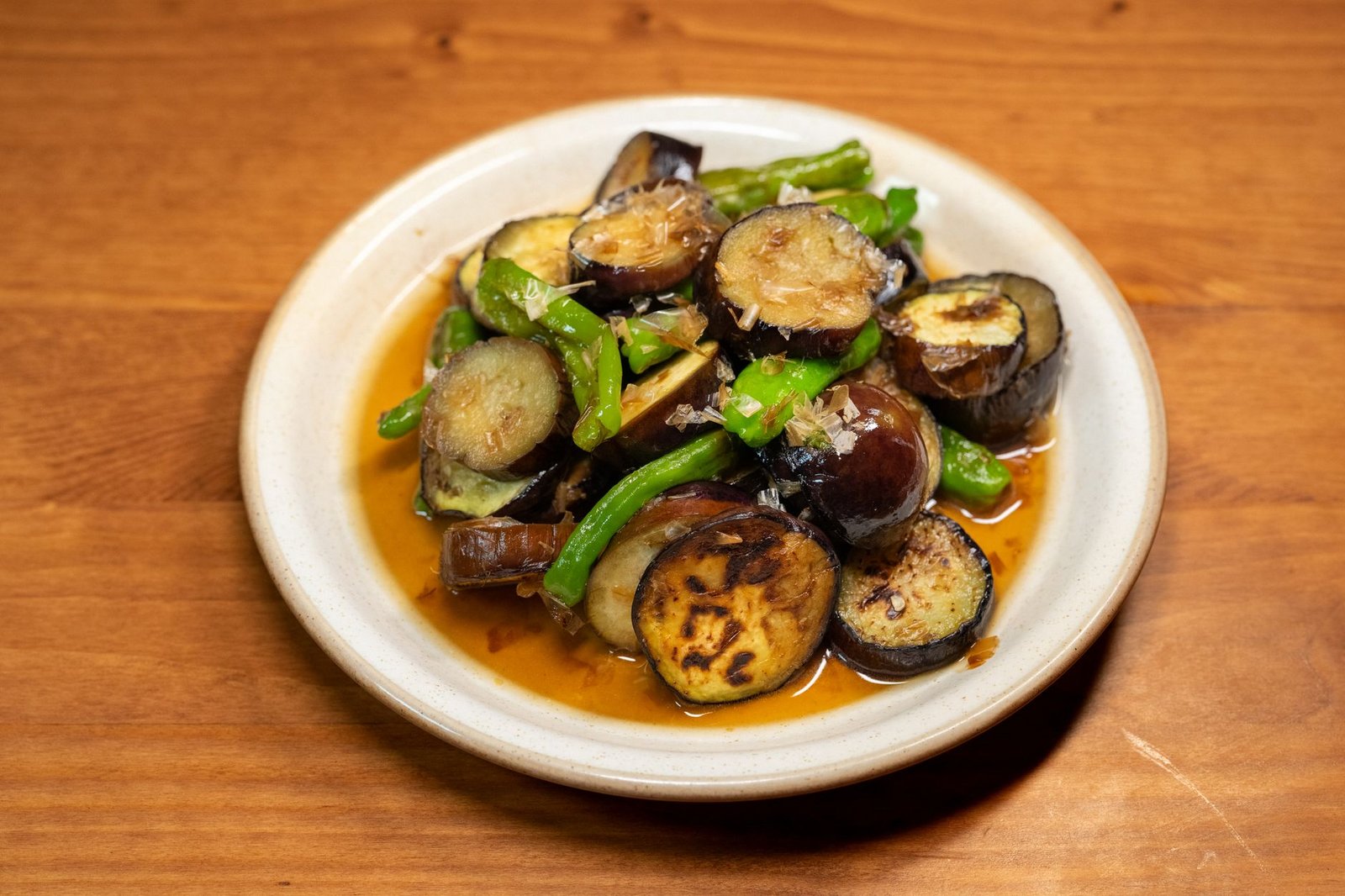
This beloved Andalusian dish features thin slices of eggplant, lightly battered and deep-fried to a golden crisp, then drizzled generously with miel de caña (cane honey), creating a unique balance of savory, sweet, and slightly bitter flavors. While simple, the key is in proper preparation and using the correct honey for an authentic experience, elevating a humble vegetable into a delightful culinary statement. The cane honey comes from the Axarquía, the same hilly comarca that turns pink during almond blossom season each February.
The Heart of Andalusia on a Plate: Where Berenjenas con Miel Shines
To truly understand berenjenas con miel, you need to understand its roots, which are deeply entwined with the history of Andalusia. The use of sugarcane in this region dates back centuries, introduced by the Moors, and the production of miel de caña – a thick, dark, molasses-like syrup extracted from sugarcane – is a tradition that continues to this day, particularly in areas like Frigiliana near Málaga. This isn’t bee honey, despite the name; it’s a unique sweetener that lends the dish its characteristic flavor profile, a deep, earthy sweetness that balances the slight bitterness of the eggplant. If a place offers you regular bee honey with your fried eggplant, you know you’re missing out on the genuine article.
You’ll find berenjenas con miel across most of Andalusia, but some cities and establishments truly excel. Málaga, Granada, and Cordoba are prime locations to savor this specialty. In Málaga, the dish is a staple on almost any tapas menu. Wander through the historic center, perhaps near Plaza de la Merced, and you’ll find numerous spots. One place frequently recommended by locals is compare hotel prices on Booking.com if you plan to stay awhile in the city. Another good option is to simply ask any local bar for “berenjenas con miel”. A typical tapa portion will set you back around €3 to €5, while a larger ración for sharing might be €8 to €12. The best versions arrive at your table steaming hot, perfectly crisp, and glistening with the dark, viscous miel de caña.
Granada, with its strong Moorish heritage, also offers exceptional versions, often found in the tearooms (teterías) and tapas bars of the Albayzín quarter. Here, the flavors sometimes lean a little more towards the exotic, with subtle hints of spice from the kitchen. Taberna La Tana (Calle Rosario, 11) is a renowned spot for quality tapas, and while their menu rotates, if berenjenas con miel is on offer, it’s worth ordering. A tapas portion there could be around €4.50 to €6. Their general opening hours are typically 13:00 to 16:00 for lunch and 20:00 to 00:00 for dinner service, though these can vary. When in Granada, experiencing the local cuisine goes hand-in-hand with exploring its cultural offerings, such as the Sacromonte Cave Flamenco Granada, a spectacle that perfectly captures the city’s soul.
Cordoba, especially within its enchanting Jewish Quarter, also presents its own take on the dish, often with a slightly thinner slice of eggplant and a focus on lightness. While you’re there, be sure to sample other Cordoban classics like salmorejo. The key takeaway, no matter where you are in Andalusia, is to always ask for miel de caña. If they offer regular bee honey, politely ask if they have the sugarcane version instead. It truly makes all the difference in achieving that authentic, complex flavor profile that makes this dish so special.
Mastering Andalusian Fried Eggplant Honey Recipe at Home: Ingredients
Recreating this dish at home requires a few key ingredients, but their quality is paramount. This isn’t a complex recipe in terms of technique, but the balance of flavors and textures relies heavily on what you start with. Don’t be tempted to cut corners on the miel de caña or the olive oil; they are central to the experience.
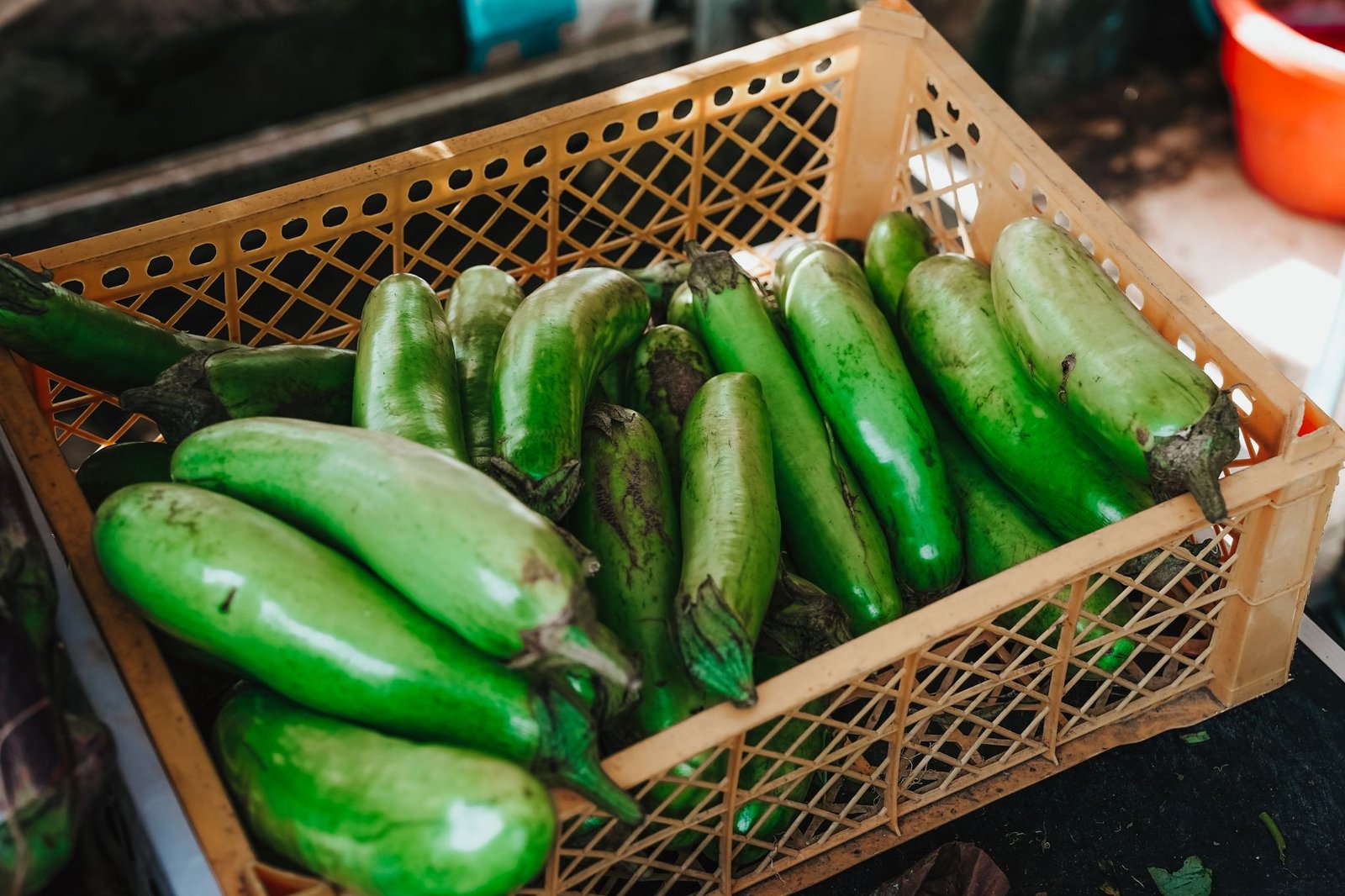
- Eggplant: 2 medium-sized eggplants (approximately 500-600g total). Look for long, slender varieties, often labeled “Mediterranean” or “Japanese” eggplant, as they tend to have fewer seeds and a milder flavor. If you can only find globe eggplants, that’s fine too, just ensure they are firm and free of blemishes.
- All-purpose Flour: 100g (about 1 cup). This is for a simple, traditional coating. Some variations use a light batter, but a straightforward flour dredge is common and effective for a crisp finish.
- Fine Sea Salt: 1 teaspoon, plus extra for seasoning. Crucial for drawing out moisture from the eggplant, preventing sogginess, and reducing bitterness.
- Mild Olive Oil for Frying: 500ml. This might seem like a lot, but proper deep-frying requires enough oil to submerge the eggplant slices. Choose a mild olive oil, not extra virgin, as its smoke point is higher, making it more suitable for frying without imparting a burnt flavor. You can reuse the oil for another batch of frying, but don’t keep it for too long.
- Miel de Caña: 100ml. This is non-negotiable for an authentic taste. The most recognized brand, and one you’ll find across Spain, is from the Nuestra Señora del Carmen factory in Frigiliana. If you cannot find it in a local Spanish specialty store, it’s widely available online. Do not substitute with regular honey or molasses; the flavor profile is distinct.
- Paper Towels: A roll or two to drain the fried eggplant and absorb excess oil.
A note on miel de caña: it is a dark, thick, almost black syrup with a unique, rich flavor. It’s less sweet than regular honey, with a slightly savory, almost malty undertone. This complexity is what perfectly complements the fried eggplant. When shopping, always confirm it is sugarcane honey, not bee honey.
Your Step-by-Step Guide to Perfect Berenjenas con Miel
Preparing this dish is straightforward, but attention to a few details will elevate it from simply fried eggplant to a truly authentic Andalusian experience. Patience at each stage pays off in the final texture and flavor.
- Prepare the Eggplant: Begin by washing and drying your eggplants. Using a sharp knife or a mandoline (be careful!), slice the eggplants into thin rounds or half-moons, about 3-5mm thick. Consistency in thickness is important for even cooking. Place the slices in a colander, sprinkling each layer generously with fine sea salt. Let them sit for at least 30 minutes, or up to an hour. This process, called “sweating,” draws out excess moisture and some of the eggplant’s natural bitterness. You’ll see beads of liquid forming on the surface.
- Rinse and Dry: After sweating, rinse the eggplant slices thoroughly under cold running water to remove the salt. This step is essential; otherwise, your dish will be too salty. Once rinsed, spread them out on a clean kitchen towel or several layers of paper towels and pat them as dry as possible. Any remaining moisture will make the oil splatter and prevent crispiness.
- Prepare for Frying: Place the 100g of all-purpose flour in a shallow dish or plate. Working in batches, dredge each eggplant slice in the flour, ensuring it’s evenly coated. Gently shake off any excess flour. You want a light, thin coating, not a thick layer.
- Heat the Oil: Pour the 500ml of mild olive oil into a deep frying pan or a heavy-bottomed pot. Heat the oil over medium-high heat until it reaches a temperature of 170-180°C (340-355°F). If you don’t have a thermometer, you can test it by dropping a tiny pinch of flour into the oil; it should sizzle immediately and turn golden quickly. If it browns too fast, the oil is too hot; if it just sits there, it’s not hot enough.
- Fry the Eggplant: Carefully add the floured eggplant slices to the hot oil in small batches. Do not overcrowd the pan; this will lower the oil temperature and result in soggy, greasy eggplant. Fry for 2-3 minutes per side, or until they are golden brown and crispy. They should cook relatively quickly due to their thinness.
- Drain: Using tongs or a slotted spoon, remove the fried eggplant slices from the oil and immediately transfer them to a plate lined with several layers of paper towels. This will absorb any excess oil. Cook all remaining batches, replenishing the oil if necessary, and ensure each batch is drained properly.
- Drizzle and Serve: Arrange the hot, crispy eggplant slices on a serving platter. Drizzle generously with miel de caña. Serve immediately. The warmth of the eggplant helps the syrup cling beautifully.
Frying can be a bit messy, so ensure you have good ventilation in your kitchen. This dish is meant to be enjoyed fresh from the pan; it loses its crispness if it sits for too long. It’s a wonderful dish to share, so prepare enough for everyone.
Here’s a quick guide to troubleshooting common issues:
| Issue | Cause | Solution |
|---|---|---|
| Soggy Eggplant | Eggplant not dry enough; oil not hot enough; pan overcrowded. | Ensure thorough drying and proper oil temperature (170-180°C); fry in small batches. |
| Burnt Outside, Raw Inside | Oil too hot; eggplant slices too thick. | Reduce oil temperature; slice eggplant thinner (3-5mm). |
| Too Salty | Not rinsing eggplant thoroughly after sweating. | Always rinse eggplant under cold water after salting, then pat dry. |
| Flour Coating Falls Off | Eggplant too wet; not enough flour adhesion. | Pat eggplant thoroughly dry before flouring; press flour gently onto slices. |
Beyond the Plate: Pairing and Appreciation
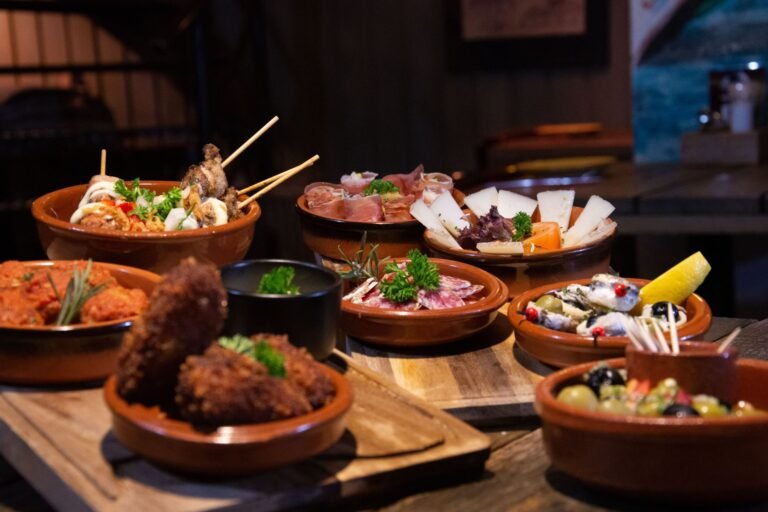
While the Andalusian fried eggplant with honey is a star in its own right, it’s often enjoyed as part of a larger tapas spread. This isn’t a main course, but a delightful component that adds a unique sweet-savory dimension to any meal. Think of it as a starter or a side dish that complements, rather than dominates, the other flavors on the table. When you’re in Spain, you’ll often see it alongside other classic Andalusian tapas.
Consider serving your homemade berenjenas con miel with:
- Gazpacho or Salmorejo: The refreshing, cool tang of these tomato-based soups provides a beautiful contrast to the warm, sweet eggplant. A small bowl of either makes for a perfect pairing.
- Pescaito Frito: Small fried fish, a staple of coastal Andalusia, offers a salty, savory counterpoint. The rich sweetness of the eggplant cuts through the richness of the fried seafood.
- Boquerones en Vinagre: Marinated anchovies, tangy and light, are another excellent choice for balancing the flavors.
- Tortilla Española: A slice of classic Spanish potato omelette offers a comforting, earthy balance.
- Fresh Bread: A simple crusty loaf of bread is always a good idea to sop up any leftover honey or olive oil.
The tapas culture in Spain is all about sharing small plates, trying a variety of dishes, and savoring the company as much as the food. Berenjenas con miel fits perfectly into this philosophy. It’s typically enjoyed during lunch, as a late afternoon snack (merienda), or as a starter for dinner. It’s not a heavy meal in itself, but rather a treat to be savored.
For sourcing miel de caña outside of Spain, you might have luck in specialty Spanish food stores, often found in larger cities. Failing that, online retailers frequently carry it. Look for brands that specifically mention “miel de caña” or “sugar cane honey,” with the Frigiliana-based Nuestra Señora del Carmen being the most authentic choice. Don’t be fooled by products simply labeled “honey,” as they will likely be bee honey and won’t deliver the characteristic flavor this recipe demands. If you’re looking for other traditional Spanish sweets to try making at home, our Ronda Yemas Recipe offers another taste of authentic confectionery.
Finding Authenticity: My Recommendations for Tasting Berenjenas con Miel in Andalusia
While making this dish at home is rewarding, there’s nothing quite like experiencing it in its true setting. The atmosphere, the local chatter, and the expertise of Spanish chefs all contribute to the overall enjoyment. Here are a few places I recommend seeking out for exceptional berenjenas con miel:
- Málaga: Casa Lola Tapas (Calle Granada, 46). This lively tapas bar is a local favorite, known for its extensive menu and consistent quality. Their berenjenas con miel are reliably crisp and generously drizzled. Expect a wait during peak lunch hours (typically 14:00-16:00) and dinner (21:00-23:00) as it’s a popular spot. Tapa prices range from €3.50 to €6. You can also book a guided tour on Viator to explore Málaga’s lively food scene and discover more culinary delights beyond just this dish.
- Granada: Los Diamantes (Calle Navas, 28, and other locations). This place is a Granada institution. It’s noisy, often packed, and unapologetically authentic. While traditionally they give you a complimentary tapa with each drink, you can also order a full ración of berenjenas con miel for around €8-€10. It’s an experience in itself – standing room only, but the food speaks for itself. They open around 12:00-16:00 and then again from 19:30 until late. The quality of the frying here is often impeccable.
- Cordoba: Taberna Salinas (Puerta de Almodóvar, 9). For a slightly more traditional and seated experience in Cordoba, Taberna Salinas offers a wonderful version of this dish. Known for its classic Cordoban cuisine, their berenjenas con miel are typically lighter and very well-executed. A ración here might cost between €9 and €12. It’s a great spot to enjoy a meal in a more relaxed setting, open from 13:00-16:30 and 20:00-23:30. The setting, situated near the old city walls, adds to the experience.
Each of these places offers a slightly different ambiance, but they all share a commitment to quality ingredients and traditional preparation. Don’t be afraid to try a few different spots; you’ll notice subtle differences in how the eggplant is sliced, the lightness of the batter, or the intensity of the honey. That’s the beauty of Spanish cuisine – regional variations making each bite a new discovery.
FAQ: Bringing home Andalusian Fried Eggplant Honey Recipe I adore – Common Questions
What kind of eggplant is best for this recipe?
For the best results, opt for long, slender eggplants, sometimes called Mediterranean or Japanese eggplant. These varieties typically have thinner skins, fewer seeds, and a milder flavor, which means less bitterness. If these aren’t available, a firm, medium-sized globe eggplant will also work well, just ensure it’s not overly mature, as older eggplants can be more bitter and seedy.
Can I substitute miel de caña with regular honey?
While you technically *can* substitute with regular honey, it won’t yield the authentic flavor profile of the dish. Miel de caña is a unique sugarcane syrup, not bee honey. It has a distinctive dark color, a thicker consistency, and a complex flavor that is less overtly sweet than honey, with earthy, malty undertones. Regular honey will make the dish taste simply sweet, missing the crucial balance that miel de caña provides.
How do I prevent the eggplant from being soggy?
Preventing soggy eggplant is critical for this dish. First, ensure you “sweat” the eggplant slices by salting them and letting them drain for 30-60 minutes to draw out excess moisture. After rinsing off the salt, pat them absolutely dry with paper towels. Second, make sure your frying oil is at the correct temperature (170-180°C / 340-355°F) and do not overcrowd the pan. Frying in small batches ensures the oil temperature remains high, resulting in a crisp exterior.
Is this dish healthy?
Berenjenas con miel is a fried dish, and as such, it’s not typically considered a low-calorie or “healthy” option in the strictest sense. It involves deep-frying in oil and then drizzling with a sugary syrup. It’s a dish meant for enjoyment and savoring, often as part of a varied meal. Like many delicious fried foods, it’s best enjoyed in moderation as an occasional treat rather than a daily staple, fitting perfectly into the small portions of a tapas experience.
Bringing the recipe into your kitchen isn’t just about cooking; it’s about connecting with a rich culinary tradition. The simple act of slicing, frying, and drizzling transports a piece of Spain to your home, offering a taste that speaks volumes about the region’s history and its passion for food. Whether you seek it out in a bustling Granada tapas bar or master it yourself, this dish is a testament to Andalusia’s ability to transform humble ingredients into something truly special. For more insights into Spanish culinary traditions and travel, head over to our Spanish culinary traditions and travel blog.
About the Author
After 15 years living and traveling across Spain, Caro knows this country in a way most travel writers never will. She’s not here to sell you a polished version of Spain, she’s here to show you the real one. Every guide on this site comes from her own experience: the restaurants she eats at, the routes she walks, the festivals she’s actually attended. She writes to cut through the noise and give you what actually matters. Learn more about Caro →