Las Dalias Market in Ibiza: What to Expect
Some links in this guide are affiliate links — if you book through them we may earn a small commission at no extra cost to you. It never changes what we recommend. Full disclosure.
Ibiza isn’t merely the throbbing heart of Europe’s electronic music scene, the place synonymous with superclubs and late-night parties. While many visitors arrive expecting that singular experience, there’s a deeply rooted, creative spirit that beats steadily away from the dance floors, particularly in the quieter, northern reaches of the island. This guide will show you how to truly experience the authentic, bohemian soul of Ibiza, starting with the vibrant world waiting at **las dalias market ibiza**.
Quick Answer: The Wonderful Finds Waiting at the market
Las Dalias Market in Ibiza is a globally recognized artisan market located in San Carlos, offering a diverse array of handmade goods, distinctive clothing, jewelry, live music, and a wide range of food options. Established in 1954 as a humble roadside bar, it has transformed into a cultural landmark and a thriving hub for alternative design, attracting visitors who seek unique finds and an authentic slice of the island’s free-spirited character.
The Soul of Las Dalias: More Than Just Stalls
Stepping into Las Dalias feels like walking into a different dimension of Ibiza, one steeped in a rich history and a powerful sense of community. This isn’t just a place to buy things; it’s an experience, a living tapestry woven from decades of counter-culture, artistry, and genuine human connection. The market started its life in 1954 as a simple roadside bar, a pit stop for weary travelers and local farmers. By the early 1980s, it began attracting the island’s growing community of hippies and artisans, slowly transforming into the iconic market it is today. You can still feel that legacy in every corner, from the winding paths to the eclectic mix of stalls and the scent of incense lingering in the air.
The atmosphere here shifts subtly depending on when you visit. The daytime Saturday market, which runs year-round, buzzes with a relaxed, family-friendly energy. You’ll hear the murmur of conversations, the soft strumming of a guitar, and the gentle rustle of fabrics. Come evening, especially during the summer’s Night Market, the air thickens with anticipation. Fairy lights twinkle, live music takes center stage, and the market glows with a warm, inviting charm that makes you want to linger for hours.
What sets Las Dalias apart from other markets you might find in Spain is its unwavering commitment to artisan craft. Many of the vendors are designers and makers themselves, pouring their hearts into each piece. You’re not just buying a product; you’re supporting an individual’s passion and creativity. It’s a genuine celebration of originality, where mass-produced items are rare, and the focus remains firmly on unique, handmade goods. This focus gives the market a truly special quality that you can feel as you explore.
The main Saturday Market operates from 10:00 to 20:00 from April through October. During the quieter winter months, November to March, its hours are slightly shorter, from 10:00 to 18:00. If you’re visiting in summer, the Night Market is a must-see. It generally runs on Monday, Tuesday, and Sunday evenings from June to September, opening around 19:00 and continuing until 00:30, though it’s always wise to check their official website for specific dates and times as these can vary slightly year-to-year. Entry to the day market is free for pedestrians, but parking typically costs between €4 and €6 per vehicle. My honest advice? Arrive as close to opening time as you can manage, particularly during peak summer season. Not only do you beat the largest crowds, but you also have the first pick of the most distinctive items before they’re snapped up.
What You’ll Discover: Goods and Artisans
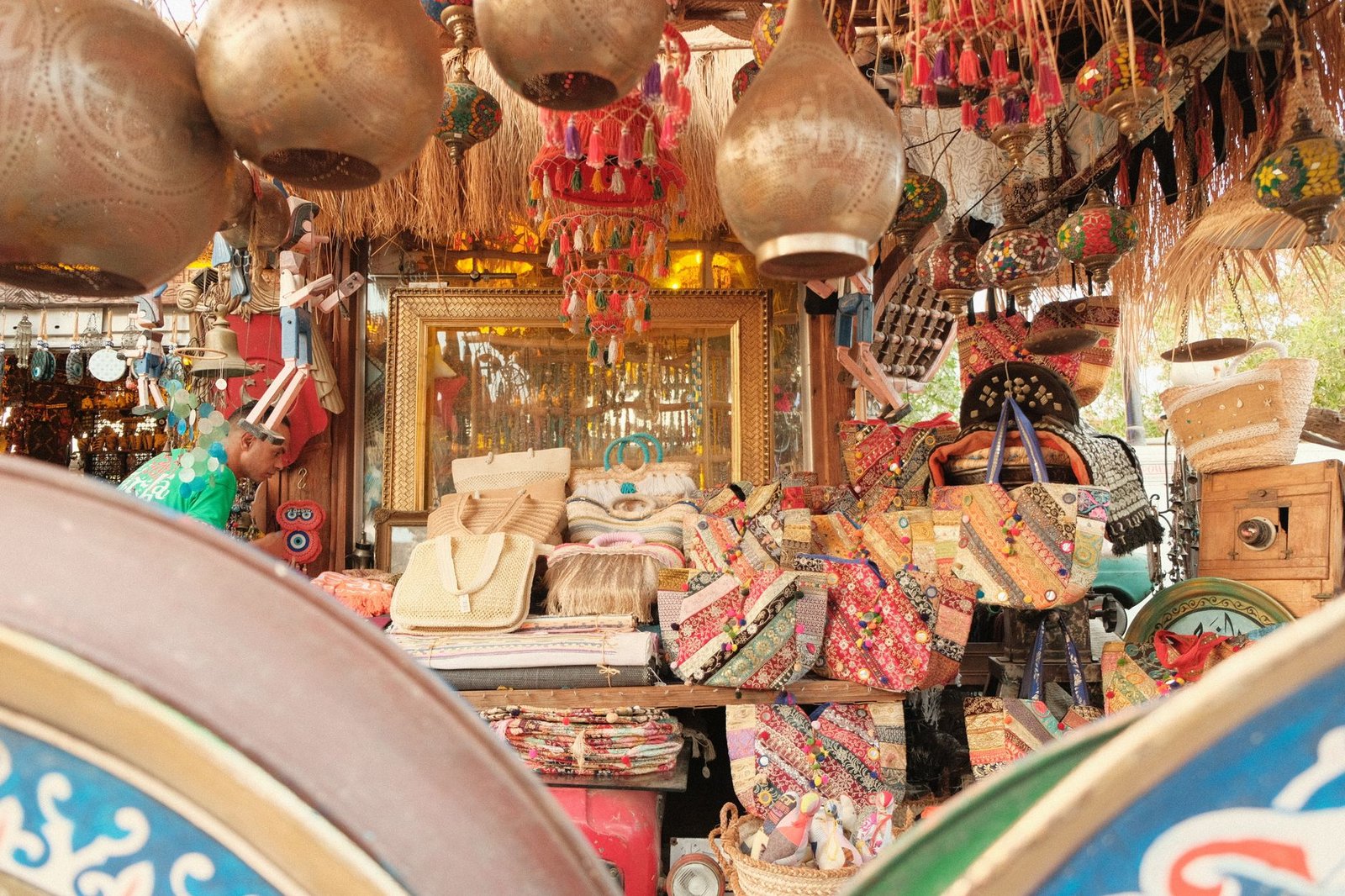
Prepare to be drawn into a world of vibrant colors, intricate textures, and designs that truly embody the free spirit of Ibiza. The stalls at Las Dalias are a treasure trove, each one a miniature gallery showcasing the diverse talents of local and international artisans. You won’t find generic souvenirs here; instead, you’ll encounter items with stories behind them, crafted with care and individual flair.
When it comes to clothing, expect a strong bohemian influence. Flowing dresses, intricate kimonos, linen shirts, and hand-embroidered tops dominate, often made from natural fibers like cotton and silk. Many pieces feature unique prints, tie-dye patterns, or delicate lace details. You might even stumble upon designer-inspired pieces or genuinely vintage finds that have been lovingly restored. Prices for clothing can vary significantly, from a simple top for €40-€60 to an elaborately designed dress for €150-€250 or more. Remember that you are often paying for individual design and ethical production.
Jewelry is another major draw. You’ll see stalls overflowing with intricate silverwork, often combined with semi-precious stones like turquoise, amethyst, or moonstone. There are also unique pieces crafted from wood, shells, and recycled materials, along with delicate beaded necklaces and bold statement earrings. A simple silver ring might start at €30-€50, while a more elaborate necklace could easily be €100-€300. Many artisans offer custom work or can adjust pieces on the spot, so don’t hesitate to inquire.
Beyond fashion, the market is a hub for fine art and home decor. You’ll find everything from abstract paintings and detailed illustrations to photography and sculptures. Ceramics are particularly noteworthy, with local potters creating beautiful, functional pieces like bowls, plates, and decorative tiles, often inspired by the island’s natural beauty. A small ceramic bowl might cost €20-€40, while a larger, intricate art piece could be €100-€500. Leather goods are also popular, with handcrafted bags, belts, and sandals that are built to last. Expect to pay €80-€200 for a quality leather bag or a pair of bespoke sandals.
Here’s a glimpse of the types of unique goods you can expect to find:
- Hand-stitched bohemian fashion, including kaftans, tunics, and flowing skirts
- Artisan jewelry crafted from silver, gold-plated metals, and ethically sourced gemstones
- Original artworks, from watercolors and oil paintings to unique sculptures and prints
- Handmade leather goods such as bespoke sandals, intricate belts, and durable handbags
- Unique ceramics and pottery, featuring traditional and contemporary designs
- Natural beauty products, including locally made soaps, essential oils, and organic cosmetics
- Exotic textiles and home furnishings, often imported from around the world
- Musical instruments, from hand drums to unique wind instruments
While many items are truly handmade and unique, it’s worth being discerning. Some stalls might offer goods that are less artisanal and more mass-produced, especially in the clothing section. Trust your instincts and look for the details that indicate genuine craftsmanship – uneven stitches, unique imperfections, or a vendor who is happy to talk about their process. Unlike some markets in Spain, bargaining isn’t widely practiced here, especially for truly artisan items where the price reflects the maker’s time and materials. However, a polite inquiry about a “best price” for multiple items isn’t out of line, particularly towards the end of the day or if you’re making a substantial purchase.
A Culinary Journey: Eating at the Market
Exploring Las Dalias will inevitably build up an appetite, and thankfully, the market offers a fantastic range of culinary delights to satisfy every craving. This isn’t just about quick snacks; it’s a global culinary journey that mirrors the market’s diverse cultural influences. You’ll find everything from traditional Spanish bites to exotic flavors from around the world, all served up with the market’s signature relaxed vibe.
The central hub for food is often around the main restaurant, “Las Dalias Café,” which offers a more sit-down experience with a menu of local and international dishes. You can expect hearty meals, fresh salads, and often a daily special. A main course here typically ranges from €15 to €25. However, the real joy comes from the numerous food stalls scattered throughout the market. These pop-up kitchens serve an incredible variety of street food that allows you to graze and try different things as you wander.
You can feast on generously portioned paella, sizzling hot from enormous pans, costing around €12-€15 for a serving. Craving something lighter? Freshly made crepes, both sweet and savory, are a popular choice, starting from €5-€10 depending on toppings. The juice bar is a standout, offering an array of freshly squeezed fruit and vegetable concoctions, perfect for a refreshingly healthy boost, typically priced at €6-€8 per glass. Many stalls specialize in organic and vegetarian options, making it easy to find something delicious if you have specific dietary needs.
Don’t miss the Moroccan tea tent, a truly atmospheric spot where you can relax on cushions and sip sweet mint tea for around €3-€4 a cup, often accompanied by traditional pastries. You’ll also find stalls selling crispy empanadas, fluffy falafel wraps, wood-fired pizzas, gourmet sandwiches, and a tempting selection of homemade cakes and pastries. A quick snack might be €5-€10, while a more substantial street food meal will be around €10-€15. It’s smart to carry some smaller euro notes and coins, as some of the smaller food stalls might be cash-only, though most larger vendors accept card payments.
One honest tip for eating at Las Dalias: The best food stalls, especially those with particularly enticing aromas or long lines, can get very busy during peak lunch hours (14:00-16:00). If you see something you like and there’s a manageable queue, grab it. Finding a table can sometimes be a challenge, so be prepared to eat standing or find a quiet spot on a bench or wall if the main seating areas are packed. This flexibility is part of the charm of market dining, after all!
Music, Events, and Beyond the Stalls
Las Dalias is more than just a market; it’s a dynamic cultural hub that frequently hosts a variety of events, from live music performances to themed parties, especially during the warmer months. The air often vibrates with the sound of music, adding another layer to the already rich sensory experience.
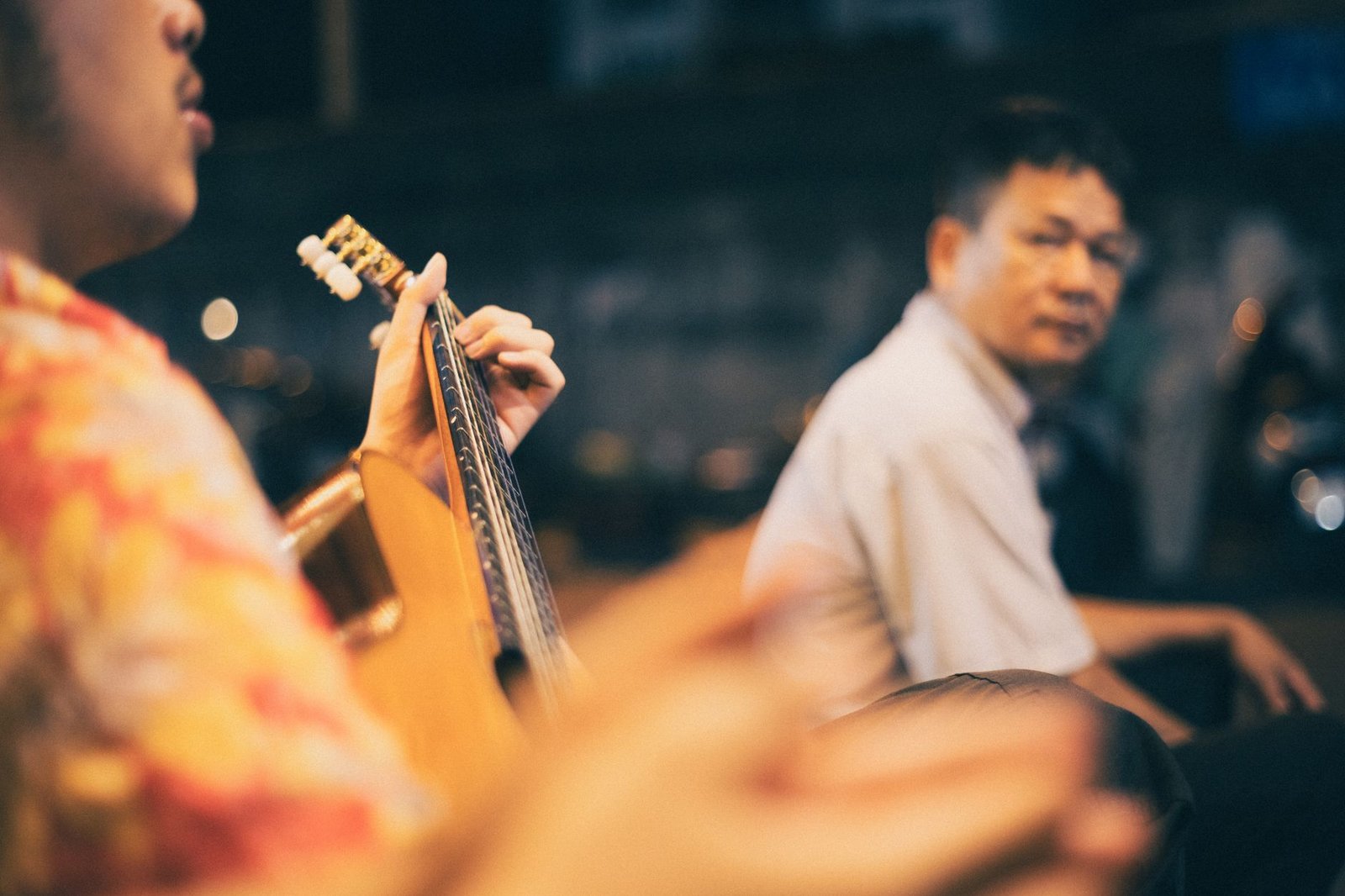
You’ll frequently find live bands playing on the main stage, located near the central café area. The music genres are as diverse as the market itself, ranging from traditional flamenco and Spanish guitar to world music, reggae, and acoustic sets. During the day, the music is typically more laid-back, providing a pleasant backdrop for your browsing. In the evenings, especially during the Night Market, the energy ramps up, with more energetic performances that often get people dancing. Keep an eye out for smaller, impromptu performances in various corners of the market, where a lone musician might be playing an oud or a group of drummers might be creating a rhythmic beat.
For families, Las Dalias often has activities geared towards children, particularly on Saturdays. These might include face painting, small craft workshops, or designated play areas, giving younger visitors a chance to engage while parents explore the stalls. It’s an inclusive environment where everyone, regardless of age, can find something to enjoy.
Beyond the regular market days, Las Dalias is famous for its special events and seasonal markets. The Christmas Market is a particularly festive affair, transforming the grounds into a winter wonderland with unique gifts, festive food, and warming drinks. Similarly, the Easter market brings its own seasonal charm. These events often have extended hours and even more specialized vendors.
Perhaps the most iconic event at Las Dalias, especially if you’re visiting in summer, is the “Namasté” party. Held typically on Wednesday evenings from June to September (always confirm dates), Namasté is an institution. It’s not a typical club night; it’s a celebration of peace, love, and world music, attracting a diverse crowd. The market transforms into an open-air venue with elaborate decorations, multiple music stages featuring spiritual and ethnic sounds, and performers. Entry for Namasté usually costs around €20-€30, and it starts around 20:00, continuing well past midnight. It’s an entirely different side of Las Dalias, offering a deeper dive into Ibiza’s alternative spiritual scene.
Here are some of the typical activities and events you might encounter:
- Live musical performances across various genres, from acoustic folk to world fusion
- Dedicated children’s workshops, often involving creative arts and crafts
- Occasional fashion shows showcasing artisan designs and new collections
- Seasonal markets, such as the bustling Christmas and Easter editions
- The legendary “Namasté” party, a weekly summer celebration of global music and culture
- Pop-up art installations and impromptu street performances
- Workshops for adults, sometimes offering insights into the crafts displayed at the market
This dynamic schedule means there’s always something new to experience, reflecting the creative and ever-evolving spirit of the island. Much like learning a new skill at a Triana Ceramic Workshop in Seville, Las Dalias offers a chance to connect with artisan culture directly.
Practicalities: Getting There and Making the Most of Your Visit
To truly enjoy your time at Las Dalias, a little planning goes a long way. The market is located in the small village of San Carlos de Peralta (Sant Carles de Peralta in Catalan), nestled in the picturesque northeast of Ibiza. It’s a bit off the beaten path from the main tourist hubs, which adds to its charm but requires a thought for transportation.
Getting There:
The most convenient way to reach Las Dalias is by car or scooter. This gives you the flexibility to arrive early, leave late, and explore the surrounding countryside or nearby beaches. Rental cars are readily available across the island, with daily rates starting from around €30-€50, depending on the season and vehicle type. The journey from Ibiza Town takes approximately 25-30 minutes, while from Santa Eulalia del Río, it’s a much shorter 10-15 minute drive. There’s ample parking available on-site, though it comes with a fee of €4-€6 for the day. Be warned: during peak summer Saturdays, the car parks can fill up quickly, especially between 11:00 and 15:00. Arriving before 10:30 or after 17:00 is a smart move if you’re driving.
Public transport is an option, albeit with limitations. The L24 bus route connects Ibiza Town (Eivissa) and Santa Eulalia del Río to San Carlos. Buses run less frequently than in more central areas, especially on weekends and in the off-season. From Santa Eulalia, the bus journey is about 15-20 minutes, costing around €2-€3 for a single ticket. Check the latest bus schedules online before you travel, as timings can change seasonally.
Taxis are another straightforward choice, particularly if you’re not planning to drive. From Ibiza Town, a taxi to Las Dalias will cost approximately €30-€40. From Santa Eulalia, expect to pay around €10-€15. You can usually find taxis waiting outside the market, but during busy periods, you might have a short wait.
Here’s a quick comparison of transportation options:
| Method | Approx. Cost (one-way) | Flexibility | Typical Travel Time (from Ibiza Town) |
|---|---|---|---|
| Rental Car | €30-€50 per day + €4-€6 parking | High | 25-30 minutes |
| Bus (L24) | €2-€3 | Low (fixed schedule) | 40-50 minutes (with connections) |
| Taxi | €30-€40 | Medium | 25-30 minutes |
Making the Most of Your Visit:
To ensure a smooth and enjoyable day, here are a few practical tips:
- Cash is King (or Queen): While many larger stalls and the main café accept card payments, numerous smaller artisan stands, especially those further from the main entrance, are cash-only. Bring a good mix of smaller euro notes and coins to make purchases easier.
- Dress Comfortably: You’ll be doing a lot of walking and browsing, often on uneven ground or dusty paths. Comfortable shoes are essential. In summer, light, breathable clothing, a wide-brimmed hat, and sunglasses are highly recommended.
- Stay Hydrated: Ibiza sun can be intense. Carry a reusable water bottle; there are some water refill points and plenty of stalls selling fresh juices and bottled water.
- Bring a Reusable Bag: You’re sure to find a few things you love, so a sturdy canvas bag will come in handy for carrying your treasures. Many vendors will provide bags, but bringing your own is more sustainable.
- Time Your Visit: As mentioned, early mornings are best for avoiding crowds and finding parking. If you prefer a cooler, more atmospheric visit, try the late afternoon on a Saturday or the Night Market. The evening offers a completely different vibe with the lights and music.
- Accessibility: The market is generally flat but has some unpaved areas and narrow pathways, which can be challenging for wheelchairs or those with mobility issues. While efforts are made, it’s not entirely accessible in all areas.
Las Dalias offers a fantastic contrast to the high-energy beach clubs, providing a more relaxed and culturally rich experience. It’s a wonderful place to immerse yourself in the creative spirit of Ibiza, much like exploring the unique landscapes you might find on the El Torcal Antequera Hiking Trails, where every turn reveals something new and unexpected.
FAQ: The wonderful finds waiting at the market – Common Questions
Is Las Dalias Market open all year?
Yes, the main Saturday market runs year-round, though the hours adjust seasonally. From April to October, you’ll find it open from 10:00 to 20:00. During the quieter winter months, November to March, it operates from 10:00 to 18:00. The Night Market and other specific events, like the Namasté parties, are seasonal and typically run during the peak summer period from June to September.
What kind of items can you buy at Las Dalias?
You can discover an eclectic mix of goods at Las Dalias. Expect to find a wide range of bohemian-inspired clothing, handcrafted jewelry made with silver and semi-precious stones, original artworks, artisan ceramics, leather bags and sandals, unique home decor pieces, and exotic imported textiles. There are also many stalls dedicated to natural beauty products, musical instruments, and one-of-a-kind souvenirs that capture the spirit of Ibiza.
Is it free to enter Las Dalias Market?
Yes, entry to the main Saturday day market is generally free for visitors. However, if you arrive by car, you should factor in the cost of parking, which typically ranges from €4 to €6 for the day. Certain special events, like the popular Namasté party, may have a ticketed entry fee, usually around €20-€30, but these are clearly advertised.
What is the best way to get to Las Dalias Market?
The most flexible way to reach Las Dalias is by car or scooter, giving you the freedom to explore nearby areas as well. There is ample parking available on-site, though it does come with a charge and can fill up quickly during peak hours. Alternatively, you can take a local bus, specifically the L24 service from Santa Eulalia del Río, which has limited but reliable timings. Taxis are also an option, costing approximately €30-€40 from Ibiza Town or €10-€15 from Santa Eulalia.
Leaving Las Dalias, you don’t just take home a souvenir; you carry a piece of Ibiza’s enduring creative spirit. It’s a place that reminds you there’s so much more to this island than its famed nightlife, a vibrant testament to its artistic heritage and free-spirited community. Whether you spend hours sifting through artisan crafts, sampling delicious street food, or simply soaking in the atmosphere with a fresh juice, it’s an experience that truly connects you to the authentic pulse of the island. For your stay, I recommend you compare hotel prices on Booking.com to find accommodation that matches the island’s unique energy, and to explore further activities, you can book a guided tour on Viator. For more ways to explore Spain beyond the usual, dive into our Spain Destination Blog.
About the Author
After 15 years living and traveling across Spain, Caro knows this country in a way most travel writers never will. She’s not here to sell you a polished version of Spain, she’s here to show you the real one. Every guide on this site comes from her own experience: the restaurants she eats at, the routes she walks, the festivals she’s actually attended. She writes to cut through the noise and give you what actually matters. Learn more about Caro →