Malaga Feria: What Actually Happens at the Fair
Some links in this guide are affiliate links — if you book through them we may earn a small commission at no extra cost to you. It never changes what we recommend. Full disclosure.
The Málaga Feria day celebration is often thought of as a simple week of merriment in the Spanish sun, but the reality is a whirlwind of tradition, music, and Andalusian spirit that takes over the city completely. If you’ve only ever pictured yourself on a quiet beach in August, prepare for a beautiful jolt to your senses. It’s an immersive experience, quite unlike a conventional city visit; this isn’t just a festival you observe, it’s one you step right into, joining thousands of locals who truly know how to mark the occasion. My goal here is to guide you through the intricacies of the Feria, sharing the real timing, the true costs, and exactly how to navigate the joyful chaos so you can participate authentically.
Quick Answer: Málaga Feria day celebration joy, a rhythm for my soul
The Málaga Feria is an annual week-long festival, typically held in mid-August, split between the historic city center during the day (Feria de Día) and the Recinto Ferial fairgrounds at night. It involves traditional Andalusian music and dance, vibrant street celebrations, horse parades, fairground rides, and an abundance of local food, offering a deep dive into Malagueño culture.
What to Expect at Málaga’s Day Feria (Feria de Día)
Imagine the very heart of Málaga’s old town, usually a lovely maze of narrow streets, completely transformed. During Feria de Día, which generally runs from around 12:00 PM to 6:00 PM each day of the festival, the energy is palpable. The main artery, Calle Larios, becomes a grand promenade, shaded by temporary fabric canopies that provide some respite from the August sun. This is where you’ll see some of the most beautiful sights: women dressed in exquisite trajes de flamenca (flamenco dresses) and men in traditional traje corto (short jackets and riding trousers) parading on horseback or walking through the crowds. These aren’t costumes for tourists; they are genuine expressions of local pride and tradition.
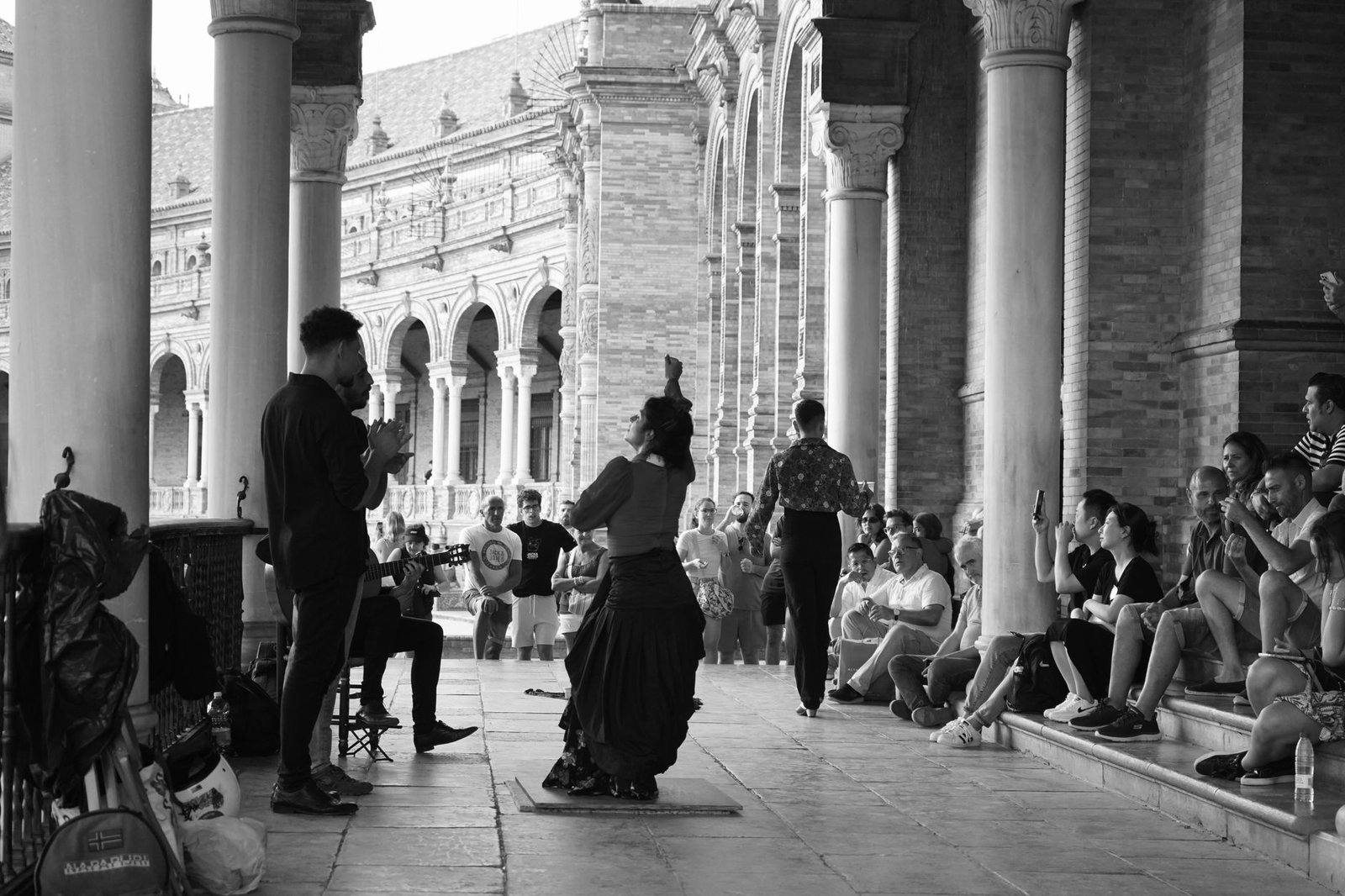
The historic center overflows with temporary stages hosting live music – primarily traditional sevillanas, a folk dance often performed in pairs or groups. You’ll hear the rhythmic clapping, the strumming of guitars, and the passionate singing from every corner. Many bars and restaurants expand onto the streets, setting up outdoor stalls where they serve food and drinks. Be prepared for crowds, especially as the afternoon progresses towards 4:00 PM. It gets very busy, very quickly, making it a challenge to move freely. Patience is a necessity here, as is a willingness to be swept along with the general flow. It’s a fantastic atmosphere if you embrace it, but if you dislike tight spaces or loud environments, the Day Feria might be more intense than you expect. It’s worth remembering that this part of the Feria is free to attend, though you’ll pay for anything you consume. Expect a small bottle of water to cost around €1.50-€2.00 from a street vendor, and a plate of olives or a small tapa between €3.00-€5.00.
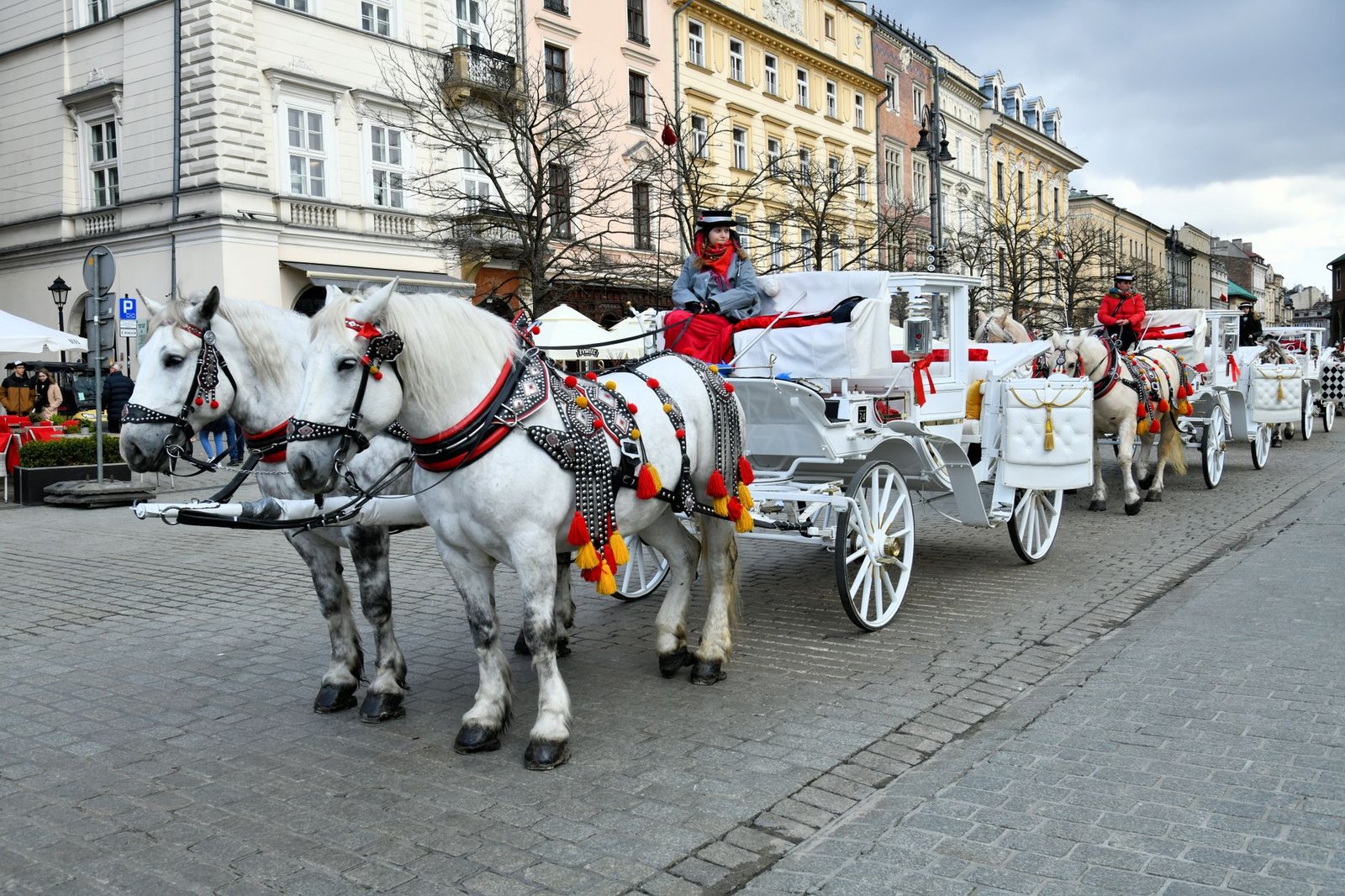
I find the best approach for the Day Feria is to arrive earlier, around 1:00 PM, before the biggest surge of people. Wander the streets around the cathedral, Plaza de la Constitución, and Calle Granada. Find a spot near a stage to watch the dancing, or simply people-watch as the horse-drawn carriages pass by. The sights and sounds are unique. It is also wise to duck into a cooler side street or a larger plaza if you start to feel overwhelmed by the density of people. The intensity is part of the experience, but managing your energy is key to enjoying the full week. Remember, while the Day Feria officially winds down around 6:00 PM, many establishments in the center keep the music and festive mood going well into the early evening.
Navigating the Recinto Ferial: Málaga’s Nighttime Extravaganza
When the sun begins to set and the energy of the Day Feria shifts, the real action for the evening moves out to the Recinto Ferial. This purpose-built fairground, located a few kilometers west of the city center near the Palacio de Ferias y Congresos, is where Málaga’s Feria truly comes alive after dark. Unlike the more spontaneous street party of the Day Feria, the Recinto Ferial is a vast, organized space filled with hundreds of casetas (marquees or booths), amusement rides, and food stalls. Most casetas are open to the public and are free to enter, though some might be private and require an invitation or connection, which is rare for the smaller ones. You’ll quickly see which are open by the flow of people and the lack of a gatekeeper.
The Recinto Ferial opens generally around 8:00 PM and runs until the early hours, often 6:00 AM or later. It’s a destination for families with children who want to enjoy the rides, groups of friends looking for live music and dancing, and anyone wanting to experience the grandeur of a traditional Andalusian fairground. The atmosphere here is different from the day, still festive but spread out, less intense, and with a broader range of activities. You’ll find stages dedicated to different types of music, from traditional flamenco to contemporary Spanish pop. Food options are plentiful, including classic fairground fare like churros, candy floss, and roasted nuts, alongside more substantial local dishes such as fried fish, paella, and various tapas. Consider trying the famous Malaga beach espetos tradition, a delicious grilled sardine dish that is popular in the region.
Getting to the Recinto Ferial is easiest by public transport. Special bus lines run continuously throughout the night from various points in the city, especially the Alameda Principal. A single bus ticket costs around €1.40. Taxis are also available, but expect long queues and higher fares, particularly during peak hours (late night/early morning). A taxi from the city center to the Recinto Ferial might cost €10-€15, depending on traffic and your exact starting point. If you plan to spend significant time at the Recinto, dress comfortably. While traditional attire is seen here too, it’s more common to see people in casual clothes, ready to dance and walk around the large grounds. The ground can be dusty, so sensible shoes are a must. Keep an eye on your belongings; while generally safe, busy places can attract pickpockets.
Essential Logistics: Getting Around and Staying Safe
Navigating Málaga during the Feria requires a bit of planning and a lot of patience. The city swells with visitors, and the usual rhythms are completely disrupted. Public transportation becomes your best friend, especially the dedicated Feria buses. If you’re staying in the city center, walking is often the most practical way to get around during the Day Feria, but remember to stay hydrated. Málaga in August is hot, with average daily temperatures often exceeding 30°C (86°F). Carry a reusable water bottle; many bars will refill it for a small fee, or look for public fountains.
Here’s a practical breakdown for getting around:
- Walking: Essential for the Day Feria in the city center. Wear comfortable shoes, stay on shaded sides of streets when possible, and know your routes to avoid getting lost in the crowds.
- Buses: The EMT (local bus company) runs enhanced services during Feria, including special lines directly to the Recinto Ferial from multiple points, often operating 24 hours a day. Look for stops marked “Feria.” A one-way ticket is €1.40 if bought on the bus. Consider buying a multi-trip card for €1.30 (refundable deposit) and topping it up to reduce costs if you plan many journeys.
- Taxis: Readily available but in high demand. Expect queues, especially from the Recinto Ferial in the early morning. Fares are metered, but surge pricing or fixed Feria rates may apply, always confirm with the driver if you are unsure.
- Ride-sharing (Uber/Cabify): Operate in Málaga but face the same traffic and demand challenges as taxis. Booking in advance for late-night departures from the Recinto Ferial is a good strategy.
- Parking: An absolute nightmare. Do not attempt to drive into the city center during Feria. Parking garages fill up quickly and are expensive (e.g., €2.50-€3.00 per hour). If you must drive, park on the outskirts and use public transport.
Staying safe is paramount. The crowds can be overwhelming, and unfortunately, pickpockets see festivals as an opportunity. Keep your wallet in a front pocket, use a cross-body bag that is difficult to open, and avoid carrying excessive cash or valuables. Only take what you need for the day or evening. Heatstroke is a real risk. Drink plenty of water, seek shade frequently, and consider taking a siesta during the hottest part of the afternoon (typically 3:00 PM-5:00 PM). Sunscreen, a hat, and sunglasses are non-negotiable. Accommodation during Feria sells out incredibly fast, often six months to a year in advance. Expect significantly higher prices than usual. If you haven’t booked already, compare hotel prices on Booking.com now, but be prepared for limited availability and premium rates. Consider staying slightly outside the main center and using public transport, which can offer better value and a quieter night’s sleep.
Food and Festivities: What to Eat at Feria
The Málaga Feria isn’t just about music and dancing; it’s a huge celebration of Andalusian food. This is a time to indulge in local specialties, from quick street food to leisurely sit-down meals. Forget anything too fancy; Feria food is hearty, often fried, and meant to be shared. The focus is on authentic Malagueño flavors.
Here are some food experiences you should seek out:
- Pescaíto Frito: This is a must-try. Málaga is famous for its fried fish, a simple yet delicious dish. You’ll find mixed plates of small fried fish, including anchovies (boquerones), calamari (calamares), and tiny red mullet (salmonetes). It’s light, crispy, and the fresh seafood shines. Many *casetas* at the Recinto Ferial and pop-up stalls in the city center will offer it.
- Berenjenas con Miel: Fried eggplant slices drizzled with cane honey. It’s an unexpected combination of savory and sweet that works beautifully. This is a common tapa across Andalusia and particularly good in Málaga. If you enjoy it, you might even want to learn Bringing home the Andalusian fried eggplant honey recipe I adore.
- Tapas & Montaditos: Everywhere you go, you’ll find an array of small dishes (tapas) and small sandwiches (montaditos). These are ideal for sharing and trying many different flavors without committing to a full meal. Look for traditional Spanish tortilla, ensaladilla rusa (Russian salad), and local cheeses.
- Churros con Chocolate: A classic Spanish treat, especially for breakfast or a late-night snack. Warm, crispy fried dough often served with thick, rich hot chocolate for dipping. You’ll find churrerías operating late into the night at the Recinto Ferial and early in the morning in the city center. Expect a portion to cost around €3-€5.
- Local Specialties: Keep an eye out for gazpacho or its Malagueño cousin, Ajoblanco: Malaga’s Cold Soup That Predates Gazpacho, a refreshing almond and garlic cold soup perfect for the heat. While often a summer staple, its cooling properties are especially welcome during the Feria. Many restaurants will feature special Feria menus, but I find the best food is often at the smaller, local eateries or the casetas that specialize in one or two dishes. Don’t be afraid to queue; it’s usually a good sign.
Feria food is meant to be eaten with your hands, standing up, and shared with friends. It’s part of the communal experience. Don’t worry about being perfectly neat; just enjoy the flavors and the atmosphere. Many places will offer small portions, so you can sample more. Prices for a plate of pescaíto frito will be around €10-€15, while tapas range from €3-€6 each.
Dressing for Feria: Attire and Attitude
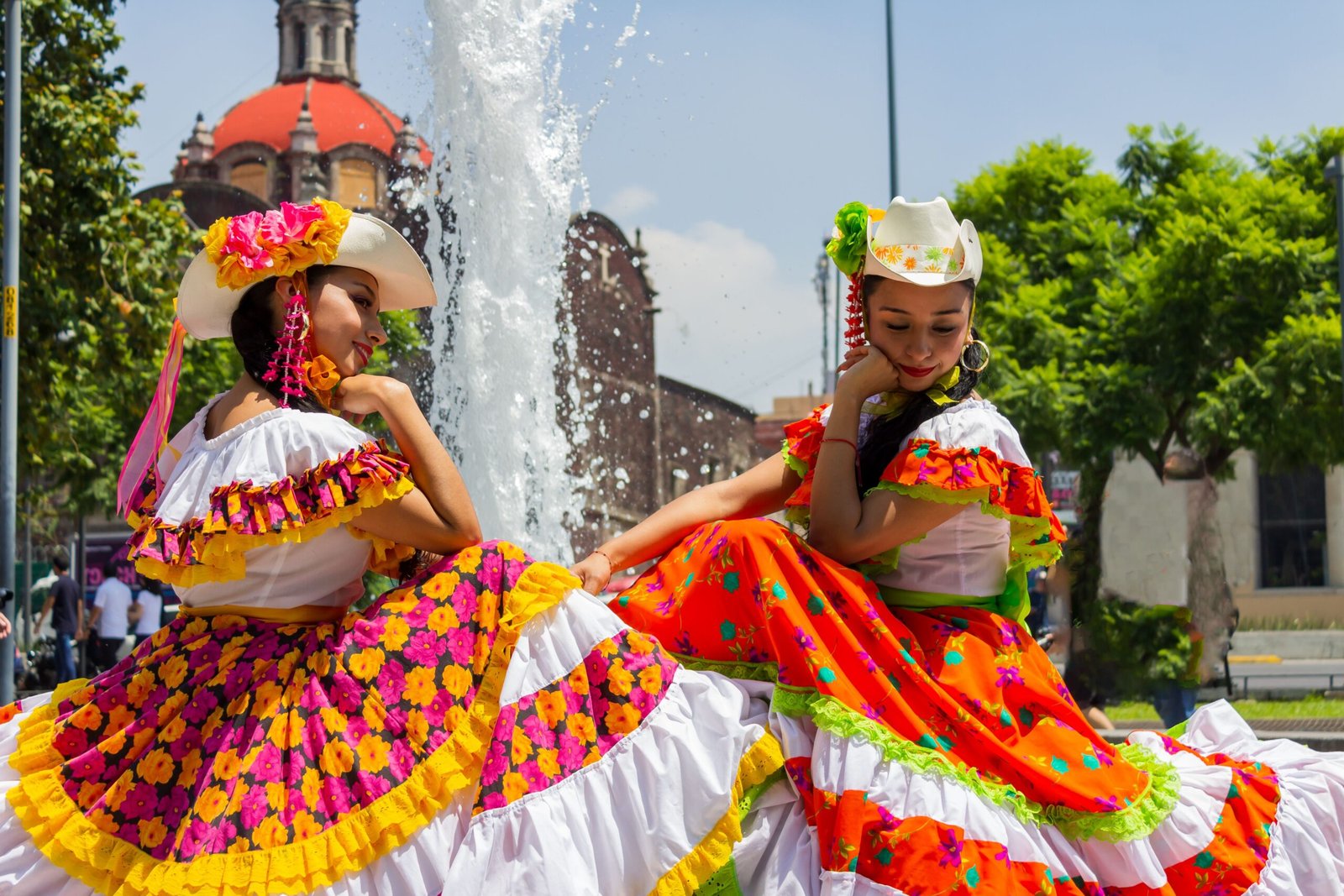
One of the most distinguishing features of the Málaga Feria is the attire. This isn’t just a casual get-together; it’s an opportunity for locals to showcase their finest traditional garments. For women, the traje de flamenca is the star. These elaborate dresses, often adorned with ruffles, lace, and polka dots, come in every color imaginable. Each dress is unique, and women spend considerable time and money on them, often having them custom-made. Accessorized with intricate hair combs (peinetas), shawls (mantones), and flowers in the hair, it’s a look of pure elegance and tradition. For men, the traje corto consists of a fitted short jacket, high-waisted trousers, and often a broad-brimmed hat (sombrero cordobés). You’ll see these outfits both on foot and, most notably, during the paseo de caballos (horse parade) through the city center.
Should you dress up? Absolutely, if you feel inspired! You don’t need a full traje de flamenca, which can be an expensive investment (expect to pay €200-€800 or more for a good quality new one, or rent for €80-€150). Many women choose to wear simpler dresses and incorporate flamenco-inspired accessories: a flower in their hair, some statement earrings, or a colorful shawl. Even just a simple, comfortable dress in a bold color or with some ruffles will help you feel more a part of the celebration. For men, a nice button-down shirt and trousers are perfectly adequate. The key is to look presentable and respectful of the local traditions, rather than aiming for a tourist cliché. This isn’t a costume party, it’s a cultural celebration.
Practicality is also important. As I’ve mentioned, August in Málaga is hot. Choose light, breathable fabrics. Comfortable shoes are non-negotiable, especially if you plan to walk around the Day Feria or spend hours dancing at the Recinto. High heels might look good with a flamenco dress, but your feet will thank you for opting for espadrilles or low-heeled sandals. The ground at the Recinto Ferial is dusty, so white shoes are a bold choice. You could also book a guided tour on Viator that includes tips on dressing, which might save you some trial and error. The underlying attitude for Feria is one of joy, participation, and respect. Smile, try a few steps of sevillanas if you feel like it, and simply soak in the atmosphere. The locals are welcoming and enjoy seeing visitors participate with genuine interest.
| Activity/Item | Approximate Cost (EUR) | Notes |
|---|---|---|
| Bus ticket (single) | €1.40 | To/from Recinto Ferial, or around city. |
| Taxi (city center to Recinto) | €10-€15 | Higher during peak demand, late night/early morning. |
| Small bottle of water | €1.50-€2.00 | From street vendors or bars. |
| Tapas plate (small) | €3.00-€6.00 | Varies by dish and venue. |
| Pescaíto Frito plate | €10.00-€15.00 | Shared portion of mixed fried fish. |
| Churros with chocolate | €3.00-€5.00 | Typical price for a generous portion. |
| Fairground ride ticket | €3.00-€5.00 | Per ride at the Recinto Ferial. |
| Rental of traje de flamenca | €80.00-€150.00 | For a day or a few days. Purchase is much higher. |
FAQ: Málaga Feria day celebration joy, a rhythm for my soul – Common Questions
When exactly is the Málaga Feria held?
The Málaga Feria usually takes place in the third week of August, starting on a Saturday and ending the following Saturday. The exact dates shift slightly each year, so it’s essential to check the official Málaga city council calendar a few months beforehand for the precise schedule.
Is the Málaga Feria suitable for families with young children?
Yes, absolutely, but you need to manage expectations and timing. The Day Feria in the city center can be very crowded and hot, which might be overwhelming for small children. The Recinto Ferial at night, however, offers a dedicated children’s area with rides and less intense crowds in the early evening, making it a better option for families.
Do I need to speak Spanish to enjoy the Feria?
While a few basic Spanish phrases will always enhance your experience in Spain, you do not need to be fluent to enjoy the Feria. Many people in tourist-heavy areas of Málaga speak some English. The atmosphere is about participation, music, and food, which transcends language barriers. Don’t let language worries stop you from experiencing it.
What are the biggest challenges of attending the Málaga Feria?
The main challenges are the heat, the crowds, and the noise. August temperatures are consistently high, so staying hydrated and seeking shade is critical. The sheer number of people, especially in the city center during the Day Feria, can be intense. Additionally, securing accommodation if you haven’t booked far in advance can be difficult and expensive.
The Málaga Feria is an experience that truly gets under your skin, a week where the city puts on its finest clothes and opens its heart to everyone. It requires a bit of planning, a dash of adventurous spirit, and a willingness to simply let go and be carried by the sheer exuberance of it all. If you’re comparing Málaga with other coastal cities, knowing what the city offers during this time might help you decide if Málaga vs Alicante is the right choice for your summer trip. It’s certainly a unique way to witness the depth of Andalusian culture.
About the Author
After 15 years living and traveling across Spain, Caro knows this country in a way most travel writers never will. She’s not here to sell you a polished version of Spain, she’s here to show you the real one. Every guide on this site comes from her own experience: the restaurants she eats at, the routes she walks, the festivals she’s actually attended. She writes to cut through the noise and give you what actually matters. Learn more about Caro →