Sharing my perfect Spanish tapas order for joyful nights
Some links in this guide are affiliate links — if you book through them we may earn a small commission at no extra cost to you. It never changes what we recommend. Full disclosure.
Many people arrive in Spain with a general idea of ‘tapas,’ imagining a quick bite, but the true joy is in understanding the flow, the rhythm, and the curated experience. It’s not just food; it’s a social ritual, a way of life that invites you to linger and connect. After 15 years of living here, I’ve refined what I consider my perfect Spanish tapas order, a sequence of dishes that guarantees a truly memorable evening and showcases the country’s incredible culinary heart. This isn’t just about what to eat, but how to embrace the entire tradition, from choosing the right bar to mastering the art of the multi-stop ‘tapeo.’ It’s about feeling the pulse of Spain, one small plate at a time.
Quick Answer: Crafting Your Ideal Tapas Evening
To enjoy a truly perfect tapas order, approach it as a progression: begin with light, fresh options like olives or cured meats, move to richer, fried dishes such as croquetas or calamari, introduce a vegetable or egg-based dish for balance, and consider a specific regional specialty or a small, sweet finish, all while moving between two or three different bars to experience variety and local character.
Embracing the Tapas Culture: More Than Just Food
Before you even think about placing an order, you need to understand the spirit of tapas. It’s not a sit-down meal in the traditional sense, though you can certainly make it one. The real magic happens when you embrace the ‘tapeo’—a stroll from bar to bar, enjoying a small plate and a drink at each stop. This isn’t just a recommendation; it’s the heart of the experience. Each bar has its specialty, its unique atmosphere, and its regulars. Limiting yourself to one spot means missing out on the incredible diversity Spain offers.
The best time for tapas? For lunch, it’s typically between 13:00 and 15:00. In the evening, the scene truly comes alive from 20:00 onwards, often peaking between 21:30 and 23:00. Spaniards eat dinner later, so these hours are prime for socialising and nibbling. Don’t be shy about standing at the bar; it’s often the best place to observe, absorb the energy, and catch the eye of the server. Some bars will have tables, but standing allows for quick transitions and a more authentic feel. If you’re looking for a quieter, more relaxed experience, aim for the earlier side of these windows.
Choosing a bar is an art in itself. Look for places that are bustling, even noisy. A good sign is if there are locals spilling out onto the pavement, laughing and chatting. Avoid empty places during peak hours—there’s usually a reason. Check for a blackboard or a display case: this shows what’s fresh and what the current specialties are. You want somewhere that feels lived-in, not polished for tourists. Often, the best tapas come from the most unassuming, no-frills establishments. Don’t hesitate to poke your head in, listen to the chatter, and see what people are eating before committing.
Here are some key tips for choosing a tapas bar:
- Follow the Locals: This is the golden rule. If a bar is packed with Spanish speakers, you’re likely onto something good.
- Look for Fresh Displays: Many bars display their tapas in glass cases. Are they replenished frequently? Do they look appetising?
- Observe the Turnover: A busy bar with quick service and patrons coming and going is a good sign of quality and freshness.
- Check the Menu (or Lack Thereof): Some traditional bars have no printed menu, relying on what’s fresh. Others will have a handwritten list of daily specials.
- Location Matters: While tourist areas will have tapas, venturing a few streets away often uncovers more authentic, better-value options. Areas like Triana in Seville or La Latina in Madrid are renowned for their tapas scenes.
- Consider Specialisation: Some bars excel at fried fish, others at charcuterie, and some at specific stews. Don’t expect every bar to do everything perfectly.
The Core Order: Classics You Simply Must Try
No tapas experience is complete without sampling some of the foundational dishes that define Spanish cuisine. These are the plates you’ll find almost everywhere, and for good reason—they are universally loved and executed with regional flair. Understanding these staples is your first step to building a truly satisfying order.
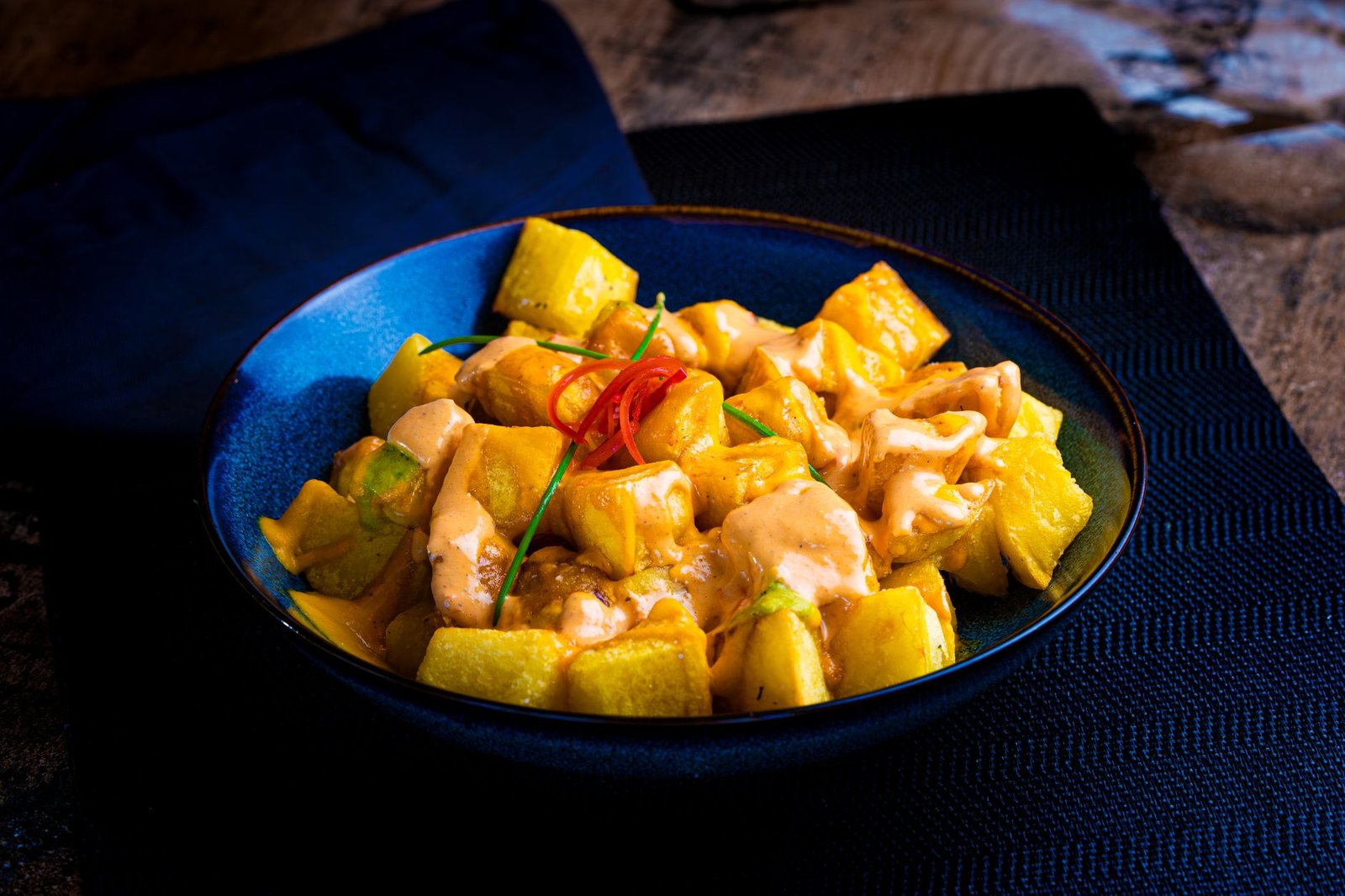
First up, Patatas Bravas. These crispy fried potato cubes smothered in a spicy tomato sauce (and often a drizzle of aioli) are a non-negotiable for me. The balance of crispy potato, tangy-spicy sauce, and creamy aioli is just divine. The “bravas” sauce varies wildly by region, and even by bar; some are fiery, others more smoky. A typical serving costs around €4.00-€5.50. If you fall in love with them, you can even learn how to make Patatas Bravas, the Recipe Worth Repeating at Home, perfect for bringing a piece of Spain to your own kitchen.
Next, Croquetas. These creamy, deep-fried little miracles come in countless varieties: jamón (cured ham), pollo (chicken), bacalao (cod), setas (mushrooms), or even a mix of cheeses. Each bite offers a crispy exterior giving way to a rich, velvety béchamel filling. A plate of 4-6 croquetas usually costs between €3.50 and €5.00. They are best when freshly made, so look for a bar where they are a house specialty.
You absolutely cannot skip Tortilla Española, the classic Spanish potato and onion omelette. This isn’t your breakfast omelette; it’s a thick, substantial dish, often served at room temperature. It might sound simple, but a perfectly cooked tortilla is moist, flavourful, and utterly satisfying. You’ll usually get a ‘pincho’ (a small slice) for €2.50-€3.50. Some bars offer it ‘poco hecha’ (less cooked, still runny in the middle) or ‘bien hecha’ (well done). Don’t be afraid to ask for your preference.
Jamón Ibérico, Spain’s renowned cured ham, is another essential. While not a cooked dish, a plate of thinly sliced, ruby-red jamón is an experience in itself. The nutty, savoury flavour and melt-in-your-mouth texture are unparalleled. Expect to pay €8.00-€15.00 for a small plate, depending on the quality (Bellota being the highest). It’s an investment, but one that is always worth it.
Finally, consider some fresh, light options. Marinated olives (olivas) are often served as an accompaniment, sometimes even for free. Pan con Tomate (bread rubbed with fresh tomato, olive oil, and sometimes garlic) is another simple yet perfect starter, usually around €2.00-€3.00. These help cleanse the palate and provide a fresh counterpoint to richer dishes.
Diving Deeper: Regional Specialties and Seasonal Delights
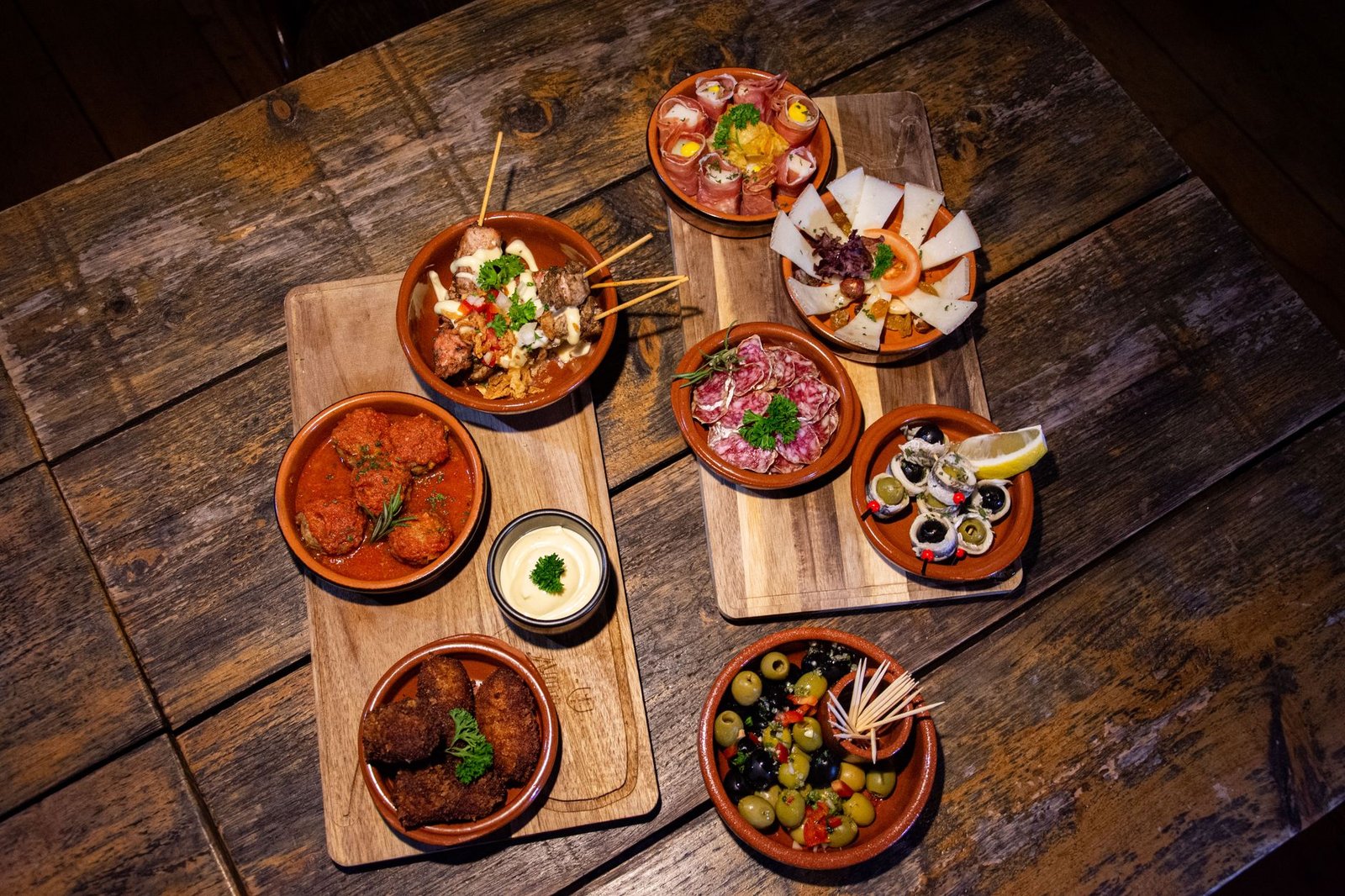
Once you’ve sampled the classics, it’s time to explore the incredible regional variety that makes Spain’s tapas scene so captivating. What you find in Andalusia will be vastly different from what’s on offer in Catalonia or the Basque Country. This is where the true adventure begins, and where you start to really connect with the local culture.
In the south, especially in Andalusia, seafood tapas dominate. Think small plates of perfectly fried fish like Pescadito Frito (tiny fried fish), boquerones fritos (fried anchovies), or gambas al pil-pil (sizzling garlic shrimp, typically €9.00-€12.00). In Seville, you might find specific stews like ‘carrillada de cerdo’ (pork cheek stew), a rich, slow-cooked dish that melts in your mouth, costing around €5.00-€6.00 a tapa. In Malaga, particularly during warmer months, you might encounter Ajoblanco, Malaga’s Cold Soup That Predates Gazpacho, a refreshing almond and garlic soup often served with grapes, offering a unique taste of the region for about €4.00.
Move north to regions like Catalonia, and you’ll find a different approach. While many classic Spanish tapas are available, there’s a strong influence of ‘platillos’ (small dishes) that blur the lines between tapas and small main courses. Expect more emphasis on fresh ingredients from the land and sea, prepared with simple elegance. Further north still, in the Basque Country, the concept shifts to ‘pintxos’ (pronounced ‘peen-chos’). These are typically small, elaborate bites often served on a slice of bread and held together with a skewer. They are usually displayed along the bar, and you often serve yourself, paying based on the number of skewers you collect. Each pintxo usually costs €2.00-€3.50, and the variety is astounding, from simple cheese and jamón to gourmet creations with foie gras or intricate seafood combinations.
Seasonal offerings are also crucial. In spring, asparagus and artichokes might feature prominently. Autumn brings mushrooms and game. Always ask what’s ‘de temporada’ (seasonal) or ‘la especialidad del día’ (the daily special). These are often the freshest, most authentic, and most delicious options available. Don’t be afraid to point to what others are eating if you see something that looks appealing but don’t know the name. The staff are usually happy to explain.
To truly embrace the regional variations, consider focusing your tapas explorations on the specialties of the city or town you’re in. If you’re in Granada, for example, try specific sweet treats like Piononos: The Tiny Santa Fe Pastry Granada Can’t Get Enough Of for a delightful end to your tapas journey. This focused approach allows you to appreciate the specific culinary identity of each place you visit.
The Perfect Progression: Building Your Order
Crafting a truly satisfying tapas experience isn’t just about what you order, but the order in which you order it. Think of it like building a story with flavours, where each chapter introduces something new but also complements what came before. This is where my 15 years of ‘tapeo’ truly shine through: I’ve learned that pacing and balance are everything.
I always start with something light and palate-cleansing. Cured olives, perhaps some toasted bread with good olive oil, or a plate of simple yet high-quality cured meats like `salchichón` or `chorizo`. These ease you into the flavours without overwhelming your senses. A small plate of `queso manchego` (Manchego cheese) is another excellent starter, offering a rich, nutty flavour that pairs beautifully with the simple starters.
From there, I move to the classics, but I try to pick ones with contrasting textures and preparation methods. If I’ve had `jamón`, I might then go for `Patatas Bravas`—crispy and saucy. Following that, I’ll usually opt for something creamy, like `croquetas` (especially the jamón variety, for that familiar flavour in a new format). The goal is to avoid too much of the same thing at once. Don’t order three fried dishes consecutively, for instance. A good tapas bar allows you to order one or two items, enjoy them, and then order more, rather than committing to everything upfront.
The third wave of dishes is where I introduce something more substantial or a regional specialty. This could be a small portion of a stew, like `pulpo a la gallega` (Galician-style octopus with paprika and potatoes, around €12.00-€18.00 for a ‘media ración’ or small plate in Galicia), or some perfectly grilled vegetables like `espárragos a la plancha` (grilled asparagus, €6.00-€8.00). If it’s a seafood-focused bar, I might try a `ración` (larger plate for sharing) of `calamares a la romana` (fried calamari rings, €9.00-€14.00). This is also the point where I might try something I’ve never heard of, guided by the local recommendations. Asking the server for “una sugerencia” (a suggestion) is always a good idea.
Finally, I like to end with something a little sweet or another light, refreshing option to reset the palate. Perhaps a small portion of fresh fruit, or a specific regional dessert if one is available in tapas size. Often, after three or four rounds of savoury dishes across a couple of bars, a coffee is the perfect conclusion. Remember, the idea is to graze, not to gorge. You should leave each bar feeling satisfied but eager for the next stop.
Here’s a sample tapas progression for a joyful evening:
| Round | Dish Idea | Approx. Price (Tapa) | Why This Order? |
|---|---|---|---|
| Bar 1: Starter | Marinated Olives & Pan con Tomate | €2.50 – €4.00 | Light, fresh, and awakens the palate. Simple yet essential. |
| Bar 1: Main Starter | Plato de Jamón Ibérico | €8.00 – €15.00 | Iconic Spanish flavour, a luxurious treat to set the tone. |
| Bar 2: Classic Savoury | Patatas Bravas & Croquetas de Jamón | €7.00 – €10.50 (for both) | Essential, comforting classics with contrasting textures. Move to a new bar for a fresh vibe. |
| Bar 2: Regional/Vegetable | Pincho de Tortilla Española or Pimientos de Padrón | €3.00 – €6.00 | Balances richer dishes, adds variety (egg/vegetable focus). |
| Bar 3: Signature Dish | A local specialty like Pescadito Frito (Andalusia) or Carrillada (Seville) | €5.00 – €12.00 | Experience the unique culinary identity of the region. A more substantial offering. |
| Bar 3: Sweet Finish (Optional) | Small piece of regional cake or fresh fruit | €3.00 – €5.00 | A light, sweet end or a palate cleanser before concluding. |
Beyond the Plate: Etiquette, Timing, and the Bill
Understanding the unwritten rules of tapas culture is just as important as knowing what to order. It ensures a smoother, more enjoyable experience for everyone and shows respect for local traditions. This isn’t about being rigid; it’s about being observant and considerate.
Firstly, don’t expect immediate service in a bustling bar. Make eye contact with the ‘camarero’ (waiter), but be prepared to wait a moment. When you do order, be clear. If you want a small plate, ask for a “tapa.” If you want a larger, shareable portion, ask for a “ración,” or a “media ración” (half portion). Don’t try to customise dishes extensively; generally, what’s on offer is what you get. Trust the kitchen. You can often book a guided tour on Viator to help you navigate your first tapas experience with a local expert, which can be a great way to learn the ropes.
Sharing is fundamental to tapas. When you order several tapas, they are meant to be placed in the centre of the table for everyone to pick from. Don’t be possessive of a dish; everyone gets a turn. It’s a communal dining experience. If you’re at the bar, it’s common to place your dirty napkins on the floor—in some very traditional bars, this is even a sign of a good, busy place! However, this is less common in modern or more upscale establishments, so observe what the locals are doing.
When it’s time to pay, you’ll often have your running tab kept in chalk on the bar, or simply remembered by the server. Just say “la cuenta, por favor” (the bill, please). Tipping is appreciated but not mandatory or expected in the same way as in some other countries. A few euros for good service is plenty, especially if you’re only having a couple of tapas at each bar. Don’t feel pressured to leave a large percentage.
Finally, remember the timing. Tapas is a leisurely pursuit. You might spend 30-45 minutes in one bar, then move on. It’s not a race to get to the next place. Enjoy the conversation, the atmosphere, and the flavours. If a bar is too crowded for you, or too loud, it’s perfectly fine to finish your drink and move to the next spot. There are always more options. If you’re planning an extended stay, comparing hotel prices on Booking.com might help you find accommodation close to a lively tapas district, allowing you to truly immerse yourself in the evening culture.
Here are some common tapas etiquette points to keep in mind:
- Order Incrementally: Don’t order everything at once. Order one or two dishes, enjoy them, and then decide if you want more or if it’s time to move.
- Stand at the Bar: It’s authentic, often faster, and allows you to soak in the atmosphere. Tables are for longer stays or larger groups.
- Be Patient: Service can be slower than you might be used to, especially in busy periods. Catch the server’s eye politely.
- Keep Your Voice Up: Spanish bars can be noisy, so speak clearly and confidently when ordering.
- Share Everything: Tapas are designed for sharing. Don’t hoard dishes!
- Napkins on the Floor (sometimes): In very traditional, bustling bars, this is common. Otherwise, use bins provided. Observe local practice.
- No Need for Big Tips: A small token for good service (€1-€5, depending on the bill size) is sufficient.
FAQ: Sharing my perfect Spanish tapas order for joyful nights — Common Questions
What’s the difference between a ‘tapa’ and a ‘ración’?
A ‘tapa’ is a small portion, essentially a single serving designed for one person to try, or for a group to share a tiny bite. A ‘ración’ is a larger plate, suitable for sharing among several people, often costing two to three times more than a tapa. A ‘media ración’ is a half-portion, larger than a tapa but smaller than a full ración, also good for sharing.
Do I have to move to different bars, or can I stay in one place?
While you can certainly stay in one bar for your entire tapas experience, the true ‘tapeo’ tradition involves moving between two or three different establishments. This allows you to sample various specialties, experience different atmospheres, and discover the unique character of each place. It’s highly recommended for a complete experience.
Are drinks included with tapas?
In many parts of Spain, particularly in cities like Granada, a small complimentary tapa is often served with each drink order (a beer, soft drink, or even water). However, this isn’t universal. In other regions, you pay for both your drink and your tapas separately. Always clarify or observe what locals are doing.
What if I don’t speak Spanish? How do I order?
Don’t worry! Many servers in tourist areas will speak some English, or at least understand basic food terms. Pointing to dishes in the display case or to what others are eating is perfectly acceptable. Learning a few key phrases like “Quiero esto” (I want this), “la cuenta, por favor” (the bill, please), and “gracias” (thank you) will go a long way.
Stepping into the world of Spanish tapas is more than just a meal; it’s an immersion into the very fabric of Spanish social life. It’s about sharing, conversing, and savouring the moment, one incredible bite at a time. Embrace the spontaneity, try new flavours, and let the rhythm of the ‘tapeo’ guide you through an evening of pure Spanish joy. It’s a culinary journey you won’t soon forget, and one that might just inspire you to explore other aspects of Spanish cuisine, like making This Molletes Antequera Breakfast Recipe Is Pure Spain for a taste of Malaga’s morning tradition.
About the Author
After 15 years living and traveling across Spain, Caro knows this country in a way most travel writers never will. She’s not here to sell you a polished version of Spain, she’s here to show you the real one. Every guide on this site comes from her own experience: the restaurants she eats at, the routes she walks, the festivals she’s actually attended. She writes to cut through the noise and give you what actually matters. Learn more about Caro →