Walking Spain’s Olive Groves: A Practical Guide
Some links in this guide are affiliate links — if you book through them we may earn a small commission at no extra cost to you. It never changes what we recommend. Full disclosure.
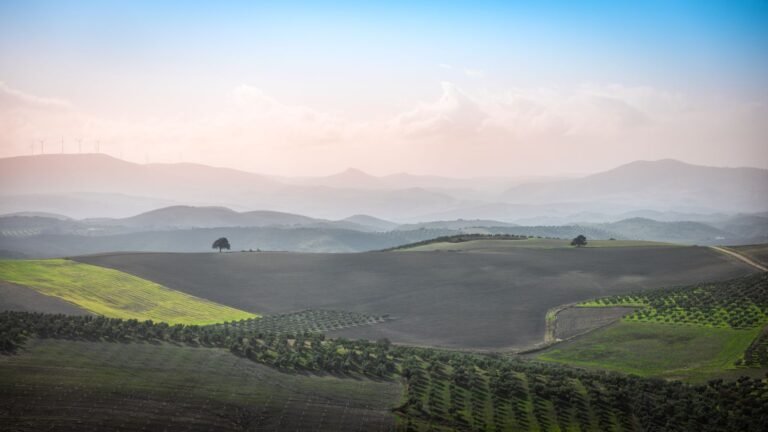
Spain is often painted with broad strokes: the sun-drenched beaches of the coast, the frenetic energy of cities like Barcelona, or the grand historical sweep of Seville’s monuments. But the real Spain, the one that makes my heart ache with affection after 15 years living here, is often found away from the most famous postcard views. It’s in the quiet, profound beauty of the land, especially when walking Spain’s olive groves – a landscape so vast and resonant, it feels like the very soul of the country has settled into these golden hills.
This article contains affiliate links. If you book through one, Spain Destination may earn a small commission at no extra cost to you. See the full affiliate disclosure →
Quick Answer: Walking Spain’s Olive Groves
Walking through Spain’s olive groves, particularly in the immense sea of olives in Jaén, Andalusia, is an incredibly rewarding experience that connects you deeply with Spanish culture and land. The best times to go are spring (March to May) and autumn (September to November) for ideal weather, with self-guided walks costing little beyond transport and accommodation, while guided tours typically range from €50 to €150 per person.
Why Jaén is the Undisputed Heart of Olive Country
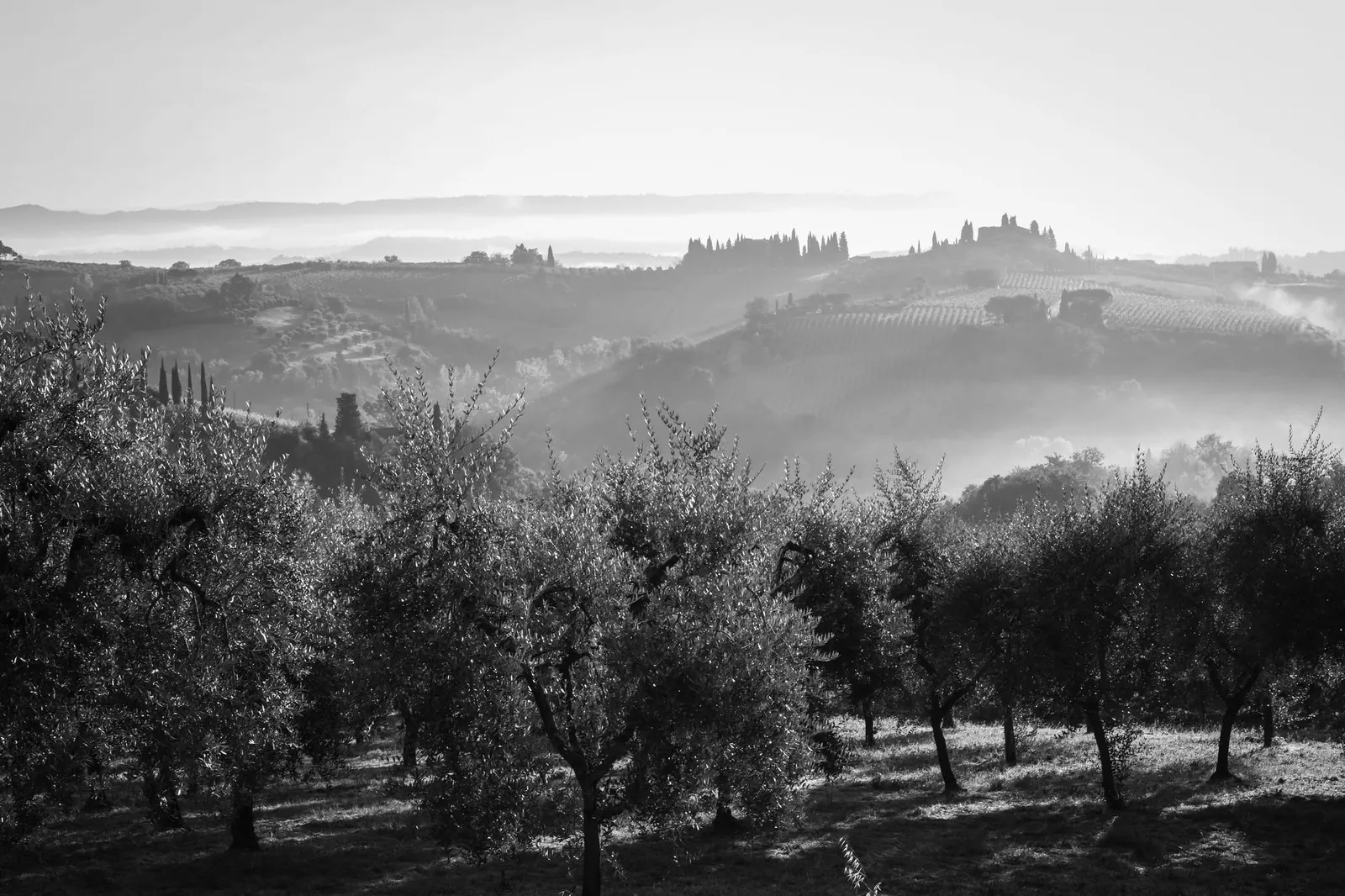
Jaén province in Andalusia is home to over 60 million olive trees, making it the world’s largest producer of olive oil, and the prime destination for experiencing the groves on foot. When I say “sea of olives,” it’s not an exaggeration; from any high point in Jaén, you’ll see an endless, undulating carpet of silvery-green stretching to the horizon, a sight that truly defines the province and underpins its entire way of life. This isn’t just agriculture; it’s a centuries-old tradition, an art form, and the economic backbone for countless families.
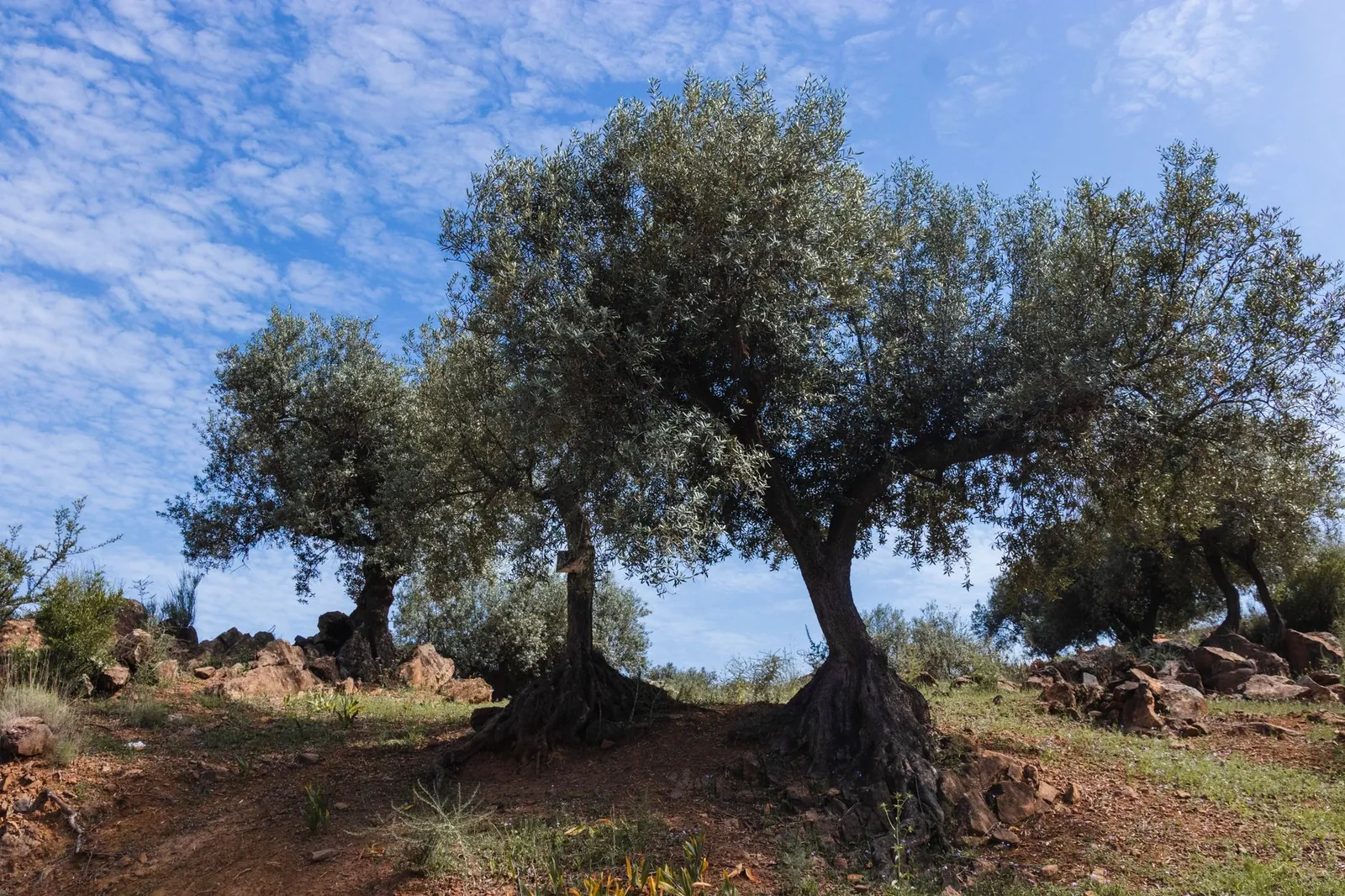
The sheer scale here is something you need to witness firsthand. It’s a landscape sculpted by human hands over millennia, each tree a silent testament to enduring labor and a deep connection to the land. You can feel the history in the gnarled trunks of ancient trees, some of them hundreds of years old. While other regions like Córdoba and Seville also boast significant olive cultivation, Jaén’s concentration is unmatched. The towns themselves, like Úbeda and Baeza (both UNESCO World Heritage sites, famous for their Renaissance architecture), often sit perched on hills, looking out over these magnificent groves, making them excellent bases for exploration. To truly appreciate the local craft that thrives alongside this agricultural heritage, consider exploring Watching Úbeda’s Potters Work Is Reason Enough to Visit, which offers another dimension to the region’s cultural richness. You can find more comprehensive information about this fascinating region on the official Andalucía Tourism Board website.
Planning Your Olive Grove Walking Experience: Routes and Seasons
The best time for walking among the olive groves is generally spring (March to May) or autumn (September to November), offering mild temperatures perfect for trails ranging from 5 km to 15 km. During these seasons, temperatures hover comfortably between 15°C and 25°C, and the light is often spectacular, casting long shadows across the trees. Spring brings wildflowers to the verges, while autumn offers the anticipation of the olive harvest, usually starting in late October or November, when you might even see workers collecting the fruit. I strongly advise against walking during July and August, when midday temperatures can easily soar past 35°C, making strenuous activity uncomfortable and even dangerous.
There are numerous well-marked routes designed for walkers and cyclists. One of the most famous is the Vía Verde del Aceite, an old railway line converted into a greenway that stretches for 128 kilometers between Jaén and Puente Genil in Córdoba province. This route is relatively flat, making it accessible for most fitness levels, and features impressive old iron bridges designed by Gustave Eiffel’s workshop, giving it a unique character. You can rent bicycles in towns like Martos or Luque for around €15-€25 per day, or simply walk sections of it.
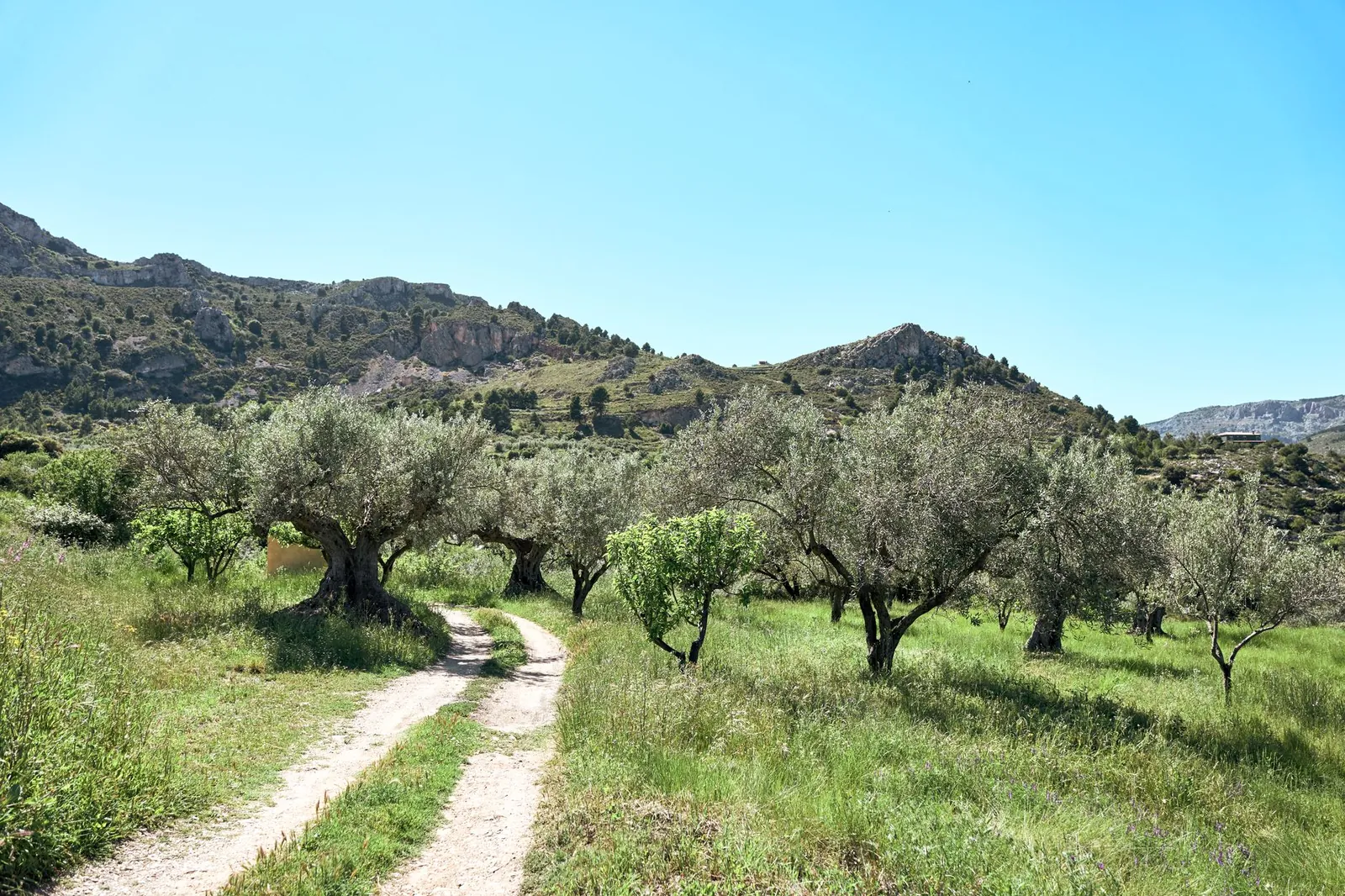
For those seeking a more rugged experience, the Sierra Mágina Natural Park, located southeast of Jaén city, offers a network of trails that wind through olive groves interspersed with pine forests and dramatic limestone peaks. Routes like the “Sendero de la Albarda” (around 7 km, moderate difficulty) offer stunning panoramic views and a chance to spot local wildlife. Local tourist offices in towns like Cambil or Pegalajar can provide detailed maps and advice. If you’re looking for an even deeper connection with Spain’s natural landscape, explore options for Horse Riding Sierra Grazalema Trails, which offers another fantastic way to experience the country’s diverse terrain.
Here’s a breakdown of popular walking options:
| Route/Area | Length (approx.) | Difficulty | Estimated Time | Typical Cost (Self-guided) |
|---|---|---|---|---|
| Vía Verde del Aceite (section) | 10-20 km | Easy | 3-6 hours | €0 (bike rental €15-€25) |
| Sierra Mágina (Sendero de la Albarda) | 7 km | Moderate | 2.5-3.5 hours | €0 |
| Around Úbeda/Baeza | 5-10 km | Easy | 1.5-3 hours | €0 |
| Guided Oleotourism Walk & Tasting | 3-5 km | Easy | 4-6 hours (incl. tour) | €50-€150 |
What to Expect Beyond Walking Spain’S Olive Groves: Culture, Food, and Local Life
Beyond the physical act of walking, your visit to Spain’s olive country offers a deep dive into local culture, with opportunities to taste fresh olive oil, visit mills for around €10-€20, and immerse yourself in the unhurried rhythm of rural Andalusian life. This region isn’t just about the groves; it’s about the people who tend them, the food they eat, and the traditions they uphold. One of the absolute joys is participating in an ‘oleotourism’ experience, which often includes a guided walk through a mill, an explanation of the olive oil production process (from tree to bottle), and a tasting session. You’ll learn to distinguish between different varieties of olive oil – Picual, Arbequina, Hojiblanca – by their color, aroma, and flavor notes. A standout is the peppery kick of a fresh Picual oil, especially when drizzled over a simple slice of toasted bread.
The villages nestled amongst the groves are equally captivating. Unlike the more tourist-heavy coastal towns, these ‘pueblos blancos’ (white villages) like Zuheros in Córdoba province or Pegalajar in Jaén offer an authentic slice of Andalusian life. Wander their narrow, winding streets, admire the whitewashed houses adorned with colorful geraniums, and soak in the quiet pace. You won’t find bustling nightlife, but you will find genuine hospitality and a sense of timelessness. The local food is, as you might expect, heavily reliant on olive oil. Dishes like *ajo blanco* (a cold garlic and almond soup) or *porra antequerana* (a thicker version of gazpacho, often served with hard-boiled egg and ham) showcase the versatility of this liquid gold. And of course, the tradition of sharing tapas is alive and well here; a small glass of fresh juice or sparkling water comes with a complimentary bite, often a hearty potato salad or a piece of local cheese.
It’s important to manage expectations, though. While these towns offer deep cultural immersion, they can sometimes feel very quiet, especially outside of peak tourist season or during siesta hours (roughly 2 PM to 5 PM). English might not be widely spoken in smaller villages, so a few basic Spanish phrases will go a long way. This is part of the charm for me – it forces you to slow down and truly engage with the local rhythms, but it’s a downside for those seeking constant activity or seamless communication.
Gear Up: Essentials for a Comfortable Walk Among the Olives
For a comfortable experience walking in the olive groves, you’ll need sturdy walking shoes with good grip, a hat, sun protection, and at least 1.5 litres of water, especially since trails often have limited shade and water points. The terrain, while generally not mountainous, can be uneven, dusty, and sometimes rocky, especially on unpaved tracks. Proper footwear isn’t just about comfort; it’s about preventing blisters and twisting an ankle. I always recommend broken-in hiking shoes or sturdy trainers, not flimsy fashion sneakers.
The sun in Andalusia, even in spring and autumn, can be intense. A wide-brimmed hat is non-negotiable, as is high-factor sunscreen. Even on cloudy days, UV radiation is strong. Layers of clothing are also a smart choice; mornings can be cool, especially in the shaded valleys, but midday quickly warms up. A lightweight, breathable long-sleeved shirt can offer sun protection without making you overheat. Hydration is paramount. Always carry more water than you think you’ll need, particularly if venturing onto longer, more isolated routes like sections of the Vía Verde. Small shops (tiendas) in villages are great for restocking, but they might be few and far between on the trails themselves.
Here’s a checklist of essentials:
- Sturdy Walking Shoes: With good ankle support if possible.
- Water Bottle/Hydration Pack: Minimum 1.5-2 litres capacity.
- Sun Protection: Wide-brimmed hat, sunglasses, high-factor sunscreen (SPF 30+).
- Layered Clothing: Breathable fabrics, long sleeves for sun protection.
- Small Backpack: To carry water, snacks, and extra layers.
- Basic First-Aid Kit: Plasters, antiseptic wipes, pain relievers.
- Map or Navigation App: Trails are usually well-marked, but a backup is smart.
- Snacks: Energy bars, fruit, nuts – simple provisions are best.
Most olive grove walks are considered easy to moderate, requiring a basic level of fitness. Significant ascents are rare on the greenways, but paths through the rolling hills can have gentle, sustained inclines. If you’re embarking on more challenging hikes, such as those found in some areas of the Sierra Mágina, ensure you’re comfortable with longer distances and more varied terrain. While you don’t need highly specialized gear, being prepared makes all the difference for an enjoyable day out.
Where to Stay: Authentic Experiences in Olive Country
For an authentic stay while exploring the olive groves, consider a *casa rural* (rural guesthouse) or a boutique hotel in a smaller town like Baeza or Zuheros, with prices typically ranging from €60-€120 per night for a double room. These accommodations often offer a more personal touch than larger city hotels, with hosts who can provide local insights and recommendations. Many are converted farmhouses or historic buildings, adding to the charm and allowing you to immerse yourself fully in the tranquil rural environment. Imagine waking up to the gentle sounds of the countryside, with views stretching out over endless olive trees.
Staying in towns like Úbeda or Baeza offers a blend of cultural exploration and convenient access to the groves. These towns have a good selection of smaller hotels and guesthouses, plus local restaurants and shops. A three-star hotel in Úbeda, for instance, might cost €80-€110 per night, while a charming guesthouse could be €60-€90. If you prefer a more luxurious experience, some converted olive haciendas (country estates) offer high-end accommodation, often with pools and gourmet dining, though prices can climb to €150-€300 per night. These can be particularly appealing if you want to unwind after a day of walking in a serene setting. For accommodation options in Jaén and the surrounding olive region, Booking.com offers a wide array of choices to suit different preferences and budgets.
While staying in Jaén city offers more amenities and transport connections, I find that being closer to the smaller villages provides a more immersive experience. Large cities, while offering convenience, can distance you from the very reason you came: the olive groves themselves and the quiet life within them. Consider a *parador* (state-run luxury hotel) in Jaén, which often occupies a historic building like a castle, offering stunning views over the olive fields and prices typically starting from €120 per night. However, for a true connection to the land and the olive culture, I usually steer guests towards the smaller, more intimate settings.
Recommended accommodation types:
- Casas Rurales: Family-run guesthouses in rural settings, often with rustic charm and local character. Expect prices from €60-€100.
- Boutique Hotels: Smaller, stylish hotels in historic towns like Úbeda or Baeza, blending comfort with local aesthetics. Prices range €70-€120.
- Converted Haciendas/Cortijos: Larger country estates, some offering luxury amenities, pools, and extensive grounds. Expect €150-€300+.
- Pensión/Hostal: Budget-friendly options in towns, typically clean and comfortable but with fewer amenities. From €40-€70.
Common Questions About Olive Grove Walks
Is it safe to walk alone in Spain’s olive groves?
Yes, generally it is very safe to walk alone in Spain’s olive groves. However, trails can be isolated, especially outside of popular routes. Always stick to marked paths, carry a fully charged phone, let someone know your planned route, and be aware of your surroundings, just as you would in any rural area.
Can I visit an olive mill during my walk?
Absolutely. Many olive mills (almazaras) offer tours and tasting sessions, especially during the harvest season from October to December. It’s highly recommended to check their schedules and book in advance, as some are family-run and operate on specific timings. Expect tour prices to be around €10-€20 per person.
What’s the best way to get around the olive region without a car?
While a car offers the most flexibility for exploring the olive groves and remote villages, it’s not strictly essential. Regional buses connect larger towns like Jaén, Úbeda, and Baeza. For accessing walking trails directly, cycling the Vía Verde del Aceite is an excellent option with bike rental points in several towns along the route, or consider booking a guided tour that includes transport.
Are the olive groves accessible year-round?
The olive groves are physically accessible year-round, but the experience varies greatly with the seasons. Walking is most pleasant in spring and autumn due to mild temperatures. Summer (July-August) can be extremely hot, with temperatures often exceeding 40°C, making daytime walks difficult and potentially unsafe. Winter offers crisp air but shorter daylight hours.
There’s a deep, quiet contentment that comes from traversing these ancient landscapes, a feeling that connects you to the very pulse of Spain. It’s an experience that transcends a typical holiday, offering a genuine connection to the land, its people, and its timeless rhythms. Walking the olive groves, you’re not just seeing Spain; you’re feeling it, breathing it in, and carrying a piece of its golden heart with you. If you’re looking for another authentic journey through Spain’s varied landscapes, explore My Galicia green villages journey captures the soul of Spain for a different, but equally profound, connection.
About Walking Spain’S Olive Groves
This guide is part of Spain Destination’s library of Spain travel and lifestyle content, written with AI assistance and checked against official sources where possible. See how this site is researched and fact-checked →