Menorca north coast quiet beaches: my soul’s escape awaits
Some links in this guide are affiliate links — if you book through them we may earn a small commission at no extra cost to you. It never changes what we recommend. Full disclosure.
Sometimes, what you really need isn’t the postcard-perfect, crowded cove everyone else chases, but something wilder, less tamed, a true escape. If you’re yearning for genuine peace and a profound connection with Menorca’s raw beauty, then the island’s northern coastline is where your soul’s escape awaits, offering Menorca north coast quiet beaches that redefine relaxation. Having spent 15 years getting to know the intricate beauty of Spain, including countless visits to the Balearics, I can tell you that the north of Menorca holds a unique, rugged charm that often gets overlooked by those who stick to the more accessible southern shores. This guide will reveal these untouched havens, providing all the practical details you need to experience them for yourself.
Quick Answer: Discovering Menorca’s North Coast Beaches
Menorca’s north coast beaches offer a dramatically different landscape from the south, characterized by reddish sands, dark rocks, and a wilder, more exposed beauty that attracts solitude seekers and nature lovers. Access often requires a walk, ranging from 15 to 45 minutes, with most parking being free but limited, particularly for popular spots like Playa de Cavalleria.
Why Choose Menorca’s North: A Different Kind of Beauty Awaits
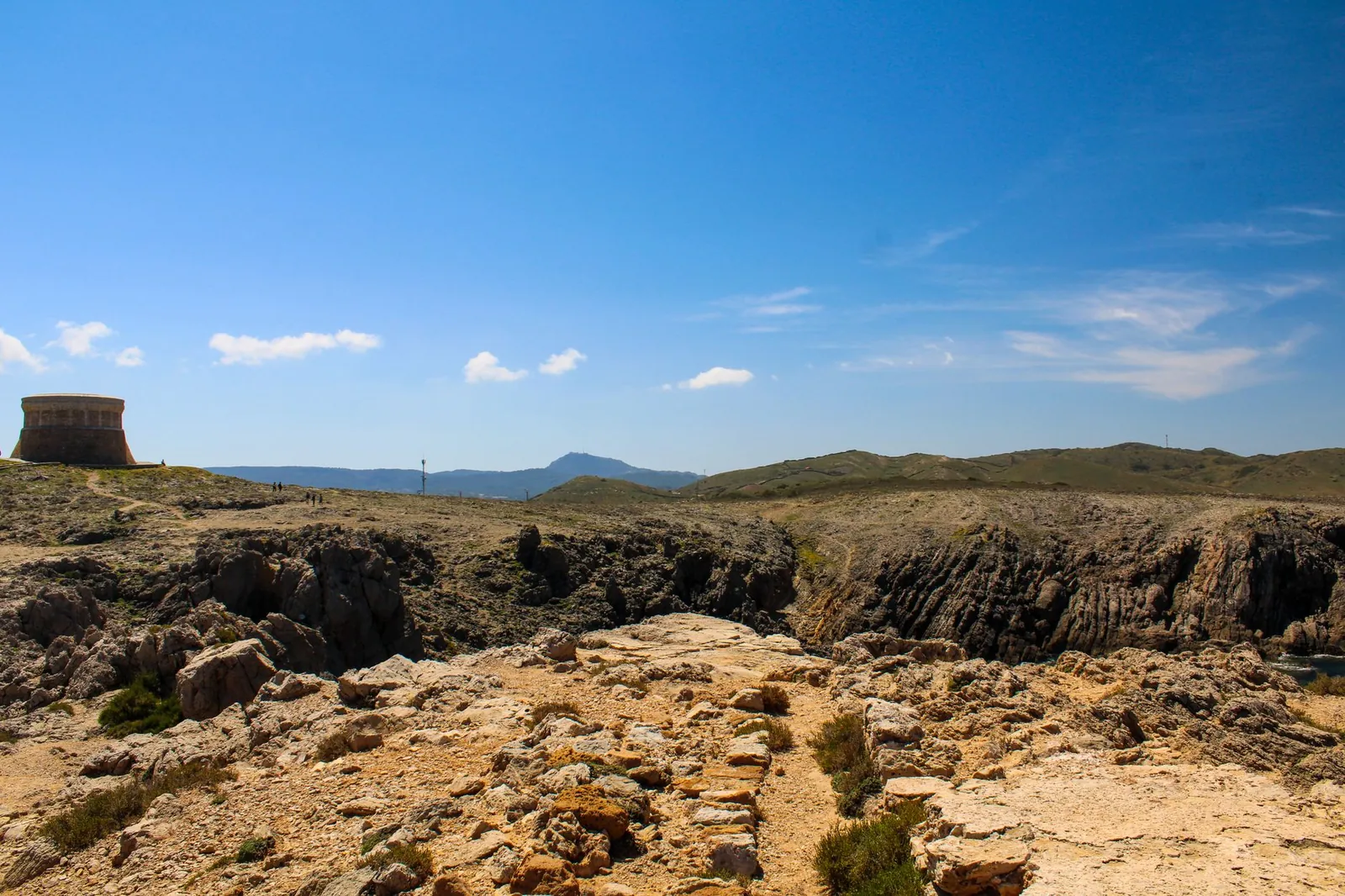
Opting for Menorca’s northern coastline means choosing an adventure into the island’s untamed heart, a stark contrast to the often-celebrated, turquoise-fringed coves of the south. Here, you’ll encounter a geological spectacle of ancient red and dark volcanic rocks, forming dramatic cliffs and coves with sands ranging from deep gold to rich terracotta. This landscape isn’t just visually distinct; it offers a profound sense of peace, often requiring a little effort to reach, which naturally filters out larger crowds. The northern shores are an experience for those who appreciate rugged beauty, the sound of the wind, and water that shifts from deep blue to bright green, rather than the calm, mirror-like bays found elsewhere. For those deciding between the two, my advice is always to seek out My Menorca or Mallorca quiet coves choice for pure peace because the north delivers on that promise like nowhere else.
The exposure to the Tramuntana wind, common in the north, sculpts the coastline and means the sea can be choppier than in the south, adding to its wild character. This isn’t a downside if you come prepared; instead, it’s part of the raw charm. You’re not just visiting a beach; you’re immersing yourself in an ecosystem where the elements dictate the rhythm. This side of the island is for those who value quiet contemplation over bustling activity, for hikers and adventurers, and for anyone who wants to see a side of Menorca that feels truly preserved. If your idea of a perfect beach day involves scrambling over rocks, feeling the vastness of the sea, and finding a secluded spot to call your own, then the north is unequivocally worth your time. Prepare for minimal facilities, challenging access to some spots, and the absolute reward of unspoiled nature.
Essential North Coast Beaches for Tranquility Seekers
To truly find tranquility on Menorca’s north coast, you need to know which spots offer the best balance of accessibility and solitude. Here are a few must-visit beaches, each with its unique character and specific details to help you plan your visit:
- Playa de Cavalleria: This iconic northern beach is a vast crescent of golden-red sand, backed by impressive cliffs. To reach it, drive to the free parking area off the ME-15 road (look for signs for “Playa de Cavalleria”). From the parking, it’s about a 15-minute walk down a well-maintained path to the main beach. Parking is free, but it fills up quickly during peak summer months (July-August) between 10:00 and 16:00, so aim for early mornings or late afternoons. There are no facilities here – no showers, no toilets, no vendors – so bring everything you need. The water here is crystal clear and inviting, perfect for swimming and snorkeling around the rocky areas. The large size means even when there are people, you can almost always find a quiet spot.
- Cala Pregonda: Famous for its striking red sand and rock formations that create a natural swimming pool effect, Cala Pregonda is a photographer’s dream and an absolute must-see. Access is via a longer walk from the free parking at Binimel·là beach, following a section of the Camí de Cavalls for about 30-40 minutes (approximately 2.5 km). The path can be uneven, so sturdy shoes are essential. Like Cavalleria, Pregonda has no facilities, so pack water, snacks, and sun protection. The walk, while a bit of effort, is part of the experience, winding through beautiful coastal scenery, and the reward is a truly unique beach experience. It’s often less crowded than the southern coves due to the longer walk, but it is well-known, so mid-week visits are best for true quiet.
- Binimel·là: This beach often serves as the gateway to Cala Pregonda, but it’s a beautiful destination in its own right, and notably easier to access. There’s a free parking lot directly behind the beach, reducing the walk to just a few minutes over a wooden boardwalk. Binimel·là is larger, with coarse reddish sand, and uniquely, it hosts a popular, casual restaurant (Es Bruc de Binimel·là) that offers fresh seafood and basic amenities like toilets during its operating hours (typically 12:00-22:00, closed during winter). While not as wild as Pregonda, its convenience makes it a great option for families seeking a northern experience with a touch more comfort, and it’s still far less crowded than the south.
- Cala Pilar: For the truly adventurous, Cala Pilar offers the deepest immersion into Menorca’s wild side. Reaching it involves a significant walk from the free parking area off the ME-15 road near Camí del Pilar. The path, also part of the Camí de Cavalls, is approximately 45-60 minutes (around 3 km) over rolling hills and through a shady forest, which is a welcome respite in summer. The reward is a secluded beach with golden sand, backed by a lush valley. Due to the effort required, it’s consistently one of the quietest beaches on the north coast, even in peak season. There are absolutely no facilities here, so come fully prepared with ample water and food. The path can be challenging with elevation changes, so good physical fitness is a plus. If you are exploring the island and need to find your ideal accommodation on Menorca, consider staying close to Ciutadella for easier access to the north.
Remember that the northern beaches are largely untouched, meaning what you bring in, you must take out. These aren’t resorts; they are natural wonders waiting to be appreciated with respect.
Navigating the North: Access, Logistics, and What to Expect
Exploring Menorca’s northern coast requires a bit more planning than simply driving to a developed southern resort beach, but the reward is immense. Your primary mode of transport will almost certainly be a rental car, which typically costs between €30-€60 per day depending on the season and vehicle size, offering the flexibility you need. While some limited bus services do run to the vicinity of certain beaches like Cavalleria (e.g., Line 35 from Mercadal to Cavalleria parking during summer months), they often don’t provide direct access to the most secluded spots, making a car the practical choice for true exploration. Parking is generally free at the trailheads for these northern beaches, but spaces can fill up quickly by mid-morning, especially in July and August. Arriving before 9:30 or after 16:00 greatly improves your chances of finding a spot without hassle.
The Camí de Cavalls, Menorca’s historic coastal path, is your best friend for reaching many of these quiet coves. It’s a well-marked trail, but surfaces vary from smooth dirt paths to rocky ascents and descents. Good quality walking shoes or sturdy sandals are non-negotiable. Distances to the beach from parking areas can range from a quick 5-minute stroll (Binimel·là) to a challenging 45-60 minute hike (Cala Pilar). Factor in these walking times, especially if you’re carrying a cooler or beach gear. Here’s a quick overview of access and features for some key northern beaches:
| Beach Name | Access Difficulty | Walk Time (from parking) | Facilities | Key Feature |
|---|---|---|---|---|
| Playa de Cavalleria | Easy-Moderate | 15 minutes | None | Vast red-golden sand, iconic cliffs |
| Cala Pregonda | Moderate-Challenging | 30-40 minutes | None | Unique red rock formations, secluded feel |
| Binimel·là | Easy | 2-5 minutes | Restaurant (seasonal) | Convenient, coarser sand, good base |
| Cala Pilar | Challenging | 45-60 minutes | None | Wildest, most secluded, forest hike |
When packing for a day on the north coast, think self-sufficiency. You will need plenty of water (at least 2 litres per person for longer hikes), snacks or a packed lunch, high-factor sun cream, a wide-brimmed hat, and sunglasses. Even on cloudy days, the sun reflects intensely off the water and sand. A lightweight beach umbrella or sun shelter is a wise investment if you plan to spend hours, as natural shade is scarce at most beaches. If you enjoy exploring the underwater world, snorkeling gear is a must; the rocky seabed often hides fascinating marine life. Don’t forget a rubbish bag – these pristine environments depend on visitors taking all their waste with them. The official Menorca Tourism site provides up-to-date information on bus routes and any seasonal restrictions, so always check before you head out.
The best time to visit these quieter northern beaches is during the shoulder seasons: late May to early June or September to early October. During these months, the weather is beautifully mild, the sea is warm enough for swimming, and the crowds are significantly smaller than in the peak summer months. You’ll have an easier time finding parking and truly experience the peace these places offer. Be aware that the north coast can be exposed to strong winds (the ‘Tramuntana’), which can make the sea rough. Always check the weather forecast before you go, and if it’s too windy, consider exploring an inland trail or a more sheltered cove on the east or west of the island instead. This side of the island really rewards those who put in the effort.
Beyond the Sand: Activities and Responsible Exploration
While the allure of golden and red sands is undeniable, the Menorca north coast offers more than just sunbathing. It’s a playground for active exploration and a haven for those who appreciate the natural world, provided you approach it with respect and a spirit of adventure. One of the most rewarding ways to experience this rugged coastline is by hiking sections of the Camí de Cavalls. This ancient trail, which encircles the entire island, provides unparalleled views and access to secluded coves that might otherwise be missed. For instance, the section from Favàritx lighthouse towards Cala Presili and Cala Tortuga offers relatively easy walking with stunning lunar-like landscapes. No special gear is needed beyond good hiking shoes, water, and sun protection, but a basic skill level of moderate fitness is recommended for longer sections. The beauty of this path is that you can choose segments that suit your energy levels, from short, scenic strolls to full-day treks.
For those drawn to the water, the northern bays are fantastic for snorkeling and kayaking. The rocky seafloor and clear waters reveal diverse marine ecosystems. Cala Pregonda, with its intricate rock formations, is particularly good for snorkeling, as are the coves around Es Grau Natural Park. You can often rent kayaks or paddleboards from dedicated centers in larger towns like Fornells or Es Grau, or even book guided tours for Menorca’s northern coast that include equipment. If you’re considering a paddleboarding adventure, you might also find inspiration in My paddleboarding Menorca turquoise waters delight guide, as many of those principles apply here. The average cost for a half-day kayak rental is around €25-€40, while a guided tour can range from €50-€80 per person, often including equipment and instruction.
Responsible tourism is paramount when visiting these pristine northern areas. The lack of facilities means everything you bring in, including food wrappers, plastic bottles, and any other waste, must be carried out with you. Leave no trace, as the saying goes. Respect the local flora and fauna; avoid picking plants or disturbing nesting birds, especially around natural parks like S’Albufera des Grau. Stick to marked paths to prevent erosion and protect fragile ecosystems. Parking restrictions are sometimes implemented during peak season to manage visitor numbers and protect the environment, so always pay attention to signage. Avoid leaving valuables visible in your rental car, particularly in remote parking areas, as opportunistic theft can occasionally occur, though it’s not widespread. The joy of these quiet beaches is their untouched nature; let’s all work together to keep them that way for generations to come.
Common Questions About Menorca’s Northern Coast
Are Menorca north coast beaches safe for families?
Yes, many north coast beaches are safe for families, but you need to choose wisely and be prepared. Beaches like Binimel·là, with its easier access and even a seasonal restaurant, are good options. Cavalleria is also safe, but remember there are no lifeguards or facilities. For beaches requiring longer walks (like Pregonda or Pilar), consider the children’s ages and endurance. The water is generally clean and clear, but the sea can be choppier on windy days, so always check conditions and supervise children closely. Pack everything a family needs for a day out, as stores are nonexistent.
What’s the best way to get to the remote north coast beaches?
The best and most flexible way to reach Menorca’s remote north coast beaches is by rental car. This allows you to set your own schedule, carry all your gear, and access parking areas that public transport might not reach directly. Car rental prices vary, but expect to pay around €30-€60 per day in the shoulder season. While some limited bus routes exist to certain trailheads, they are less frequent and often require additional walking. Taxis are another option but can be expensive for longer distances, often costing €20-€40 for a one-way trip from a major town to a northern beach car park.
Are there any facilities at these quieter northern coves?
Generally, no. The charm of Menorca’s quieter northern coves lies in their undeveloped, natural state, meaning a complete absence of facilities like public toilets, showers, sun lounger rentals, or kiosks. The notable exception is Binimel·là beach, which has a seasonal restaurant (Es Bruc de Binimel·là) that provides basic amenities. For all other remote northern beaches, you must be entirely self-sufficient: bring your own water, food, sun protection, and a rubbish bag to carry out everything you bring in.
When is the ideal time to visit Menorca’s wilder beaches?
The ideal time to visit Menorca’s wilder north coast beaches is during the shoulder seasons: late May to early June or September to early October. During these periods, the island enjoys pleasant temperatures (typically 22-26°C), the sea is warm enough for swimming, and the significant summer crowds have either not yet arrived or have departed. This makes for easier parking, quieter trails, and a more serene beach experience. July and August are beautiful but expect much higher temperatures, more people, and greater competition for parking spaces.
The north coast of Menorca offers a profoundly different experience from the island’s more manicured southern shores. It’s a testament to the fact that true beauty often lies in the wild, the untouched, and the slightly harder-to-reach. These quiet beaches provide an authentic slice of Menorca, demanding a little effort but promising an unparalleled sense of peace and natural splendor in return. If you’re contemplating a trip to the Balearics and weighing your options, exploring Ibiza, Mallorca, or Menorca: Which Balearic Island Fits You?, remember that Menorca’s north offers a special kind of quiet that truly rejuvenates.
About the Author
After 15 years living and traveling across Spain, Caro knows this country in a way most travel writers never will. She’s not here to sell you a polished version of Spain, she’s here to show you the real one. Every guide on this site comes from her own experience: the restaurants she eats at, the routes she walks, the festivals she’s actually attended. She writes to cut through the noise and give you what actually matters. Learn more about Caro →