Basque Country Coastal Hiking: Trail Guide
Some links in this guide are affiliate links — if you book through them we may earn a small commission at no extra cost to you. It never changes what we recommend. Full disclosure.
When you picture the Basque Country, you might imagine its dynamic cities or acclaimed gastronomy, but for me, the true soul of this unique region reveals itself on its trails, where the basque country coastal hiking offers some of the most dramatic and rewarding experiences in Spain. Many assume Spain’s northern coast is all about beaches, but the reality here is a rugged, green landscape where mountains plunge directly into the Cantabrian Sea, creating a hiking paradise unlike anywhere else. This guide will take you through my absolute favorite coastal routes, sharing practical tips, honest advice, and everything you need to know to experience these spectacular paths for yourself.
Quick Answer: these trails Experience
Basque Country coastal hiking offers a unique blend of challenging cliffside trails and gentler paths winding through traditional fishing villages, providing routes suitable for all fitness levels. Expect dramatic sea views, verdant landscapes, and a chance to immerse yourself in local culture, with most major routes requiring between 3 and 6 hours to complete and costing very little beyond public transport. It’s a truly enriching way to see this region, far from the crowds.
The Iconic Flysch Route: Zumaia to Deba
The Flysch Route, stretching along the coast between Zumaia and Deba, is a geological marvel and an absolute must for anyone keen on coastal hiking in the Basque Country, typically taking about 4 to 5 hours to traverse one way. This trail reveals millions of years of Earth’s history in dramatic flysch rock formations, visible at low tide. This moderate, 14-kilometer hike showcases a World Geopark with unique coastal scenery you’ll find anywhere in Europe.
The best way to experience the Flysch is to walk from Zumaia to Deba, or vice-versa, planning your start around low tide to properly appreciate the rock formations. You can check the tide times for Zumaia on the official Euskadi tourism site. Starting from Zumaia, head towards Santiago Beach and pick up the GR-121 coastal path. The trail is well-marked with red and white blazes. Along the way, you’ll encounter the famous layered cliffs, tidal pools teeming with life, and eventually, the beautiful secluded beach of Sakoneta. This section can be slippery in places, especially after rain, so sturdy hiking shoes with good grip are non-negotiable.
Once you reach Deba, take an Euskotren train back to Zumaia (15 min, ~€2.70) or explore Deba’s beach and old town. For less strenuous options, guided boat tours from Zumaia (approx. €15-€20 for 1.5-hour tour) offer geological insight. Note the path offers little shade; bring sun protection and water.
- Distance: Approximately 14 km (one way)
- Estimated Time: 4-5 hours
- Difficulty: Moderate, some uneven terrain and ascents/descents.
- Best Time: Spring or autumn for milder temperatures; check tide times to see the flysch.
- Cost: Free to hike; train ticket between Zumaia and Deba is ~€2.70.
- What to Bring: Sturdy hiking boots, sufficient water (1.5-2 liters per person), sun hat, sunscreen, snacks, a fully charged phone.
San Juan de Gaztelugatxe: A Pilgrim’s Ascent
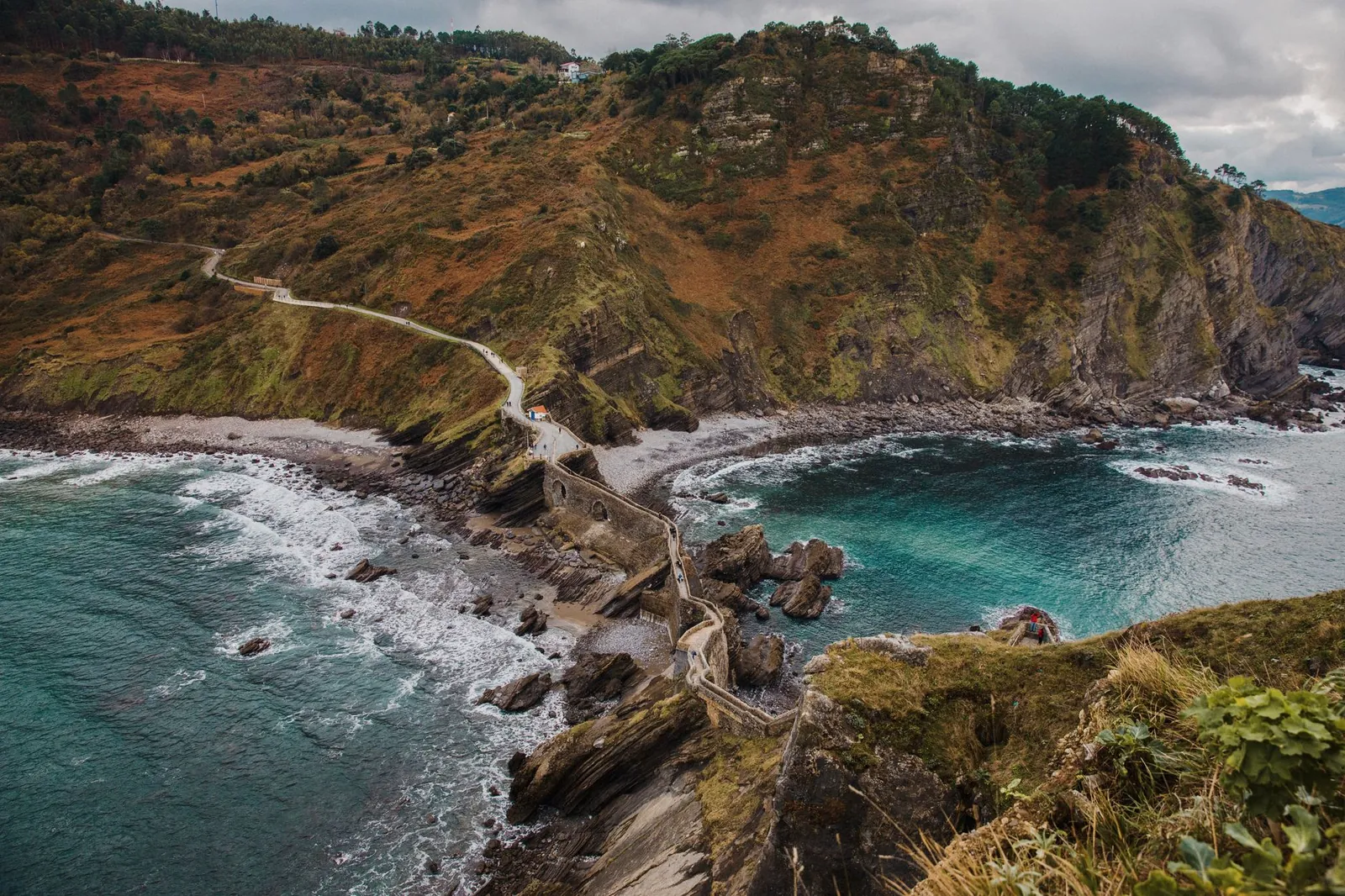
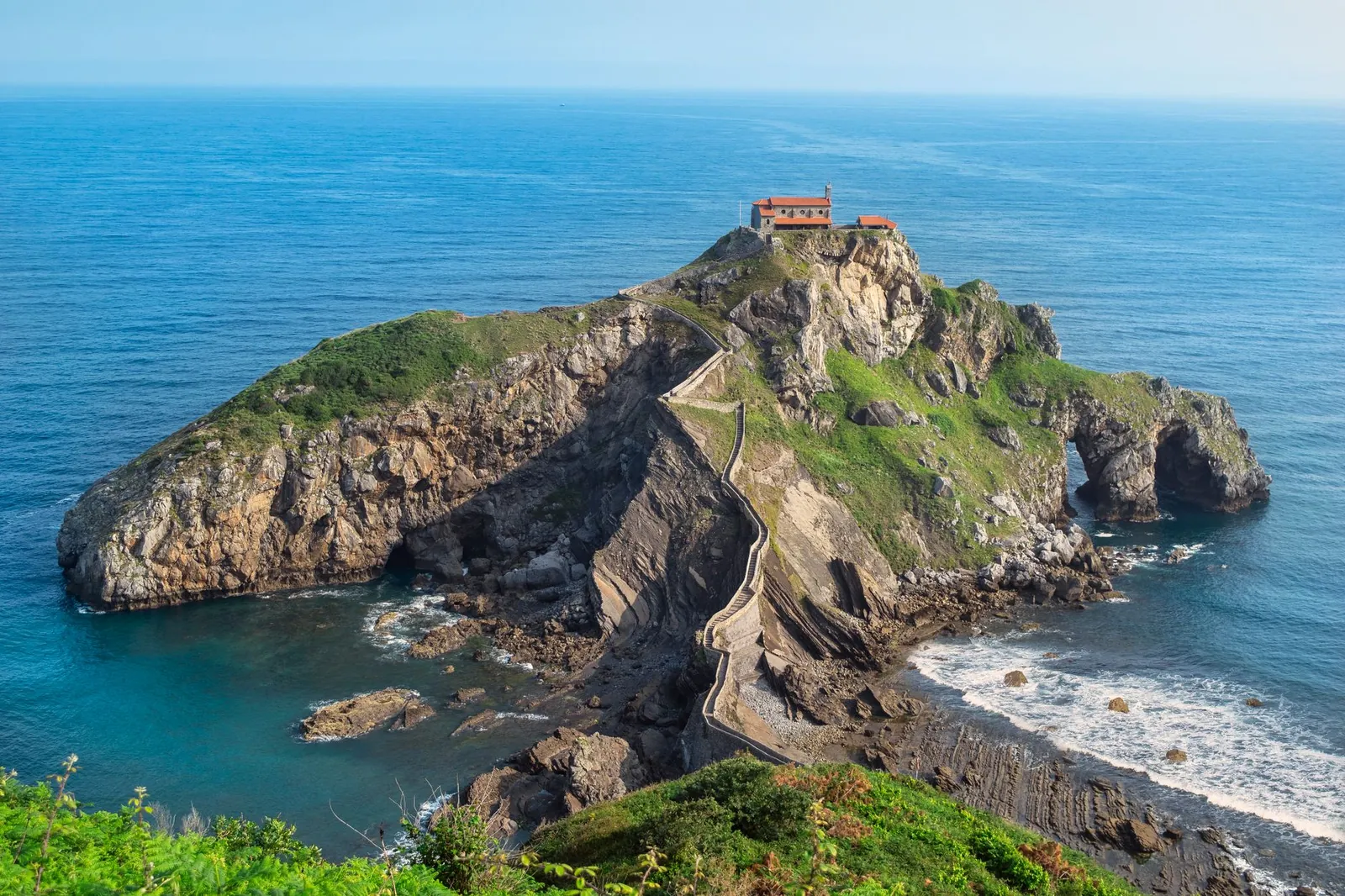
San Juan de Gaztelugatxe, an islet with a hermitage, connects to the mainland via a winding stone bridge and 241 steps. This iconic coastal hike takes 1.5 to 2 hours round trip. Popular due to its striking beauty, it draws thousands daily in peak season. Access requires a free, pre-booked ticket from the official Gaztelugatxe website, essential for weekends and holidays; book weeks ahead.
Starting from the main parking (near Eneperi Restaurant, or further at Ermu), descend 1.5 km (30-40 minutes) to the stone bridge, then climb 241 steps. Both the descent and return ascent are steep; prepare for an energetic workout. Enjoy spectacular views of the rugged coastline, the Cantabrian Sea, and the islet itself.
At the islet’s top, tradition suggests ringing the hermitage bell three times. Though the hermitage is small and often closed, views from the top are magnificent. Parking is free but limited (10:00-16:00); visit before 09:00 or after 17:00 to avoid crowds. Kiosks sell water and snacks, but bringing your own saves money.
- Distance: Approximately 3 km round trip from the main parking.
- Estimated Time: 1.5-2 hours.
- Difficulty: Moderate, due to the steep descent and 241 steps climb.
- Best Time: Early morning or late afternoon to avoid crowds.
- Cost: Free entry ticket, but mandatory to book online.
- Insider Tip: Do not rely on mobile signal for booking upon arrival; print or screenshot your ticket.
Easy Coastal Walks for Every Pace
Not every rewarding coastal experience requires a multi-hour trek. The Basque Country provides numerous accessible, shorter walks, perfect for a relaxed stroll under 2 hours, needing only comfortable shoes. Ideal for families or those seeking views without intense workouts, these trails often pass through towns for easy breaks.
The promenade in San Sebastián is a favorite easy walk. Start at La Concha Beach, then walk around Monte Igueldo, past Ondarreta Beach, to the Peine del Viento sculptures. This paved, flat, 5-kilometer walk takes 1 to 1.5 hours at a leisurely pace. You’ll enjoy constant views of the iconic bay, Isla de Santa Clara, and the city’s elegant architecture. For more energy, climb Monte Igueldo via funicular (~€4.00 return) for panoramic views.
Another pleasant option is the coastal path around Mundaka and Bermeo. While there’s a longer trail connecting them (around 10 km), shorter sections are very enjoyable. You can walk around the appealing harbor of Mundaka, known for its surfing waves, or explore the small coastal paths just outside Bermeo, offering views of fishing boats and the rugged cliffs. These paths are generally well-maintained and relatively flat, making them perfect for a gentle afternoon wander. Mundaka to Bakio also offers a lovely, relatively flat path along the coastline, about 8 km, taking 2-3 hours.
For something completely different, explore the walkways around Getaria. This appealing fishing village, birthplace of explorer Juan Sebastián Elcano, has a lovely path leading up to the “mouse” mountain (Mount San Antón), offering views of the vineyards that produce Txakoli wine and the Cantabrian Sea. It’s a short, scenic climb, probably less than an hour, that rewards you with fresh air and historic appeal.
Planning Your Basque Coastal Hiking Adventure
Effective planning is essential for a rewarding Basque coastal hiking experience, ensuring you have the right gear, understand local transport options, and know where to find reliable information. While many trails are accessible, the weather here can be unpredictable, and some routes are more remote, making preparation key to enjoying your time safely and comfortably.
What to Pack:
- Hiking Shoes: Essential. Not sneakers, but sturdy, waterproof hiking boots with good ankle support and grip, especially for the Flysch route or any cliffside paths.
- Layers: The weather can change quickly. A waterproof and windproof jacket is a must, even in summer.
- Water & Snacks: Always carry more water than you think you’ll need, particularly on longer trails without amenities. Energy bars, fruit, or local pintxos make great trail snacks.
- Sun Protection: Hat, sunglasses, and high-SPF sunscreen are crucial, as many coastal paths offer little shade.
- Daypack: A comfortable, well-fitting daypack (15-25 liters) to carry your essentials.
- Navigation: A physical map (e.g., from a local tourism office) or a reliable offline GPS app on your phone, as signal can be patchy.
- First-Aid Kit: Basic items like blister plasters, antiseptic wipes, pain relievers.
Transport & Logistics:
Public transport in the Basque Country is excellent. Euskotren offers regional train services connecting major coastal towns like San Sebastián, Zarautz, Zumaia, Deba, and Bilbao. Buses operated by companies like Lurraldebus cover other routes. Check their websites for schedules and prices. For example, a train ticket from San Sebastián to Zumaia costs around €3-€4 and takes about 40 minutes. For remote trailheads, a taxi might be your only option, so factor that into your budget.
Consider using an app like Wikiloc or AllTrails to download route maps beforehand. While some trails are well-marked, having an offline map on your phone provides peace of mind. For longer trips, consider booking hotels in San Sebastián or Bilbao, using them as a base for day trips. Alternatively, the smaller towns like Getaria or Zarautz offer delightful guesthouses and a more local experience.
Table: Comparative Overview of Key Coastal Hikes
| Route | Distance (approx.) | Estimated Time | Difficulty | Key Features | Approx. Public Transport Cost |
|---|---|---|---|---|---|
| Flysch Route (Zumaia-Deba) | 14 km (one way) | 4-5 hours | Moderate | Geological formations, cliff views | €2.70 (Euskotren between towns) |
| San Juan de Gaztelugatxe | 3 km (round trip from parking) | 1.5-2 hours | Moderate (steep steps) | Iconic hermitage, bridge, sea views | €0 (parking), €1.85 (bus from Bermeo) |
| San Sebastián Promenade | 5 km (one way) | 1-1.5 hours | Easy (paved, flat) | Bay views, city architecture | €0 (walkable within city) |
| Mundaka to Bakio | 8 km (one way) | 2-3 hours | Easy to Moderate | Coastal villages, surfing beaches | €1.65 (bus between towns) |
For those interested in a deeper dive into the region’s nature, venturing inland to places like Picos de Europa offers a different kind of hiking. I often find myself combining a few days of coastal trails with a visit to the mountains, as outlined in my guide to Picos Europa hiking for beginners.
Beyond the Trails: Combining Your Hike with Local Culture
While landscapes are spectacular, your Basque coastal hiking journey isn’t complete without diving into the region’s rich culture. Delicious food, lively towns, and unique traditions are always close. Integrate hikes with stops in local villages and cities for a true immersion in Basque life, often for little more than a few pintxos.
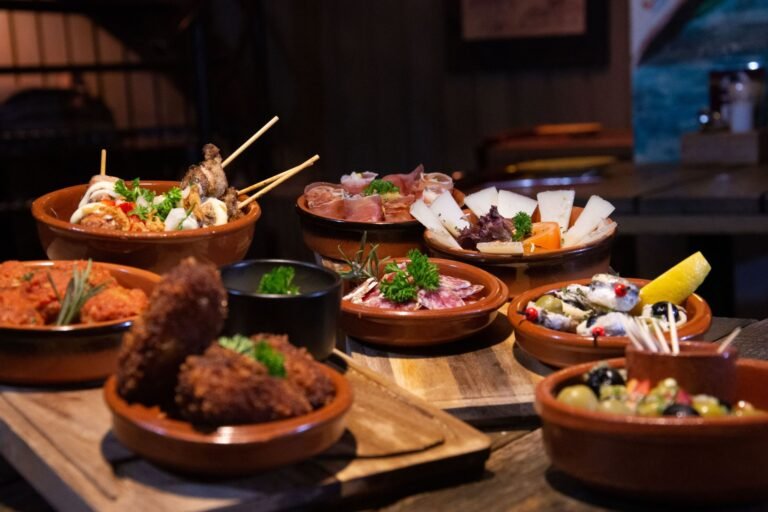
After a good hike, refuel with authentic Basque food. Pintxos culture is a cornerstone of social life, especially in San Sebastián, Bilbao, and Getaria. Wander into any bar for counters laden with small, artfully prepared bites, typically €2.50-€3.50 each. My advice: point to what looks good, enjoy it with a non-alcoholic drink like ‘mosto’ (grape juice) or ‘agua con gas’ (sparkling water), then move on. This way, you sample variety and experience the local culinary scene. For a guide, see How to Pintxos-Crawl Your Way Through the Basque Country.
Coastal towns are worth exploring beyond trails. Zarautz features a fantastic beach popular with surfers, a lively promenade, and excellent seafood. Getaria, with its appealing old town and the Cristóbal Balenciaga Museum (entry ~€12), blends history and fashion. Bermeo, a working fishing port, offers a glimpse into maritime heritage with colorful harbor houses and an interesting fisherman’s museum (entry ~€5).
Keep an eye out for local festivals if you’re visiting in summer. While the bigger cities like Bilbao host major events like Experiencing Aste Nagusia Bilbao, even smaller towns have their own unique celebrations. These often involve traditional music, dances, and local gastronomy, providing a great opportunity to see the community spirit firsthand. Often, you can find free concerts or cultural performances in town squares.
Many of these towns have excellent local markets too. Look for ‘mercados’ where you can find fresh produce, local cheeses, and artisanal goods. It’s a great way to pick up a souvenir or simply soak in the daily rhythm of Basque life. These markets are typically open in the mornings until around 14:00. Even if you’re not buying, the sights and sounds are a cultural experience in themselves.
Common Questions About Coastal Hiking
Can you hike the Camino de Santiago along the Basque Coast?
Yes, the Camino del Norte (Northern Way) follows the Basque coastline for a significant portion. This route offers pilgrims a challenging but rewarding experience with constant sea views, passing through major cities like San Sebastián and Bilbao, plus smaller coastal towns, before continuing west towards Galicia.
Are guided hiking tours available?
Yes, local tour operators offer guided hiking tours along various Basque Coast sections, particularly for routes like the Flysch or San Juan de Gaztelugatxe. These tours often provide transport from major cities and insights into the region’s geology, history, and culture. Find options for guided trips from San Sebastian online, with prices typically €50-€100 for a half or full-day excursion.
What is the best time of year for coastal hiking in the Basque Country?
Spring (April-May) and early autumn (September-October) are generally the best times for coastal hiking in the Basque Country. Temperatures are milder (15-22°C), rainfall less frequent than winter, and trails less crowded than peak summer. Summer (July-August) is pleasant but expect higher temperatures (20-28°C) and more visitors, especially weekends.
Are the trails suitable for children?
Many Basque coastal trails suit children, especially easier, paved promenades in towns like San Sebastián or parts of the Mundaka-Bermeo route. However, challenging routes like the full Flysch trail or San Juan de Gaztelugatxe can be demanding due to length, elevation, or slippery sections, suiting older children with hiking experience. Always check trail difficulty and distance before heading out with kids.
The Basque Country’s coastal trails offer a rare convergence of geological wonders, historical intrigue, and lively culture, all set against a backdrop of the powerful Cantabrian Sea. From the ancient layers of the Flysch to the dramatic climb of Gaztelugatxe, these paths provide an intimate way to connect with the landscape and the spirit of northern Spain. So lace up your boots, pack your sense of adventure, and prepare to discover a side of Spain that will truly stay with you.
About the Author
After 15 years living and traveling across Spain, Caro knows this country in a way most travel writers never will. She’s not here to sell you a polished version of Spain, she’s here to show you the real one. Every guide on this site comes from her own experience: the restaurants she eats at, the routes she walks, the festivals she’s actually attended. She writes to cut through the noise and give you what actually matters. Learn more about Caro →