My first Picos Europa hiking for beginners: pure mountain bliss.
Some links in this guide are affiliate links — if you book through them we may earn a small commission at no extra cost to you. It never changes what we recommend. Full disclosure.
Many people dream of experiencing the Picos de Europa’s dramatic peaks and deep valleys but assume it’s only for seasoned mountaineers, yet finding accessible routes for hiking picos europa for beginners is far easier than you might think. Having explored Spain for 15 years, I know firsthand how intimidating some of its natural landscapes can appear, but I also know that with the right guidance, anyone can discover the immense beauty of these mountains. This guide cuts through the noise, offering concrete, actionable advice to help you confidently plan your first steps into one of Spain’s most spectacular national parks, proving that true wilderness isn’t just for the experts.
Quick Answer: Picos Europa for New Hikers
Absolutely, beginners can enjoy hiking in Picos Europa, with several well-marked, less strenuous routes available, particularly around the Lakes of Covadonga and the Cares Gorge entrance. You should budget around €5-€15 for daily expenses if using public transport to trailheads, excluding accommodation, and plan for half-day to full-day excursions that require basic fitness and proper footwear.
Getting There and Around: Your Picos Europa Access Plan
Reaching the Picos de Europa for your hiking adventure typically involves flying into Asturias (OVD), Santander (SDR), or Bilbao (BIO) airports, then connecting by bus or rental car to key gateway towns like Cangas de Onís, with travel times ranging from 1 to 2.5 hours. A rental car offers the most flexibility for exploring various trailheads, costing approximately €30-€60 per day depending on the season and car size, but a reliable bus network connects major towns to popular hiking spots, making car-free travel achievable. If you’re coming from further afield in Spain, you can catch a train to Oviedo or Santander and then transition to a bus. For instance, a high-speed train from Madrid to Oviedo takes around 3 hours and costs €40-€80, depending on booking in advance via Renfe.
Once you’re in the Picos region, specifically around Cangas de Onís, navigating to the trailheads requires some planning. During peak season (typically mid-July to early September, and often Easter week), vehicle access to the Covadonga Lakes area is heavily restricted between 8:30 AM and 9:00 PM. Instead, you’ll need to use the official bus service from Cangas de Onís or Covadonga itself. The bus ticket costs €9.00 for an adult return journey, valid all day, and buses run frequently, usually every 10-15 minutes, from the Cangas de Onís bus station (next to the FEVE train station) to Covadonga and then up to the lakes. This system is efficient and reduces traffic congestion, making it my recommended option for hassle-free access to some of the most popular beginner trails. Outside of peak season, you can drive your own car up to the lakes, but parking fills up fast, especially on weekends, and costs €2-€5 for the day.
For other trails, like those starting near Poncebos for the Ruta del Cares, you might find local buses or need a rental car. The journey from Cangas de Onís to Poncebos is about 45 minutes by car. Taxis are available in towns like Cangas de Onís and Arenas de Cabrales, but they can be costly for longer distances, often €20-€40 for a one-way trip to a trailhead, so consider sharing if possible. Planning your transport in advance is crucial, especially if you’re aiming for early starts on popular routes or rely on public transport schedules that can be less frequent outside of high summer.
Where to Base Yourself: Cangas de Onís, Your Gateway to the Peaks
Cangas de Onís stands out as the best base for beginners exploring Picos Europa, offering a wide array of accommodation, dining options, and easy access to key attractions and transport links, with a typical hotel room costing €50-€100 per night. This historic town, once the first capital of the Kingdom of Asturias, provides a perfect balance of local culture and visitor amenities without feeling overwhelmed by tourism, unlike some smaller, more isolated villages.
Staying in Cangas de Onís means you’re just a short drive or bus ride from the starting point for the Covadonga Lakes bus, which is essential for accessing many beginner-friendly routes. The town itself has a large supermarket, several smaller grocery stores, pharmacies, and plenty of gear shops where you can pick up any last-minute essentials like a good pair of hiking poles or a map. For dining, you’ll find everything from traditional Asturian sidrerías serving hearty stews like fabada and grilled meats, to casual cafes perfect for a quick breakfast before heading out. Expect to pay €12-€20 for a substantial meal in a local restaurant.
For accommodation, you have a solid range. Hotels like Hotel La Grandilla offer comfortable stays for around €70-€90, while rural guesthouses (casas rurales) just outside town can be found for a similar price or slightly less, providing a more authentic experience. Hostels are limited but exist, offering beds for €20-€30. Booking in advance, especially for summer or holiday weekends, is highly advisable. You can compare hotel prices in Cangas de Onís to find something that suits your budget and style. Its central location also makes it convenient for day trips to other parts of Asturias if you decide to take a rest day from hiking, perhaps to explore the coast.
- Accessibility: Direct bus links to Covadonga and main roads to other areas.
- Amenities: Supermarkets, gear shops, pharmacies, diverse restaurants.
- Atmosphere: Lively but not overly crowded, with a rich historical background.
- Accommodation: Wide range of hotels, guesthouses, and apartments.
- Dining: Excellent Asturian cuisine, from budget-friendly options to mid-range restaurants.
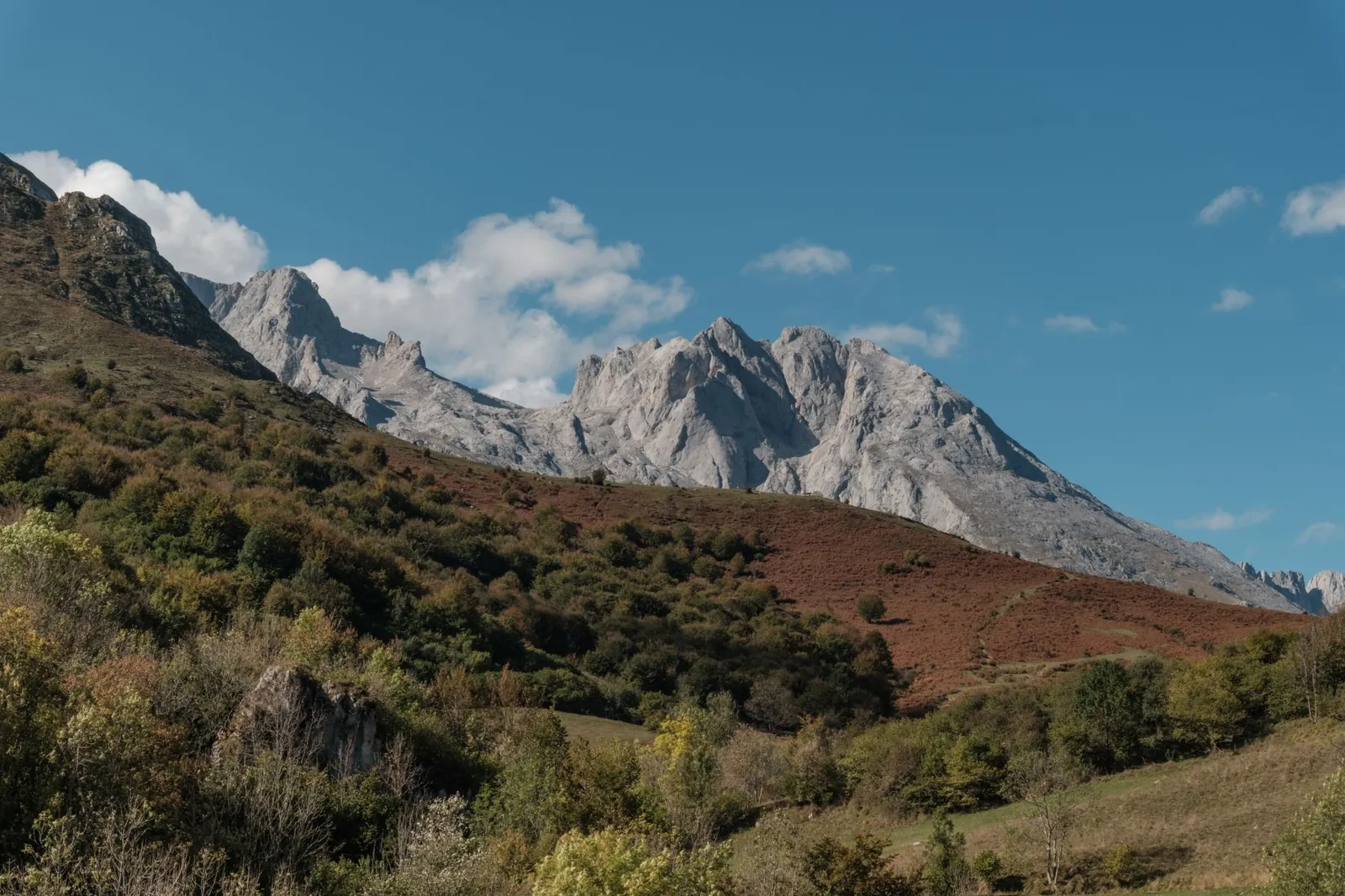
Top Trails for Beginners in Picos Europa: Accessible Beauty
For beginners in Picos Europa, the most accessible and rewarding trails include the scenic loop around Lake Ercina and Lake Enol near Covadonga, which is mostly flat and takes about 1-1.5 hours to complete, making it ideal for a gentle introduction to the mountains. This area offers stunning views without significant elevation gain, ensuring a pleasant experience for those new to mountain environments.
Here are some other excellent options that prioritize accessibility and safety for new hikers:
- Lakes of Covadonga Loop (Lagos de Covadonga): This is arguably the quintessential beginner hike. Once you’re up at the lakes (remember the bus restriction!), there are several well-marked paths. The easiest is the paved loop around Lake Ercina and Lake Enol.
- Length: Approximately 6 km (return) if you combine the two lake paths.
- Elevation Gain: Minimal, mostly flat.
- Estimated Time: 1.5 – 2.5 hours.
- Starting Point: Any of the main parking areas/bus stops at the lakes.
- Difficulty: Very easy, suitable for families.
- Ruta del Cares (The ‘Divine Gorge’): Poncebos to Camarmeña section: While the full Ruta del Cares is a serious commitment (24 km return, 6-7 hours, not for beginners), the initial section from Poncebos to the village of Camarmeña is a short, uphill but manageable path.
- Length: 3 km (return).
- Elevation Gain: About 200 meters.
- Estimated Time: 1-1.5 hours.
- Starting Point: Poncebos, Asturias (at the start of the Cares Route).
- Difficulty: Moderate uphill climb, but the path is well-maintained.
- Sotres to Pandébano Col: This route offers incredible views of Naranjo de Bulnes (Picu Urriellu), one of Picos Europa’s most iconic peaks, without the extreme effort.
- Length: Approximately 8 km (return).
- Elevation Gain: Around 300 meters.
- Estimated Time: 2-3 hours.
- Starting Point: Sotres village, Cantabria.
- Difficulty: Moderate, some uphill sections but on a wide track.
Always carry enough water, some snacks, a fully charged phone, and a physical map or a downloaded offline map. Weather in the mountains is notoriously changeable, so even on a sunny morning, pack a waterproof jacket. If you are looking for other easy hiking options, perhaps a different landscape, you might enjoy the easy hiking Alpujarras beginner trails in Andalucía, which offer a different kind of natural beauty.
| Trail Name | Length (Approx.) | Elevation Gain (Approx.) | Estimated Time | Starting Point | Difficulty |
|---|---|---|---|---|---|
| Lakes of Covadonga Loop | 6 km | 50 m | 1.5 – 2.5 hours | Covadonga Lakes | Easy |
| Ruta del Cares (Poncebos-Camarmeña) | 3 km | 200 m | 1 – 1.5 hours | Poncebos | Moderate |
| Sotres to Pandébano Col | 8 km | 300 m | 2 – 3 hours | Sotres | Moderate |
Essential Gear and Safety for Your First Picos Hike
For any hiking trip in Picos Europa, even a beginner route, essential gear includes sturdy hiking boots with ankle support, a waterproof jacket, a backpack with at least 2 liters of water, and high-energy snacks, preventing common issues like blisters or unexpected exposure to mountain weather. The variable climate of the Picos means sunny skies can quickly turn to fog or rain, even in summer, so being prepared is non-negotiable for your safety and comfort.
Here’s a breakdown of what you should always have with you:
- Footwear: Invest in proper hiking boots. They don’t need to be heavy mountaineering boots, but they should be waterproof, offer good ankle support, and have a grippy sole. Break them in before your trip to avoid blisters.
- Clothing: Dress in layers. A breathable base layer, a warm fleece or synthetic mid-layer, and a waterproof and windproof outer shell are standard. Even in August, temperatures can drop significantly at higher altitudes, and a sudden downpour is always a possibility. Consider bringing a spare pair of socks.
- Backpack: A comfortable daypack (20-30 liters) is sufficient for a beginner hike.
- Navigation: A physical map (e.g., from Editorial Alpina, scale 1:25,000) and a compass are highly recommended, even if you rely on a GPS app on your phone. Batteries die, and signals drop. Learn basic map reading before you go.
- Water and Food: At least 2 liters of water per person for a half-day hike. Pack high-energy snacks like nuts, dried fruit, and energy bars. There are very few places to refill water on the trails themselves.
- Sun Protection: Sunscreen, sunglasses, and a hat are essential, as the sun at altitude can be intense, even on cloudy days.
- First-Aid Kit: A basic kit with blister plasters, antiseptic wipes, pain relievers, and any personal medications.
- Emergency Whistle/Light: Small, but could be important for signaling.
- Walking Poles: While not strictly essential for all beginner routes, poles can significantly reduce strain on your knees, especially on descents, and provide extra stability on uneven terrain.
Safety considerations extend beyond gear. Always inform someone of your planned route and estimated return time. Stick to marked trails; straying can lead to getting lost or encountering dangerous terrain. Be aware of your own limits; don’t push yourself beyond your comfort zone just to reach a viewpoint. If the weather turns, turn back. Mountain rescue in Spain is efficient, but it’s always better to avoid needing it. Cell phone reception can be spotty in the valleys and deeper parts of the park, so don’t rely solely on your phone for emergencies. Consider a guided tour for your first time, as local guides know the terrain and conditions best. You can find options for guided Picos Europa tours that suit different fitness levels.
What to Expect: Costs, Timing, and Local Flavor
Expect daily costs for a beginner hiking trip in Picos Europa to range from €40-€80 per person, excluding accommodation, covering transportation to trailheads, food, and entrance fees for specific attractions like the Covadonga Lakes bus. The best time to visit for beginners is typically late spring (May-June) or early autumn (September-October) when the weather is milder, the trails are less crowded, and the landscapes are at their most vibrant, allowing for comfortable hiking without the summer heat or winter snow challenges.
Timing Your Visit:
Summer (July-August) offers the warmest weather and longest daylight hours, but also brings the largest crowds and highest prices. Public transport to Covadonga Lakes, for instance, operates under strict restrictions during these months. If you visit then, plan for early starts to avoid the midday sun and the busiest periods on the trails. Spring brings blooming wildflowers and cascading waterfalls from melting snow, while autumn paints the landscape in golden and russet hues, both offering a more tranquil experience. Winter hiking is for experienced individuals only, requiring specialized gear and knowledge of snow conditions.
Food Culture:
After a day on the trails, you’ll have earned a hearty meal. Asturian cuisine is known for its wholesome, filling dishes. Beyond the famous fabada asturiana (a rich bean stew), look for local cheeses like Cabrales, often served with quince jelly, and dishes featuring local trout or mountain meats. A typical menú del día (set lunch menu) will cost you €12-€18 and usually includes a starter, main, dessert, and a drink. These are great value and common throughout the region. Don’t leave without trying some local artisan bread; it’s a staple for hikers. This focus on traditional, robust food makes the Picos an especially satisfying place to refuel.
Local Customs and Etiquette:
The Picos de Europa is a working landscape, not just a park. You’ll encounter shepherds, their flocks, and traditional villages. Respect local property and privacy. Always close gates behind you to prevent livestock from straying. When passing locals on trails, a simple “Hola” or “Buenos días/tardes” is polite. Stick to marked paths to protect the fragile environment and avoid disturbing wildlife. Pack out everything you pack in; leave no trace. This region is home to several protected species, including bears and wolves, though sightings are extremely rare. Enjoy the peace and quiet, and help preserve it for others.
Common Questions About Picos Hiking
Is Picos Europa good for hiking?
Yes, Picos Europa is an exceptional destination for hiking, offering a wide spectrum of trails from easy, scenic walks around the Covadonga Lakes to challenging multi-day treks, catering to all experience levels. Its dramatic limestone peaks, deep gorges, and lush valleys make for truly spectacular and rewarding outdoor experiences.
What is the best month to hike in Picos de Europa?
The best months to hike in Picos de Europa are typically June and September. During these periods, you’ll experience generally stable and pleasant weather, fewer crowds than the peak summer months of July and August, and the landscape is either in full bloom or showcasing vibrant autumnal colors, creating ideal conditions for exploration.
Do you need a permit to hike in Picos de Europa?
No, you generally do not need a permit for day hiking on the established trails within Picos de Europa National Park, making it accessible for spontaneous trips. However, vehicle access to certain popular areas like the Covadonga Lakes is restricted during peak seasons, requiring use of an official bus service, which has a fee of around €9.00 for a return ticket.
How difficult is the Ruta del Cares?
The full Ruta del Cares, a 12 km one-way linear trail through a gorge, is considered a moderate-to-difficult hike due to its length, exposure, and some narrow sections, requiring a good level of fitness and no fear of heights. While it lacks significant elevation gain, its sheer drop-offs and the need for a return journey or arranged transport make it challenging for inexperienced hikers, so beginners should only attempt the initial, wider sections.
Venturing into Picos Europa for your first hiking trip promises an experience that connects you deeply with Spain’s wild heart, proving that mountain adventures are within reach for everyone, not just the seasoned pros. The satisfaction of walking amidst such grandeur, breathing crisp mountain air, and ending your day with delicious local food is a feeling that stays with you long after you’ve left the trails. If the Picos have ignited your passion for Spanish nature, consider exploring the raw, coastal beauty of Ibiza coastal hiking trails for a completely different but equally rewarding outdoor experience.
About the Author
After 15 years living and traveling across Spain, Caro knows this country in a way most travel writers never will. She’s not here to sell you a polished version of Spain, she’s here to show you the real one. Every guide on this site comes from her own experience: the restaurants she eats at, the routes she walks, the festivals she’s actually attended. She writes to cut through the noise and give you what actually matters. Learn more about Caro →