Ceuta Day Trip from Algeciras: Cost, Time and Logistics
Some links in this guide are affiliate links — if you book through them we may earn a small commission at no extra cost to you. It never changes what we recommend. Full disclosure.
You might assume Spain ends at Tarifa, the southernmost tip of mainland Europe, but for an experience that genuinely pushes your understanding of the country, a ceuta day trip from algeciras reveals a surprising corner of Spanish culture located firmly on the African continent. Most people picture Moorish architecture only in Andalusia, yet Ceuta offers a unique blend of cultures, fortified history, and lively street life that is distinctively Spanish, offering a different narrative altogether. This guide will walk you through everything you need to know to navigate the journey, explore its unique sights, and savor the distinct atmosphere of this captivating city.
Quick Answer: Ceuta Day Trip Worth It?
A day trip to Ceuta from Algeciras is absolutely worth your time for its unique cultural tapestry, blending European and North African influences within a distinctly Spanish context. The ferry journey typically lasts between 60 to 90 minutes, allowing ample time to explore Ceuta’s main attractions, including its impressive fortifications and lively city center, comfortably within a single day.
Crossing the Strait: Ferry Logistics and Border Formalities
Reaching Ceuta from Algeciras is straightforward, with multiple ferry companies offering regular crossings throughout the day. Tickets typically cost between €35-€45 per person for a return journey, depending on the operator and time of year. I recommend booking your tickets a few days in advance, especially if you’re traveling during peak season (July-August) or a Spanish national holiday, to secure your preferred departure time and avoid disappointment. Major operators include FRS and Balearia, with schedules varying slightly by season. You’ll need your passport, as you’ll be crossing an international border, so allow extra time for immigration checks at both ends.
The ferry terminals in Algeciras are well-signposted and accessible. Once you arrive at the port, follow the signs for your specific ferry company. Boarding usually begins 30-45 minutes before departure. The crossing itself is usually smooth, offering views of the Strait of Gibraltar and the African coastline approaching. Upon arrival in Ceuta, you’ll disembark and pass through Spanish border control. The process is usually quick for EU citizens, but non-EU citizens might experience slightly longer waits. There is generally no exit stamp from Spain when you leave Algeciras, but you will receive an entry stamp into Ceuta (Spain) and an exit stamp when you return to Algeciras from Ceuta. It’s essential to have your passport ready for presentation.
Here’s a breakdown of typical ferry options:
| Ferry Company | Approx. Duration | Adult Return Price Range | Notes |
|---|---|---|---|
| FRS | 60-75 min | €35 – €42 | Frequent departures, comfortable vessels. Check schedules on the FRS website. |
| Balearia | 75-90 min | €38 – €45 | Modern ferries, good amenities. Schedules often vary. |
| Transmediterránea | 60 min | €36 – €43 | Often has competitive pricing; fewer departures. Check their official site. |
Keep in mind that while you’re technically entering Africa, you remain on Spanish territory, so the currency is still the Euro. Mobile phone roaming charges within Ceuta are typically the same as within mainland Spain for EU citizens, but it’s always wise to check with your provider before you travel to avoid any unexpected bills.
Ceuta’s Historical Heart: Royal Walls and Plaza de África
Ceuta’s most iconic landmark, the Royal Walls (Murallas Reales), provides a tangible link to centuries of strategic importance and military history, and you can explore a significant section of them for free. These impressive fortifications, dating back to the 15th century, stretch across the narrowest part of the Isthmus, effectively cutting the city in two and acting as a physical barrier against potential invaders. You can walk along parts of the ramparts, offering excellent views of the city, the sea, and the Parque Marítimo del Mediterráneo. The Interpretation Centre (Centro de Interpretación de las Murallas Reales) provides context on the walls’ history, usually with a small entry fee around €3-€4. It’s worth it for a deeper understanding of this engineering marvel.

The exploring Caceres old town offers a different kind of ancient wall, but Ceuta’s are unique for their location. Near the Royal Walls, you’ll find the Plaza de África, the lively central square of Ceuta, dominated by the majestic Neo-Gothic Ceuta Cathedral. Admission to the Cathedral is generally free, though donations are appreciated. Inside, you’ll find a peaceful atmosphere with intricate altarpieces and religious art. Adjacent to the plaza is the Palacio de la Asamblea, the city’s main administrative building, with its grand architecture.
A visit to the Monumental Complex of the Royal Walls will likely take you around 1.5 to 2 hours if you explore the interpretation center and walk along a good portion of the accessible sections. Afterwards, take some time to simply sit in Plaza de África, enjoy a snack from a nearby bakery, and observe the daily life of this truly unique Spanish city. It’s a wonderful place to feel the pulse of Ceuta, where the sounds of Spanish and local Arabic dialects blend effortlessly.
Taste of Two Worlds: Food and Market Discoveries
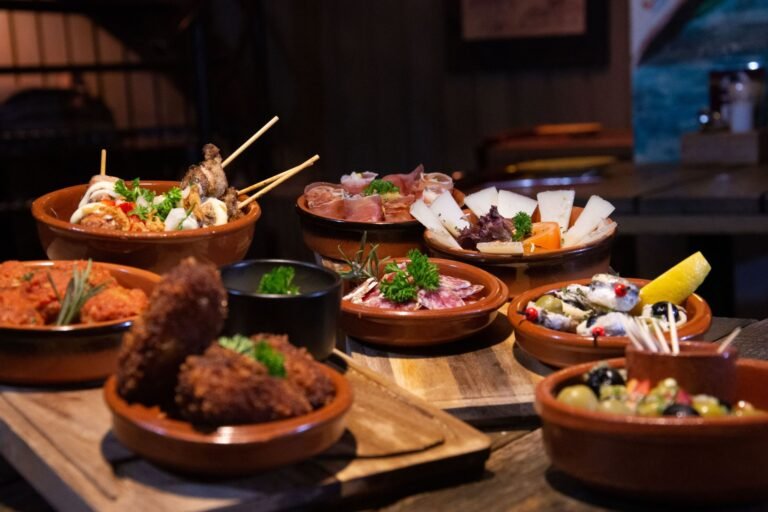
Ceuta’s culinary scene is a delightful reflection of its geographical and cultural position, offering a fusion that you won’t find anywhere else in Spain. Forget what you think you know about traditional Spanish fare; here, it’s infused with North African spices and flavors. Your first tapas experience Spain reveals will be slightly different in Ceuta. One of the best places to truly grasp this blend is the Mercado Central, located near the Plaza de África. The market opens generally from 9:00 AM to 2:00 PM and then reopens from 5:00 PM to 8:00 PM on weekdays, with shorter hours on Saturdays and closed on Sundays. Here, you’ll find stalls laden with fresh produce, exotic spices, and local sweets.
For lunch, skip the tourist traps around the port and head towards the city center. Look for local establishments serving dishes like “pescaíto frito” (fried fish), which is a staple here, but also keep an eye out for more North African-influenced options like “pastela” (a savory pastry often filled with chicken or seafood) or “tajine” (slow-cooked stew). Expect to pay around €10-€15 for a substantial lunch in a casual eatery. Many restaurants, especially those off the main squares, offer a “menú del día” (daily set menu) for around €12-€18, which usually includes two courses, bread, and a soft drink. It’s the best value for a hearty meal.
When choosing where to eat, follow where the locals are. A small, unassuming cafe packed with Ceutans at lunchtime is usually a sign of good, authentic food. Don’t be afraid to try something new, like “harira” (a rich lentil and chickpea soup) if you see it on a menu, especially on a cooler day. Ceuta is also known for its pastries and sweet treats, which often feature almonds, honey, and aromatic spices. Grab a few from a local patisserie for a delightful afternoon pick-me-up. The city is also a great place to pick up unique spices or tea blends as souvenirs.
Exploring Beyond the Core: Beaches and Panoramic Views
While Ceuta is a city of history and culture, it also offers pleasant beaches that are easily accessible and a spectacular viewpoint. Playa de la Ribera, located right in the city center next to the Royal Walls, is a clean, urban beach popular with locals. It’s a convenient spot to cool off on a hot day, and there are facilities like showers and restrooms available. Another option, slightly further out but still walkable, is Playa del Chorrillo. Neither beach requires an entry fee, making them perfect for a relaxing break without extra cost.
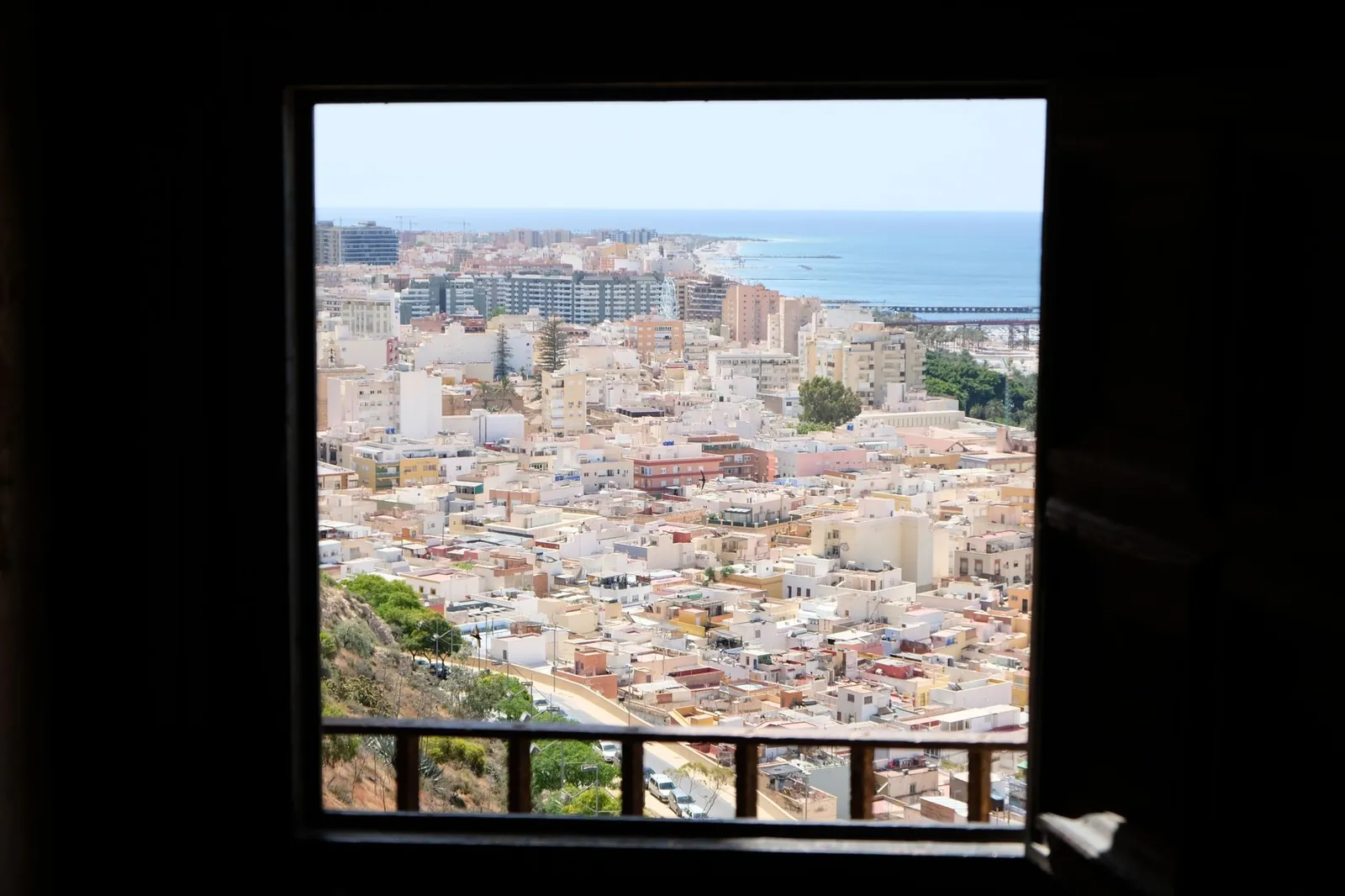
For truly unforgettable views, head up to Monte Hacho. You can take a taxi from the city center for around €8-€10, or if you’re feeling energetic, it’s a strenuous but rewarding walk taking about 45-60 minutes one way. From the top, you’ll get a panoramic vista that encompasses the entire city of Ceuta, the Strait of Gibraltar, the Rock of Gibraltar, and on a clear day, even the Spanish mainland. At the summit, you’ll find the Hacho Fortress, a military installation that isn’t open to the public, but the surrounding viewpoints are accessible. There are no specific opening hours or entry fees for the viewpoint itself, making it a great free activity. The best time to visit for photography is in the late afternoon for soft light, but any clear day provides excellent visibility.
If you have a bit more time and want a different kind of experience, consider the Parque Marítimo del Mediterráneo. Designed by César Manrique (who also left his mark on the Canary Islands), this saltwater park offers artificial lakes, waterfalls, and sunbathing areas. Entry typically costs around €4.50 for adults for a day pass, and it’s open during daylight hours, usually from 10:00 AM to 7:00 PM, though times can vary by season. It’s a fantastic spot for families or anyone looking for a refreshing dip in a beautifully designed setting.
- Take a taxi to Monte Hacho for the best views (around €8-€10 one way).
- Relax at Playa de la Ribera, the central city beach.
- Visit Parque Marítimo del Mediterráneo for a unique saltwater swimming experience (€4.50 entry).
- Stroll through the gardens of La Marina, near the port.
- Explore the Cuevas de San Antonio, a series of tunnels below the city (check local tourism office for tour availability and cost).
Practicalities for a Smooth Day Trip
Making the most of your day trip requires a bit of planning, especially concerning currency, transport, and timing. As mentioned, Ceuta uses the Euro, so there’s no need to change money. ATMs are widely available throughout the city if you need to withdraw cash. Credit and debit cards are accepted in most larger shops and restaurants, but it’s always wise to carry some smaller denominations for market stalls or smaller cafes. Most shops operate on a typical Spanish schedule, with a long midday break (siesta) from around 2:00 PM to 5:00 PM, so plan your shopping or museum visits accordingly.
Getting around Ceuta is quite easy. The main attractions in the city center are walkable from the ferry terminal, typically within 15-20 minutes. For areas further afield, like Monte Hacho or some of the outer neighborhoods, local buses are efficient and inexpensive, with single tickets costing around €1.20-€1.50. Taxis are also readily available and reasonably priced for shorter journeys. You won’t need a car for a day trip; in fact, driving and parking can be a hassle in the compact city center. Consider booking your Ceuta tours in advance if you prefer a structured experience, though the city is very manageable to explore independently.
The best time to visit Ceuta is during the spring (April-May) or autumn (September-October), when the weather is pleasant and comfortable for walking, averaging 20-25°C. Summers can be very hot, with temperatures often exceeding 30°C, while winters are mild but can be rainy. Weekdays generally offer a more relaxed experience than weekends, as local shops and attractions can be busier. If you do consider staying overnight, there are several accommodation options, though the city is small enough that Ceuta hotel prices are generally higher than comparable places on the mainland. A day trip truly allows you to experience the essence of Ceuta without needing to extend your stay.
- Wear comfortable walking shoes; the city center is best explored on foot.
- Carry your passport and a copy of your ferry tickets.
- Stay hydrated, especially during warmer months.
- Be mindful of shop opening hours, especially the midday break.
- Keep an eye on your ferry’s return schedule to avoid missing your departure.
Common Questions About Visiting Ceuta
Is Ceuta a safe place to visit?
Yes, Ceuta is generally considered a very safe city for tourists. Like any urban area, it’s wise to be aware of your surroundings and take standard precautions, but violent crime is rare. The biggest concerns are usually petty theft in crowded areas, so keep an eye on your belongings.
What is the currency in Ceuta?
The currency in Ceuta is the Euro (€), as it is an autonomous city of Spain. You will not need to exchange currency if you are coming from mainland Spain, and ATMs are widely available throughout the city.
Do I need a visa to enter Ceuta?
If you are an EU citizen, you only need your valid national ID card to enter Ceuta. For non-EU citizens, the requirements are the same as for entering mainland Spain, so a valid passport and any necessary Schengen visa will be required. Always check specific requirements based on your nationality.
How long should I spend in Ceuta for a day trip?
For a fulfilling day trip, plan for at least 6-8 hours on the ground in Ceuta itself. This allows sufficient time to explore the Royal Walls, Plaza de África, enjoy a meal, and perhaps visit Monte Hacho or the Parque Marítimo del Mediterráneo, without feeling rushed. Account for an extra 2-3 hours for ferry travel and border formalities.
A day trip to Ceuta is far more than just crossing a geographical boundary; it’s an opportunity to discover a corner of Spain that genuinely surprises and enchants, offering a different narrative to the typical Andalusian experience. The blend of cultures, the historic fortifications, and the distinct local flavors make for an enriching experience that will broaden your understanding of this incredible country. It’s a journey I always recommend for those looking to see a different side of Spain, one that truly embodies the idea of “We Love Spain.” For another journey off the typical path, consider the unique landscapes of this Almeria desert landscape, which feels worlds away.
About the Author
After 15 years living and traveling across Spain, Caro knows this country in a way most travel writers never will. She’s not here to sell you a polished version of Spain, she’s here to show you the real one. Every guide on this site comes from her own experience: the restaurants she eats at, the routes she walks, the festivals she’s actually attended. She writes to cut through the noise and give you what actually matters. Learn more about Caro →