A first tapas experience Spain reveals; every bite a delight.
Some links in this guide are affiliate links — if you book through them we may earn a small commission at no extra cost to you. It never changes what we recommend. Full disclosure.
A first tapas experience Spain reveals is rarely what visitors expect; it’s far more than just food. Many come envisioning a quick snack or a starter, but the truth is, tapas represent a fundamental pillar of Spanish social life, a fluid dance of small plates and conversation that shapes evenings and afternoons. It’s a ritual, a spontaneous gathering, and often the most authentic way to connect with local culture. Forget your preconceived notions, because once you understand the rhythm, you’ll find yourself embracing this delightful way of eating and living, truly experiencing Spain from the inside out.
Quick Answer: Your First Tapas Experience Spain Explained
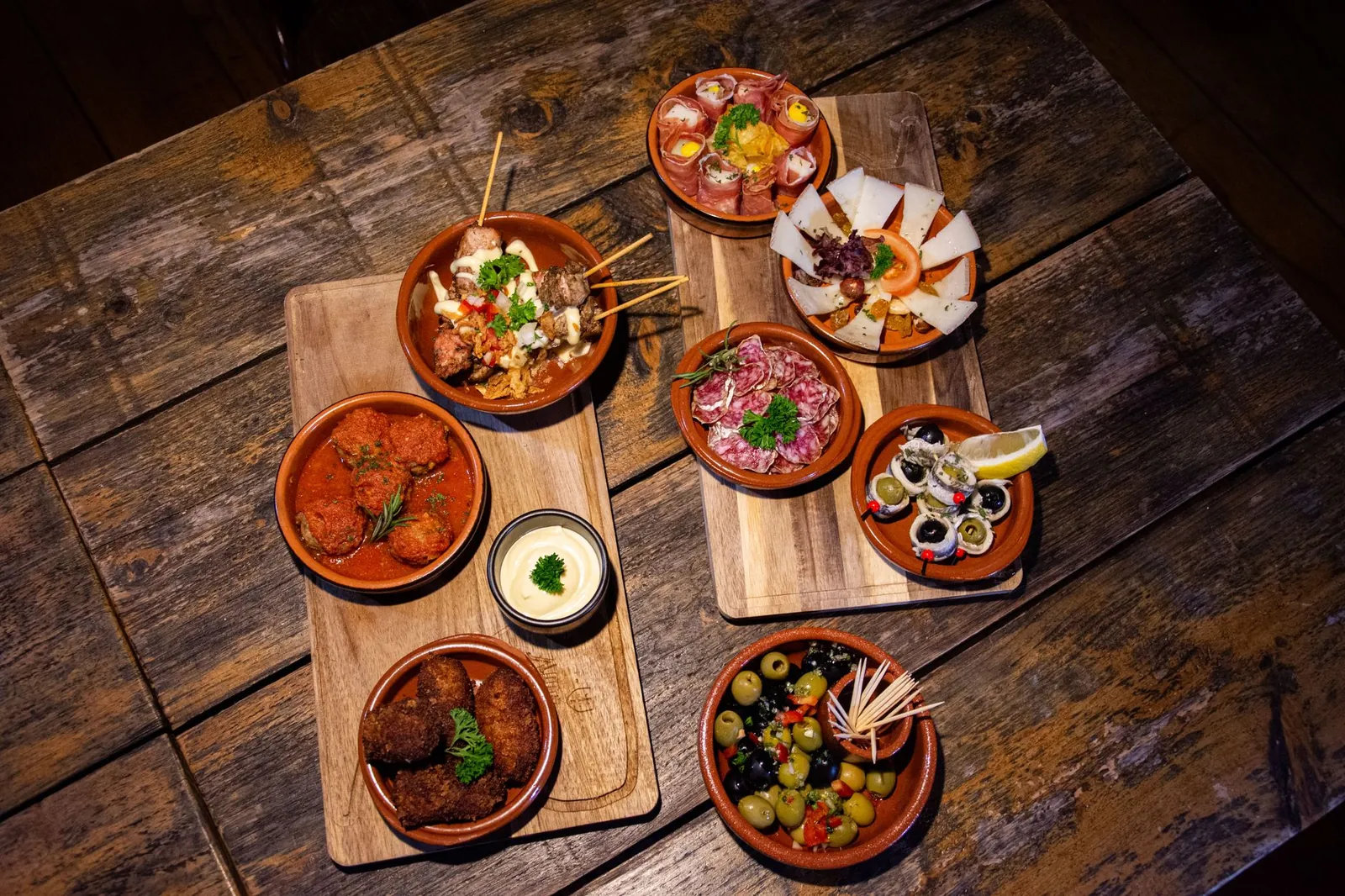
A tapas experience in Spain is primarily a social ritual involving moving between different bars, ordering small, shareable plates known as tapas, often accompanied by soft drinks. These small portions typically cost between €2.50 and €4.50 each, and the aim is to try a variety of dishes and atmospheres rather than settling for one large meal.
What Tapas Really Are (Beyond the Plate)
Tapas are not primarily about specific recipes, but about a way of eating and socializing, traditionally small portions shared among friends, with individual tapas generally priced between €2.50 and €4.50. This tradition is so ingrained that Spaniards even have a verb for it: tapear, meaning to go out and eat tapas. It’s less about the specific ingredients and more about the act of gathering, sharing, and moving from one place to another.
In most of Spain, a tapa is a small portion of a dish, usually served on a plate. You might order a tapa of *tortilla de patatas*, *patatas bravas*, or *jamón serrano*. The size allows you to try many things without committing to a full meal, fostering conversation and exploration. It’s this communal, informal approach that defines the tapas culture. While the exact origins are debated, one popular story recounts King Alfonso X the Wise requiring taverns to serve a small piece of food with drinks to prevent patrons from getting too inebriated too quickly, using it to “cover” (tapar) the top of the glass. Whether true or not, the essence of sharing and accompanying drinks remains.
Beyond the simple tapa, you’ll often see other sizes on menus: a media ración (half portion) and a ración (full portion). A media ración is usually enough for 2-3 people to share, while a ración is a larger plate, suitable for 3-5 people as part of a varied spread. Knowing the difference is key to ordering efficiently and ensuring you don’t end up with too much food. For your first few visits, sticking to tapas is a good way to start, giving you the flexibility to try more dishes across different establishments. The core idea is variety and conviviality.
Navigating the Tapas Bar: Practical Steps to Order Like a Local
To order effectively, start by asking “¿Qué tenéis de tapas?” or checking a blackboard, aiming for 2-3 tapas per person per bar, with an average visit lasting 45-60 minutes before moving on. This approach allows you to experience the lively atmosphere and diverse offerings of several spots in one evening, which is the heart of the *tapeo* tradition.
When you step into a tapas bar, especially during peak hours, don’t expect to be immediately seated at a table. Many locals stand at the bar or at high tables. This informality is part of the charm. Look for places that are buzzing with activity; a crowded bar is usually a good sign of quality. Don’t be shy about making eye contact with the bartender when you’re ready to order. A simple “Hola, una tapa de…” (Hello, a tapa of…) or pointing to something that looks good on display is perfectly acceptable. You can also ask for recommendations, “¿Qué me recomienda?” (What do you recommend?).
Here’s a practical flow for your tapas evening:
- Arrive Early (or Late): Spanish mealtimes are later. Lunch tapas typically start around 1:30 PM, and dinner tapas don’t truly kick off until 8:30 PM, often later in the south.
- Order Your First Round: Start with 1-2 tapas per person and a soft drink. Don’t over-order immediately.
- Enjoy and Observe: Savor your food, soak in the atmosphere, and watch what other locals are ordering. This is how you discover new favorites.
- Decide to Stay or Move On: If you love the place, order another round. If you’re ready for a change, pay your bill (“¿La cuenta, por favor?”) and head to the next spot.
- Repeat: The goal is to visit 2-4 bars in an evening, trying different specialties at each.
When paying, it’s common to pay for each round as you go, especially if you’re moving between bars. If you stay in one spot for a while, you can keep a running tab and pay at the end. Don’t feel pressured to tip heavily; a small gesture for excellent service is always appreciated, but it’s not expected in the same way it might be elsewhere. For those seeking the best experiences, places like Seville’s Triana neighborhood offer a wealth of authentic tapas bars; you can find fantastic local spots if you know where to look, and finding best tapas Triana Seville can be a rewarding journey in itself.
| Activity | Approximate Time | Tapas per Person | Estimated Cost per Person (Soft Drinks) |
|---|---|---|---|
| First Bar (Lunch/Dinner) | 45-60 minutes | 2 | €7 – €10 |
| Second Bar | 45-60 minutes | 2 | €7 – €10 |
| Third Bar (Optional) | 30-45 minutes | 1-2 | €4 – €8 |
| Total for an evening | ~2-3 hours | 5-6 | €18 – €28 |
Essential Tapas to Seek Out (And What to Expect)
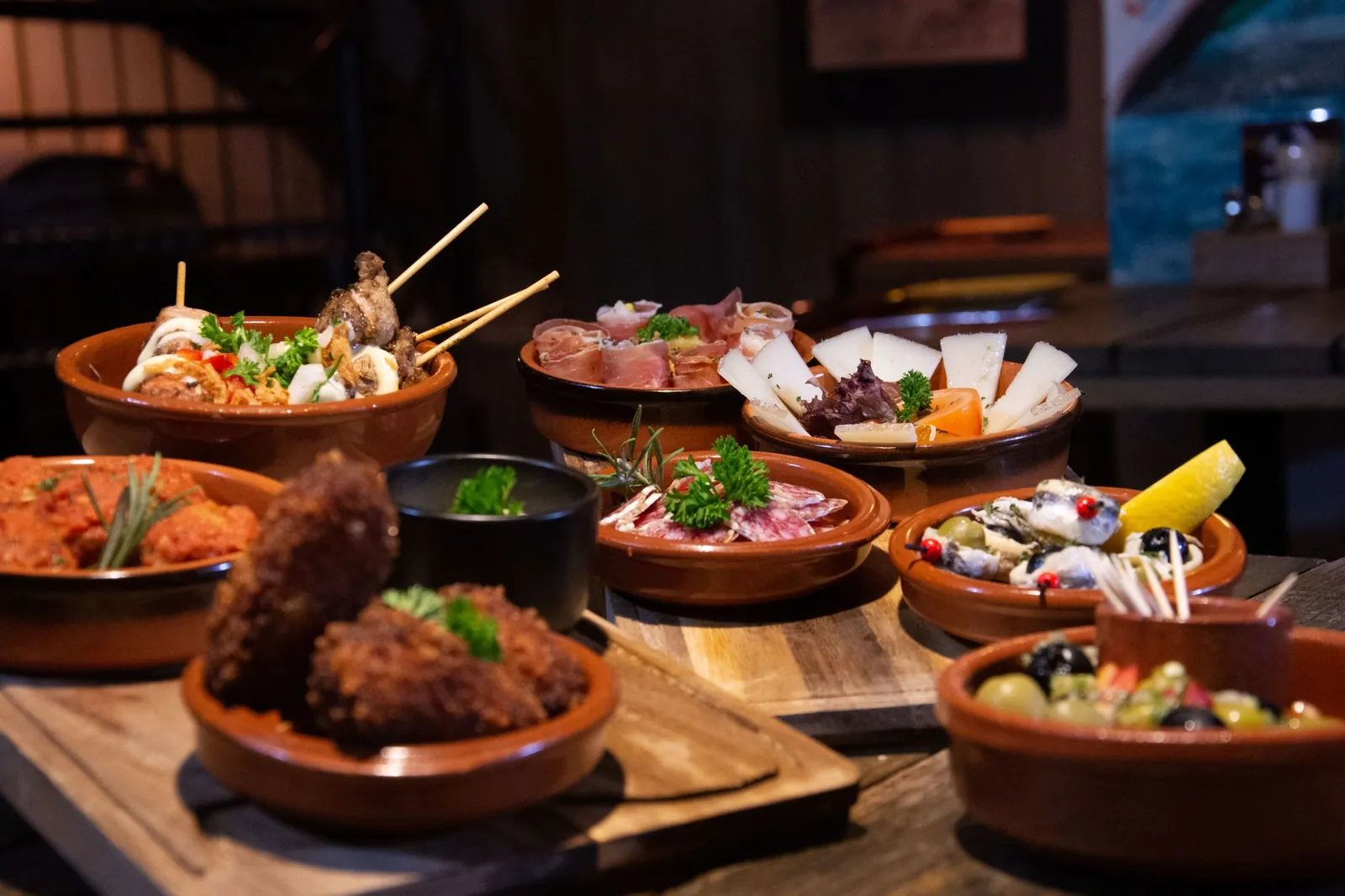
While variety is endless, key tapas like *tortilla de patatas*, *patatas bravas*, and *croquetas* are almost universally found, usually costing €3.00-€4.00 for a tapa portion, offering a solid introduction. These dishes are staples for a reason, beloved by locals and visitors alike for their comforting flavors and widespread availability.
Don’t be afraid to experiment! Every region, sometimes even every bar, will have its own special take on classic dishes, alongside unique local offerings. Some tapas are served cold, like marinated olives (*aceitunas*), cured meats (*embutidos*), or cheeses (*quesos*). Others are served hot, often fried or grilled. The beauty is in the diversity.
Here are some essential tapas you should definitely try:
- Tortilla de Patatas: The classic Spanish potato omelette. It’s often served cold or at room temperature, sometimes with onion, sometimes without. A true test of a bar’s cooking.
- Patatas Bravas: Fried potato cubes usually served with a spicy tomato sauce and sometimes a dollop of *alioli* (garlic mayonnaise). The spiciness varies wildly from mild to quite fiery.
- Croquetas: Creamy, breaded, and fried béchamel fritters. Common fillings include *jamón* (cured ham), chicken (*pollo*), or mushrooms (*champiñones*). These are a personal favorite, and learning a croquetas recipe spanish abuela shared is pure joy for me.
- Pimientos de Padrón: Small, green peppers, fried and sprinkled with coarse salt. Most are mild, but every now and then you’ll get a spicy one – it’s a game of Russian roulette!
- Gambas al Pil-Pil: Sizzling shrimp cooked in olive oil with garlic and a touch of chili. Served hot in a small earthenware dish, perfect for dipping bread.
- Boquerones Fritos/en Vinagre: Fried fresh anchovies (fritos) or marinated in vinegar and garlic (en vinagre). Both are incredibly fresh and popular, especially in coastal areas.
- Chorizo a la Sidra: Sliced chorizo sausage cooked in a flavorful cider. This dish is particularly common in the Asturias region, but you’ll find variations elsewhere.
- Espincas con Garbanzos: A hearty and delicious stew of spinach and chickpeas, a classic from Seville. It’s a fantastic vegetarian option.
The Art of the *Tapeo* (When and Where to Go)
The best times for *tapeo* are usually before lunch (around 1:30 PM – 3:00 PM) or in the evening (8:30 PM – 11:00 PM), particularly in bustling areas where locals gather, ensuring a lively atmosphere. Spain runs on a different clock, and embracing these timings is essential for an authentic experience.
During the day, many people grab a couple of tapas before heading home for a larger midday meal, or as a light lunch substitute. In the evenings, it’s a popular precursor to dinner (which might not start until 9:30 PM or 10:00 PM), or even replaces dinner entirely for a casual, social meal. Don’t be surprised if bars are relatively quiet before 8:00 PM; the energy truly picks up as the night progresses.
While you can find excellent tapas across the country, some regions are particularly renowned for their *tapeo* culture:
- Granada: This city is famous for its tradition of serving a free tapa with every soft drink. While the quality can vary, it’s a fantastic way to sample many dishes on a budget. Expect to pay around €2.50 to €3.50 for a soft drink, and a small plate of food will arrive with it. The tapa might be something simple like a small sandwich, *patatas a lo pobre*, or even a mini burger, depending on the bar. You can spend an entire evening just moving from bar to bar, enjoying a succession of different, complimentary plates.
- Seville: Known for its lively bar scene and traditional Andalusian tapas. Here, tapas are typically paid for, but the portions are usually generous, and the variety is immense. Look for bars with outdoor seating where you can enjoy the evening air.
- Madrid: The capital offers everything from traditional, no-frills tapas bars to modern, gourmet interpretations. Head to areas like La Latina or Cava Baja for a historic *tapeo* experience.
- San Sebastián (Basque Country): While technically not ‘tapas’, the Basque Country specializes in *pintxos* (pronounced “peen-chos”). These are usually small, elaborate bites served on a slice of bread, often skewered. You typically help yourself from the bar and pay based on the number of skewers you’ve collected. This is a distinct, yet equally wonderful, culinary experience.
No matter where you go, the key is to find neighborhoods with a high concentration of bars and follow the locals. If you’re looking for guidance, booking a Granada food tour can provide an excellent introduction, guiding you to established local favorites. The best spots are often found on side streets, away from the main tourist thoroughfares. An official resource like Spain.info can also help identify regions known for their culinary offerings.
Common Tapas Mistakes to Avoid & How to Fix Them
A common mistake is ordering too many items at one bar or mistaking tapas for a full meal, which can be avoided by ordering just 1-2 items per person and moving to the next spot to truly experience the social flow. This “bar-hopping” is integral to the culture, offering diverse flavors and atmospheres.
Steering clear of common pitfalls will enhance your experience significantly. It’s easy to fall into habits from other cultures, but Spain’s approach to dining, especially with tapas, is unique.
Here are some mistakes to watch out for:
- Ordering All Your Food at Once: Resist the urge to order three or four tapas as soon as you sit down. The idea is to order one or two, enjoy them, and then decide if you want more there or if you want to move to another bar. Pace yourself.
- Treating It Like a Sit-Down Dinner: While you can certainly make a full meal out of tapas, the true *tapeo* involves standing, chatting, and moving. If you prefer a longer, more relaxed dining experience, look for restaurants offering *raciones* or a proper sit-down menu.
- Sticking to Just One Bar: This is perhaps the biggest missed opportunity. The joy of tapas comes from sampling the specialties of several different establishments. Each bar often excels in one or two dishes, and moving allows you to experience this variety. It’s truly why sharing tapas in Spain is my favorite tradition.
- Not Engaging with the Bar Staff: Spanish bar staff are generally friendly and efficient. A smile, a “¡Hola!“, and a clear (even if broken) attempt at Spanish will go a long way. They’re often happy to help guide you through the menu if you show interest.
- Being Afraid to Stand: Many of the best tapas bars, especially the most authentic ones, have limited seating. Standing at the bar, elbow-to-elbow with locals, is part of the experience. It encourages interaction and makes for a more dynamic atmosphere.
- Not Trying Local Specialties: Don’t just stick to *patatas bravas*. Ask what the bar is known for, or look at what the locals around you are eating. You might discover something truly unique and delicious that isn’t on every tourist menu.
- Expecting Uniformity: Tapas vary wildly in size, style, and whether they’re free or paid, depending on the region and even the specific bar. Embrace the differences, as they are part of Spain’s rich culinary tapestry.
By keeping these points in mind, your *tapeo* journey will be smoother, more enjoyable, and far more authentic. It’s about letting go of expectations and immersing yourself in the local rhythm.
Common Questions About Tapas in Spain
Are tapas free everywhere in Spain?
Not everywhere. The tradition of a free tapa with a soft drink is most prominent in Granada, and less common in cities like Seville, Madrid, or Barcelona, where you generally pay for each tapa, typically €2.50 to €4.50. Always confirm prices or check the menu before ordering if you’re unsure.
What’s the difference between a tapa and a *pintxo*?
While both are small portions, a tapa is usually a small plate you might share or eat individually, often chosen from a menu. A *pintxo*, popular in the Basque Country, is typically served on a slice of bread and often pierced with a skewer, and you generally help yourself from the bar counter.
How much should I budget for a tapas evening?
For a typical tapas evening spanning 2-3 bars, expect to spend between €20 and €35 per person, depending on how many tapas and soft drinks you have. Each tapa usually costs €2.50-€4.50, and soft drinks are around €2.00-€3.00, allowing for a good variety of tastes.
Can I do a tapas experience solo?
Absolutely! Many locals enjoy tapas alone, especially at the bar counter. It’s a great way to observe the local scene, practice your Spanish, and enjoy some delicious small bites without the pressure of a group. Just pull up a stool, order a couple of things, and enjoy the atmosphere.
Embracing the tapas culture is truly one of the most rewarding ways to experience Spain. It’s an invitation to slow down, socialize, and savor a huge variety of flavors in a uniquely Spanish way. Once you understand the flow and the spirit behind it, you’ll find yourself falling in love with this tradition. Trust me, learning to love *tapeo* will transform your trip, filling your evenings with laughter, good food, and genuine connection; you might even find yourself perfecting my perfect Spanish tapas order for joyful nights.
About the Author
After 15 years living and traveling across Spain, Caro knows this country in a way most travel writers never will. She’s not here to sell you a polished version of Spain, she’s here to show you the real one. Every guide on this site comes from her own experience: the restaurants she eats at, the routes she walks, the festivals she’s actually attended. She writes to cut through the noise and give you what actually matters. Learn more about Caro →