The Balearic Islands Beyond the Beaches: A Regional Guide
Some links in this guide are affiliate links — if you book through them we may earn a small commission at no extra cost to you. It never changes what we recommend. Full disclosure.
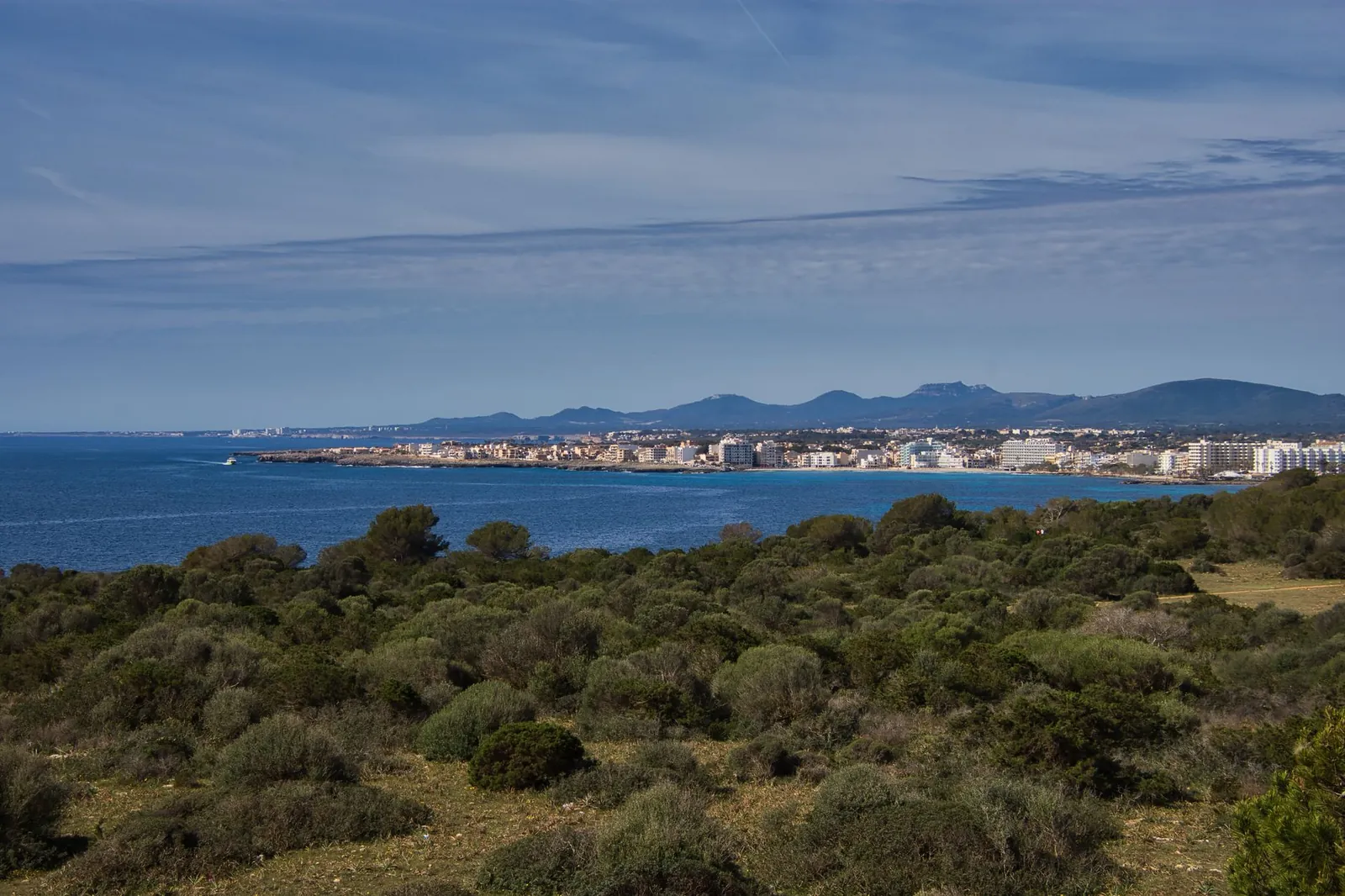
The Balearic islands’ unique character is often overshadowed by images of sun-drenched beaches and lively nightlife, but the reality is far richer. While Mallorca, Menorca, Ibiza, and Formentera offer spectacular coastlines, the true Spanish story delves deep into ancient traditions, distinct culinary landscapes, and a rich cultural heritage that varies dramatically from island to island. This guide helps you look past clichés to discover each island’s genuine soul, providing practical details and insights to connect you with the heart of the Balearics.
This article contains affiliate links. If you book through one, Spain Destination may earn a small commission at no extra cost to you. See the full affiliate disclosure →
Quick Answer: Discovering the Balearic Soul
The Balearic Islands offer diverse Spanish experiences: Mallorca has grand mountains and a sophisticated capital; Menorca preserves ancient talayotic sites and quiet coves; Ibiza is known for its spiritual side and historic Dalt Vila; Formentera offers untouched natural beauty. Unique transport costs exist; a return ferry from Ibiza to Formentera typically costs €30-40 and takes 30 minutes, allowing easy exploration of their distinct personalities.
More Than Beaches: Unpacking Each Island’s Soul
While known for sun and sand, the Balearic islands offer profound historical depth and diverse landscapes. Each presents a unique personality, inviting connection. Understanding these differences is key to choosing your ideal Spanish island experience.
Mallorca, the largest, features the majestic Serra de Tramuntana mountain range, a UNESCO World Heritage site dominating the northwestern coast. Traditional stone villages like Valldemossa (with its monastery) and Deià (an artist’s haven) offer a stark contrast to coastal resorts. Palma, the capital, is a sophisticated city with a Gothic cathedral, old town, and lively markets, offering days of exploration.
Menorca, the most tranquil, is celebrated for its natural landscapes and ancient megalithic sites. Its prehistoric Talayotic culture leaves impressive stone monuments, giving it a unique character. Mahón (the capital) and Ciutadella offer contrasting architectural styles – Mahón’s Georgian influences versus Ciutadella’s medieval charm. For more detail, you can explore a guide on comparing Balearic islands.
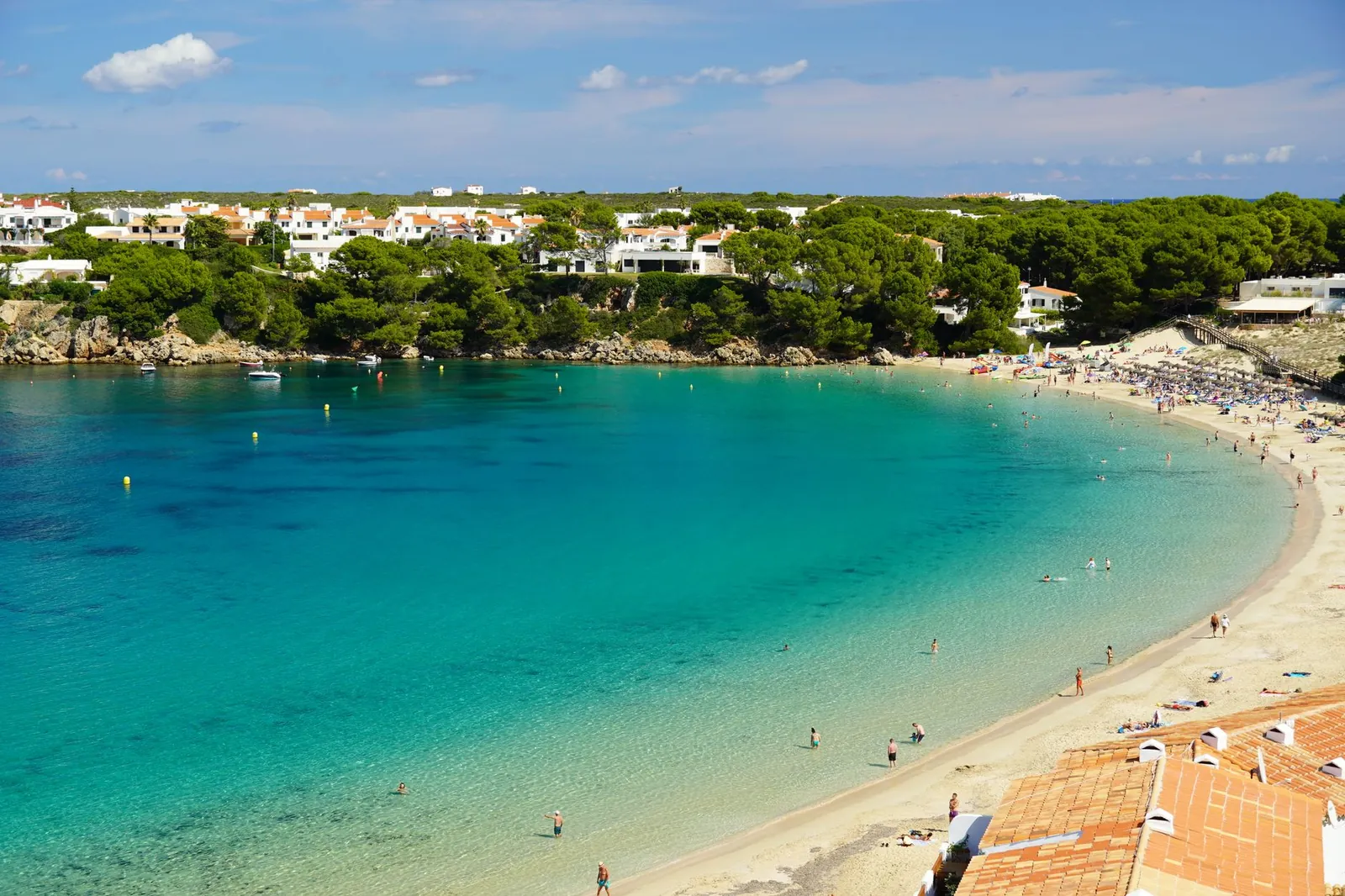
Ibiza, beyond nightlife, has a deeply rooted spiritual and historical side. Dalt Vila, the fortified old town and a UNESCO site, offers cobbled streets, ancient walls, and panoramic views. The island’s north provides quiet coves and pine forests. Formentera, the smallest inhabited island, reached by ferry from Ibiza, preserves its natural environment. Flat and perfect for cycling, it features clear waters and unspoiled beaches, encouraging nature connection.
- Mallorca: Ideal for varied interests – mountains, a capital city, historic towns, and diverse beaches. Exclusive resorts are pricier, but budget-friendly options exist in Palma and rural areas.
- Menorca: Best for quiet relaxation, nature lovers, and history buffs interested in prehistoric sites. Accommodation and dining feel more local, less developed, with a focus on tranquility.
- Ibiza: Offers a mix of lively social scenes and natural beauty, especially in the north. Dalt Vila is a cultural anchor, but peak season accommodation can be very high, easily €150-€300 per night for a mid-range hotel.
- Formentera: Perfect for unspoiled beaches, cycling, and a laid-back atmosphere. Often a day trip, staying overnight allows you to enjoy peaceful evenings. Ferry costs contribute to a slightly higher budget.
Eating the Islands: A Taste of Balearic Authenticity
The Balearic Islands offer a distinct culinary identity, rooted in Mediterranean traditions with unique local ingredients. Beyond paella, you’ll find dishes telling a story of the land and sea. Embracing local food culture is key to an authentic island experience, far removed from tourist menus.
Tumbet, a Mallorcan layered vegetable bake of potatoes, eggplant, and peppers in tomato sauce, is an iconic Balearic dish popular across the islands. It’s hearty, simple, and shows up on nearly every home-cooking menu. Ensaimada, a spiral pastry made with lard, flour, sugar, and eggs, is a light, airy breakfast staple often dusted with powdered sugar. Individual ensaimadas cost €2-€5; larger sharing ones (from €15-€30, often filled) are at Forn des Teatre in Palma de Mallorca (open 8:30-20:30 Monday-Saturday).
Menorca’s Queso Mahón, a delicious cow’s milk cheese with a square shape and orange rind, ranges from soft and mild to firm and intensely flavoured when aged. Pair it with local bread and fig jam. Don’t miss Caldereta de Langosta (lobster stew), a splurge (expect €60-€90 per person) but a rich, flavourful experience showcasing fresh seafood. Find it at restaurants in Fornells, like Restaurante Es Cranc (open 13:00-15:30 and 20:00-22:30, usually closed Tuesdays).
Ibiza and Formentera, with strong fishing traditions, excel in simple, fresh seafood. Bullit de Peix is an Ibizan fish stew, cooked in two stages: fish boiled with potatoes, then broth used for rice. A hearty, communal dish, often found at traditional restaurants like Es Boldadó in Sant Josep de sa Talaia, Ibiza (open 13:00-22:00, closed Mondays). On Formentera, Peix Sec, sun-dried fish, used in salads or as a snack, offers an intense flavour from a centuries-old preservation method.
To eat like a local, seek out daily markets (mercados). Palma’s Mercat de l’Olivar and Mercat de Santa Catalina are excellent for fresh produce, meats, cheeses, and local specialities. In Mahón, the Mercat des Peix (fish market) is great for a light seafood tapas lunch. Markets are typically open 7:00/8:00 until 14:00/15:00, Monday-Saturday. Expect honest, good food built on quality ingredients, not elaborate recipes.
| Dish/Product | Island Origin | Typical Price Range | Notes |
|---|---|---|---|
| Tumbet (portion) | Mallorca | €6 – €10 | Layered vegetable bake, a home-cooking staple. |
| Ensaimada (individual) | Mallorca | €2 – €5 | Spiral pastry, perfect with coffee. |
| Queso Mahón (250g) | Menorca | €5 – €10 | Cow’s milk cheese, mild to strong. |
| Caldereta de Langosta | Menorca | €60 – €90 (per person) | Rich lobster stew, a special occasion dish. |
| Bullit de Peix | Ibiza | €35 – €50 (per person) | Two-course fish and rice stew. |
Exploring the Past: Ancient Sites and Architectural Wonders
The Balearic Islands are open-air museums, tracing millennia of history from prehistoric settlements to Roman ruins and medieval fortresses. Exploring these sites offers profound appreciation for their layered culture. To visit La Seu Cathedral in Palma, check catedraldemallorca.org for the current adult entry fee and opening hours, which vary seasonally and are shorter on Saturdays (closed Sundays and holidays).
In Mallorca, La Seu, Palma’s Gothic Cathedral, dominates the waterfront with impressive scale and details, including the rose window and Antoni Gaudí’s work. Bellver Castle, a unique 14th-century circular Gothic castle, offers fantastic views over Palma. Check castelldebellver.palma.cat for current admission and opening hours, which are shorter in winter. For a secluded glimpse into the island’s past, visit Valldemossa Mallorca village retreat, revealing a monastery and traditional life.
Menorca is a treasure trove for archaeology enthusiasts, dotted with Talayotic settlements from the Bronze and Iron Ages. Naveta d’Es Tudons, near Ciutadella, is a megalithic chamber tomb (check Menorca’s heritage-site listings for current admission and hours). Torre d’en Galmés near Alaior offers insight into ancient daily life with dwellings, talayots, and ceremonial areas (admission and hours vary by season, so check before you go). Monte Toro, the island’s highest point, hosts a sanctuary and panoramic views.
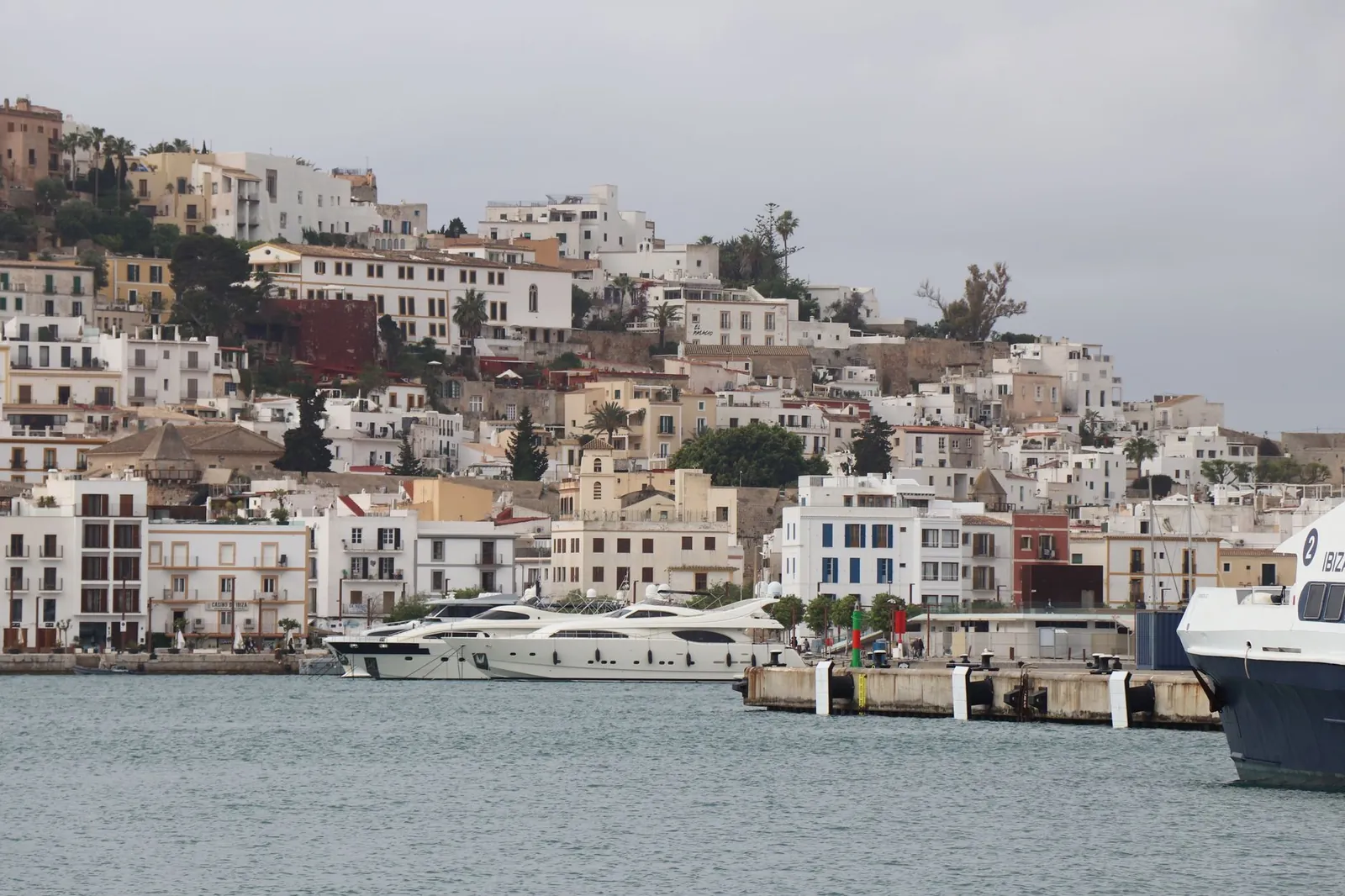
Ibiza’s Dalt Vila, the fortified old town and a UNESCO World Heritage site, invites a journey back in time. Explore its seven gates, winding streets, cathedral, museums, and courtyards (allow half a day). Puig des Molins Necropolis, outside Dalt Vila, holds thousands of Phoenician and Roman tombs. The archaeological museum (check maef.es for current admission and opening hours) offers tranquil historical insight.
Beyond the Sun Lounger: Activities and Outdoor Adventures
While known for relaxation, the Balearics are a playground for outdoor enthusiasts: challenging mountain hikes, coastal walks, and water sports. Basic fitness and appropriate gear enhance the experience. A full-day guided hike in Mallorca’s Serra de Tramuntana costs €60-€90 (including transport/guide); self-guided trails are free beyond transport.
Mallorca’s Serra de Tramuntana offers hiking for all levels, from easy strolls to strenuous climbs. The Dry Stone Route (GR221) provides multi-day options for experienced hikers; wear sturdy shoes, carry water, and check weather. Menorca’s Camí de Cavalls (GR223), a historic coastal path (20 stages, 2-4 hours each), is fantastic for discovering untouched beaches. Menorca provides accessible coastal hiking; Mallorca offers dramatic mountain terrain.
Cycling is popular on Formentera due to its flat terrain. You can rent bicycles for around €10-€15 per day from many shops near La Savina port or in Sant Francesc. Well-marked cycling routes pass salt flats, lighthouses, and secluded beaches. Mallorca also offers excellent road cycling routes, particularly in the Tramuntana foothills, attracting many cyclists. E-bikes are widely available for assistance on inclines, costing around €25-€40 per day.
Water activities abound. Kayaking, paddleboarding, and snorkeling are readily available, with equipment rental for €10-€20 per hour. A guided sea kayaking tour (around €40-€60 for half-day) explores hidden coves and sea caves, requiring basic swimming ability. Operators are found in Port de Pollença (Mallorca) or Cala Galdana (Menorca). For tranquility, explore quiet beaches on Menorca’s north coast, often accessible only by foot or sea.
For more active pursuits, many companies offer canyoning or coasteering trips in Mallorca’s rugged coastline, combining hiking, climbing, and swimming for an adventurous day. These activities typically cost €70-€100, including safety equipment and professional guides. Always book with certified operators for safety and quality.
Celebrating Life: Festivals and Local Traditions
The Balearic Islands come alive with numerous festivals and traditions, offering a deep dive into local culture. These celebrations are often religious, historically significant, or an expression of community spirit. Attending requires planning, especially for popular events like Sant Joan, involving advance booking for accommodation and transport.
One of the most spectacular festivals is the Festes de Sant Joan (Saint John’s Festival) in Ciutadella, Menorca (June 23rd-24th annually). This medieval festival is famous for “Jocs des Pla” (games of the plain) with riders on Menorcan horses performing intricate manoeuvres, “Caragols” (parades through streets), and “Corregudes” (riders galloping in the main square). It’s an intense experience. Book accommodation in Ciutadella at least six months in advance; hotels fill up and prices triple (€200-€400/night). Be aware of immense crowds and horses moving through throngs; it’s an extraordinary spectacle, not for the faint of heart.
Mallorca also hosts significant events. The Festa de Sant Jaume (Saint James’s Festival) takes place in Alcúdia on July 25th, featuring parades, traditional dances, and open-air markets. Many towns across Mallorca celebrate their patron saints with similar local fiestas throughout the summer, offering a glimpse into local life beyond commercial events. These local festivals are less crowded than Sant Joan and often involve traditional music, food stalls, and communal meals. Check local municipal websites for specific dates and programs.
Ibiza’s Medieval Fair (Fira Medieval) in May transforms Dalt Vila into a bustling market with craft stalls, street performers, and costumes. Entry is free, but pay for food, drinks, and crafts. The atmosphere is engaging, offering a different perspective on the island’s historical heart. Find dates on the official tourism board of Spain website. Getting to Dalt Vila can be challenging due to crowds and restricted vehicle access; plan to walk or use public transport.
Regardless of the island, many smaller villages celebrate their own patron saint days, typically in summer months. These usually involve processions, music, local food, and community gatherings. They are wonderful opportunities to see the everyday life of the Balearic people and participate in their traditions. You don’t need to book anything for these smaller village fiestas, just show up and enjoy the atmosphere. It’s often where you’ll find the most authentic local food and less tourist-oriented activities.
- Book Accommodation Early: For major festivals like Sant Joan, secure your lodging 6-12 months in advance.
- Check Local Schedules: Dates for smaller village fiestas are usually available on local town hall websites a few months prior.
- Respect Traditions: Festivals often have religious or historical significance; observe local customs.
- Wear Comfortable Shoes: You’ll be doing a lot of walking, especially in crowded festival areas.
- Stay Hydrated: Summer festivals are hot; carry water.
- Plan Transport: Roads might be closed, and parking scarce during peak events. Consider public transport or walking. Consider tour options for structured visits to these events. For example, a guided Palma de Mallorca tour can provide an overview of the city during a festival.
Common Questions About Balearic Travel
What is the best time of year to visit the Balearic Islands?
The best time to visit depends on your priorities. For warm weather and swimming, June to September is ideal, though July and August are peak season, with crowds and higher prices. For hiking, cycling, and milder temperatures, April-May and October are perfect, offering pleasant weather and fewer visitors. If you want to compare hotel prices, consider using a site like Booking.com to find lodging in Palma de Mallorca for your chosen dates.
How do you travel between the Balearic Islands?
Inter-island travel is primarily by ferry. Major routes connect Mallorca, Menorca, Ibiza, and Formentera. Companies like Balearia and Trasmediterránea operate regular services. A ferry from Mallorca to Menorca, for instance, typically costs €40-€60 and takes about 1.5-3 hours, depending on the route and vessel. Booking in advance, especially in summer, is highly recommended.
Are the Balearic Islands expensive for a trip?
The cost of a trip to the Balearic Islands can vary significantly. During peak summer months (July-August), accommodation, flights, and car rentals are at their highest. You can expect a mid-range hotel to cost €150-€250 per night. Outside of peak season, prices drop considerably. Eating at local restaurants and using public transport can help keep costs down; a meal at a typical local eatery might cost €15-€25 per person.
Are the Balearic Islands suitable for families?
Absolutely. All the islands offer family-friendly options, though each has a different flavour. Mallorca has numerous resorts with amenities for children, water parks, and accessible beaches. Menorca is quieter and very safe, with shallow beaches perfect for young children. Ibiza offers more than just nightlife, with beautiful natural parks and quieter areas in the north. Formentera is ideal for older children who enjoy cycling and exploring nature. It’s all about choosing the right island and area for your family’s preferences.
The Balearic Islands offer a layered experience far beyond sun-kissed coasts. From Menorca’s ancient stones to Mallorca’s dramatic mountain passes and Formentera’s serene shores, each island holds a distinct charm. By looking deeper, you’ll find a genuine connection to Spanish history, culture, and nature, creating lasting memories. For your first trip, consider priorities to pick the perfect destination for an authentic and enriching experience, whether Menorca’s quiet pace or Mallorca’s diverse offerings.
About Balearic Islands Unique Character
This guide is part of Spain Destination’s library of Spain travel and lifestyle content, written with AI assistance and checked against official sources where possible. See how this site is researched and fact-checked →