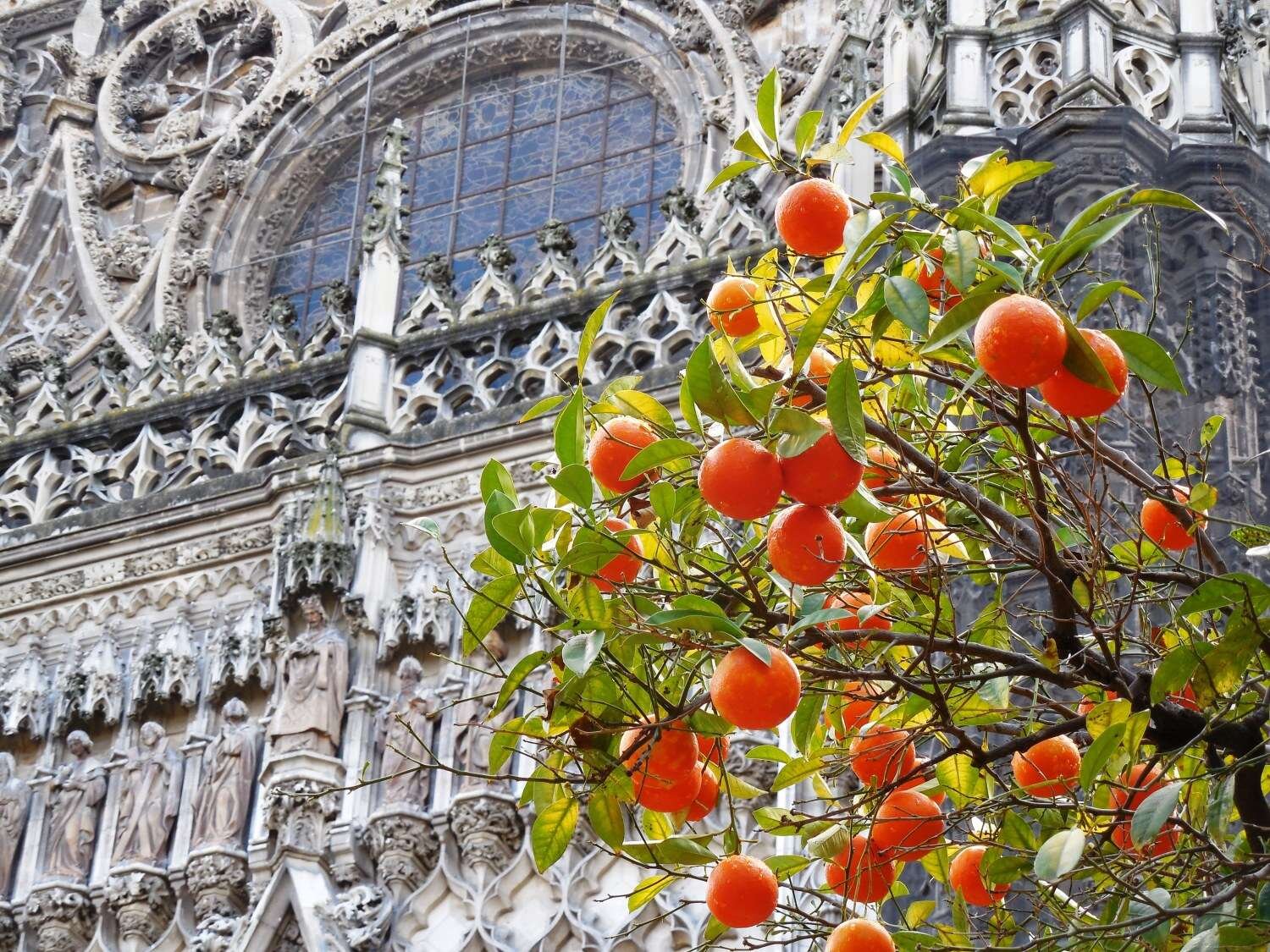
Seville orange tree charm makes the whole city sing.
Some links in this guide are affiliate links — if you book through them we may earn a small commission at no extra cost to you. It never changes what we recommend. Full disclosure.
You might think the overwhelming beauty of Seville lies in its grand Moorish architecture or its deep flamenco roots, but for anyone who has spent time truly living here, the most persistent and perhaps the most defining characteristic is the subtle yet profound seville orange tree charm. What many visitors don’t realize is that these iconic trees are more than just pretty scenery; they’re woven into the city’s history, its scent, its very identity. This isn’t just about a plant; it’s about understanding the pulse of Seville itself, from the shade they offer on scorching summer days to the sticky reality of fallen fruit underfoot. If you want to connect with the city beyond the postcards, you need to understand the role of these trees.
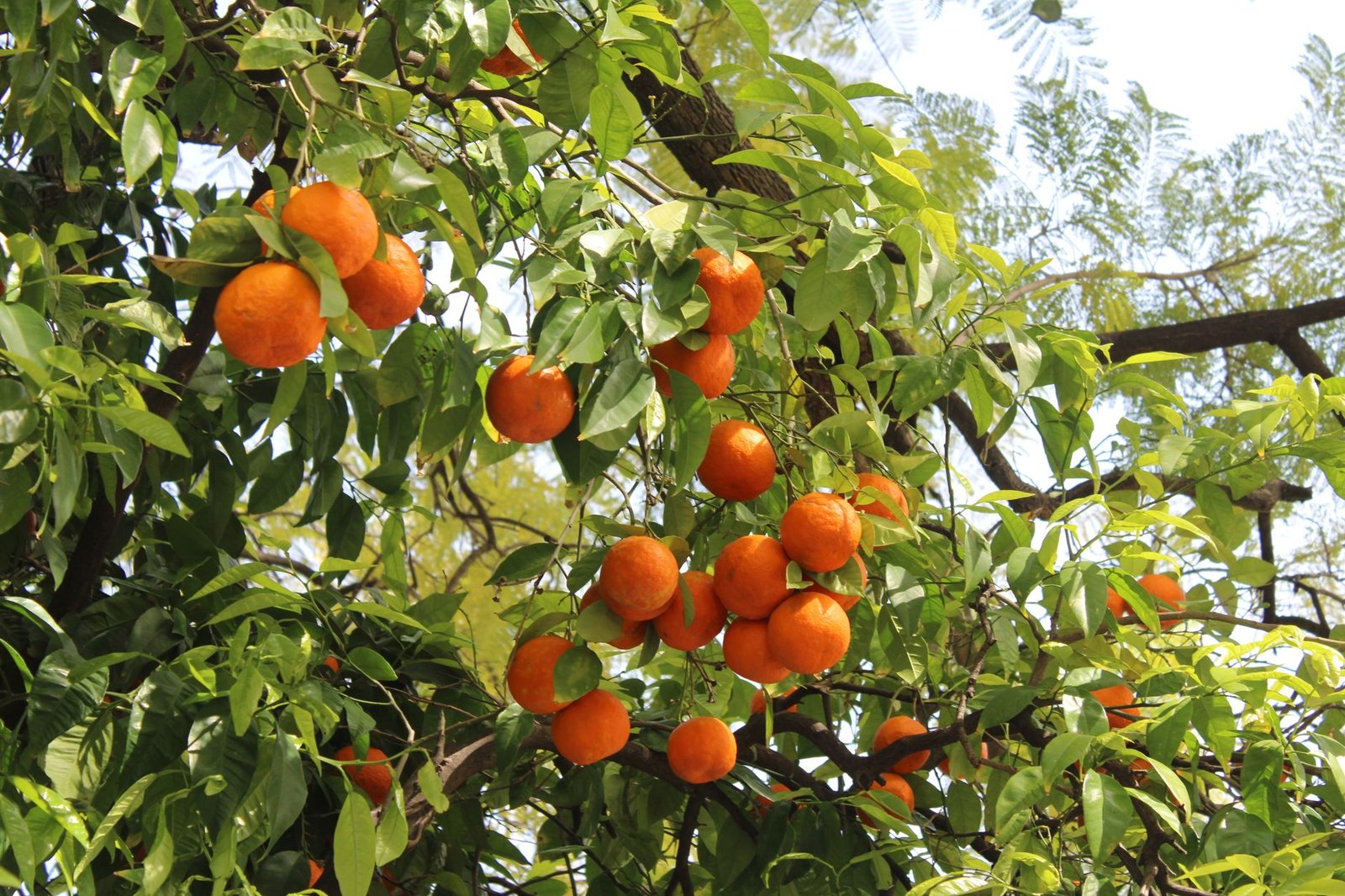
Quick Answer: Seville orange trees are a defining feature of the city, cultivated for centuries for their aesthetic and aromatic qualities, not for their bitter fruit.
Seville’s orange trees are primarily the bitter Seville orange variety (Citrus aurantium), introduced by the Moors. Their true value lies in their dense foliage, beautiful blossoms, and the distinctive aroma that permeates the city, rather than their intensely sour fruit, which is mainly used for marmalade and essential oils. Along with flamenco, they are part of the city’s sensory signature; if the music side tempts you, beginner flamenco classes in Seville are easy to join.
The Roots of Scent: History and Significance of Seville’s Orange Trees
Walk through Seville, and you’ll quickly notice the lines of orange trees. They aren’t just decorative additions; they are deeply ingrained in the city’s historical and cultural fabric. These aren’t the sweet oranges you might snack on; they are the bitter variety, Citrus aurantium, known locally as naranjos amargos. Their story in Seville dates back centuries.
The first orange trees arrived in Spain with the Moors, likely in the 10th or 11th century. For them, these trees symbolized paradise, bringing vibrant green foliage, fragrant white blossoms (azahar), and a sense of tranquility to courtyards and mosques. The climate of Seville, with its long, hot summers and mild winters, proved ideal for their cultivation. Over time, they became an integral part of urban planning, lining streets and plazas, providing essential shade from the intense Andalusian sun. It was a practical choice, but also one that imbued the city with an undeniable character.
The bitter orange wasn’t chosen for its fruit’s raw taste, which is far too sour to enjoy fresh. Instead, its peel is packed with aromatic oils, and the fruit itself has high pectin content, making it perfect for preserves. The blossoms, or azahar, are especially prized. In springtime, the entire city is enveloped in their delicate, sweet perfume – a scent that, for me, is synonymous with Seville. This aroma is so potent and historically significant that it’s often extracted for perfumes and used in traditional sweets. The trees are more than just a plant; they are a living monument to Seville’s past, a constant reminder of the city’s deep connection to nature and its Moorish heritage. To truly appreciate this, consider how various aspects of Andalusian culture, from architecture to even traditional crafts, share these historical roots; for example, the intricate artistry of Ubrique Leather Craft Workshops also tells a story of enduring tradition.
Strolling Through Orange-Lined Landmarks: Where to Experience Seville’s Signature Trees
The orange trees are everywhere, but some places offer truly spectacular concentrations and photo opportunities. You don’t need a special tour to see them; just open your eyes as you walk. However, knowing where to focus your attention can enhance the experience.
The most iconic spot is arguably the Patio de los Naranjos at the Seville Cathedral and its Giralda bell tower. This courtyard, originally part of the mosque, is filled with rows of ancient bitter orange trees. It’s a peaceful space, often providing a cool respite, and the scent here during blossom season (late February to early April) is truly something else. Entry to the Cathedral and Giralda, which includes access to the Patio, costs €12.00 for adults, with reduced rates for students and seniors (€7.00) and free entry for Seville natives and residents. Opening hours vary by season and day; generally, Monday to Saturday it’s open from 10:45 to 19:30, and Sundays from 14:30 to 19:30. Always check the official Cathedral website before your visit for the most current schedule.
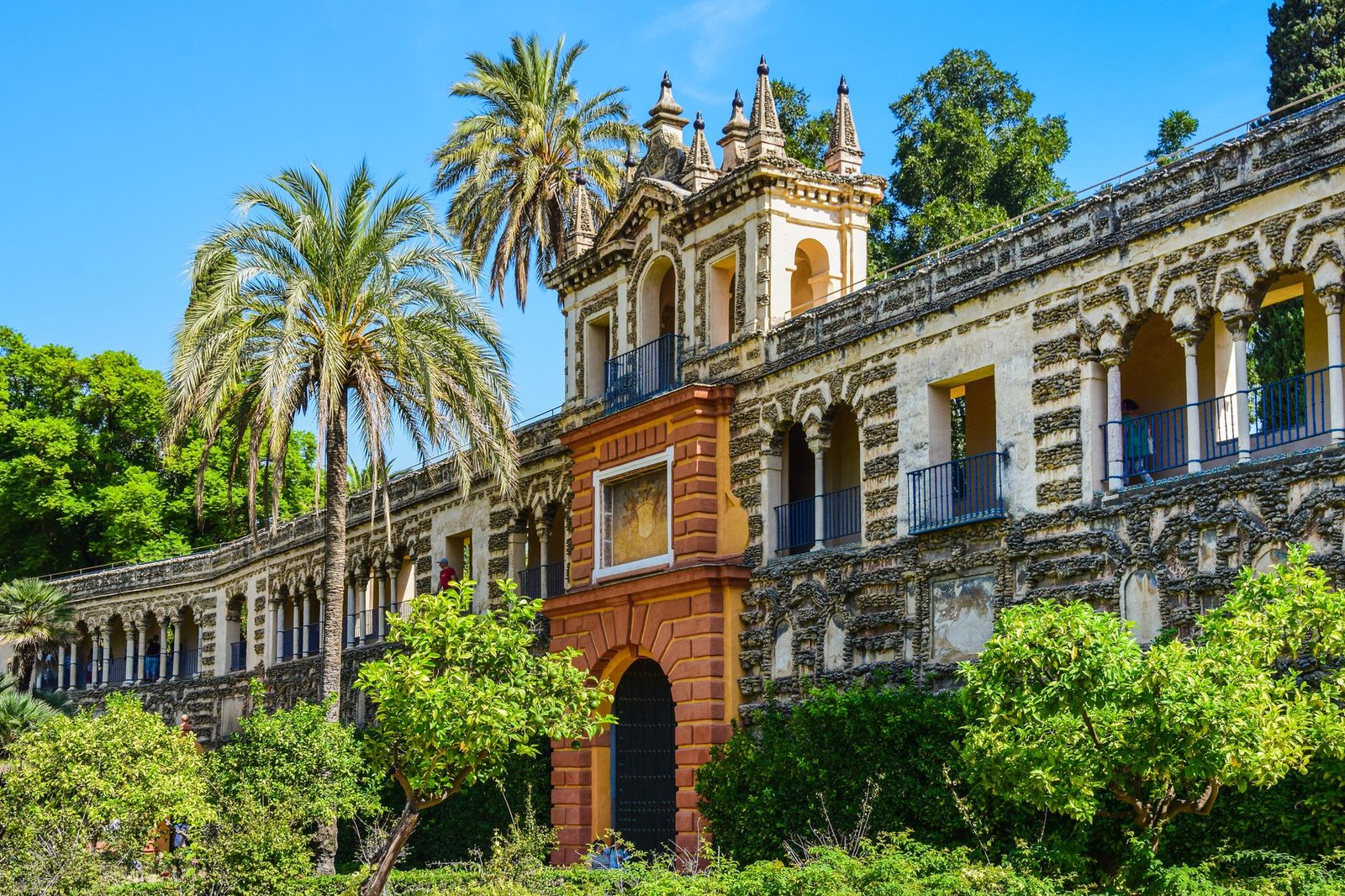
Another must-visit location is the Real Alcázar. While the gardens here are sprawling and feature many types of plants, the orange trees play a significant role, particularly in the Patio del Crucero and surrounding pathways. The Alcázar is a UNESCO World Heritage site, and its gardens alone are worth the visit. General admission is €14.50, with reduced rates (€7.00) for students and seniors. Children under 13 enter free. It’s open daily from 9:30 to 19:00 from April to September, and 9:30 to 18:00 from October to March. Booking tickets online in advance is essential, especially during peak season, as queues can be long. You can book a guided tour on Viator to ensure entry and get deeper insights into the history of the site.
Beyond the ticketed attractions, simply wandering through the Santa Cruz district will immerse you in their presence.
- Plaza de los Naranjos: A small, atmospheric square within Santa Cruz, perfect for a quiet moment.
- Avenida de la Constitución: The main thoroughfare connecting the Cathedral to the Archivo de Indias, lined with these trees.
- Parque de María Luisa: While famous for its elaborate fountains and tiled benches, large sections of this park also feature impressive orange tree groves, especially near the Plaza de España. It’s free to enter and open from 8:00 to 22:00 (winter) or midnight (summer).
- Murillo Gardens: Located adjacent to the Alcázar walls, these public gardens offer shaded walkways under a canopy of bitter orange trees and are free to access all day.
- Along the Guadalquivir River: Many stretches of the river path on both sides are also adorned with these trees, providing a refreshing scent during a riverside stroll.
When the trees are laden with fruit, usually from November through March, the splash of orange against the white and ochre buildings creates a striking visual. But it’s in spring, when the blossoms explode, that the city truly comes alive with their scent. Just be prepared: during fruiting season, fallen oranges can make pavements sticky and even a little slippery if they’ve been crushed.
From Tree to Table (and Beyond): The Bitter Truth About Seville Oranges
One of the most common questions I hear from visitors is, “Can I eat those oranges?” The short answer is no, not directly off the tree, unless you have an exceptionally high tolerance for intense sourness. These are bitter oranges, and their raw flavor is a world away from the sweet oranges you find in a supermarket. Don’t be tempted to pick one and bite into it; you’ll regret it immediately. They are, however, incredibly versatile and play a significant role in certain culinary traditions and industries.
The most famous use for Seville’s bitter oranges is, without a doubt, marmalade. British marmalade, in particular, owes its distinct flavor and texture to these very fruits. Every year, around January and February, millions of kilos of Seville oranges are harvested and exported, predominantly to the United Kingdom, for this purpose. The high pectin content means they set beautifully, and their sharp, aromatic flavor is perfect for balancing sweetness in preserves. You’ll find jars of authentic Seville orange marmalade in gourmet shops around the city, though perhaps less prominently than you might expect, as the British connection is so strong.
Locally, while not eaten fresh, the oranges are used in a few specific ways:
- Aromatics: The peel is used to infuse spirits, olive oils, and vinegars, imparting a unique citrus note.
- Essential Oils: The blossoms (azahar) are distilled to create highly prized essential oils, used in perfumes, cosmetics, and even some traditional sweets.
- Decorative Uses: The fruit is sometimes used decoratively in arrangements or dried for potpourri.
- Sauces and Confections: Occasionally, the juice and peel appear in specific Andalusian sauces for game or in small, specialized pastry fillings, but this is less common than you might think.
The harvest itself is a sight to behold. Municipal workers, often with long poles and nets, collect the oranges from the city’s trees. This usually happens from late January through March, before the new blossoms begin to appear. It’s a massive logistical undertaking, as the sheer volume of fruit is immense. The fallen fruit can create a sticky mess on pavements, especially after rain, and attracts insects. This is one of the practical downsides of having so many beautiful trees, but it’s a small price to pay for the overall sensory experience they provide. Don’t worry, the city is usually quick to clean up after the main fall, but during peak fruit drop, watch your step.
Seville’s Green Heart: Beyond the Oranges, Cultivating Urban Oases
While the orange trees define much of Seville’s streetscape, the city is also home to a wider array of green spaces that offer respite and beauty. These gardens and parks are not just pleasant; they are essential lungs for the city, particularly during the hot summer months. Understanding how Seville cultivates these urban oases helps you appreciate the city’s commitment to quality of life for its residents and visitors.
The concept of a shaded courtyard, inherited from Moorish design, extends to larger public parks. These spaces are thoughtfully designed, often incorporating water features, tiled benches, and a diversity of plant life that thrives in the Mediterranean climate. Here are a few spots that stand out:
| Garden/Park Name | Location Highlights | Best Time to Visit | Entry Cost |
|---|---|---|---|
| Parque de María Luisa | Sprawling park, home to Plaza de España & Plaza de América, diverse flora, fountains, shade. | Morning or late afternoon (cooler), especially spring/autumn. | Free |
| Jardines de Murillo | Adjacent to Alcázar, tall palms, sculpted hedges, orange trees, good shade. | Any time for a quick, cool walk. | Free |
| Jardines de Cristina | Smaller, circular park near Prado de San Sebastián, mature trees, calm atmosphere. | Lunchtime picnics, quiet contemplation. | Free |
| Alameda de Hércules | Historic public garden, now a lively square, lined with trees, fountains, and Roman columns. | Evening for drinks/dinner, or morning for a stroll. | Free (open public space) |
These spaces are not just about looking good; they are functional. They provide microclimates where temperatures can be several degrees lower than on exposed streets. Many Sevillanos use these parks daily for walks, exercise, or simply to gather with friends and family. During the spring, you’ll see families picnicking, children playing, and couples enjoying the cool air. In summer, the shade becomes a lifeline. The city invests in maintaining these areas, understanding their importance for both the environment and the well-being of its citizens. When you visit, take the time to sit on a bench, listen to the fountains, and enjoy the carefully cultivated greenery. It offers a different, calmer perspective on Seville than the bustling tourist sites. Remember, even if you are just exploring general Spain travel tips, understanding the value of urban green spaces can vastly improve your experience in any city.
Planning Your Visit Around Seville’s Orange Cycle: Bloom, Fruit, and Fragrance
To fully appreciate Seville’s orange trees, it helps to understand their annual cycle. Each season offers a different experience, from the intoxicating scent of spring to the visual feast of winter fruit. Knowing what to expect can help you plan your trip for the specific sensory experience you’re hoping for.
Here’s a breakdown of the orange tree year:
- Late February to Early April (Spring Blossom): This is the absolute peak for fragrance. The azahar, the delicate white blossoms, burst open, filling the entire city with a sweet, heady perfume. It’s an unforgettable smell that becomes Seville’s signature scent during this period. Visually, the trees are a mix of green leaves and white flowers, with some residual fruit from the previous season still clinging on. If the scent is your priority, this is the time to visit. Temperatures are usually very pleasant, typically ranging from 15°C to 25°C.
- April to June (Post-Blossom, Early Fruit Set): The blossoms fade, and tiny green oranges begin to form. The trees are green and lush, offering excellent shade. The intense perfume of spring gives way to a fresh, leafy scent. Temperatures start to rise significantly, especially in June, so the shade becomes more and more valued.
- July to September (Summer Growth): The oranges grow larger but remain green. The trees provide much-needed shade from the intense summer sun. Seville can reach extreme temperatures, often exceeding 40°C in July and August, so seeking out these shaded avenues and courtyards is crucial. The fruit isn’t yet ripe for harvest.
- October to December (Ripening Fruit): The oranges gradually begin to change color from green to their characteristic deep orange. The visual impact is striking as the city becomes dotted with bright spheres against the dark green foliage. The air is crisp, and the temperatures are mild and pleasant, making it an excellent time for walking around and enjoying the visual spectacle. There’s no strong scent during this period, but the city feels vibrant.
- January to Mid-February (Peak Fruit, Harvest): This is when the trees are fully laden with ripe, bitter oranges. The city glows with them. The harvest begins, with teams collecting the fruit for marmalade production. You’ll see workers with ladders and poles, carefully picking the oranges. While beautiful, this is also when fallen oranges can create a messy situation on the streets. Temperatures are cooler, typically 8°C to 18°C, making it ideal for sightseeing without the intense heat.
To make the most of your visit, consider what experience you prioritize. If it’s the famous orange blossom scent, aim for March. If it’s the visual impact of fruit-laden trees, January or February are ideal. Whenever you come, compare hotel prices on Booking.com well in advance, especially for popular seasons like spring, as Seville is a consistently popular destination.
FAQ: Seville orange tree charm makes the whole city sing. — Common Questions
Are Seville oranges edible directly from the tree?
No, Seville oranges are a bitter variety and are far too sour to be eaten raw. They are primarily cultivated for their aromatic blossoms (azahar) and their fruit, which is ideal for making marmalade due to its high pectin content and unique flavor.
When is the best time to experience the orange blossom scent in Seville?
The peak time to experience the intoxicating scent of orange blossoms, or azahar, in Seville is typically from late February through early April. During these months, the city air is filled with their sweet and delicate perfume.
What happens to all the oranges harvested in Seville?
The vast majority of Seville’s bitter oranges are harvested annually, primarily in January and February, and exported, with a significant portion going to the United Kingdom for the production of traditional British marmalade. Some are also used for essential oils, perfumes, and local infusions.
Do Seville’s orange trees cause any problems for the city?
While beloved, the sheer volume of fruit can lead to practical issues. During the peak fruiting season (January-March), fallen oranges can create a sticky, messy, and potentially slippery situation on pavements. The city regularly cleans up the fallen fruit, but it’s something to be aware of when walking.
The seville orange tree charm is more than just a fleeting aesthetic; it’s a persistent, sensory thread woven through the fabric of the city. From the history embedded in their roots to the annual dance of bloom and fruit, these trees are a living, breathing part of Seville’s identity. They offer shade, scent, and a unique visual signature that makes exploring the city truly special. Pay attention to them during your visit, and you’ll come away with a deeper understanding of what makes this Andalusian capital so unique, much like the rich, sensory experience of an authentic flamenco experience in Granada.
About the Author
After 15 years living and traveling across Spain, Caro knows this country in a way most travel writers never will. She’s not here to sell you a polished version of Spain, she’s here to show you the real one. Every guide on this site comes from her own experience: the restaurants she eats at, the routes she walks, the festivals she’s actually attended. She writes to cut through the noise and give you what actually matters. Learn more about Caro →