My heart belongs to these quiet medieval towns Castile
Some links in this guide are affiliate links — if you book through them we may earn a small commission at no extra cost to you. It never changes what we recommend. Full disclosure.
Many visitors assume that to truly experience Spain’s storied past, you must navigate bustling plazas and packed ancient sites, but the truth is, some of the most profound connections you’ll make are in the quiet medieval towns Castile holds close. While the grand cities certainly demand attention, it’s often in these smaller, less-trodden places where time truly slows down, allowing you to walk cobbled streets feeling the centuries unfold beneath your feet without the constant hum of crowds. This guide will walk you through my favourite spots, sharing exactly how to find those moments of stillness and genuine connection in the heart of Castile.
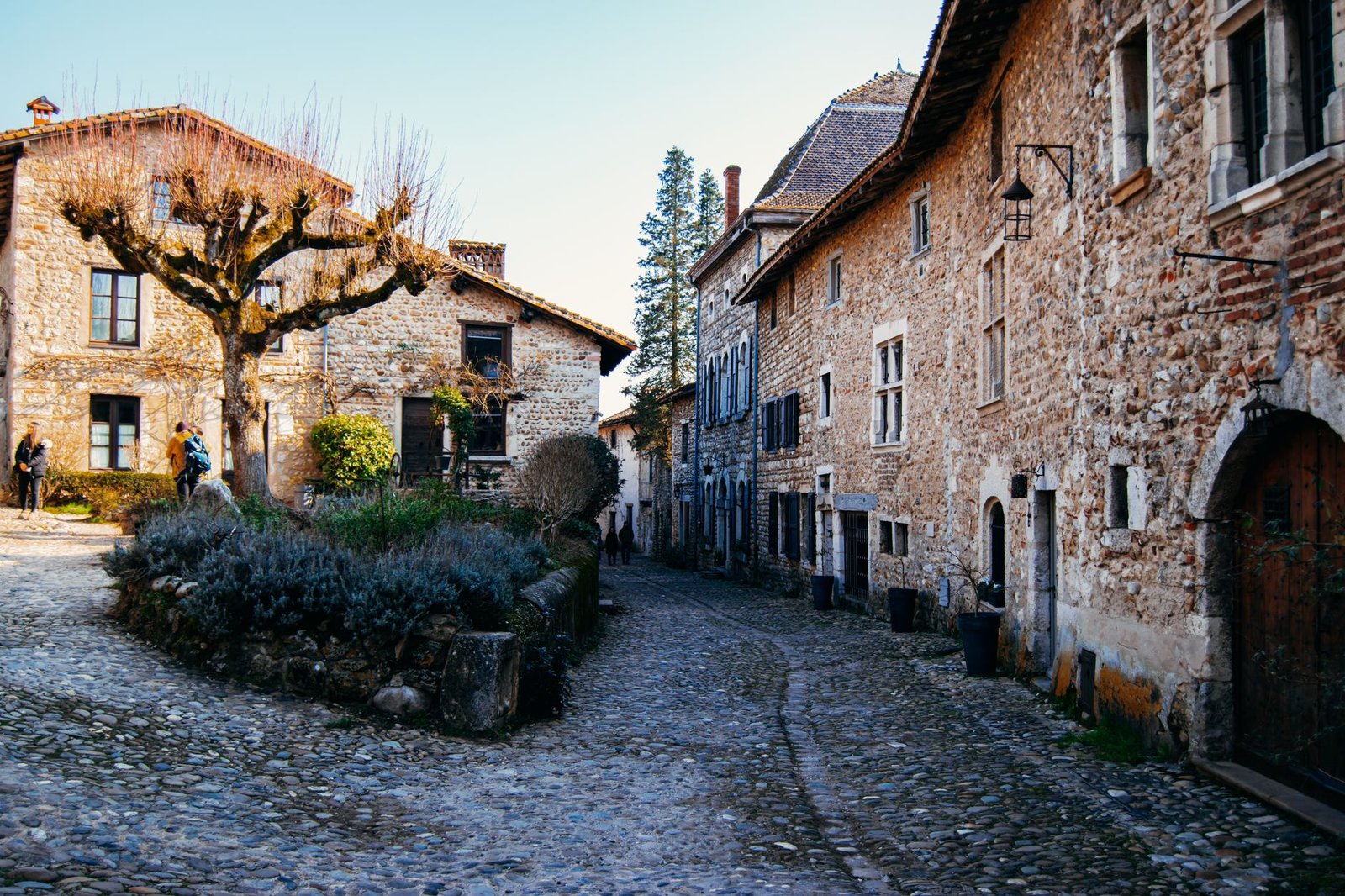
Quick Answer: Experiencing Quiet Medieval Towns in Castile
To experience the authentic quiet medieval towns of Castile, focus on visiting during the shoulder seasons (spring or autumn), arriving early in the morning or later in the afternoon, and exploring the lesser-known side streets. Prioritize towns like Pedraza, Covarrubias, and Frías, which inherently offer a more tranquil atmosphere than larger cities. Seek out monasteries, smaller museums, and local eateries away from main tourist routes for a truly immersive and peaceful experience. Most of these towns work as day trips from the capital, so you can be back in time for dinner at one of Madrid’s genuinely local restaurants.
Ávila: Beyond the Walls, Into the Calm
You can’t talk about medieval Castile without talking about Ávila. The city’s imposing medieval walls are its signature, rising up like a sentinel against the sky. While most people photograph them from outside, the real magic, for me, happens when you step through one of the nine gates and explore the quiet life within. The walls themselves are remarkably well-preserved, and you can walk a significant portion of them. Entry to walk the walls is €5.00 for the full perimeter (around 2.5 km), or €3.00 for a shorter section near the Cathedral. They’re usually open from 10:00 to 19:00, but check the official website for seasonal variations. My advice? Go first thing in the morning when they open. You’ll have the ramparts almost to yourself, with the sun casting long shadows over the city and the distant Sierra de Gredos mountains.
Inside the walls, resist the urge to rush straight to the main Cathedral. Instead, wander the narrow, unassuming streets. You’ll discover hidden convents and peaceful plazas. The Convento de Santa Teresa, for instance, offers a surprisingly tranquil retreat. It’s built over the birthplace of Saint Teresa of Ávila, one of Spain’s most significant mystics. The small museum and chapel provide a serene atmosphere, far from the hustle. Entry is free to the church, and the museum costs €2.00. It’s open most days from 10:00 to 13:30 and 16:00 to 19:00. This is where you connect with the city’s spiritual heart. For a simple, satisfying lunch, try a “menú del día” at one of the smaller restaurants just off Plaza de la Santa, like Restaurante El Molino de la Losa (Calle Bajada del Obispo, 7). Expect to pay around €18-€22 for a three-course meal, often including the famous “Chuletón de Ávila” – a massive T-bone steak, if you’re feeling indulgent. Parking can be a challenge inside the walls; consider parking in the free car park outside Puerta del Alcázar (around Calle San Segundo) and walking in.
- Walk the Walls: Open 10:00-19:00 (seasonal changes), entry €5.00. Go early!
- Convento de Santa Teresa: Explore the birthplace of Saint Teresa, free entry to church, museum €2.00.
- Local Lunch: Enjoy a “menú del día” for €18-€22; try local specialties like judiones de la Granja (large white beans).
- Quiet Streets: Detour from main thoroughfares to find peaceful courtyards.
- Parking: Look for free spots near Puerta del Alcázar and enjoy the walk to the centre.
Segovia: Finding Solitude Amidst Roman Grandeur
Yes, Segovia has the Roman Aqueduct, a marvel of ancient engineering that still stands proudly without a single drop of mortar. And yes, it has the Alcázar, which looks like it leapt straight from a fairy tale. These places draw crowds, and rightly so. But to experience the quiet side of Segovia, you need a strategy. Start your day by admiring the Aqueduct from Plaza del Azoguejo, but then immediately turn your attention to the old Jewish Quarter (Juderia Vieja). It’s just a short walk up Calle de Cervantes and offers a completely different vibe.
The Judería is a labyrinth of narrow, winding streets, many of them too small for cars. Here, you’ll find artisan workshops, small bakeries, and quiet corners where you can imagine daily life centuries ago. Seek out the former Main Synagogue (now the Corpus Christi Church) on Calle de la Judería Nueva. It’s a subtle building, often overlooked, but stepping inside offers a moment of quiet reflection and a glimpse into a crucial part of Segovia’s history. Entry is usually free, with a small donation requested sometimes. It’s generally open from 11:00 to 14:00 and 16:00 to 18:00, but hours can be irregular. After this, instead of heading straight for the Alcázar, walk along the Paseo de la Muralla (Wall Promenade). This path offers incredible views of the city and the surrounding countryside, far from the main tourist paths. You can find access points near the Cathedral or the Puerta de San Andrés.
When you do visit the Alcázar, aim for late afternoon, about two hours before closing. Most tour groups will have departed, and you can explore the courtyards and halls with more peace. Entry to the Alcázar is €9.00, plus an additional €2.50 if you want to climb the Tower of Juan II for panoramic views. It’s open daily from 10:00 to 20:00 in summer, and 10:00 to 18:00 in winter. For a quiet coffee and a local sweet, stop by Pastelería Limon y Menta (Calle Real, 17) for a ‘ponche segoviano’, a marzipan and cream cake. Segovia is compact enough to explore on foot, but be prepared for some steep climbs, especially to the Alcázar. Parking is available at various public car parks around the city, such as the one under the Aqueduct at Calle Los Gascos, costing around €1.80 per hour, with a daily maximum of €18.00.
To deepen your appreciation for Spain’s heritage, you might enjoy learning about Triana Ceramic Workshop Seville, another craft-rich experience.
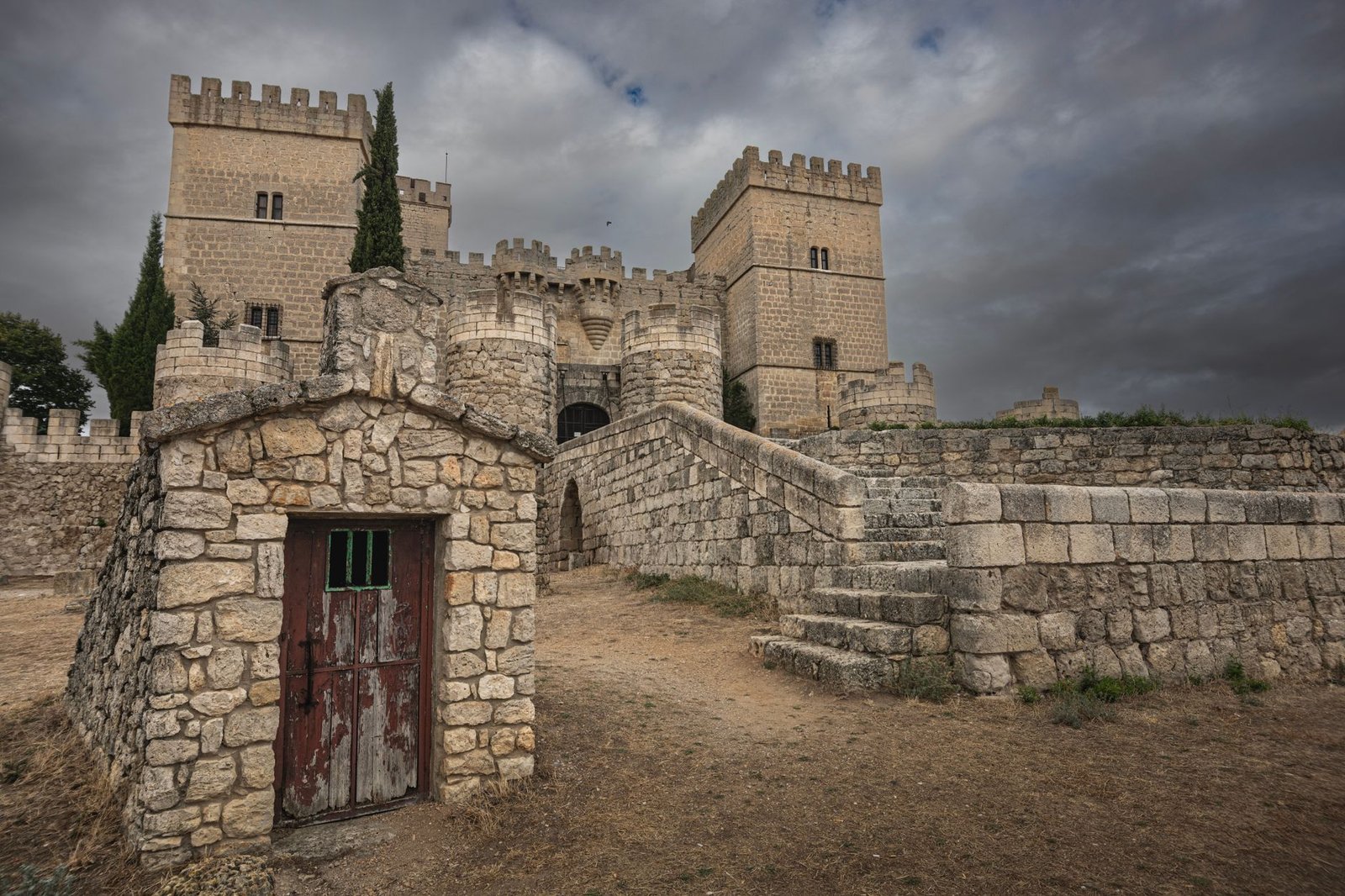
Toledo: Delving into the Layers of History
Toledo, the ‘City of Three Cultures’, is a UNESCO World Heritage site and an absolute must-see, but its popularity means crowds can be substantial. To find its quiet medieval pulse, you need to be smart about your timing and focus on specific areas. Skip the main plaza (Plaza de Zocodover) and the Cathedral during peak hours. Instead, head directly to the Jewish Quarter (Juderia). This area, with its narrow, twisting alleys and historic synagogues, offers a profound sense of history that feels much more personal.
The Synagogue of Santa María la Blanca, originally a synagogue and later a church, is a remarkable example of Mudéjar architecture. Its white arches and tranquil interior are incredibly calming. Entry is €3.00, and it’s open daily from 10:00 to 18:45 (shorter hours in winter). Just a short walk away is the Monastery of San Juan de los Reyes, a stunning example of Isabelline Gothic architecture commissioned by the Catholic Monarchs. While it can see visitors, its cloisters offer peaceful contemplation. Entry is €3.00, open similar hours to the Synagogue. These two sites, along with a walk through the surrounding streets, can easily fill a peaceful morning or afternoon. Don’t just rush through; pause in the courtyards, look up at the intricate details, and let the history sink in.
For lunch, avoid the main tourist trap restaurants. Walk down towards the river, or explore the streets leading away from the Cathedral. You can find smaller, family-run places like Restaurante La Orza (Calle Santa Fe, 3) which offers traditional Castilian food in a relaxed atmosphere. A quality ‘menú del día’ will be around €20-€25. Toledo is built on a hill, so expect steep climbs and uneven ground – comfortable shoes are non-negotiable. If you drive, consider parking at the Mirador del Valle for incredible panoramic views of the city before finding a parking spot at the Safón Parking (€2.20 per hour, max €24 per day) and taking an escalator up to the old town.
While exploring the region, remember that Castile’s natural beauty extends beyond its towns. For outdoor enthusiasts, consider looking into El Torcal Antequera Hiking Trails for another kind of Spanish adventure.
Cuenca: Vertical History and Hidden Gorges
Cuenca is probably one of the most dramatically situated medieval cities in Spain. Famous for its Casas Colgadas (Hanging Houses) perched precariously over the Huécar gorge, it presents a unique challenge and reward for those seeking quiet moments. Most visitors stick to the main viewpoints and the Hanging Houses, but to truly experience Cuenca, you need to embrace its verticality and explore its less obvious paths.
Start your exploration early in the morning by walking across the Puente de San Pablo, the pedestrian bridge that connects the old town to the Parador. The views of the Casas Colgadas from here are iconic, but what’s often missed are the pathways down into the gorge itself. There are several marked trails that descend from the old town into the Huécar River gorge. These trails offer a completely different perspective of the city’s foundations and are almost always quiet. One such path starts near the Tunel de Buen Suceso and follows the river, circling back up towards the lower part of the old town. Wear sturdy shoes, as these paths can be uneven and rocky.
Once back in the old town, venture away from Plaza Mayor. Explore the upper part of the city, towards the Castillo and the small church of San Pedro. The streets here are much quieter, with fewer shops and more local residences. You’ll find small plazas and viewpoints that offer stunning vistas without the crowds. The Museo de Cuenca, housed in a Renaissance palace, often goes overlooked. It focuses on local archaeology and art, providing a calm indoor activity. Entry is €3.00, open 10:00-14:00 and 16:00-19:00 (closed Mondays). For a true local experience, find a bar that offers “reaciones” – small plates of food often served free with a drink, like El Albedrío (Calle Colmillo, 3). For a more substantial meal, Restaurante Román (Calle de San Pedro, 19) serves traditional Cuencan cuisine like morteruelo (pâté-like meat spread) or zarajos (fried lamb intestines) for around €25 per person for a main course. Parking in Cuenca’s old town is very restricted; use the underground car park at Calle San Pedro for convenience, costing around €1.50 per hour.
| Activity | Estimated Cost | Best Time | Notes |
|---|---|---|---|
| Huécar Gorge Trails | Free | Morning/Late Afternoon | Wear sturdy shoes, paths can be uneven. |
| Museo de Cuenca | €3.00 | Afternoons (avoid Mondays) | Quiet exploration of local history. |
| San Pablo Bridge Views | Free | Early Morning | Iconic views of Hanging Houses with fewer people. |
| Dinner at Román | €25-€35 per person | Evening | Traditional Cuencan cuisine. Reservations advised. |
| Parking (San Pedro) | €1.50/hour | Any time | Underground parking, walk or escalator to old town. |
Pedraza: A Perfect Portrait of Medieval Quietude
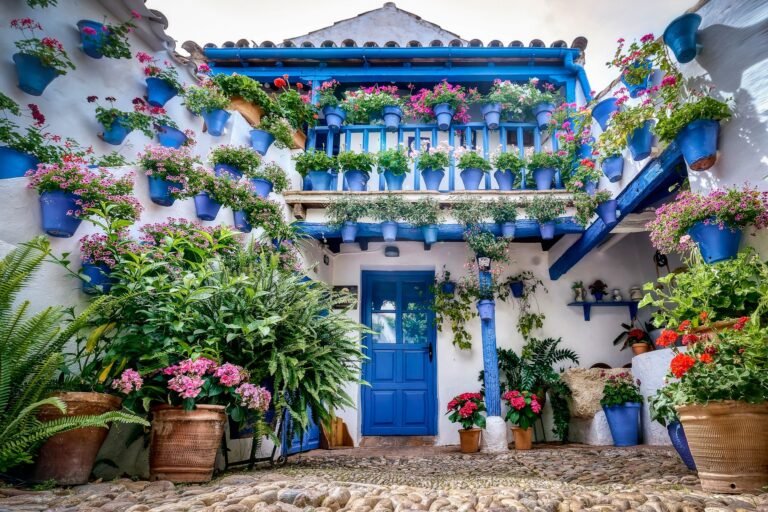
If you’re looking for a town that embodies the spirit of quiet medieval towns Castile has to offer, Pedraza is it. This small, walled village in the province of Segovia feels almost preserved in amber. It’s less famous than its larger neighbors, which means fewer crowds and a stronger sense of stepping back in time. Pedraza is often visited as a day trip from Madrid or Segovia, but for true quiet, consider spending a night here. Once the day-trippers leave, the village falls into a beautiful stillness. Pedraza scratches the same itch as the peaceful white villages of Andalusia, just in granite and ochre instead of whitewash.
The entire village is essentially an open-air museum. You enter through the magnificent Puerta de la Villa, the only remaining gate of the old wall. From there, you wander along the main cobbled street, Calle Mayor, which leads to the expansive Plaza Mayor. This plaza, with its arcaded buildings, is the heart of the village. It’s a place for quiet contemplation, perhaps with a coffee or a simple pastry from one of the small cafes. The Castillo de Pedraza, at the highest point of the village, is privately owned but offers guided tours that provide insight into its history. Entry is €7.00 for the guided tour (check times, as they vary seasonally and can be limited), and it’s typically open from 10:30 to 14:00 and 16:00 to 18:00 on weekends and public holidays, with reduced hours mid-week. Always call ahead to confirm.
For me, the real joy of Pedraza is simply walking its narrow side streets, noticing the details of the stone houses, the climbing roses, and the quiet courtyards. There are no major attractions to rush to, just the atmosphere. For a truly peaceful meal, try El Jardín (Plaza Mayor, 12), which has a lovely inner courtyard. A main course of roast lamb (lechazo asado), a local specialty, might cost around €28-€35. If you decide to stay overnight, there are a few charming small hotels and rural houses, such as Hotel La Posada de Pedraza, offering rooms from €80-€120 per night depending on the season. Parking is generally free just outside the Puerta de la Villa. Pedraza truly thrives on a slower pace; embrace it, and you’ll understand why it’s such a special place.
- Enter via Puerta de la Villa: The grand entrance sets the tone for your visit.
- Explore Plaza Mayor: A beautiful, unhurried space for soaking in the atmosphere.
- Castillo de Pedraza: Take a guided tour to learn its history, €7.00. Confirm opening hours in advance.
- Wander side streets: Discover architectural details and peaceful corners.
- Overnight Stay: Consider staying to experience the village after day-trippers leave.
If these slower-paced experiences appeal to you, you might also be interested in other authentic Spanish traditions, like an Andalusia Olive Harvest Experience.
FAQ: My heart belongs to these quiet medieval towns Castile — Common Questions
What is the best time of year to visit Castile’s medieval towns for fewer crowds?
The best time to visit for a quieter experience is during the shoulder seasons: late April to early June, or September to October. During these months, the weather is pleasant, and the major tourist rush of summer (July and August) has not yet begun or has subsided, meaning you’ll encounter fewer visitors at popular sites.
Are these quiet medieval towns in Castile accessible by public transport?
Many of the larger medieval towns like Ávila, Segovia, Toledo, and Cuenca are well-connected by train (AVE or regional lines) and bus services from Madrid. Smaller villages like Pedraza are less accessible by direct public transport, often requiring a combination of bus and then a taxi, or are best reached by rental car for maximum flexibility. You can book a guided tour on Viator to some of these if driving isn’t an option.
What type of food should I expect in these towns, and are there vegetarian options?
Castilian cuisine is traditionally hearty and meat-focused, featuring dishes like roast lamb (lechazo), suckling pig (cochinillo), and various stews. However, most restaurants, especially in larger towns, are increasingly accommodating vegetarian options. You’ll usually find salads, vegetable-based soups, and traditional Spanish omelette (tortilla española) readily available. Don’t be afraid to ask for “platos sin carne” (dishes without meat).
What are the typical opening hours for attractions and shops in Castilian medieval towns?
Most museums and historical sites generally open around 10:00 and close between 18:00 and 19:00, often with a midday break (siesta) from 14:00 to 16:00, especially in smaller towns or during off-peak seasons. Shops also follow similar patterns, typically closing for lunch. Restaurants usually serve lunch from 13:30 to 16:00 and dinner from 20:30 onwards. Always check specific opening times locally or online, as they can vary greatly by season and day of the week. To find the right place to stay, you can compare hotel prices on Booking.com.
Exploring the quiet corners of Castile’s medieval towns offers a unique perspective on Spain, allowing you to connect with centuries of history in a way that feels personal and unhurried. From Ávila’s ancient walls to Pedraza’s perfectly preserved streets, these places invite you to slow down, wander, and truly feel the weight of time. Go with an open mind and a willingness to explore beyond the obvious, and you’ll find a profound sense of peace and wonder. For more Spanish travel inspiration and practical tips, browse through our Blog.
About the Author
After 15 years living and traveling across Spain, Caro knows this country in a way most travel writers never will. She’s not here to sell you a polished version of Spain, she’s here to show you the real one. Every guide on this site comes from her own experience: the restaurants she eats at, the routes she walks, the festivals she’s actually attended. She writes to cut through the noise and give you what actually matters. Learn more about Caro →