My Granada or Seville trip: one city claimed my affection.
Some links in this guide are affiliate links — if you book through them we may earn a small commission at no extra cost to you. It never changes what we recommend. Full disclosure.
The choice between two of Andalucía’s most iconic cities for your granada or seville trip often feels like a delightful dilemma. Many travelers imagine them as two sides of the same coin, both offering sun-drenched squares and historic grandeur, but in reality, they possess remarkably distinct personalities. This guide will peel back the layers of each city, revealing their unique rhythms, hidden corners, and the practicalities of a visit, helping you discern which one will truly capture your affection.
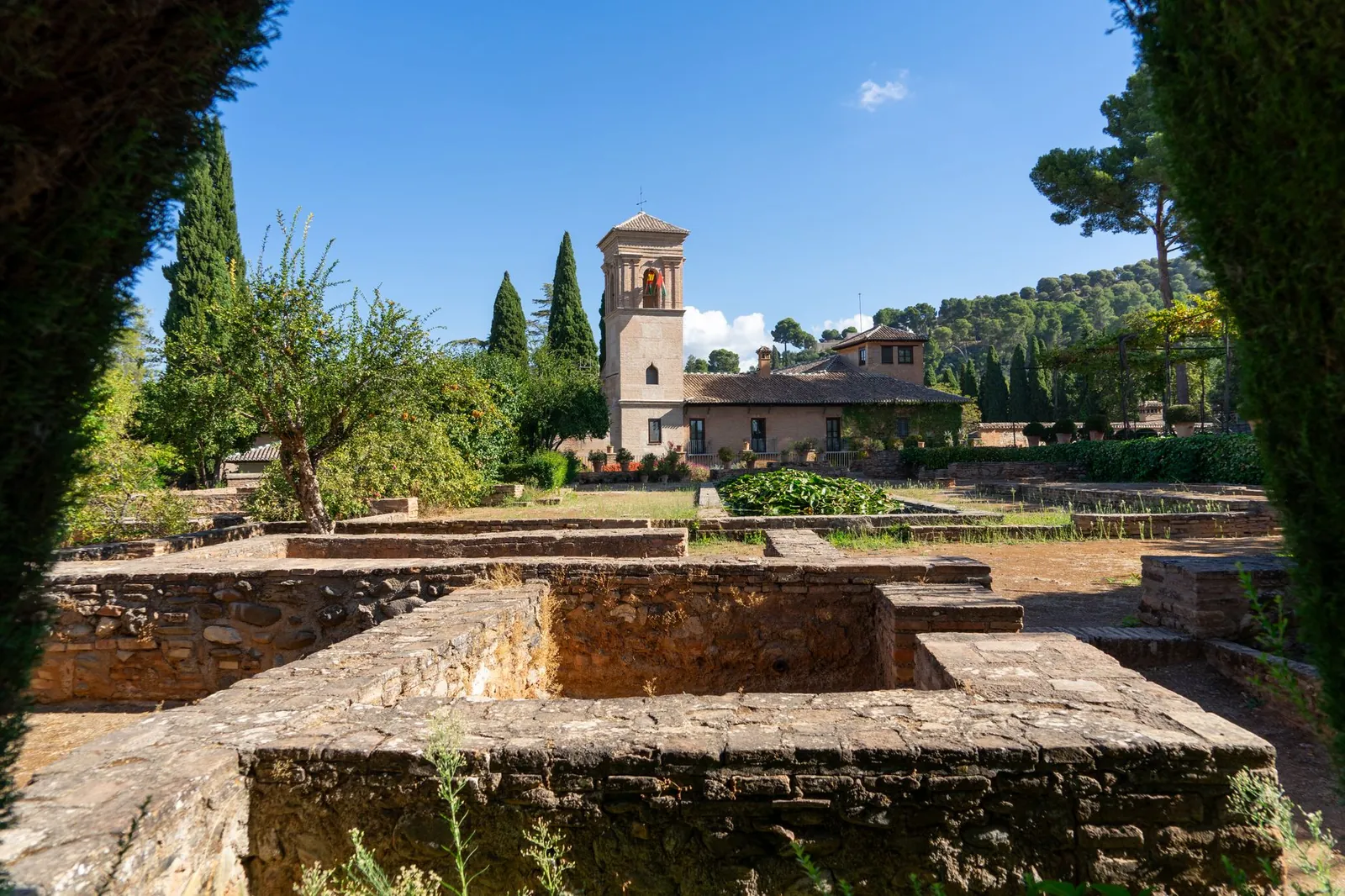
Quick Answer: Granada or Seville Trip
For most travelers, Seville offers a broader, more expansive “quintessential Andalucía” experience, needing at least 3-4 full days to appreciate its grand scale and cultural depth, whereas Granada, deeply intertwined with the Alhambra, provides an intimate, historically intense journey best enjoyed over 2-3 days, with a stronger Moorish heritage and a distinctive local vibe. Seville’s expansive monuments like the Cathedral and Real Alcázar, alongside its diverse neighborhoods, truly warrant a longer stay. Granada, by contrast, focuses intensely on its Nasrid past and the sheer wonder of the Alhambra, making for a concentrated, impactful visit within its compact, hilly core.
The Soul of Each City: History, Atmosphere, and Architecture
Seville pulses with a lively, grand energy, reflecting centuries as a major European port and the heart of Andalucía, while Granada holds a more contemplative, ancient spirit, dominated by its Nasrid past and mountain backdrop. Seville’s city center around the Catedral de Sevilla and Real Alcázar feels expansive, with wide avenues and numerous plazas, demanding a few days to truly explore its varied districts like Triana or the elegant El Arenal, whereas Granada’s core is much more compact, centered on the dramatic hill crowned by the Alhambra, with steep, winding streets in areas like the Albaicín.
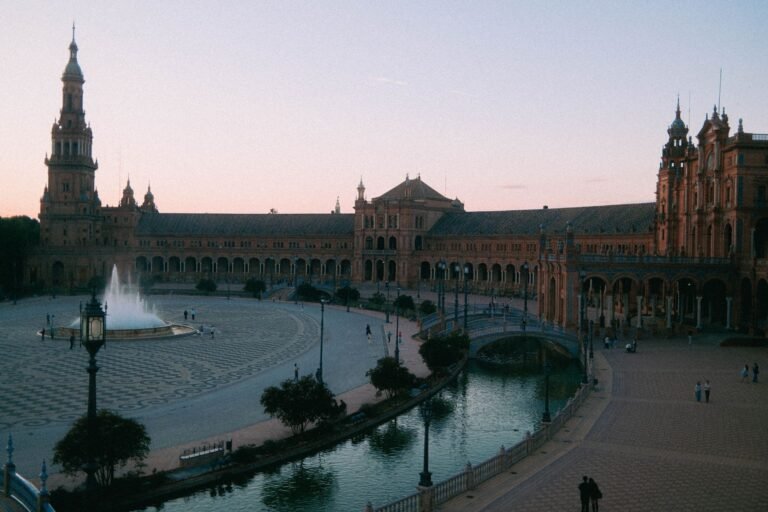
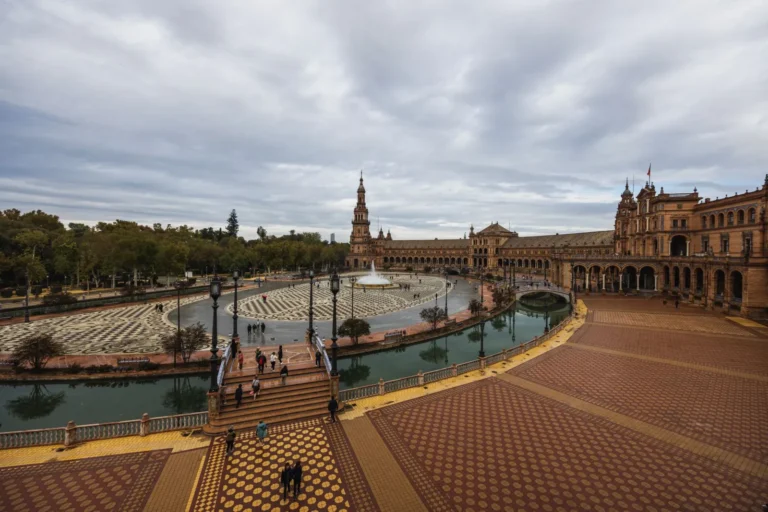
When you arrive in Seville, you are immediately enveloped by a sense of scale and ambition. The city’s history is written in the sheer size of its Gothic Cathedral, the intricate tiles of its Real Alcázar, and the monumental Plaza de España. It’s a city that feels open, where grand processions fill the streets during festivals, and the air hums with the energy of outdoor life. You’ll notice the scent of orange blossoms for much of the year, especially from February through April, thanks to the thousands of Seville orange trees lining its streets. Walking through Seville means encountering vast historical sites that stand as testaments to its wealth and power, often with an entry cost between €12-€18 per major monument for an adult.
Granada, by contrast, feels like a city shaped by its dramatic landscape and its profound Moorish legacy. It’s not just the Alhambra; it’s the very structure of the city, with the ancient Albaicín neighborhood clinging to a hillside opposite the palace, its narrow, labyrinthine streets inviting endless exploration. Here, the atmosphere is a blend of student life (thanks to its university), ancient history, and a touch of the bohemian. The views of the Alhambra against the Sierra Nevada mountains are truly iconic, and the soundscape often includes the strumming of a guitar from a nearby bar or the echo of footsteps on cobblestones. The city’s smaller scale makes it feel more intimate, with many experiences centered around walking up and down its steep inclines. The cost of entry to the Alhambra itself varies depending on the areas you wish to visit, but a general daytime visit ticket to the Nasrid Palaces, Alcazaba, and Generalife costs around €19.09 for an adult, requiring advance booking often months ahead.
Choosing between them means deciding whether you prefer Seville’s broad brushstrokes of Andalusian culture, with its grandiosity and expansive feel, or Granada’s focused intensity, where history feels tangible around every corner and the awe-inspiring Alhambra anchors your entire visit. Both cities offer deep dives into Spanish history, but they tell very different stories.
Iconic Sights: Getting Under the Skin of Each Destination
Your visit to Granada will undoubtedly revolve around the Alhambra, a UNESCO World Heritage site that requires at least 3-4 hours to explore thoroughly, while Seville’s main draws, the Cathedral and Alcázar, can each take 2-3 hours, allowing for a broader array of historical and cultural experiences throughout the city. Booking tickets for major attractions in both cities well in advance (1-3 months) is essential, especially during peak season or for specific time slots, as walk-up tickets are rarely available for the Alhambra’s Nasrid Palaces and often entail long waits in Seville.
In Granada, the Alhambra isn’t just a sight; it’s an experience that defines the city. This incredible palace-fortress complex includes the Nasrid Palaces (the true heart, with exquisite stucco work and courtyards like the Patio de los Leones), the Generalife gardens (a serene escape with water features), and the Alcazaba (the military fortress offering panoramic views over the city). Allow ample time, wear comfortable shoes, and be prepared for walking. After exploring the Alhambra, dedicate time to the Albaicín, the old Moorish quarter directly opposite. Wander its narrow, winding streets, discover hidden squares, and find viewpoints like the Mirador de San Nicolás for classic sunset photos of the Alhambra. Another unique experience is delving into Sacromonte, the traditional gypsy quarter, known for its cave houses and the origins of Granada’s flamenco. You can explore the caves and understand their history, or even experience Sacromonte cave flamenco performances, which typically start around 9:00 PM and cost €25-€35. For those looking to maximize their time, find guided tours of the Alhambra can provide valuable context and streamline your visit.
Seville offers a different kind of grandeur. The Catedral de Santa María de la Sede, the largest Gothic cathedral in the world, houses Christopher Columbus’s tomb and is an architectural marvel. Climbing its Giralda tower (included with cathedral entry, open 10:45 AM – 6:00 PM Monday-Saturday, 2:30 PM – 6:00 PM Sunday; tickets €12) offers sweeping views of the city. Right next door is the Real Alcázar, a royal palace with a blend of Mudéjar, Gothic, Renaissance, and Romantic architectural styles. Its gardens are extensive and worth leisurely exploration (open 9:30 AM – 7:00 PM daily in summer, until 5:00 PM in winter; tickets €14.50). Beyond these, the Plaza de España in the Parque de María Luisa is a monumental semi-circular building with canals and bridges, representing Spain’s provinces in tiled alcoves – it’s free to enter and explore. For a taste of daily life, cross the Puente de Isabel II to the Triana Seville neighborhood, historically a ceramics and flamenco hub. Here, you can visit the Mercado de Triana for local produce and food stalls, or even try a Triana ceramic workshop to create your own souvenir. Each of these major attractions in Seville easily warrants 2-3 hours of your time, so plan your days carefully.
Daily Rhythm: Food Culture and Local Interactions
Granada is renowned for its unique tapas culture, where a complimentary tapa often accompanies your drink, making it an incredibly social and affordable way to eat, while Seville’s food scene focuses more on full-sized dishes and market culture. In Granada, you can easily have a satisfying evening meal by hopping between a few bars, spending perhaps €3-€4 per drink for something like a refreshing soft drink or juice, which comes with a small plate of food. This is an average cost for a typical beverage; special options will be more. In Seville, tapas are usually ordered as specific small plates, costing €3-€5 each, so you’ll pay for each food item you choose.
The culinary experience in Granada revolves heavily around its “tapas gratis” tradition. When you order a beverage, a small plate of food arrives with it, from patatas bravas or a mini-burger to more elaborate regional specialties like remojón granadino (a cod and orange salad). This encourages a relaxed, bar-hopping approach to dinner, moving from one place to another to try different tapas. The city center and the Realejo district are excellent for this. It fosters a very social atmosphere, and you can truly immerse yourself in local life by observing and participating in this ritual. Lunch often consists of a “menú del día” (daily set menu) for around €12-€15, offering a starter, main, dessert, and a drink.
Seville’s food scene is equally rich but structured differently. While tapas are available, they are typically paid for per item. However, Seville excels in a broader range of traditional Andalusian dishes, from rich stews to fresh seafood. You’ll find fantastic markets, like the Mercado de Triana or Mercado de la Encarnación, where you can sample various local products and grab a bite. Dining in Seville can be a more formal affair, with sit-down restaurants offering extensive menus. A typical evening meal at a mid-range restaurant, including a main course and a non-alcoholic drink, might cost €15-€25 per person. Seville also offers a more extensive street food culture in some areas, with places offering traditional pastries or fried fish (pescaito frito) to go. The daily rhythm in Seville feels grander, with a lively evening promenade in its many squares, while Granada’s nightlife often gravitates towards its student population and the more intimate, traditional “teterías” (tea houses) in the Albaicín, which offer a different kind of evening socializing.
Practicalities: Getting Around and Accommodation
Traveling by high-speed train is the most efficient way to reach both cities from Madrid or to travel between them, with a journey from Madrid to Seville taking about 2.5-3 hours for around €40-€80, while Madrid to Granada takes roughly 3.5-4 hours and costs €35-€70, depending on the service and booking time. Once there, both cities are very walkable, though Granada’s hilly terrain requires more stamina.
Here’s a breakdown of typical travel times and approximate costs by train:
| Route | Approx. Travel Time by Train | Approx. Cost (one-way, standard class) |
|---|---|---|
| Madrid to Seville | 2 hours 30 minutes – 2 hours 45 minutes | €40 – €80 |
| Madrid to Granada | 3 hours 30 minutes – 4 hours | €35 – €70 |
| Seville to Granada | 2 hours 30 minutes – 3 hours (direct) | €25 – €45 |
| Malaga to Seville | 1 hour 55 minutes – 2 hours 10 minutes | €20 – €35 |
| Malaga to Granada | 1 hour 15 minutes – 1 hour 30 minutes | €15 – €25 |
Booking train tickets through Renfe well in advance is highly recommended for the best prices. Buses are generally cheaper but take longer.
Getting Around within the Cities:
* Seville: The city center is largely flat and very walkable. For longer distances, an efficient bus network covers the entire city, with single tickets costing €1.40. There’s also a tram line that runs through the main tourist areas. Taxis are plentiful and reasonably priced for short rides, usually €6-€10 within the central zone.
* Granada: The city center is walkable, but be prepared for hills, especially if you’re exploring the Albaicín or Sacromonte. There are also small “microbuses” (lines C31, C32, C34) that navigate the narrow, steep streets of these historic quarters, costing €1.40 for a single ride, saving your legs. Taxis are available but less frequently used by tourists due to the compact nature of the city.
Accommodation:
Both cities offer a range of accommodation options, from budget hostels to luxury hotels.
* Seville: You’ll find hotels scattered across different neighborhoods, each offering a distinct feel. The Santa Cruz quarter is popular for its proximity to major sights, but can be pricier. Triana offers a more authentic, local experience. Average prices for a mid-range double room in a well-located hotel might be €80-€150 per night, depending on the season. For compare hotel options, you’ll find a wide selection.
* Granada: Due to its compact nature, many accommodations are within easy reach of the Alhambra and the city center. Staying in the Albaicín or Realejo offers a truly atmospheric experience, though access might be tricky for larger vehicles. Mid-range hotels in Granada generally cost €70-€130 per night. For more specific guidance, explore the best neighborhoods in Granada to find your ideal base.
Consider the season when planning your trip. Seville can be intensely hot in July and August, with temperatures often exceeding 38°C (100°F). Granada, while also hot in summer, benefits from its proximity to the Sierra Nevada, making evenings slightly cooler. Spring (April-May) and autumn (September-October) offer the most pleasant weather for both.
Pacing Your Visit: Who Should Pick Which City?
For a fulfilling experience, allocate at least 3-4 days for Seville to properly absorb its grand monuments and enjoy its broader cultural offerings, whereas Granada is ideal for a more focused 2-3 day visit, primarily centered around the Alhambra and its historic Moorish quarters. Your travel style and what you seek from a Spanish city will be the ultimate deciding factor.
Choose Seville if:
- You want the full, grand Andalusian experience with expansive plazas, monumental architecture, and a lively, social atmosphere.
- You have 3-4 days to dedicate to a single city, allowing time to explore its various neighborhoods and major sights without rushing.
- You appreciate a flatter, more easily navigable city, even with its larger size.
- Your interest leans towards Spanish Baroque and Renaissance art, grand cathedrals, and expansive royal palaces.
- You want to experience a broader range of day trips, with options like a day trip to Ronda or a day trip to Cordoba easily accessible.
- You don’t mind the heat of summer or plan your visit during the milder spring or autumn months.
Choose Granada if:
- Your primary goal is to immerse yourself in Moorish history and experience the sheer wonder of the Alhambra.
- You prefer a more intimate, compact city that feels deeply historic and has a strong university town vibe.
- You have 2-3 days and want a concentrated dose of culture and history without feeling overwhelmed by a larger metropolis.
- You enjoy navigating steep, winding streets and discovering viewpoints around every corner.
- The idea of complimentary tapas with your drinks appeals to your culinary exploration.
- You’re interested in the unique blend of Moorish and Gypsy culture, particularly in the Albaicín and Sacromonte districts.
While both cities offer a taste of Andalucía, they cater to different desires. Seville provides the grand narrative, the sweeping gestures of Spanish identity, while Granada offers an intricate, layered story, whispered through ancient walls and stunning views. If you have the luxury of time, consider visiting both, perhaps even combining them with a stop in Cordoba for a truly comprehensive Granada and Cordoba in one trip.
Common Questions About Choosing Andalusian Cities
Is Granada better for food than Seville?
Granada offers a unique and highly appealing food experience, primarily due to its “tapas gratis” tradition where a small, complimentary tapa is served with each drink you order. This makes it incredibly social and budget-friendly for casual dining. Seville, while also having excellent tapas, typically charges for each individual tapa, and its culinary scene is broader, encompassing more formal dining, larger raciones (portions), and diverse market offerings. Neither is “better,” but Granada’s system is often preferred by those who enjoy sampling many different things without a large bill.
Which city has better flamenco?
Both cities are important flamenco centers, but they offer different experiences. Seville is widely considered a cornerstone of traditional flamenco, with numerous tablaos (flamenco venues) offering professional, often more polished and theatrical performances, particularly in the Triana and Santa Cruz neighborhoods. Granada, especially in the Sacromonte caves, is known for its more raw, passionate, and intimate “zambra” style of flamenco, often performed in a less formal, more improvisational setting. Your preference depends on whether you seek a grand stage performance or a close-up, visceral experience.
Is it possible to visit both Granada and Seville on a short trip?
It is certainly possible to visit both cities on a short trip, but it requires careful planning and acceptance that you’ll only scratch the surface of each. For example, a 4-day trip could allocate 2 full days to Seville (focusing on the Cathedral/Alcázar and a neighborhood) and 2 full days to Granada (Alhambra and Albaicín), with travel time between them using a direct train (around 2.5-3 hours). You would need to pre-book all major attractions and focus intensely, missing out on deeper exploration, but it’s manageable for a highlights tour.
Which city is more affordable for travelers?
Overall, Granada tends to be slightly more affordable than Seville. Accommodation prices are often marginally lower, and the cost of dining, particularly due to the generous “tapas gratis” culture, can significantly reduce your daily food budget. While major attractions like the Alhambra have a set entry fee comparable to Seville’s main sights, the day-to-day expenses for food and local transport can add up to less in Granada, especially for budget-conscious travelers.
Ultimately, the city that truly claims your affection will depend on what kind of traveler you are and the specific experience you’re dreaming of for your time in Andalucía. Whether you’re drawn to Seville’s grand, sprawling beauty or Granada’s intimate, historically rich embrace, both promise an authentic journey into the heart of southern Spain, offering memories you’ll revisit long after you’ve returned home. And if your heart truly yearns for more of this incredible region, our guide to a Granada and Cordoba itinerary can help you extend your adventure.
About the Author
After 15 years living and traveling across Spain, Caro knows this country in a way most travel writers never will. She’s not here to sell you a polished version of Spain, she’s here to show you the real one. Every guide on this site comes from her own experience: the restaurants she eats at, the routes she walks, the festivals she’s actually attended. She writes to cut through the noise and give you what actually matters. Learn more about Caro →