Seville vs Granada: Which Is Better for Your Trip?
Some links in this guide are affiliate links — if you book through them we may earn a small commission at no extra cost to you. It never changes what we recommend. Full disclosure.
Deciding which Spanish city truly calls to you, figuring out seville granada which is better for your particular travel spirit, is a common delightful dilemma for anyone exploring Andalucía. You might imagine grand plazas and a river-laced city or ancient fortresses clinging to hillsides, but the reality of choosing between these two titans goes deeper than mere sightseeing. This guide cuts through the noise, offering an honest look at what each city truly offers, helping you align your trip with the experience your heart is searching for.
Quick Answer: Seville or Granada?
Seville often feels like Spain’s grand, open-hearted embrace, with its sweeping plazas, dramatic history, and accessible beauty, making it ideal if you seek a lively, large-city experience rich in spectacle. Granada, by contrast, offers a more intimate, layered experience where ancient Moorish whispers meet student-city energy against a dramatic mountain backdrop, best suited for those who appreciate winding discoveries and a more concentrated cultural immersion around its iconic Alhambra.
The Vibe and Pace of Life: Soulful Rhythms and Mountain Air
Seville’s daily rhythm is one of open-air drama and a constant hum of life, while Granada offers a more introspective pace, with its secrets found in narrow, uphill alleys. In Seville, you’ll feel the energy of a larger Andalusian capital, where life spills out into expansive plazas and along the Guadalquivir River. Mornings begin with a leisurely coffee, and evenings stretch late, often accompanied by the sound of conversations echoing from brightly lit terraces. The city feels wide and grand, with most of its key sites easily accessible by foot on relatively flat ground. You can wander for hours, absorbing the city’s light and enjoying the scent of orange blossoms that perfume the air for months. The scale here is epic; the Cathedral feels immense, the Plaza de España truly grand, and even a simple walk through the María Luisa Park feels like an event. This open, expansive feeling defines Seville. The people are direct, warm, and enjoy life on display, from spontaneous flamenco in a Triana courtyard to the lively chatter around a tapas bar. Expect a buzzing, outward-looking energy.
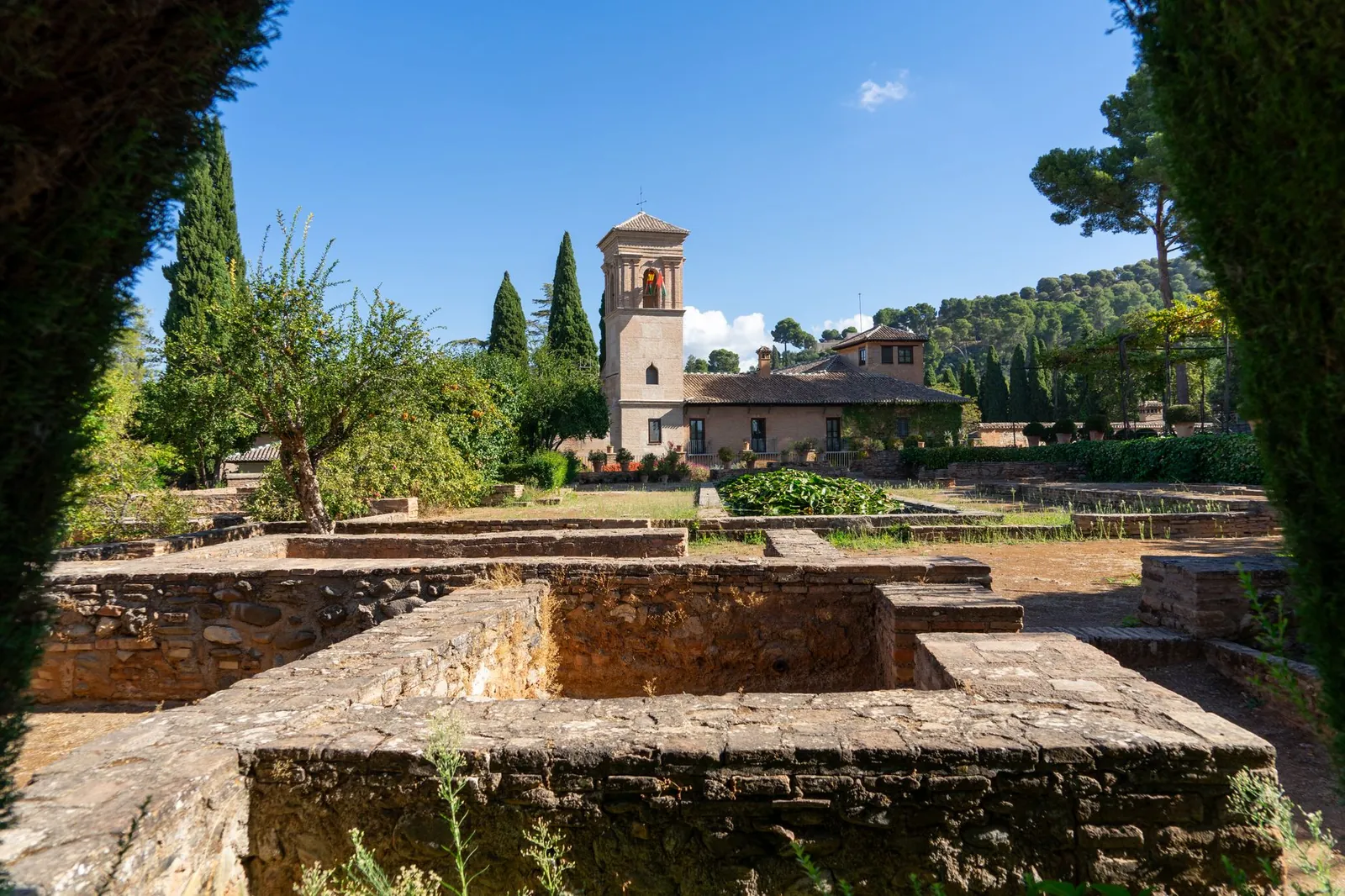
Granada, on the other hand, presents a different kind of soul. It’s a city that folds in on itself, built on hillsides that demand a slower pace and reward with unexpected views. The air here often feels a little crisper, carrying hints of the Sierra Nevada mountains that loom majestically in the background. Life in Granada is quieter in some ways, more focused on small, intimate plazas and the hidden corners of the Albaicín and Sacromonte. The student population brings a youthful energy, particularly in the city center, but venture into the older quarters and you’ll find a timeless calm. Its compact size means you’re always just a short walk from a different perspective, often one that involves a steep climb followed by a stunning vista. This is a city to be explored deliberately, allowing its layers of history to unfold as you navigate its labyrinthine streets. The Granadinos have a reputation for being a little more reserved initially, but once you connect, you’ll find a deep local pride and a love for their unique traditions, especially the ritual of the free tapa. If you love the idea of turning a corner and discovering a new, ancient alley or a hidden tea house, Granada will likely feel more aligned with your wandering spirit. The experience of finding the soul of Sacromonte cave flamenco in Granada, for example, is inherently about intimate discovery.
| Aspect | Seville’s Vibe | Granada’s Vibe |
|---|---|---|
| **Pace** | Lively, expansive, public, grand. | Intimate, layered, introspective, hilly. |
| **Scale** | Large Andalusian capital. | Compact, historic hillside city. |
| **Terrain** | Mostly flat, easy walking. | Very hilly, steep climbs. |
| **Energy** | Outward, dramatic, constant hum. | Quiet corners, youthful student energy. |
| **Key Feeling** | Grandeur, theatricality, warm openness. | Mystery, ancient echoes, discovery. |
Iconic Sights and Hidden Corners: History You Can Touch
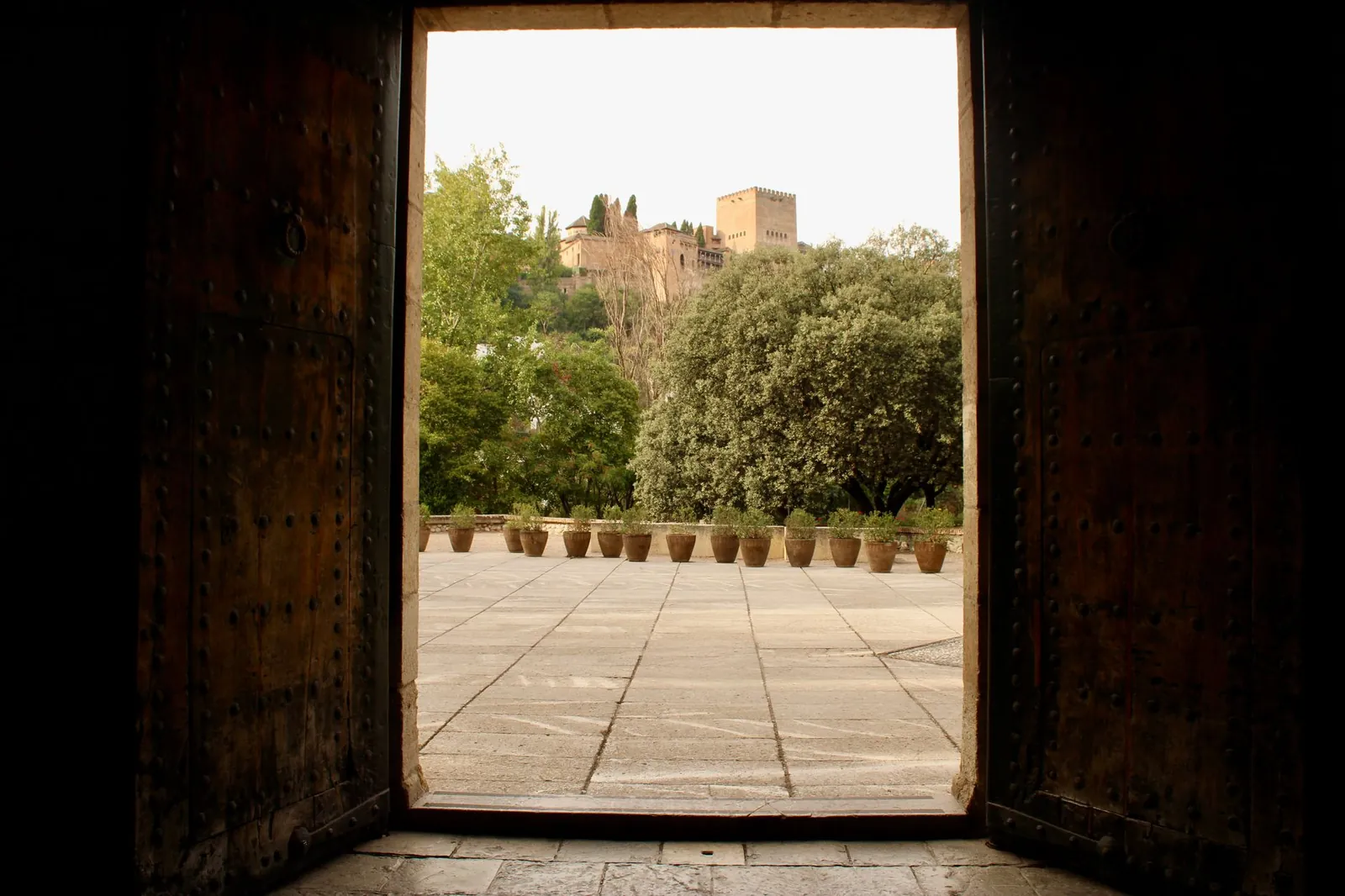
Seville’s key attractions, such as the Real Alcázar and its Cathedral, command attention with their monumental scale and detailed beauty, with the Alcázar’s general entry costing €15.50, confirmed on the Patronato’s own site, and requiring online booking at least 1-2 weeks in advance. The city offers a direct, powerful encounter with history and art. You can spend a solid three hours exploring the Royal Alcázar’s intricate Mudejar palaces, lush gardens, and quiet courtyards, feeling transported through centuries of diverse architectural influence. It’s open daily from 9:30 AM to 6:00 PM (October to March) or 8:00 PM (April to September). Just across the plaza, the Seville Cathedral and its Giralda bell tower beckon. Entry is €13 online or €14 at the ticket office, confirmed on the Cathedral Chapter’s own site, and climbing the Giralda offers an expansive view over the city’s rooftops. Give yourself at least two hours here. Beyond these major landmarks, Seville offers the dramatic sweep of Plaza de España, the winding alleys of the Santa Cruz quarter, and the authentic pulse of the Triana neighborhood. Exploring the Triana Seville neighborhood daily life, for instance, offers a glimpse into a very different side of the city’s heritage.
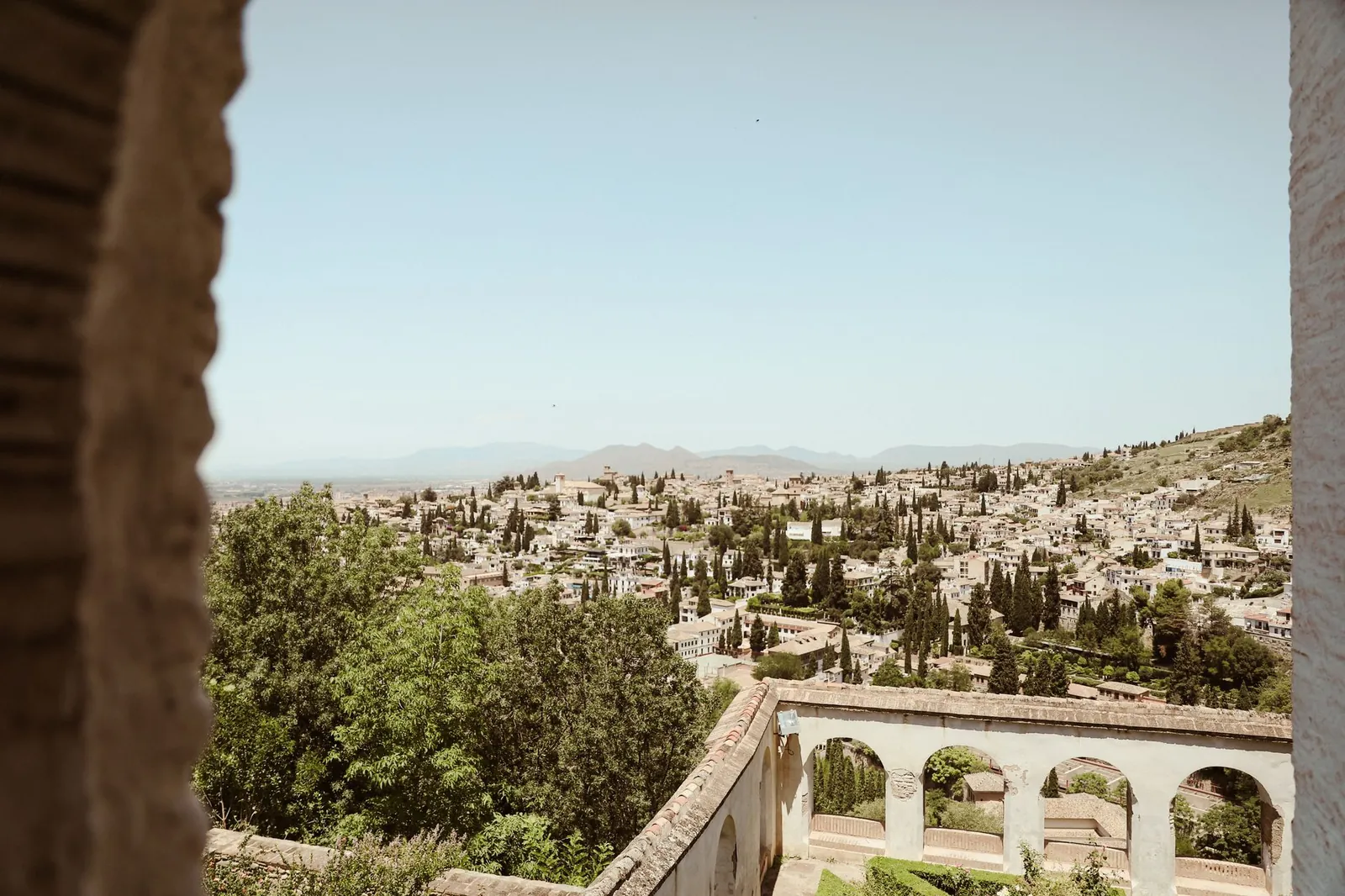
Granada’s undeniable star is the Alhambra, an architectural marvel that merges Moorish artistry with a dramatic defensive structure, with a standard general entry ticket priced at €22.27, confirmed on the Patronato de la Alhambra’s own site. Its Nasrid Palaces are famous, and securing a timed entry slot for them means you must book your ticket a minimum of 2-3 months ahead, especially for peak seasons (spring, autumn, holidays). The Alhambra complex opens at 8:30 AM and closes at 6:00 PM (October to March) or 8:00 PM (April to September), and you should plan for at least 3-4 hours to properly experience the entire site, including the Generalife gardens. The Palaces themselves take about 1.5 hours. Outside the Alhambra, Granada’s magic lies in its historic neighborhoods. The Albaicín, a UNESCO World Heritage site, is a maze of narrow, cobbled streets, whitewashed houses, and hidden plazas offering unexpected glimpses of the Alhambra. The Mirador de San Nicolás viewpoint in the Albaicín offers an iconic sunset view of the Alhambra and Sierra Nevada. Adjacent to the Albaicín is Sacromonte, famous for its cave dwellings and traditional flamenco shows, often in more intimate settings. These areas encourage exploration without a strict itinerary; getting lost is part of the fun. You’ll stumble upon small artisan shops, tea houses, and local taverns that feel centuries old. For a deeper dive into the city’s unique history, the Museo Cuevas del Sacromonte (entry €5) offers insight into the traditional cave-dwelling lifestyle.
- Seville’s Must-Dos:
- Real Alcázar (Moorish palaces and gardens, book ahead online).
- Seville Cathedral & Giralda Tower (climb for views, €13-14 entry).
- Plaza de España (grand, free to roam).
- Walk through Santa Cruz quarter (historic Jewish quarter).
- Cross the Triana Bridge to experience a different side of the city.
- Granada’s Must-Dos:
- The Alhambra & Generalife (Nasrid Palaces require timed entry, book far in advance).
- Wander the Albaicín (cobbled streets, viewpoints).
- Mirador de San Nicolás (iconic Alhambra views, especially at sunset).
- Explore Sacromonte’s cave dwellings and flamenco spots.
- Visit the Cathedral (€7, or €10 during the KERYGMA exhibition, confirmed on the archdiocese’s own ticketing site) and the adjoining Royal Chapel (final resting place of the Catholic Monarchs; check the archdiocese’s site for the current combined-ticket price).
Food Culture and Everyday Delights: Tastes That Stick With You
The culinary scenes in Seville and Granada each offer distinct experiences that truly get under the skin of Spanish life, though Granada stands out with its long-standing tradition of serving a complimentary tapa with every drink. In Granada, you’ll typically pay around €2.50 to €3.50 for a small soft drink or coffee, and with it, you’ll receive a small, often delicious, tapa chosen by the bar. This tradition means you can graze your way through several bars, trying different bites – from a mini burger or a plate of fried fish to a slice of tortilla or a regional specialty – for the price of your drinks. It’s a fantastic, economical way to experience local food culture. Some popular spots like Bar Los Diamantes are famous for their seafood tapas, while Bodegas Castañeda offers a classic, lively atmosphere with traditional Granadino fare. You can easily have a satisfying meal by visiting three or four bars without ordering a single dish from the menu. Don’t expect to choose your tapa, though; it’s part of the surprise!
Seville’s food scene, while also excellent, operates differently. Here, tapas are typically ordered à la carte, meaning you pay for each plate, which generally costs between €3 and €5 for a small tapa, or €7 to €10 for a media ración (half portion). This approach allows you to curate your meal exactly, choosing from extensive menus. Seville is known for its wide variety of traditional Andalusian dishes, from slow-cooked stews like carrillada (pork cheek) to fresh seafood. You’ll find everything from traditional, no-frills bars like El Rinconcillo (the oldest bar in Seville) to more modern, inventive tapas spots. The atmosphere is often more focused on sitting and savoring rather than quickly moving between bars for free bites. A classic Seville experience might involve an afternoon spent trying a few different Seville’s Gazpacho, the Way It’s Actually Made and other dishes at a few different establishments, perhaps ending with a pastry from a traditional ‘confitería’. While you pay for each item, the quality and variety are consistently high. Both cities offer excellent local markets for fresh produce, cheeses, and cured meats. In Seville, Triana Market is a must-visit, while Granada’s Mercado San Agustín offers a similar local buzz.
- For Granada’s Tapa Culture:
- Order a drink (around €2.50-€3.50), receive a free tapa.
- Don’t expect to choose; enjoy the surprise.
- Ideal for grazing and trying many things on a budget.
- Go to Bar Los Diamantes or Bodegas Castañeda for a classic experience.
- For Seville’s Tapa Culture:
- Order tapas à la carte (typically €3-€5 per tapa).
- Focus on quality and specific dishes you want to try.
- Offers more choice and a sit-down dining experience.
- Try El Rinconcillo for historic atmosphere or Eslava for modern tapas.
Practicalities and Movement: Navigating Your Chosen Soulscape
Moving between Seville and Granada is straightforward, with a comfortable train journey via Renfe taking approximately 2 hours and 30 minutes, typically costing between €25 and €40 for a standard ticket booked in advance. This makes combining the two cities entirely feasible if your itinerary allows for it. Inside each city, however, the experience of getting around varies significantly. Seville is largely flat, making it exceptionally pedestrian-friendly. Most major attractions are within a 15-20 minute walk of each other, and you can comfortably explore the historic center, Santa Cruz, and Triana entirely on foot. For longer distances, Seville has an efficient metro system with one main line, a tram line (Metrocentro) covering key central areas, and an extensive bus network. A single bus or tram ticket costs €1.40, or you can purchase a multi-trip ‘Tarjeta de Transporte’ for better value, which can be recharged. Taxis are plentiful, with fares typically starting around €5-€7 for short rides within the city center. Accommodations in Seville are diverse, ranging from grand hotels near the Cathedral to boutique guesthouses in Santa Cruz or apartments in Triana. Booking a few months ahead, especially during peak season, is advisable; for instance, you can compare hotel options in Seville for better deals.
Granada, by contrast, is a city of hills. While the main city center is relatively flat and walkable, exploring the iconic Albaicín and Sacromonte neighborhoods involves significant uphill climbs and cobbled streets. This adds to its charm but can be physically demanding for some. Comfortable shoes are not optional here; they are essential. Granada’s public transport includes a compact bus network that connects the city center with the upper Albaicín (C31, C32, C34 lines) and Sacromonte (C34 line), and a modern tram-like metro line that runs across the city, though it’s less useful for the historic core. A single bus ticket costs €1.60, confirmed on the city’s mobility authority site, and a rechargable ‘Bonobus’ card offers reduced fares. Taxis are also available, and they are often the best choice for getting to your accommodation in the higher parts of the Albaicín if you have luggage, costing around €7-€10 from the train station to the Albaicín. Accommodation in Granada offers a different flavor: many choose to stay in restored guesthouses within the Albaicín for the atmosphere, though access can be challenging for vehicles, or opt for hotels in the modern city center for convenience. You’ll find many unique guided tours and activities available for both cities. For example, you can discover unique tours in Seville to enhance your visit.
- **Accessibility (Walking):**
- Seville: Very walkable, mostly flat, wide streets.
- Granada: Hilly, especially in historic quarters, requires good mobility.
- **Public Transport Costs (Single Ticket):**
- Seville (Bus/Tram): €1.40
- Granada (Bus/Metro): €1.60
- **Inter-city Travel (Train):**
- Seville to Granada: 2h 30m, €25-€40 (book via Renfe)
When to Go and How Long to Stay: Maximising Your Connection
To truly experience either Seville or Granada without the intense summer heat or peak crowds, the shoulder seasons of spring (April-May) and autumn (September-October) are generally the most rewarding times, offering pleasant temperatures typically ranging from 18°C to 28°C. For Seville, a minimum of three full days is essential to adequately see the main sights like the Alcázar, Cathedral, and Plaza de España, and to absorb the distinct atmosphere of neighborhoods like Santa Cruz and Triana. If you’re hoping to experience Feria de Abril Seville Tips: A Local’s Guide to Fiesta or Semana Santa (Easter Holy Week), be aware that these extremely popular festivals usually fall in April and require booking accommodation and transport many months, sometimes even a year, in advance due to massive crowds and increased prices. Visiting Seville during July and August, when temperatures often exceed 35°C, can be challenging; many locals head to the coast, and the midday sun makes extensive outdoor exploration difficult.
Granada, being smaller and more focused around the Alhambra, can be enjoyed deeply in two to three full days. This allows you a dedicated half-day for the Alhambra itself, another day for exploring the Albaicín and Sacromonte, and time to enjoy the city center and its unique tapas culture. Like Seville, spring and autumn offer the best weather. However, Granada’s elevation and proximity to the Sierra Nevada mean its summers are often slightly milder than Seville’s, and its winters can be quite cold, sometimes even bringing snow to the city and always to the nearby mountains, creating a different kind of charm. If you’re interested in skiing or winter sports, visiting Granada in December can be a unique experience, allowing you to combine city exploration with day trips to the slopes of Sierra Nevada. The Christmas period is also a special time, though expect many shops to close on specific public holidays. Regardless of the season, booking Alhambra tickets well in advance is non-negotiable; they frequently sell out weeks, if not months, ahead, impacting your ability to experience Granada’s crowning jewel.
- Recommended Stay Duration:
- Seville: 3-4 full days.
- Granada: 2-3 full days.
- Best Times to Visit:
- Seville: April-May, September-October (avoid July-August for heat).
- Granada: April-May, September-October (December for winter charm/skiing).
- Key Booking Advice:
- Seville: Accommodation for festivals (Semana Santa, Feria de Abril) far in advance.
- Granada: Alhambra tickets 2-3+ months in advance, regardless of season.
Common Questions About Visiting Andalucía
Is Seville more expensive than Granada?
Generally, Seville tends to be slightly more expensive for accommodation, restaurant meals (as tapas are paid), and some activities compared to Granada. However, Granada’s popularity means Alhambra tickets are a significant fixed cost, and prices for hotels in the Albaicín can be similar to Seville during peak times.
Which city is better for a first-time visitor to Spain?
Seville often presents a more accessible and comprehensive introduction to classic Andalusian culture, with grand, easily navigable attractions and a very open, welcoming atmosphere. Granada, while incredible, might feel a little more niche due to its hilly terrain and the intense focus on the Alhambra, making it perhaps more suited for a second or third visit to the region.
Can I do a day trip from one city to the other?
While technically possible, doing a day trip from Seville to Granada (or vice versa) is not recommended. The train journey alone is 2.5-3 hours each way, leaving insufficient time to properly explore either city’s major attractions. Both cities deserve at least two full days to truly appreciate them.
Which city has better flamenco?
Both cities offer exceptional flamenco, but with different styles. Seville is known for its more polished, traditional, and often theatrical performances in dedicated tablaos or cultural centers. Granada’s flamenco, especially in Sacromonte’s cave venues, tends to be raw, passionate, and deeply personal, often with strong Romani roots. Neither is “better,” just different experiences.
Ultimately, your choice between Seville and Granada really depends on the kind of experience you’re seeking in Andalucía. If you dream of grand gestures, lively public life, and a classic Spanish aesthetic, Seville will likely capture your heart with its expansive plazas and dramatic history. But if you’re drawn to winding ancient paths, intimate discoveries, and a city where history whispers from every stone against a backdrop of mountains, Granada will claim your soul. No matter which you pick first, know that Spain has a way of calling you back, perhaps to try the other, or to discover more about Seville orange tree charm makes the whole city sing, waiting for your return.
About the Author
After 15 years living and traveling across Spain, Caro knows this country in a way most travel writers never will. She’s not here to sell you a polished version of Spain, she’s here to show you the real one. Every guide on this site comes from her own experience: the restaurants she eats at, the routes she walks, the festivals she’s actually attended. She writes to cut through the noise and give you what actually matters. Learn more about Caro →