My heart prefers Costa Brava in my costa brava personal choice.
Some links in this guide are affiliate links — if you book through them we may earn a small commission at no extra cost to you. It never changes what we recommend. Full disclosure.
Navigating the sheer variety of Spain’s coastlines can feel like choosing between countless shades of blue, but for me, when it comes to experiencing the true essence of coastal Catalonia, my heart prefers Costa Brava in my costa brava personal choice. Many people picture just the Costa del Sol when they think of Spanish beaches, or maybe the buzzing energy of Barcelona, but they miss out on the distinct character and raw beauty that defines this northern stretch of coastline. This guide isn’t about listing every single beach; it’s about helping you find the places that connect with you, offering specific, honest insights that only come from years of living here and exploring beyond the postcards.
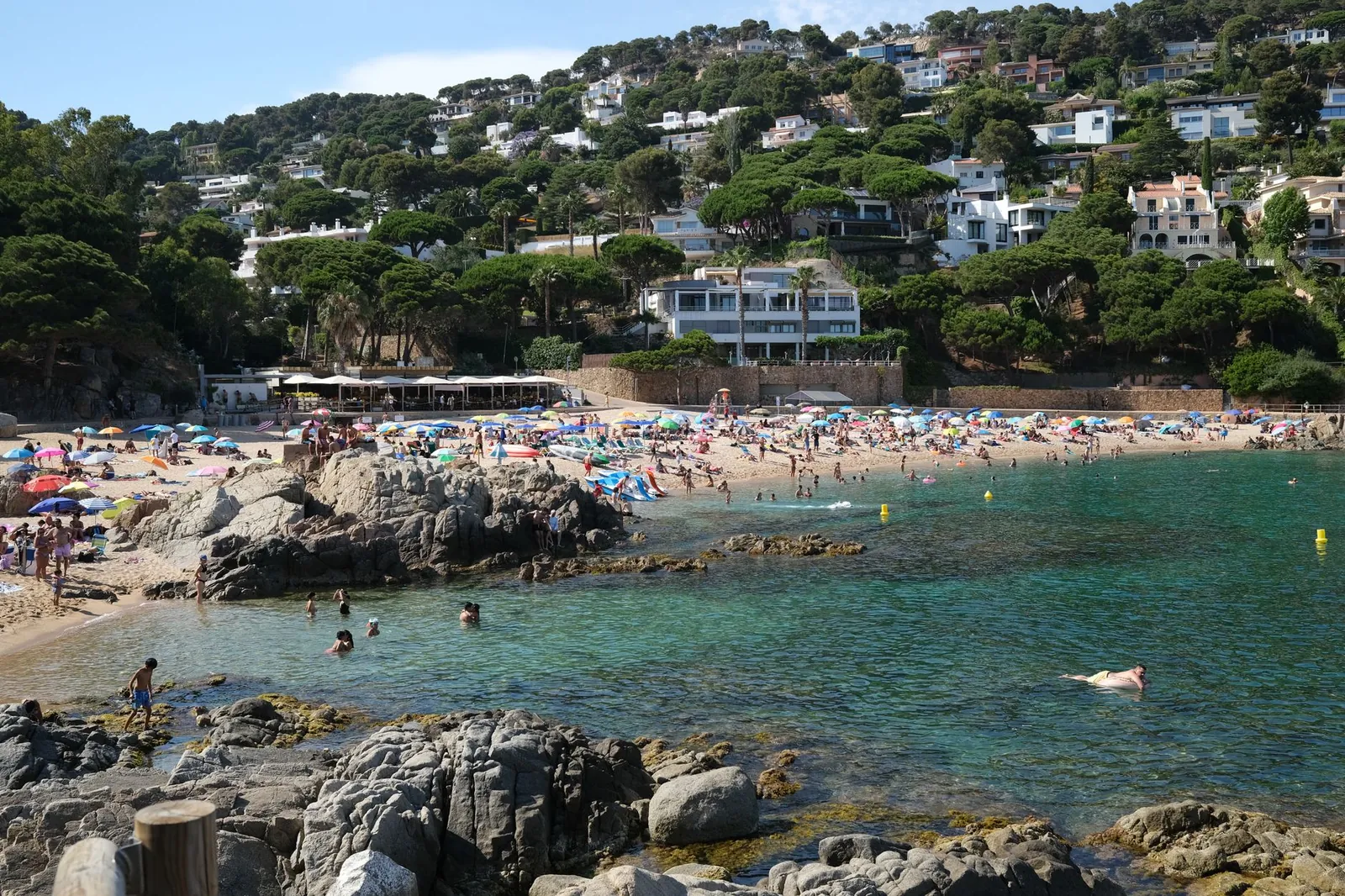
Quick Answer: My Costa Brava Personal Choice
For a balanced blend of authentic character, artistic heritage, and accessible natural beauty, I consistently recommend basing yourself in Cadaqués for at least four days, allowing for a deep dive into its unique atmosphere and day trips to the Cap de Creus Natural Park, with local accommodation costing around €80-€150 per night in a mid-range guesthouse during shoulder season.
Choosing Your Costa Brava Base: Where to Anchor Your Journey
Selecting your perfect base along the Costa Brava is crucial, and while many towns offer appeal, Cadaqués, with its distinct white-washed buildings and artistic legacy, remains my top recommendation for a stay of three nights or more, providing a serene yet engaging experience with guesthouses typically starting from €75 in low season. This town, famously a haunt of Salvador Dalí, feels like a world apart from the more developed resorts further south. It’s nestled in a natural bay, offering a unique blend of fishing village charm and bohemian history.
If you’re looking for something with a bit more historical architecture and family-friendly amenities, Tossa de Mar is another excellent option. Its medieval walled enclosure, Vila Vella, is the only remaining fortified medieval town on the Catalan coast, and walking its cobblestone streets offers a glimpse into centuries past. You can access the lighthouse at the top of Vila Vella free of charge, and the views stretching out over the Mediterranean are truly special. Expect to find good family hotels here ranging from €90-€180 per night during the summer months.
For those who prefer a livelier atmosphere with direct access to hiking paths and beautiful beaches, Calella de Palafrugell and its neighbor Llafranc present a sophisticated option. These two towns are connected by a scenic coastal path that takes about 15-20 minutes to walk, offering stunning views and access to small coves. While slightly more upscale, you can still find pleasant apartments for rent starting around €100-€200 per night, though they book up very fast for July and August. They offer excellent access to the Cami de Ronda coastal paths.
Here’s a quick comparison of my preferred towns:
| Town | Primary Appeal | Typical Mid-Range Accommodation Cost (per night) | Recommended Stay Duration |
|---|---|---|---|
| Cadaqués | Artistic heritage, unique atmosphere, natural beauty | €80 – €150 (shoulder season) | 3-5 nights |
| Tossa de Mar | Medieval history, family-friendly, accessible beaches | €90 – €180 (summer) | 2-4 nights |
| Calella de Palafrugell/Llafranc | Coastal walks, sophisticated atmosphere, good dining | €100 – €200 (summer) | 3-4 nights |
When selecting your base, consider what you want from your trip. Do you want quiet mornings with artistic inspiration, bustling evenings with family fun, or active days exploring trails? Each town offers a distinct flavor of the Costa Brava, and choosing wisely makes all the difference.
Exploring the Wild Beauty: Coastal Paths and Natural Parks
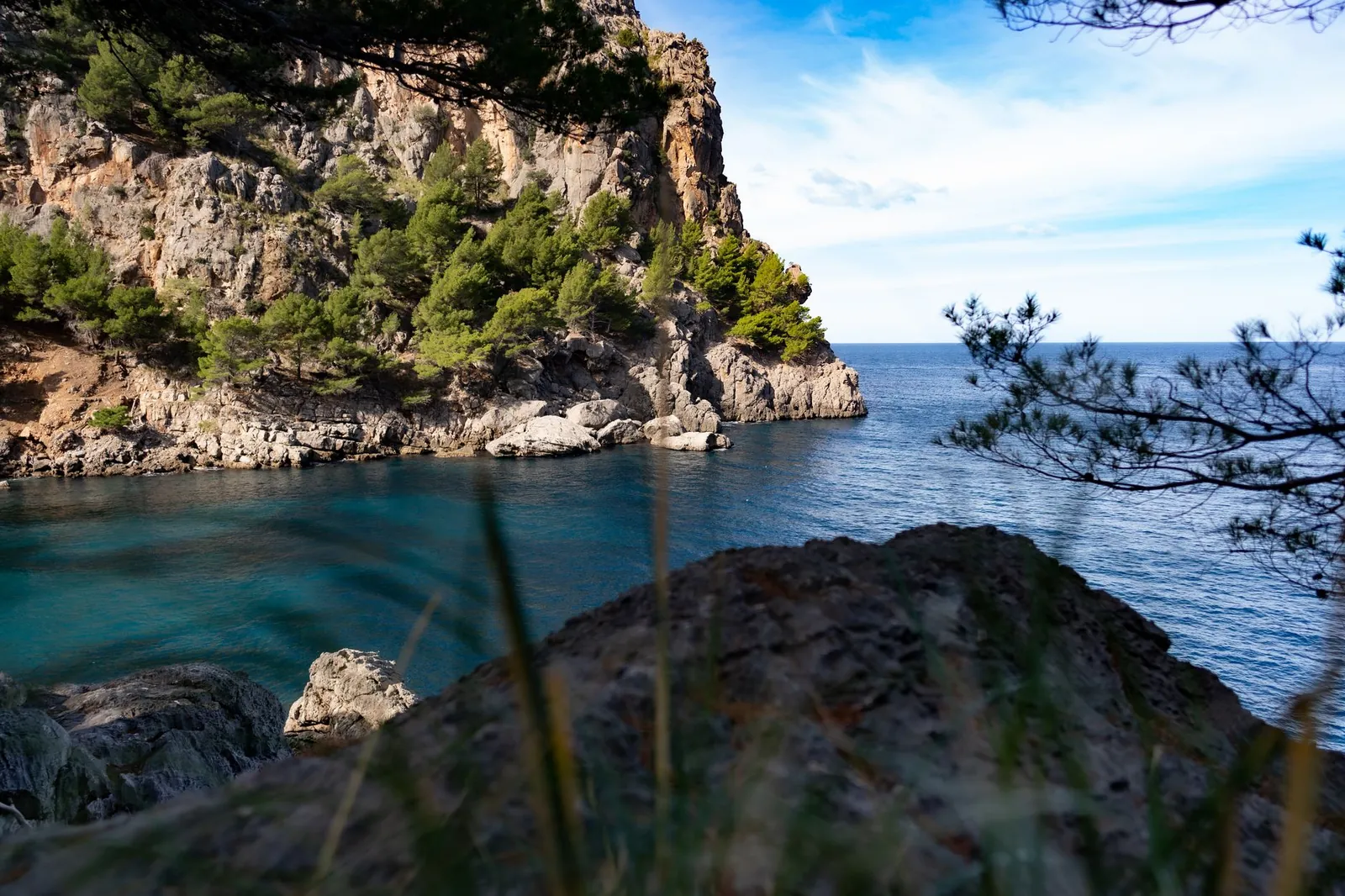
The Costa Brava truly lives up to its name – “Wild Coast” – with rugged cliffs, hidden coves, and extensive hiking paths that are freely accessible year-round, offering unparalleled coastal exploration. The most iconic of these paths is the Cami de Ronda, a network of old patrol paths that follow the entire coastline, allowing you to walk from town to town, experiencing views that are impossible to see from a car.
One of my favorite sections stretches from Llafranc to Calella de Palafrugell, a relatively easy 1.5 km walk taking about 20 minutes, offering fantastic views of the boats in the harbor and the rocky coastline. For a more adventurous trek, the path from Cadaqués to the Cap de Creus lighthouse (Faro de Cap de Creus) is essential. This 6 km route takes about 2 hours one way on a clear, well-marked path, but parts can be uneven and exposed. You’ll need sturdy walking shoes, plenty of water, and sun protection, especially between May and September when temperatures can reach 30°C.
Cap de Creus Natural Park itself is a geological wonder. The landscape here is sculpted by the wind and sea, creating bizarre rock formations that inspired Dalí’s art. Entry to the park is free, and there are several marked trails varying in difficulty and length. You can spend an entire day exploring the different coves and viewing points. I recommend parking at the specific visitor parking areas (often paid during peak season, expect €3-€5 for a few hours) and following the signs for the designated walking routes to protect the fragile ecosystem.
For a different natural experience, head inland slightly to the volcanic region of La Garrotxa. While not strictly coastal, it’s easily accessible and offers a dramatic change of scenery with its dozens of dormant volcanoes and rich forests. You can walk through craters and enjoy the cooler temperatures. The Fageda d’en Jordà, a beech forest grown on a lava flow, is particularly special, especially in autumn when the leaves turn golden. Entry to the park and its main trails is free, and there are well-maintained walking routes for all abilities.
Important tips for coastal walking:
- Always carry enough water; some sections of the Cami de Ronda do not have facilities for several kilometers.
- Wear appropriate footwear – sandals are not suitable for rocky or uneven paths.
- Check weather forecasts, as sudden storms can make coastal paths slippery and dangerous.
- Stick to marked paths to protect the environment and for your own safety.
- Start early in the morning during summer to avoid the midday heat.
Taste of the Catalan Coast: Beyond the Expected
The Costa Brava offers a genuine, unpretentious food culture that extends far beyond typical tourist menus, focusing on fresh, seasonal ingredients from both the sea and the region’s fertile lands. You’ll find that the true culinary soul here lies in simple, well-prepared dishes, often served in unassumingly excellent local restaurants. Forget what you think you know about Spanish food; here, the flavors are distinctively Catalan.
One dish you must seek out is suquet de peix, a hearty fish stew that varies from one family to the next but always features local fish (like monkfish or hake), potatoes, and a rich, saffron-infused broth. A good bowl of suquet will cost you around €20-€30, depending on the restaurant and the fish included. Many restaurants in Cadaqués and Calella de Palafrugell will feature this as a specialty.
Another local favorite is arròs negre, or “black rice,” a paella-style dish where squid ink gives the rice its distinctive color and a deep, savory flavor, often served with a dollop of aioli. A portion for two usually costs between €35-€50. Look for it at seaside eateries where they specialize in rice dishes.
For a truly local experience, visit the daily fish market in Palamós (Mercat del Peix de Palamós) which operates typically from 9:00 to 13:00, Monday to Saturday. You can see the morning’s catch being brought in and sold. While not a place to eat on the spot, it’s a wonderful way to understand the source of the region’s incredible seafood. If you’re staying in an apartment, buying fresh ingredients here to cook your own meal is a fantastic idea. Prices for fresh fish like hake or sea bass can range from €15-€30 per kilo, depending on the season and species.
Don’t overlook the simple pleasures, either. Try pa amb tomàquet (bread with tomato), a staple of Catalan cuisine where ripe tomatoes are rubbed onto toasted bread with olive oil and a pinch of salt. It’s a perfect accompaniment to almost any meal or a light breakfast. Many bakeries (forns) also sell traditional sweets like bunyols de l’Empordà, delicate fried pastries, especially around Easter. A small bag usually costs €3-€5.
And while Michelin stars are present, like El Celler de Can Roca (which needs reservations months in advance and costs upwards of €250 per person), the real heart of Costa Brava’s food scene is found in the smaller, family-run establishments where the focus is on quality ingredients and tradition. Always check the daily specials (platos del día or menú del día) which often offer excellent value, typically €15-€25 for a three-course meal with drinks during lunch hours.
Immersing in Art and History: Dalí, Medieval Towns, and More
The Costa Brava is steeped in artistic and historical significance, with the legacy of Salvador Dalí being a prominent thread, offering unique cultural experiences often costing under €20 per site entry. No visit to this region is complete without exploring the Dalí Theatre-Museum in Figueres. This isn’t just a museum; it’s a surrealist masterpiece created by Dalí himself, designed to immerse you in his mind. Entry costs €17 for adults (free for children under 9) and tickets should be booked online well in advance, especially during peak season, at Salvador Dalí Foundation. It’s open from 10:00 to 18:00 (hours vary by season, check their website). Allow at least 2-3 hours for your visit.
Beyond Figueres, you can visit Dalí’s House-Museum in Portlligat, a small fishing village just outside Cadaqués. This was his home and studio for many years, offering an intimate look at his life and work. Due to its small size, entry is by pre-booked timed ticket only, costing €14 for adults, and it’s essential to book weeks, if not months, ahead directly through the foundation’s website. If you’re truly fascinated by his work, don’t miss the Castell Gala Dalí in Púbol, a medieval castle he gifted to his wife, Gala, and where she is buried. Entry is €9 for adults.
But the Costa Brava’s history isn’t just about Dalí. The region is dotted with well-preserved medieval towns that offer a glimpse into Catalonia’s past. Pals, with its cobblestone streets, stone arches, and medieval clock tower, is one of the most striking. Walking through its ancient center, you feel transported back in time. There’s no entry fee for the town itself, though specific towers or museums might have a small charge (typically €2-€5). Peratallada is another gem, a fully fortified village built around a castle, its narrow streets leading to quaint squares. These towns are small enough to explore in an hour or two each, making them perfect for a leisurely afternoon trip. For a different side of Spain’s past, you might be interested in exploring some of my favorite quiet medieval towns in Castile, which offer a distinct architectural and historical feel compared to Catalonia.
For Roman history enthusiasts, the Empúries archaeological site near L’Escala is a must. It’s the only archaeological site in Spain where you can see the remains of a Greek city (Emporion) and a Roman city (Emporiae) side-by-side. Entry is €6 for adults, and it’s open from 10:00 to 18:00 (again, check seasonal variations). The site is expansive and overlooks the sea, making for a very evocative visit.
When planning your visits, remember that many smaller museums or historical sites close for a midday siesta, typically between 14:00 and 16:00, so plan your itinerary accordingly.
Practicalities for Your Costa Brava Adventure: Getting Around & Making it Count
Navigating the Costa Brava requires a bit of planning, but a combination of local buses and, ideally, a rental car provides the most freedom, with car rentals from Girona Airport starting around €30 per day in shoulder season. While public transport links some of the larger towns and cities, a car allows you to reach the more secluded coves, smaller medieval villages, and trailheads that make the Costa Brava so special.
If you fly into Girona-Costa Brava Airport (GRO), you can pick up a rental car directly there. Several international companies like Europcar, Avis, and Hertz operate desks. Booking in advance will secure a better rate. Note that parking in popular towns like Cadaqués can be challenging and expensive, sometimes €3-€5 per hour in central areas or €15-€20 for a full day in designated parking lots. Many towns have white lines (free parking), blue lines (paid parking, usually limited to 2 hours), and yellow lines (no parking). Always pay attention to the signage.
For those relying on public transport, the Sarfa bus company operates most routes connecting coastal towns to Girona and Barcelona. A bus ticket from Girona city center to Cadaqués can cost around €8-€10 one way and takes approximately 1 hour 45 minutes. From Barcelona, a direct bus to Lloret de Mar might cost €12-€15 and take about 1.5 hours, while getting to Cadaqués involves transfers and a longer journey. Check schedules carefully on their website, as services are less frequent on weekends and outside of peak summer. You can also travel by train from Barcelona to Girona (a high-speed train takes about 40 minutes, costing €10-€20 one way via Renfe), and then connect to a bus.
The best time to visit the Costa Brava is during the shoulder seasons: May-June and September-October. During these months, the weather is pleasantly warm (typically 20°C-28°C), the crowds are thinner, and prices for accommodation and activities are more reasonable. July and August are the peak season, with temperatures often exceeding 30°C and towns becoming very busy, leading to higher prices and crowded beaches. If you travel then, book everything far in advance and be prepared for the heat.
Here are some tips for making your trip smoother:
- Book Accommodation Early: Especially if you’re targeting specific guesthouses in smaller towns, secure your stay well in advance. You can often find great Cadaqués hotels on Booking.com.
- Learn Basic Catalan Phrases: While Spanish is widely spoken, making an effort with Catalan (hello: hola, thank you: gràcies, please: sisplau) will be appreciated by locals.
- Carry Cash: While cards are widely accepted, some smaller shops or market stalls might be cash-only, and it’s useful for small purchases or tips.
- Embrace the Siesta: Many shops and businesses outside of tourist hotspots close for a few hours in the afternoon. Plan your errands or shopping for mornings or late afternoons.
- Consider a Local Guide: For specific activities like kayaking or diving, or to delve deeper into Dalí’s world, consider booking a guided tour through platforms like Viator for Cadaqués tours. A local guide can offer insights you wouldn’t find otherwise.
Common Questions About Costa Brava Visits
Is Costa Brava expensive for a week?
A week on the Costa Brava can range from €700 for budget travelers (staying in hostels or basic apartments, cooking some meals) to over €2000 for a more comfortable trip, including mid-range hotels, dining out frequently, and some paid activities like boat trips or museum entries. Car rental adds around €200-€300 per week, while public transport is cheaper but less flexible.
Which is better, Costa Brava or Costa del Sol?
The Costa Brava offers a wilder, more rugged coastline with a strong Catalan cultural identity, artistic heritage (Dalí), and a focus on natural parks and walking trails. The Costa del Sol in Andalusia is known for its extensive sandy beaches, golf courses, and a more pronounced ‘resort’ feel, with very different architecture and cultural traditions. Your preference depends on whether you seek cultural immersion and dramatic landscapes or a sun-and-sand focused holiday; for me, the rugged beauty of the north is more compelling, though I also appreciate the distinct character of places like Seville and Granada further south.
What are the must-see towns in Costa Brava?
The absolute must-see towns on the Costa Brava include Cadaqués for its unique artistic atmosphere and proximity to Cap de Creus, Tossa de Mar for its incredibly well-preserved medieval walled town, and Calella de Palafrugell for its authentic fishing village feel and access to beautiful coastal walks. Figueres is a must-visit for the Dalí Theatre-Museum, though less of a coastal town itself.
Is the Costa Brava crowded in summer?
Yes, the Costa Brava, particularly popular towns and beaches, can become very crowded during the peak summer months of July and August. Accommodation prices rise significantly, roads can be congested, and finding parking becomes challenging. If you prefer a quieter experience, I strongly recommend visiting during the shoulder seasons of May, June, September, or early October, when the weather is still pleasant but the crowds have thinned out.
The Costa Brava offers a truly distinct and deeply rewarding experience, a contrast to many other Spanish coastal regions, inviting you to slow down, explore its raw beauty, and savor the unique Catalan culture that defines it. This northern stretch of coastline, with its blend of artistic legacy, unspoiled natural parks, and villages that feel genuinely untouched by time, has consistently captured my affection over the years, proving that sometimes, the wildest places hold the deepest charm.
About the Author
After 15 years living and traveling across Spain, Caro knows this country in a way most travel writers never will. She’s not here to sell you a polished version of Spain, she’s here to show you the real one. Every guide on this site comes from her own experience: the restaurants she eats at, the routes she walks, the festivals she’s actually attended. She writes to cut through the noise and give you what actually matters. Learn more about Caro →