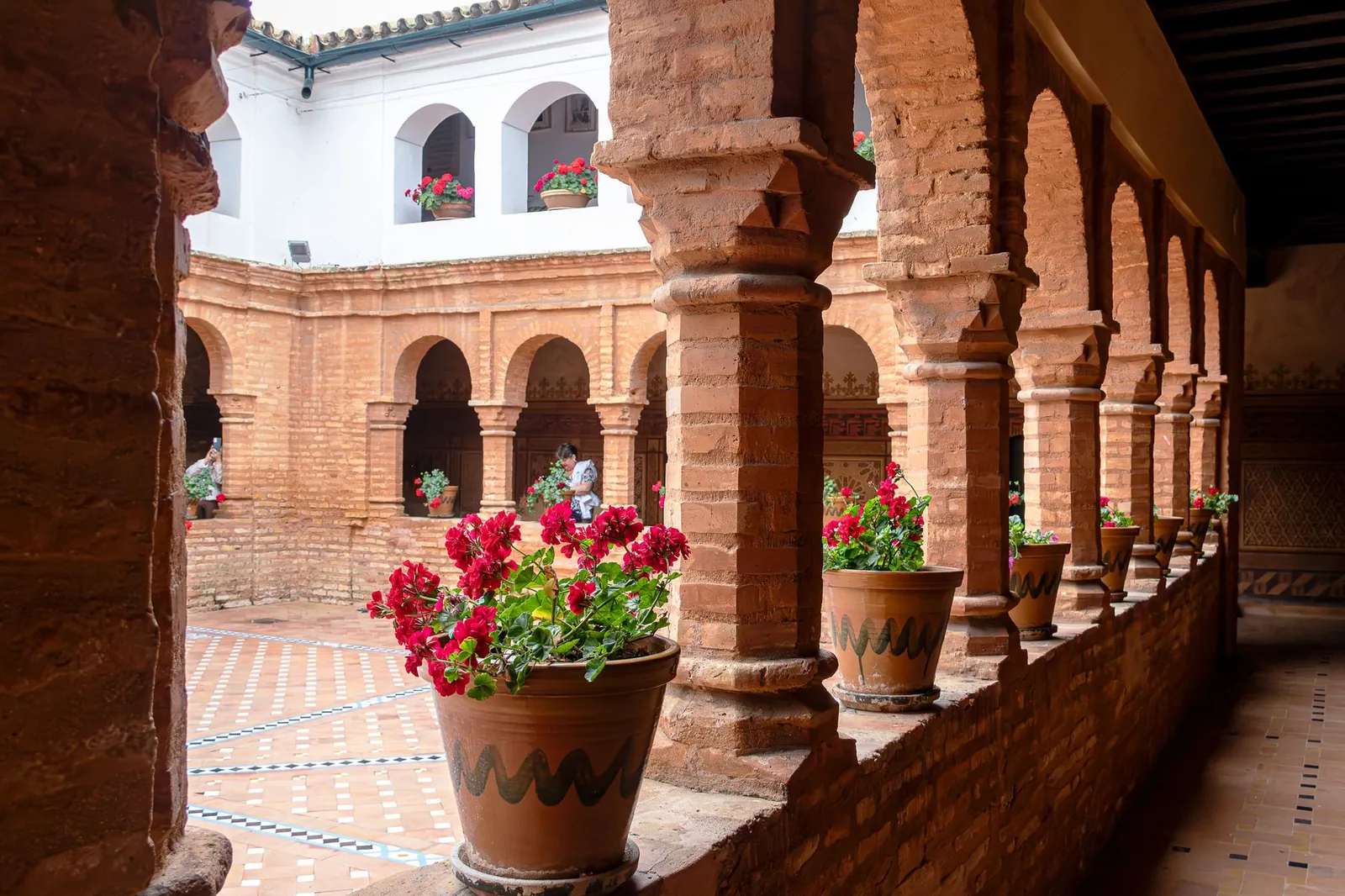
The calm of Madrid private courtyards calls me to peace.
Some links in this guide are affiliate links — if you book through them we may earn a small commission at no extra cost to you. It never changes what we recommend. Full disclosure.
Madrid, to most, is a city of buzzing plazas, endless tapas bars, and a pulse that never seems to quiet down. But what if I told you there’s a quieter side, a collection of madrid private courtyards, hidden pockets of calm that feel like stepping into a different time? These aren’t just pretty spaces; they are havens that offer a real sense of peace, a breath of fresh air amidst the energetic pace of the Spanish capital. After 15 years living here, these secluded spots have become my personal retreats, the places I go when the city’s energy demands a moment of quiet reflection, and I’m eager for you to discover the serene beauty they hold.
Quick Answer: Madrid’s Peaceful Patios
Madrid’s private courtyards offer tranquil escapes from the city’s energy, found in historic museums, grand palaces, and even some lesser-known residential buildings, with many accessible for free or a small entry fee typically ranging from €0 to €15, providing a unique cultural experience that reveals a calmer side of the capital.
The Enduring Appeal of Madrid’s Patio Culture
The practice of creating internal patios, or patios, in Spanish homes and public buildings dates back centuries, rooted in Roman and Moorish architectural traditions, and these spaces remain a vital part of Madrid’s cultural fabric, offering a constant microclimate and a connection to nature in the heart of the city.
Think about the typical Madrid summer: the sun beats down, the streets shimmer with heat. Before air conditioning, these enclosed courtyards were ingenious solutions for keeping homes cool and providing a shaded, airy living space. They were the original social hubs, places for families to gather, for neighbors to chat, and for daily life to unfold away from the dust and noise of the street. Today, that function still holds, even if it’s more about mental respite than strictly physical comfort. You’ll find yourself instantly lowering your voice, slowing your pace, and just breathing a little deeper.
Many of these courtyards were built as part of grand residences or religious institutions, designed not just for utility but also for beauty and prestige. They often feature intricate tile work, lush greenery, and sometimes even small fountains or ancient wells, each telling a story of the past. Walking through one, you’re not just seeing a space; you’re feeling the echoes of generations who found their own calm within these walls. It’s a connection to the city’s deep history that a bustling plaza simply can’t offer. While some are clearly marked, others require a keen eye and a willingness to peek behind unassuming doorways. It’s an exploration that truly rewards those who seek out the quiet corners of Madrid.
Finding Your Peace: Accessible Courtyards You Can Visit
Several publicly accessible courtyards in Madrid offer a direct route to tranquility, with entry fees varying from free to around €15, allowing visitors to experience diverse historical and architectural styles throughout the week, often from 10:00 to 18:00.
One of my absolute favorites for a guaranteed dose of calm is the Casa Museo Lope de Vega. This house, where the famous playwright lived, is a perfectly preserved example of a 17th-century Madrid home, complete with a beautiful, understated patio garden. It’s a truly intimate experience. Entry is free, but you need to join a guided tour (available in Spanish and English) as individual access to the house is not permitted. Tours run Tuesday to Sunday, with specific time slots, so book in advance on their official website. I always recommend checking their official schedule as it can change, but generally, tours start from 10:00 and the last one is at 17:00. The garden itself feels like a secret, a lush green space with orange trees and fragrant herbs that transports you away from the Calle de Cervantes. Allow yourself about an hour for the tour and extra time to simply absorb the garden’s atmosphere.
For a different kind of grandeur, consider the courtyards within the Palacio de Liria, the main residence of the Duke of Alba. While not an open garden, the guided tour (ticket price around €15 for general admission) allows you to experience the internal courtyards that connect the various wings of this magnificent palace. The tours are meticulously organized, running every day except Tuesdays, with the first entry at 10:30 and the last at 19:15. This is a chance to see how royalty and nobility lived, with the courtyards serving as grand, light-filled focal points rather than secluded retreats. The sheer scale and artistry are impressive, offering a sense of calm born from historical elegance. Book your tickets online well in advance, especially for weekend visits.
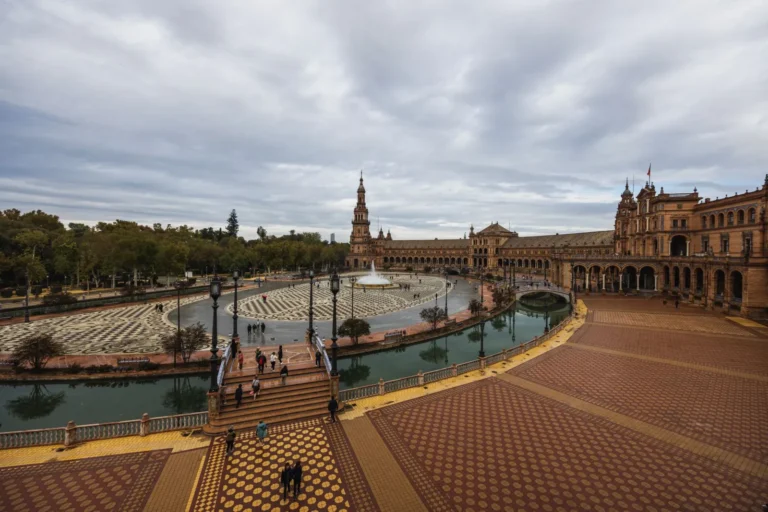
Then there’s the Museo Sorolla, a former home and studio of the painter Joaquín Sorolla, which features three distinct patio gardens that are a true delight. The museum entry is around €3, or free on specific days and times (like Saturdays from 14:00 and Sundays all day). The museum is open Tuesday to Saturday from 9:30 to 20:00, and Sundays from 10:00 to 15:00. The patios here, designed by Sorolla himself, are inspired by the gardens of the Alcázar in Seville and the Alhambra in Granada, creating a stunning backdrop to his art. They are smaller, more intimate, and incredibly peaceful, with fountains gurgling softly and colorful flowers in bloom. It’s a place where you can sit on a bench, listen to the water, and truly unwind. The details in the tiling and planting are exquisite, making it an ideal spot for quiet contemplation.
Finally, for a glimpse into traditional Madrileño residential courtyards, though often not fully accessible, consider walking through neighborhoods like La Latina or parts of Centro. You might catch glimpses through open doorways or grilles. One specific example, though not a “private courtyard” in the sense of open access, is the external view of the Convento de las Carboneras. You can peer through a heavy wooden grille into their cloister from the street (Calle del Conde de Miranda, 3) and hear the faint sounds of cloistered life. While you can’t enter, the sense of a hidden world beyond the stone walls is powerful. They also sell homemade sweets through a “turnstile” – a delightful, if brief, interaction with a centuries-old tradition.
| Courtyard Name | Type | Approx. Entry Fee (EUR) | Typical Opening Hours | Key Feature |
|---|---|---|---|---|
| Casa Museo Lope de Vega | Historic House & Garden | Free (guided tour required) | Tue-Sun, 10:00-17:00 (check for exact tour times) | Intimate 17th-century garden |
| Palacio de Liria | Noble Palace | €15 | Wed-Mon, 10:30-19:15 (check online for slots) | Grand internal courtyards connecting wings |
| Museo Sorolla | Artist’s Home & Garden | €3 (some free slots) | Tue-Sat, 9:30-20:00; Sun, 10:00-15:00 | Andalusian-inspired serene gardens |
| Convento de las Carboneras | Convent (view from street) | Free | Street view always accessible | Glimpse into cloister, traditional sweets via turnstile |
Beyond the Gates: Courtyards with a Purpose
Many of Madrid’s courtyards serve a dual purpose, functioning as peaceful retreats while also hosting cafés, boutiques, or cultural events, allowing you to enjoy a coffee or browse unique items in a serene setting with most establishments opening around 9:00 or 10:00 and closing between 19:00 and 22:00.
These are the places where the traditional courtyard concept meets modern Madrid life. They offer a comfortable space to relax, often with outdoor seating that still provides that enclosed, calm atmosphere. One excellent example is the CentroCentro cultural space, housed within the magnificent Palacio de Cibeles. While the main building is grand, it has internal courtyards and open spaces that are incredibly airy and offer natural light. You’ll find cafes and exhibition areas here, allowing you to enjoy a drink or snack in a beautiful setting. The building itself is open daily from 10:00 to 20:00, and the café usually operates within these hours.
Another beloved spot is the courtyard of the Escuelas Pías de San Fernando, now part of the UNED university and housing a library and a lovely café-restaurant called “La Cafetería de las Escuelas Pías.” The courtyard here is semi-covered, giving it a unique feel, especially on a sunny day when light streams through the glass roof. It’s a popular spot with students and locals alike, but always manages to maintain a low hum of conversation rather than overwhelming noise. It’s ideal for a quiet coffee break or a light lunch. The café generally opens Monday to Friday from 8:00 to 21:00, and Saturdays from 9:00 to 14:00, with varying hours during university holidays.
You’ll also discover smaller, less formalized courtyards within some of Madrid’s historic markets, like the Mercado de la Cebada or even some smaller galleries. These are often shared spaces that small businesses use, sometimes with benches or small tables. They aren’t designed as grand attractions but provide an unexpected moment of calm when you stumble upon them. Always keep an eye out for open doors or archways as you explore the older parts of the city. You might just find a tiny, quiet nook that feels like it’s just for you. This is also where you might find more unique craft shops or small independent eateries, away from the main tourist thoroughfares. Finding these tucked-away places is part of the joy of exploring Where Madrid Actually Eats, Not Where Tourists Do.
Navigating Madrid’s Courtyard Hunt: Practical Tips and What to Expect
Exploring Madrid’s courtyards requires a bit of patience and respect, as many are private residences or managed by institutions, so always check official websites for current hours and reservation requirements, and remember that some truly private courtyards are not accessible to the public.
Here’s what you need to know to make your courtyard exploration smooth and enjoyable:
- Check Ahead: Always, always verify opening hours and any entry requirements on the official website of the specific museum, palace, or institution, like those found at Spain.info. These details can change, especially around holidays. Don’t rely on general travel guides for up-to-the-minute info.
- Respect Privacy: If a doorway is closed or clearly marked “privado,” respect it. Many beautiful courtyards are part of private homes, and while you might get a fleeting glimpse, they are not for public access. The goal is to find peace, not disturb it.
- Best Time to Visit: Weekday mornings, just after opening, are usually the calmest. You’ll avoid the larger crowds and experience the spaces in their most peaceful state. Evenings, especially for courtyards with cafes, can be lovely for a relaxed drink.
- Footwear: You’ll be doing a fair bit of walking, often on cobblestones or uneven surfaces, so comfortable shoes are a must.
- Photography: Be mindful. Some private courtyards, especially in museums or religious institutions, might have restrictions on photography. Always look for signage or ask if unsure. Even when allowed, avoid disturbing others seeking quiet.
- Accessibility: Older buildings sometimes have limited accessibility for wheelchairs or strollers, with steps or narrow passages. If this is a concern, call ahead to the specific venue to confirm.
Madrid is a city that loves to unveil its secrets slowly, and its courtyards are a prime example. The quiet beauty often comes with the understanding that these are cherished spaces, sometimes residential, sometimes sacred. Embrace the journey of discovery, and you’ll uncover a side of Madrid that few tourists truly experience. You can also explore options for small group Madrid experiences that focus on hidden gardens and lesser-known historical sites if you prefer a curated journey.
Seasonal Rhythms: When Madrid’s Courtyards Truly Shine
Madrid’s courtyards transform with the seasons, offering distinct experiences, but they are generally at their most inviting during spring (April-May) and early autumn (September-October) when temperatures range from 18°C to 25°C, making outdoor enjoyment most comfortable.
While the allure of a quiet courtyard is present year-round, certain times of the year enhance the experience. Spring is arguably the best. From April to late May, the gardens burst into life with flowers, the air is mild, and the sun is warm but not scorching. This is when the orange blossoms might scent the air in places like the Casa Museo Lope de Vega, and the fountains feel particularly refreshing. The temperatures are perfect for lingering, typically hovering between 18°C and 23°C.
Early autumn, especially September and early October, is a close second. The intense summer heat has mellowed, leaving behind pleasant temperatures (often 20°C to 25°C), and the light takes on a beautiful golden quality. The greenery in the courtyards is still lush, and the crowds of summer tourists have begun to thin, allowing for a more serene visit. It’s a wonderful time to enjoy a coffee in a courtyard café or simply sit and read.
Even in winter, a sunny Madrid day can make a courtyard visit worthwhile. While the flora might be less abundant, the bare branches and crisp air lend a different, stark beauty. Plus, you’re more likely to have these spaces entirely to yourself. Temperatures can dip, but often stay above freezing during the day, reaching 10°C to 15°C. And of course, in the height of summer, these shaded oases become essential refuges from the intense heat, offering a welcome drop in temperature of several degrees compared to the open streets. While it might be too hot to spend hours outdoors, even 15-20 minutes in a cool, shaded courtyard can revitalize you for the rest of your day’s explorations.
No matter the season, the consistent factor is the peace they offer. They are little bubbles of quiet reflection that contrast beautifully with the city’s outward energy. You will always find a moment of calm, whether surrounded by spring blooms or bathed in the soft light of an autumn afternoon.
Common Questions About Madrid Patios
Are most courtyards in Madrid publicly accessible?
No, many traditional courtyards in Madrid are part of private residences and are not open to the public; however, numerous historic buildings, museums, and cultural centers feature beautiful internal patios that are accessible to visitors, often for free or a small fee.
What is the typical cost to enter a Madrid courtyard?
The cost varies significantly; some courtyards, particularly those in public institutions or cultural centers, are free to enter, while others within museums or grand palaces may require an admission ticket ranging from €3 to €15 for a full visit to the venue.
Can I find food or drink in these courtyard spaces?
Yes, many larger courtyards, especially those part of cultural centers or museums like CentroCentro or the Escuelas Pías, house cafés or restaurants where you can enjoy a drink or a meal. Smaller, truly private courtyards generally do not offer food services.
What’s the best way to discover new courtyards?
The best way to discover new courtyards is to wander through older neighborhoods like La Latina, Conde Duque, or Las Letras, keeping an eye out for open doors, archways, or subtle indications on building façades, and always respect “privado” signs. You can also research specific historic buildings or cultural centers before your visit.
Exploring Madrid’s courtyards is an act of gentle discovery, a patient peeling back of layers to reveal the city’s quieter heart. These spaces are a testament to enduring architectural tradition, a sanctuary in the midst of urban life. They’re where you can truly connect with Madrid’s soul, not just its surface, and find your own moments of peace and reflection. If you’re looking to plan your Spanish journey and want to ensure a comfortable stay, consider browsing Madrid accommodations to find a place that offers its own sense of calm after a day of exploration.
About the Author
After 15 years living and traveling across Spain, Caro knows this country in a way most travel writers never will. She’s not here to sell you a polished version of Spain, she’s here to show you the real one. Every guide on this site comes from her own experience: the restaurants she eats at, the routes she walks, the festivals she’s actually attended. She writes to cut through the noise and give you what actually matters. Learn more about Caro →