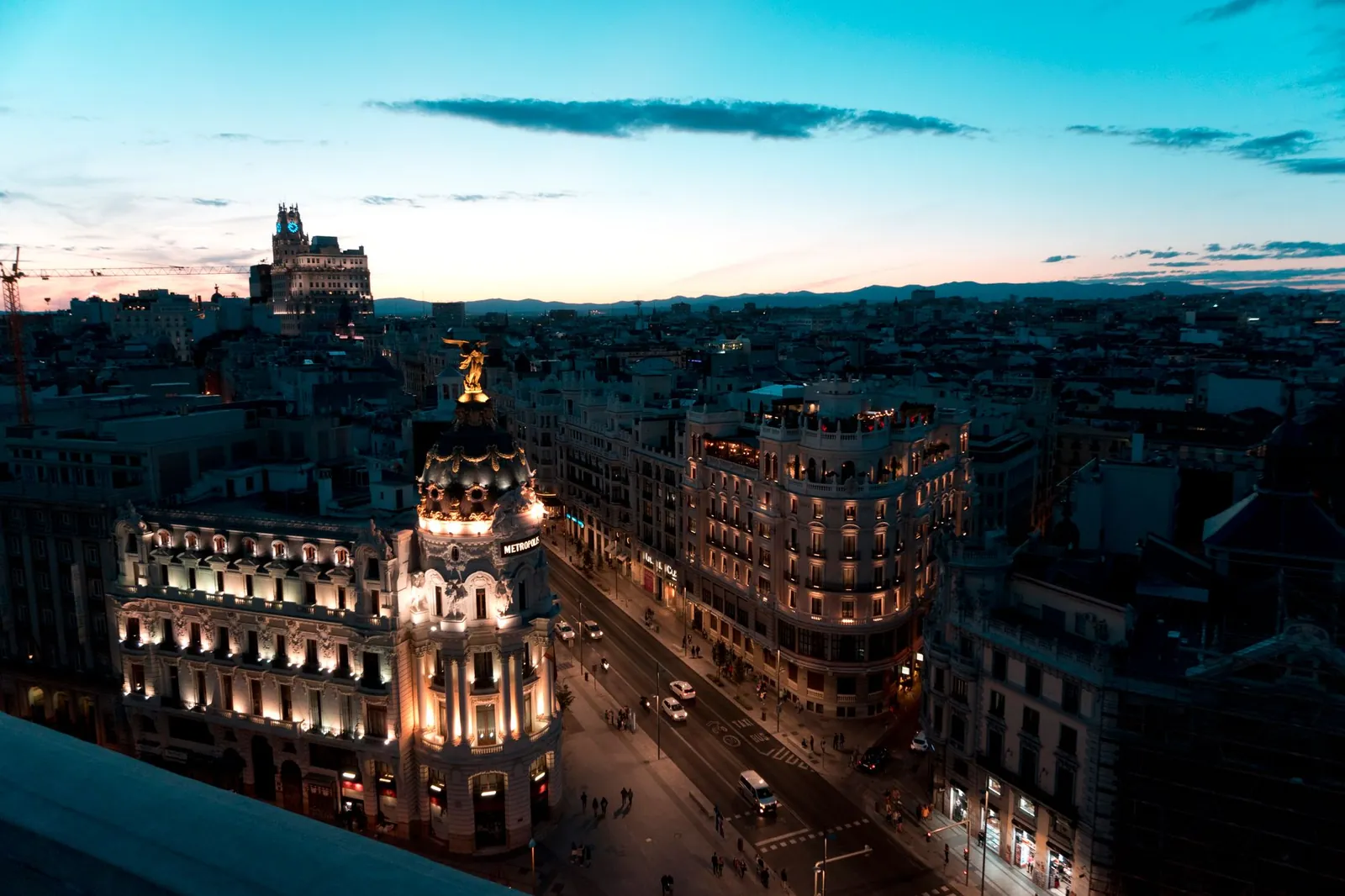
Madrid quiet midnight walks show me its real heart.
Some links in this guide are affiliate links — if you book through them we may earn a small commission at no extra cost to you. It never changes what we recommend. Full disclosure.
Madrid buzzes with late-night energy, and many assume that’s its only after-dark face, but the genuine soul of the city reveals itself differently. When the last dinner crowd disperses and the dance floors are just beginning to pulse, the city sheds its public persona, offering Madrid quiet midnight walks that uncover a deeper, more reflective side. This guide steps away from the noise to show you where to find that peace, what you’ll encounter, and how to embrace the stillness of Madrid after hours, revealing a side only residents truly know.
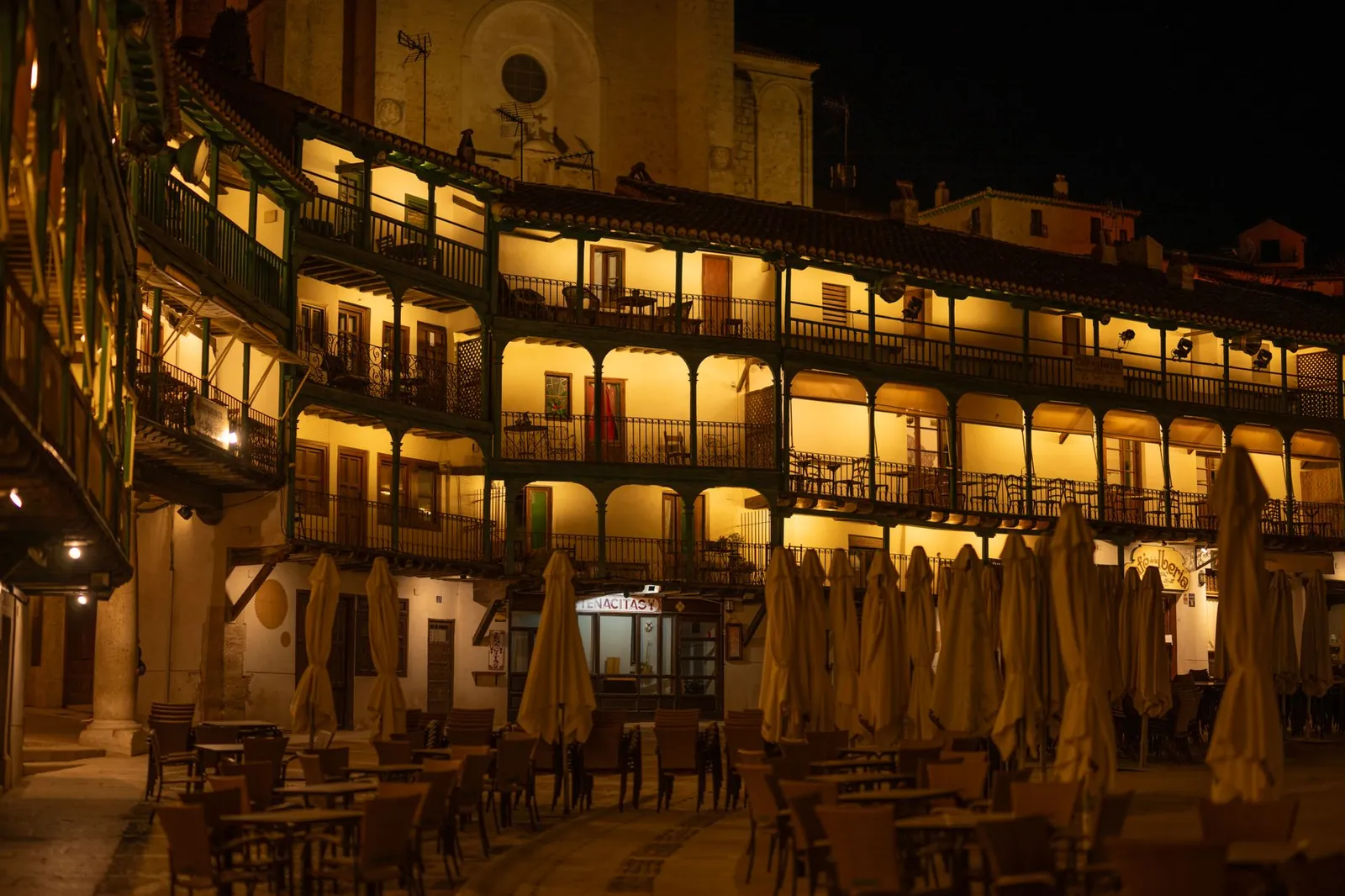
Quick Answer: Madrid’s After-Midnight Serenity
Madrid after midnight offers a unique stillness, especially in its historic core and the areas surrounding its parks like Retiro, which closes at midnight. You can experience profound peace for free by walking specific, well-lit routes, observing illuminated landmarks, and finding late-night spots for non-alcoholic comfort food like churros until 2 AM or later, always with personal safety as a primary consideration.
Finding Solitude in the Heart of Old Madrid
The historic center, particularly around Plaza Mayor and Puerta del Sol, transforms after 1:00 AM, offering a chance to witness its intricate architecture without the overwhelming daytime throngs. During these silent hours, the details of centuries-old facades emerge under soft lighting, allowing for a deep connection with Madrid’s past that is impossible amidst the daytime rush.
My preferred route for these walks often begins at Puerta del Sol. While it’s the city’s official kilometer zero and generally busy, by 1:30 AM, the crowds thin considerably. From here, you can weave through Calle Mayor, noticing the intricate ironwork on balconies and the grand wooden doors that usually disappear into the background. A slight detour into the narrow, ancient Calle del Codo, leading to Plaza de la Villa, feels like stepping back in time. This is Madrid at its most authentic, quiet enough to hear your own footsteps echoing off the stone walls. The Plaza Mayor, typically packed, becomes a vast, contemplative space where you can appreciate its symmetric beauty and the stories its arcades tell. Even the usually frantic Mercado de San Miguel appears like a majestic iron-and-glass sculpture, illuminated and still.
Continue towards the Palacio Real and Plaza de Oriente. The palace, especially its exterior, takes on a regal silence, its grand scale more apparent without the constant chatter of tour groups. The statues in Plaza de Oriente seem to stand guard over a sleeping city. You won’t pay for entry, as it’s an outdoor experience, and you can linger as long as you wish. These areas are generally well-lit, which is key for comfortable late-night exploration. While the main squares are safe, be aware of quieter side streets, and always trust your instincts. For a deeper understanding of the city’s hidden architectural beauties, similar to these quiet streets, you might explore the calm of Madrid private courtyards calls me to peace during daylight hours.
Tips for your Old Madrid walk:
- Start later: Aim for after 1:00 AM on weekdays, possibly even later on weekends after the last dinner-goers depart.
- Stick to main, well-lit arteries: Calle Mayor, Plaza Mayor, and the areas around the Palacio Real are generally safe and visible.
- Look up: The facades reveal incredible details when not obscured by crowds.
- Bring a small backpack: Enough for water and a layer of clothing, as temperatures can drop after midnight.
- Silence is the point: Resist the urge to fill the quiet with headphones; listen to the city breathe.
Retiro Park and Templo de Debod: Nature’s Embrace After Dark
While Retiro Park officially closes its gates at midnight, the immediate surroundings and the Templo de Debod remain accessible and offer a distinct calm, with the illuminated temple providing a peaceful, ancient view until at least 1:30 AM. This allows for a different kind of natural escape within the city, where the absence of daylight crowds creates a truly reflective atmosphere.
Retiro Park itself, with its beautiful gardens and stately trees, is a place of immense tranquility during the day, but it becomes off-limits to pedestrians once the clock strikes midnight. The park’s grand entrances along Calle de Alcalá and Calle de O’Donnell are locked, and it’s not advisable to attempt entry. However, the external areas and paths immediately surrounding the park can still offer a sense of its peace. You can walk along the perimeter, admiring the impressive Puerta de Alcalá, which is beautifully lit, or sit on a bench near the monument to Alfonso XII, experiencing the park’s presence from just outside its formal boundaries. There’s no charge, of course, for these outdoor observations.
For a truly exceptional and quiet after-dark experience with a touch of nature and history, head to the Templo de Debod. This ancient Egyptian temple, gifted to Spain, sits atop a hill offering panoramic views of Madrid. It’s especially captivating after sunset, but its true magic unfolds even later when most tourists have left. The temple itself is free to visit as an outdoor monument, illuminated from around 7:00 PM until at least 1:30 AM, sometimes later depending on the season and city lighting schedules. The surrounding park area is open 24 hours. The reflection of the temple in the water features, with the city lights shimmering in the background, is a sight that encourages quiet contemplation. It’s easily accessible via Metro (Ventura Rodríguez station on Line 3) and is a well-regarded safe spot for late-night viewing due to its open layout and good lighting. On a mild night, the gentle breeze up on the hill is a welcome feeling.
Late-Night Sustenance: Where to Re-energize Quietly
For a comforting late-night stop, the iconic Chocolatería San Ginés serves its famous churros con chocolate 24 hours a day, offering a traditional Madrid experience for around €5-7 per person. This institution provides the perfect, non-alcoholic pause during your midnight explorations, warming you from the inside out.
You’ll find Chocolatería San Ginés tucked away in a small alley just off Calle Arenal, very close to Puerta del Sol. Walking into its green-tiled interior, often still bustling with a mix of early risers and late-night adventurers, feels like stepping into a slice of Madrid’s history. The menu is simple: crispy churros or porras (a thicker, softer fried dough) served with a cup of rich, dark hot chocolate for dipping. A typical order of churros with chocolate will cost around €4.80. You order at the counter, pay, and then take your receipt to find a table, often sharing with others. It’s a genuine taste of Madrid, available any hour of the day or night. The experience is about the ritual, the warm chocolate, and the feeling of community that persists even in the early hours.
Beyond San Ginés, proper sit-down restaurants are closed, but Madrid offers other very late-night or early-morning options for a simple bite. Look for small panaderías (bakeries) that begin opening their doors around 5:00 AM, filling the streets with the smell of freshly baked bread. Some convenience stores or ‘tiendas 24 horas’ also offer pre-packaged sandwiches, snacks, and non-alcoholic drinks if you need something quick. These are scattered throughout the city center, often in areas like Malasaña or Chueca, though your quiet walk might avoid the louder parts of those neighborhoods. I recommend seeking out a quiet café if you just need a coffee to warm up; some open as early as 6:00 AM, perfect for catching the first light. Finding the best Madrid hotel deals can also often mean finding accommodations close to these late-night spots, making your walk back easier.
Here’s a small breakdown of late-night refuel spots:
| Place | Type | Typical Cost (EUR) | Operating Hours | Notes |
|---|---|---|---|---|
| Chocolatería San Ginés | Churros & Chocolate | €5-7 | 24 hours | Iconic, often busy but efficient, near Puerta del Sol. |
| Local Panaderías | Fresh Bread, Pastries | €2-5 | From 5:00 AM | Many small, independent bakeries open early. |
| Tiendas 24 Horas | Convenience Store | €1-10 | 24 hours | For snacks, drinks; widespread. |
| Cafés (Early Openers) | Coffee, Small Bites | €2-5 | From 6:00 AM | Good for a quiet coffee as the city wakes up. |
For a deeper dive into where Madrid actually eats, beyond just these late-night comfort stops, you can explore Where Madrid Actually Eats, Not Where Tourists Do for daytime and evening dining options.
Navigating Madrid After Midnight: Safety and Transport
For safe midnight exploration, Madrid’s public transport operates until around 1:30 AM (Metro) and night buses (Búhos) run until 5:30 AM, with taxi and VTC services readily available for around €15-30 within the city center, making it manageable to get around responsibly.
Safety is always a priority when exploring any city at night, and Madrid is generally considered a safe European capital. However, common sense is your best tool. Stick to well-lit main streets and plazas, especially when walking alone. Avoid poorly lit alleys or deserted parks, even if they seem like a shortcut. Keep your valuables secure and out of sight, and try to walk with purpose. If you’re unsure about an area, it’s always better to turn back or opt for a taxi. Your personal awareness is the most important factor.
When it comes to getting around, the Madrid Metro is excellent but has limited hours. The last trains typically depart from their terminal stations around 1:30 AM. If your midnight walk extends beyond this, or if your accommodation is not easily reachable by a late Metro line, you have good alternatives. The “Búhos” or night buses, marked with an ‘N’ before their route number, are a lifesaver. They run from approximately 11:55 PM until 5:30 AM, covering most of the city from Cibeles. Frequencies vary, usually every 20-30 minutes, but can be less frequent on some lines or later in the night. A single bus ticket costs €1.50 and can be paid on board. You can find detailed routes and schedules on the official EMT Madrid website or app, or via EMT Madrid.
Taxis are plentiful and identifiable by their white color with a red stripe. You can flag them down on the street, find them at designated taxi ranks, or use apps like Free Now, Cabify, or Uber. Fares within the central ring (M-30) for a typical journey will range from €15 to €30, depending on distance and time of night. The base fare after 9 PM starts higher, around €3.15, with additional charges for airport trips or specific destinations. Remember to ensure the meter is running. For those who prefer the structure of guided experiences, exploring Explore quiet Madrid tours can also be a safe way to see the city at night with local expertise.
Crafting Your Own Silent Madrid Journey
To design a personal quiet midnight walk, start by selecting 2-3 specific landmarks or neighborhoods you want to observe, planning your route for maximum safety and minimal light pollution, and ensuring you have a reliable way to return to your accommodation. This tailored approach allows you to truly connect with the city’s nocturnal pulse without the distractions of the daytime.
The beauty of a midnight walk in Madrid is its personal nature. Instead of rushing between sights, you have the luxury of slow observation. Think about what draws you: perhaps it’s the grandeur of the Palacio Real, the quietude of a specific plaza, or simply the feeling of discovering empty streets that are normally packed. Don’t try to cover too much ground. Pick one or two areas and immerse yourself in their nocturnal ambiance. For instance, you could focus solely on the Literary Quarter (Barrio de las Letras) after the theatre crowds have dispersed, wandering its historic streets like Calle de Cervantes and Calle de Lope de Vega, where the literary quotes embedded in the pavement take on a poignant silence.
Comfortable shoes are non-negotiable, as you’ll be on your feet for an extended period. Dress in layers, as even on warm evenings, the air can cool significantly after midnight. A small, portable charger for your phone is always a good idea, and having a downloaded offline map can be helpful for navigation without relying on data. Resist the urge to constantly check your phone; instead, let your senses guide you. Listen to the faint sounds of the city, notice the interplay of light and shadow, and breathe in the unique Madrid air.
Recommended areas for different moods:
- For history and grandeur: The area around Palacio Real, Plaza de Oriente, and Plaza de la Villa offers majestic architecture in quietude.
- For artistic reflection: Barrio de las Letras, particularly its quieter side streets, allows for contemplation amidst literary history.
- For open spaces and views: The Templo de Debod provides panoramic city views and an ancient monument in a peaceful park setting.
- For local residential feel: Quieter parts of Chamberí or Salamanca (away from commercial streets) can offer a glimpse into local life, though be extra mindful of lighting here.
It’s an opportunity to see Madrid not as a tourist, but as someone who understands its rhythms, its ebb and flow. The city reveals different facets of its character under the moonlight. The silence allows the city’s true scale to emerge, the buildings standing taller, the plazas feeling vaster. This isn’t about ticking off landmarks; it’s about absorbing the essence of Madrid when it’s truly itself.
Common Questions About Madrid’s Nighttime Atmosphere
Is it safe to walk in Madrid at night?
Generally, walking in Madrid at night is safe, especially in well-lit, central tourist areas and residential districts. Like any large city, it’s wise to stay aware of your surroundings, avoid poorly lit or deserted streets, and keep valuables out of sight. Sticking to main thoroughfares and using common sense significantly minimizes risk, allowing you to enjoy the city’s unique after-dark atmosphere.
What time do Madrid Metro and buses run late?
The Madrid Metro typically operates until 1:30 AM, with the last trains departing their terminal stations around that time. After the Metro closes, the city’s extensive “Búhos” (night bus) network takes over, running from approximately 11:55 PM until 5:30 AM, with varying frequencies depending on the line. These night buses provide a reliable way to travel across the city during the early morning hours.
Are there places open 24 hours in Madrid?
While many businesses close overnight, Madrid does offer a few 24-hour options. The most famous for late-night food is Chocolatería San Ginés, serving churros and chocolate around the clock. You can also find 24-hour convenience stores (tiendas 24 horas) and some pharmacies (farmacias de guardia) with extended hours to cater to essential needs at any time.
Can you visit Retiro Park after midnight?
No, Retiro Park has official closing hours and its gates are locked at midnight. While the park’s exterior paths and surrounding areas remain accessible, you cannot enter the fenced-off main park grounds between midnight and 6 AM. For quiet green spaces after midnight, consider the open park areas around the Templo de Debod or even some of the quieter plazas in the city.
Stepping out into Madrid’s quiet midnight hours is an experience unlike any other, shedding the city’s reputation for constant noise to reveal a profound calm. It’s a chance to connect with its history and beauty on a deeply personal level, to see the intricate details of its architecture illuminated against the dark sky, and to understand why so many of us fall for its enduring spirit. This is the Madrid that truly steals your heart, a different pace that makes you feel its true rhythm. For more ways to experience the capital away from the crowds, read about the calm of Madrid private courtyards calls me to peace.
About the Author
After 15 years living and traveling across Spain, Caro knows this country in a way most travel writers never will. She’s not here to sell you a polished version of Spain, she’s here to show you the real one. Every guide on this site comes from her own experience: the restaurants she eats at, the routes she walks, the festivals she’s actually attended. She writes to cut through the noise and give you what actually matters. Learn more about Caro →