Malaga to Ronda: Train, Bus, or Car for Your Day Trip?
Some links in this guide are affiliate links — if you book through them we may earn a small commission at no extra cost to you. It never changes what we recommend. Full disclosure.
So, you’re in Malaga, soaking up the sun and the city’s lively atmosphere, but the call of Andalusia’s dramatic interior is getting louder. You’ve probably heard whispers of Ronda, a town perched precariously on a clifftop, sliced in two by a deep gorge. A Malaga to Ronda day trip sounds like a must-do, right? But the practicalities can feel a bit daunting. How do you get there? Is it even worth the effort for just a day? And once you arrive, what’s the plan? Don’t worry, you’re in the right place. I’m going to break down all the logistics, costs, and honest advice you need to plan your perfect day trip to Ronda.
Quick Answer
The best way to do a Malaga to Ronda day trip depends on your budget and desire for flexibility. Driving yourself offers the most freedom, while public transport (bus or train) is a more budget-friendly and hands-off option. Organized tours provide ultimate convenience but come with a higher price tag and less spontaneity.
Driving Yourself: Freedom, Flexibility & Parking Realities
If you value independence and enjoy a scenic drive, renting a car is often the most appealing option for your Malaga to Ronda day trip. The journey itself is part of the experience, winding through olive groves and small white villages. You’ll be on the A-357 from Malaga towards Ardales, then connecting to the A-367 directly to Ronda. The drive typically takes about 1 hour and 30 minutes to 1 hour and 45 minutes, depending on traffic and your starting point in Malaga.
The Upsides of Driving:
- Unbeatable Flexibility: You set your own schedule. Leave when you want, stay as long as you like.
- Scenic Detours: This is where driving really shines. You can easily incorporate stops at other captivating spots like Setenil de las Bodegas, famous for its houses built into rock overhangs, or a detour through the Sierra de Grazalema Natural Park for some stunning views.
- Comfort: No need to adhere to public transport timetables or share your space with crowds.
The Downsides of Driving:
- Parking in Ronda: This is the biggest headache. The historic center of Ronda is largely pedestrianized, and parking can be a challenge, especially during peak season (spring/autumn) or weekends.
- Cost: Car rental fees, fuel, and parking can add up.
Cost Breakdown (Estimated for 1-day rental):
| Item | Estimated Cost (EUR) |
|---|---|
| Car Rental (small car) | €30 – €60 |
| Fuel (round trip) | €15 – €25 |
| Parking in Ronda (hourly garage) | €10 – €20 (for 6-8 hours) |
| Total Estimated Cost | €55 – €105 |
Practical Advice for Drivers:
I recommend booking your rental car in advance, especially if you’re traveling during a busy period. When you arrive in Ronda, head directly for one of the underground parking garages rather than trying to find street parking. Options like Parking Martínez Astanda (near the bullring) or Parking El Socorro are well-located for accessing the main sights by foot. Expect to pay around €2-€3 per hour, with daily maximums around €15-€20. Don’t waste precious time circling for street parking that likely doesn’t exist.
Train Travel: A Scenic, Less Frequent Alternative
If you prefer to let someone else do the driving and enjoy a bit of a journey, the train is an option. Renfe operates services between Malaga Maria Zambrano station and Ronda. While often touted as scenic, the most dramatic parts of the journey are actually closer to Ronda, where the train navigates through mountainous terrain and valleys.
The Upsides of the Train:
- Relaxing: Sit back, enjoy the views (especially the latter half of the journey), and avoid the stress of driving and parking.
- Comfort: Trains are generally comfortable and spacious.
- Environmentally Friendlier: A greener option than driving alone.
The Downsides of the Train:
- Infrequent Departures: This is the biggest drawback for a day trip. There are typically only 2-3 direct trains per day in each direction. This means your schedule is quite rigid, and you’ll need to plan your day around these specific times. Missing a train can seriously disrupt your plans.
- Journey Time: The train journey averages around 2 hours each way, sometimes slightly more, making it slower than driving.
- Walk to Center: Ronda’s train station is about a 15-20 minute walk from the Puente Nuevo and the historic center. It’s a pleasant enough walk, but something to factor in.
Cost and Schedule:
A one-way ticket usually costs between €13 and €20, depending on how far in advance you book and the type of ticket. Always check the Renfe website (www.renfe.com) for the most up-to-date schedules and to purchase tickets. Booking ahead is highly recommended, especially during peak travel times, as trains can sell out.
For example, a typical morning departure from Malaga might be around 9:30 AM, arriving in Ronda around 11:30 AM. An evening return might be around 6:00 PM or 7:00 PM, getting you back to Malaga around 8:00 PM or 9:00 PM. This allows for a good 6-7 hours in Ronda, which is enough time to see the main sights at a comfortable pace.
Bus Travel: The Budget-Friendly and Frequent Option
For many travelers, the bus offers the best balance of cost, frequency, and convenience for a Malaga to Ronda day trip. The Damás company (formerly Los Amarillos) operates regular services from Malaga’s main bus station (Estación de Autobuses de Málaga) to Ronda.
The Upsides of the Bus:
- Affordable: Bus tickets are typically the cheapest option.
- Frequent Departures: More frequent than trains, offering more flexibility in your departure and return times, though still less than driving yourself.
- Central Drop-off: Ronda’s bus station is quite centrally located, often closer to the main sights than the train station, usually a 10-15 minute walk to Puente Nuevo.
The Downsides of the Bus:
- Journey Time: Buses are generally slower than trains or cars, often taking around 2 hours and 30 minutes to 3 hours each way, as they make more stops.
- Less Comfortable: While modern buses are decent, they can feel a bit more cramped than a train, and the journey can be less scenic on some routes.
- Can Get Busy: Especially on weekends or holidays, buses can be crowded, so buying your ticket in advance is a good idea.
Cost and Schedule:
A one-way bus ticket costs approximately €10-€15. You can purchase tickets at the bus station on the day of travel, but to guarantee your spot and chosen time, it’s always best to buy online in advance via the Damás website (www.damas-sa.es) or through a general ticketing platform like Avanza. There are typically 5-7 direct buses per day, starting early in the morning and running until late evening, giving you ample choice for your day trip.
Organized Tours: The Hassle-Free Way to See Ronda
If you’re truly averse to planning logistics, or you’re keen to combine Ronda with other nearby attractions without the stress of navigating, an organized tour might be your answer. Many companies offer full-day excursions from Malaga to Ronda.
What Tours Typically Include:
- Round-trip transportation: From a central meeting point in Malaga, or sometimes even hotel pickup.
- Guided commentary: A professional guide will offer insights into Ronda’s history and culture.
- Pre-planned itinerary: Tours often cover the main sights like Puente Nuevo, the bullring, and sometimes include a visit to a winery or other white villages like Setenil de las Bodegas.
- Entrance fees: Often included for major attractions, simplifying your day.
The Upsides of Tours:
- Zero Stress: Everything is taken care of. Just show up and enjoy.
- Expert Knowledge: A guide can enrich your visit with historical context and local stories.
- Often Include More: Many tours will combine Ronda with other nearby towns, maximizing your sightseeing.
The Downsides of Tours:
- Cost: Significantly more expensive than independent travel, typically €50-€100+ per person.
- Less Flexibility: You’re tied to the group’s schedule and itinerary. No lingering longer at a viewpoint or popping into a shop that catches your eye.
- Group Pace: You might feel rushed at some stops or find yourself waiting for others at different points.
Booking an Organized Tour:
If this sounds like your preferred option, you can easily book a guided tour on Viator, which offers a wide selection of reputable operators. Read reviews carefully to find a tour that matches your interests and pace.
Your Day in Ronda: What to See and Do
Once you arrive in Ronda, whether by car, train, bus, or tour, you’ll want to make the most of your time. I recommend allocating at least 4-5 hours to explore the town itself, excluding travel time.
Must-See Attractions:
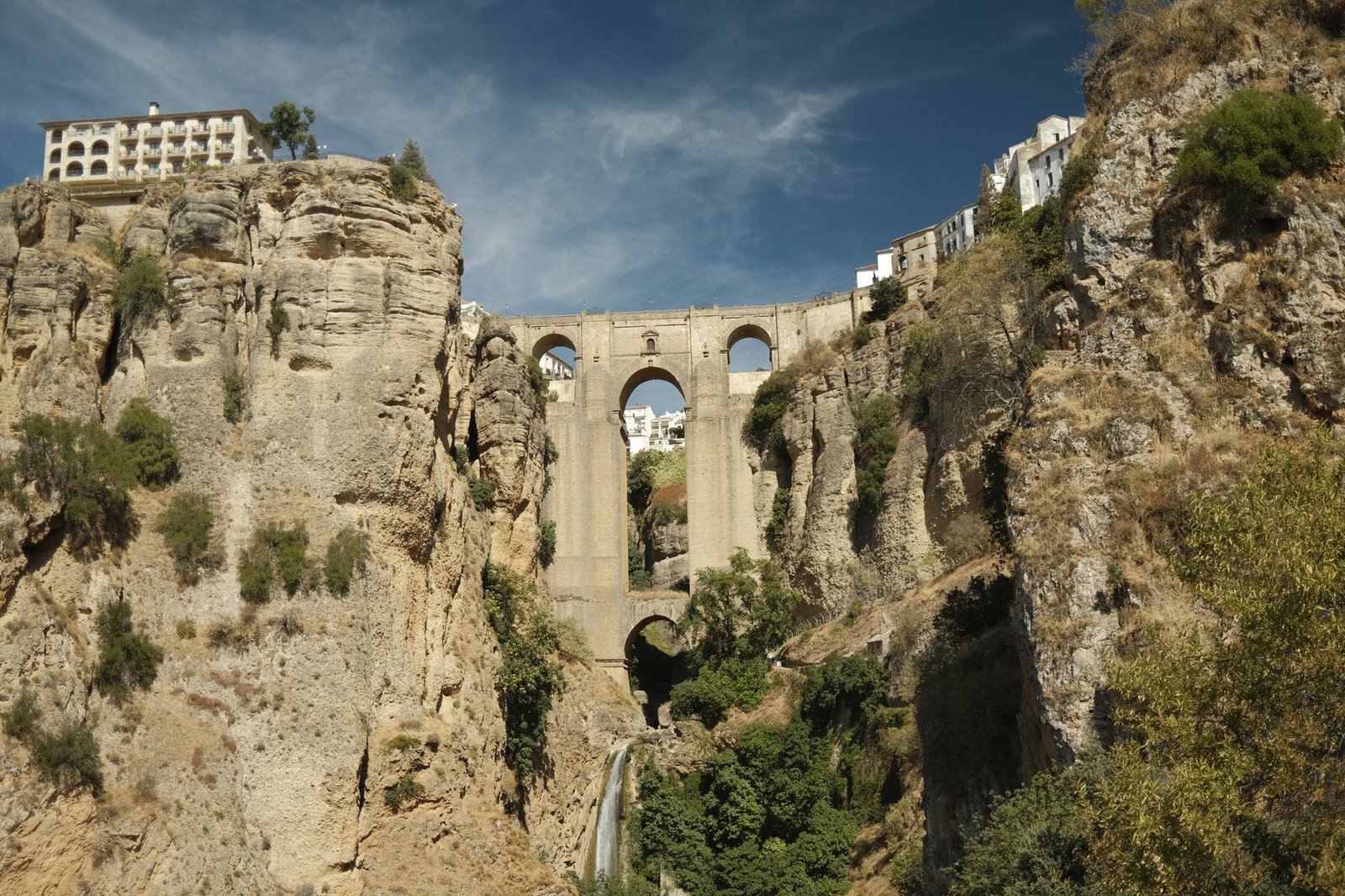
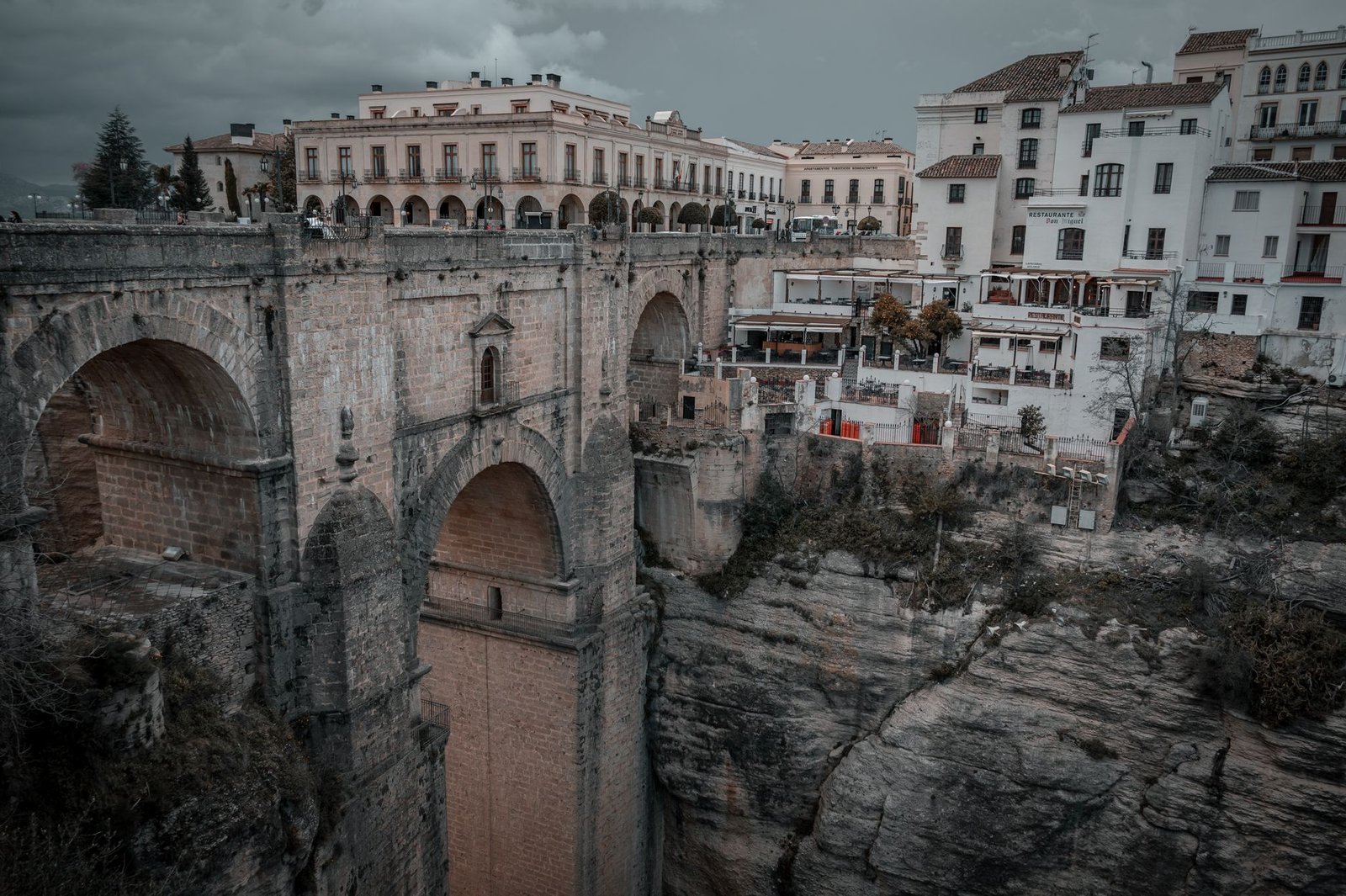
- Puente Nuevo (New Bridge): This is the iconic image of Ronda, spanning the 100-meter deep El Tajo gorge. Walk across it, admire it from above, and definitely make your way down to one of the miradores (viewpoints) below for incredible photos. There are several spots, including a path from the Plaza María Auxiliadora leading down.
- Plaza de Toros de la Real Maestranza de Caballería de Ronda: One of Spain’s oldest and most respected bullrings. Even if bullfighting isn’t your thing, the museum and the arena itself offer a fascinating glimpse into Spanish culture and history. Entrance is around €8-€9. Opening hours vary by season, typically 10:00 – 18:00 or 19:00.
- La Casa del Rey Moro & La Mina: While the “King’s House” itself isn’t particularly grand (and isn’t open to the public), the gardens (designed by Forestier) are beautiful and offer fantastic views. The real draw here is “La Mina”, a secret staircase of 200+ steps carved into the rock face leading down to the river in the gorge below. It’s steep and can be slippery, but the adventure and views are worth the €7-€8 entrance fee. Expect to spend 45-60 minutes here.
- Miradores (Viewpoints): Ronda is full of them. Don’t miss Mirador de Aldehuela or Mirador de Ronda for postcard-perfect vistas of the gorge and surrounding countryside.
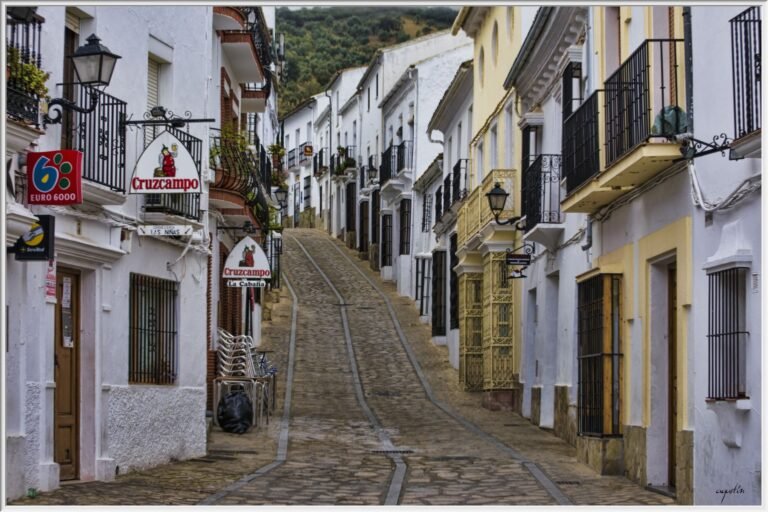
- Walk the Old Town: Wander through the narrow, cobbled streets of La Ciudad (the old town). You’ll find charming squares, the Palacio de Mondragón (a historic palace with lovely courtyards), and ancient churches.
Lunch in Ronda:
Ronda has plenty of restaurants catering to tourists. For authentic local cuisine without breaking the bank, stray a few streets away from the main tourist hubs around the Puente Nuevo. Look for places offering a “Menú del Día” (set lunch menu) which usually includes 2-3 courses, bread, and a drink for €12-€18 per person. Restaurante Pedro Romero, right by the bullring, is famous but often pricier. For something more casual, grab some tapas in a local bar.
Choosing the Best Option for Your Malaga to Ronda Day Trip
Ultimately, the best way to tackle your journey from Malaga to Ronda comes down to your priorities and preferences. Here’s a quick comparison to help you decide:
| Option | Flexibility | Cost (per person) | Travel Time (one way) | Convenience | Best For |
|---|---|---|---|---|---|
| Driving | High | €25 – €50 (shared) | 1h 30m – 1h 45m | Medium (parking) | Explorers, groups, photographers |
| Train | Low | €13 – €20 | ~2h | High (no driving) | Relaxed travelers, scenic journey |
| Bus | Medium | €10 – €15 | 2h 30m – 3h | High (central drop-off) | Budget travelers, solo travelers |
| Organized Tour | Very Low | €50 – €100+ | Varies | Very High (all inclusive) | First-timers, no planning, groups |
My honest recommendation? If you’re comfortable driving and want the freedom to explore at your own pace, or perhaps add Setenil de las Bodegas to your itinerary, rent a car. If you’re on a budget and don’t mind a longer journey, the bus is a solid choice. The train is lovely if the timings work out perfectly for you, but its infrequency can be a real logistical hurdle for a tight day trip. Regardless of how you get there, Ronda is a truly memorable destination.
Malaga to Ronda Day Trip: Frequently Asked Questions
Can you do Ronda in half a day?
You can see the main highlights like the Puente Nuevo and the bullring in a condensed half-day, perhaps 3-4 hours. However, to truly appreciate Ronda, walk through the old town, visit a museum, and perhaps descend to the base of the gorge, a full day (5-7 hours on the ground) is much more rewarding. Rushing through it means missing out on its unique atmosphere.
Is Ronda worth visiting as a day trip?
Absolutely, yes. Ronda offers a unique blend of dramatic natural beauty, ancient history, and cultural significance that sets it apart from many other Andalusian towns. The Puente Nuevo alone is worth the trip, but the town itself has a captivating charm that makes it an excellent day trip destination from Malaga. It’s certainly a highlight for many visitors to the region.
How far in advance should I book train/bus tickets to Ronda?
For trains, especially during peak season (spring/autumn) or weekends, I’d recommend booking at least 1-2 weeks in advance via the Renfe website, as seats are limited and popular times sell out. For buses, booking online a few days in advance is usually sufficient to secure your preferred time, although you can often buy tickets on the day at the station, space permitting.
Is it easy to get around Ronda on foot?
Yes, Ronda is a very walkable town. The main attractions, including the Puente Nuevo, the bullring, and the historic old town, are all within easy walking distance of each other. Expect some hills and cobbled streets, especially in the older parts, so comfortable shoes are a must. Public transport within Ronda isn’t really necessary for sightseeing.
Are there luggage storage options in Ronda if I’m not staying overnight?
Ronda’s bus station sometimes offers lockers (consigna) for a small fee, though availability can be hit or miss. The train station typically does not have lockers. If you’re coming by organized tour, your luggage will stay on the coach. If driving, your car serves as your storage. If you arrive by public transport and need to stash bags, it’s best to check with a local cafe or small shop near the bus station if they offer a bag-holding service for a few euros, though this isn’t a guaranteed option.
A day trip to Ronda is a fantastic addition to any itinerary based in Malaga. Whether you opt for the freedom of a rental car, the simplicity of a bus, or the guided experience of a tour, you’re in for a treat. This town, with its incredible views and rich history, truly stands out in Andalusia. After soaking in the drama of Ronda’s gorge, you might even consider extending your trip to other parts of this incredible region, perhaps exploring a Cordoba day trip from Seville for another dose of Andalusian heritage.
Book your Malaga to Ronda train ticket early on Renfe. Bus options are available through Alsa, often cheaper but slower than the train.
Before you leave Malaga, it’s worth carving out time for a Malaga cooking class — it’ll change how you eat for the rest of the trip.