Why Andalusians Put Olive Oil on Everything, Including Breakfast
Unlock the incredible health benefits of Andalusian olive oil by making it a daily part of your diet and lifestyle while you’re here in Spain. This golden liquid isn’t just a cooking ingredient; it’s a cornerstone of the Mediterranean diet, deeply embedded in the culture and wellness of Andalusia. If there’s one thing you need to know about Spanish life, it’s that good olive oil is liquid gold, and it contributes significantly to the remarkable longevity and well-being you see in so many people across this country.

Quick Answer: The Health Benefits of Andalusian Olive Oil
Andalusian olive oil, especially extra virgin olive oil (EVOO), is packed with monounsaturated fatty acids (MUFAs) and powerful antioxidants like polyphenols, offering significant cardiovascular protection, anti-inflammatory effects, and contributing to overall cellular health. Regular consumption has been linked to lower risks of heart disease, stroke, and certain cancers, making it a vital component of a healthy lifestyle.
The Science Behind the Health Benefits of Andalusian Olive Oil
Andalusia is the global epicenter of olive oil production, accounting for a huge percentage of Spain’s output. The region’s specific climate, soil, and traditional cultivation methods produce some of the highest quality oils in the world. When we talk about the health benefits, we are primarily referring to extra virgin olive oil – the first cold press of the olives, extracted without chemicals or excessive heat, preserving its natural properties.
The primary reason for olive oil’s health prowess lies in its fatty acid composition. It’s predominantly monounsaturated fat, specifically oleic acid. Unlike saturated fats, MUFAs are known to lower LDL (“bad”) cholesterol while potentially raising HDL (“good”) cholesterol, directly impacting heart health. Studies have consistently shown that diets rich in EVOO reduce the risk of cardiovascular diseases, including heart attacks and strokes. It’s not just about what it does for your cholesterol, though.
Beyond the fats, extra virgin olive oil is a treasure trove of antioxidants. These include polyphenols, vitamin E, and carotenoids. Antioxidants combat oxidative stress in the body, which is a key factor in aging and the development of chronic diseases like cancer, diabetes, and neurodegenerative conditions. The anti-inflammatory properties of compounds like oleocanthal, another polyphenol unique to EVOO, are often compared to non-steroidal anti-inflammatory drugs (NSAIDs) like ibuprofen, albeit in a much milder, natural form. Regular consumption can reduce chronic inflammation throughout the body, which is a silent contributor to many ailments.
While the health benefits are extensive, it’s important to understand that not all olive oils are created equal. Supermarket “light” olive oils or plain “olive oil” often contain refined oils with fewer beneficial compounds. Always opt for “Extra Virgin Olive Oil” (Aceite de Oliva Virgen Extra in Spanish) for maximum benefits. Look for bottles that indicate a specific olive variety (e.g., Picual, Hojiblanca, Arbequina) and a harvest date. The fresher the oil, the higher its polyphenol content, and thus, the greater its health impact. Choosing a high-quality EVOO is an investment in your long-term health, and it’s one of the best choices you can make for your kitchen and your body.
Exploring Olive Mills and Tasting Experiences in Andalusia
To truly appreciate the effort and quality behind Andalusian olive oil, you need to visit an *almazara*, or olive mill. This experience transforms your understanding, showing you exactly how this liquid gold is made and allowing you to taste the nuances. It’s an excellent way to deepen your appreciation for the health benefits of Andalusian olive oil and connect with the source.
Many olive mills offer guided tours and tasting sessions, especially in provinces like Jaén, Córdoba, and Seville. Here’s what you can expect:
- Tour of the Mill: You’ll see the machinery used for crushing olives, separating the oil, and storing it. Depending on the season (harvest is typically October-December), you might even see the process in action.
- Educational Session: Guides explain the different olive varieties, the cold-pressing process, and what to look for in a quality EVOO. This often includes tips on detecting defects and appreciating different flavor profiles.
- Tasting Session (Cata de Aceite): This is the highlight. You’ll usually sample 3-5 different extra virgin olive oils. You’ll be given small blue or green glasses (to prevent color bias), and taught to sniff for aromas (grassy, fruity, almond), then taste for bitterness and pepperiness, which are indicators of high polyphenol content.
- Shop: Most mills have a shop where you can buy their products directly, often at better prices than in tourist areas, and with the guarantee of freshness.
Here are a couple of specific recommendations:
- Oro del Desierto (Tabernas, Almería): Known for organic, high-quality oils. Tours are available year-round but booking ahead is essential. Prices for a guided tour and tasting usually range from €15-€25 per person. Opening hours vary by season, but generally, tours run from 10:00 to 14:00 on weekdays, with some weekend availability. Check their website for exact times.
- Hacienda Guzmán (Umbrete, Seville): This historic estate offers a more luxurious experience. A comprehensive tour and tasting can cost €30-€50, and often includes a light snack. Tours typically run Tuesday-Saturday, requiring advance booking, especially for English-speaking guides. They usually have two slots: 10:00 and 12:30.
- Finca Las Manillas (Arjona, Jaén): A family-run estate producing award-winning EVOO. Tours and tastings are more intimate, costing around €10-€20. Call ahead to book, as they might not have fixed schedules, but are usually accommodating.
A downside? Some tours, especially during the off-season, might not have the actual pressing process running, which can be a bit disappointing if you were hoping to see the olives being transformed. However, the tasting and educational components are always worthwhile. Booking a guided tour on Viator can often simplify the logistics and ensure you get an English-speaking guide.
Incorporating Olive Oil into Your Spanish Kitchen: Salmorejo Recipe
One of the best ways to enjoy the health benefits of Andalusian olive oil daily is by incorporating it into traditional Spanish cooking. It’s not just for drizzling; it’s a fundamental ingredient that adds flavor, texture, and nutrition. Here’s a classic Andalusian recipe, Salmorejo, where olive oil is key. It’s simple, refreshing, and incredibly healthy. The classic vehicle for all that oil is the mollete, and this Antequera mollete breakfast shows you how it is done at home.
Salmorejo Cordobés (Andalusian Cold Tomato Soup)
Salmorejo is a thicker, richer version of gazpacho, hailing from Córdoba. It’s a staple in Andalusian homes, especially during warmer months.
Ingredients:
- 1 kg ripe red tomatoes (pera or beefsteak varieties work best)
- 200 g crusty bread (preferably ‘pan de telera’ or a baguette-style loaf, day-old is fine)
- 1 clove garlic (adjust to your preference; some like more, some less)
- 10 g salt (about 1.5 teaspoons)
- 100 ml high-quality extra virgin olive oil (Andalusian, of course!)
For Garnish (Optional but recommended):
- 2 hard-boiled eggs, chopped
- Croutons or toasted bread cubes, for crunch
- A drizzle of extra virgin olive oil
Cooking Steps:
- Prepare the Tomatoes: Wash the tomatoes thoroughly. You can either blanch them quickly in boiling water for 30 seconds to easily peel the skin, or blend them with the skin on and then strain the mixture for a smoother texture. For an authentic Salmorejo, many don’t peel. Chop them roughly.
- Soak the Bread: Break the bread into pieces and place it in a large bowl. Add the chopped tomatoes over the bread. Let it sit for 10-15 minutes so the bread absorbs some of the tomato juice. This helps it blend smoothly.
- Blend: Transfer the tomato and bread mixture to a powerful blender. Add the garlic clove and salt. Blend on high speed until completely smooth. This might take a few minutes, ensuring no lumps remain.
- Emulsify with Olive Oil: With the blender still running on medium speed, slowly drizzle in the 100 ml of extra virgin olive oil in a steady stream. This is crucial for creating the creamy, emulsified texture that defines salmorejo. The mixture should thicken and become pale orange.
- Chill: Pour the salmorejo into a large bowl or pitcher. Cover and refrigerate for at least 2-3 hours, or ideally overnight, to allow the flavors to meld and for it to chill thoroughly. It should be served very cold.
- Serve: Before serving, taste and adjust salt if necessary. Ladle the cold salmorejo into individual bowls. Garnish with chopped hard-boiled eggs and a handful of croutons. Finish with a final drizzle of fresh extra virgin olive oil.
This recipe is straightforward, proving that you don’t need complex techniques to enjoy delicious, healthy Spanish food. The quality of your olive oil here makes all the difference.
Shopping for Authentic Andalusian Olive Oil
Buying good extra virgin olive oil can feel overwhelming with so many options. Knowing what to look for will ensure you get a product that delivers on its promise of flavor and health. This is where spending a little more upfront really pays off.
When you’re in Andalusia, you’ll find olive oil everywhere, from small village shops to large supermarkets. Here’s how to navigate your options:
Where to Buy:
- Almazaras (Olive Mills): As mentioned, buying directly from the mill guarantees freshness and authenticity. You often get a better price for higher quality.
- Specialty Olive Oil Shops (Oleotecas): Found in larger cities like Seville, Córdoba, and Granada. These shops stock a curated selection from various producers, often allowing you to taste before buying. Staff are usually very knowledgeable.
- Local Markets (Mercados): Many local markets will have stalls selling olive oil from nearby farms. Ask for recommendations.
- Supermarkets: Even large supermarkets like Mercadona, Carrefour, or El Corte Inglés carry a wide range of Andalusian EVOO. Look for brands that specify their origin (e.g., “D.O.P. Priego de Córdoba” or “D.O.P. Sierra Mágina”).
What to Look For on the Label:
- “Aceite de Oliva Virgen Extra” (Extra Virgin Olive Oil): This is paramount. Avoid “Aceite de Oliva” or “Aceite Refinado.”
- Designation of Origin (D.O.P. or D.O.): This is a quality assurance stamp. Examples include Priego de Córdoba, Sierra Mágina, Baena, or Antequera. It means the oil comes from a specific geographic area and meets strict quality criteria.
- Harvest Date (Fecha de Cosecha): Look for the most recent harvest date. Olive oil doesn’t improve with age; it slowly degrades.
- Olive Varietal: Picual, Hojiblanca, Arbequina, Cornicabra are common Spanish varieties, each with distinct flavor profiles. Picual is robust and peppery, Hojiblanca is a bit fruitier, and Arbequina is milder and sweeter.
- Dark Bottle: Light degrades olive oil, so it should always be sold in dark glass bottles or opaque tins.
Price Guide:
The price of quality EVOO can vary significantly. Don’t be surprised to pay more for a superior product. A 500ml bottle of good everyday EVOO might cost €6-€10. Award-winning or premium, single-estate EVOOs can range from €15-€30 or more for 500ml. While this might seem steep compared to oils back home, consider it an investment in flavor and your well-being. A 5-liter tin of excellent everyday cooking EVOO from a local co-op might cost €30-€50, which is great value if you use it a lot.
| Olive Oil Type | Description | Typical Uses | Average 500ml Price (EUR) |
|---|---|---|---|
| Extra Virgin Olive Oil (EVOO) | First cold press, superior taste, high polyphenols. | Dressing, finishing, dipping, raw consumption, light sautéing. | €8 – €30+ |
| Virgin Olive Oil | Good quality, but slightly higher acidity than EVOO. | Everyday cooking, roasting, sautéing. | €5 – €10 |
| Olive Oil (Pure/Refined) | Blend of refined and virgin oils, mild flavor. | Frying, baking, high-heat cooking. | €4 – €8 |
| Light Olive Oil | Refined oil with minimal flavor, not “lighter” in calories. | Frying, baking (when a neutral oil is desired). | €4 – €7 |
Remember, the higher the quality, the more nuanced the flavor and the greater the health benefits. Don’t be afraid to ask for recommendations from local vendors; they’re usually proud to share their knowledge.
A Day Trip to Jaén: The World Capital of Olive Oil
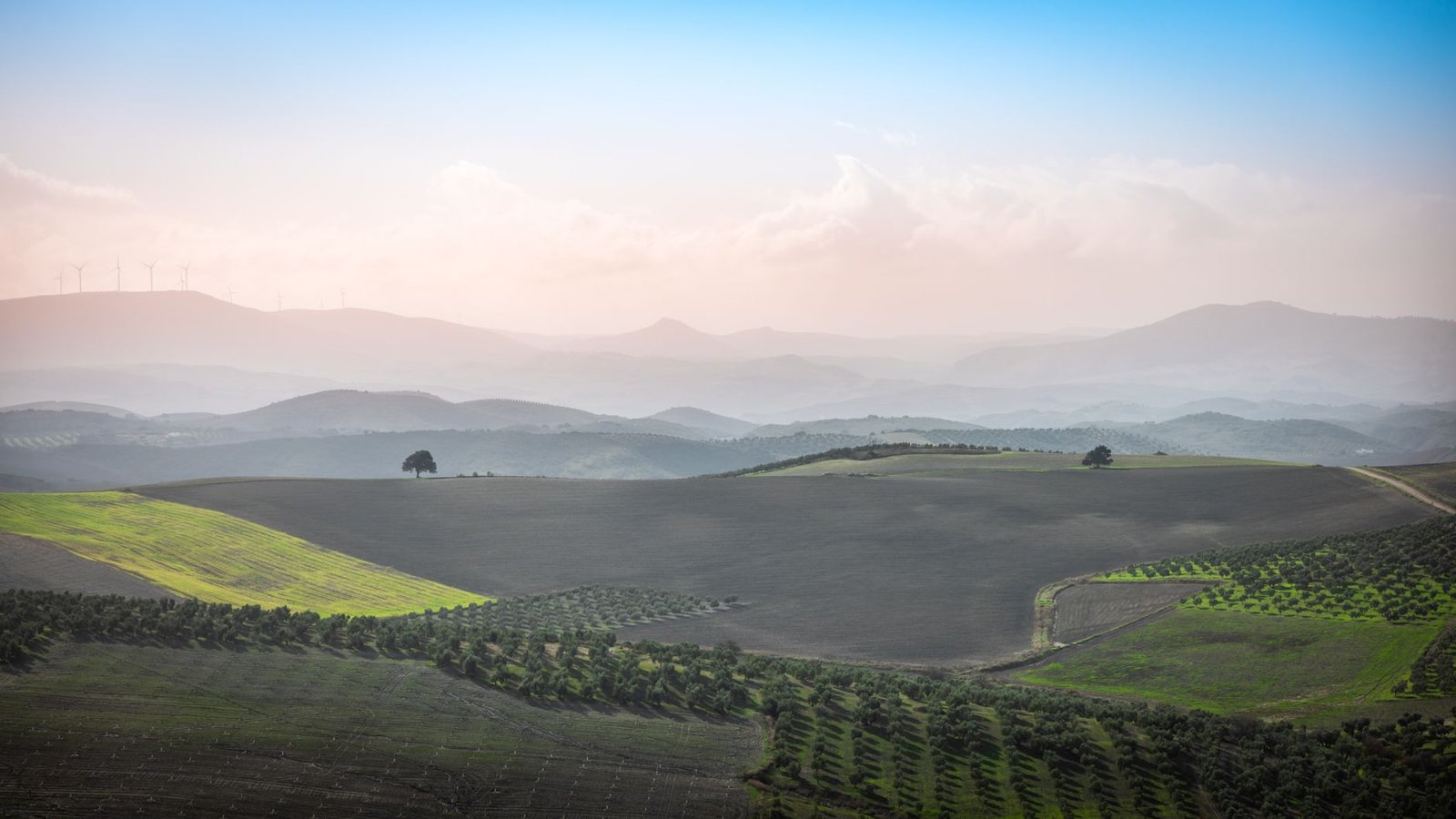
If you’re serious about exploring the world of olive oil, a day trip to Jaén province is non-negotiable. This is where you’ll find an almost endless “sea of olives,” kilometer after kilometer of olive groves stretching to the horizon. Jaén produces more olive oil than any other region in the world, and it’s a profound experience to see this landscape for yourself.
Getting There:
- By Car: This is by far the most flexible option, allowing you to stop at various points of interest. Jaén city is about 1 hour from Granada, 1.5 hours from Córdoba, and 2.5 hours from Seville.
- By Bus: Regular bus services connect Jaén city to major Andalusian cities. From Jaén city, however, getting to smaller olive mills or specific rural areas without a car can be tricky.
What to Do in Jaén:
- Visit Jaén City: While the city itself isn’t entirely about olive oil, the Santa Catalina Castle offers incredible panoramic views over the olive groves. Entry to the castle is around €3.50. The city also has the Museo Provincial de Jaén which occasionally features olive oil exhibits.
- Olive Oil Interpretive Centers: Several towns in the province have dedicated centers. The “Centro de Interpretación Olivar y Aceite” in Úbeda is excellent. It offers interactive exhibits and tasting workshops. Entry costs around €5-€7, and it’s usually open from 10:00-14:00 and 17:00-19:00 (closed Sundays and Monday afternoons).
- Almazara Tours: As mentioned earlier, book a tour at a specific olive mill. Some highly-rated ones in Jaén province include Picualia (Bailén), Castillo de Canena (Canena), and Aceites Núñez de Prado (Baena – technically Córdoba, but close enough for a Jaén-focused trip). These tours typically cost €15-€25 and should be booked well in advance.
Cost Breakdown for a Day Trip (per person, assuming two people sharing costs):
- Car Rental (1 day): €30-€50 (plus fuel, approx. €20-€30 for a round trip from Seville/Granada)
- Olive Mill Tour & Tasting: €15-€25
- Lunch: €15-€25 (a menú del día is usually €12-€18)
- Museum/Interpretive Center Entry: €5-€7
- Coffee/Snacks: €5-€10
- Total Estimated Cost: €70-€100+ per person
Skill Level & Gear:
No special skill level is needed, just an interest in learning and tasting. Gear required is minimal: comfortable shoes for walking around mills or towns, and perhaps a small notebook if you want to jot down tasting notes. Don’t forget your camera for those sweeping views of the olive groves!
A downside to visiting in summer is the heat, which can be intense in Jaén province (often hitting 40°C in July/August). The best times for a visit are spring (April-May) or autumn (October-November) when the weather is milder and you might even catch part of the harvest season. While in the area, consider visiting Ubeda Pottery Workshops for another unique cultural experience.
FAQ: Discover the Health Benefits of Andalusian Olive Oil Daily – Common Questions
Is Andalusian olive oil really healthier than olive oil from other regions?
While olive oils from other regions like Italy or Greece also offer significant health benefits, Andalusian olive oil, particularly Extra Virgin Olive Oil (EVOO), often stands out due to the prevalence of robust varieties like Picual, which is exceptionally high in polyphenols and oleic acid. The sheer scale and meticulous production methods in Andalusia mean you have access to some of the world’s highest quality and most potent EVOOs, directly contributing to superior health benefits.
How much olive oil should I consume daily to reap the benefits?
Most studies suggest that consuming around 2-4 tablespoons (30-60 ml) of extra virgin olive oil daily is sufficient to experience its health benefits. This can be incorporated in various ways: drizzled over salads, added to soups, used in dressings, or as a dip for bread. Consistency is more important than quantity in this case; making it a regular part of your diet is key.
Can I cook with extra virgin olive oil at high temperatures?
Yes, you can cook with extra virgin olive oil at moderate to high temperatures. While it has a lower smoke point than some refined oils (around 180-200°C or 350-390°F), it’s perfectly suitable for sautéing, roasting, and even shallow frying. The high antioxidant content in EVOO actually makes it more stable under heat compared to other cooking oils, meaning it’s less likely to form harmful compounds. For very high-heat deep frying, some people prefer a refined olive oil, but for most home cooking, EVOO is fine.
How should I store olive oil to preserve its health benefits?
To preserve the health benefits and flavor of your Andalusian olive oil, store it in a cool, dark place away from direct sunlight and heat. An opaque, dark glass bottle or a stainless steel tin is ideal, as light is one of its biggest enemies, degrading its antioxidants. Make sure the cap is tightly sealed to prevent exposure to air. Stored correctly, a high-quality EVOO can maintain its integrity for 12-18 months from the harvest date, though fresher is always better.
Making Andalusian olive oil a regular part of your diet and travel experience here in Spain is one of the most delicious and effective ways to boost your health and immerse yourself in the local culture. Its role in Spanish life goes far beyond the kitchen; it’s a tradition, a landscape, and a commitment to well-being that you’ll quickly come to understand. For more insights into Spanish lifestyle and activities, be sure to check out our Spain Destination Blog.