Dress the part: what to wear Malaga Feria for pure joy.
Some links in this guide are affiliate links — if you book through them we may earn a small commission at no extra cost to you. It never changes what we recommend. Full disclosure.
The Malaga Feria bursts onto the scene each August, a week-long whirlwind of music, dancing, and general revelry that can feel overwhelming if you’re not quite sure how to dive in. Many visitors expect it to be a sea of traditional flamenco dresses, a picture postcard come to life. The reality, however, is far more nuanced and, honestly, much more fun, especially when considering what to wear to Malaga Feria for pure, unadulterated joy. This guide cuts through the romantic ideals to give you the real talk on dressing for the Malaga Feria, ensuring you’re comfortable, stylish, and ready to experience everything this incredible celebration has to offer.
Quick Answer: What to wear for Malaga Feria
For the Malaga Feria, prioritize comfort and breathability in light fabrics like cotton or linen, especially during the hot daytime celebrations in the city center. Embrace bright colors and polka dots. For the evening events at the Real de la Feria, consider slightly dressier attire; a flamenco dress is optional but always welcome, while elegant summer dresses or smart casual wear are perfectly appropriate. Always choose comfortable footwear.
Understanding the Feria’s Two Sides: Day vs. Night
To truly grasp the essence of dressing for Malaga’s Feria, you first need to understand that it’s actually two distinct parties rolled into one, each with its own rhythm and, yes, its own unwritten dress code. Ignoring this distinction is the easiest way to feel out of place or, worse, completely uncomfortable.
The first part is the Feria de Día (Daytime Feria), which takes over the historic city center. From around 12:00 PM until 6:00 PM or 7:00 PM, the streets like Calle Larios and the plazas such as Plaza de la Constitución transform into an open-air fiesta. Think impromptu flamenco, people dancing in the streets, and a general atmosphere of spontaneous celebration. It’s hot, it’s crowded, and it’s vibrant. Here, comfort is paramount. You’ll be walking on cobblestones, standing for long periods, and possibly even trying out a few dance steps yourself. The vibe is relaxed, joyful, and decidedly less formal.
As the sun begins to set, around 7:00 PM or 8:00 PM, the party shifts. This is when the Feria de Noche (Nighttime Feria) truly comes alive at the Real de la Feria, a purpose-built fairground on the outskirts of the city. To get there, you’ll need to take a bus or a taxi; a ride typically costs around €10-€15 for a taxi from the center, or €2-€4 for a bus ticket depending on your departure point. The Real is a sprawling complex of casetas (tents), each run by families, associations, or businesses, offering food, drinks, and live music. Unlike some other Andalusian ferias, most casetas in Malaga are open to the public, meaning you can walk in and join the party. The atmosphere here is more traditional, a little more polished, and often involves dedicated dancing areas. This is where you’ll see more people in traditional attire, but it’s by no means a strict requirement.
Knowing which part of the Feria you’re attending will dictate your outfit choices more than anything else. You might even want to plan for an outfit change if you intend to go from day to night. Trust me, slipping into something fresh for the evening after sweating through the afternoon can make a world of difference to your enjoyment.
Feria de Día: Light, Bright, and Ready to Dance
Malaga in August is scorchingly hot, with daytime temperatures often soaring above 30°C (86°F), sometimes even hitting 35°C (95°F). This isn’t the time for heavy fabrics or restrictive clothing. The key to enjoying the Feria de Día is to stay cool, comfortable, and protected from the sun.
Think light and airy. For women, flowy summer dresses made of cotton, linen, or a breathable viscose blend are perfect. Midi or maxi lengths are great for both style and sun protection. If you prefer separates, wide-leg linen trousers or skirts paired with a simple camisole or a light blouse work wonderfully. Bright colors are highly encouraged – think reds, yellows, vibrant blues, fuchsia, and, of course, polka dots (lunares), a classic Spanish motif. While traditional flamenco dresses are rarely seen in the city center during the day, you’ll spot plenty of people incorporating Andalusian flair into their casual outfits, such as a blouse with ruffles or a skirt with a subtle frill.
Men should opt for light trousers or smart shorts. Linen shirts, either short or long-sleeved (rolled up), are ideal. Avoid anything too formal or heavy. Polo shirts are also a good option. Again, bright colors will help you blend into the festive atmosphere. Dark colors absorb heat, so lighter shades are practical. Many men will wear a fresh white or light blue shirt, perhaps with a straw hat.
Now, let’s talk about footwear, because this is probably the single most important decision you’ll make for the Feria de Día. You will be walking miles on uneven cobblestones and standing for hours. Forget high heels. Seriously, don’t even think about it. Your feet will thank you. Opt for comfortable, breathable options like:
- Espadrilles (esparteñas): Flat or with a low wedge, these are a classic Spanish summer shoe and perfect for the Feria.
- Stylish Sandals: Look for sandals with good arch support and comfortable straps. Leather ones are durable and breathable.
- Comfortable Sneakers: Yes, really! Clean, fashionable trainers are absolutely acceptable and a popular choice for navigating the crowded streets.
- Flats: Ballet flats or other smart, comfortable flat shoes.
Accessories are also practical necessities. A wide-brimmed hat or a stylish fedora will protect your face from the intense sun. Sunglasses are a must. A small cross-body bag is ideal for keeping your essentials secure while allowing you to move freely and dance. Leave large handbags at home; they are cumbersome and an invitation for pickpockets in crowded areas.
Here’s a quick guide to daywear items:
| Item | Typical Material | Caro’s Tip for Day Feria |
|---|---|---|
| Dress | Cotton, Linen, Viscose | Choose flowy, midi or maxi lengths. Bright colors or patterns like polka dots. |
| Blouse/Shirt | Cotton, Linen | Light, breathable fabrics. Short sleeves for men; ruffles or lace details for women. |
| Trousers/Shorts | Linen, Cotton blends | Wide-leg linen trousers or smart shorts for women. Chinos or tailored shorts for men. |
| Footwear | Espadrille, Leather, Canvas | Comfort is non-negotiable. Flat espadrilles, stylish sandals, or clean sneakers. |
| Accessories | Straw, Fabric | Hat and sunglasses are essential. Small, secure cross-body bag for essentials. |
And remember to stay hydrated! Between the heat and the dancing, alternate every drink with water to beat the heat. You can find delicious, refreshing ajoblanco in many bars, a cold garlic and almond soup that’s incredibly satisfying.
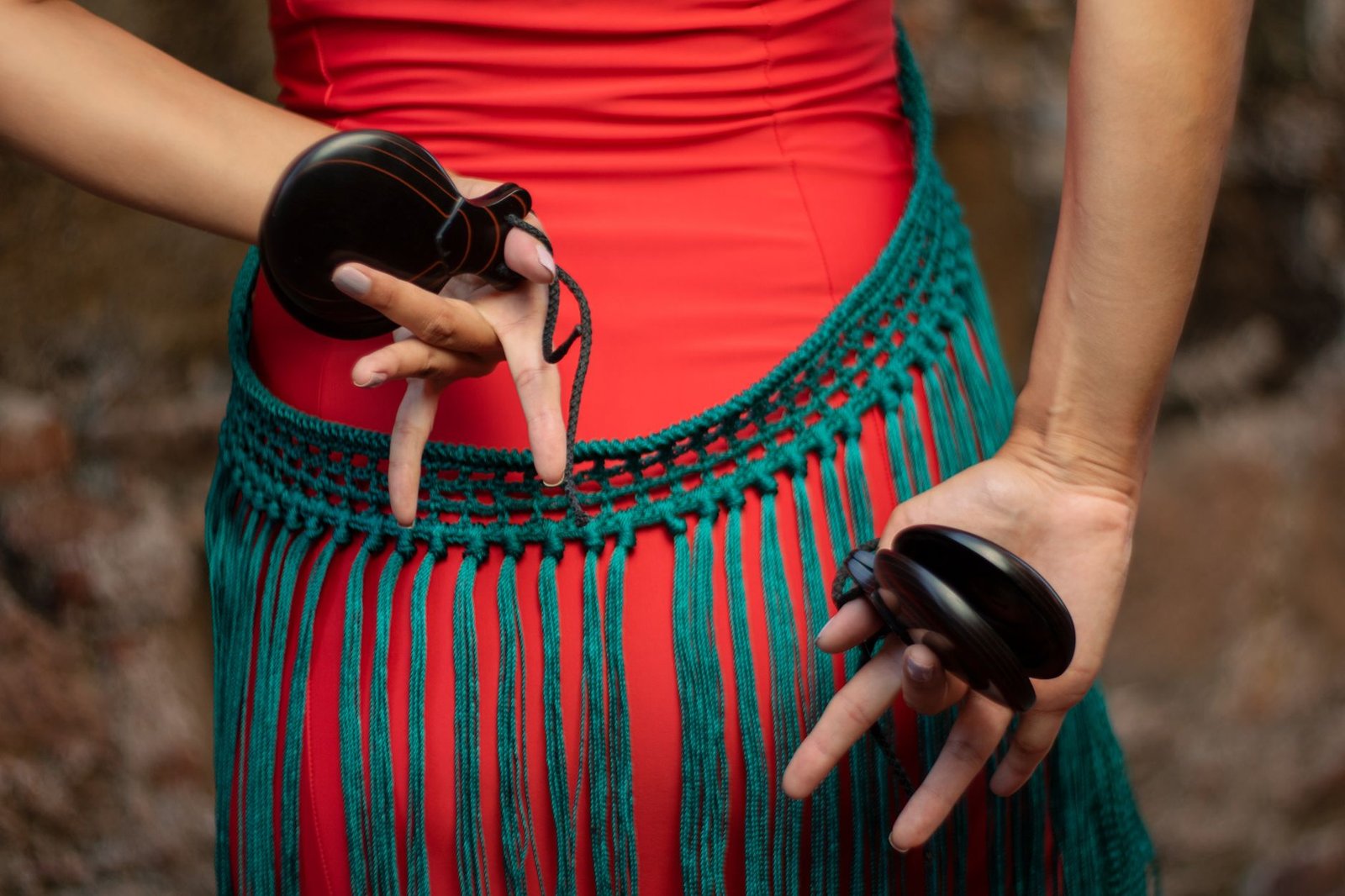
Feria de Noche: Embracing Elegance and Tradition
When the party moves to the Real de la Feria for the evening, the atmosphere becomes a bit more polished and, for many, this is where the traditional side of the Feria truly shines. While there’s certainly no strict black-tie requirement, people generally dress up more for the Feria de Noche compared to the daytime celebrations.
For women, this is the prime opportunity to wear something a little more special. Elegant summer dresses are a popular choice. Think flowy maxis, midi dresses with interesting details like ruffles, lace, or eye-catching patterns. Floral prints are always a hit. A chic jumpsuit or a coordinated skirt and top set can also look fantastic. The key is to look put-together and festive. If you’ve ever wanted to try on the traditional flamenco flair without committing to a full dress, this is where you can incorporate elements like a beautifully embroidered shawl (mantón de Manila) draped over a simple dress, or a fresh flower tucked into your hair.
For men, smart casual is the way to go. A crisp dress shirt – linen is still a great choice for comfort in the evening warmth – paired with tailored trousers (chinos or even a light suit fabric) is perfect. Many Malagueños opt for a guayabera shirt, a stylish and breathable choice that perfectly suits the Andalusian climate. A smart blazer can elevate your look, but it’s not strictly necessary, especially if it’s a warm night. Avoid t-shirts, athletic wear, or anything too informal; save those for a casual dinner somewhere else. This is a celebration, after all!
Footwear for the Feria de Noche still prioritizes comfort, but with a touch more elegance. Women might opt for low block heels, dressy wedges, or stylish flats that can withstand hours of walking and dancing. Men should wear smart leather shoes, loafers, or clean dress sneakers. Again, the Real de la Feria is expansive, and you’ll be doing a lot of walking between casetas and dancing within them, so choose wisely.
Essential accessories for the evening include:
- Abanico (Fan): Not just a stylish prop, an abanico is a lifesaver in the warm casetas and a beautiful cultural touch.
- Hair Flowers (Flores para el pelo): A classic way for women to add a touch of flamenco elegance, usually worn in a low bun or behind the ear.
- Statement Earrings: Large, decorative earrings (often referred to as pendientes) are a staple with flamenco-inspired outfits.
- Mantón de Manila (Shawl): If you’re feeling extra festive, a beautiful embroidered shawl draped over your shoulders is a showstopper.
- Small Clutch or Bag: Something elegant but practical for carrying your phone and a few essentials.
Remember, the goal is to feel part of the celebration. Don’t feel pressured to buy an entire new wardrobe, but embrace the spirit of dressing up. A well-chosen outfit for the Feria de Noche can significantly enhance your experience, making you feel confident and ready to join in the traditional dances and songs that fill the air.
The Traje de Flamenca: When and How to Wear It
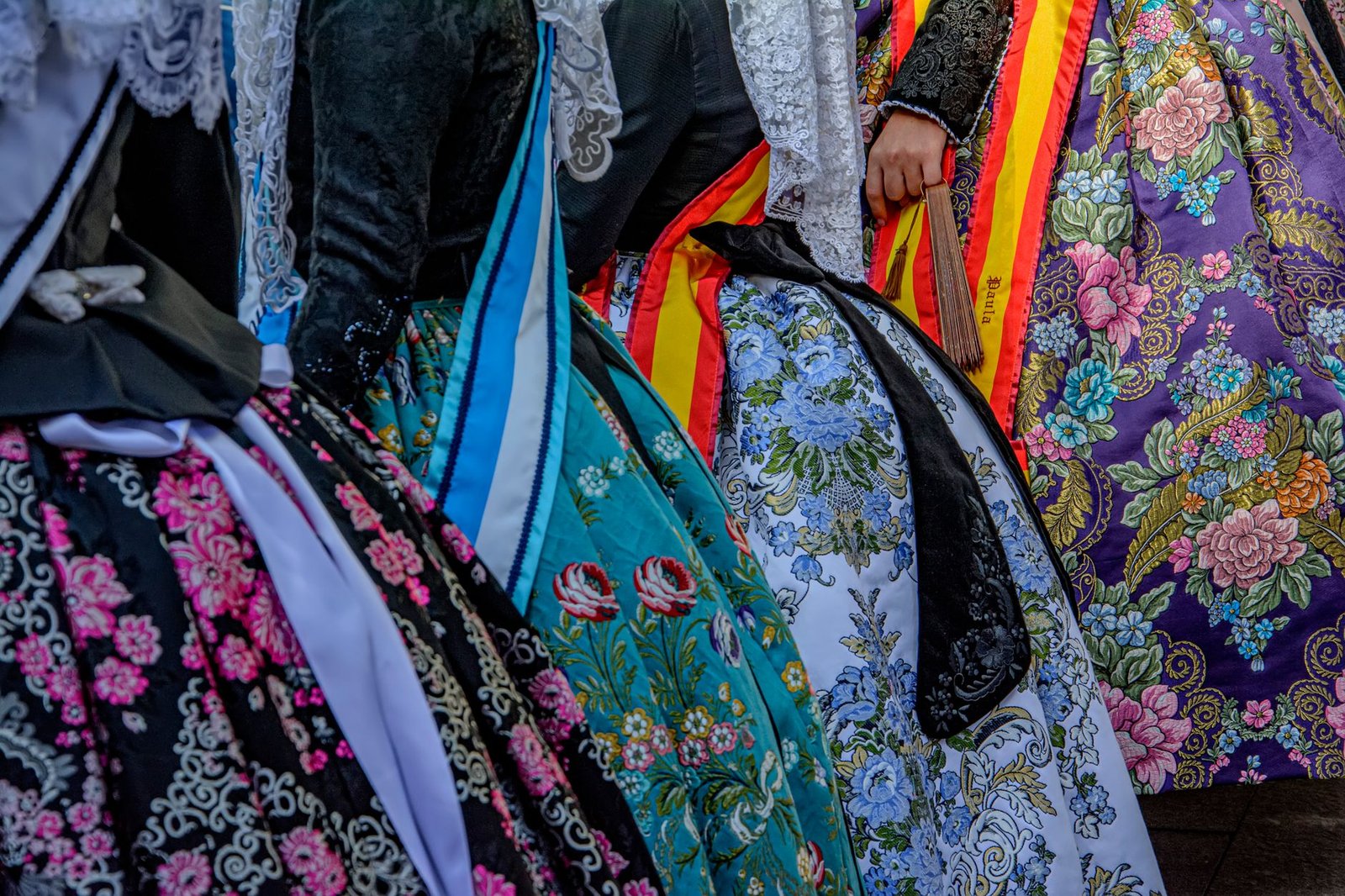
Ah, the traje de flamenca, or flamenco dress. This is perhaps the most iconic image associated with Spanish ferias, and for good reason – it’s a stunning, vibrant garment that truly embodies the spirit of Andalusian culture. But should you wear one to the Malaga Feria? Let’s get real about it.
First and foremost: No, wearing a flamenco dress is absolutely NOT mandatory. You will see many local women, particularly on specific days or in certain casetas, dressed in full flamenco attire, looking utterly magnificent. But you will see just as many, if not more, dressed in elegant summer outfits as described in the previous section. The Malaga Feria is known for being a bit more relaxed than, say, Feria de Abril in Seville when it comes to formal dress requirements.
If you DO decide to wear a flamenco dress, here’s when and how it’s most appropriate:
- Feria de Noche: This is the time and place. While some may wear them during the day at the Real, it’s far more common to see them after sunset.
- Horse Parades (Paseo de Caballos): If you’re planning to attend the horse parades, which usually happen in the daytime at the Real, a flamenco dress (or equestrian attire for men) is highly traditional and fitting.
- Specific Casetas: Some traditional casetas might have a slightly more formal feel where a flamenco dress would be perfectly at home.
Renting vs. Buying:
Buying a good quality flamenco dress is a significant investment. Prices for a well-made dress can start from €300-€400 and go well into the thousands, especially for custom designs. This is why many locals own one or two that they cherish and wear for years. For visitors, renting is a much more practical option. You can find rental shops in Malaga city center; expect to pay anywhere from €80 to €200 for a weekend rental, which often includes some accessories like a flower for your hair and a shawl. Make sure to book in advance, especially if you have a specific size or style in mind, as popular dresses get booked up quickly.
How to Wear It:
A flamenco dress is not just a dress; it’s an entire look. Pay attention to the details:
- Hair: Traditionally, hair is pulled back into a sleek bun (a moño), often with a large, fresh flower or an elaborate hair comb (peineta) tucked in.
- Accessories: Large earrings (pendientes) are crucial, often coordinating with the dress. Bracelets (pulseras) and necklaces can complete the look.
- Shawl (Mantón de Manila): If your dress doesn’t have sleeves or you want to add an extra layer of elegance, a mantón is draped over the shoulders.
- Shoes: Flamenco shoes (zapatos de flamenco) have small heels and are designed for dancing. If you’re just walking, comfortable low block heels or wedges are fine, but ensure they are secure and easy to walk in.
Dos and Don’ts for Wearing a Traje de Flamenca:
- DO ensure the dress fits you well. A poorly fitting dress can be uncomfortable and detracts from the elegance.
- DON’T wear athletic shoes or flip-flops with a flamenco dress. It completely ruins the aesthetic.
- DO embrace the accessories: big earrings, a flower in your hair, and a fan.
- DON’T try to imitate professional flamenco dancers unless you actually are one. Enjoy the music and the atmosphere without pressure.
- DO consider comfort. These dresses can be warm, and you’ll be in them for hours.
- DON’T feel obligated to wear one if it doesn’t feel right for you. Your comfort and enjoyment are key.
Ultimately, wearing a flamenco dress is a wonderful way to immerse yourself in the culture, but only if you feel genuinely excited and comfortable doing so. If not, a beautiful summer dress with a few flamenco-inspired accessories will make you feel just as festive.
Practical Considerations and Caro’s Honest Tips
Beyond the aesthetics, there are some crucial practical elements to keep in mind when planning your Feria outfits. Malaga in August is no joke, and being unprepared can seriously dampen your spirits.
1. Beat the Heat, Seriously: I cannot stress this enough – it’s going to be hot. The sun is intense, especially during the Feria de Día. Prioritize light colors and natural, breathable fabrics like linen, cotton, and light viscose. Polyester and other synthetic materials will make you feel sticky and uncomfortable very quickly. Carry a small hand towel or a handkerchief to dab sweat, and use that abanico liberally! Sunscreen is non-negotiable, applied often, especially on exposed skin. A wide-brimmed hat is not just a fashion statement; it’s a necessary shield.
2. Footwear is Everything: I’ve mentioned it before, but it bears repeating: comfortable shoes are your best friend. Even if you’re planning a dressier outfit for the night, choose shoes you can walk and stand in for hours. Cobblestones in the city center and the dusty, often gravelly, ground at the Real de la Feria are not kind to delicate shoes or high heels. Many women will carry a pair of foldable flats in their bag to change into when their heels become unbearable. This is a smart move.
3. Protect Your Valuables: Crowded places, especially during festivals, can attract pickpockets. A small cross-body bag that can be worn in front of you is the safest option for your phone, cash, and ID. Avoid backpacks that are easy to open without your notice, and don’t carry more cash or cards than you need. Leave expensive jewelry at home. This isn’t about paranoia, just smart prevention so you can focus on the fun.
4. Hydration and Sustenance: The heat combined with constant movement means you’ll be losing fluids quickly. Drink plenty of water throughout the day. Whatever you’re drinking, alternate it with water to prevent dehydration. Food stalls offer a variety of snacks, but it’s worth seeking out some authentic local fare. Maybe even consider a Malaga cooking class to truly appreciate the region’s cuisine before diving into the Feria’s offerings.
5. Outfit Changes are A-OK: Many locals will go home after the Feria de Día, shower, and change into a completely different (and often more formal) outfit for the Feria de Noche. Don’t feel like you have to commit to one look for the entire day. A refresh can make you feel rejuvenated and ready for another round of festivities. If you’re staying in the city center, a hotel like the AC Hotel Malaga Palacio or Hotel Astoria would put you close enough for a quick change. You can compare hotel prices on Booking.com to find one that suits your budget and location needs.
6. Embrace the Spirit: Ultimately, the Feria is about joy, celebration, and immersing yourself in Malaga’s incredible culture. While dressing the part adds to the experience, your enthusiasm and respect for the local traditions are what truly matter. Don’t let wardrobe worries overshadow the fun. If you’re feeling adventurous, you could even book a guided tour on Viator to get an insider’s perspective on the Feria, making sure you hit all the best spots while looking your best.
FAQ: Dress the part – Common Questions
Do I have to wear a flamenco dress to Malaga Feria?
No, you absolutely do not have to wear a flamenco dress to the Malaga Feria. While many local women, especially for the evening events at the Real de la Feria, choose to wear traditional flamenco attire, it is not mandatory for visitors or locals. An elegant summer dress, smart casual wear, or festive clothing with Spanish-inspired elements are all perfectly acceptable and common choices.
What shoes should I wear to Malaga Feria?
Comfortable shoes are paramount for the Malaga Feria. For the daytime events in the city center, opt for flat espadrilles, comfortable sandals with good support, or clean, stylish sneakers. For the evening at the Real de la Feria, you can choose slightly dressier options like low block heels, dressy wedges, or smart flats, but always prioritize comfort as you’ll be walking and standing for long periods on uneven surfaces.
Is there a dress code for men at Malaga Feria?
There isn’t a strict formal dress code for men, but generally, men dress smartly for the evening Feria de Noche. During the day, light linen shirts, polos, and smart shorts or linen trousers are appropriate. For the evening, a crisp linen or cotton dress shirt with tailored trousers (chinos are common) is ideal. A guayabera shirt is also a popular and stylish choice. Avoid t-shirts, athletic wear, or overly casual clothing for the evening celebrations.
What should I avoid wearing to Malaga Feria?
You should avoid wearing anything that will make you uncomfortable in the intense August heat, such as heavy fabrics or dark colors that absorb heat. Definitely skip high heels, as they are impractical and painful on the cobblestones and fairgrounds. Also, avoid overly revealing clothing, extremely casual attire like gym clothes, or large, cumbersome bags that can be easily targeted by pickpockets or make navigating crowds difficult.
Malaga Feria is an experience that truly comes alive when you embrace its spirit, and dressing for it is a part of that joy. Focus on comfort, celebrate with color, and allow yourself to be swept up in the incredible atmosphere. Whether you opt for a traditional flourish or a simple, elegant summer outfit, the most important thing is to be present and enjoy every moment of this unforgettable Andalusian festival. Planning your trip will be easier if you know about all the Malaga beach espetos tradition, a must-do while you’re there.
About the Author
After 15 years living and traveling across Spain, Caro knows this country in a way most travel writers never will. She’s not here to sell you a polished version of Spain, she’s here to show you the real one. Every guide on this site comes from her own experience: the restaurants she eats at, the routes she walks, the festivals she’s actually attended. She writes to cut through the noise and give you what actually matters. Learn more about Caro →