Finding pure freedom on a cycle Bardenas Reales moonscape.
Some links in this guide are affiliate links — if you book through them we may earn a small commission at no extra cost to you. It never changes what we recommend. Full disclosure.
If you’ve ever yearned for an experience that strips away the ordinary and immerses you in raw, untamed nature, then a cycle Bardenas Reales moonscape adventure might be exactly what you’re looking for in Spain. This isn’t just another bike ride; it’s an encounter with a landscape so distinctive it feels like stepping onto another planet, right here in Navarra. Having spent 15 years truly living and breathing Spain, I know the difference between a tourist hotspot and a genuine, soul-stirring destination, and the Bardenas Reales firmly falls into the latter category. In this guide, I’ll share how to plan your own incredible cycling journey through this magnificent semi-desert, covering everything from routes and gear to the best times to visit and where to find comfort after a day of pedaling through its surreal formations.
Quick Answer: Cycling Bardenas Reales
Cycling Bardenas Reales is an incredibly rewarding and unique adventure, offering a chance to explore a semi-desert landscape unlike anywhere else in Spain, with well-marked routes suitable for various skill levels; however, it requires careful preparation regarding water, sun protection, and appropriate bike gear to ensure a safe and enjoyable trip through its exposed terrain.
The Bardenas Reales: A Landscape Like No Other
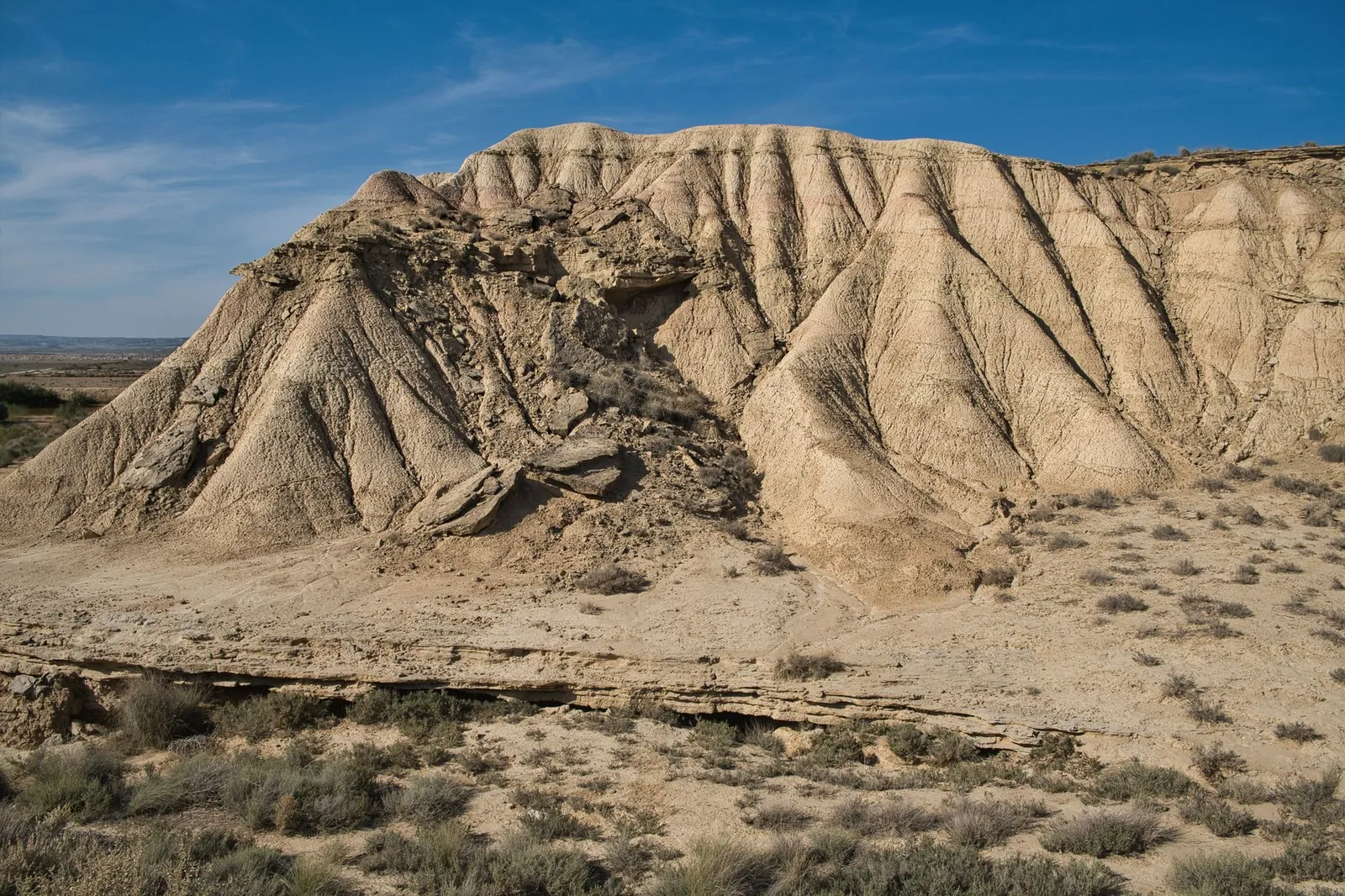
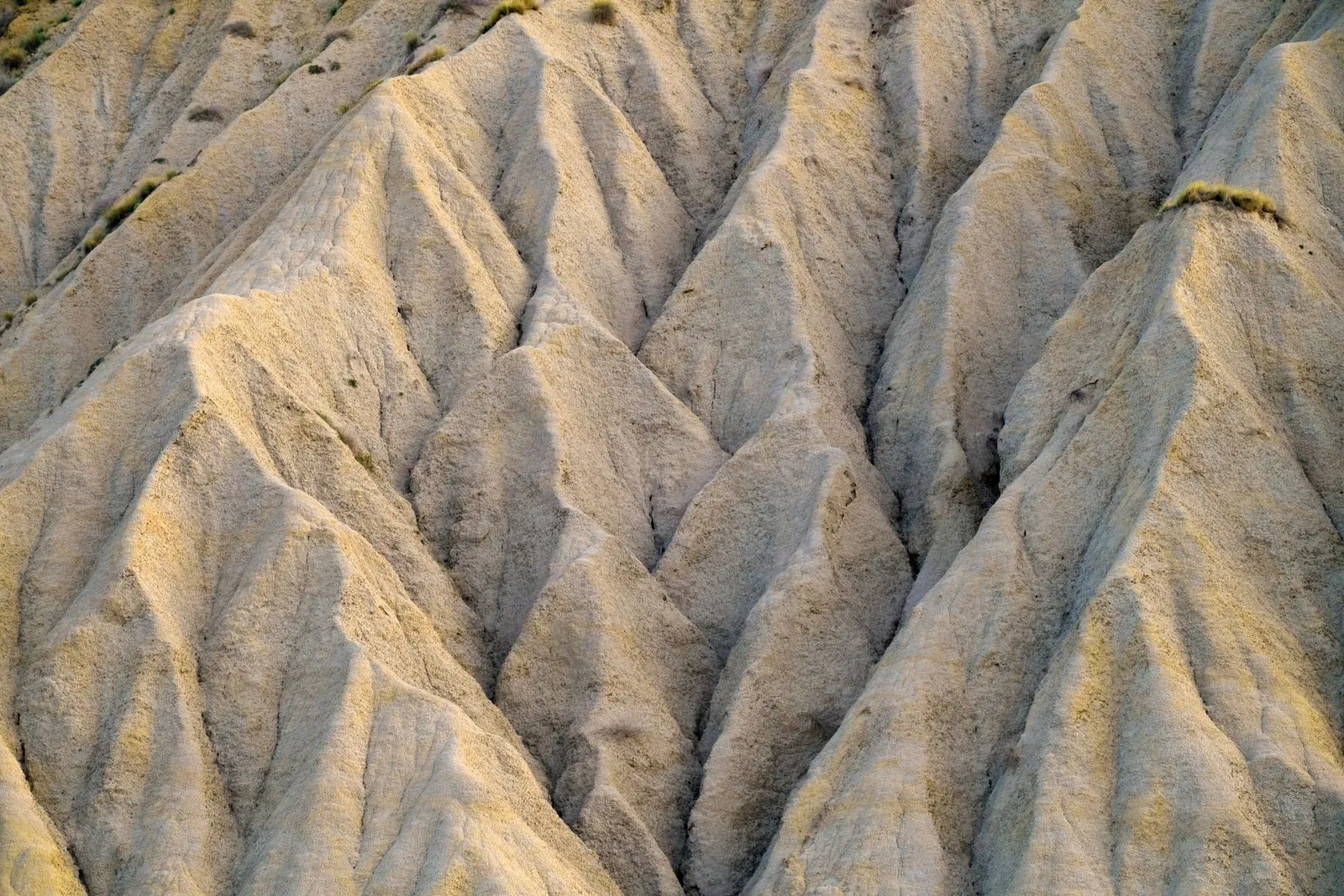
The Bardenas Reales is a semi-desert natural park covering over 40,000 hectares in Navarra, a protected Biosphere Reserve where the unique clay, gypsum, and sandstone formations create an otherworldly landscape best explored by bicycle. This isn’t a landscape you merely observe; it’s one you immerse yourself in, feeling the ancient geology beneath your wheels. The park is divided into three distinct zones: the Bardena Blanca, with its pale, arid badlands and iconic formations like Castildetierra; the Bardena Negra, characterized by black pine forests and more Mediterranean vegetation; and El Plano, a higher, flatter plateau used for agriculture.
The most important thing to understand before you arrive is that the Bardenas Reales is a protected natural space, and there are strict rules in place to preserve its fragile ecosystem. You cannot just cycle anywhere you please. Access is limited to designated tracks and paths, which are clearly marked, and deviating from these can result in fines and, more importantly, damage to the environment. The park is generally open from 8:00 to one hour before sunset, though specific hours can vary seasonally, so always check the official Bardenas Reales website for the most current information before you set off. Entry to the park itself is free, making it an accessible adventure once you handle logistics.
What makes the Bardenas truly special for cycling is the sheer scale and variety of its terrain within these designated routes. One moment you’re pedaling past a solitary shepherd’s hut, the next you’re dwarfed by towering, erosion-sculpted cliffs. The silence out here is profound, broken only by the crunch of gravel under your tires or the occasional call of a bird of prey circling overhead. It’s a place that demands respect but gives back an immeasurable sense of peace and discovery. It’s a testament to Spain’s incredible natural diversity, proof that this country offers so much more than just coastal beaches or historic cities.
You’ll want to respect the local environment during your visit. That means packing out everything you pack in, staying on marked trails, and giving any wildlife you encounter plenty of space. The Bardenas is home to a surprising array of birds, reptiles, and mammals, even in its harsh conditions. While you might not spot a wild boar, you’re almost guaranteed to see impressive raptors soaring above. Keep your eyes peeled and your camera ready, but always from a respectful distance.
Choosing Your Path: Cycling Routes and Difficulty
The most popular cycling route, the 67-kilometer loop through Bardena Blanca, is generally accessible for intermediate cyclists with a decent fitness level, offering stunning views of formations like Castildetierra and Piskerra. This main track, known as the “Route of the Cabezo de Castildetierra,” is mostly flat or gently undulating gravel, which means it’s not technically challenging but does require endurance and a bike built for rougher terrain. Don’t underestimate the distance and the exposed nature of the ride; even though the elevation changes aren’t drastic, you’ll be cycling for several hours without much shade.
For those looking for something a bit less strenuous or a shorter introduction to the park, there are alternative routes. The “Route of the Cortinas” is a shorter, roughly 30-kilometer loop that offers a taste of the Bardena Blanca’s unique scenery without committing to the full circuit. If you’re a seasoned mountain biker seeking a tougher challenge, some of the more minor, designated tracks can offer more technical singletrack sections, but these are fewer and require better navigation skills and a more robust bike.
Here’s a breakdown of some popular routes:
| Route Name | Approx. Distance | Estimated Time | Difficulty | Key Features |
|---|---|---|---|---|
| Bardena Blanca Loop (Castildetierra) | 67 km | 4-6 hours | Intermediate | Castildetierra, Piskerra, Barranco Grande |
| Route of the Cortinas | 30 km | 2-3 hours | Easy to Intermediate | Smaller formations, quieter sections |
| Aguilares Track (partial) | Variable | 1-2 hours | Easy | Good for families, views of crop fields |
Bike rentals are available in nearby towns like Tudela or Arguedas. Expect to pay around €25-€40 per day for a quality mountain bike or gravel bike. It’s highly recommended to book your bike in advance, especially during peak season, to ensure availability and the right size. Some rental shops will even deliver bikes directly to the park entrance or your accommodation in Tudela, which can be incredibly convenient for saving time and hassle. Make sure to specify you’ll be cycling the Bardenas so they can provide a bike suitable for the gravel tracks.
Essential Gear and Preparation for Your Ride
For a safe and enjoyable cycling trip in Bardenas Reales, you’ll need a mountain bike or a sturdy gravel bike, at least 3-4 liters of water per person, and comprehensive sun protection due to the exposed terrain. This isn’t a place for your city cruiser or road bike. The tracks are unpaved, often rocky, and sometimes sandy, so robust tires and good suspension will make a world of difference in your comfort and safety. Many sections are corrugated, meaning a hardtail mountain bike or a gravel bike with wider tires is ideal for absorbing the vibrations and providing stability.
Beyond the bike itself, preparation is key. The Bardenas Reales is largely undeveloped, which means no shops, no cafés, and very limited services once you’re inside the park. You are responsible for carrying everything you need for the duration of your ride. Here’s a checklist of essentials:
- Water: This is non-negotiable. Plan for at least 1 liter per hour of cycling per person, especially on warmer days. Dehydration can be a serious risk.
- Food/Snacks: Energy bars, fruit, sandwiches – pack enough to sustain you for several hours.
- Sun Protection: High SPF sunscreen, a wide-brimmed hat or cap (under your helmet), sunglasses, and lightweight long sleeves/pants are crucial. The sun is relentless, even on cooler days.
- First-Aid Kit: For minor scrapes, blisters, and any personal medications.
- Bike Repair Kit: Spare inner tube, pump, tire levers, and basic tools. Punctures are common on gravel tracks, and you’ll be far from help.
- Navigation: A fully charged phone with offline maps (Google Maps, Komoot, Wikiloc are good options) or a GPS device is essential. Signal can be patchy.
- Layers: Even if it starts warm, the desert can get windy and temperatures can drop quickly, especially in the shoulder seasons.
- Headlamp/Torch: If there’s any chance you’ll be out near dusk or after.
Tell someone where you’re going and your estimated return time, especially if you’re cycling solo. While the main routes are relatively popular, the park is vast, and you don’t want to be caught unprepared. Emergency services can take time to reach remote areas. Think of it like preparing for a hiking volcanic trails Tenerife, where the elements can be unforgiving if you’re not ready. This is not the place for spontaneity without proper planning.
When to Go and Where to Stay: Timing Your Adventure
The ideal times to cycle Bardenas Reales are spring (March-May) and autumn (September-November), when temperatures average between 15°C and 25°C, making the long rides manageable before the intense summer heat or winter chill. Summer (June-August) brings scorching temperatures that often exceed 35°C, making midday cycling dangerous and deeply unpleasant. If you must visit in summer, plan to start at sunrise and finish by late morning, taking a long break during the hottest hours. Winter (December-February) can be cold and wet, with short daylight hours, though the stark landscape can be incredibly dramatic under a winter sky.
When it comes to where to stay, the city of Tudela is your best bet. Located just a short drive (about 15-20 minutes) from the main park entrances, it’s the largest urban center in the area and offers all the amenities you’ll need. Tudela has a good selection of hotels, guesthouses, and restaurants, providing a comfortable base for your desert adventure. You can find accommodation in Tudela ranging from modern hotels to distinctive, independently run establishments.
If you prefer a smaller, more rural experience, consider staying in one of the villages closer to the park, such as Arguedas or Valtierra. These villages offer a quieter atmosphere and often have traditional rural houses or smaller hotels. However, dining options and general services will be more limited than in Tudela. Whichever you choose, booking your accommodation in advance is always a good idea, especially during the spring and autumn months, which are popular for visitors.
Consider arriving the day before your ride to settle in, check your bike, and grab any last-minute supplies. This allows for a relaxed start to your cycling day without rushing. The early morning light in the Bardenas is particularly beautiful, casting long shadows and highlighting the textures of the landscape, so being able to start early is a big plus.
Beyond the Bike: Experiencing the Bardenas and Nearby
After cycling, don’t miss exploring Tudela, the nearest city, known for its medieval quarter and distinct Navarran gastronomy, particularly its fresh seasonal vegetables, offering a cultural counterpoint to the desert’s stark beauty. Tudela’s old town is a delightful maze of narrow streets, home to the magnificent Cathedral of Santa María, which features an impressive Romanesque cloister and a blend of architectural styles reflecting its long history. Taking an hour or two to wander its alleys and squares is the perfect way to unwind after a challenging ride.
The Bardenas Reales itself offers incredible photography opportunities. The iconic Castildetierra, a solitary hoodoo formation, is a popular spot, especially at sunrise or sunset when the light plays dramatically across its sculpted rock. Other formations like Piskerra are equally compelling. Take your time, find different angles, and let the sheer geological artistry of the place inspire you.
One of the downsides of the Bardenas, which I’ll be honest about, is the extreme exposure. There’s almost no natural shade anywhere on the main routes, which contributes to the relentless sun exposure and the feeling of isolation. This is why hydration and sun protection are so critical. Another factor to consider is the potential for strong winds. Being in such an open, flat landscape means you can be very exposed to wind, which can make cycling significantly harder and more tiring. Always check the weather forecast, including wind predictions, before heading out.
Tudela is also an excellent place to savor authentic Navarran food. The region is famous for its garden produce – asparagus, artichokes, and Tudela lettuce are celebrated. Look for restaurants serving traditional dishes like menestra de verduras (vegetable stew) or roasted lamb. It’s a culinary experience that perfectly balances the ruggedness of the Bardenas. To get a deeper dive into the city’s offerings, you might consider taking a local tour that focuses on the history and flavors of the area; you can explore Tudela tours to find something that suits your interest. While the Bardenas provides physical adventure, Tudela offers a rich cultural and gastronomic reward.
Common Questions About Bardenas Cycling Experience
Is Bardenas Reales suitable for beginners?
The main 67-kilometer loop through Bardena Blanca is largely flat gravel but requires a good level of fitness and endurance due to its length and exposed nature, making it more suitable for intermediate cyclists rather than absolute beginners unless you opt for shorter, less demanding routes or an electric bike.
Can you enter Bardenas Reales by car?
Yes, you can enter Bardenas Reales by car, but access is restricted to designated paved and gravel roads, primarily the main loop road through Bardena Blanca, which is one-way in parts. Off-road driving is strictly prohibited to protect the natural environment, and the speed limit is 40 km/h.
What are the opening hours of Bardenas?
The Bardenas Reales Natural Park is generally open from 8:00 AM until one hour before sunset, year-round. However, it’s always best to check the official website of the Natural Park of Bardenas Reales for any seasonal variations or specific closures, especially around national holidays or for military exercises, as parts of the park are occasionally used for training by Spain’s Ministry of Defense.
Are there guided cycling tours available?
Yes, several local tour operators in Tudela and nearby towns offer guided cycling tours of Bardenas Reales, often including bike rental, helmet, and a knowledgeable guide who can provide insights into the geology, flora, and fauna of the park. These tours can range from half-day excursions to full-day adventures, sometimes with picnic lunches included.
The Bardenas Reales is more than just a destination; it’s an experience that carves itself into your memory, a profound sense of freedom that comes from traversing such a wild, unique landscape under the vast Spanish sky. It’s the kind of place that reminds you why you fell in love with Spain’s incredible diversity in the first place, offering a stark contrast to its sunny beaches or bustling cities. The solitude, the raw beauty, the challenge of the ride—it all combines into an unforgettable journey that leaves you feeling invigorated and connected to the earth. If you’re looking for another active way to explore Spain’s rugged beauty, perhaps horse riding Sierra Grazalema trails could be your next adventure.
About the Author
After 15 years living and traveling across Spain, Caro knows this country in a way most travel writers never will. She’s not here to sell you a polished version of Spain, she’s here to show you the real one. Every guide on this site comes from her own experience: the restaurants she eats at, the routes she walks, the festivals she’s actually attended. She writes to cut through the noise and give you what actually matters. Learn more about Caro →