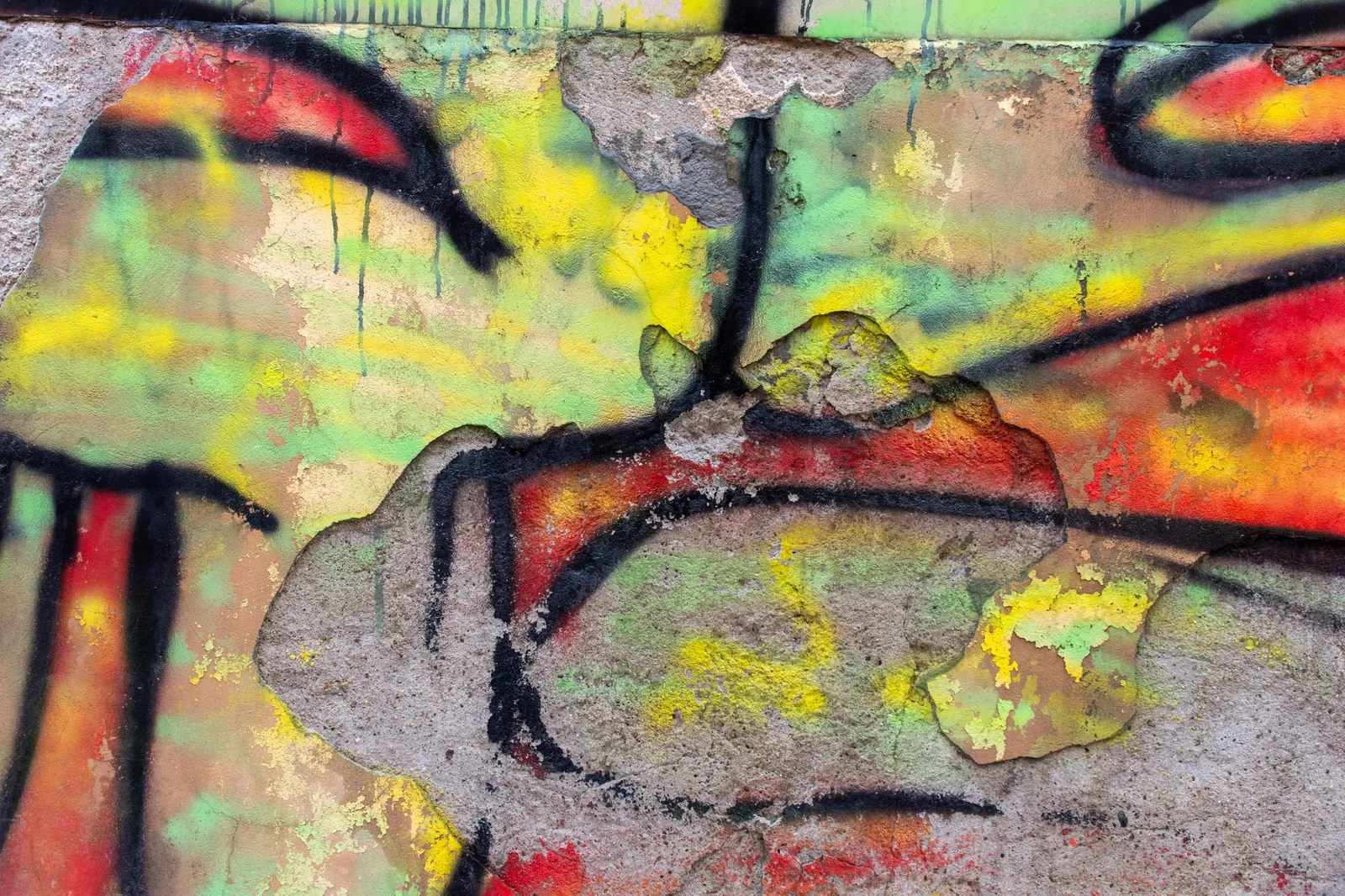
Madrid street art stories unfold on these walls I adore.
Some links in this guide are affiliate links — if you book through them we may earn a small commission at no extra cost to you. It never changes what we recommend. Full disclosure.
Most visitors to Madrid expect grand palaces, world-class museums, and beautiful plazas, and you absolutely will find all of that here. But the true spirit of a city, for me, often reveals itself not in the polished grandeur but in the raw, spontaneous expressions covering its walls. That’s where the real madrid street art stories unfold, painting a dynamic counter-narrative to the city’s traditional image. What many overlook is how deeply ingrained this art form is in Madrid’s modern identity, reflecting its social conscience, its evolving communities, and the sheer creativity of its people. It’s not just graffiti; it’s a living, breathing outdoor gallery that speaks volumes about who Madrid is today and where it’s headed.
Quick Answer: Madrid Street Art Exploration
Exploring Madrid’s street art is best done on foot through neighborhoods like Lavapiés and Malasaña, which are home to hundreds of murals, stencils, and tags, with many pieces accessible year-round and free of charge. Most guided tours, costing around €20-€30 per person, last approximately 2.5 to 3 hours and offer valuable context on the artists and their messages.
The Evolving Canvas: Madrid’s Street Art Scene Today
Madrid’s relationship with street art has evolved dramatically from a past of strict prohibitions to a thriving, recognized cultural movement, offering a constantly changing display of public expression. What began as an underground act of rebellion in the 1980s, influenced by the Movida Madrileña, has slowly gained legitimacy, with designated spaces and even commissions from local authorities. This shift means that while you’ll still encounter spontaneous, politically charged works, you’ll also see large-scale murals that are celebrated as significant contributions to urban aesthetics. It’s a compelling conversation between the illicit and the celebrated, the ephemeral and the lasting, all playing out on brick and concrete.
The city doesn’t just tolerate street art; it actively fosters it in many areas, creating a unique urban landscape. For instance, the Muros Tabacalera project at the Tabacalera Cultural Center in Lavapiés has transformed the exterior walls of an old tobacco factory into a rotating gallery of large-format murals. This initiative alone has seen dozens of national and international artists contribute, with new works appearing every couple of years. Entry to view these outdoor murals is completely free, and they are accessible 24 hours a day, though the best light for photography is usually in the morning or late afternoon. It’s a space where art is democratic, open to everyone, challenging the traditional gallery model. The city’s investment in these types of projects demonstrates a clear understanding that street art is not just vandalism; it is a powerful medium for storytelling and community building, a way to visually articulate the pulse of Madrid.
Lavapiés: The Heart of Social Commentary and Global Voices
Lavapiés stands as Madrid’s undisputed epicenter for street art that speaks volumes, reflecting the neighborhood’s diverse, multicultural identity and its commitment to social and political discourse. When you walk through Lavapiés, particularly around Calle Embajadores, Calle Mesón de Paredes, and the smaller connecting alleys, you’re not just seeing paintings; you’re reading a visual newspaper of Madrid’s contemporary concerns. This area is known for its high concentration of large-scale murals and stencil work, often addressing themes of immigration, social justice, gentrification, and environmental issues, with new pieces appearing monthly.
One of the most significant sites here is the aforementioned Tabacalera, where the sheer scale of the art is impressive. While the interior has varying opening hours depending on exhibitions (typically Tuesday to Saturday, 12:00-20:00, and Sunday, 12:00-15:00, closed Mondays), the external walls are always visible. Beyond Tabacalera, wander towards the Glorieta de Embajadores roundabout and venture down the smaller, unassuming streets. You’ll find works by artists like Dulk, whose surreal animal-human hybrids often carry strong environmental messages, or pieces by Suso33, known for his abstract calligraphic style that pushes the boundaries of traditional graffiti. The pieces here aren’t just decorative; they provoke thought and encourage conversation, making Lavapiés a truly dynamic space for urban exploration.
Here are some areas within Lavapiés where the street art is especially dense:
- Calle Sombrerete: Look for intricate stencils and smaller, detailed works.
- Calle de la Fe: Often features murals with strong social messages.
- Calle Doctor Fourquet: Known for more abstract and experimental pieces.
- Mercado de San Fernando (Calle Embajadores, 41): The exterior walls and even some interior spaces host rotating street art. Inside, you can grab a coffee or a quick bite from one of the stalls, making it a great place to combine art with a local experience.
- Plaza Agustín Lara: A common spot for vibrant, large-scale murals that transform the public space.
Exploring Lavapiés by day is safe and provides the best light for appreciating the art. Keep your eyes up, down, and around corners, because some of the most compelling works are tucked away in unexpected places. The district itself is a fantastic place to soak up local life; you might even find yourself stopping for some authentic local food at a spot away from the tourist crowds, where you can see where Madrid actually eats, not where tourists do. Just remember that many walls are private property, and while the art is public, some small pieces might be in residential courtyards only visible from the street.
Malasaña: Eclectic Expressions and Bohemian Alleys
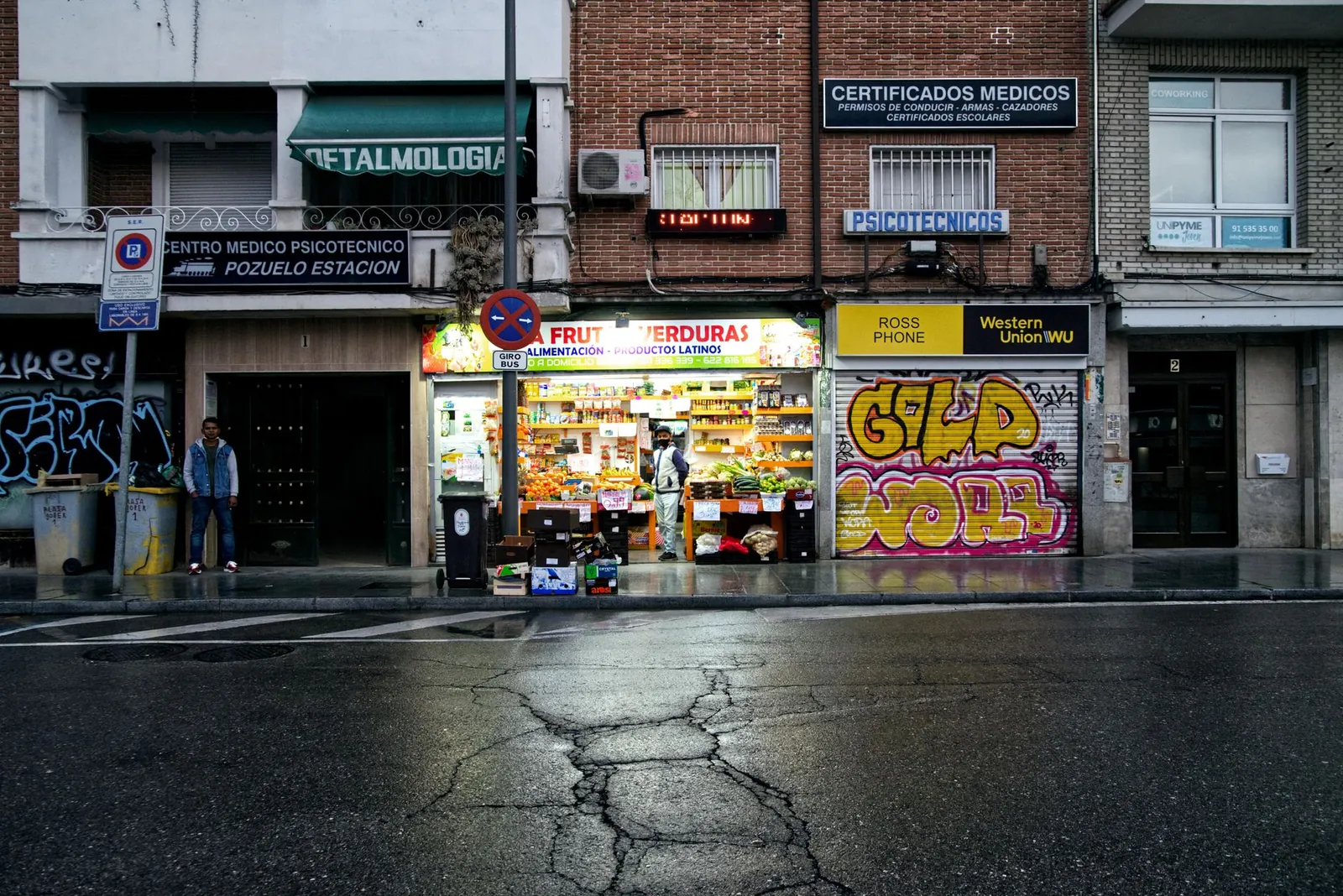
Malasaña offers a stark contrast to Lavapiés, presenting a more eclectic and often playful side of Madrid’s street art, with a focus on graphic design, pop culture references, and vibrant, colorful pieces. This neighborhood, historically known for its bohemian spirit and alternative scene, maintains that rebellious artistic streak through its murals and graffiti, particularly concentrated around Calle de la Palma, Calle Velarde, and the side streets leading off Corredera Baja de San Pablo. While Lavapiés often tackles weighty social themes, Malasaña’s art leans into individuality, creative freedom, and often, pure aesthetic joy, with new pieces continually adding to its evolving character.
The art here tends to be integrated more subtly into the urban fabric, appearing on shop shutters, building facades, and smaller canvases, rather than in designated large-scale projects. You’ll encounter a mix of styles, from elaborate, cartoon-like characters to abstract geometric patterns, and often political satire delivered with a lighter touch. Artists like Boa Mistura, a collective known for their work that often incorporates typography and positive messages, have left their mark across Madrid, and you can spot their distinctive style in Malasaña as well. The beauty of Malasaña’s street art lies in its spontaneous discovery; turning a corner can reveal a stunning new piece that wasn’t there last week.
Malasaña’s artistic landscape isn’t static, and you’ll often see works reflecting current cultural trends or even reacting to recent events, making it a living gallery. The area is also fantastic for its independent shops and cafes. Consider spending a morning or afternoon just wandering the grid of streets, stopping for a coffee or browsing a vintage store. The best time to see the art on shop shutters is early in the morning before businesses open, or on Sundays when many shops are closed, giving you an unobstructed view. During the day, the cafes and bars spill out onto the pavement, creating a lively atmosphere that perfectly complements the art.
Navigating Madrid’s Urban Canvases: Self-Guided vs. Tours
Deciding between a self-guided exploration and a dedicated street art tour depends on your preference for independence versus expert insight, but guided options often offer a deeper dive into the narratives and artists behind the pieces. While wandering freely allows for personal discovery, a tour can transform a simple walk into an educational journey, providing context on Madrid’s urban art history, the techniques used, and the cultural significance of the works. Most guided tours typically run for 2.5 to 3 hours and cost between €20 and €30 per person, offering excellent value for the depth of knowledge gained.
If you choose to explore on your own, I recommend downloading a good offline map of Madrid and marking out key areas like Lavapiés and Malasaña. Public transport is efficient; a single Metro or bus ticket costs €1.50-€2.00, but most of the concentrated art districts are walkable once you arrive. Just know that you’ll miss the stories behind the art and the artists’ intentions, which is where a knowledgeable guide truly shines. They often have relationships with local artists and can provide current information on new installations or even give you a heads-up on pieces that might be ephemeral. You can discover a selection of walking tours in Madrid focusing on street art, which often start near central Metro stations like Embajadores or Tribunal.
Here’s a breakdown to help you decide:
| Feature | Self-Guided Tour | Guided Street Art Tour |
|---|---|---|
| Cost (per person) | €0 (plus transport, ~€2 per ride) | €20 – €30 |
| Duration | Flexible (2-4 hours recommended) | Typically 2.5 – 3 hours |
| Knowledge & Context | Limited to your own research | Expert insights, artist stories, historical context |
| Pace & Flexibility | Completely dictated by you | Set pace, but questions are encouraged |
| Discoverability | Chance encounters, requires good navigation | Curated route, ensures seeing key pieces |
| Accessibility | Available any time, day or night | Scheduled times (e.g., 10:30, 16:00 departures) |
| Social Aspect | Solo or with your group | Meet other art enthusiasts |
Regardless of your choice, wear comfortable walking shoes. You’ll be covering several kilometers as you move between walls and through various urban landscapes. Early mornings or late afternoons are often best to avoid the midday sun and crowds, especially in the warmer months. Madrid is a city that rewards those who explore on foot, allowing you to catch details you might miss from a bus or car. And remember that street art is inherently temporary; some pieces you see today might be gone tomorrow, making every visit a unique experience.
Respecting the Art and the Artists
Engaging with Madrid’s street art means appreciating it responsibly, which involves respecting the artwork itself, the artists, and the neighborhoods where it lives. This might seem obvious, but it’s crucial for maintaining the delicate balance that allows this art form to flourish in public spaces. First and foremost, never touch the art. Oils from your skin, even minor scratches, can damage murals over time. Similarly, adding your own mark, whether it’s writing your name or sticking a sticker, is not only disrespectful but can also lead to the original artwork being painted over by property owners.
Photography is generally encouraged, but always be mindful of your surroundings. If you’re photographing a piece on a residential building, avoid aiming your camera into private windows. If people are in your shot, ask for permission before capturing their image, especially if you plan to share it publicly. It’s about being a conscious visitor rather than an intrusive one. The art often spills onto shop fronts and residential entrances; be aware of the daily routines of locals. Don’t block doorways or create obstructions for residents trying to go about their day.
Additionally, remember that many pieces are created without official permission, existing in a legal gray area. While many property owners now tolerate or even appreciate the art, treating these walls with care helps foster that positive relationship. Supporting local artists, perhaps by purchasing prints or following them on social media (many artists sign their work with their Instagram handles), also contributes to the longevity and growth of the scene. Treat these outdoor galleries with the same reverence you would an indoor museum, and you’ll help ensure Madrid’s vibrant street art continues to tell its stories for years to come.
Common Questions About Madrid’s Urban Art
Where are the best areas for street art in Madrid?
The most concentrated areas for impactful street art in Madrid are Lavapiés, particularly around the Tabacalera cultural center and the streets off Calle Embajadores, and Malasaña, especially along Calle de la Palma and the surrounding alleys. Both neighborhoods offer distinct styles, with Lavapiés often featuring large-scale, socially charged murals, while Malasaña is known for its more eclectic, pop-culture-influenced pieces.
Is Madrid street art legal?
The legality of street art in Madrid is nuanced; while unauthorized graffiti is still prohibited, the city has increasingly embraced and even commissioned large-scale murals and urban art projects, especially in neighborhoods like Lavapiés. Many works exist in a tolerated space, particularly if they are high quality or contribute positively to the urban aesthetic, signifying a shift in municipal attitude towards public art.
Can you see Madrid street art for free?
Yes, absolutely. All of Madrid’s outdoor street art, including major murals and smaller pieces, is freely accessible to the public 24 hours a day, every day of the week. You can simply walk through the dedicated neighborhoods and discover countless artworks at no cost. Guided tours offer a deeper understanding but are an optional expense.
What type of art will I see on Madrid’s walls?
Madrid’s street art encompasses a broad spectrum of styles, from politically charged murals and intricate stencil work that reflects social commentary, to colorful abstract pieces, graphic design-influenced art, and playful pop culture references. You’ll also encounter diverse techniques, including spray paint, wheatpasting, and even mosaic work, showcasing a vibrant mix of both local and international artistic talent.
Exploring Madrid’s street art is more than just sightseeing; it’s an immersive experience into the city’s living, breathing culture, a chance to see its soul laid bare on its walls. It’s a reminder that art isn’t confined to museums, but flourishes on the streets, telling stories of identity, hope, and resilience. Taking the time to discover these urban canvases offers a perspective you won’t find anywhere else, deepening your connection to this extraordinary city. And once you’ve walked these inspiring streets, you’ll want a comfortable place to rest, so make sure to explore options for accommodation in Madrid that suit your style.
About the Author
After 15 years living and traveling across Spain, Caro knows this country in a way most travel writers never will. She’s not here to sell you a polished version of Spain, she’s here to show you the real one. Every guide on this site comes from her own experience: the restaurants she eats at, the routes she walks, the festivals she’s actually attended. She writes to cut through the noise and give you what actually matters. Learn more about Caro →