My favorite Semana Grande Bilbao local traditions feel like home.
Some links in this guide are affiliate links — if you book through them we may earn a small commission at no extra cost to you. It never changes what we recommend. Full disclosure.
Most people, when they think of Spain’s big festivals, picture the iconic running of the bulls in Pamplona or the solemn processions of Semana Santa in Seville. And yes, those are incredible experiences, full of their own intense magic. But for me, the festival that truly captures the soul of a city, that feels like a homecoming and a joyous celebration of community, is Aste Nagusia – Bilbao’s Big Week. Experiencing the Semana Grande Bilbao local traditions is not just about witnessing a party; it’s about being swept into the heart of Basque culture, where every street corner pulses with a genuine, infectious energy that stays with you long after the final fireworks fade.
Quick Answer: My Favorite Semana Grande Bilbao Local Traditions
Bilbao’s Semana Grande, known locally as Aste Nagusia, is a nine-day festival in late August that truly defines the city’s character, centered around the beloved Marijaia figure, the vibrant, volunteer-run `txosnas` (festival bars), and daily cultural events like `herri kirolak` (Basque rural sports) and traditional music, all fueled by the passionate `comparsas` (local social clubs).
The Heart of the Festival: Marijaia and the Comparsas
Marijaia, the festival’s symbolic figure, presides over Aste Nagusia for its full nine days, from the `txupinazo` (opening rocket) on a Saturday evening until her ritual burning on the following Sunday, marking the festival’s close. This isn’t just a mascot; Marijaia is a grandmotherly, joyful figure, arms outstretched as if ready to embrace everyone, her brightly colored dress a beacon of the city’s festive spirit.
The festival officially begins with the `txupinazo` and the `pregoia` (opening speech). The `txupinazo` is fired by a member of the Bilboko Konpartsak (the collective of all `comparsas`), and the `pregoia` is delivered by a chosen Bilbaíno or Bilbaína, often someone who has made a significant contribution to the city or Basque culture. The whole city gathers in front of the Arriaga Theatre, on the banks of the Ría de Bilbao, watching the excitement build. Expect massive crowds, a shower of confetti, and an explosion of cheers as Marijaia makes her first appearance on the theatre’s balcony. If you want to be right in the thick of it, arrive early – at least two hours before the official start, usually around 5:00 PM on the opening Saturday – but be ready for a crush of people. Standing further back in the Arenal area gives you a bit more space while still feeling the energy.
Central to these local traditions are the `comparsas`. These are not commercial entities; they are grassroots cultural and social associations, deeply rooted in Bilbao’s neighborhoods. Each `comparsa` runs its own `txosna` (we’ll get to those in a moment), organizing activities, promoting Basque language and culture, and creating the backbone of Aste Nagusia. You’ll see their distinctive banners, feel their collective energy, and understand that this festival is truly by the people, for the people. Their commitment to keeping the spirit of the festival alive and independent is something you immediately feel and appreciate.
Txosnas: The Community Hubs and Real Bilbao Taste
The `txosnas` are temporary festival bars run by `comparsas`, primarily located in the Arenal area and along the Ría, and they are typically open from late morning until the early hours (often 3:00 AM or later) throughout the entire 9-day festival. These aren’t your average pop-up bars; they are the beating heart of Aste Nagusia, each one a unique expression of the `comparsa` that operates it.
Step into the Arenal area during Semana Grande, and you’re stepping into a completely different world. Each `txosna` has its own personality, often with themed decorations, unique music choices, and a distinct atmosphere. You’ll find everything from reggae-themed `txosnas` to those dedicated to traditional Basque folk music, and others playing rock or electronic beats. The sheer variety is something you can explore over days, just wandering from one to the next.
Food and drink at the `txosnas` are central to the experience. Forget fancy sit-down meals; this is street food culture at its finest. You’ll find delicious `pintxos` (typically €2.50-€4.00 each), but also heartier options like `talos` (a traditional corn tortilla, usually served with cheese or `txistorra` sausage, costing around €5.00-€7.00), substantial `bocadillos` (sandwiches), and simple plates of chips or fried squid. The focus is on quick, satisfying, and authentically Basque flavors that you can enjoy while standing, chatting, and soaking in the atmosphere. Remember that while there’s no alcohol mentioned in this guide, the `txosnas` are where locals and visitors gather to socialize and enjoy the festival’s buzz. The air is always filled with chatter, laughter, and the sounds of different bands playing simultaneously.
The `comparsas` also organize friendly competitions among themselves, for example, for the best `txosna` decoration or the most inventive gastronomic offer. This healthy rivalry adds another layer of fun to the festival, encouraging creativity and community spirit. It’s a wonderful way to experience Basque Country food culture in a less formal, more communal setting.
Visiting the `txosnas` is more than just eating and drinking; it’s about participating in the collective joy. You’ll see families with children, groups of friends, and older generations all mingling, sharing tables, and enjoying the music. It’s a place where the lines between visitor and local blur, and everyone becomes part of the celebration. For current festival dates and official information, you can always check the Bilbao City Council website.
Daily Rhythms and Family Fun Beyond the Nightlife
While nights are undeniably lively and exhilarating, Aste Nagusia offers extensive daytime activities for all ages, with hundreds of free events daily from around 10:00 AM to 8:00 PM, including workshops, traditional sports demonstrations, and children’s shows. It’s a mistake to think of Aste Nagusia as just a nocturnal party; the days are packed with cultural richness and family-friendly entertainment.
For families, Parque de Doña Casilda (Casilda Iturrizar park) transforms into a dedicated children’s zone, offering workshops, storytelling sessions, puppet shows, and games. It’s a fantastic spot to escape the loudest crowds and let younger ones enjoy the festival safely, typically running from 11:00 AM to 2:00 PM and again from 5:00 PM to 8:00 PM daily. Just a short walk from the Arenal, it provides a calmer, yet still festive, environment.
One of the most authentic Basque experiences you can witness is `herri kirolak`, or traditional Basque rural sports. You’ll see demonstrations of `aizkolaris` (wood choppers), `harrijasotzaileak` (stone lifters), and `sokatira` (tug-of-war) in various public squares, often in Plaza Nueva or the Arenal. These events are not just athletic displays; they are deeply ingrained cultural traditions, showcasing strength, skill, and a strong connection to the land. Check the official program for specific timings, but they often take place in the late mornings or early afternoons, usually starting around 12:00 PM or 6:00 PM.
Music is everywhere during Aste Nagusia. While the `txosnas` have their own sounds, there are multiple official stages hosting free concerts throughout the day and into the night. The Abandoibarra stage, near the Guggenheim Museum, often features bigger national and international acts, while Plaza Nueva is a hub for traditional Basque music, folk, and `bilbainadas` (traditional Bilbao songs). You’ll also encounter impromptu street musicians and traditional trikitixa (accordion) players adding to the atmosphere. The `Bilbainadas` singing contests, often held in Plaza Nueva, are a joy to witness, showcasing local talent and humor.
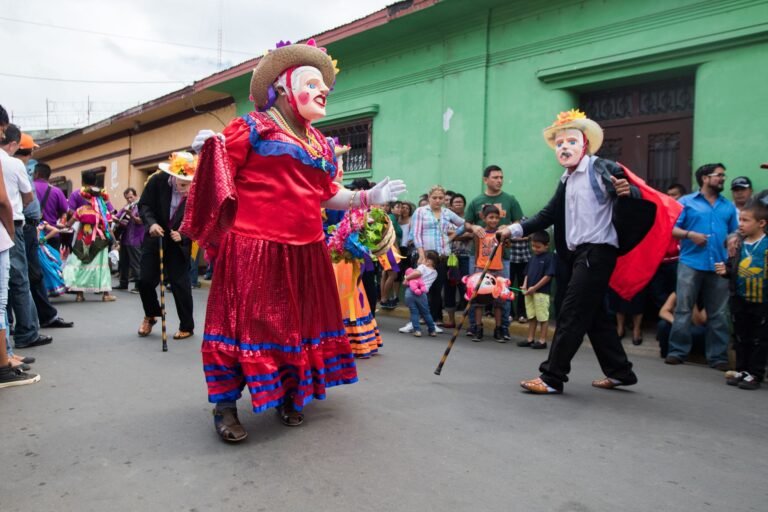
Don’t miss the `Gigantes y Cabezudos` (Giants and Big-Heads) parades. These enormous papier-mâché figures, representing traditional Basque characters, dance through the streets accompanied by pipe and drum bands, much to the delight of children and adults alike. These parades usually happen in the late afternoons, starting around 6:00 PM, winding through the Old Town and the Arenal.
Here’s a snapshot of what a typical day during Aste Nagusia might look like:
| Time Slot | Activity Type | Typical Location(s) | Notes |
|---|---|---|---|
| 10:00 AM – 12:00 PM | Children’s Workshops & Games | Parque de Doña Casilda | Creative activities, puppet shows. |
| 11:00 AM – 2:00 PM | Gastronomic Competitions | Plaza Nueva, Arenal | Local groups cooking traditional dishes. |
| 12:00 PM – 2:00 PM | Herri Kirolak Demonstrations | Arenal, Plaza Nueva | Basque rural sports, captivating to watch. |
| 1:00 PM – 4:00 PM | Txosnas & Lunch | Arenal, Casco Viejo | Enjoy `pintxos`, `talos`, local flavors. |
| 5:00 PM – 8:00 PM | Gigantes y Cabezudos Parade | Casco Viejo, Arenal | Lively parade with large, traditional figures. |
| 7:00 PM – 10:00 PM | Concerts & Street Performances | Abandoibarra, Plaza Nueva | Diverse music, from folk to pop. |
| 10:00 PM onwards | Fireworks & Txosnas | Ría de Bilbao, Arenal | Nightly fireworks, then continued celebration at `txosnas`. |
Tips for enjoying family activities:
- Check the Official Program: The festival program is released a few weeks before Aste Nagusia and is your bible. It lists exact timings and locations for all events.
- Go Early: For popular children’s activities or `herri kirolak` demonstrations, arriving a bit early secures a better viewing spot.
- Bring Snacks and Water: While food is everywhere, having your own supplies for kids is always smart.
- Plan Breaks: The festival is intense. Schedule downtime away from the crowds to recharge.
Gastronomy: More Than Just Txosnas
Semana Grande is a prime time to explore Bilbao’s food culture beyond the `txosnas`, with numerous culinary competitions held daily in various plazas, especially those focused on traditional dishes like `bacalao al pil-pil` or tortilla, typically starting around 11:00 AM. These aren’t professional chef contests; they are community events where local `comparsas` or neighborhood groups compete, often cooking huge vats of food over open flames in public spaces like Plaza Nueva or the Arenal.
You can wander through these competitions, smell the incredible aromas, and often get a small sample of the results (though this isn’t guaranteed and depends on the specific competition and `comparsa`). It’s a true insight into the Basque passion for good food and friendly rivalry. Seeing these traditional dishes prepared on such a large scale, with such enthusiasm, is a unique experience. They often focus on staples like `tortilla de patatas` (potato omelette), `marmitako` (tuna stew), or `bacalao a la vizcaína` (cod in a rich red pepper sauce).
Beyond the festival specific food, this is also a perfect opportunity to dive into Bilbao’s renowned culinary scene. While the `txosnas` are great for quick bites, make sure to experience a proper meal in one of the city’s many excellent restaurants or explore the Mercado de la Ribera, one of Europe’s largest indoor markets, which also has a fantastic gastronomic section with `pintxo` bars and eateries. The market generally opens from 8:00 AM to 8:00 PM (some eateries stay open later).
Dishes to seek out in Bilbao:
- Bacalao al Pil-Pil: Cod cooked in olive oil, garlic, and chili, which emulsifies into a creamy sauce. A true Bilbao classic.
- Marmitako: A hearty tuna and potato stew, especially good if you’re visiting in late summer.
- Txangurro: Spider crab, often served baked in its shell. A delicacy you shouldn’t miss.
- Gilda: The original `pintxo` – an olive, an anchovy, and a guindilla pepper on a skewer. Simple perfection.
- Pastel Vasco: A sweet cake, often filled with cherry jam or pastry cream.
Many of Bilbao’s social and culinary life revolves around `sociedades gastronómicas`, which are private dining clubs. While you can’t typically enter these as a visitor, their spirit of communal cooking and sharing spills over into festivals like Aste Nagusia. You can, however, experience a taste of this through the various `pintxo` bars scattered throughout the Casco Viejo and Indautxu neighborhoods. Many of these offer a more refined `pintxo` experience than the `txosnas`, with a wider array of creative options.
If you’re planning an extended stay to savor all the culinary delights, it’s wise to compare hotel prices in Bilbao well in advance. Accommodation fills up quickly during this popular festival.
Navigating Aste Nagusia: Practicalities and Real Talk
Attending Semana Grande means preparing for significant crowds, especially in the Old Town (Casco Viejo) and Arenal areas, where navigating requires patience and planning, particularly for public transport which runs extended hours until around 4:00 AM during the festival. It’s an intense experience, and being prepared makes all the difference.
Crowds: Let’s be honest, Aste Nagusia gets packed. Imagine thousands of people concentrated in the Casco Viejo and the Arenal. This means slow movement, occasional jostling, and sometimes difficulty getting through. If you’re not a fan of large crowds, plan to enjoy some activities from the periphery, or visit during quieter daytime hours. Evenings, especially weekends, are the busiest.
Getting Around: Bilbao has an excellent public transport system. The Metro is your best friend, with stops like Casco Viejo putting you right in the heart of the action. During Aste Nagusia, the Metro runs extended hours, often until 4:00 AM or even all night on specific weekend days. Trams and buses also operate, but walking is often the most efficient way to navigate the festival zones once you’re there. Consider buying a Barik card for cheaper fares, which you can load at any Metro station.
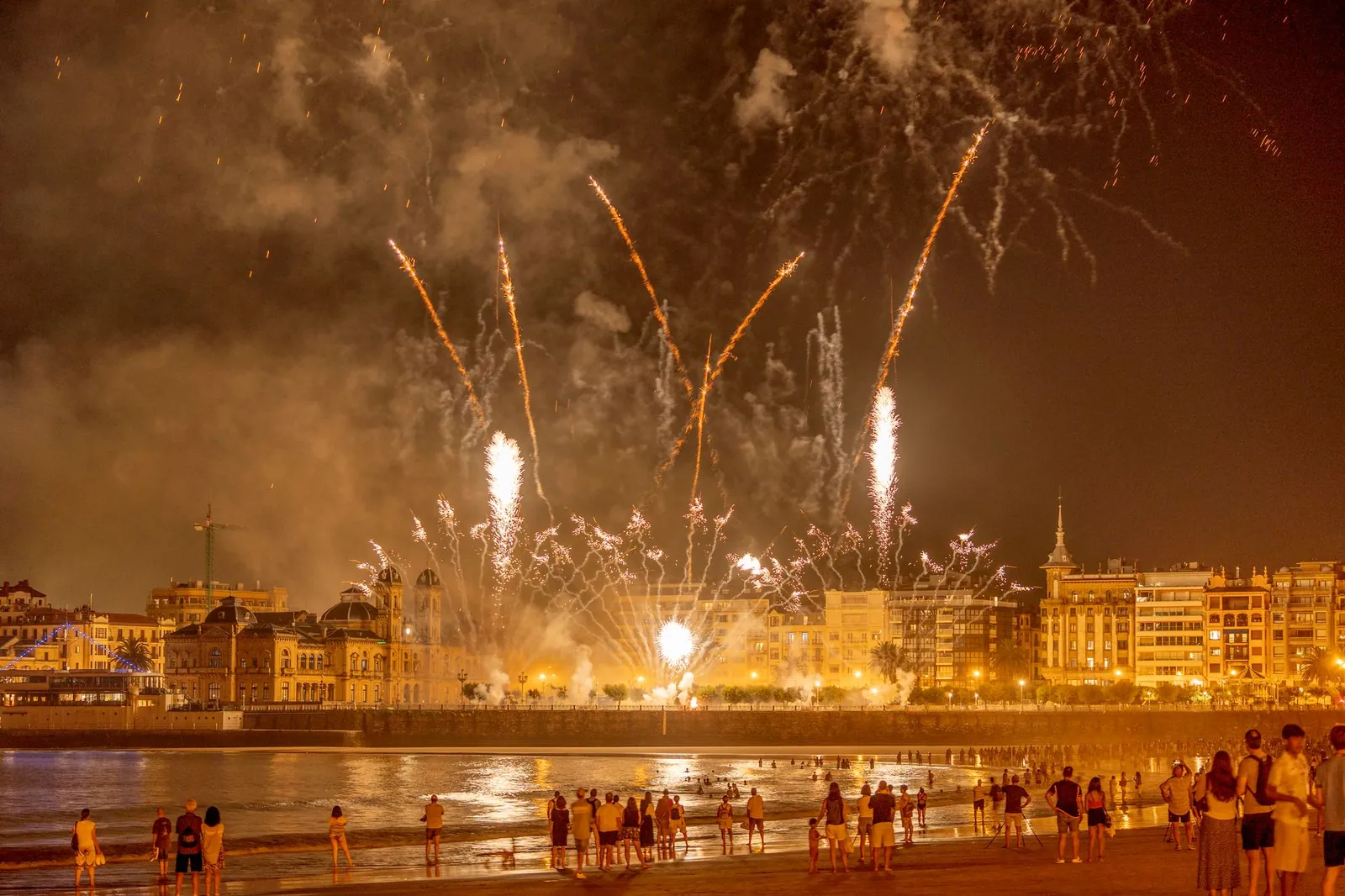
Noise Levels: It’s a festival, so expect constant music, chatter, and general revelry. If you’re sensitive to noise, choose accommodation a bit further from the Arenal or Casco Viejo. Earplugs can be a lifesaver if you’re staying in a central hotel. The nightly fireworks display, launched from the area near the Ayuntamiento (City Hall) around 10:30 PM, is spectacular but loud. Find a spot along the Ría to watch, or even up on the bridges, but be aware of the noise levels.
Booking in Advance: This cannot be stressed enough. Hotels and many popular restaurants book up months in advance for Aste Nagusia. If you’re planning to visit, aim to secure your accommodation at least 3-6 months beforehand. The same goes for any specific restaurants you might want to try; reservations are essential.
Safety: Bilbao is generally a very safe city, but like any major festival with large crowds, pickpocketing can be an issue. Be vigilant, keep your valuables secure and out of sight, and avoid carrying unnecessary items. Always stay aware of your surroundings, especially in dense crowds.
When to Go: The entire 9-day period is fantastic, but if you want to experience both the beginning and the end, aim to arrive a day before the `txupinazo` (to see the city preparing) and stay until the final Sunday evening for Marijaia’s burning. The burning of Marijaia, when she’s sailed down the Ría and set alight, is a poignant and memorable closing ceremony, usually around 10:00 PM on the final Sunday.
Many first-time visitors find festivals of this scale overwhelming. Aste Nagusia shares some of the intense crowds and collective energy with other Spanish festivals. It’s an atmosphere that you can truly embrace, or perhaps even take a guided tour in Bilbao to help navigate the different events and learn about their cultural significance more directly.
Common Questions About Bilbao’s Big Week
Is Semana Grande suitable for families?
Yes, Aste Nagusia is surprisingly family-friendly, especially during the daytime. Parque de Doña Casilda hosts dedicated children’s activities, workshops, and puppet shows daily from 11:00 AM-2:00 PM and 5:00 PM-8:00 PM. The `Gigantes y Cabezudos` parades (around 6:00 PM) are also a huge hit with kids, offering plenty of free entertainment for all ages.
What are the key dates for Aste Nagusia?
Aste Nagusia always begins on the Saturday before August 22nd and lasts for exactly nine days. This means the start and end dates shift slightly each year, but it consistently takes place in the latter half of August. Check the official Bilbao City Council website for the precise schedule for the year you plan to visit.
Should I book accommodation in advance?
Absolutely, booking accommodation well in advance is crucial. Hotels and apartments in Bilbao, particularly in central areas, get fully booked months ahead of Aste Nagusia. Aim to secure your lodging at least three to six months prior to your visit to ensure availability and better pricing, especially if you want to stay close to the festival’s main activities.
What’s the best way to get around Bilbao during the festival?
Walking is the best way to navigate the main festival areas like the Casco Viejo and Arenal once you’re there. For longer distances, Bilbao’s Metro system is highly efficient and operates extended hours (often until 4:00 AM or all night on weekends) during Aste Nagusia. Buses and trams also run, but be aware that road closures might affect bus routes.
Experiencing Aste Nagusia is about letting go, embracing the chaos, and allowing the sheer joy of the city to wash over you. It’s a festival where the traditions are alive, where community is paramount, and where you truly feel a part of something special, something that makes Bilbao feel like a second home. The energy is undeniable, the food is incredible, and the sense of shared celebration is truly unique. After all the energy, you might even appreciate the quiet charm of these quiet medieval towns Castile has to offer.
About the Author
After 15 years living and traveling across Spain, Caro knows this country in a way most travel writers never will. She’s not here to sell you a polished version of Spain, she’s here to show you the real one. Every guide on this site comes from her own experience: the restaurants she eats at, the routes she walks, the festivals she’s actually attended. She writes to cut through the noise and give you what actually matters. Learn more about Caro →