Bilbao’s Semana Grande Festival: Highlights and Practical Tips
Some links in this guide are affiliate links — if you book through them we may earn a small commission at no extra cost to you. It never changes what we recommend. Full disclosure.
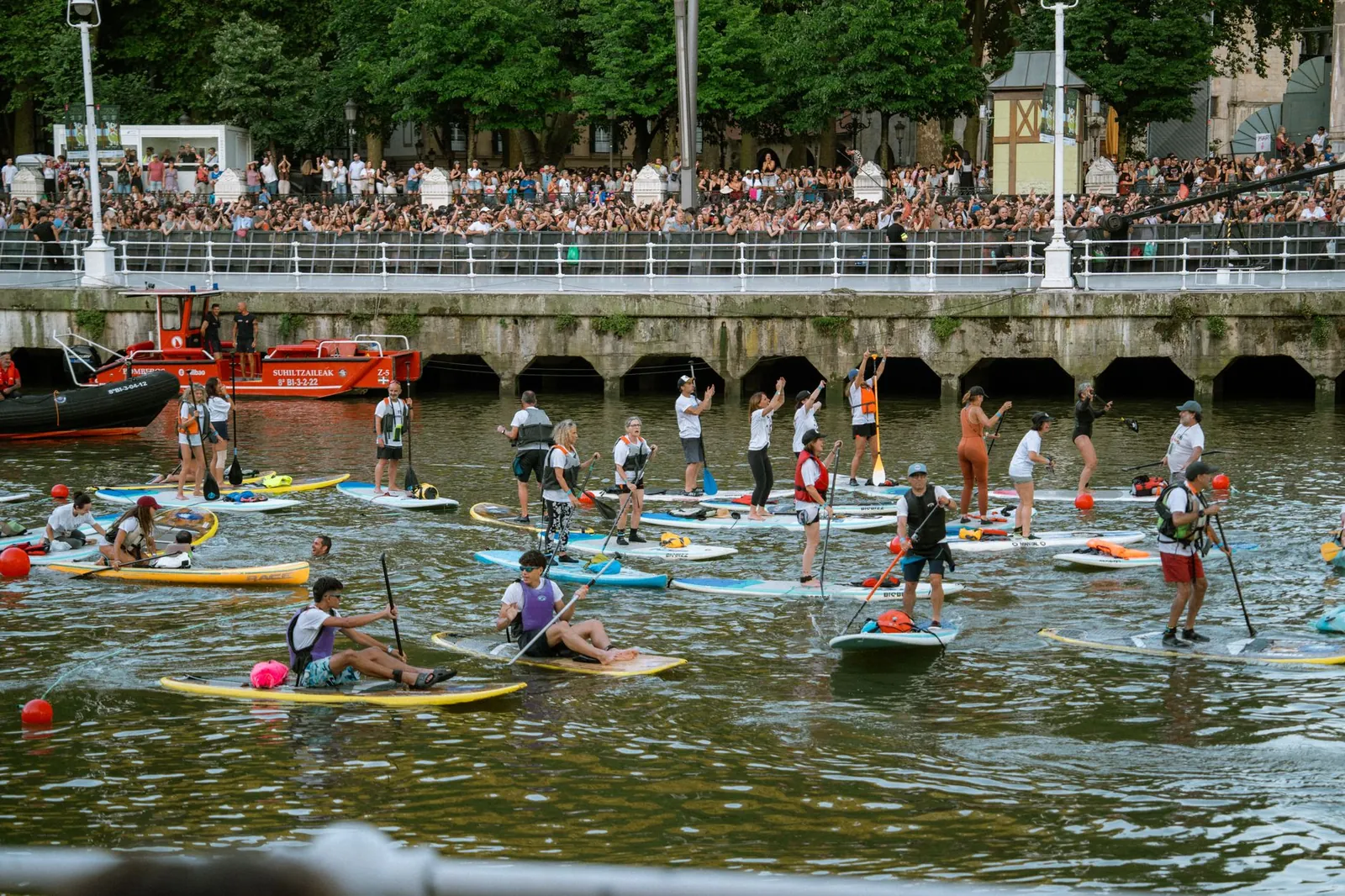
The city of Bilbao, often recognized for its modern architecture and forward-thinking spirit, transforms dramatically each August, offering some of the most compelling Bilbao Semana Grande festival highlights that always call me back. Understanding this shift, from a relatively calm urban hub to a week-long celebration of Basque culture, requires genuine insight into the rhythms of the city and its people. For the past fifteen years, I’ve seen how Aste Nagusia, or “Big Week,” weaves itself into the very fabric of Bilbao, creating an atmosphere unlike any other festival in Spain. This guide will walk you through the core experiences, practicalities, and specific details you need to embrace this remarkable event, ensuring you don’t just observe it, but truly live it.
Quick Answer: Aste Nagusia
Aste Nagusia, Bilbao’s Semana Grande, is a nine-day festival typically held in the third or fourth week of August, known for its vibrant street life, music concerts, traditional Basque sports, and a spectacular firework competition. The festivities kick off with the symbolic chupinazo and the appearance of Marijaia, the festival’s iconic matriarch, concluding with her fiery farewell.
Aste Nagusia: Understanding the Festival Dates and Opening Ceremony
Bilbao’s Aste Nagusia, or “Big Week,” typically runs for nine days, commencing on the Saturday preceding August 15th and concluding the following Sunday. In 2024, this means the festival will take place from August 17th to August 25th, an important detail for planning your visit well in advance. The official dates are usually announced by Bilbao City Council around June each year, giving you time to finalize your plans.
The festival officially begins with the chupinazo, a rocket launch that signals the start of the celebrations, usually around 7:00 PM on the opening Saturday. This takes place from the balcony of the Arriaga Theatre, followed by the pregón, a public proclamation delivered by a chosen local figure. These events mark the symbolic arrival of Marijaia, the festival’s beloved matriarch, a large, joyful puppet with her arms permanently raised in celebration. She is a central figure throughout the week, embodying the festive spirit, and her presence is felt across the city until her fiery departure on the final Sunday, symbolizing the end of the party until next year. Experiencing the opening ceremony requires arriving very early to secure a spot near the Arriaga Theatre, often by 4:00 PM, as the area quickly becomes packed with an expectant crowd. If you can’t get close, the energy permeates the surrounding streets in Casco Viejo (Old Town) and along the Arenal.
For those attending the opening, remember that the atmosphere is incredibly dense and lively. It’s a celebratory crush, and while generally good-natured, it can be intense for young children or those who prefer space. Consider finding a slightly elevated spot or a nearby plaza with a screen for a less crowded experience if you are looking for a calmer introduction to the festival. Following the chupinazo, the entire city erupts, with music starting up in the txosnas (festival stalls) and the streets filling with people ready to celebrate late into the night. Expect public transport to be very busy, with extended Metro Bilbao hours often in effect, though specific timetables are released closer to the festival dates on their official website (Metro Bilbao).
The Txosnas and El Arenal: Bilbao’s Festival Heartbeat
The txosnas are the vibrant heart of Aste Nagusia, temporary open-air stalls operated by various konpartsas (local cultural and social groups) primarily located along the El Arenal park and surrounding areas. These communal spaces offer affordable food options like bocadillos (sandwiches), pintxos, and various dishes, alongside non-alcoholic refreshments, typically from 6:00 PM until late into the night, often past 3:00 AM. They are the social hubs where you’ll find live music, DJs, and a continuous flow of people, showcasing the true community spirit of the festival.
Each txosna has its own personality, reflecting the group that runs it, from reggae to traditional Basque music, offering a diverse soundscape. Wander through El Arenal, on the banks of the Ría de Bilbao, and you’ll encounter a maze of these temporary structures. They are an experience in themselves, often colorfully decorated and brimming with energy. It’s not about formal dining here; it’s about standing, mingling, and soaking in the collective cheer. You’ll see families with children enjoying early evening concerts, groups of friends sharing laughs, and people of all ages simply enjoying the open-air party.
Beyond El Arenal, you’ll find smaller clusters of txosnas in other areas like Plaza Nueva in Casco Viejo, or even on the other side of the river near the Mercado de la Ribera. Prices for food items are generally very reasonable; for example, a bocadillo might cost €4-€6, and a small plate of pintxos around €2-€3 per item. Bringing cash is advisable, though some txosnas now accept card payments. This area can get incredibly crowded, especially in the evenings, so keep your belongings secure and be mindful of your surroundings. If you’re looking to explore the broader culinary landscape of the region, understanding how to navigate the local food scene is key to truly embracing the local culture during your visit, much like learning how to pintxos-crawl your way through the Basque Country.
Beyond the Main Stages: Daily Parades, Sports, and Children’s Fun
Aste Nagusia is far more than just the txosnas; it’s a nine-day extravaganza of varied events catering to all ages, with daily activities typically running from late morning until well past midnight. One of the most beloved traditions is the Gargantúa, a giant, comical figure whose mouth serves as a slide for children, found in El Arenal or Parque de Doña Casilda Iturrizar, usually open from 11:00 AM to 2:00 PM and again from 5:00 PM to 8:00 PM, free of charge. This is a big hit with families, offering a moment of pure, simple fun for the little ones.
Each day brings a rich program of events:
- Giants and Big-Heads Parade (Gigantes y Cabezudos): These beloved figures parade through the Casco Viejo streets daily, often starting around 11:00 AM from Plaza Nueva. The route changes slightly each day but always features the “big-heads” playfully chasing children. This is a joyful, free spectacle that truly defines the traditional spirit of the festival.
- Traditional Basque Sports (Deportes Rurales Vascos): Head to Plaza Nueva or Parque de Doña Casilda for demonstrations of strength, agility, and skill. You might see events like stone lifting (harri-jasotzea), log chopping (aizkolaris), or tug-of-war (soka-tira). These demonstrations usually take place in the afternoons, often between 12:00 PM and 2:00 PM or 6:00 PM and 8:00 PM, with free entry.
- Street Theatre and Performances: Throughout the day, various plazas and pedestrian areas become stages for street performers, puppeteers, and small musical groups. Check the official Aste Nagusia program (available online or at tourist offices closer to the date) for specific timings and locations. These performances are typically free and offer a relaxed way to experience the festival’s artistic side.
- Concerts: Multiple stages across the city host free concerts every evening, featuring a wide range of musical genres from traditional Basque folk to rock, pop, and electronic music. The main stages are usually located in El Arenal, Abandoibarra (near the Guggenheim Museum), and Plaza Nueva, with performances often starting around 8:00 PM or 10:00 PM.
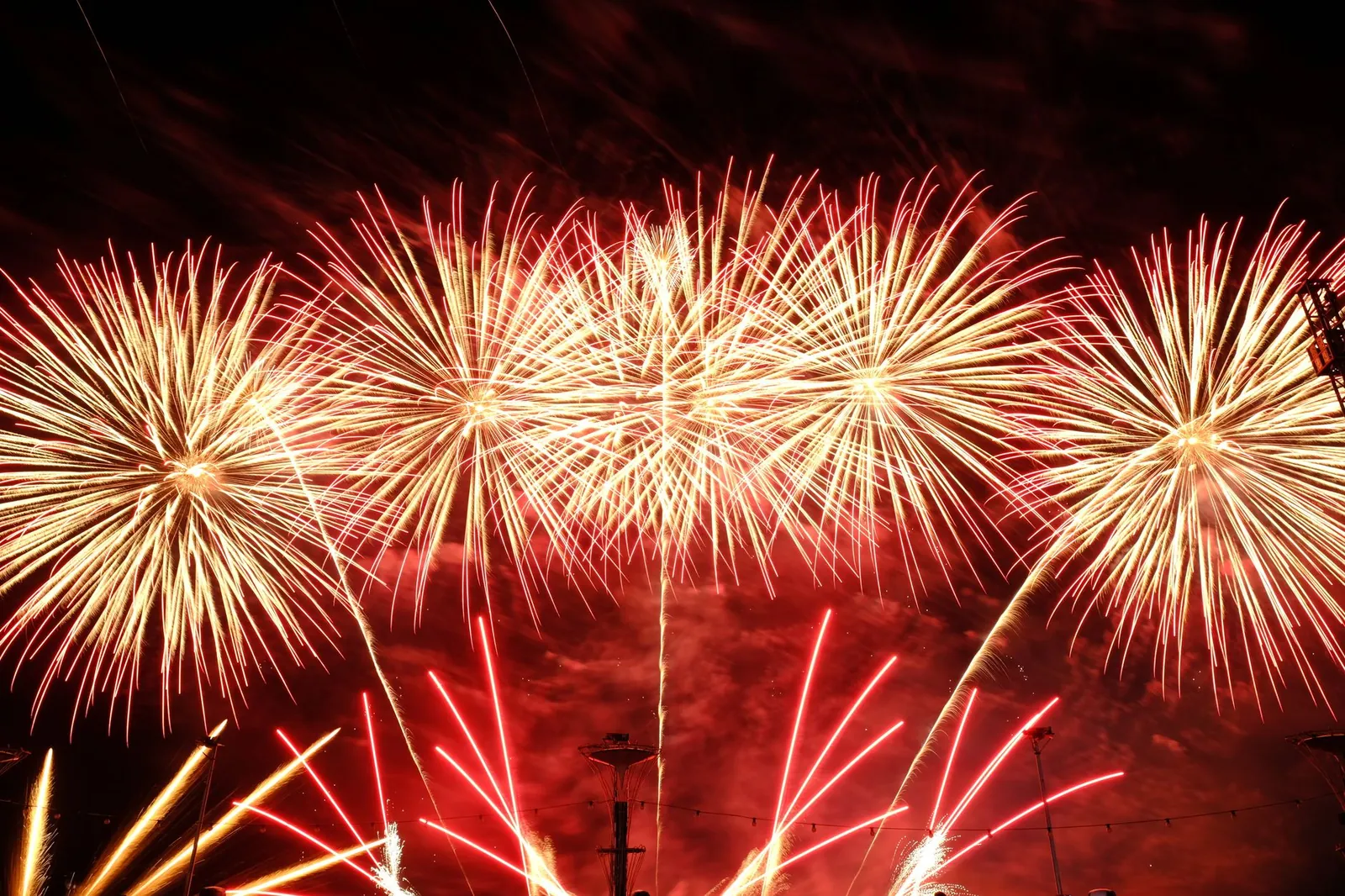
The highlight for many is the International Fireworks Competition, held nightly at 10:30 PM from the Bizkaia Bridge area, visible from many points along the Ría. Finding a good spot along the riverbank, particularly near the Guggenheim or Ayuntamiento (City Hall), requires arriving at least an hour beforehand to secure a prime viewing position. This is a must-see for anyone attending, a truly spectacular display of light and sound that lights up the Bilbao sky.
Navigating Aste Nagusia: Accommodation, Transport, and Practical Tips
Securing accommodation for Aste Nagusia requires early planning, ideally 6-8 months in advance, as hotels across Bilbao become fully booked and prices rise significantly due to high demand. Expect hotel rates to be 50-100% higher than off-peak prices. A standard double room that might cost €80-€100 outside the festival could easily be €150-€200+ per night during Aste Nagusia. Areas like Casco Viejo, Abando, and Ensanche are central and offer excellent access to festival activities. Consider exploring hotel options in Bilbao well ahead of time to find the best availability and rates.
Public transport, especially the Metro Bilbao, is your best friend during the festival. It runs with extended hours, often until 2:00 AM or even all night on weekends, connecting various parts of the city. A single Metro ticket costs around €1.60-€2.00, but a Barik card (a rechargeable public transport card) offers cheaper fares and can be shared among multiple people. Buses also operate, but routes can be diverted due to street closures for parades and events. Walking is often the best way to get around the central festival areas, but be prepared for large crowds, especially in the evenings.
| Travel Tip | Details and Recommendation |
|---|---|
| Accommodation Booking | Book 6-8 months in advance for best prices and availability. Expect higher rates. Focus on central areas like Casco Viejo, Abando. |
| Public Transport | Utilize Metro Bilbao (extended hours). Consider a Barik card for cheaper fares. Walking is common but expect crowds. Check official Metro Bilbao website for specific festival hours. |
| Noise Levels | Central areas, especially near txosnas and concert stages, will be loud until late. If you prefer quiet, choose accommodation further from El Arenal or Casco Viejo. |
| Crowd Management | Avoid peak times (evenings after 8:00 PM) in El Arenal and Casco Viejo if you dislike dense crowds. Always agree on a meeting point if you’re with a group. |
| Safety and Belongings | Keep an eye on your bags and pockets, especially in crowded areas. Petty theft can occur. Don’t carry unnecessary valuables. |
A downside to such a popular festival is, of course, the crowds and noise. If you’re staying in Casco Viejo or near El Arenal, be prepared for music and chatter to continue well into the early hours. For a quieter experience, consider staying in areas slightly further afield, like Indautxu, which offers a good balance of accessibility and peaceful nights. For those interested in tours to get a deeper understanding of the city’s offerings, exploring Bilbao guided tour options can enhance your visit beyond the festival itself.
A Taste of Bilbao: Eating Your Way Through the Festival
Bilbao’s culinary scene shines during Aste Nagusia, offering a fantastic opportunity to indulge in traditional Basque flavors and festival-specific treats. While the txosnas provide quick, easy, and affordable bites like bocadillos (try a simple tortilla bocadillo for around €4-€5) and basic pintxos, the true depth of the local food culture is found in the city’s many bars and restaurants. Don’t limit yourself to the festival grounds for your meals.
The Casco Viejo, particularly calles like Ledesma or Somera, is a prime spot for a pintxo crawl. Here, bars display their elaborate pintxos on counters, ranging from traditional Gildas (olives, anchovies, and pickled peppers on a stick) to more inventive, gourmet creations. Each pintxo typically costs between €2.50 and €4.50. Some must-try pintxos include:
- Rabas: Lightly battered and fried squid rings, crisp and simple.
- Bacalao al pil-pil: Cod cooked slowly in olive oil, garlic, and chili, creating a gelatinous emulsion. You’ll find it as a pintxo or a larger dish.
- Boquerones en vinagre: Fresh anchovies marinated in vinegar, garlic, and parsley. Light and refreshing.
- Pulpo a la gallega: While a Galician dish, it’s popular in Bilbao – tender octopus slices served with paprika, olive oil, and salt.
- Tortilla de patatas: The classic Spanish potato omelet, available everywhere and a perfect hearty snack.
Beyond pintxos, seek out full meals in traditional Basque restaurants. Many offer a menú del día (set lunch menu) for around €15-€25, providing excellent value with multiple courses. Look for places serving dishes like Marmitako (tuna stew with potatoes and vegetables) or Chipirones en su tinta (baby squid in its own ink), which are regional specialties. For a particularly authentic experience, head to the Mercado de la Ribera, not just for fresh produce but also for its gastro-bar area where you can sample various dishes and pintxos in a lively setting, typically open from 8:00 AM to midnight during the festival, though individual stalls may vary. The market provides a window into the daily life and culinary traditions that sustain the city beyond the festival’s celebratory fervor.
Common Questions About Bilbao’s Big Week
Is Aste Nagusia suitable for families with young children?
Absolutely, Aste Nagusia is remarkably family-friendly, especially during the daytime and early evening. Events like the daily Giants and Big-Heads parade, the Gargantúa slide, children’s workshops, and street theatre are abundant and often free. The atmosphere in the txosnas during early evening is also generally festive and inclusive, though it does get considerably more crowded and noisy later at night, so plan your outings accordingly.
How far in advance should I book accommodation for the festival?
You should book your accommodation as far in advance as possible, ideally 6 to 8 months before the festival dates. Bilbao experiences a massive influx of visitors during Aste Nagusia, leading to hotels and apartments selling out quickly and prices increasing significantly. Booking early ensures you have more choice and better rates, potentially saving you over €50-€100 per night compared to last-minute bookings.
What’s the best way to get around Bilbao during Aste Nagusia?
The Metro Bilbao is by far the most efficient way to navigate the city during the festival, operating with extended hours well into the night. Buses are also available, but some routes may be affected by street closures for parades. For central areas like Casco Viejo and El Arenal, walking is often the most enjoyable way to experience the festival, though be prepared for large crowds and allow extra time to move between locations.
Are there quieter alternatives to the main party areas during the festival?
Yes, while the main areas like El Arenal and Casco Viejo are continuously lively, you can find quieter spots. The area around the Guggenheim Museum (Abandoibarra) often hosts concerts but has more open space. Parque de Doña Casilda Iturrizar offers green spaces away from the densest crowds, especially during the day. Consider visiting cultural institutions like the Guggenheim or Museo de Bellas Artes (Bilbao Fine Arts Museum) during the day, which remain open and provide a peaceful break from the festivities.
Aste Nagusia is more than just a festival; it’s a deep dive into the soul of Bilbao and the Basque Country, a celebration of community, tradition, and boundless energy that truly captures the spirit of this unique corner of Spain. Getting to experience it, even for a few days, is a privilege, and something that pulls me back to the city time and again, a feeling echoed in the regional pride found during a visit to Cordoba’s Patios long after festival season.
About the Author
After 15 years living and traveling across Spain, Caro knows this country in a way most travel writers never will. She’s not here to sell you a polished version of Spain, she’s here to show you the real one. Every guide on this site comes from her own experience: the restaurants she eats at, the routes she walks, the festivals she’s actually attended. She writes to cut through the noise and give you what actually matters. Learn more about Caro →