Gracia, Barcelona: Village Life in the City
Some links in this guide are affiliate links — if you book through them we may earn a small commission at no extra cost to you. It never changes what we recommend. Full disclosure.
Most people picture Barcelona as a grand, sweeping city defined by Gaudi’s monumental works and a bustling beachfront, a dynamic metropolis that never truly sleeps. But peel back those layers, and you’ll discover a softer, more intimate side where the authentic gracia barcelona village life pulses with a distinct rhythm. This isn’t just another district; it’s a collection of plazas and narrow streets that existed as a separate town until the late 19th century, a history that still shapes its quiet charm today. My 15 years living in Spain have shown me that Gràcia offers a slice of genuine Catalan living that often goes unnoticed by those rushing through a typical Barcelona itinerary, and I want to share how you can truly experience it.
Quick Answer: Gràcia’s Enduring Appeal
Gràcia retains its distinct “village” identity within Barcelona thanks to its unique historical separation, strong community spirit, and a layout of pedestrianized plazas, independent shops, and local eateries that foster a slower pace of life, making it an ideal destination for those seeking a more authentic urban experience. This neighborhood offers a different rhythm, one where you can truly immerse yourself in the day-to-day of a real Barcelona resident.
Embracing Gràcia’s Unique Atmosphere and History
Stepping into Gràcia feels like leaving the frenetic energy of central Barcelona behind and entering a different world entirely. For centuries, Gràcia was an independent town, separate from Barcelona, complete with its own local government and distinct agricultural economy, primarily vineyards. This autonomy, only absorbed into Barcelona in 1897, instilled in its residents a fierce pride and a strong sense of community that continues to define its atmosphere today. You see it in the way neighbors greet each other in the squares, in the small, specialized shops that have been passed down through generations, and in the slower, more deliberate pace of life that persists despite its proximity to a major European city.
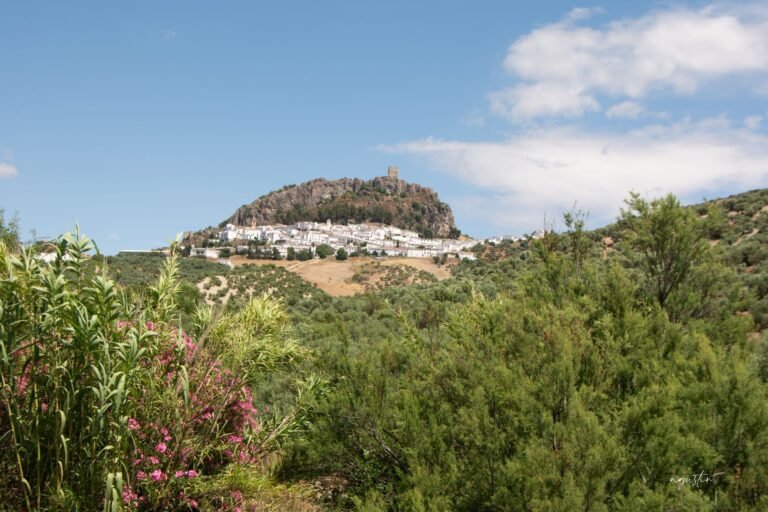
This historical independence isn’t just a footnote; it’s the very soul of Gràcia. Unlike the grid-patterned Eixample, Gràcia’s streets are a winding labyrinth, reflecting its organic growth. You’ll find unexpected plazas opening up around every corner, each with its own character, often centered around a church or a fountain, acting as natural gathering points for locals. These aren’t tourist traps; they are the living rooms of the neighborhood, where children play, friends gather for coffee, and life unfolds publicly and genuinely. This organic layout encourages you to wander, to get a little lost, and to discover places you wouldn’t find on a strict itinerary, which is precisely how you connect with the real pulse of the area. It’s an experience that contrasts sharply with the broader Spanish landscape, even the Andalusia peaceful white villages which offer their own distinct rural calm.
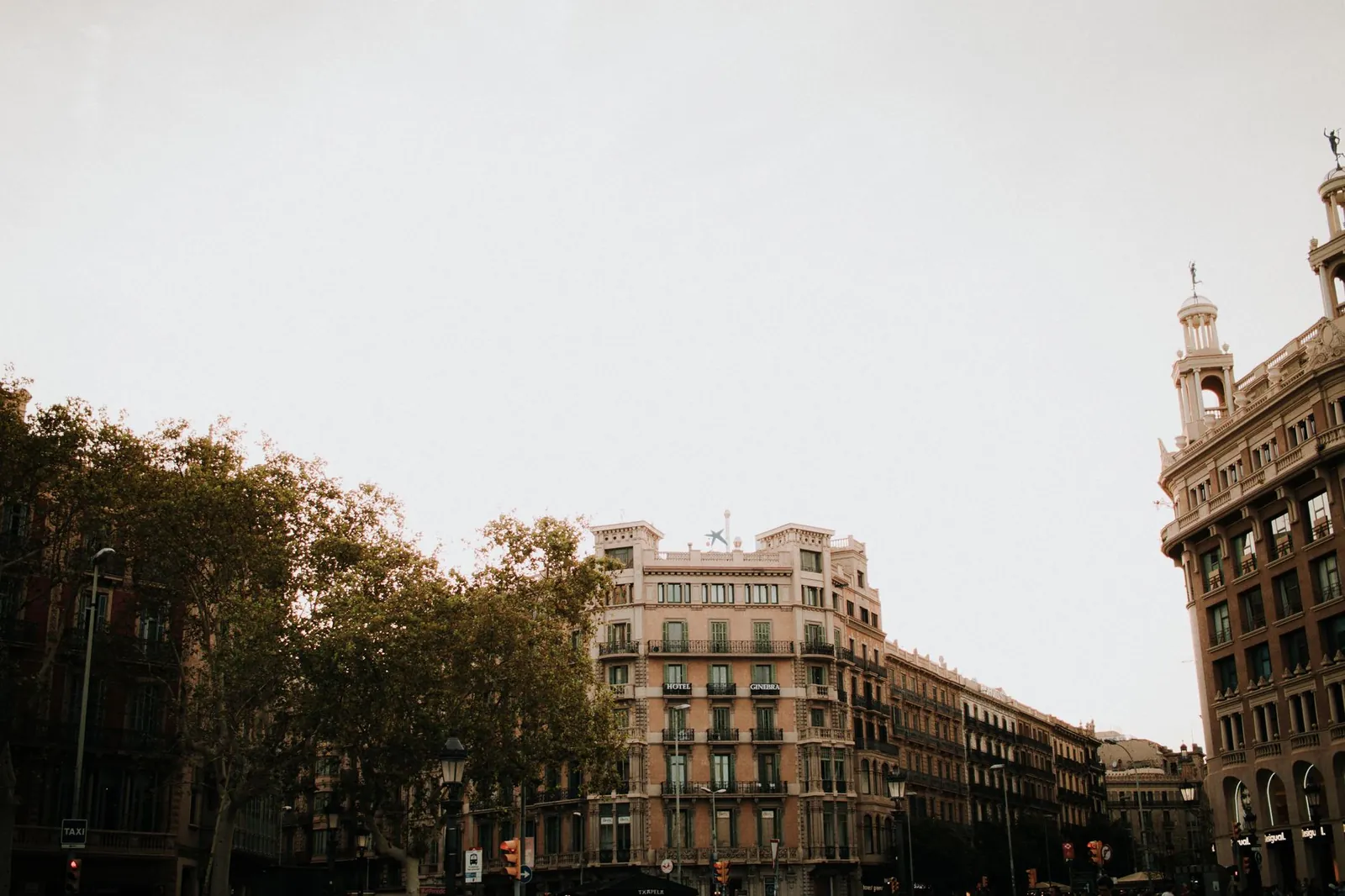
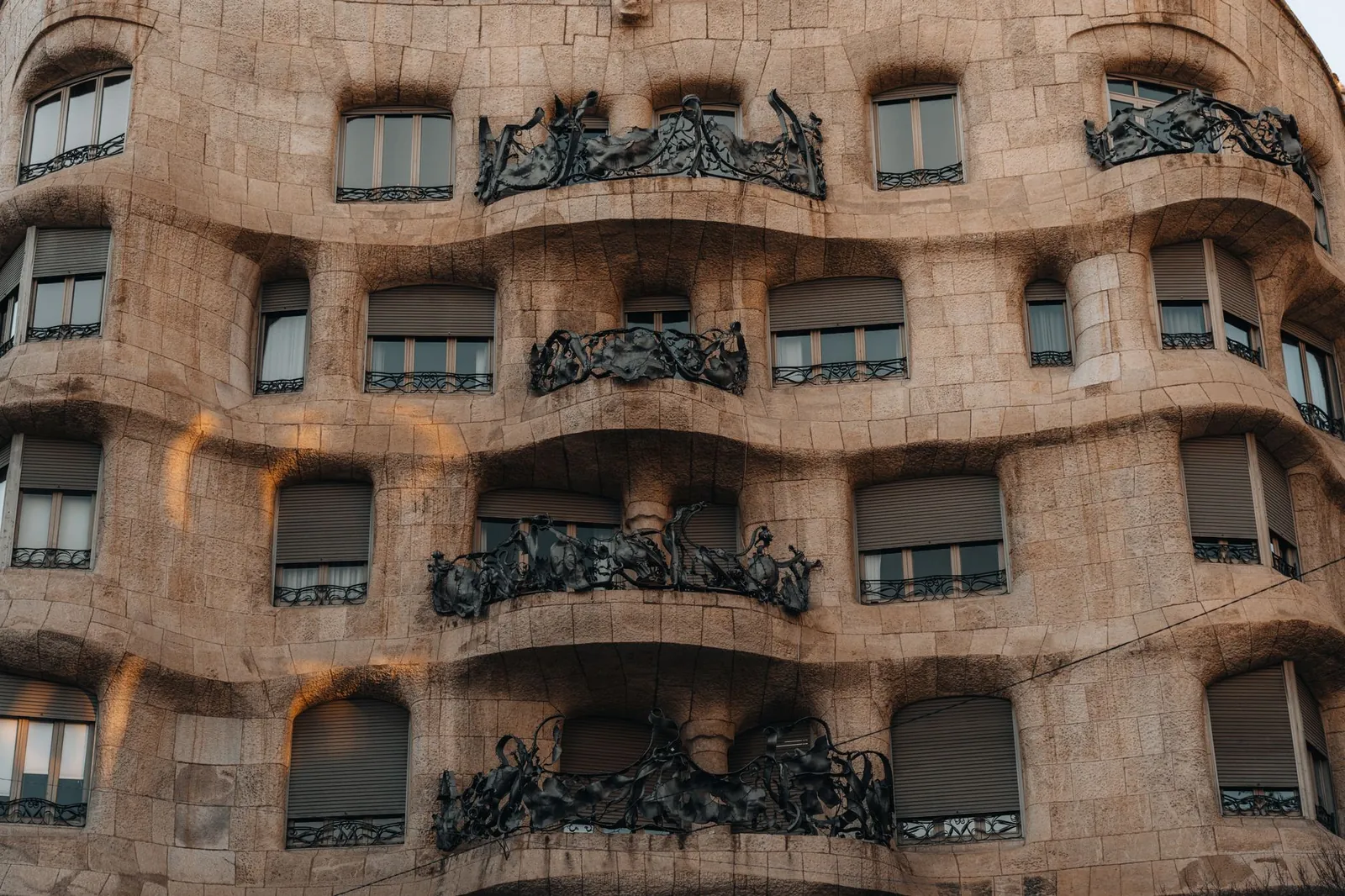
The architecture here also tells a story. While Gaudi left his mark, much of Gràcia consists of lower-rise buildings, many from the late 19th and early 20th centuries, with elaborate facades and intricate ironwork balconies that speak to a prosperous bourgeois past. These buildings often house independent businesses, from artisanal bakeries to bookshops and small fashion boutiques, rather than global chains. It’s this commitment to local enterprise and community that makes Gràcia feel so grounded and authentic. You’ll hear Catalan spoken more frequently here, reflecting the strong regional identity. This is a place that celebrates its roots, and it invites you to be a part of that celebration, not just an observer. Even the air feels different; a little calmer, a little more settled, infused with the scent of fresh bread and the murmur of conversations.
Navigating Gràcia’s Iconic Plazas and Architecture
Gràcia’s heart beats in its plazas, and you absolutely must spend time in them. Each square has its own personality, and together they form the social fabric of the neighborhood, offering free public spaces for community life. You can easily spend an entire afternoon moving between them, perhaps grabbing a pastry for €2-€4 or a coffee for €1.80-€2.50. The best approach is to simply wander, but start with the major ones:
- Plaça del Sol: This is arguably the most famous, particularly known for its evening atmosphere. It’s a wide, open square that catches the afternoon sun (hence the name). While it can get lively, it retains a local feel. You’ll find groups of friends chatting, street musicians playing, and many cafés with outdoor seating where you can sit and watch the world go by.
- Plaça de la Vila de Gràcia: Home to Gràcia’s former town hall (now a district council office), this square has an impressive bell tower that dominates the skyline. It’s a bit more formal and quieter during the day, a great spot for peaceful contemplation. The historical significance is palpable here.
- Plaça de la Virreina: Often considered one of the most aesthetically pleasing, this square is fronted by the beautiful Sant Joan de Gràcia church and is shaded by leafy trees. It’s a favorite for families during the day and offers a relaxed setting for an evening stroll.
- Plaça Rius i Taulet: Often confused with Plaça de la Vila de Gràcia due to its proximity to the bell tower, this square is a little smaller and more intimate, perfect for a quiet moment.
Beyond the plazas, Gràcia is also home to architectural masterpieces. The most notable is Casa Vicens, Antoni Gaudí’s first major house, located at Carrer de les Carolines, 24. This UNESCO World Heritage site is an explosion of color, ceramics, and Mudejar influences, a precursor to his later, more organic work. It offers a fascinating glimpse into his early artistic vision. Tickets typically cost €18 for general admission, with reduced rates of €16 for students, seniors, and disabled visitors, and free entry for children under 11. It’s open daily, generally from 10:00 to 20:00, but hours can vary, so check their official website before your visit. Booking your tickets online in advance is highly recommended to secure your preferred entry time and avoid queues, especially during peak season.
Wandering the streets between these landmarks, you’ll discover countless independent shops, from artisanal craft stores to vintage clothing boutiques and specialist food shops. This isn’t where you come for mass-produced souvenirs; it’s where you find unique items made with care. Carrer de Verdi, for example, is famous for its independent cinema and array of small, interesting stores. This focus on local commerce contributes significantly to the neighborhood’s distinctive identity.
| Plaza Name | Primary Feature | Vibe & Best Time to Visit |
|---|---|---|
| Plaça del Sol | Sun-drenched, many cafés | Lively, social; best in late afternoon/evening |
| Plaça de la Vila de Gràcia | Historic bell tower, former town hall | Historic, quiet; good for daytime reflection |
| Plaça de la Virreina | Sant Joan de Gràcia church, shaded trees | Aesthetically pleasing, family-friendly; pleasant all day |
| Plaça Rius i Taulet | Close to bell tower, smaller scale | Intimate, relaxed; good for a quiet break |
Eating Your Way Through Gràcia’s Real Food Scene
Gràcia’s culinary landscape is a reflection of its independent spirit: less about Michelin stars and more about honest, delicious food that locals eat every day. You won’t find many of the larger chain restaurants here; instead, you’ll discover a wealth of small, family-run establishments, traditional Catalan eateries, and innovative yet unpretentious bistros. Expect to pay around €12-€18 for a ‘menu del día’ (a fixed-price lunch menu) and €20-€35 per person for a dinner at a good local restaurant, excluding drinks. The focus is on fresh, seasonal ingredients and flavors that speak of Catalonia.
One of the best places to understand Gràcia’s food culture is by visiting its markets. The Mercat de la Llibertat, located at Plaça de la Llibertat, is an architectural gem from the late 19th century and a hub for fresh produce, meats, cheeses, and seafood. It operates Monday to Friday from approximately 8:00 to 20:30, and on Saturdays from 8:00 to 15:00, remaining closed on Sundays. Spending an hour here, watching locals select their ingredients and chatting with the vendors, gives you a real insight into the daily life of the neighborhood. This is where the culinary journey truly begins for many Gràcia residents.
For a taste of traditional Catalan food, look for places offering dishes like:
- Esqueixada de bacallà (shredded salt cod salad with tomatoes, onions, and olives)
- Faves a la catalana (stewed broad beans with sausage and mint)
- Botifarra amb mongetes (Catalan sausage with white beans)
Beyond the traditional, Gràcia also excels in offering diverse, high-quality, and often vegetarian-friendly options. There are many bakeries (forns) where you can pick up fresh bread, pastries, and local sweets like panellets (small almond cakes, especially around All Saints’ Day). Coffee culture is strong, with many cafés roasting their own beans. Don’t overlook the smaller, unassuming places; some of the best food experiences in Gràcia come from a simple sandwich (bocadillo) from a neighborhood deli or a home-style meal at a tiny, unpretentious eatery. This is an area where exploring with your appetite will always yield delicious rewards. If you’re looking for more specific culinary adventures, exploring guides like finding best tapas Triana Seville can give you a taste of the regional variety within Spain.
Experiencing Gràcia’s Local Culture and Events
To truly live Gràcia, you need to engage with its cultural rhythm, which is as much about everyday interactions as it is about grand events. The neighborhood’s biggest annual spectacle is the Festa Major de Gràcia, held every year in mid-August, typically running from August 15th to August 21st. This is not just a festival; it’s a massive community competition where the streets are transformed into fantastical, themed art installations by the residents themselves, vying for prizes for the best-decorated street. Think elaborate paper-mâché sculptures, colorful murals, and immersive scenes that turn entire blocks into underwater worlds or futuristic landscapes. During this week, the plazas host live music, traditional Catalan dances like the sardana, and community meals. It’s an explosion of creativity and communal pride. If you plan to visit during this time, you must book your accommodation at least four to six months in advance, as hotels and apartments in Gràcia fill up completely. Expect very large crowds, especially in the evenings, but the daytime offers a chance to see the intricate decorations up close. It can be noisy until late, so consider that when choosing where to stay.
Beyond the festival, Gràcia maintains a lively cultural scene year-round. You’ll find a higher concentration of independent art galleries here than in many other parts of Barcelona, often showcasing local Catalan artists. There are also several small theaters and independent cinemas, such as the historic Verdi Park Cinema, which often screens films in their original language with Spanish subtitles. These venues offer a more intimate and less commercial cultural experience than what you might find in the city center. Attending a film or a local play offers a glimpse into Barcelona’s intellectual and artistic community.
The essence of Gràcia’s culture, however, is best experienced simply by observing and participating in daily life. Spend an afternoon reading in Plaça de la Virreina, watch children play in Plaça del Sol, or join the evening promenade (paseo) when families and friends emerge to walk, chat, and enjoy the cooler air. Many local associations offer workshops in traditional crafts, Catalan language, or music – look for flyers in community centers or ask at local cafés. These aren’t explicitly tourist activities, but they offer the deepest immersion. The neighborhood truly comes alive after 5 PM, as shops close and people reclaim the streets and squares for socializing. This is when Gràcia feels most like a village, where everyone knows everyone, and the concept of community is genuinely lived. It’s a stark contrast to the rush you might find if you were exploring 36 Hours in Barcelona, Spain.
Practicalities: Getting There, Staying, and Getting Around
Gràcia is wonderfully connected to the rest of Barcelona, making it easy to access despite its distinct feel. The best way to reach the neighborhood from central Barcelona is by metro. You have several convenient options: use the L3 (green line) to stations like Fontana or Lesseps, or the L4 (yellow line) to Joanic or Verdaguer. A single metro ticket costs around €2.90, or you can purchase a T-Casual card for 10 journeys for €13.00, confirmed on TMB’s own fare page, which is more economical if you plan to use public transport frequently. Buses also crisscross the area, with numerous lines connecting Gràcia to various parts of the city. Walking from Eixample is also a pleasant option, taking about 15-25 minutes, depending on your starting point.
Once you’re in Gràcia, the best way to get around is on foot. The streets are narrow, often pedestrianized, and designed for strolling. Many of the main attractions – the plazas, Casa Vicens, Mercat de la Llibertat – are within easy walking distance of each other. While taxis and ride-sharing services are available, navigating the one-way streets and finding parking can be challenging. If you rent a car, be aware that parking is very difficult and expensive, with underground public car parks costing around €25-€30 per 24 hours.
When it comes to accommodation, Gràcia offers a more intimate experience than the larger, more commercial hotels in the city center. You’ll find a range of boutique hotels, guesthouses (hostales), and plenty of apartments available for rent. Staying in Gràcia means you’re often in a residential building, which gives you a deeper sense of living like a local. Prices for a good mid-range hotel or apartment can range from €100 to €250 per night, depending on the season and specific amenities. Keep in mind that during major festivals, particularly Festa Major in August, prices will surge, and availability will be scarce, so book far in advance if your trip coincides with these dates. You can compare hotel prices in Gràcia to find options that suit your budget and preferences. One downside to note is that Gràcia’s popularity means that some areas, especially around Plaça del Sol, can be noisy at night, particularly on weekends or during festivals, so if you’re a light sleeper, consider staying on a quieter side street.
The best time to visit Gràcia is generally in the spring (April to early June) or autumn (September to October), when the weather is pleasant, and the crowds are smaller than in the peak summer months. However, if you want to experience the Festa Major, then August is your only option, with all the preparations and celebrations that entail. Anytime you choose, Gràcia promises a slower, more authentic slice of Barcelona life.
Common Questions About Gràcia Barcelona
Is Gràcia a good neighborhood to stay in Barcelona?
Gràcia is an excellent neighborhood to stay in Barcelona for visitors seeking an authentic, local experience away from the busiest tourist areas. It offers a relaxed “village” atmosphere with many pedestrianized streets, independent shops, and a strong community feel. While it can be lively, especially during festivals or in popular plazas in the evening, it generally provides a calmer base than the city center, with good public transport connections to all major attractions.
What is the most famous part of Gràcia?
The most famous parts of Gràcia are its many plazas, particularly Plaça del Sol, Plaça de la Vila de Gràcia (with its iconic bell tower), and Plaça de la Virreina. These squares serve as the social hubs of the neighborhood, surrounded by cafés, restaurants, and local activity. Casa Vicens, Antoni Gaudí’s first house, is also a significant and widely recognized landmark within Gràcia.
What is Gràcia known for culturally?
Gràcia is known culturally for its strong sense of community, its artistic and bohemian spirit, and especially for its annual Festa Major de Gràcia in mid-August. During this festival, residents elaborately decorate their streets, transforming them into creative art installations. The neighborhood also has a lively independent arts scene, including numerous small art galleries, theaters, and cinemas.
How long should you spend in Gràcia?
To truly experience Gràcia, you should plan to spend at least one full day exploring its plazas, shops, and eateries, ideally stretching into the evening to soak in its unique atmosphere. If your itinerary allows, dedicating two days or even staying in the neighborhood for your entire Barcelona trip will give you a deeper appreciation for its local rhythm and allow you to uncover more of its charm at a relaxed pace.
Gràcia offers a different rhythm, a softer side to Barcelona that rewards those willing to slow down and immerse themselves. It’s a place where history, community, and everyday life intertwine to create something truly special, a genuine piece of Catalonia that still holds onto its village soul. For anyone who yearns to connect with the local pulse, to enjoy the simple pleasures of a neighborhood that feels like home, Gràcia stands ready to welcome you into its embrace.
About the Author
After 15 years living and traveling across Spain, Caro knows this country in a way most travel writers never will. She’s not here to sell you a polished version of Spain, she’s here to show you the real one. Every guide on this site comes from her own experience: the restaurants she eats at, the routes she walks, the festivals she’s actually attended. She writes to cut through the noise and give you what actually matters. Learn more about Caro →