36 Hours in Barcelona, Spain: Things to Do & See
Some links in this guide are affiliate links — if you book through them we may earn a small commission at no extra cost to you. It never changes what we recommend. Full disclosure.
So, you’ve landed in Barcelona with just 36 hours to soak it all in. You’re probably feeling that delicious mix of excitement and a little bit of panic, wondering how on earth you’ll manage to hit all the highlights. Barcelona is a city that pulls you in with its unique architecture, buzzing markets, and sun-drenched squares, and it can feel overwhelming trying to plan your short visit. But don’t worry, even with limited time, you can get a real taste of what makes this city so special. Forget the frantic dash; with smart planning, you can truly experience the best Barcelona, Spain things see, without feeling like you’re just ticking boxes.

Quick Answer
To make the most of 36 hours in Barcelona, focus on key architectural marvels like the Sagrada Familia and Park Güell, wander through the historic Gothic Quarter, and immerse yourself in the local culinary scene at La Boqueria and local tapas bars.
Your Whirlwind Itinerary: Day 1 – Architecture, History, and Culinary Delights
Getting around Barcelona is easy, with an excellent metro system, plenty of buses, and walkable districts. For 36 hours, I strongly recommend purchasing a T-Casual card (around €11.35 for 10 single journeys) or a Hola Barcelona Travel Card (around €17.50 for 48 hours of unlimited travel), depending on how much you plan to hop on and off public transport. The T-Casual is often the better value if you’re mostly walking between close areas.
Morning (9:00 – 13:00): Gaudí’s Masterpiece and Gothic Grandeur
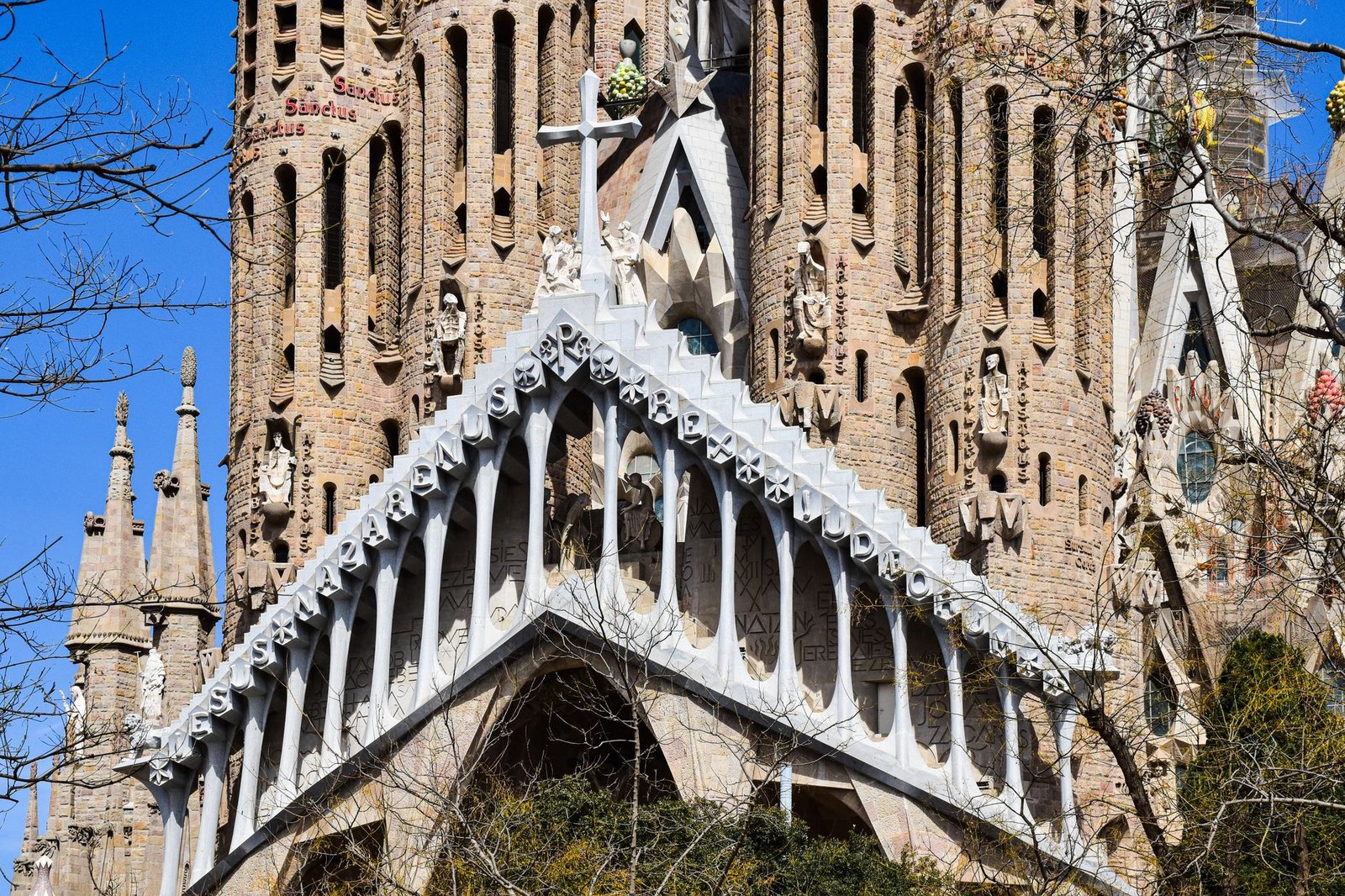
Your first stop has to be the Sagrada Familia. This iconic basilica, still under construction, is not just a building; it’s an experience. You’ll be dropped speechless by its sheer scale and intricate details, both inside and out. However, and this is crucial for a tight schedule: decide if you want to go inside or just admire it from the outside.
- Outside Only: If you’re really pressed for time, or budget, spending an hour walking around the exterior is still incredibly rewarding. You can see the distinct Nativity and Passion façades, each telling a biblical story in stone. It’s free to do this, of course, and you can grab some excellent photos from Plaça de Gaudí.
- Inside Visit: If you choose to go inside, you MUST book your tickets online well in advance (at least a week, more in peak season). Showing up without a pre-booked slot means you’ll face hours of queuing, if you even get in. Tickets typically start from €26 for basic entry, and €30 with an audio guide. Allocate at least 2 hours for an interior visit. The light streaming through the stained-glass windows is truly spectacular, casting a rainbow of colours across the forest-like columns. Is it worth it for 36 hours? Yes, if you prioritize it. It’s a truly unique structure that you won’t see anywhere else.
From Sagrada Familia, take the L2 (purple line) metro from Sagrada Familia station to Passeig de Gràcia. This takes about 5 minutes. Alternatively, a taxi or ride-share will cost around €8-€10. Here, you’ll get a glimpse of other Gaudí masterpieces like Casa Batlló and Casa Milà (La Pedrera) from the street – save your interior visit time for the Sagrada Familia or Park Güell on this trip.
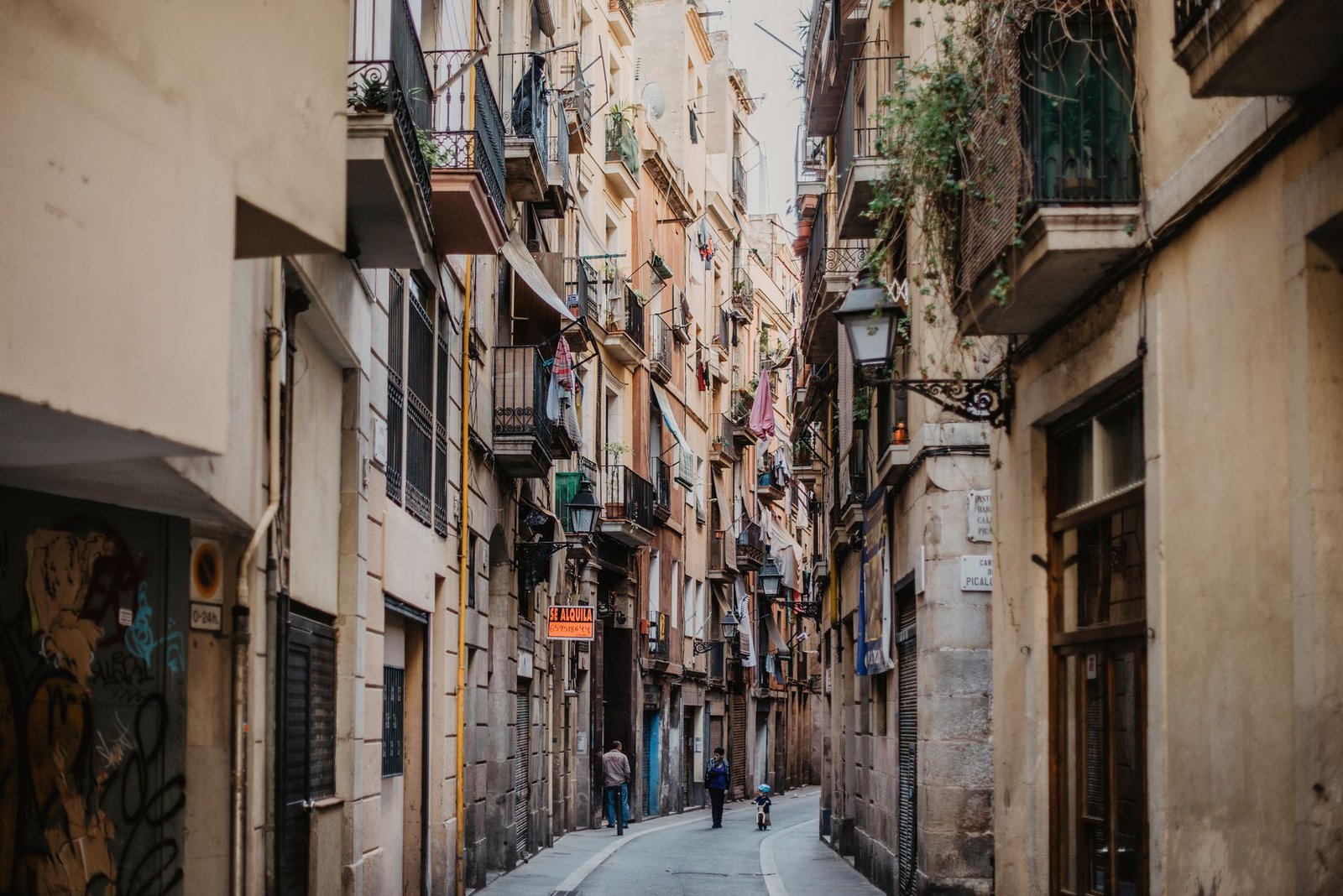
From Passeig de Gràcia, it’s about a 15-minute walk (or a short metro ride on L3, green line, to Liceu) down to the Gothic Quarter (Barri Gòtic). This is where Barcelona’s ancient heart beats strongest. Lose yourself in the labyrinthine narrow streets. You don’t need a map here; just wander. You’ll stumble upon hidden plazas, ancient Roman walls, and the magnificent Barcelona Cathedral. Entry to the Cathedral is free during certain hours (8:00-12:45 and 17:45-19:30), but outside these times, there’s a €7 entrance fee. It’s a beautiful example of Catalan Gothic architecture and worth a quick look inside if you hit the free window.
Lunch (13:00 – 14:30): Sensory Overload at La Boqueria
Just off La Rambla, right next to the Liceu metro stop, you’ll find the Mercat de Sant Josep de la Boqueria, or simply La Boqueria. This isn’t just a market; it’s an explosion of sights, sounds, and smells. It’s busy, it’s loud, and it’s absolutely essential for a quick, authentic Barcelona lunch. Skip the tourist traps directly on La Rambla and dive into the market.
What to eat? Everything! Look for the stalls selling fresh fruit juices (around €2-€3), empanadas (€3-€4), or small plates of seafood at one of the bar-style eateries within the market. My personal favorite is Bar Pinoxto, right at the entrance, or El Quim de la Boqueria further inside. Be prepared to stand or grab one of the few stools. Expect to spend around €10-€20 for a fulfilling lunch. This is a must-do for experiencing the local culinary pulse.
Afternoon (14:30 – 18:00): A Park with a View – Park Güell
After fueling up, it’s time for another Gaudí masterpiece: Park Güell. From La Boqueria, take the L3 (green line) metro from Liceu to Lesseps or Vallcarca. From either station, it’s a 15-20 minute uphill walk to the park entrance. There are escalators along some parts of the ascent, which help immensely.
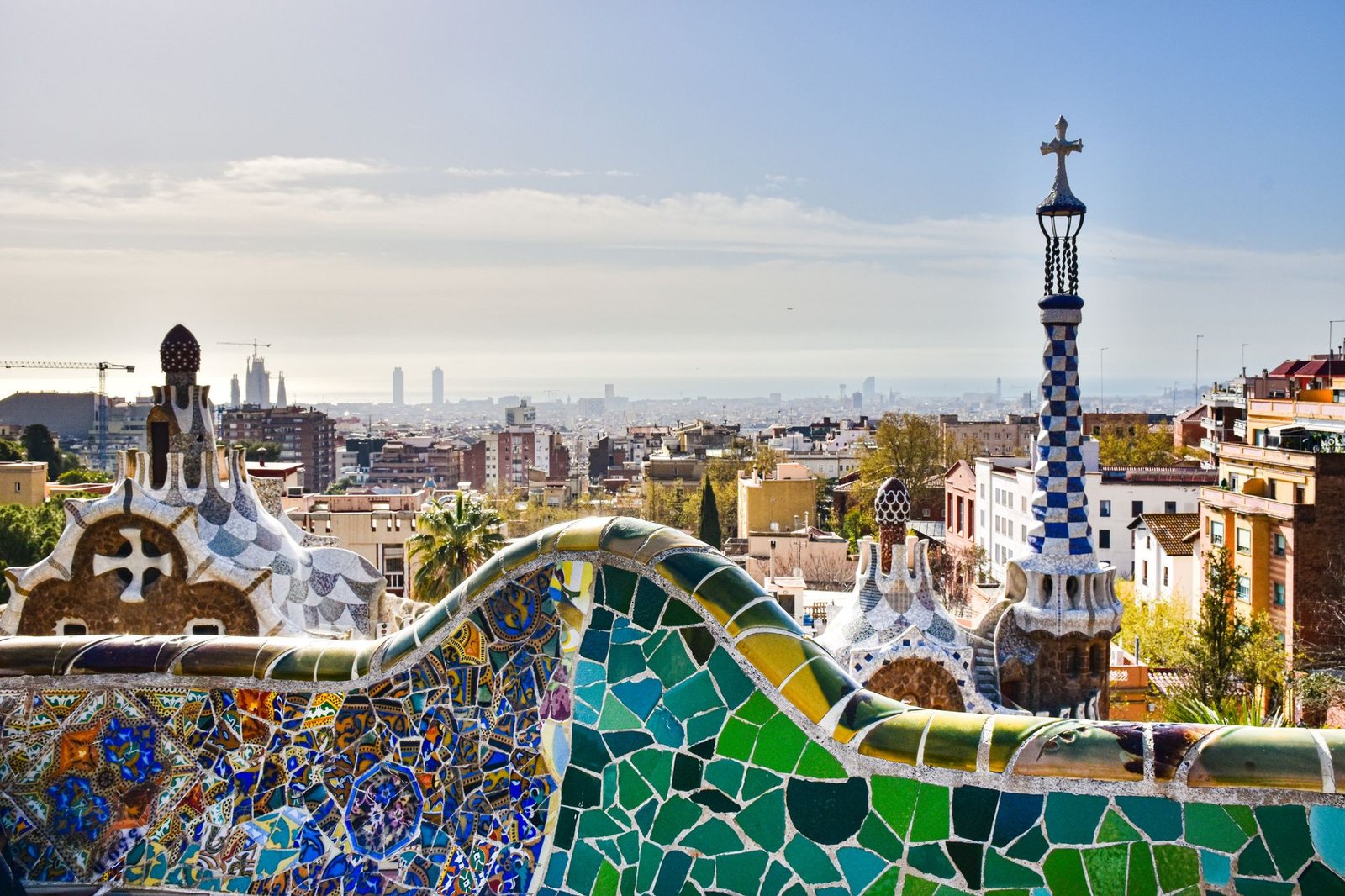
Like the Sagrada Familia, you MUST book your tickets for Park Güell online in advance. Tickets cost €10. There are often long queues for those without pre-booked tickets, and entry may be denied during busy periods. Allocate 1.5-2 hours inside the monumental zone. Here, you’ll see Gaudí’s iconic mosaic lizard, the gingerbread-house-like gatehouses, and the main terrace with its famous serpentine bench, offering incredible views over the city. While it can be crowded, the whimsical architecture and the panoramic vista make it absolutely worth the effort. The public areas of the park are free to roam, but the truly impressive Gaudí elements are within the paid “Monumental Zone.”
Evening (18:00 – Late): Sunset, Stroll, and Tapas in Gràcia
Descend from Park Güell and head into the Gràcia neighborhood, which borders the park. Gràcia used to be a separate village and still retains that distinct, local feel. It’s less touristy than the Gothic Quarter but full of life, independent boutiques, and charming plazas.
- Plaça del Sol or Plaça de la Vila de Gràcia: Grab a spot at an outdoor terrace here for an aperitivo (non-alcoholic, of course) and watch the world go by as the sun sets. It’s a wonderfully relaxed atmosphere.
- Dinner: Gràcia is fantastic for food. For an authentic tapas experience, try Bodega La Palma (Carrer de la Palma, 4) or La Pepita (Carrer de Còrsega, 343). Expect to pay €25-€40 per person for a good tapas spread. My stance? Skip the tourist trap restaurants on La Rambla and eat where the locals do in Gràcia. The quality is higher, and the prices are better.
After dinner, a leisurely stroll through Gràcia’s quieter streets is the perfect end to your first day. You’ll see locals out for their evening walk, kids playing in the squares, and perhaps some street musicians.
Day 2 – Coastal Views, Artistic Heritage, and More of Barcelona, Spain Things See
Morning (9:00 – 12:30): Montjuïc and Panoramic Vistas
Start your second day with a trip up Montjuïc hill. This offers a different perspective of Barcelona, blending nature, history, and incredible views. Take the metro (L3 or L2) to Paral·lel, then transfer to the Montjuïc Funicular (it’s part of the public transport system, so your T-Casual or Hola Barcelona card works). The funicular takes you halfway up the hill, where you can then catch the Montjuïc Cable Car (Telefèric de Montjuïc). A return ticket for the cable car costs €13.50.
At the top, you’ll find Montjuïc Castle. This old fortress offers 360-degree views of the city, the port, and the Mediterranean Sea. Entry to the castle is €5, and it’s open from 10:00 to 20:00 (check seasonal variations). You don’t need to spend hours inside; a quick walk around the ramparts and a moment to take in the views is enough for your limited time. Allow 2-2.5 hours for the round trip and castle visit.
Stance: The views alone make Montjuïc worth it. If you’re not interested in the castle itself, you can still enjoy the stunning panoramas from the surrounding areas without paying the entry fee.
Lunch (12:30 – 14:00): El Born’s Charms
From Montjuïc, take the cable car back down and the funicular to Paral·lel. Then, take the L3 (green line) to Drassanes and walk into the El Born district. This area is a delightful blend of history and contemporary cool, with medieval streets, independent shops, and excellent lunch spots.
For lunch, consider a traditional Catalan meal in El Born. Try Cal Pep (Plaça de les Olles, 8) for a classic seafood experience, or Bormuth (Plaça Comercial, 1) for a more casual, modern tapas vibe. Expect lunch to be in the €15-€30 range. This district is also great for just wandering and soaking up the atmosphere.
Afternoon (14:00 – 17:00): Artistic Interlude or Beach Stroll
Now you have a choice, depending on your interests. Both options are easily accessible from El Born:
- Option A: Picasso Museum: If you’re an art lover, the Picasso Museum (Carrer de Montcada, 15-23) houses one of the most extensive collections of artworks by the 20th-century Spanish artist Pablo Picasso. The museum focuses on his formative years, offering a fascinating insight into his development. Tickets are €12, and again, booking online is highly recommended to avoid queues. Allow 1.5-2 hours.
- Option B: Barceloneta Beach Stroll: If you prefer fresh air and coastal views, walk down to Barceloneta Beach from El Born (about a 15-minute walk). You won’t have time for a full beach day, but a stroll along the promenade, watching the waves and feeling the sea breeze, is incredibly relaxing. It’s also a great spot to people-watch. Grab a refreshing granizado (crushed ice drink, €3-€5) from a chiringuito (beach bar stand).
Stance: For 36 hours, if you’ve already seen Sagrada Familia and Park Güell, the beach stroll is arguably a better use of time to experience a different side of Barcelona without museum fatigue. However, if Picasso is a priority, the museum is well worth it.
Late Afternoon (17:00 – 19:00): Last Bites and Souvenirs
Head back towards the city center or your chosen departure point. This is your chance for some last-minute souvenir shopping or to revisit a favorite spot. For unique gifts, explore the independent shops in El Born or Gràcia. You can find everything from handmade leather goods to quirky ceramics.
Consider a final authentic snack. Perhaps a churro con chocolate from a traditional churrería like Churrería Laietana (Via Laietana, 46) near the Gothic Quarter. A portion of churros with hot chocolate will set you back around €5-€7. It’s a delightful, sweet end to your Barcelona adventure.
Here’s a quick overview of your 36-hour itinerary:
| Time | Activity | Location | Estimated Cost (Entry/Food) | Transport Method |
|---|---|---|---|---|
| Day 1 | ||||
| 9:00 – 11:30 | Sagrada Familia (Interior/Exterior) | Eixample | €0 – €30 (pre-booked) | Metro (L2/L5) |
| 11:30 – 13:00 | Gothic Quarter Exploration | Gothic Quarter | €0 – €7 (Cathedral) | Walk (from Passeig de Gràcia) |
| 13:00 – 14:30 | Lunch at La Boqueria | La Rambla | €10 – €20 | Walk (from Gothic Quarter) |
| 14:30 – 18:00 | Park Güell (Monumental Zone) | Gràcia | €10 (pre-booked) | Metro (L3) + Walk |
| 18:00 – Late | Evening in Gràcia (Stroll, Dinner) | Gràcia | €25 – €40 (dinner) | Walk |
| Day 2 | ||||
| 9:00 – 12:30 | Montjuïc Hill & Castle | Montjuïc | €5 (castle) + €13.50 (cable car) | Metro (L2/L3) + Funicular + Cable Car |
| 12:30 – 14:00 | Lunch in El Born | El Born | €15 – €30 | Metro (L3) + Walk |
| 14:00 – 17:00 | Picasso Museum OR Barceloneta Beach | El Born/Barceloneta | €12 (museum) / €0 (beach) | Walk |
| 17:00 – 19:00 | Last Bites/Souvenirs | City Center/Your choice | €5 – €15 | Walk/Metro |
Before you commit to a specific tour, it’s a good idea to book a guided tour on Viator for sites like Sagrada Familia or the Gothic Quarter if you want an in-depth understanding without the hassle of navigating yourself. For accommodation, remember to compare hotel prices on Booking.com well in advance, especially during peak season, to secure a good location and value.
Have a bit more time on your hands? Our 2-day Barcelona itinerary spreads the same essentials out at a calmer pace.
FAQ: Barcelona Quick Trip — Common Questions
How much does 36 hours in Barcelona typically cost?
Excluding accommodation and flights, you can realistically expect to spend anywhere from €80 to €150 per person per day. This covers public transport (a T-Casual or Hola Barcelona card for around €11-€17), entrance fees to major attractions like Sagrada Familia and Park Güell (€20-€40 combined), and food (around €50-€80 for three meals and snacks at mid-range local spots). Remember, this can vary wildly based on your dining choices and how many attractions you choose to enter rather than just view from the outside.
Is it possible to see the best of Barcelona, Spain things see in just 36 hours?
Yes, absolutely! While 36 hours isn’t enough to see *everything*, it’s certainly enough to experience the city’s highlights and get a strong sense of its unique atmosphere. The key is efficient planning and prioritizing what truly interests you. Don’t try to cram too much in; focus on a few key experiences rather than rushing from one site to another without truly appreciating them. This itinerary is designed to give you a solid taste without overwhelming you.
What’s the best way to get from Barcelona Airport (BCN) to the city center?
The Aerobús is generally the quickest and most convenient option. It costs €6.75 for a single ticket and takes about 25-30 minutes to Plaça de Catalunya, with several stops along the way. Alternatively, you can take the R2 Nord train (part of the Rodalies commuter rail network) from Terminal 2 to Passeig de Gràcia or Sants Estació (around €4.60, 25 minutes). A taxi will cost around €30-€40 depending on your final destination and traffic, while ride-shares like Cabify or Free Now are usually a bit cheaper.
What are some hidden spots or less touristy things to do with limited time?
While 36 hours means focusing on main attractions, you can integrate smaller, less crowded experiences. Instead of a sit-down meal, grab a bocadillo (sandwich) from a local bakery and eat it in a quiet square like Plaça de Sant Felip Neri in the Gothic Quarter. Explore the quirky shops in El Born or Gràcia, or simply spend an hour people-watching in Plaça Reial. The beauty of Barcelona is also in its everyday life, so don’t be afraid to just observe.
Is Barcelona a walkable city?
Many central areas, like the Gothic Quarter, El Born, and Eixample, are very walkable. However, distances between major attractions like Sagrada Familia, Park Güell, and Montjuïc require public transport or taxis. Combining walking with the efficient metro system is the best strategy for covering ground quickly and comfortably during your 36 hours.
There you have it – a manageable, exciting, and authentic 36-hour plan for experiencing Barcelona. It’s a city that leaves a lasting impression, even on the quickest of visits. Don’t stress about seeing absolutely everything; instead, focus on enjoying each moment, savoring the unique atmosphere, and letting Barcelona surprise you. If you find yourself captivated and wishing for more time by the sea, perhaps a future trip could take you further afield, like exploring the beaches of Cadiz or Malaga.